

Wearing many hats: The art of saying "yes" at Mawson
Life on station is a constant, never-ending rollercoaster of competing priorities. It’s a daily tug-of-war between tackling your planned workload for the day and pitching in to help the team source the spare parts or equipment needed for ongoing maintenance and sudden breakdowns.
We aren’t keeping busy just for the sake of it. The reality is that this extreme, remote environment takes a heavy toll on our facilities and machinery. There’s always another "can of worms" opening up, or an unexpected challenge waiting around the corner. The key is that we thrive on those challenges; otherwise, we wouldn’t be here. Best of all, we have plenty of fun while sorting them out.
For me, one of the most rewarding parts of station life has been volunteering for the weird and wonderful random tasks that pop up along the way.
In just five months at Mawson, I’ve had the chance to jump into a range of extra duties and jobs that I never dreamed I’d get to experience:
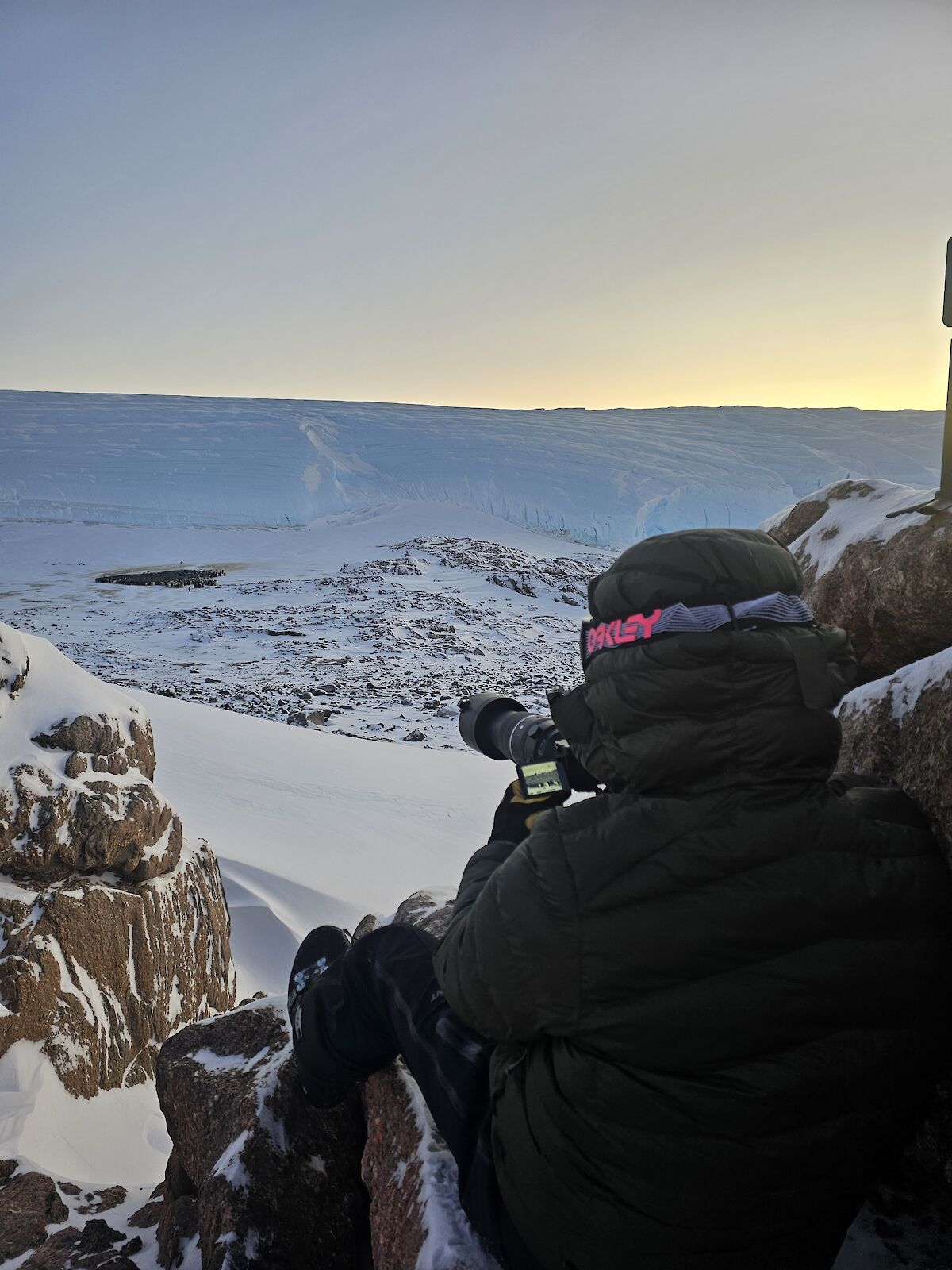
- Emperor penguin monitoring: Assisting with the long-term scientific photography study of the emperor penguin colony at Taylor Glacier, an ongoing annual survey running since 1988.
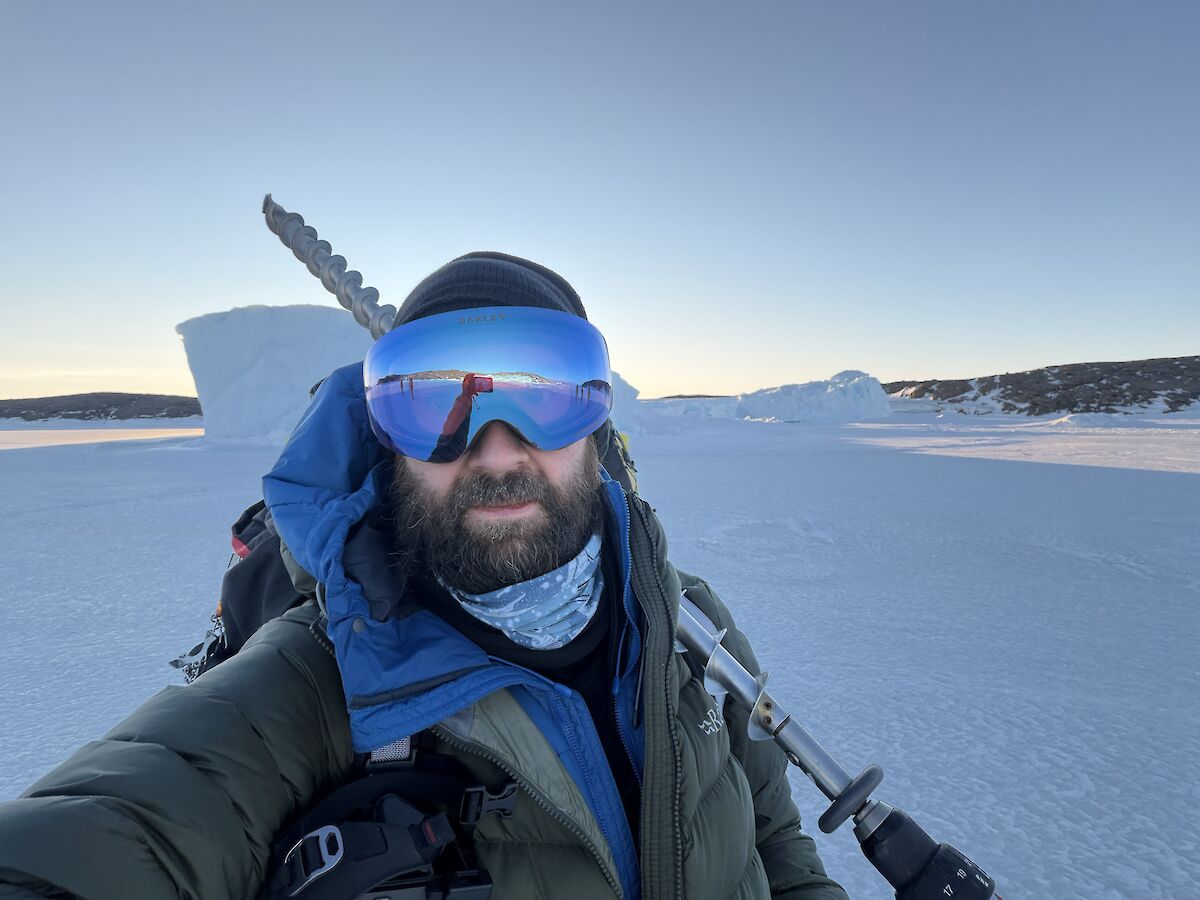
- Sea-ice profiling: Drilling and measuring ice thickness at specific GPS coordinates for station sea-ice records, a weekly routine maintained since 1954.
- Route proving: Joining the sea-ice proving trip out to the Auster penguin colony.
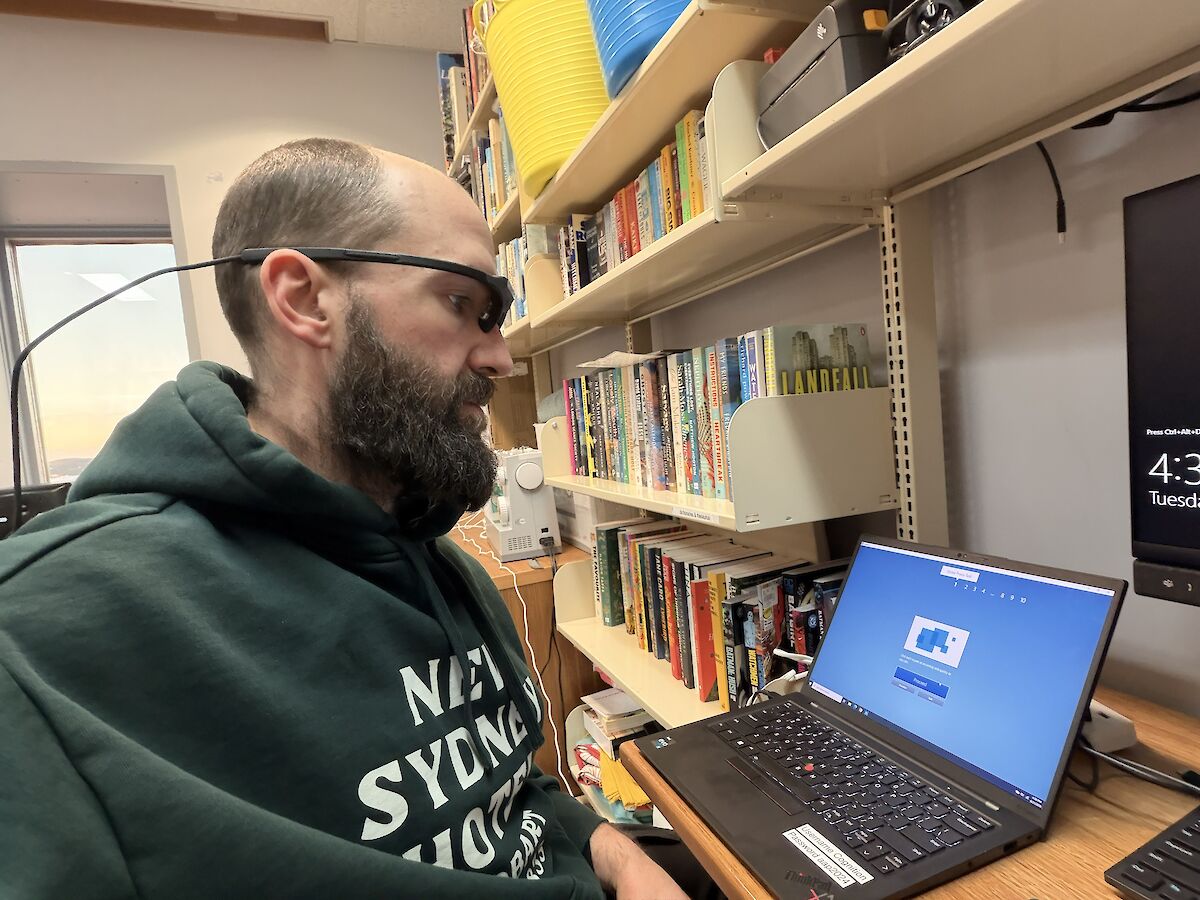
- NASA Cognition Study: Participating in a year-long NASA research project tracking how long-term isolation affects cognitive function. This involves wearing a BioButton to log continuous heart rate and skin temperature data, and donning eye-tracking goggles during regular cognitive assessments.
- Recruitment panellist: Participating in online assessment centres to chat with potential new expeditioners, share insights about daily life on station, and answer their burning questions.
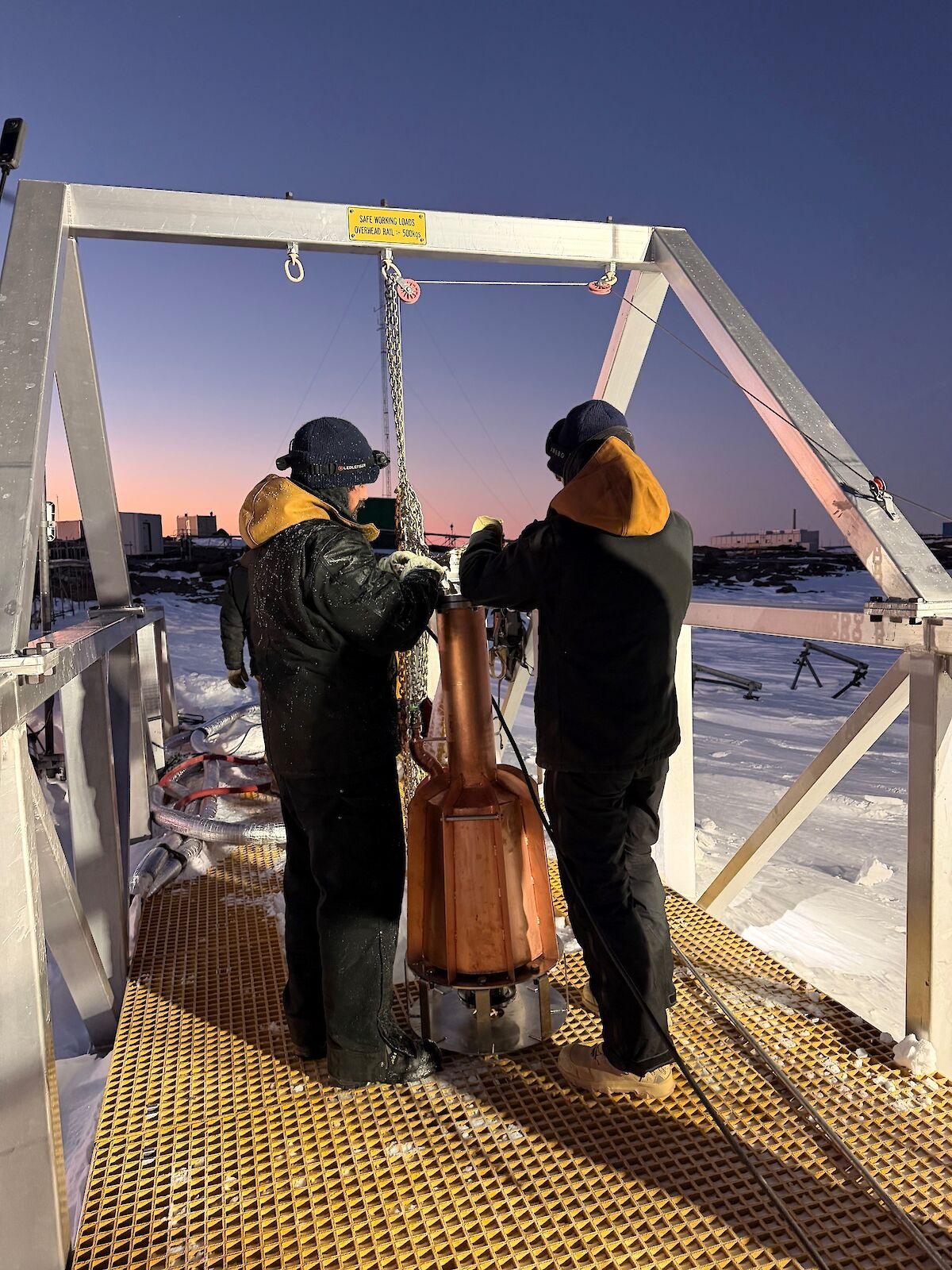
- Glacial plumbing: Helping our plumbing team replace the Melt Bell, our source of glacial drinking water.
- Mechanical and plant support: Assisting our station mechanics with vehicle maintenance and lending a hand to our plant operator during heavy equipment movements.
At the end of the day, stepping outside your main role isn't just about lending a hand, it's how you truly experience what makes an Antarctic station work.
Captain's Log, Supplemental (yes, I’m a ‘Trekkie’):
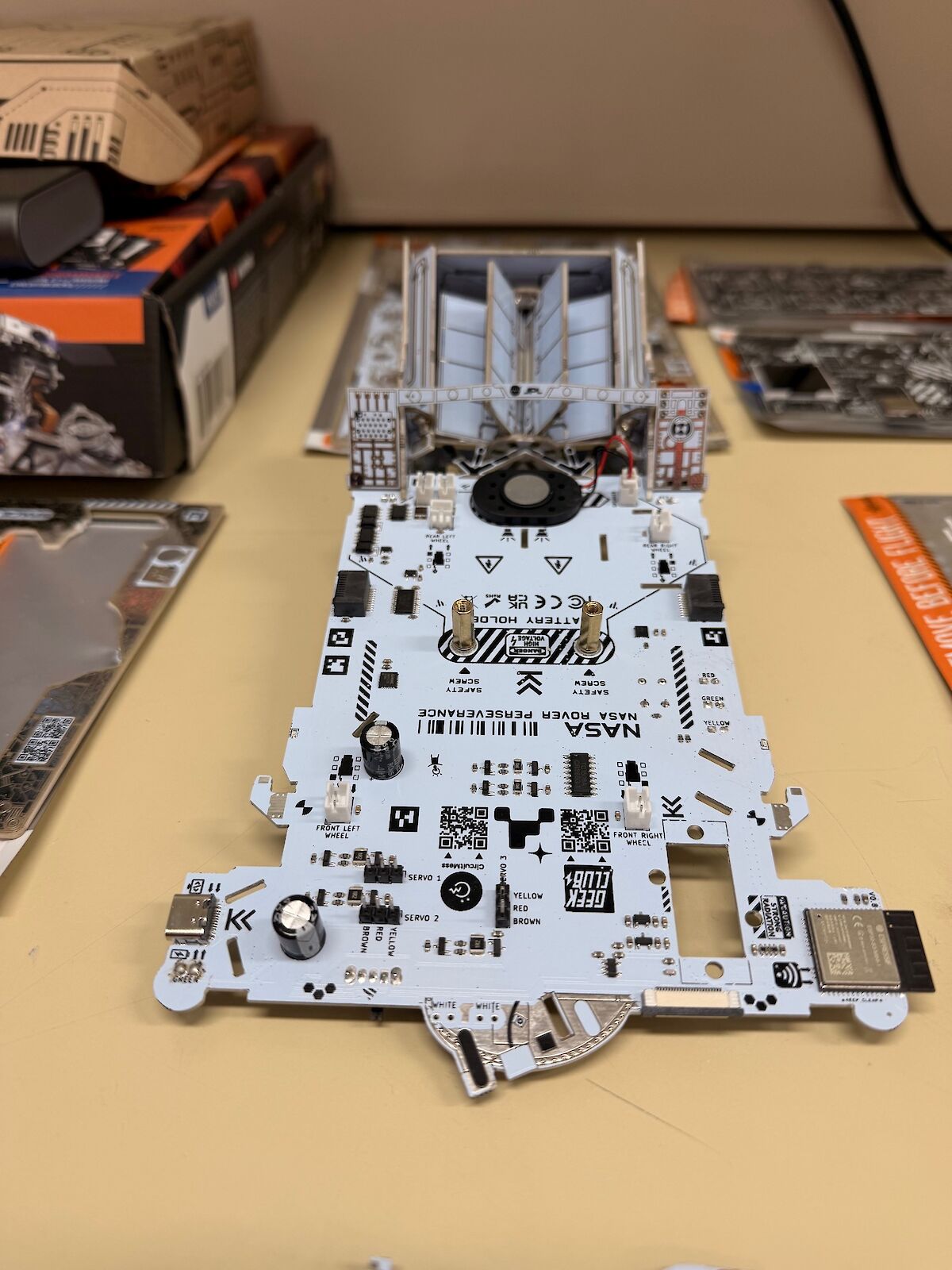
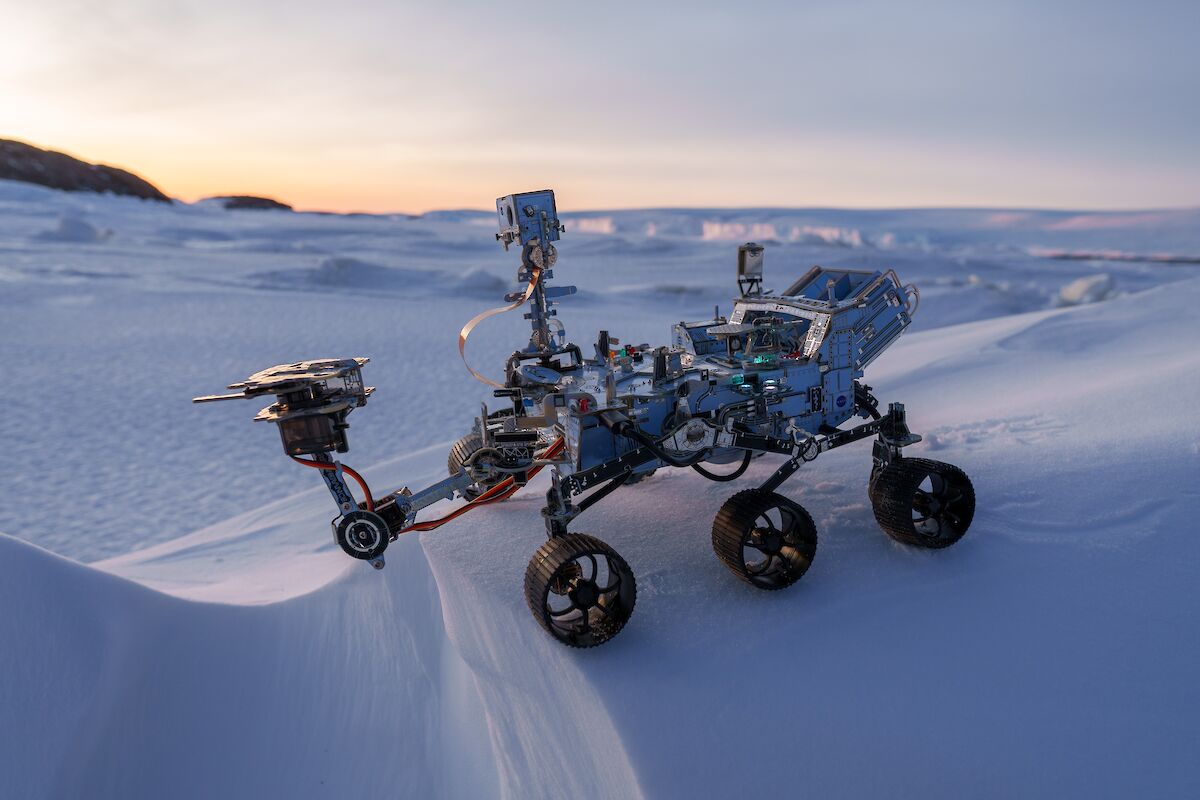
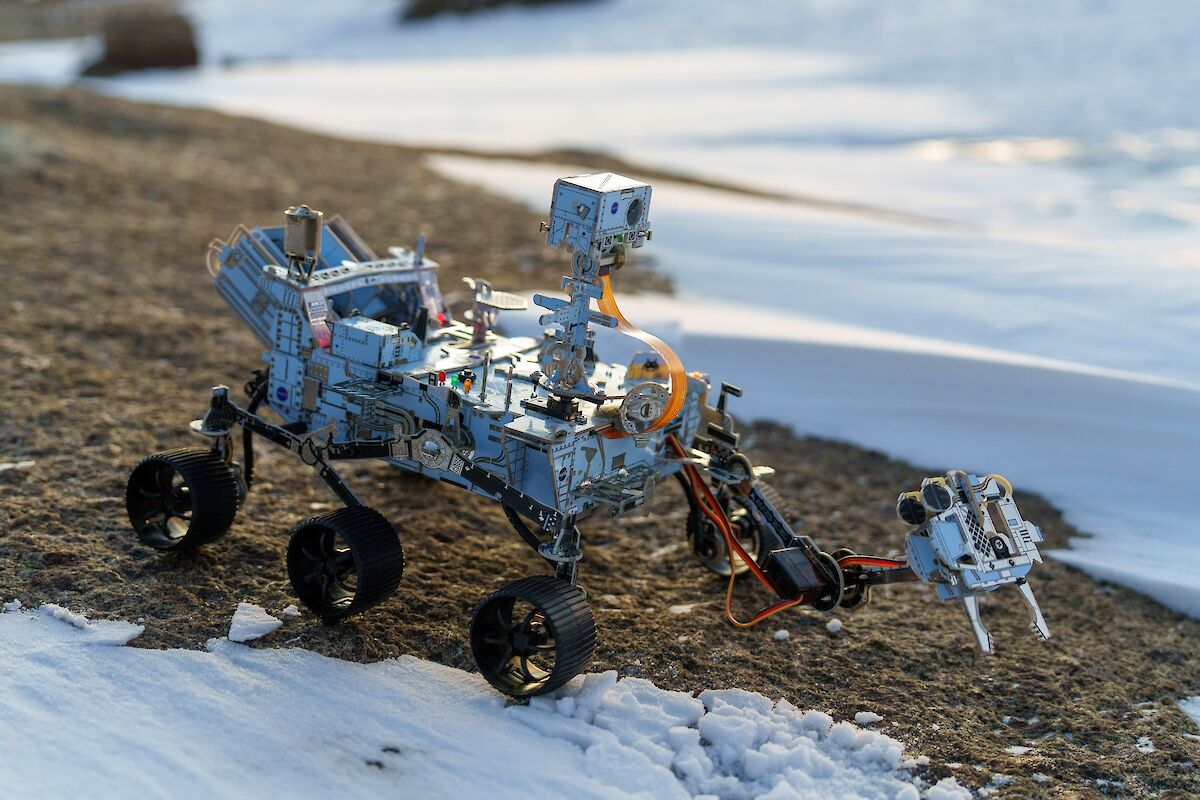
Outside of work, field trips, and station chores, I also managed to tackle a complex engineering project of my own. After blood, sweat, and many, many tears, the appropriately named Mars Perseverance Rover DIY kit is finally complete. Well over time and far beyond my initial patience budget, I took it outside to test it in "the field".
Key findings and field observations are reported below:
• Age ratings lie: There must have been a typo on the packaging stating, "Recommended for ages 11 and up." The assembly instructions were completely clear... to no one.
• Traction issues: Wheels designed for navigating Martian dust perform remarkably poorly on Antarctic sea ice.
• Power drain: Batteries engineered for the thin atmosphere of Mars do not perform very well in Antarctic temperatures of -28°C.
• Screen limitations: The "liquid" crystal display on the controller freezes completely in double-digit negative temperatures (the clue is right there in the word "liquid").
• Power source clarification: The promised nuclear reactor core was, in fact, six standard AA batteries.
At the end of the day, whether you're fixing real station gear or field-testing a tiny toy rover, stepping outside your comfort zone is what makes life in the deep south worthwhile.
Cris Ambrozie
Station Logistics Officer