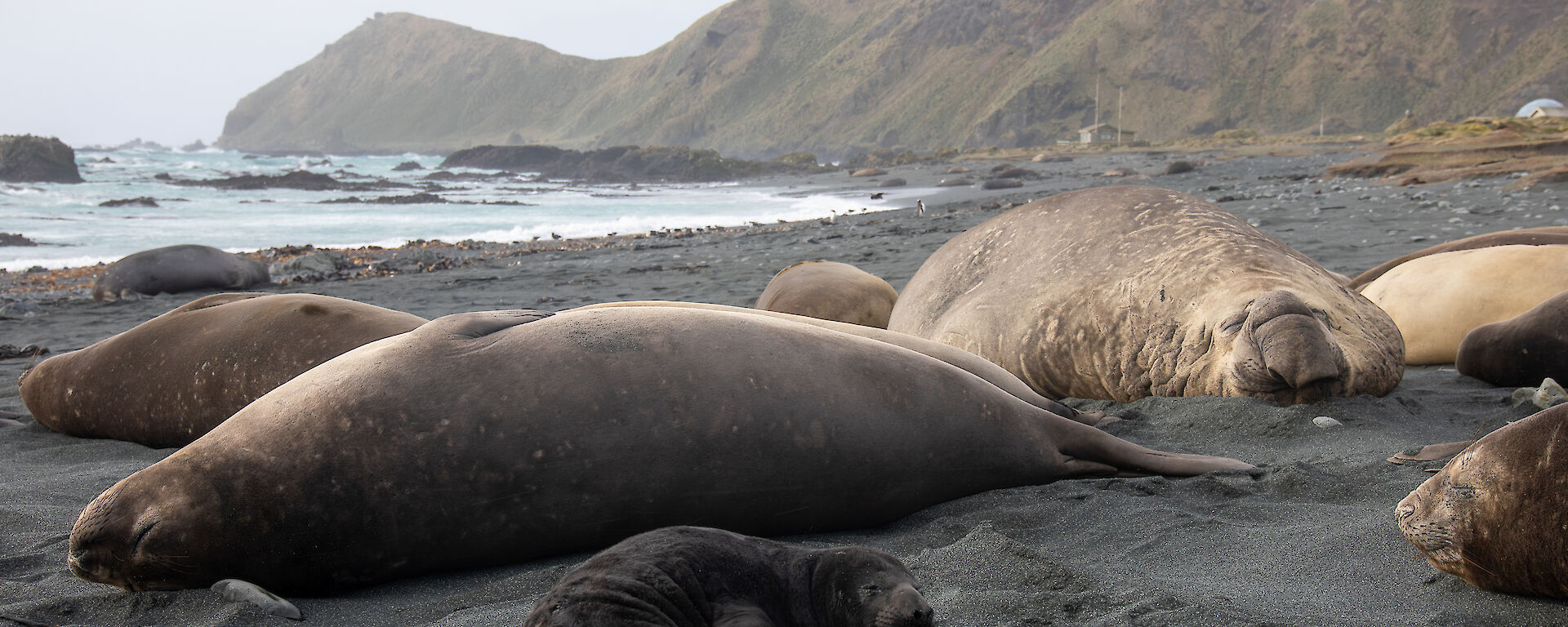

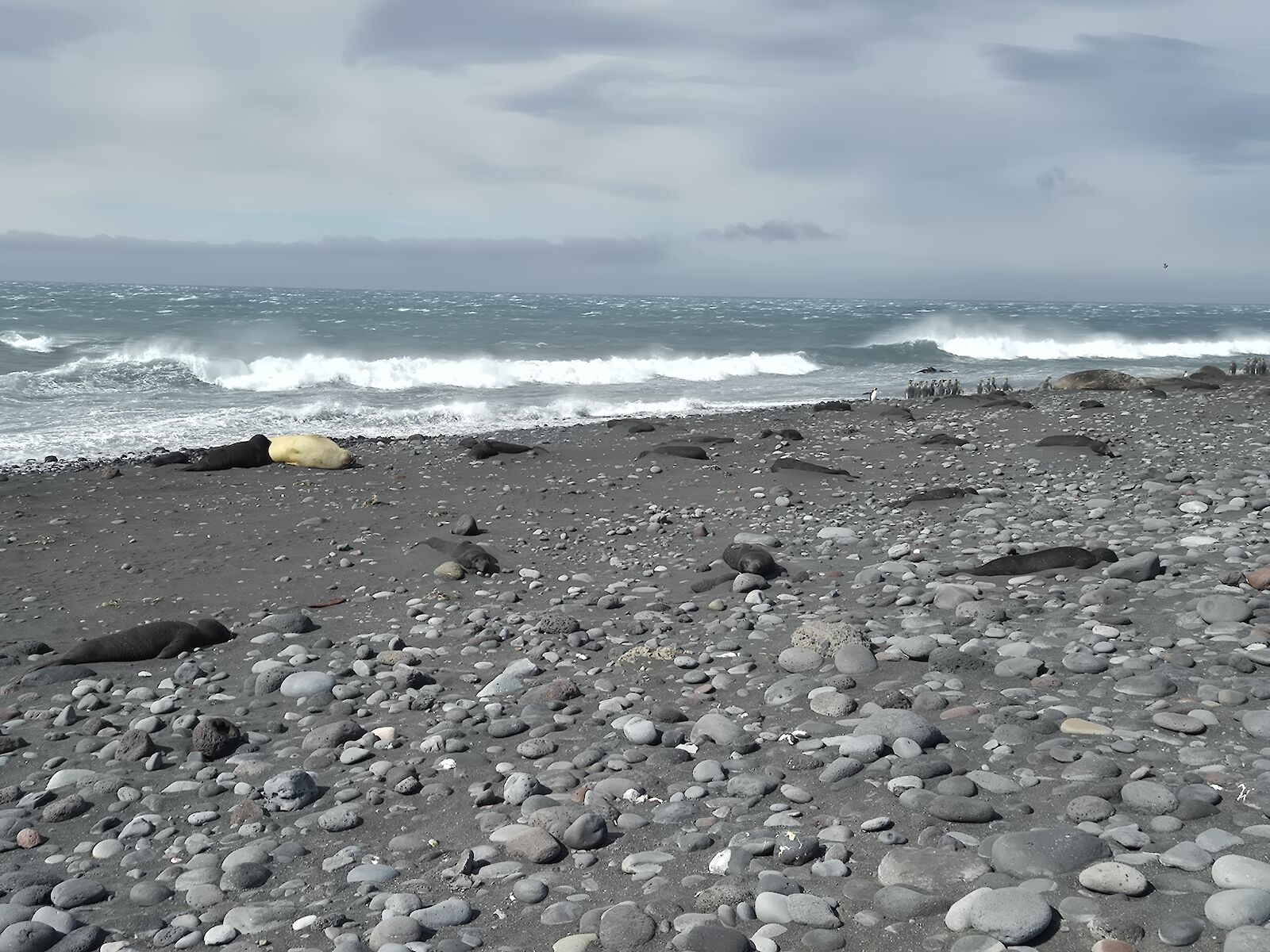
The current strain is also causing disease and death in mammals (including seals and terrestrial carnivores), and in rare cases also causes illness in humans.
H5 bird flu poses a significant threat to Antarctic and sub-Antarctic wildlife and potentially to human health.
The health and welfare of people and wildlife in Antarctica are top priorities for the Australian Antarctic Program (AAP).
Comprehensive biosafety and biosecurity measures have been enacted to protect human health and prevent the transfer and or spread of this disease between humans, animals, and geographic locations.
The Australian Antarctic Division’s HPAI Coordinator monitors the latest global data and updates AAD documentation as new information arises. The Environmental Management Unit, AAD scientists, Polar Medicine Unit, Operations and Logistics and the AAD Safety teams regularly assess the risk of H5 bird flu arriving in all AAP operational areas including stations and field camps.
HPAI Preparedness and Response Plans have been developed for Australia’s Antarctic stations, Macquarie Island and Heard and McDonald Islands and are updated as new information arises.
AAP expeditioners follow these protocols for observing and approaching wildlife each season as outlined in the Preparedness and Response Plan and report any mortalities for investigation.
The AAD trains and equips our Antarctic stations to contribute to monitoring for the arrival of H5 bird flu in Antarctica as part of our commitment to environmental stewardship of Antarctica.