
The team has submitted its findings about mortality levels and the virus's likely pathway to Heard Island to a scientific journal for consideration.
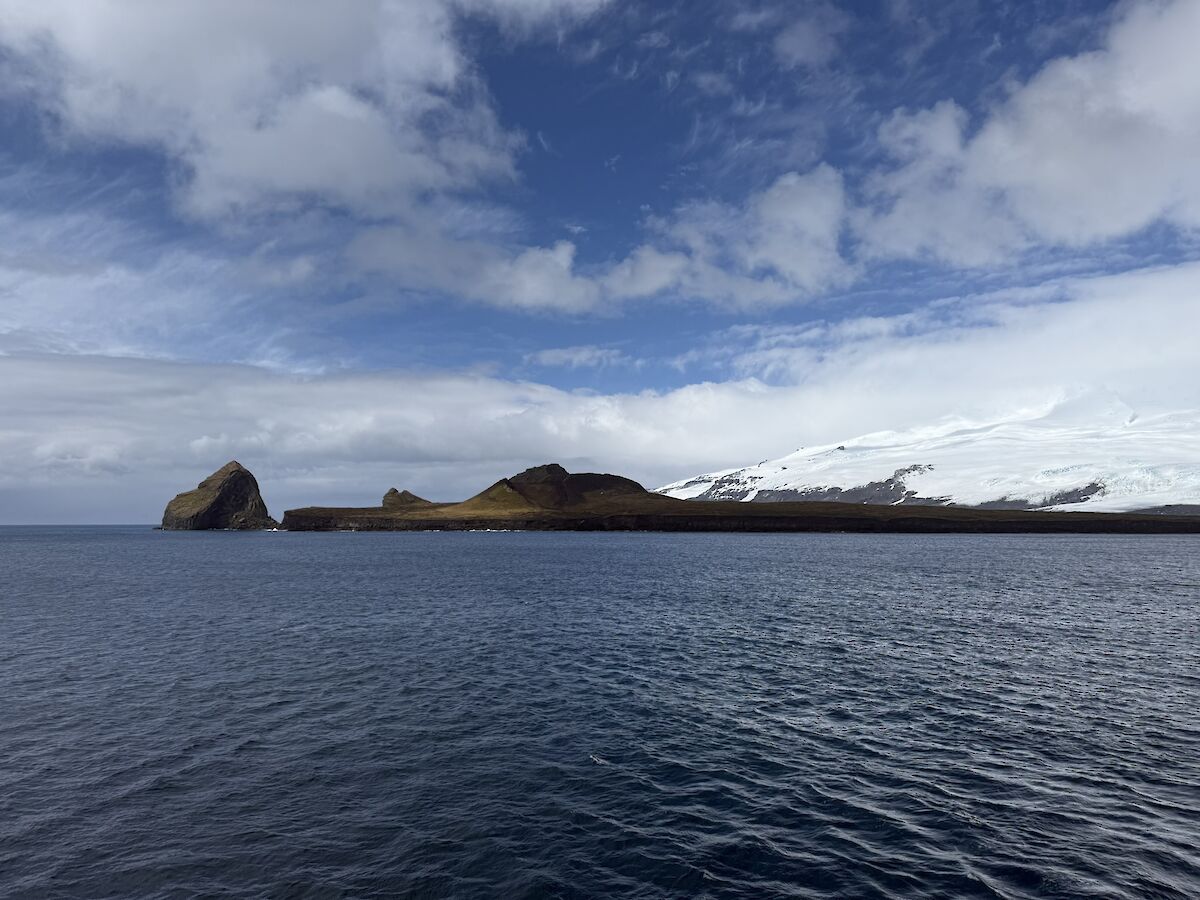
Heard Island and McDonald Islands are an Australian external territory located in the Southern Ocean, about 4,000 km southwest of mainland Australia.
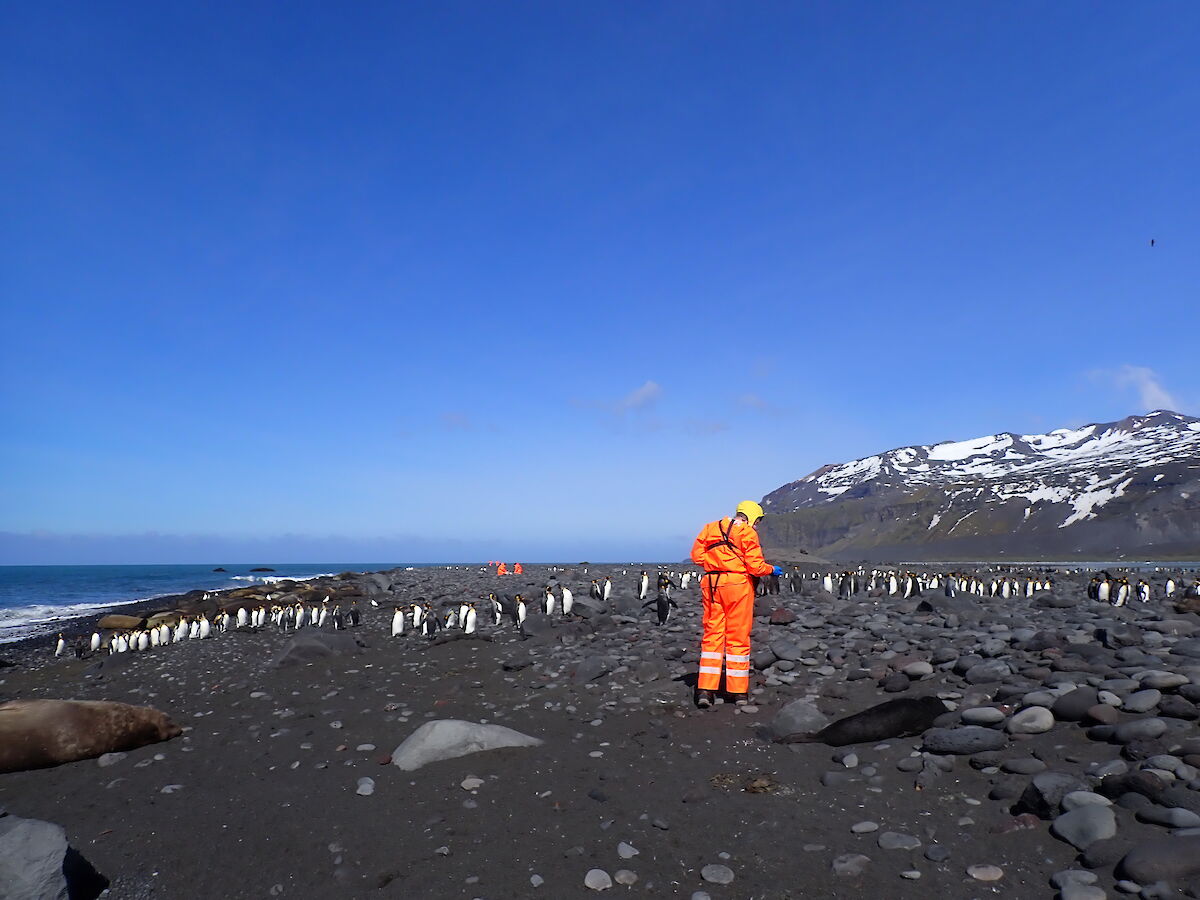
Samples from nine vertebrate species were tested at CSIRO's Australian Centre for Disease Preparedness, with six species testing positive for the viral strain that has been spreading globally (Influenza A H5N1 clade 2.3.4.4b).
These included southern elephant seal, king penguin, gentoo penguin, Antarctic fur seal and South Georgia diving petrel.
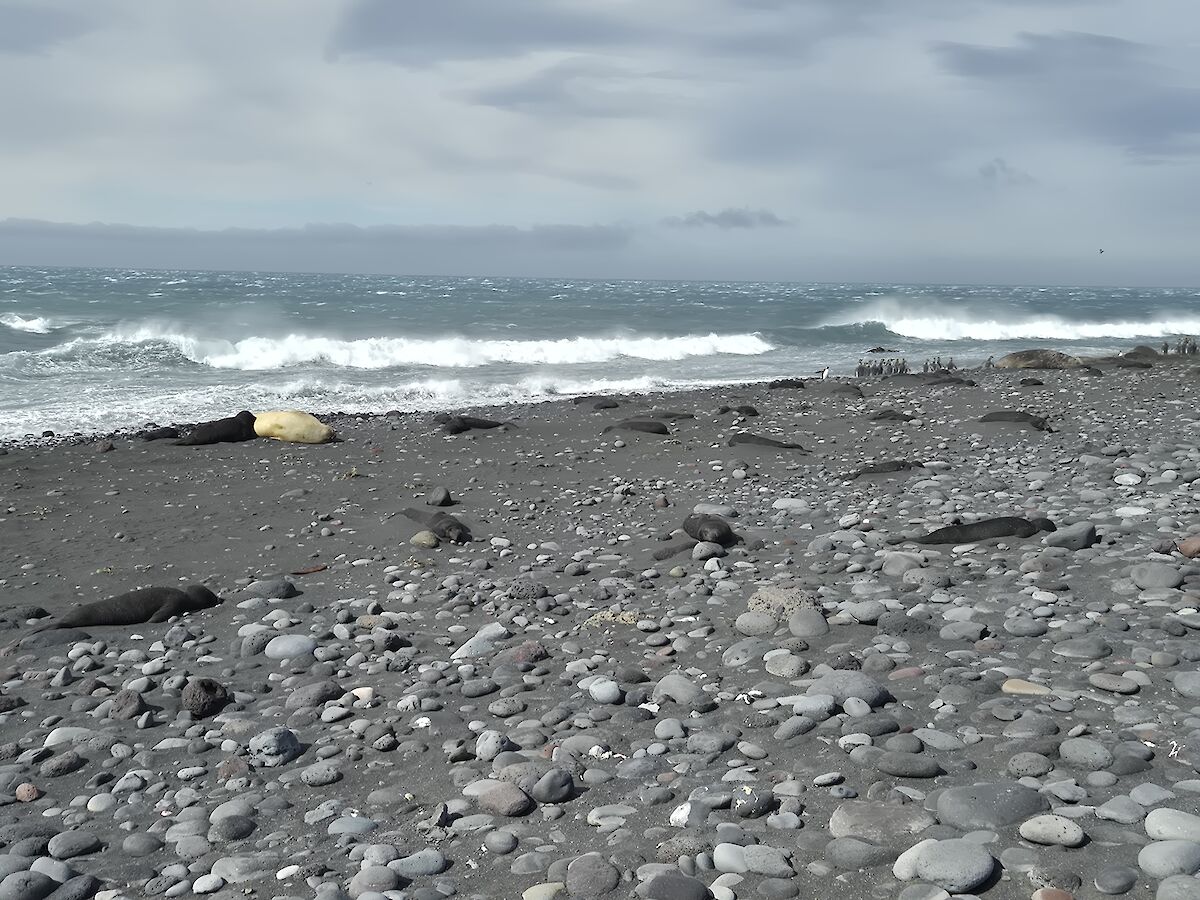
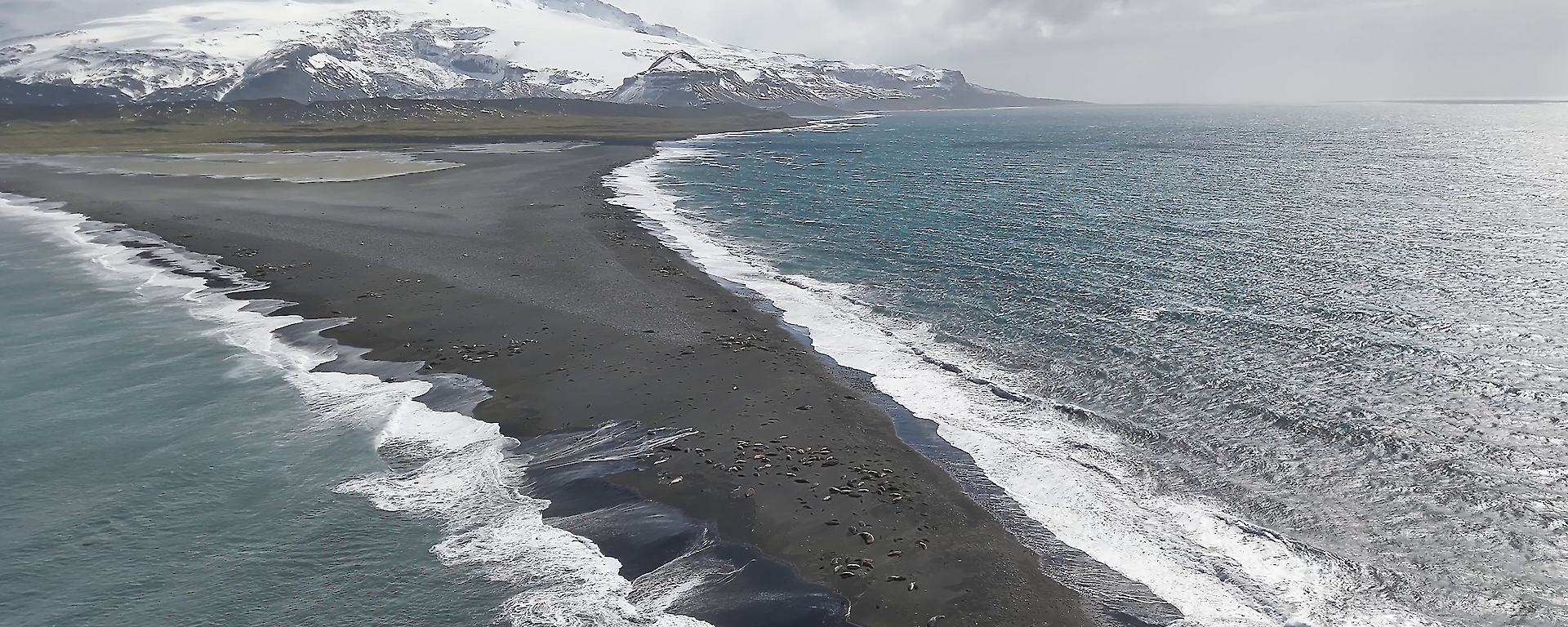
Analysis of drone surveys taken on two voyages in October 2025 and January 2026 reveal very high mortality in southern elephant seal pups and elevated mortality in king and gentoo penguins.
Analysis of data collected in October estimated average pup mortality was 76 per cent in the final surveys and as high as 97 per cent in one area.
Total pup production was estimated at around 17,000 and island-wide mortality was estimated at around 13,000 pups on Heard Island.
By January 2026, widespread elephant seal pup mortality was detected in all surveyed breeding areas, including evidence of mortality at McDonald Island (by drone survey).
However, due to the remoteness and protected status, no on-ground sampling was undertaken, meaning laboratory confirmation was not possible.
"These observations of H5 bird flu at Heard Island and McDonald Island are the first detection in an Australian external territory and show the continued eastward movement of the virus around the sub-Antarctic,” lead author wildlife biologist Dr Julie McInnes said.
“Our results show a similar pattern to other sub-Antarctic islands, such as South Georgia, where elephant seals have been hardest hit.
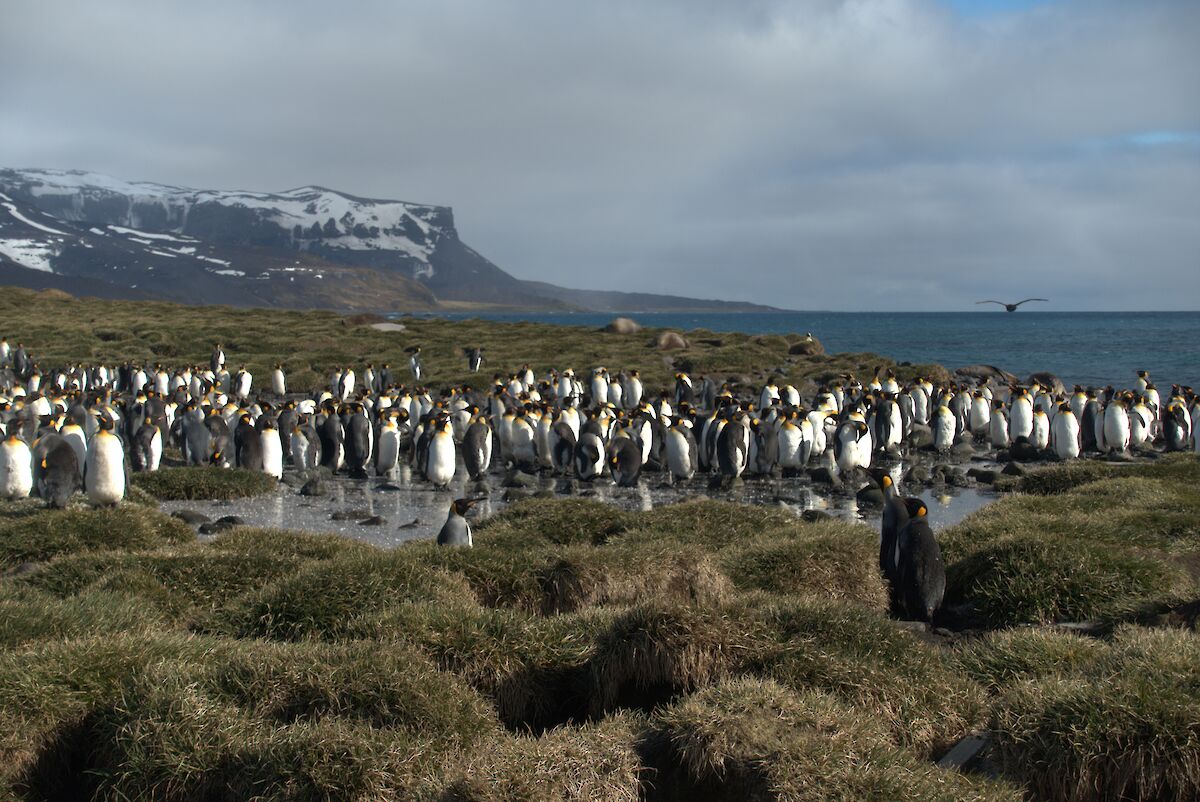
Data collected in January also revealed several hundred dead adult king penguins across the island. While this was a low proportion of the population, the observed mortality was above normal levels.
There was no sign of unusual mortality detected during surveys of albatross or the two endemic species – Heard Island shag and black-faced sheathbill.
However, data were collected over two short periods on Heard Island and it is unknown how the virus may have moved or impacted species since then.
The highest mortalities of all species were initially concentrated in the south-east of Heard island, which is thought to be where the virus first arrived.
Analysis of genetic data suggests H5 bird flu was likely introduced through movement of wildlife from the French sub-Antarctic Crozet Islands, 1,800 km away, with an estimated arrival around August 2025.
Drone surveys
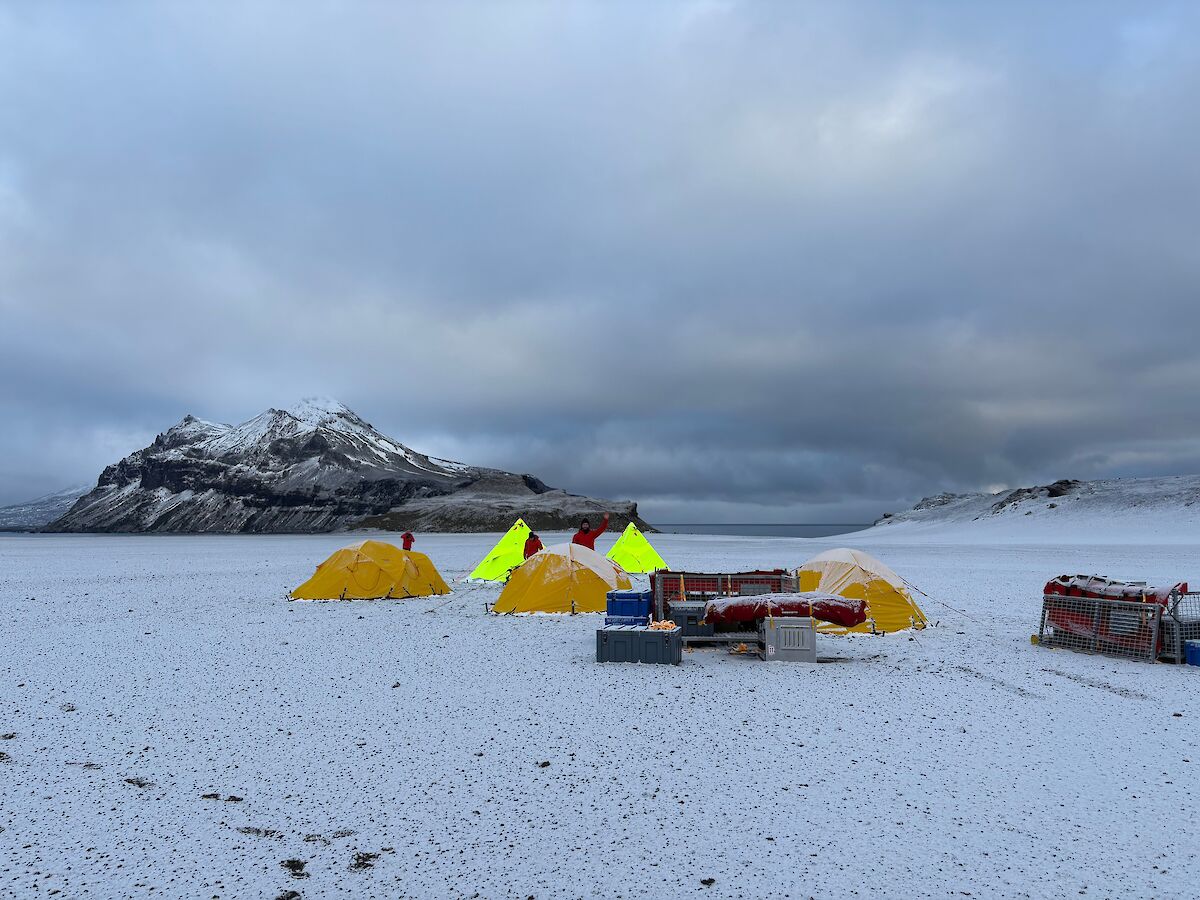
Over the two expeditions, AAP scientists conducted 120 drone flights totaling more than 1,600 km of distance flown - and ground searches covering 300 km - to investigate the spatial and temporal distribution of mortality across species at Heard Island and McDonald Islands.
“Drones were essential to survey Heard Island’s coastline so we could accurately quantify mortality in breeding southern elephant seals,” co-lead author, wildlife biologist, Dr Jarrod Hodgson said.
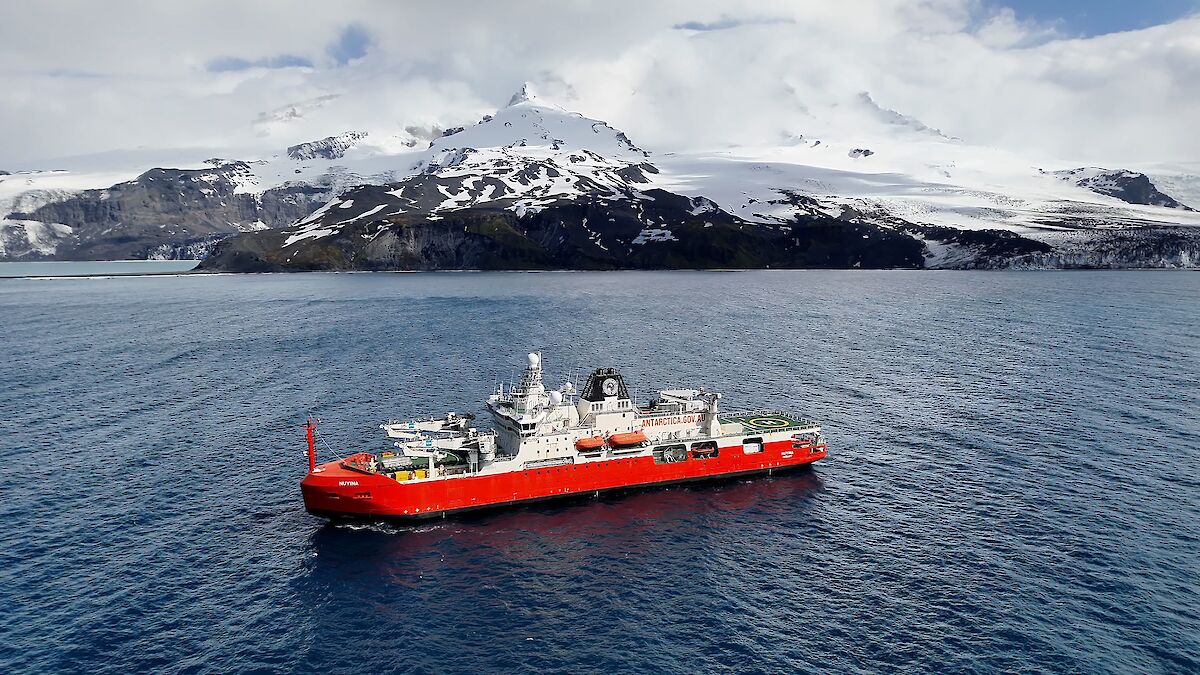
“Long-distance flights from RSV Nuyina enabled us to survey inaccessible locations such as cliffs and offshore islands to assess the status of seabird populations like black-browed albatross and the endemic Heard Island shag.”
The use of drone technology also reduced the impact on animal populations.
“These drone surveys detected king penguin carcasses dispersed through their dense breeding colonies, which could not have been observed on foot without causing significant disturbance,” Dr Hodgson said.
The Australian Antarctic Program continues to monitor for signs of H5 bird flu in the Australian Antarctic Territory and on Macquarie Island, which to this point have not had any suspected cases.
These findings and the results of genetic testing have been submitted to a scientific journal for consideration of publication, but have not yet been peer-reviewed. A preprint is available at BioRxiv.