
End of an era: Farewell to the Honda Quadbike
Certain pieces of equipment become so deeply woven into the fabric of a station that it is difficult to imagine the place without them.
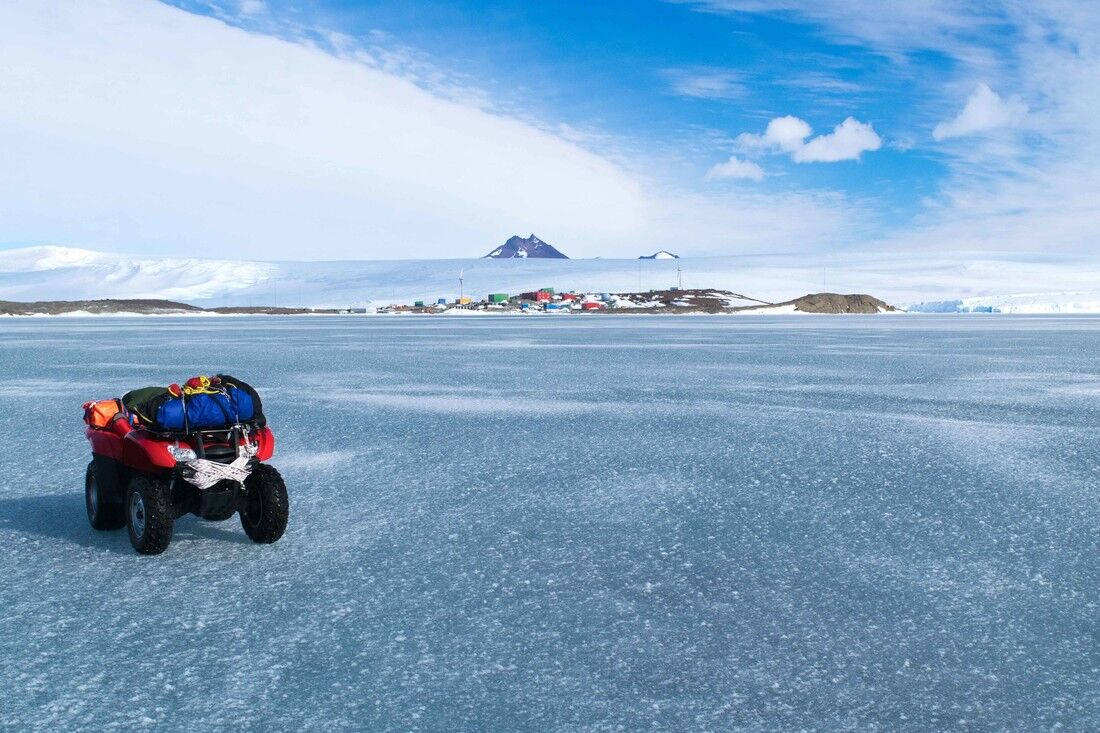
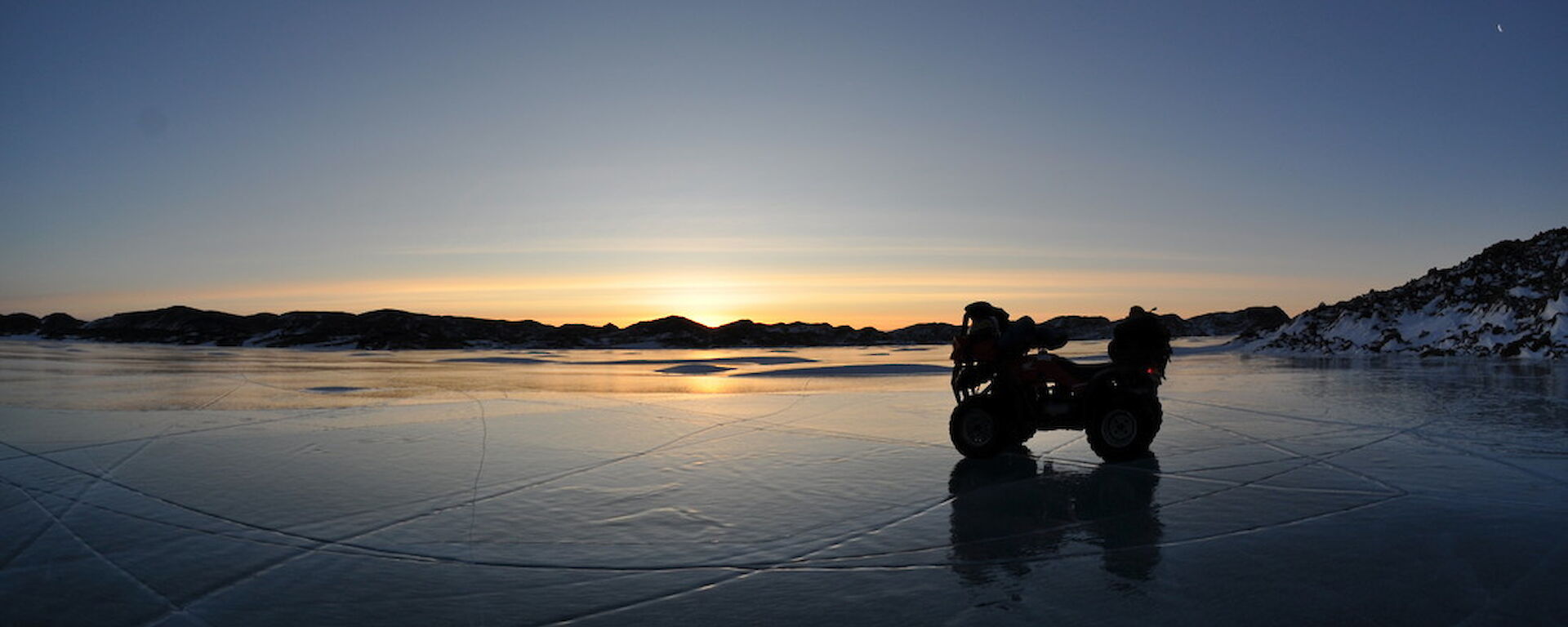
At Mawson, the Honda quad bike is one of those icons.
After more than four decades of continuous service on the Antarctic continent, the familiar Hondas are finally reaching the end of the line. All going to plan, the last of the Australian Antarctic Division’s quads will depart Mawson aboard the V3 next year.
It marks the end of a grand era. One with deep, colourful roots that stretch back long before the first Honda ever rolled off the gangway.
Mawson has always had its machines
Since the first expeditioners set foot at Mawson, getting around the station and across the sea ice has demanded a mix of ingenuity, mechanical sympathy, and occasionally, a willingness to bring something a little unconventional south.
Motorcycles, in particular, carry a surprisingly long pedigree in the Antarctic.
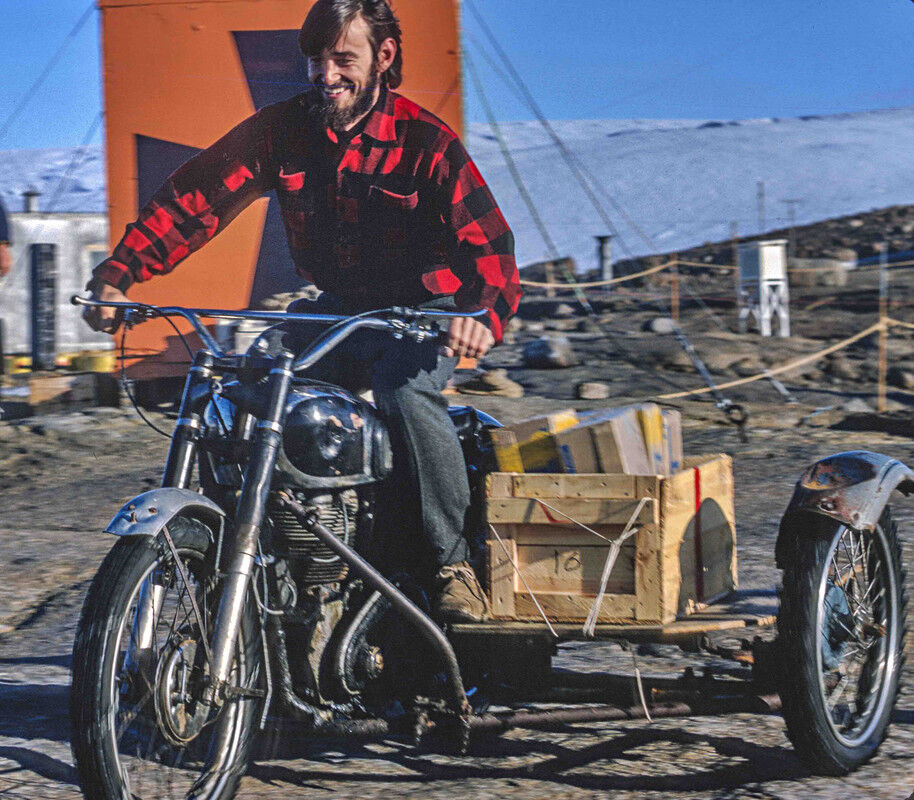
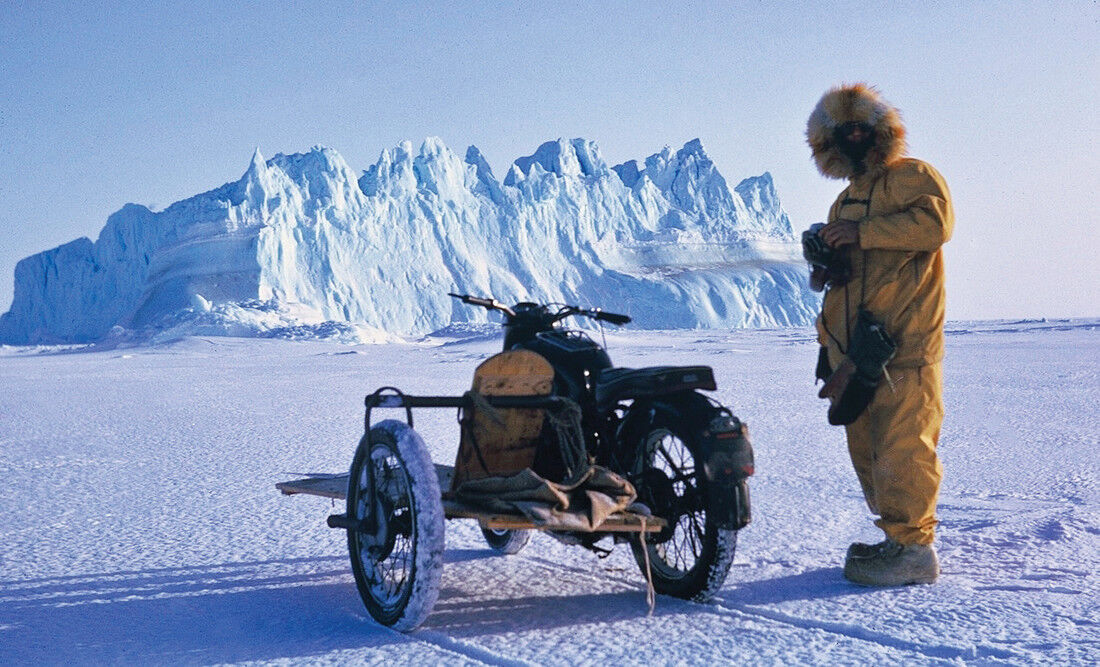
When George Cresswell arrived at Mawson in 1960 hauling a 350 cc Velocette, he expected a few fellow enthusiasts might have done the same. What he didn't foresee was just how many two-wheelers would eventually trek across the ice. Between 1960 and 1980, more than 30 motorcycles were unofficially transported to Australian Antarctic bases. Among them was a legendary 500 cc single-cylinder Matchless, which earned a formidable reputation for longevity, remaining in active service at Mawson from 1968 through 1977.
These bikes were far more than mere transport. They became central to station culture, generating stories that quickly passed into Mawson lore.
One standout moment was captured by Malcolm, who brought a Super 8 movie camera south. The camera was passed hand-to-hand throughout the year, documenting an extraordinary visual record of station life. Decades later, in 2016, the footage was digitized, revealing a classic gem: Malcolm teaching himself to perform a full pirouette on the Matchless across the sea ice—a perfect snapshot of the enthusiasm, adaptability, and slightly unconventional spirit that defines Antarctic living.
The Matchless featured in another famous local adventure in November 1970, when Dave Parer suggested to Malcolm that they ride the bike twelve miles out to Rookery Island to photograph nesting giant petrels. Malcolm later immortalized the journey in The Day the Ice Turned Black, written for the ANARE Club journal Aurora to mark the 40th anniversary of his winter-over.
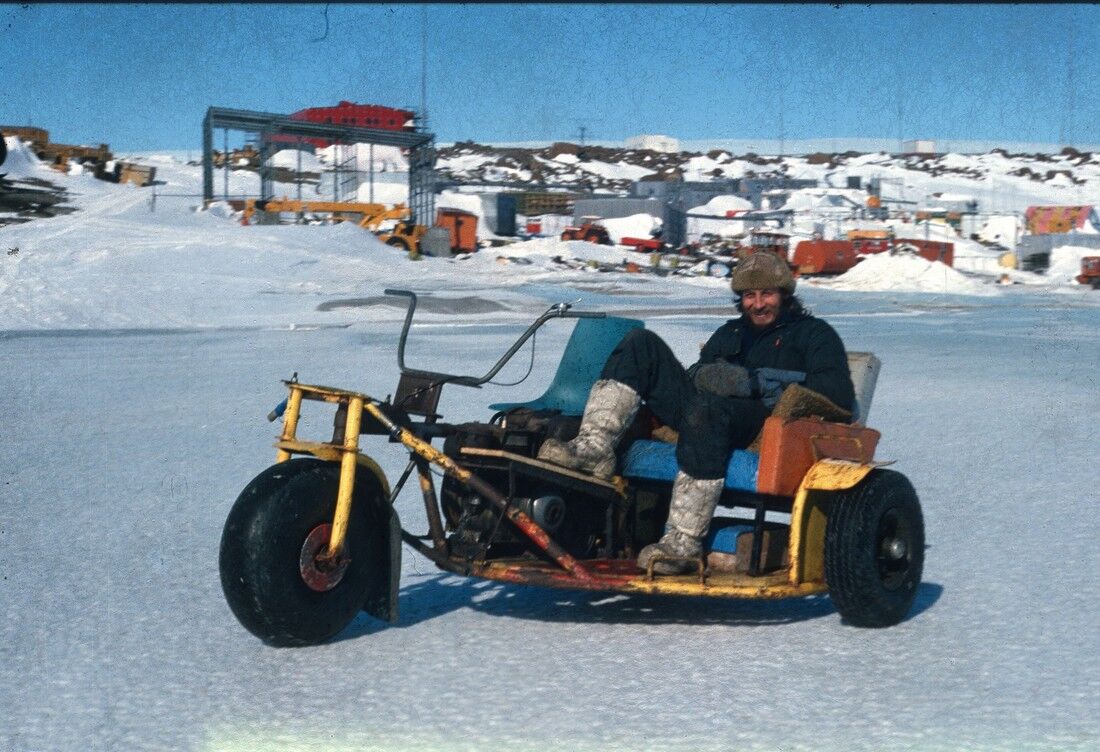
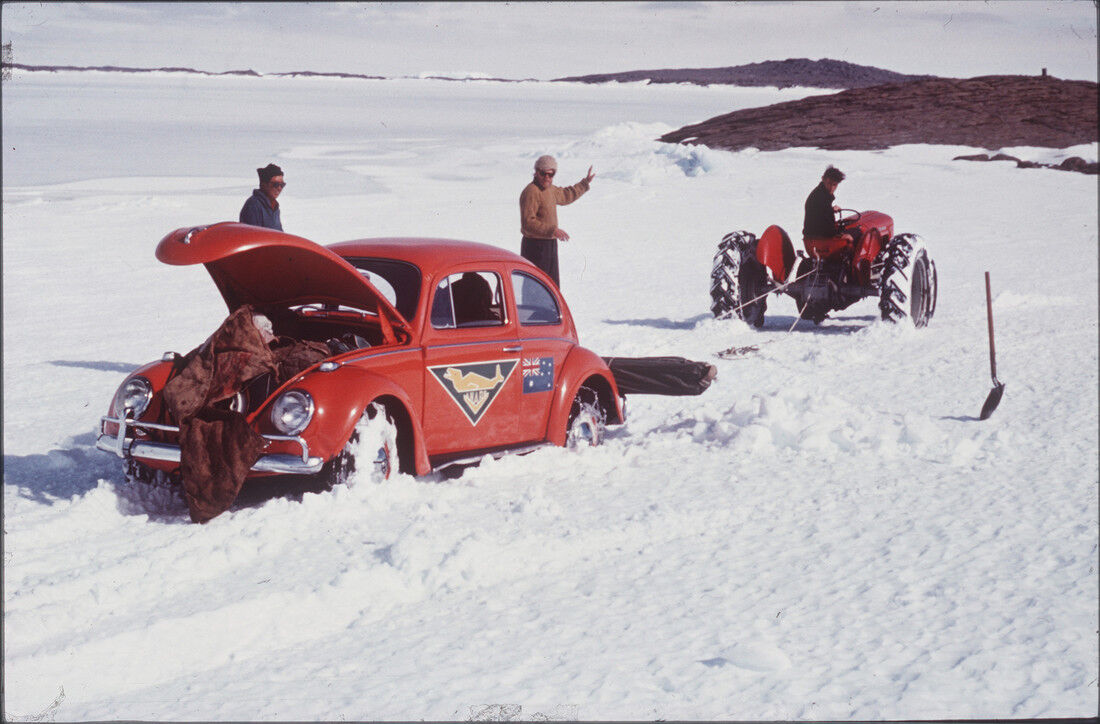
It is tales like these that give Mawson’s old machines a personality of their own—and motorcycles were hardly the last strange beasts to roam the ice. The late 1970s and early 80s brought custom homemade trikes, alongside a legendary fleet of Volkswagen Beetles (and the infamous 'two-and-a-half Beetles') that somehow carved their way through station history.
But those are stories for another day.
Enter the Quads.
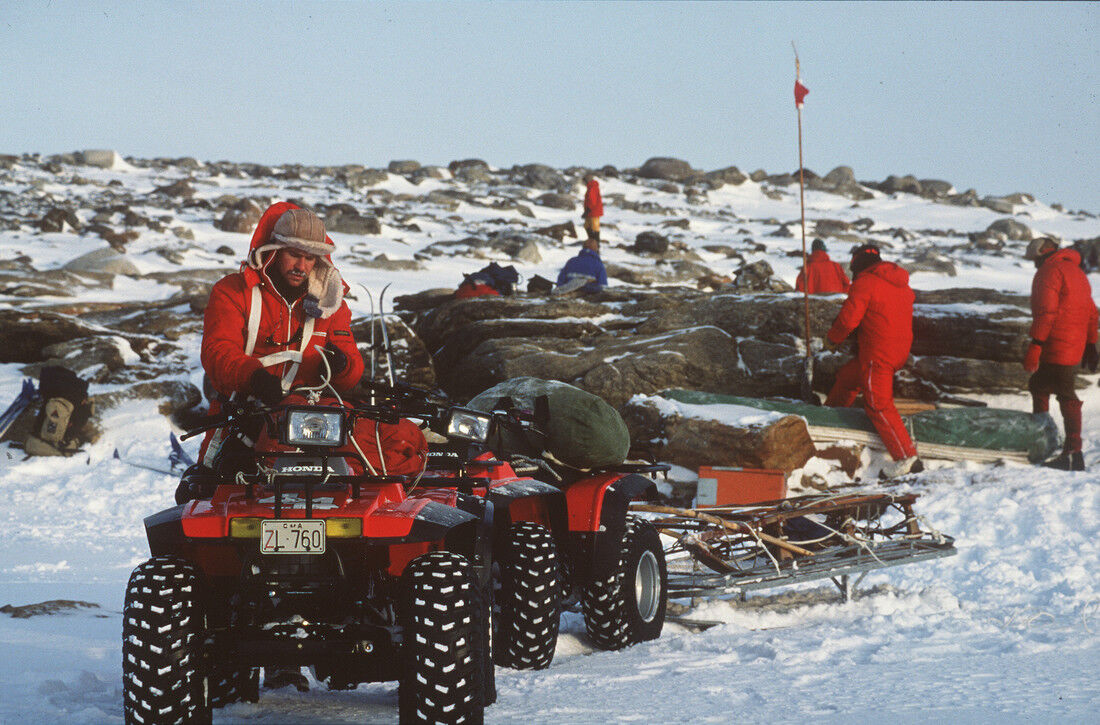
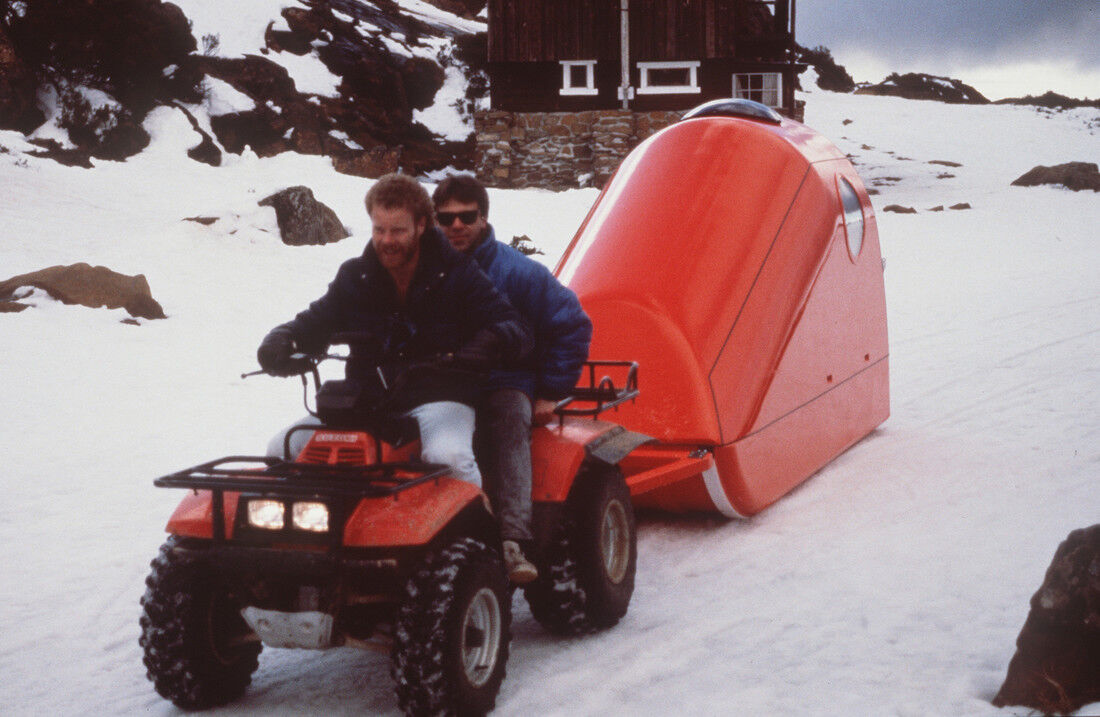
By the early 1980s, four-wheeled ATVs began making their way into general Antarctic operations.
Compared to the wild, cobbled-together inventions that preceded them, the Honda quads were delightfully straightforward. They weren't glamorous, overly complex, or exotic. They were simple, light, rugged, practical tools built to work.
And work they did.
The Australian Antarctic Program introduced lightweight 4WD ATVs—specifically the Honda TRX420 fitted with low-pressure flotation tires—for specialized field research and operational support where heavier vehicles simply couldn't go.
At Mawson, however, the Honda grew into something far beyond a line item on an asset inventory. They became familiar. They became trusted. Above all, they became bulletproof.
Ask Richard Evans, Mechanical supervisor, about the flotation capabilities of a quad, and he might wryly observe that while they certainly float, they also have an uncanny habit of doing so upside down. It’s a classic piece of Antarctic realism—a reminder that even the most dependable workhorse occasionally finds itself in a spot of trouble.
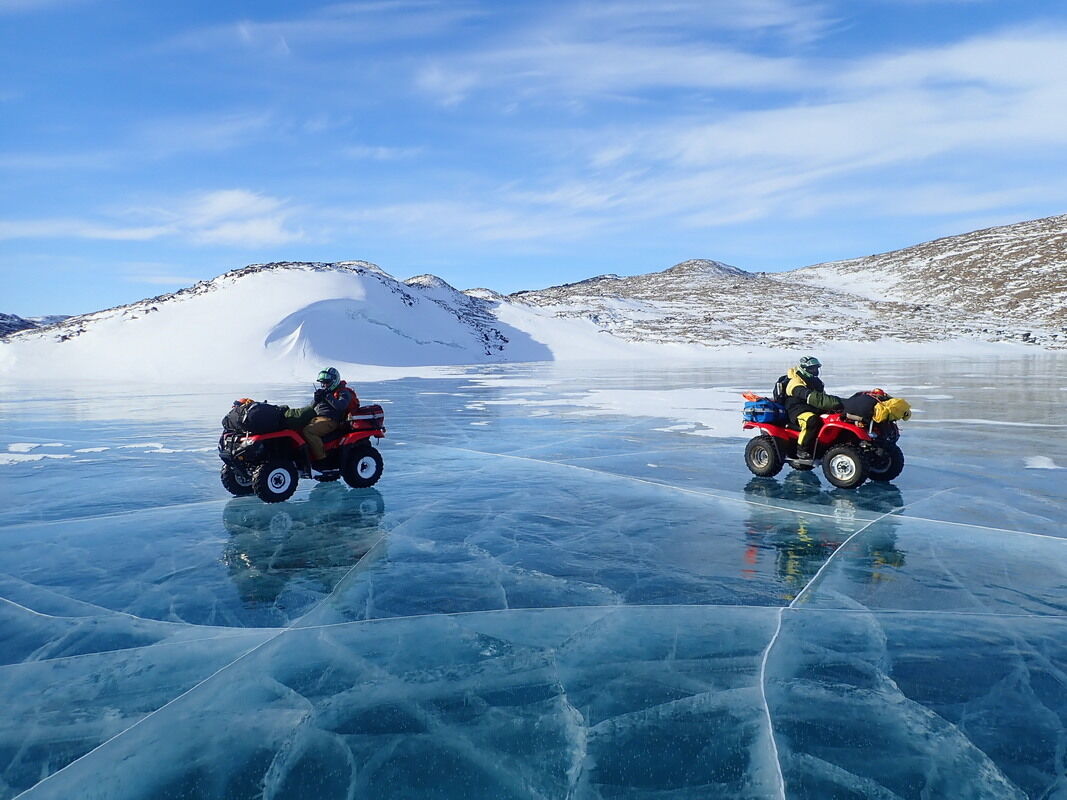
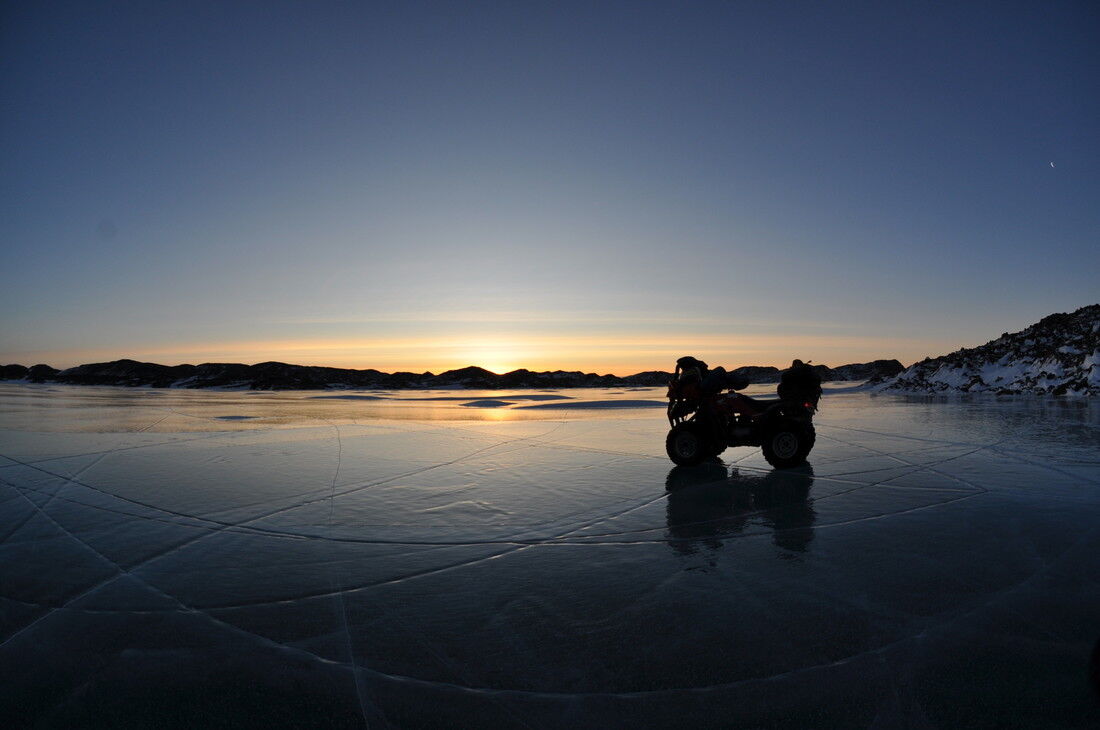
Yet despite the brutal demands placed on them, the Hondas continuously proved their worth. Parked outside in the elements, they lived their lives exposed to relentless katabatic winds, driving blizzards, and temperatures that would freeze lesser machinery solid. They were beaten up, parked, frozen, thawed, key turned, and sent right back out to work. So long as there was a spark in the battery, they rarely missed a beat.
That simplicity was their core strength. A robust drivetrain, straightforward running gear, and an easy-to-maintain layout meant generations of diesel mechanics and expeditioners could keep them humming with basic tools and steady care.
As is often the case, it’s only when something vanishes that you realize just how much you relied on it every single day.
Saying Goodbye
Now, after roughly 40 years on the ice, the Hondas are preparing for their final voyage.
Their retirement is far more than a routine fleet upgrade. For decades of expeditioners, these quads are bound up in core memories: field trips, station runs, middle-of-the-night recoveries, mishaps, howling storms, stunning bluebird days, and simply getting the job done.
The next chapter belongs to the incoming six-wheeled Can-Ams. They have massive shoes to fill.
Yet this transition isn't about comparing modern specs or arguing which machine is superior. It’s about honouring four decades of tireless service. The Honda quad never needed to be the most sophisticated machine on the continent; its achievement was far simpler and much greater: it turned up, day after day, year after year, and delivered.
In a hostile climate where reliability can be a matter of safety, that operational loyalty counts for everything.
They have hauled gear, supported remote field parties, kept daily station logistics moving, and pushed through conditions few vehicle designers ever imagined. They’ve been thrashed, repaired, pulled from melt-pools, polished up, and put right back on duty.
In doing so, they became part of the soul of Mawson.
Tom Hynes (mechanic)