
Summer life at Mawson approaches
With the arrival of spring, our life here at Mawson is changing. After many months of winter conditions, there is a renewed sense of energy around the station as the environment begins its transition toward summer. Warmer weather has brought us more opportunities to spend time outdoors, whether for work, recreation, or exploring our spectacular surroundings.
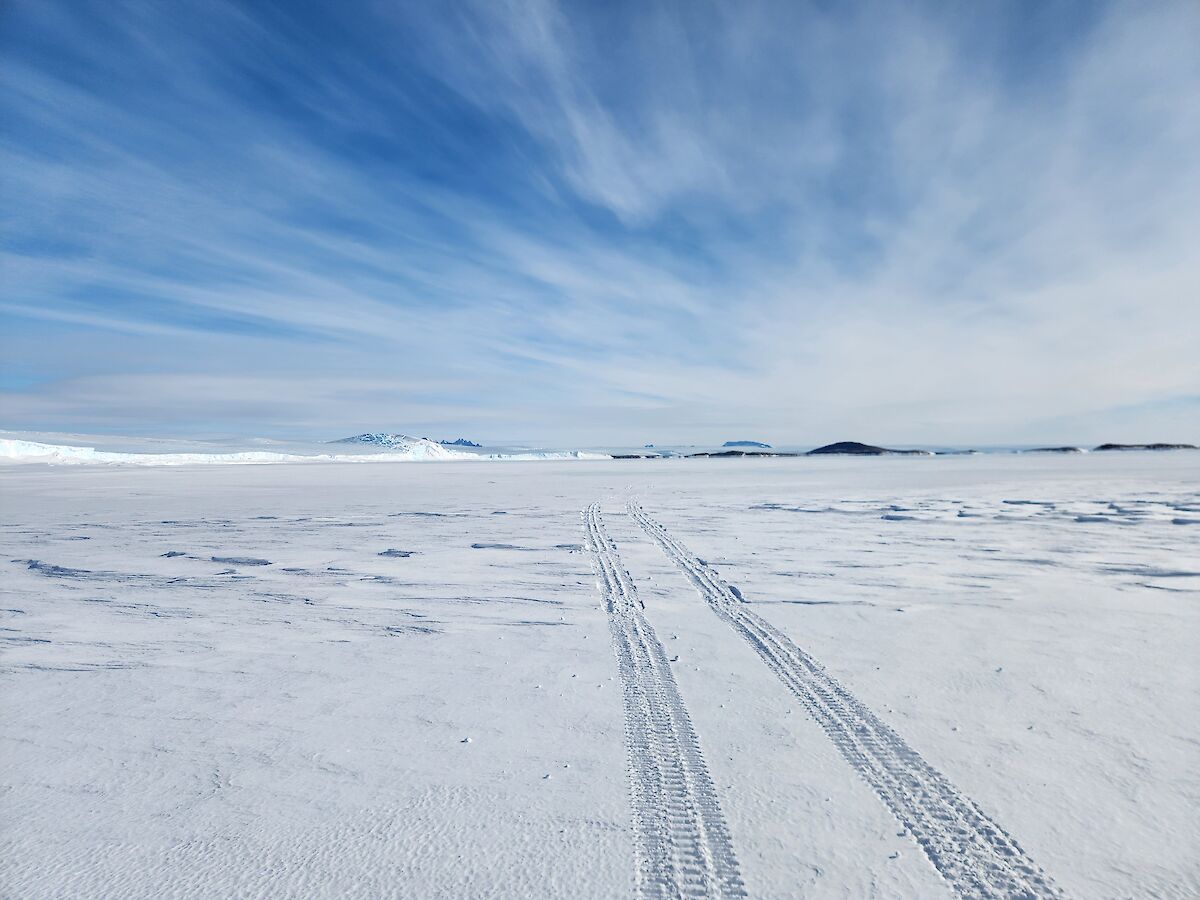
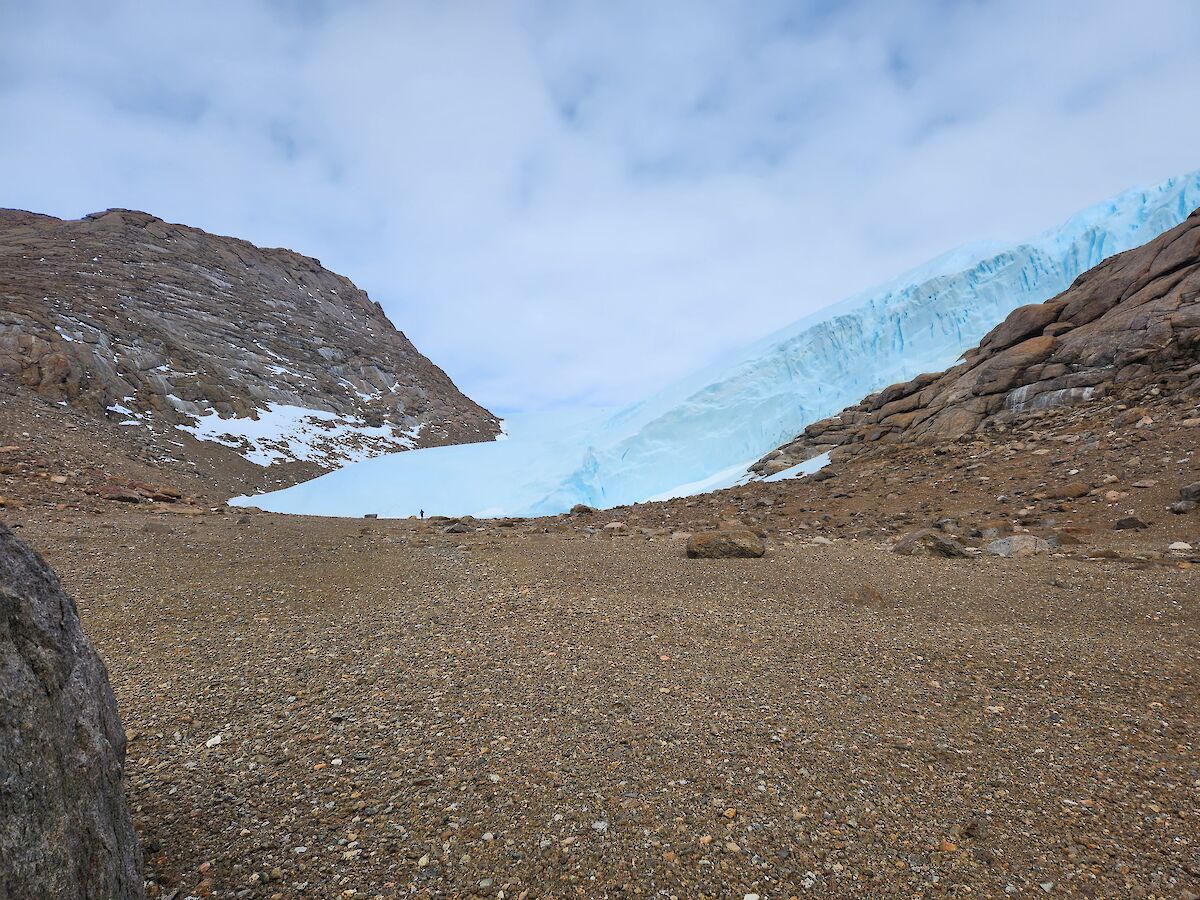
The change of seasons brings both gains and losses. As temperatures increase and sea ice conditions begin to deteriorate, our access to some favourite winter destinations will soon be lost. The nearby islands and the Auster emperor penguin colony, which have been accessible via the sea ice for many months, will once again become isolated by open water. However, milder weather and longer days will provide increased opportunities for exploring up on the plateau. Spending time beyond the station limits remains one of the great privileges of Antarctic life, allowing us to appreciate the scale, beauty, and uniqueness of this remarkable environment.
Wildlife and the Environment
The seasonal shift is also becoming increasingly apparent in the wildlife around station. In recent weeks, bird activity has increased markedly, with large numbers of snow petrels returning alongside several other seabird species. Their presence adds movement and life to a landscape that can seem remarkably quiet during the depths of winter. After months dominated by wind, ice, and darkness, the return of wildlife is one of the clearest signs that summer is approaching.
Operations and Station Activity
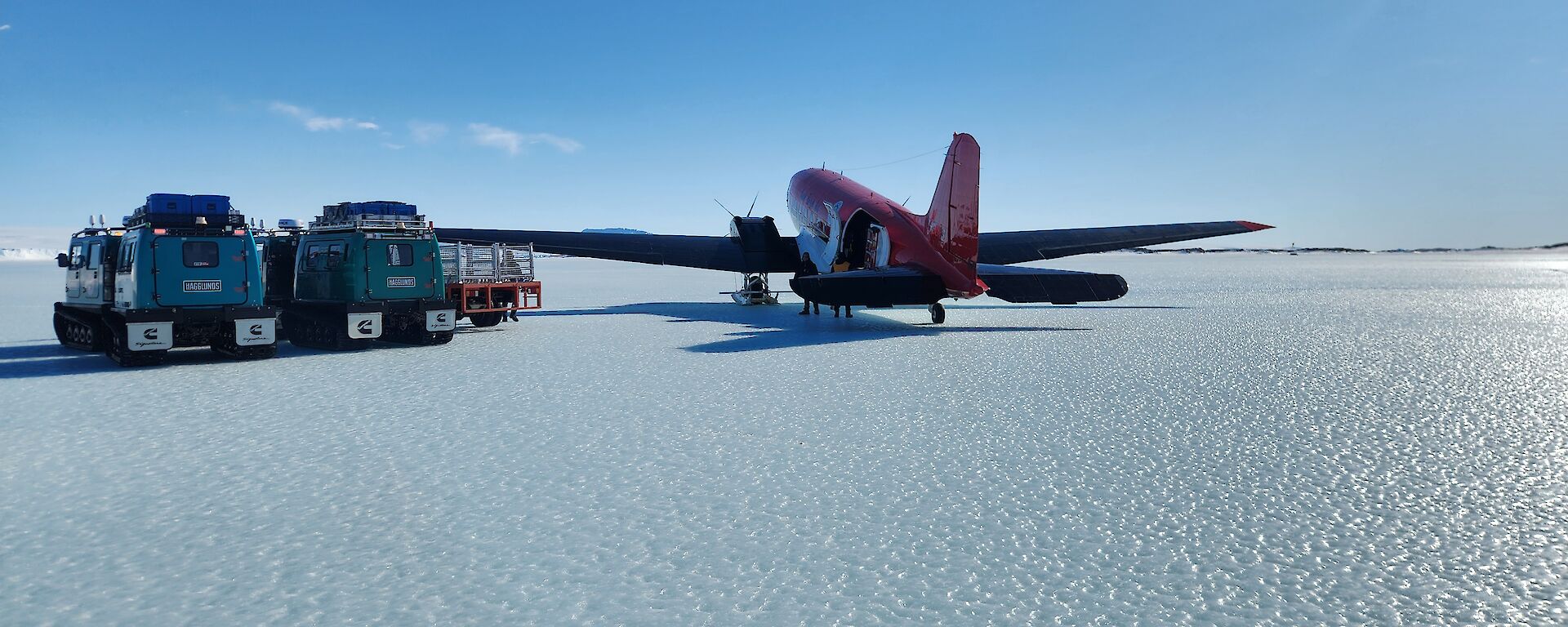
We are also preparing for a much busier period over the coming weeks. Mawson's population has grown substantially, with the arrival last week of additional expeditioners who increased station numbers from 19 to 34. The influx of new faces has brought fresh skills and energy while also marking the beginning of a busier operational period. Summer projects are starting, with an increasing number of maintenance, infrastructure, and scientific activities planned across the station.
By the end of November, we will have 24-hour daylight at Mawson. Continuous sunlight brings many advantages, including greater flexibility for work and recreation, while also making daily activities considerably more comfortable than during winter. At the same time, it also presents its challenges; sleep can become more difficult when darkness never arrives, and an eye mask will become an essential item when spending time in field huts without blackout blinds.
Looking Ahead
For wintering expeditioners, the arrival of summer also serves as a reminder that the season is moving rapidly toward its conclusion. Reflections increasingly turn toward reunions with family and friends, the prospect of returning to familiar surroundings, and simple pleasures that are often taken for granted. After many months in one of the most remote locations on Earth, thoughts of green landscapes, T-shirt weather, and a wider variety of fresh fruit and vegetables hold a special appeal.
At the same time, there is a growing awareness that every remaining trip, every wildlife encounter, and every day spent in this extraordinary environment represents one of a diminishing number of opportunities before the season draws to a close. The return of wildlife, increasing daylight, and arrival of additional expeditioners all serve as reminders of how quickly the seasons are changing.
We're looking forward to making the most of what promises to be a memorable and rewarding final chapter of this spectacular year at Mawson.
Scotty - Station doctor