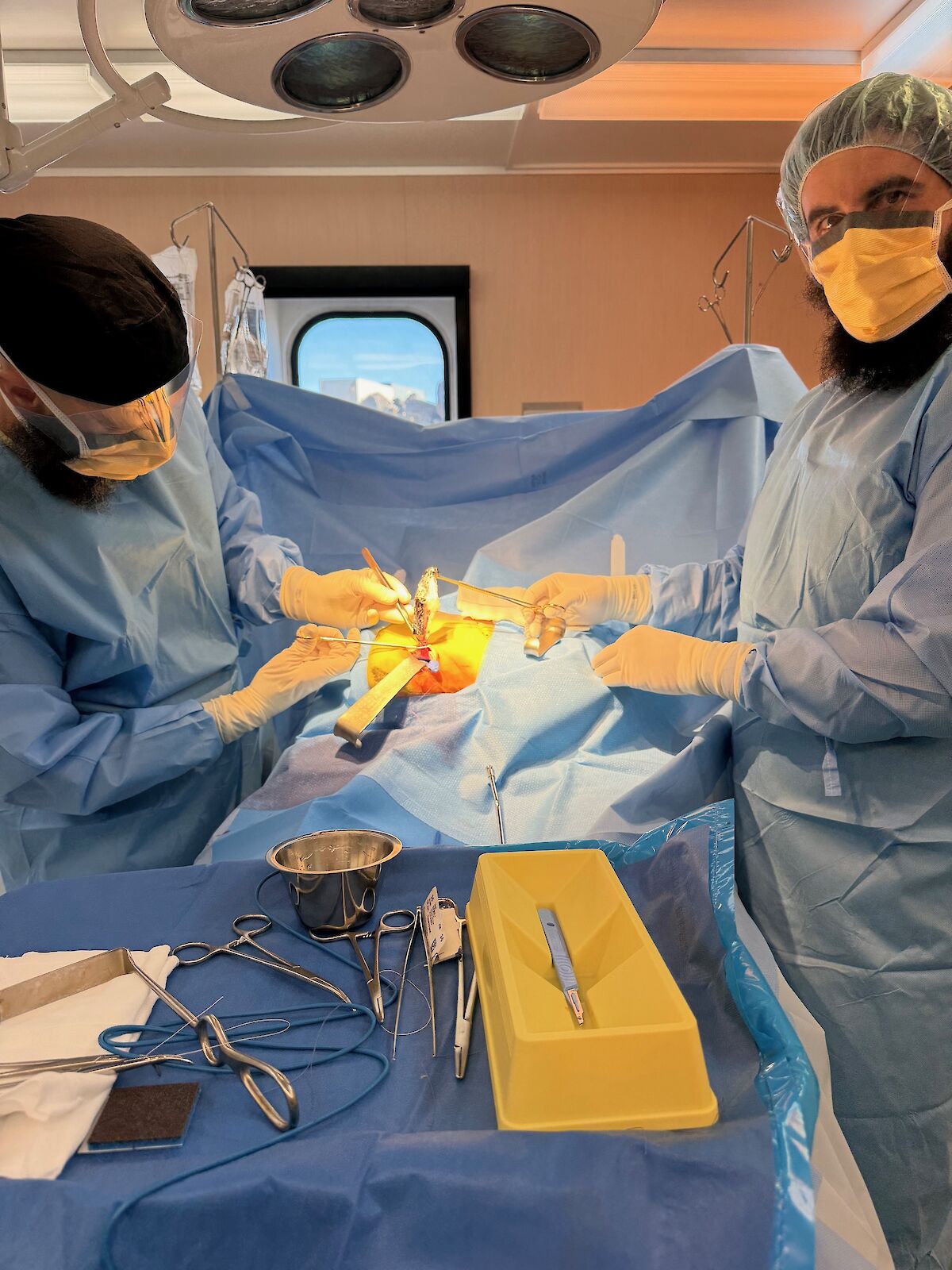
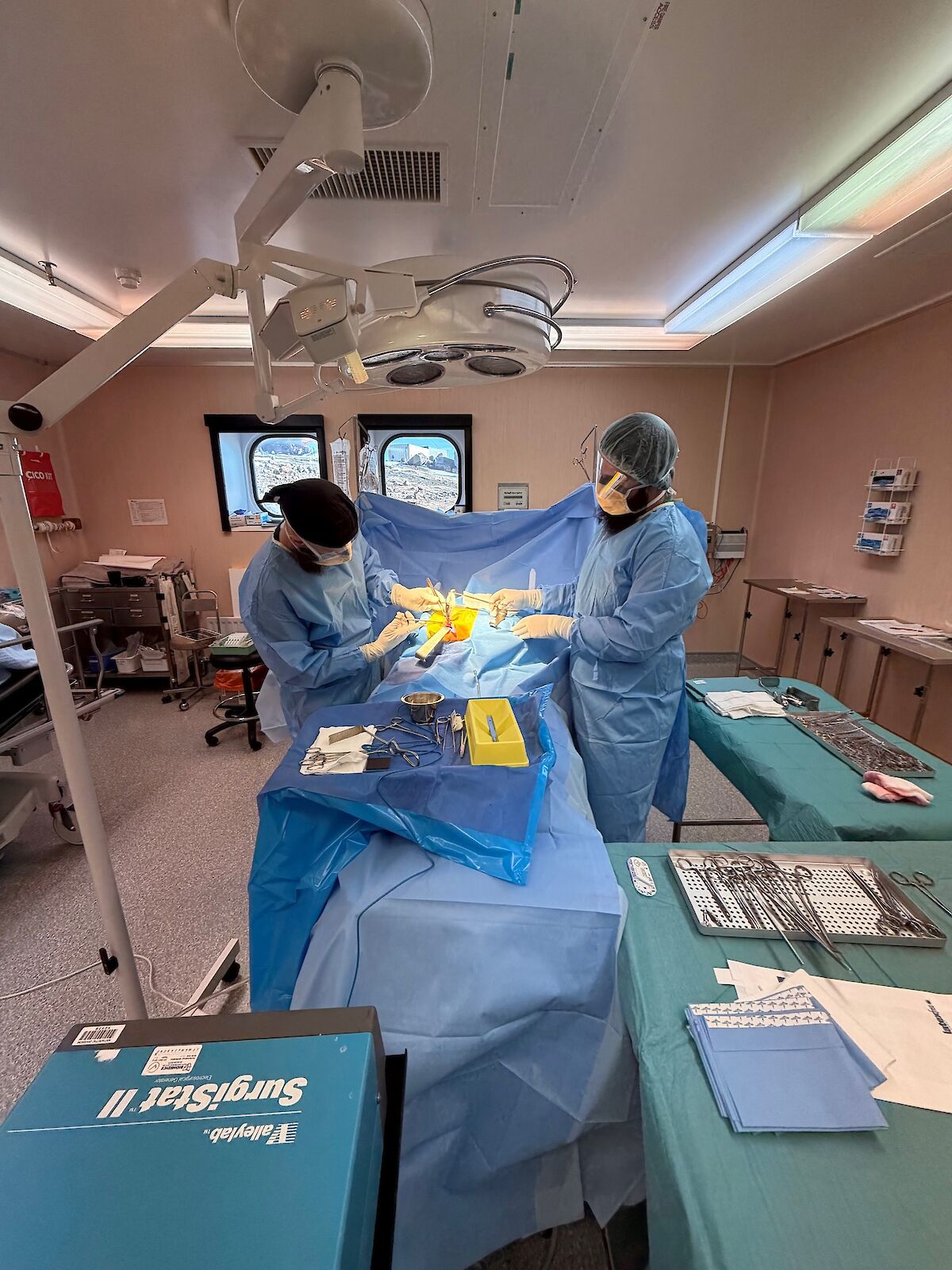
Mawson's summer begins with the first aircraft touchdown on the sea ice, while our medical team performs an appendectomy 'operation'.
Mawson's summer season opening
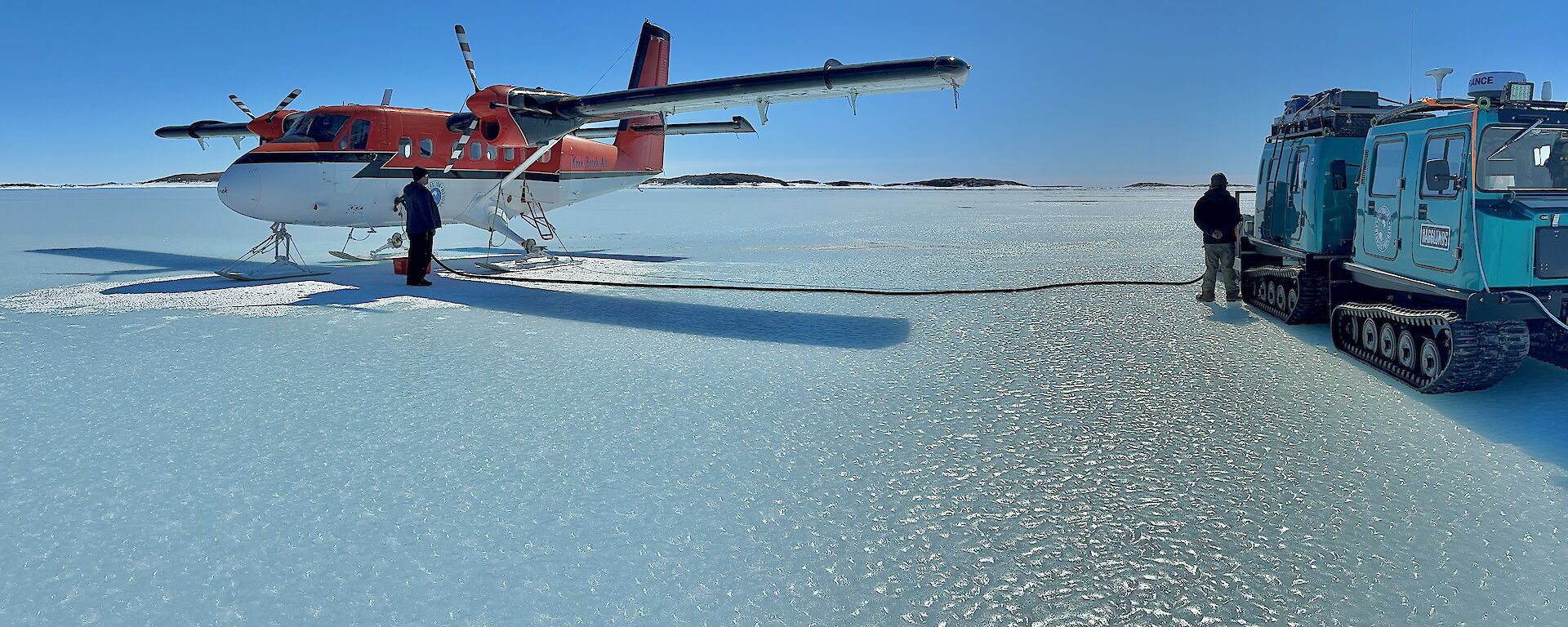
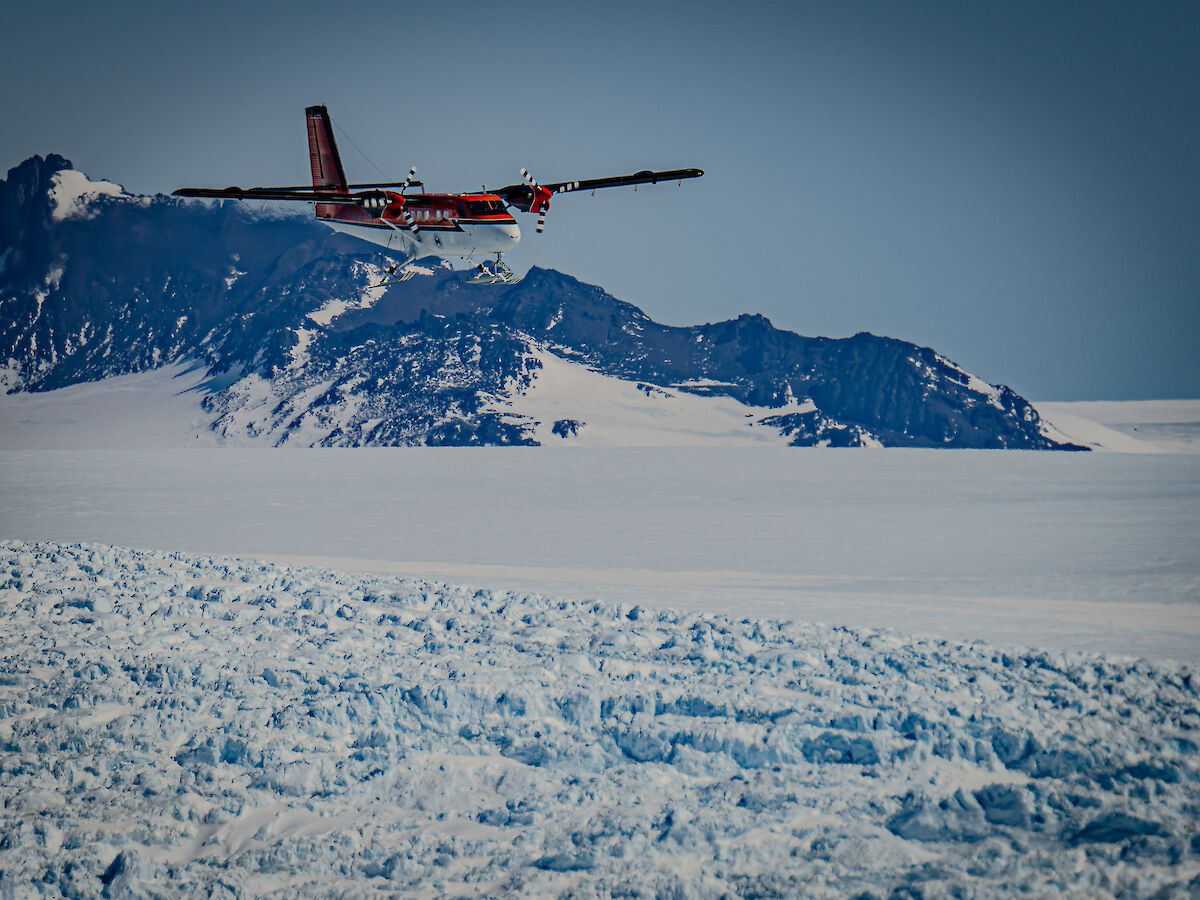
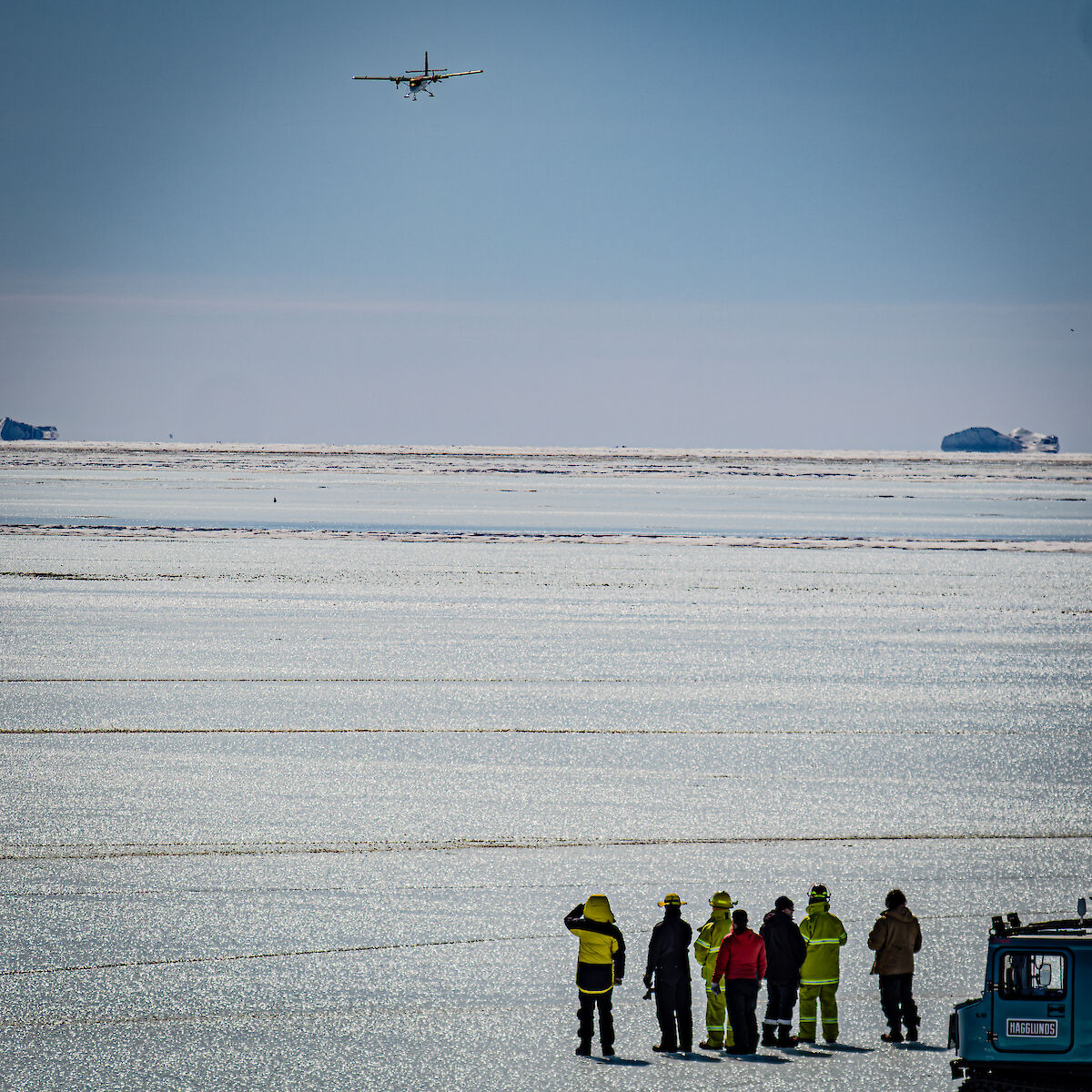
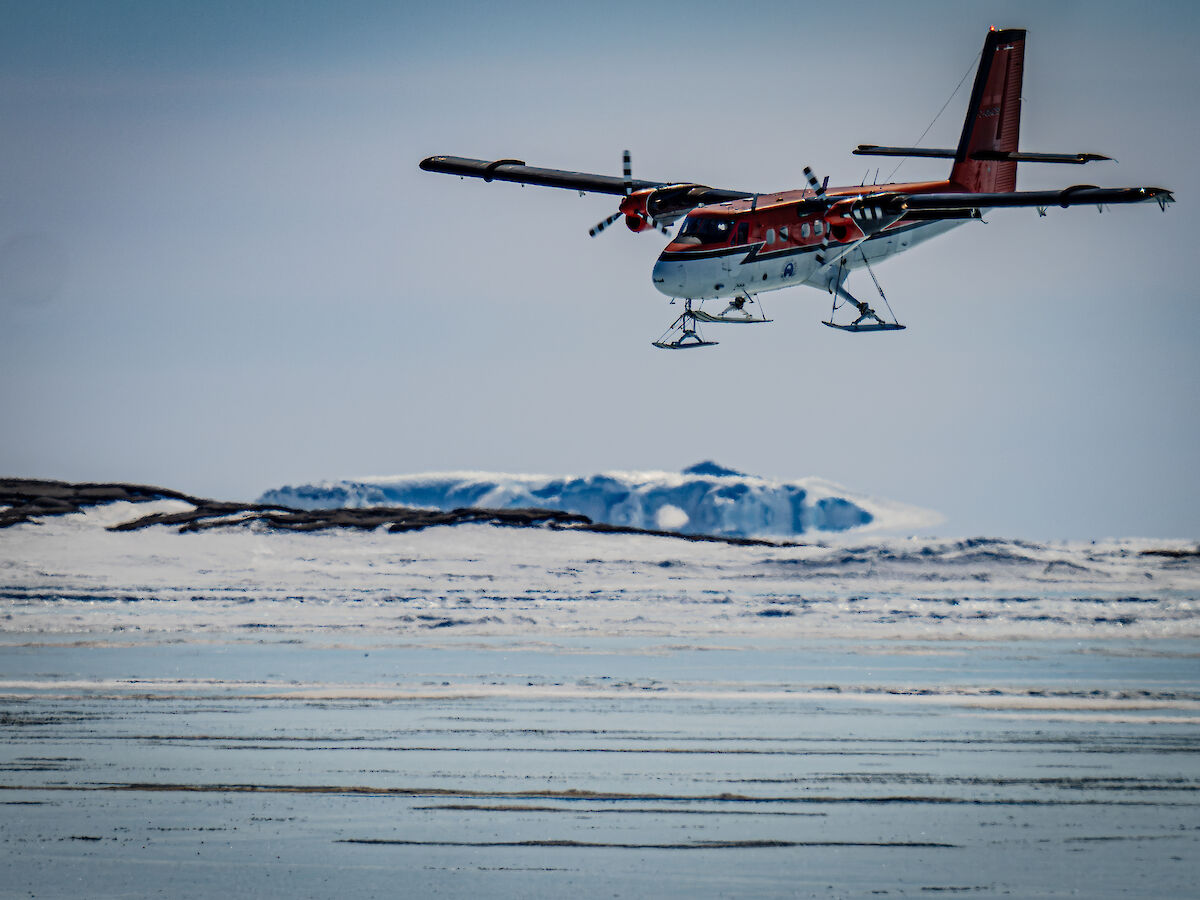
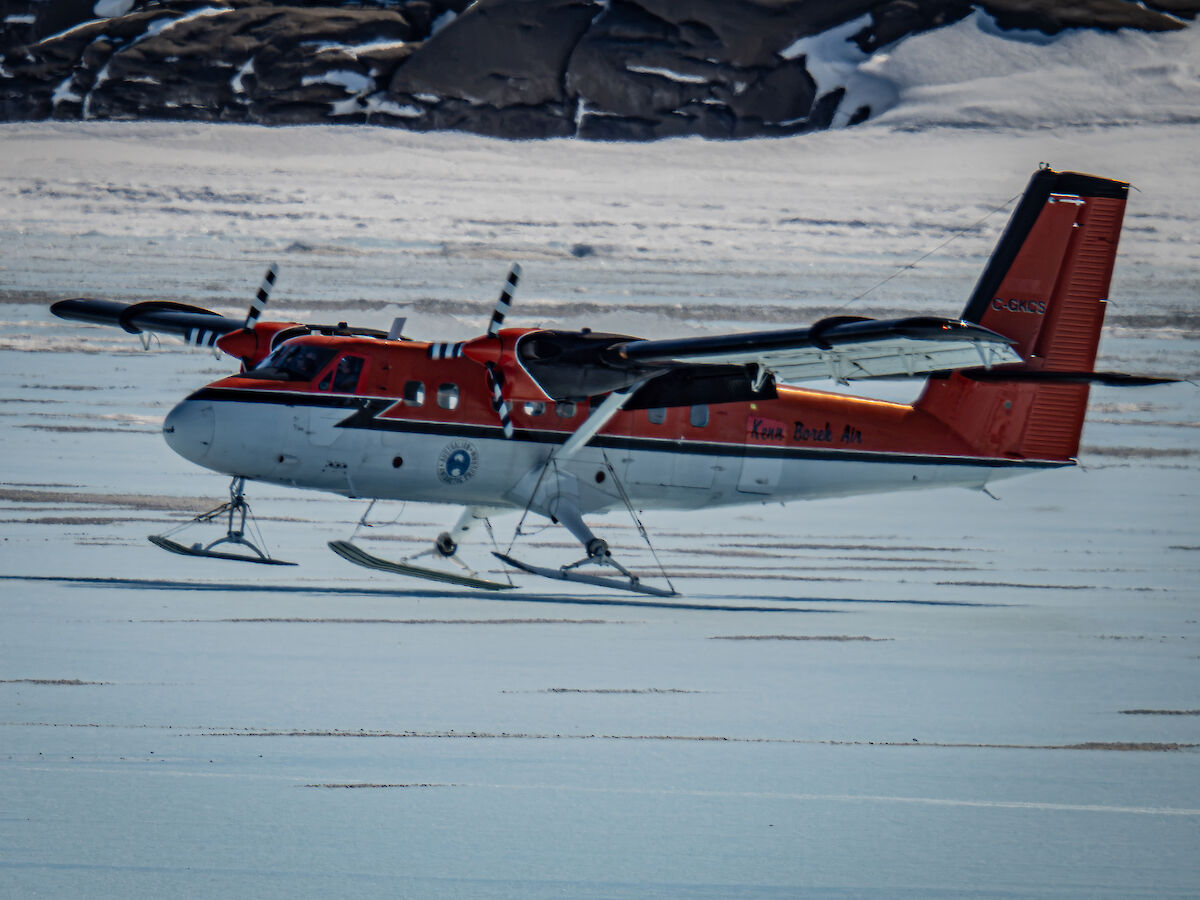
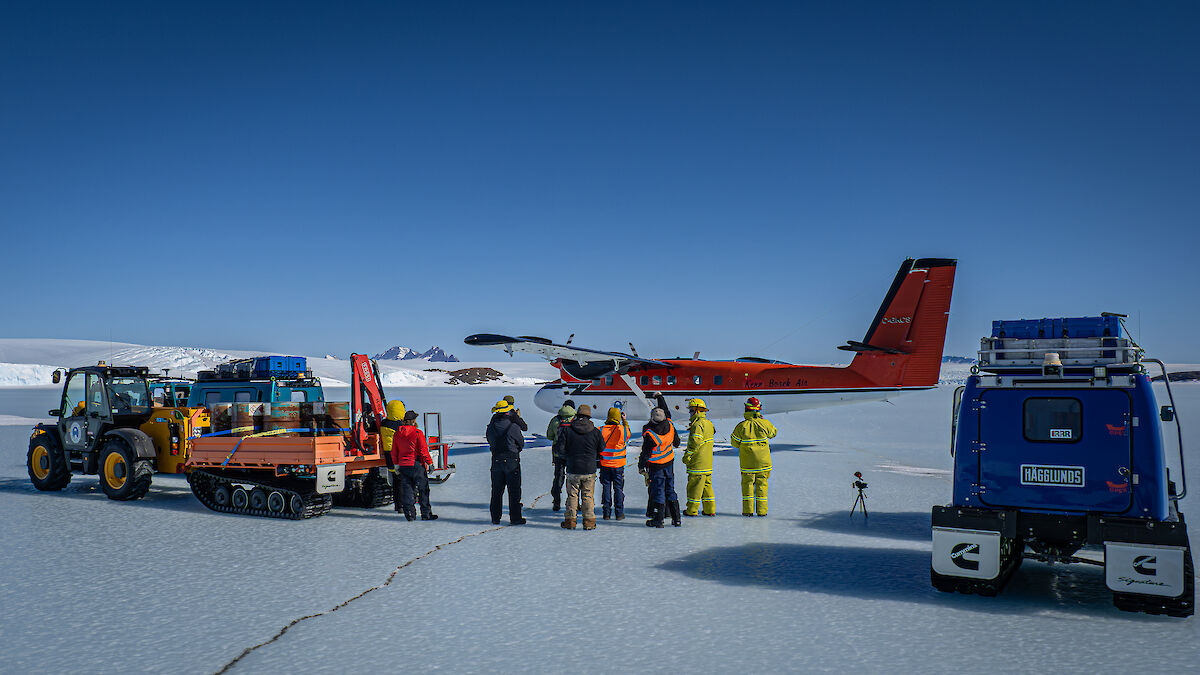
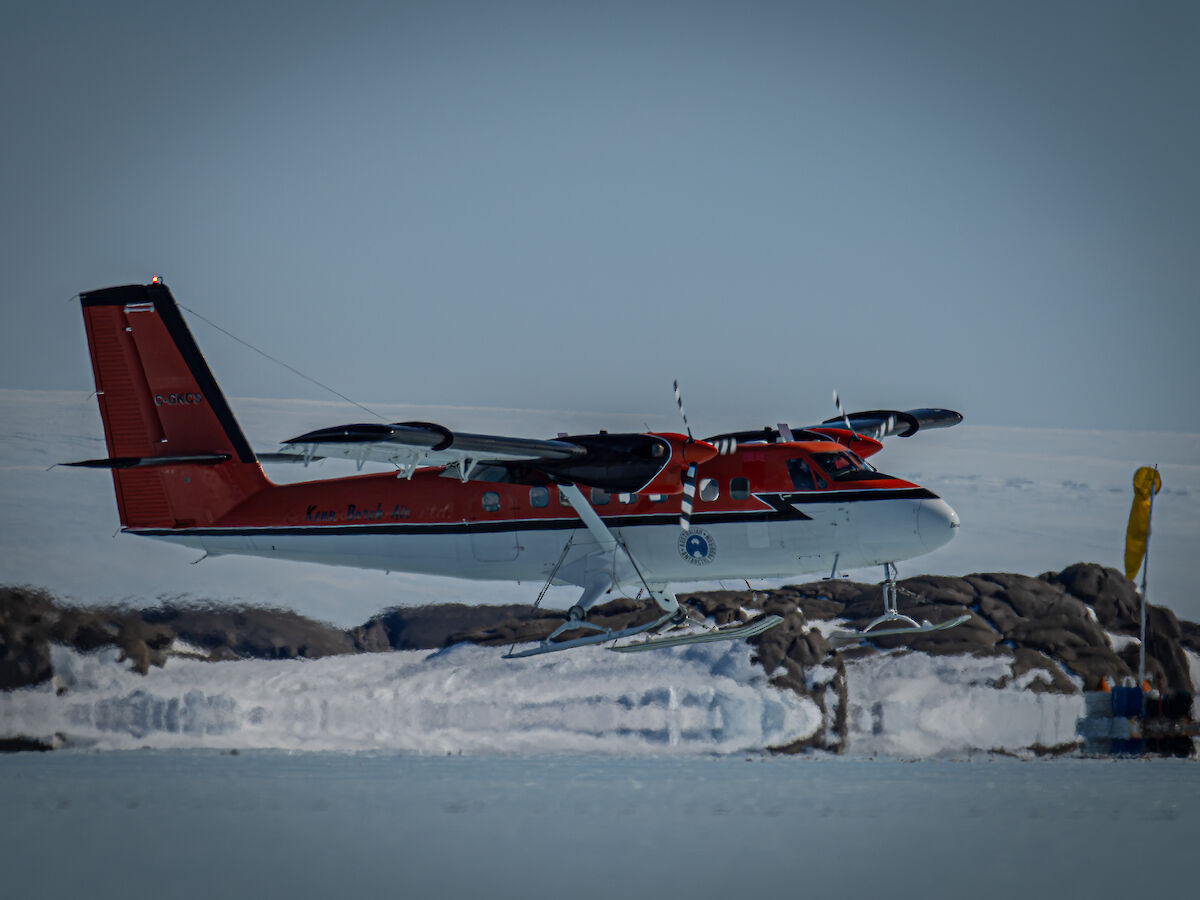
Mawson's summer season officially began with the arrival of the station's first intra-continental flight on 7 November. Twin Otter KCS departed Davis for a return Mawson-Davis flight on Saturday, landing at Mawson on what locals would call a perfect 'blue-sky' day. Some would say it was almost too good a day to be flying!
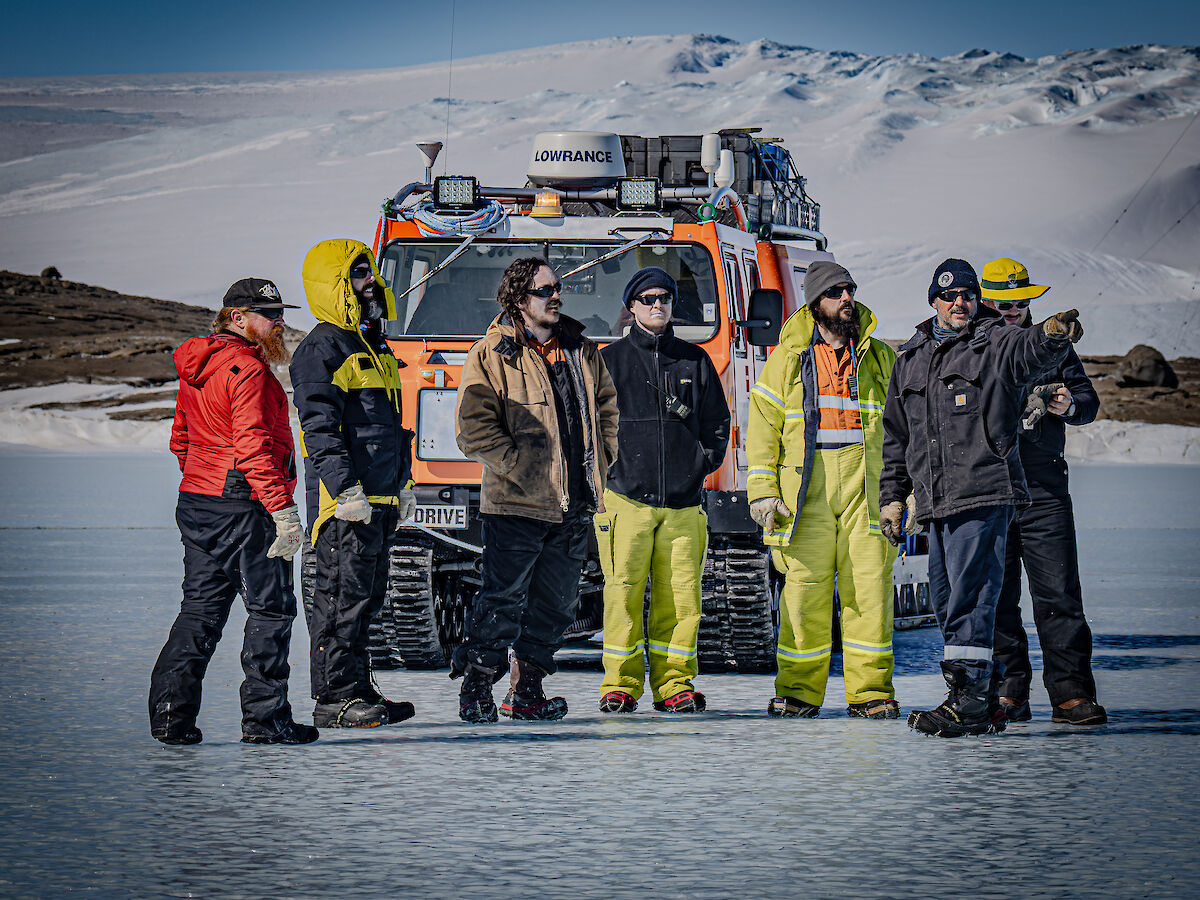
This was to be the inaugural 'proving flight' before the commencement of Mawson's scheduled passenger and cargo flights over the coming weeks. With everyone on station keen to see 'something new' arrive on our trusty shores, it was almost a full house of spectators as Kenn Borek Air pilot Doug appeared on the horizon.
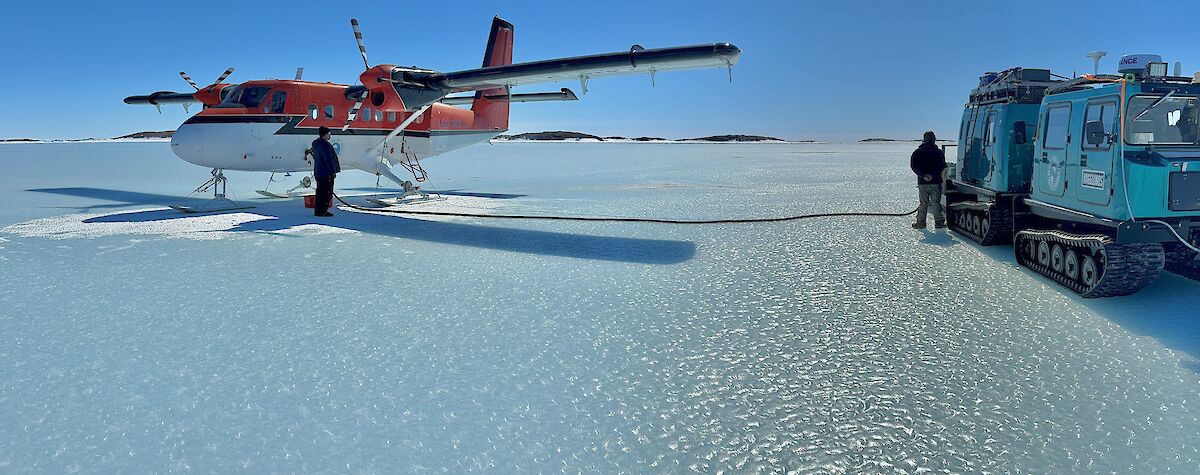
After a fly-by to survey the sea ice ski landing area below, Doug turned around for the final approach. A smooth landing ensued, and it wasn't long before welcomes and pleasantries were exchanged, the mail offloaded, the plane topped up with fuel, and the crew ready to depart.
Clearly keen to make it back to Davis in time for dinner!
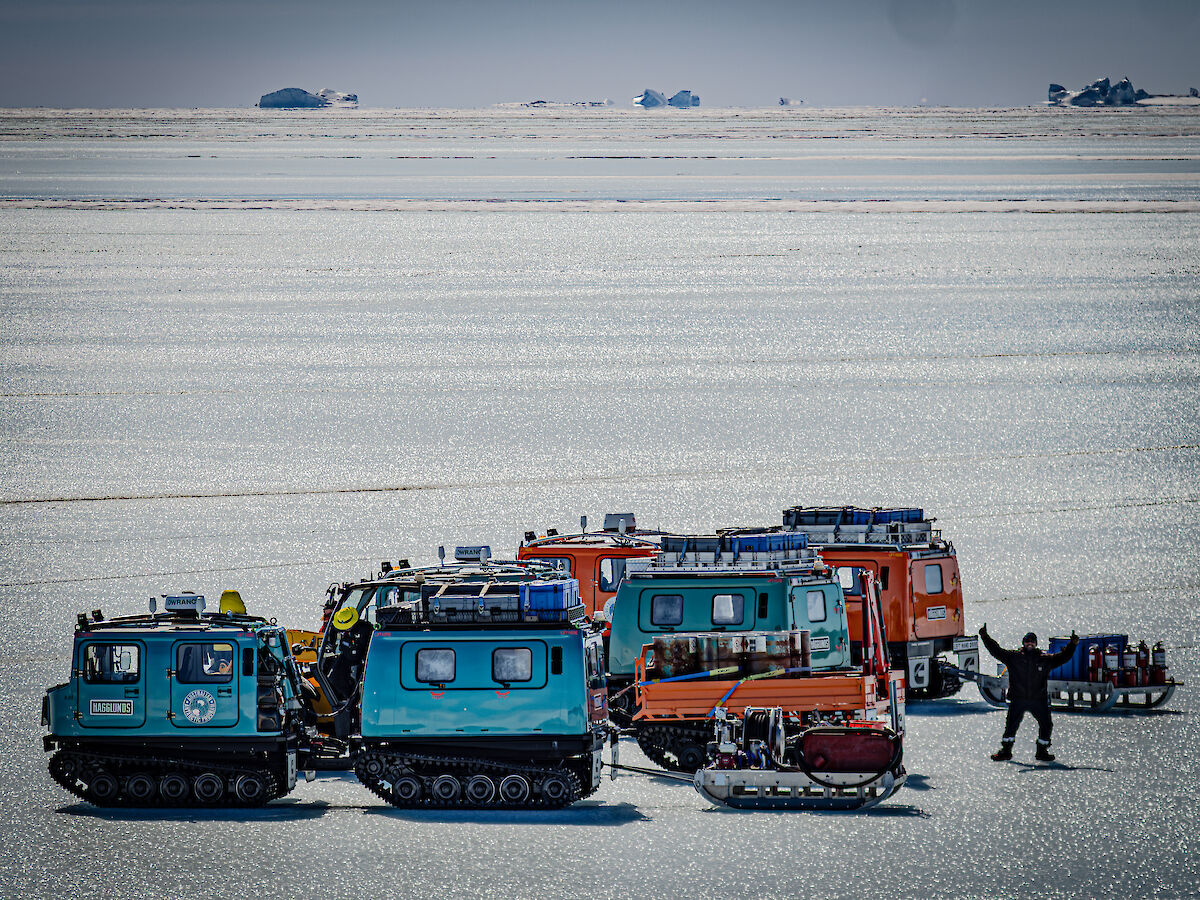
We will have a few twin otter and basler flights to follow-on over the remainder of November. Before the end of the week however, (weather gods permitting) the station will be flush with its summering expeditioners, alongside some cargo that includes fresh food and stores needed for summer projects. By the end of the month, we should be fully 'locked and loaded' for the summer ahead.
Under the Knife: to be operated on at Mawson
It’s not all about penguins, seals and icebergs in Antarctica. Living at Mawson Station for 12 months also means we are our own emergency response team.
One of the most common questions people ask before coming south is, “What happens if you get a toothache or a medical emergency?” The other very popular question is whether you need your appendix removed. The answer is actually no, unless you are the station doctor staying for the winter.
This requirement dates back to the 1950s, when an Australian Antarctic doctor contracted appendicitis on Heard Island, making for an extremely difficult evacuation. Then, in 1961, a Russian doctor had to remove his own appendix using a local anaesthetic and a mirror because no outside help was possible. To avoid repeating history, our wintering doctors get theirs out beforehand. But one doctor can't perform other major surgeries alone.
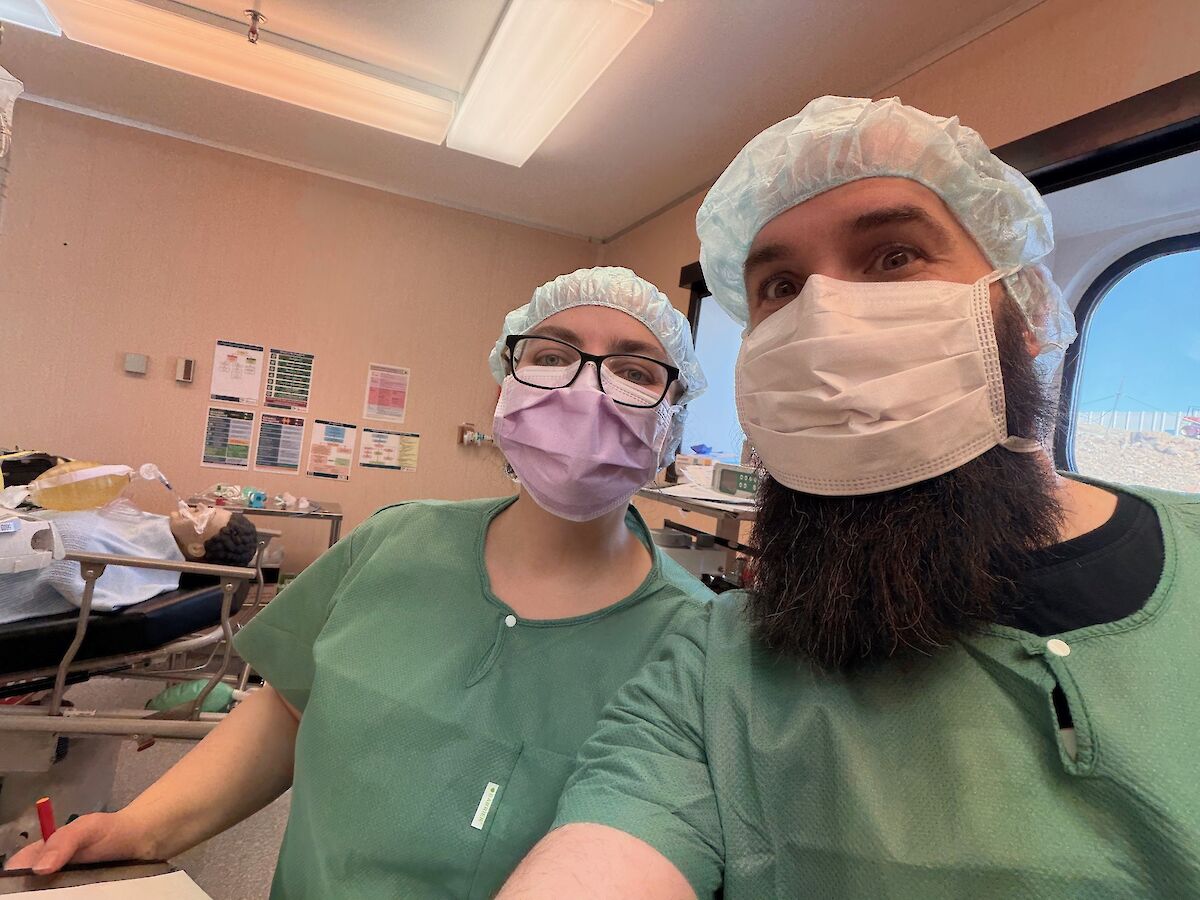
That’s where the Lay Surgical Assistants (LSAs) come in. The Australian Antarctic Division trains four wintering expeditioners for each station, to assist in remote medical emergencies. I’m proud to be one of four LSAs this season. We train regularly with our station doctor, sometimes every two weeks, to ensure we're ready for the unexpected.
We four LSAs are clearly 'experts in the medical field' after undergoing a massive two weeks of pre-departure medical training at Royal Hobart Hospital.
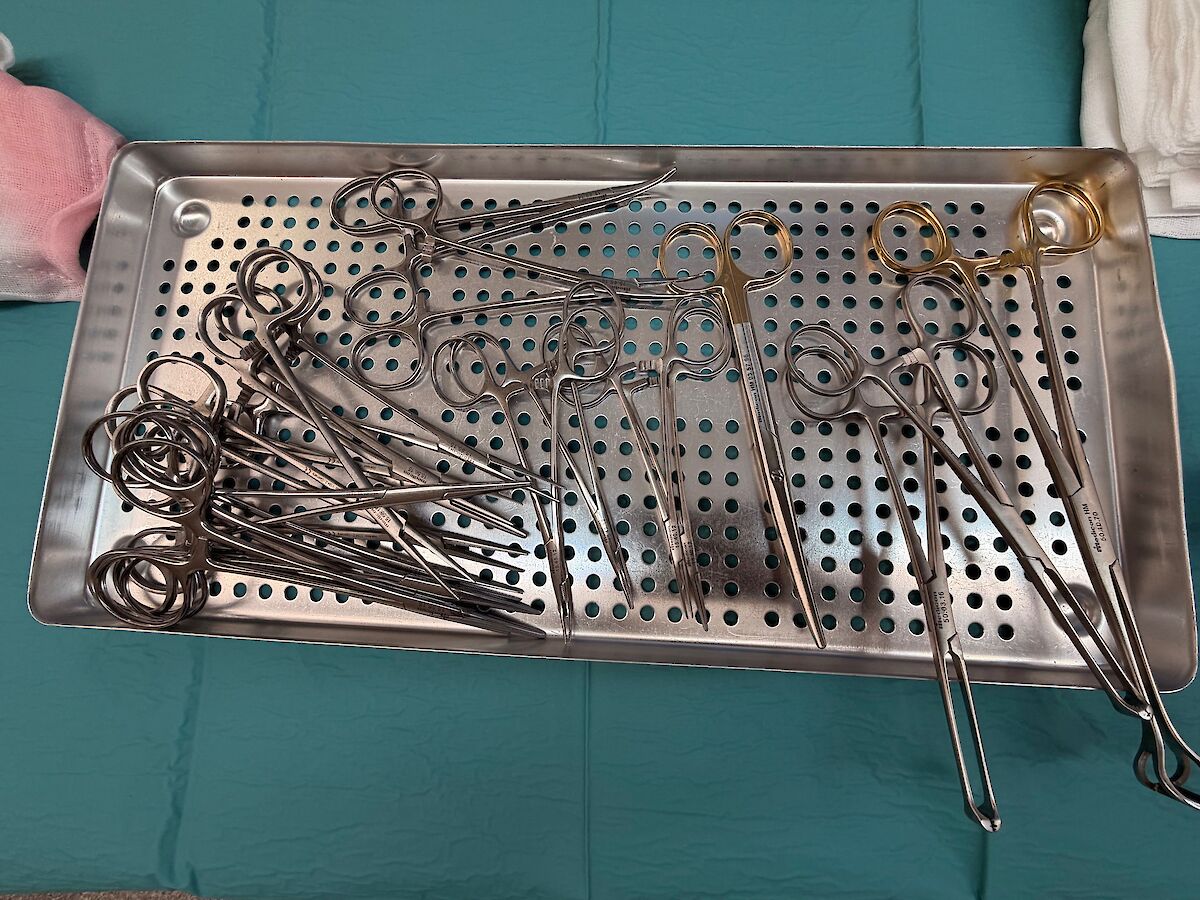
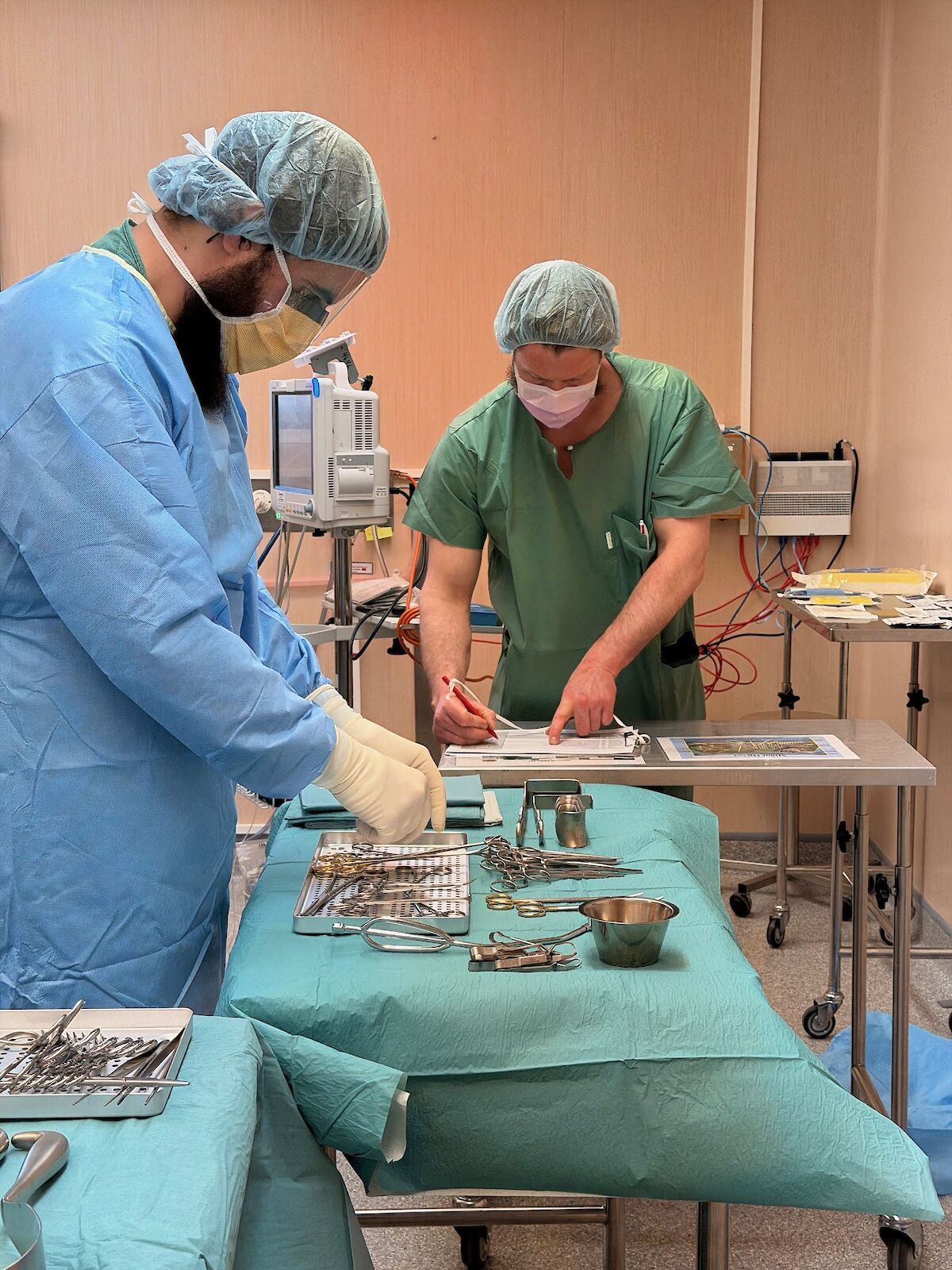
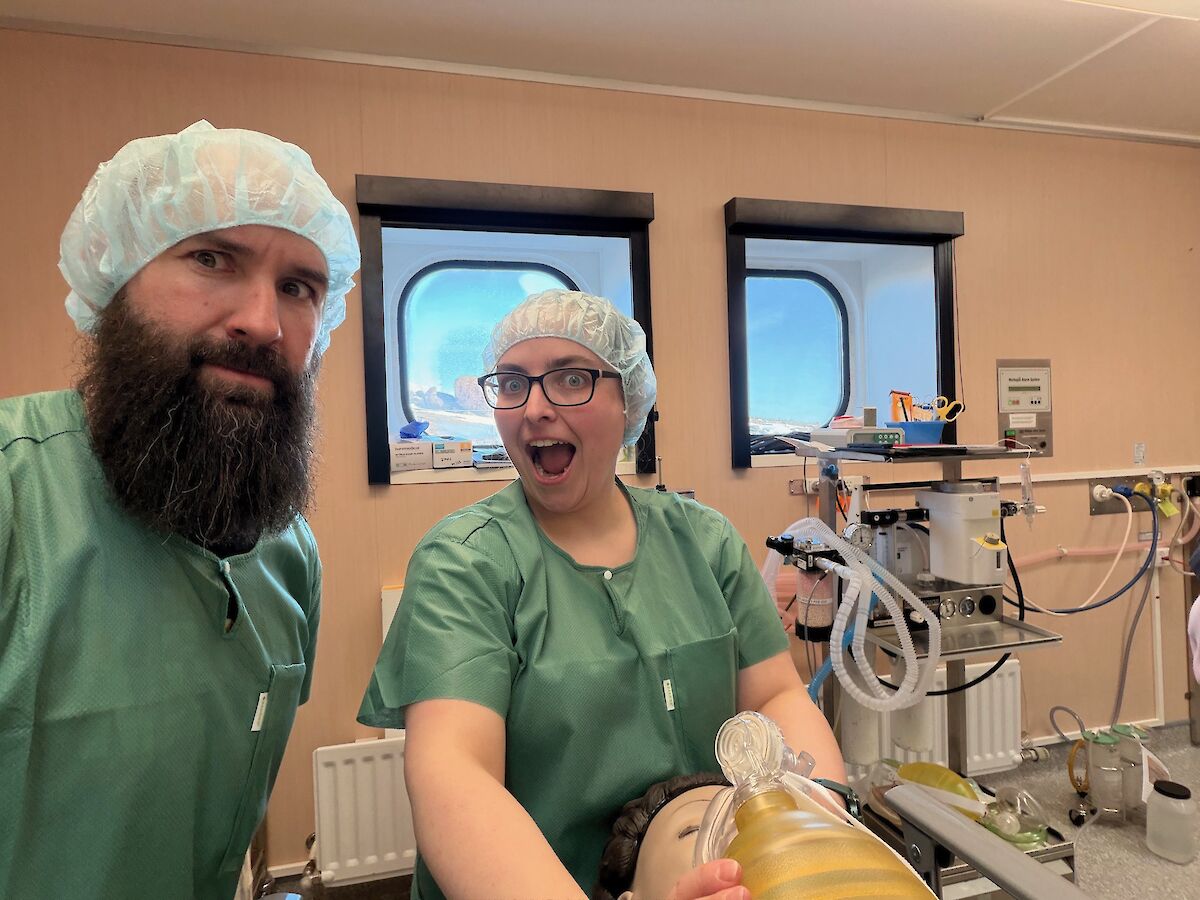
The ongoing training on station is a lot of fun. We don’t have to remember too many of the names of the instruments or specific medical terms. We just need to retain a level of understanding on how to set up the surgery, prepare and maintain a sterile field, maintain airways and generally an understanding of where things are.
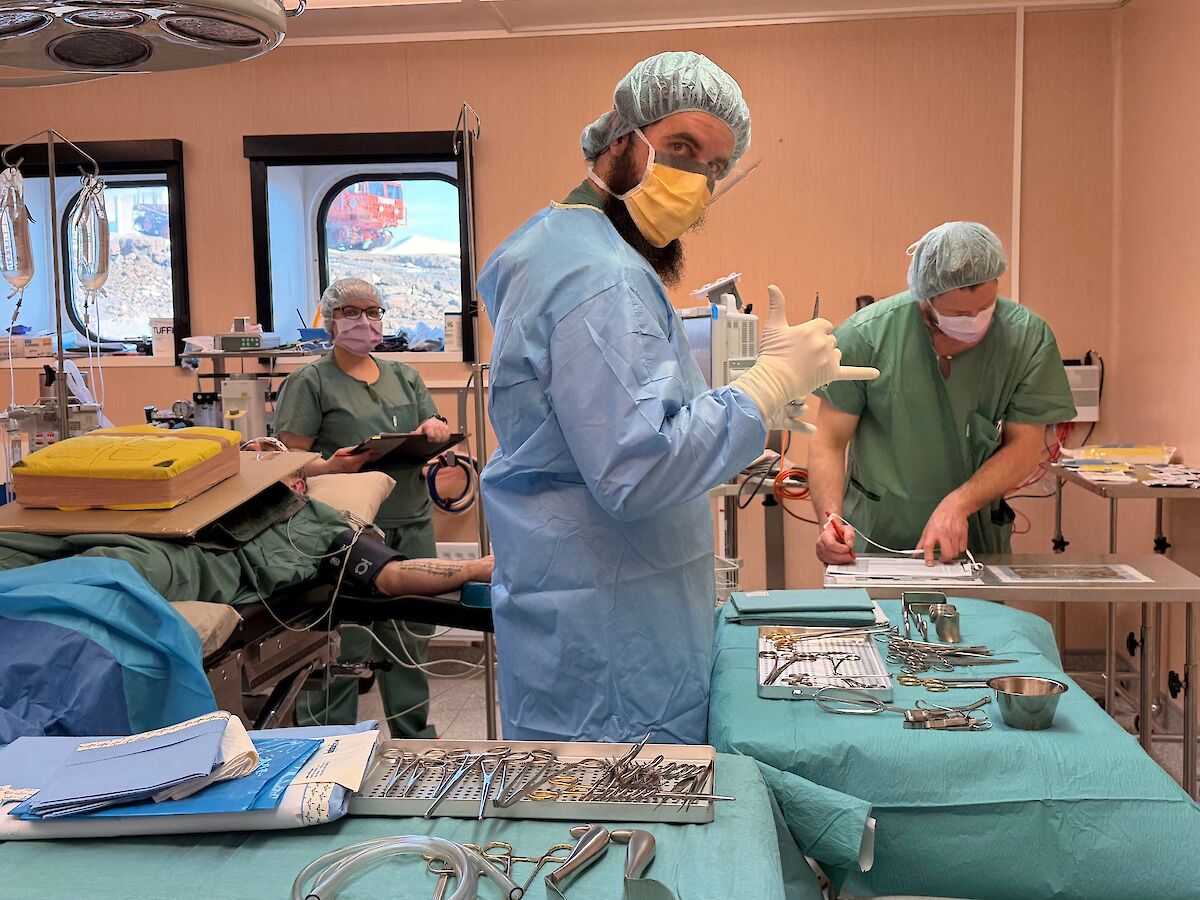
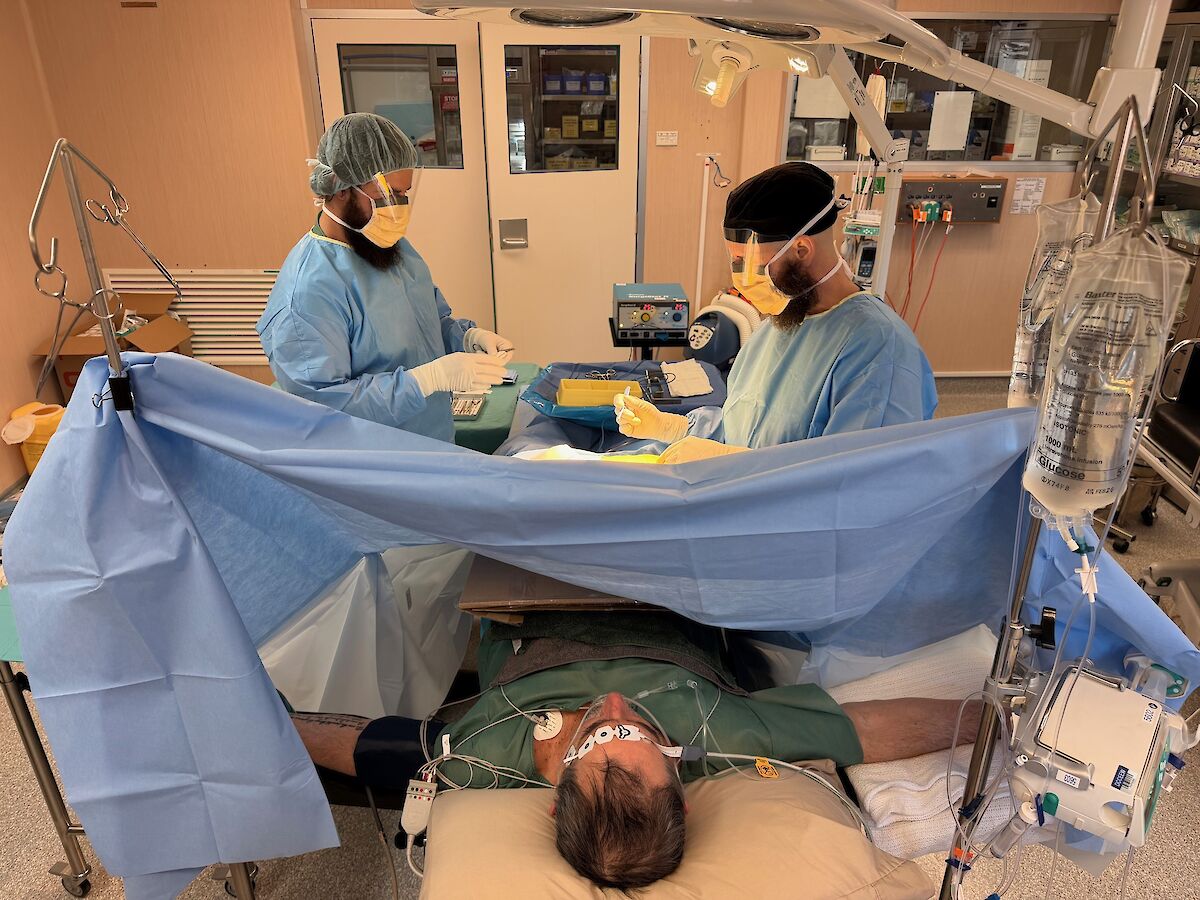
A few weeks ago, we put our skills to the test in our largest practice scenario yet: a full-scale, realistic appendectomy. Our Station Leader, Dave, bravely volunteered to be the patient on the operating table.
From prepping the theatre to handing over retractors and monitoring vitals, we ran through the entire procedure. It was an intense but brilliant way to familiarise ourselves with the pressure of a real theatre. We all hope we never have to do it for real, but it's comforting to see it all come together and actually feel sort of routine.
Cris Ambrozie (SLO)