
A chippie’s investigation into Macquarie Islands most unhinged residents
There are three certainties in life at Macquarie Island: the wind will blow, the rain will fall sideways, and somebody will tell the chippie, “This door’s been playing up for a while.”
Nobody ever reports a door when it first starts playing up. They wait until it needs a shoulder charge to open, three people to close, and a carefully folded bit of cardboard underneath it to stop it rattling all night.
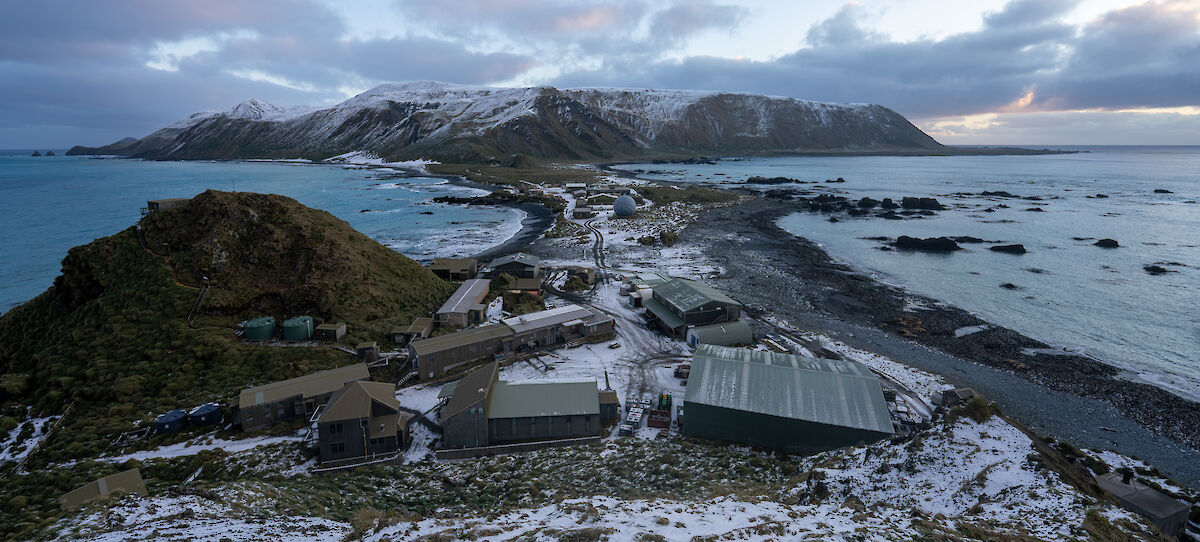
According to station records—which is me walking around with a pencil and looking annoyed —Macquarie Island currently has approximately 208 building doors. Of these, four work properly. Unfortunately, nobody can remember where those four are.
Every door on station has developed its own personality.
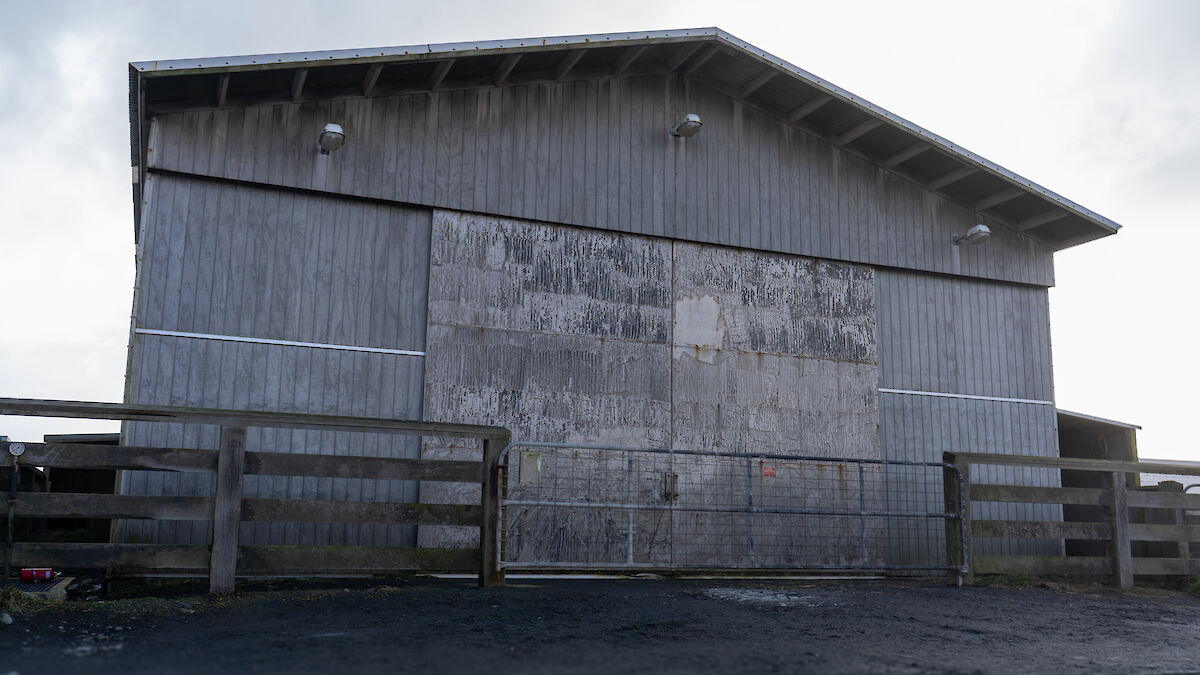
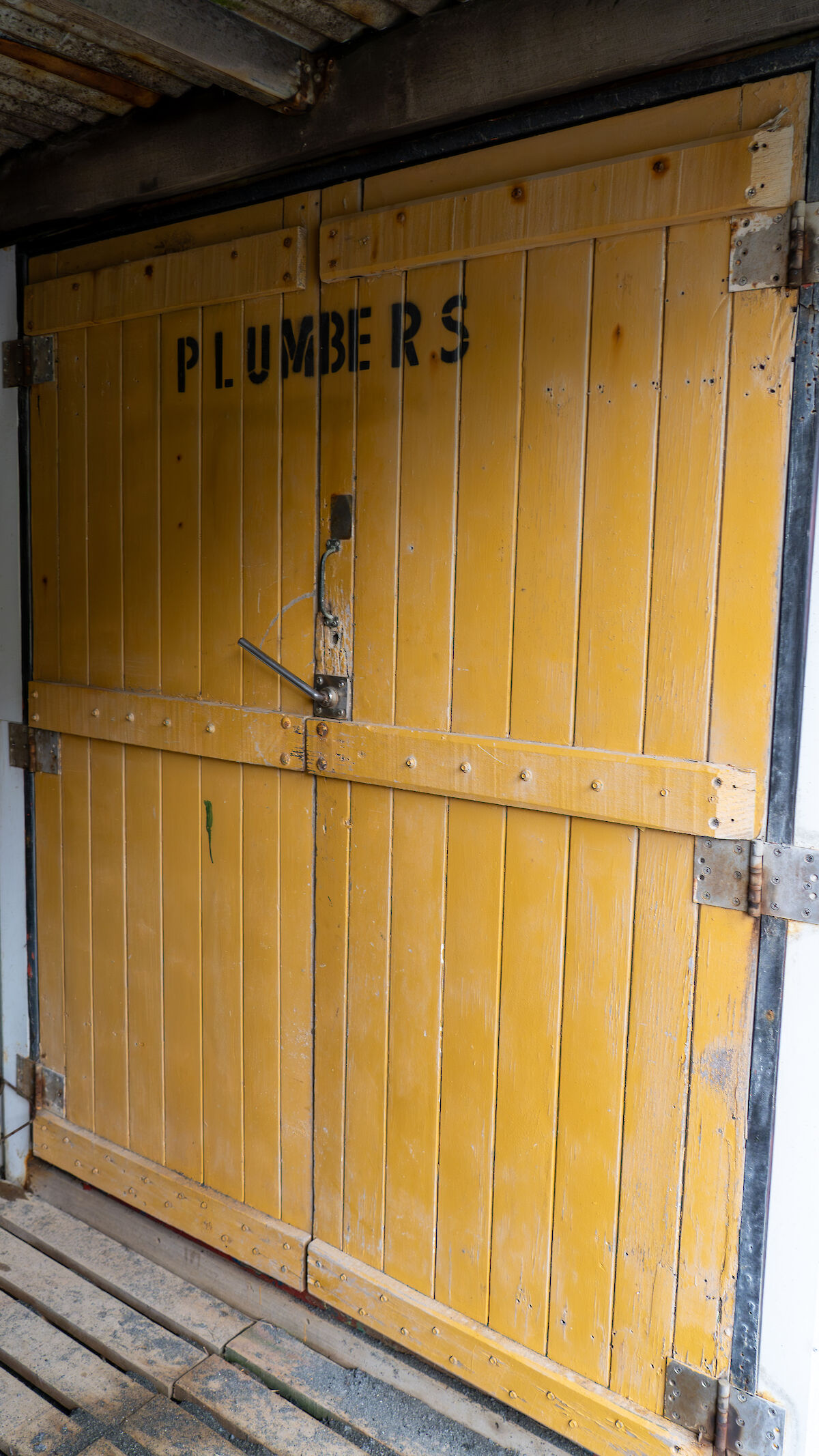
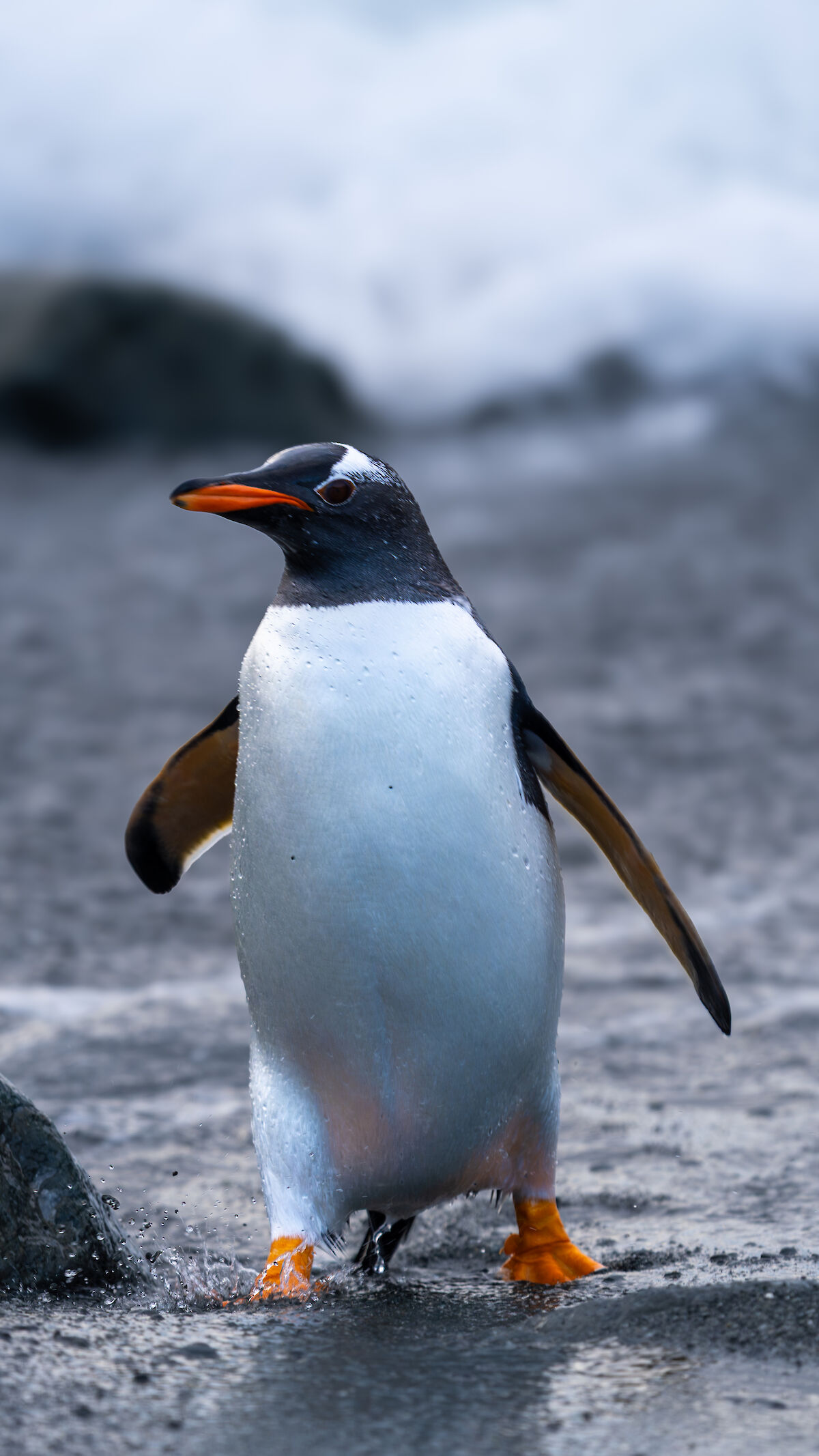
There are big doors and small doors, and both are equally determined to cause trouble. The big doors look impressive, but they catch the wind like sails and require the strength of three expeditioners and a determined penguin to close properly. The small doors seem harmless until you try to carry anything through them. Then they become a carefully designed obstacle course for shoulders, toolboxes and dignity.
Some doors refuse to open when the wind is blowing. Others open far too enthusiastically and try to launch you into the Southern Ocean. A few close normally until the exact moment you’re carrying tools, timber and a cup of tea. Then they become completely useless.
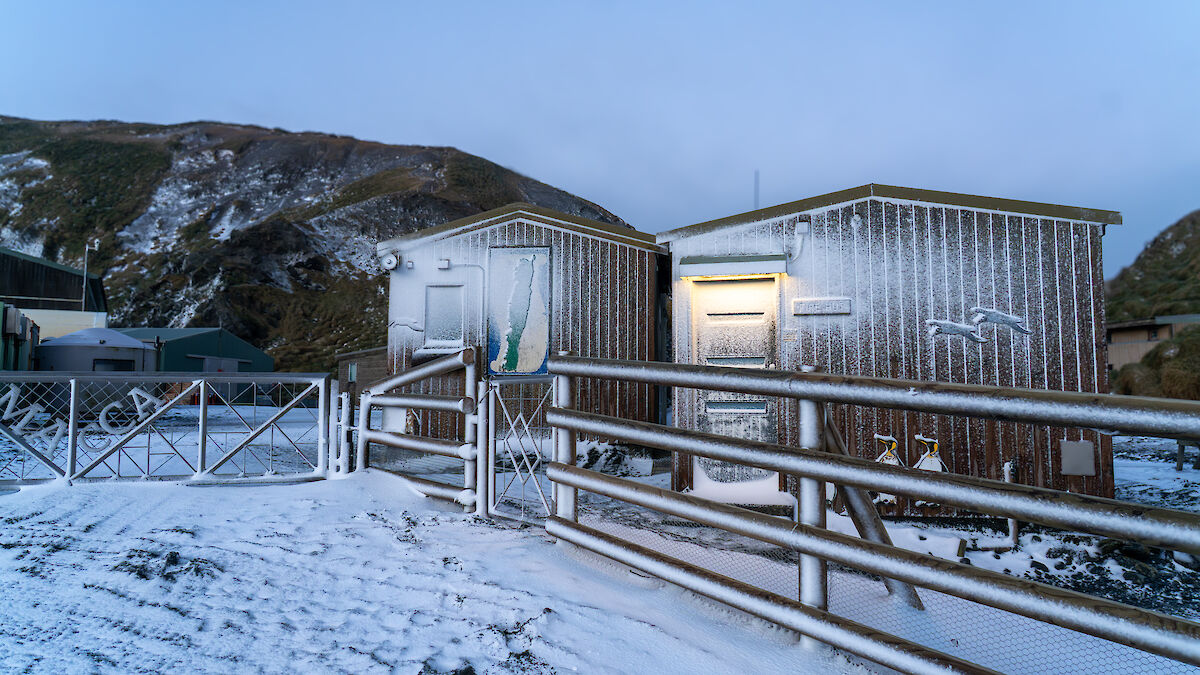
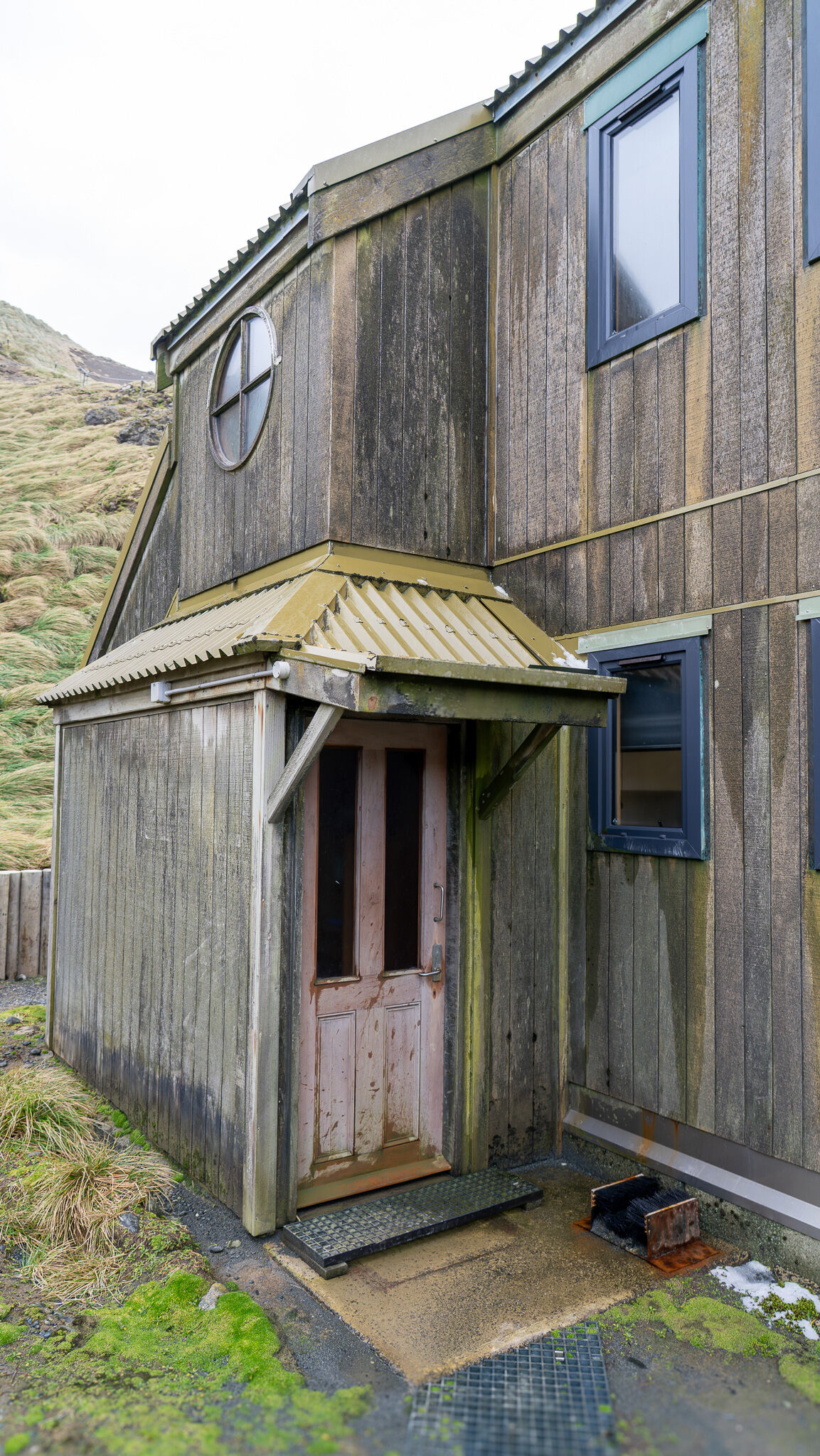
The accommodation door is particularly clever. On a calm day, it behaves like a perfectly respectable entrance. But on a windy night, colluding with the others nearby it turns into a 4-door percussion instrument, slamming shut hard enough to wake everyone in the building.
At approximately 2:17 a.m., residents can be found sitting bolt upright in bed, wondering whether the building has lost a wall or whether someone has just come in from outside. then just as everyone is drifting off back to sleep, the door will go for an encore, providing a useful reminder that sleep is not always part of the luxuries of station life.
The next morning, everyone offers helpful advice such as, “Have you tried adjusting it?”
Yes, I’ve tried adjusting it, pushing it, pulling it, shoulder-charging it and sweet-talking it. At this stage, the door and I are in a relationship, and neither of us is happy.
Then there are the doors that apparently “only need a quick adjustment.” This usually means removing six layers of paint, replacing the hinges, rebuilding half the frame and negotiating directly with the building.
Macquarie Island’s climate doesn’t help. Timber expands, metal corrodes and buildings move around whenever the weather feels like rearranging the station. A door that fit perfectly on Monday can be shaped like a banana by Thursday. The most dangerous phrase on the island is: “While you’re here...”
You arrive to fix one loose handle and suddenly you’re given a guided tour of every door in the building. By smoko, the original job has become twelve jobs, somebody wants a shelf installed, and another person is asking whether you can make their drawer “slide a bit nicer.”
Door maintenance also requires specialist diagnostic equipment. This includes a tape measure, a level, a pencil and repeatedly opening and closing the door while muttering phrases such as, “What are you rubbing on?”, Why won't you close properly?” and, "How are you seized again?”
Station personnel are reminded that slamming a swollen door harder does not repair it. Neither does kicking it, leaning against it or writing “BROKEN” on a piece of masking tape and sticking it over the handle.
After an extensive investigation, the Carpentry Department has developed a long-term solution: wait for the island to dry out.
Early estimates suggest this may occur sometime around 2087.
Until then, please continue reporting faulty doors. When making a report, include the building, the location and a useful description of the problem. “The wooden one near the hallway” does not narrow it down.
And if you see a door that opens smoothly, closes quietly and doesn’t let in a freezing gale, please don’t touch it.
It may be the last one.
Tas McClintock
Carpenter