
Getting used to the Awe
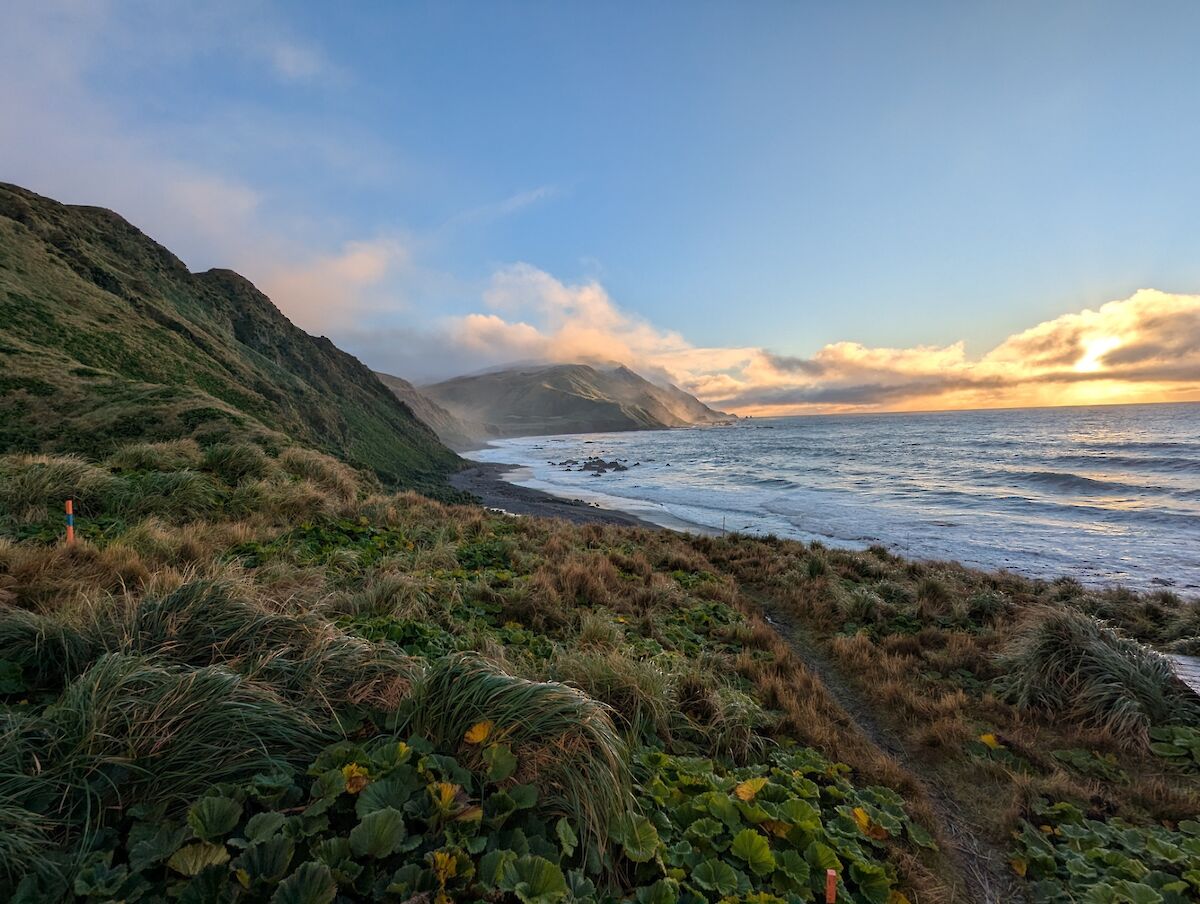
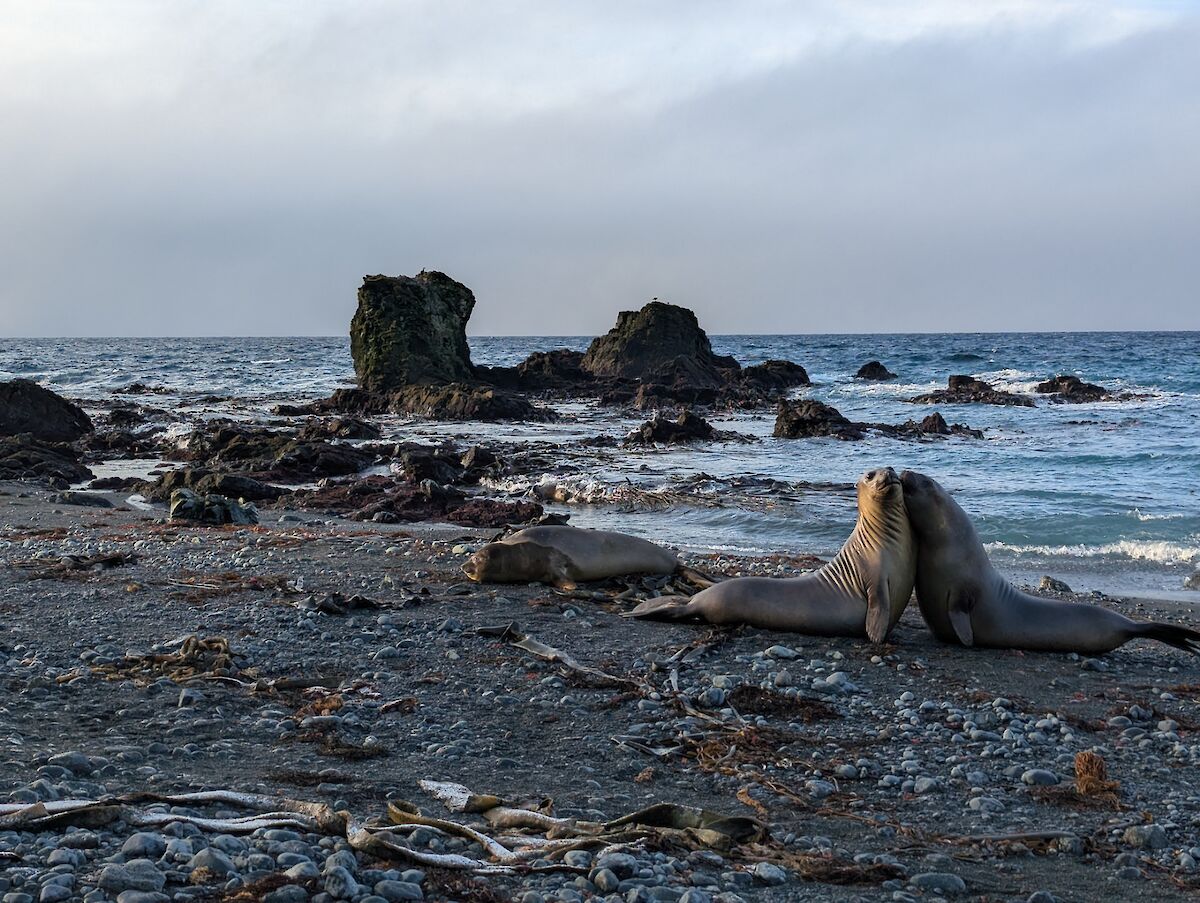
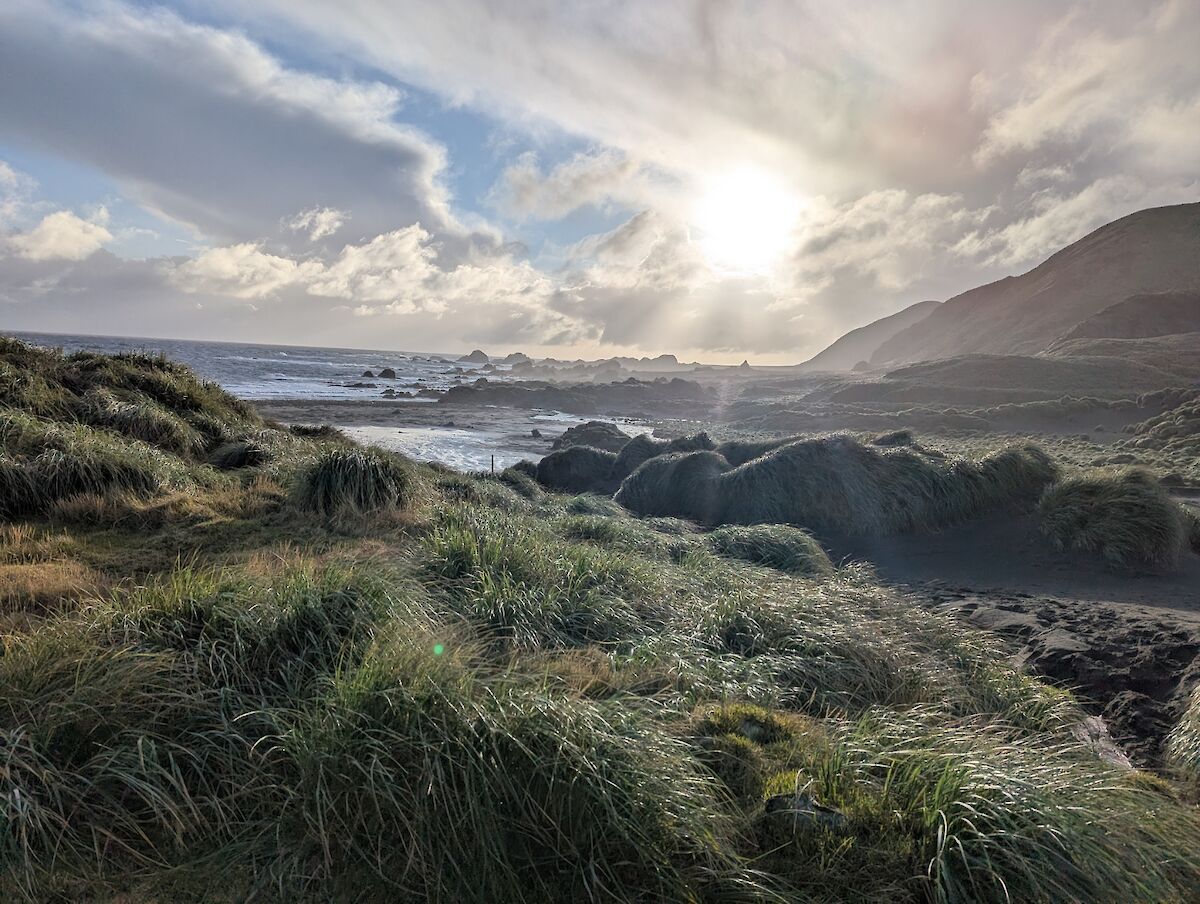
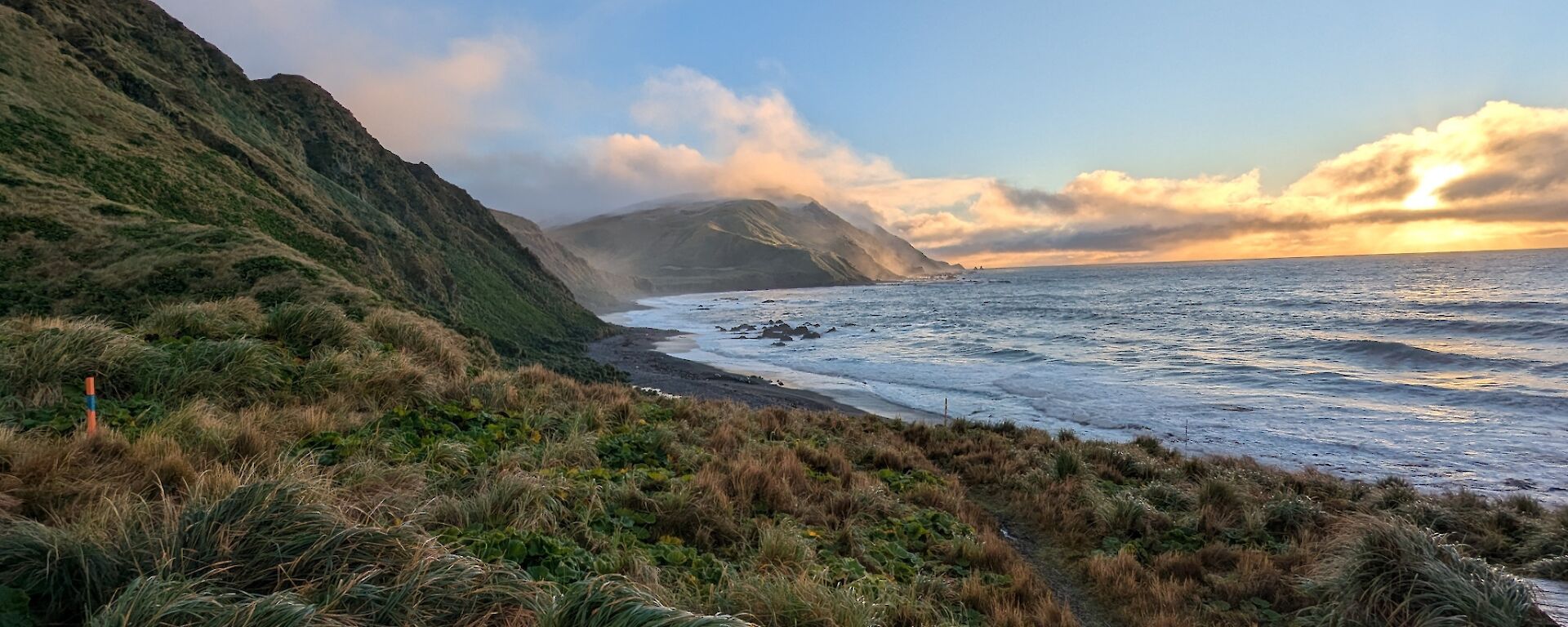
As Nuyina saddles up to Macquarie Island, expeditioners fill the external decks to catch a glimpse of her beauty. Gasps of excitement are heard as penguins dance in the water and seals lounge on the beach. Expeditioners step off a LARC or a helicopter and are suffocated by Macca’s splendour. The soft sand beneath their feet, crisp air in their nostrils, and the sound of wind whistling through the tussocks. They take a moment to ponder if this place is a reality or a remarkable dream.
However, as the tides come and go, routines begin to form. The sense of awe and wonder begins to fade. The penguins and seals that line the commute to work become just another obstacle. The soft sand is something to be cleaned off boots and the wind whistling is something that disturbs sleep. What was once remarkable has rapidly become the mundane.
How is it that we have so quickly become accustomed to the truly amazing world we now inhabit? Have our neurotransmitters become saturated and dopamine tolerant, or is it simply that being in constant awe is tiring and requires too much effort?
As the experience of awe fades it leaves a void. Some try to fill this by travelling down island for another new and greater dopamine hit. Others subconsciously turn their focus to the negative things; a misplaced spoon, muddy footprints or missing home.
Can the ‘awe’ be brought back to ‘some’? Can we reclaim the wonder we may have allowed familiarity to erase? When travelling to work or going about your day (whether that’s at Macca or somewhere else) remove the glasses of routine and allow yourself to rediscover the awe.
Take a moment. Stop. Look. Breath. Listen. Appreciate the beauty around you big and small. Reignite the candle of appreciation, and you may find that the ordinary once again becomes extraordinary. That may well be the key to experiencing something ‘awesome’.
Edward James
Macquarie Island Station Doctor