
Sea ice science
So, it's time again to write another icy news article, and boy, did that seem to come around fast. Much like summer, winter at Davis has been a blur of activities for me, the station's local Science Lead.
Activities that I’ve been doing my best to keep abreast of range from field trips to remote penguin nest cameras, standing up monitoring equipment for the Southern Ocean Sea Level (SOSL) project, to continuing the samples for the Ice Nucleating Particle (INP) experiments. Really though, an attempt to enumerate the different tasks required of the engineer in a concise way is a fool’s errand, so I’ll take this opportunity to focus on just one of them. For this article I’ll focus on the sea ice observations as part of long term environmental and cryosphere monitoring science.
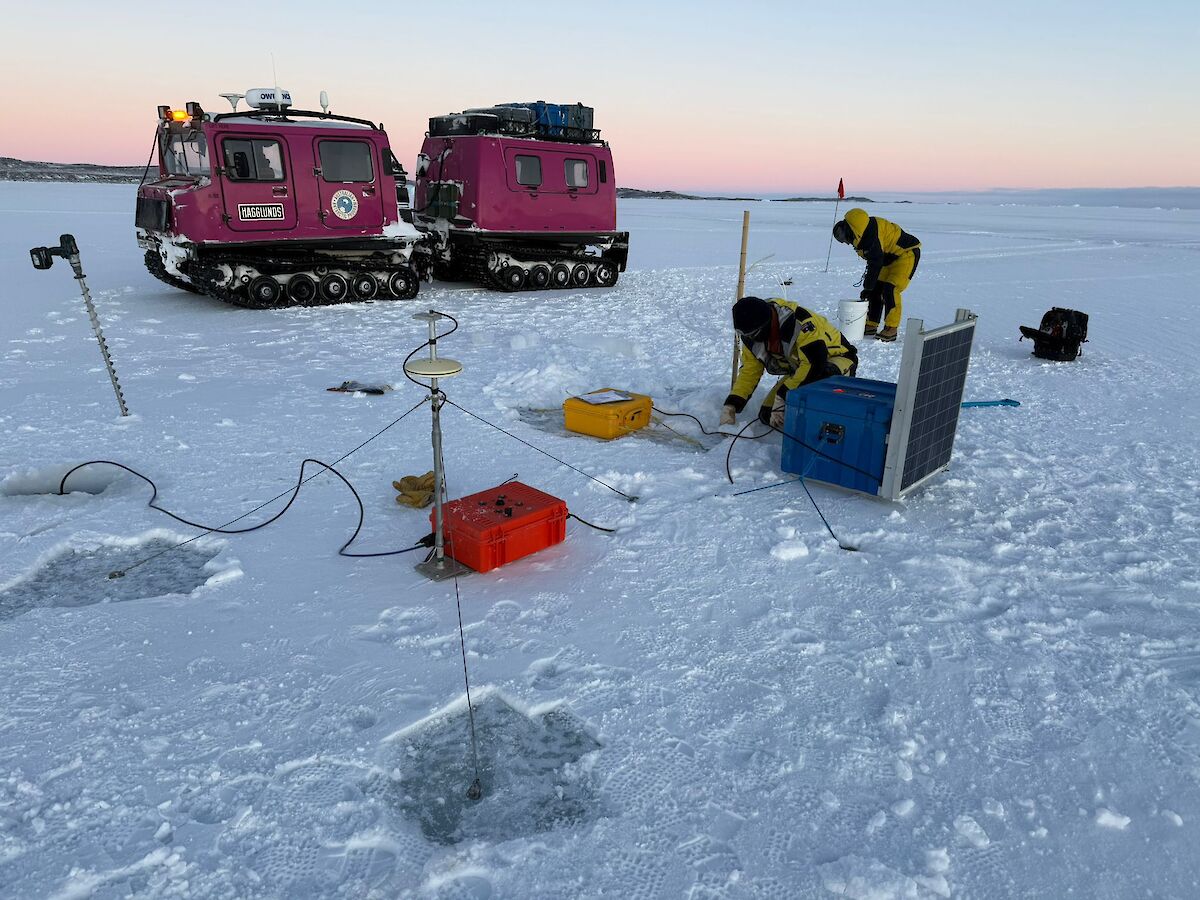
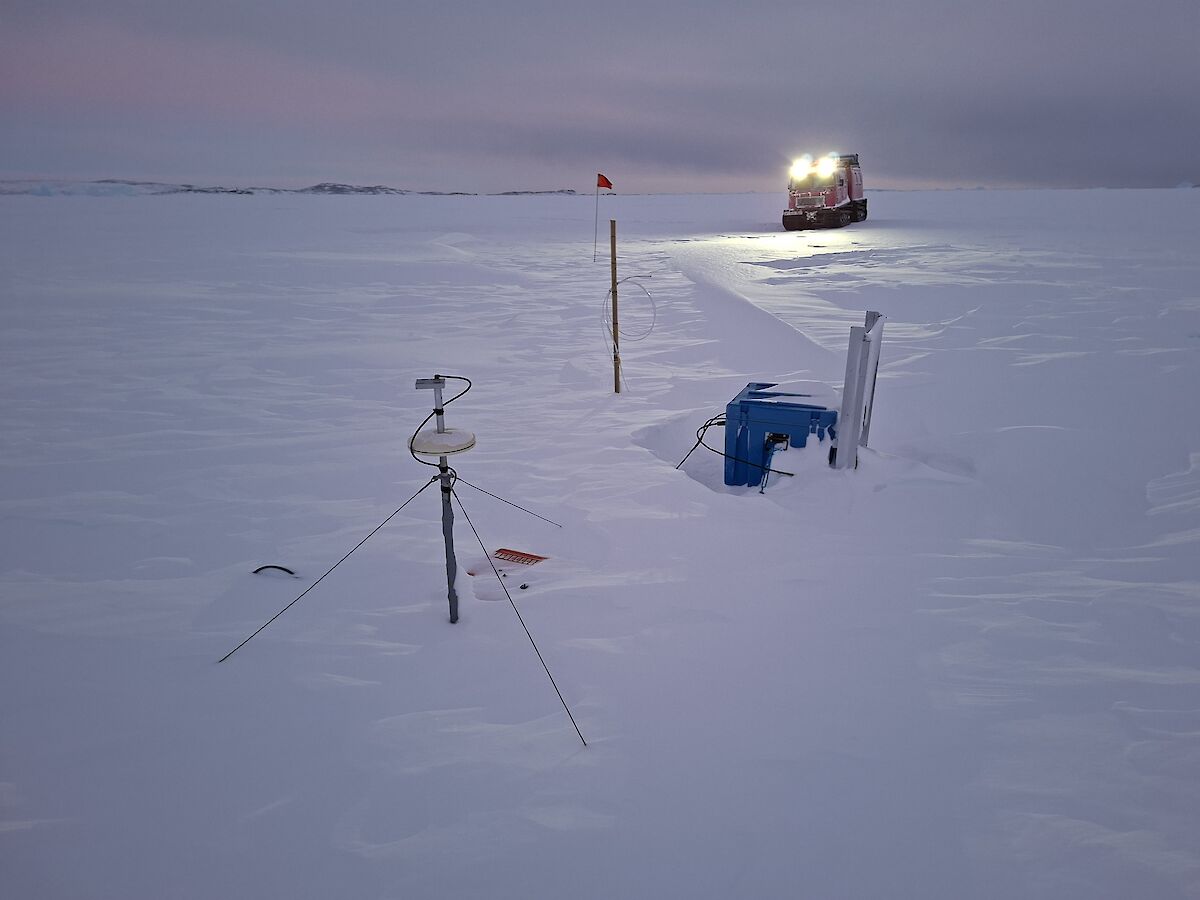
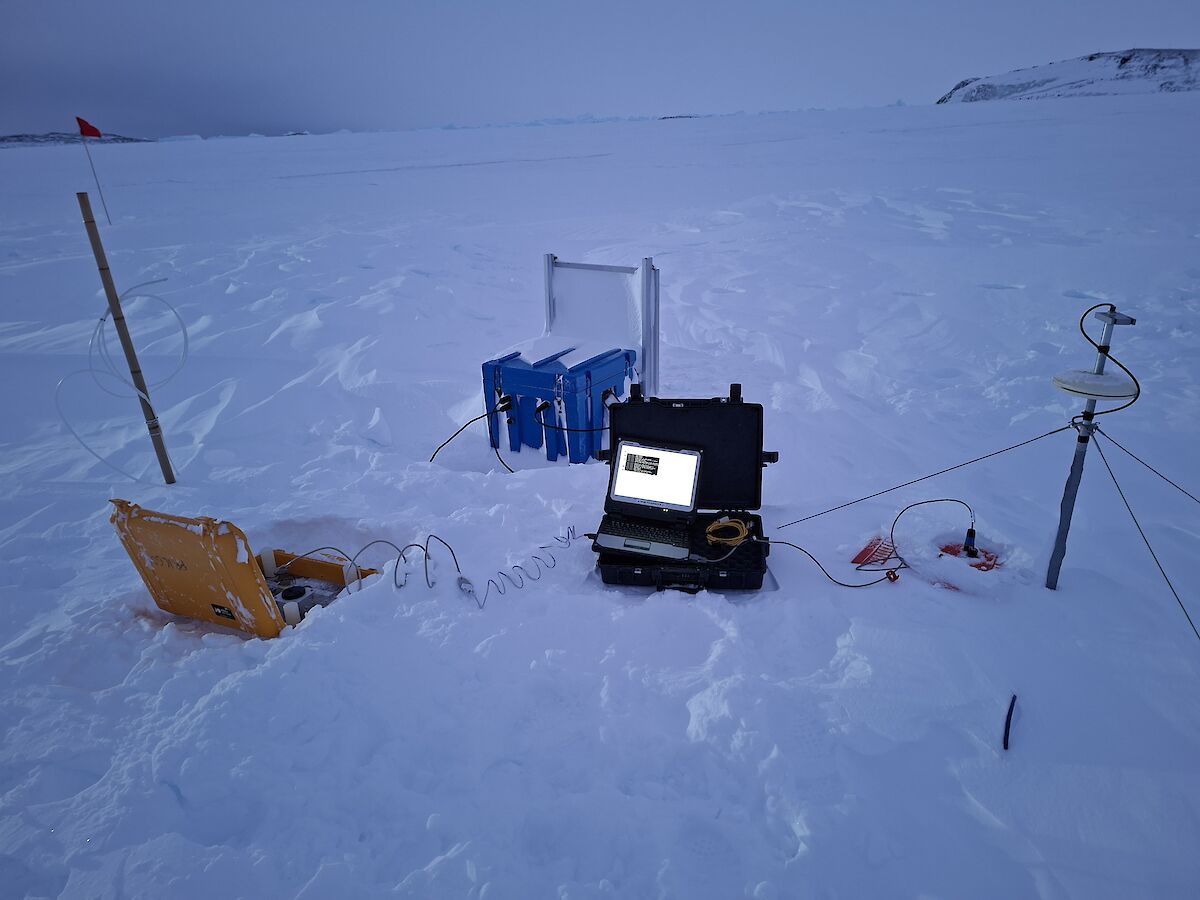
The sea ice project is yet another broad topic, where sensors and data acquisition range from weekly manual observations to remote sea ice time-lapse cameras and an automatic weather station near the face of the Sorsdal Glacier. Again, I’ll attempt to keep this article’s scope a little more contained and focus on the technical details of one of the instrument packages that I’m responsible for deploying on the fast ice outside of Davis – these systems are known as Ice Mass Balance (IMB) buoys.
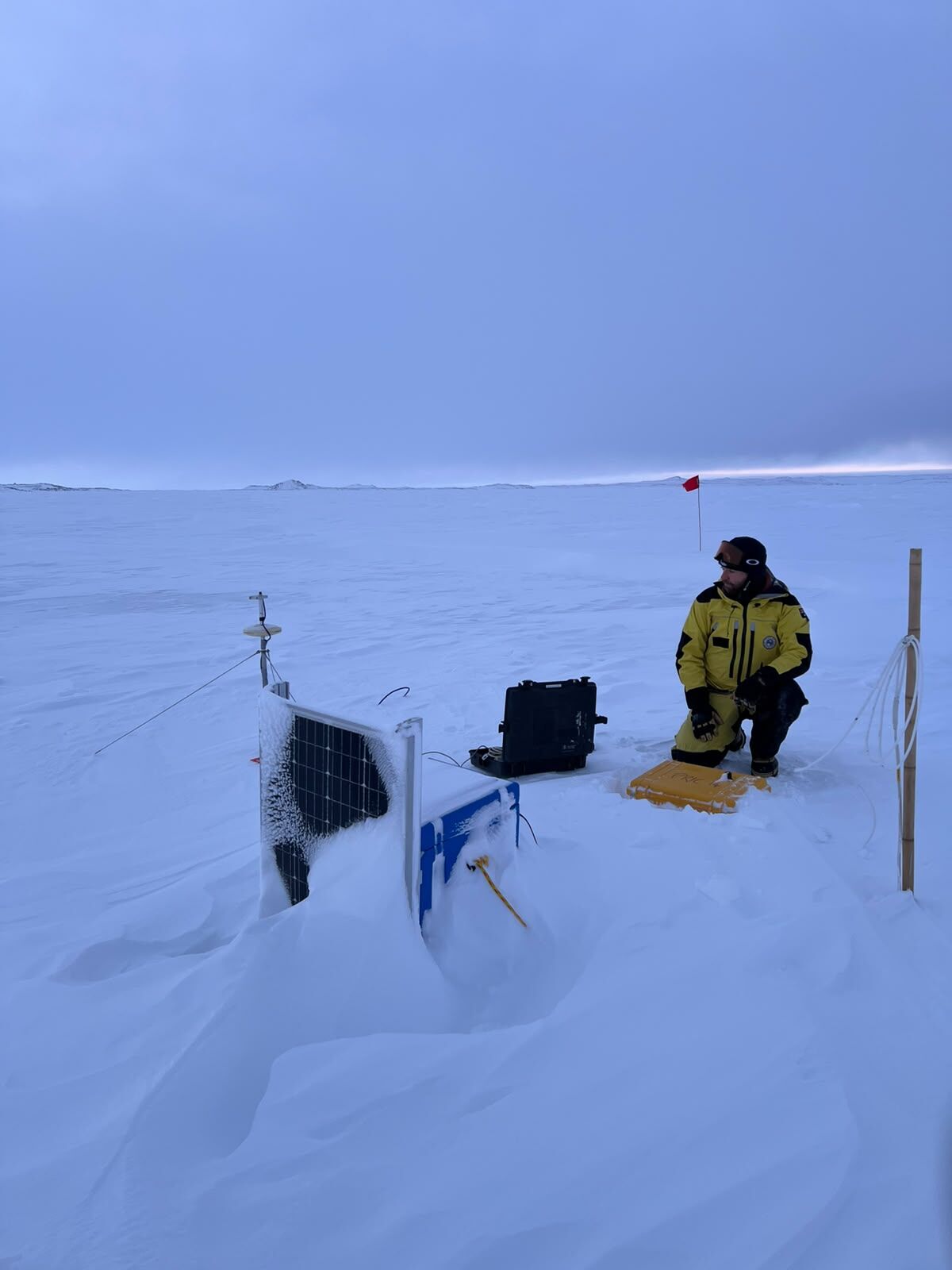
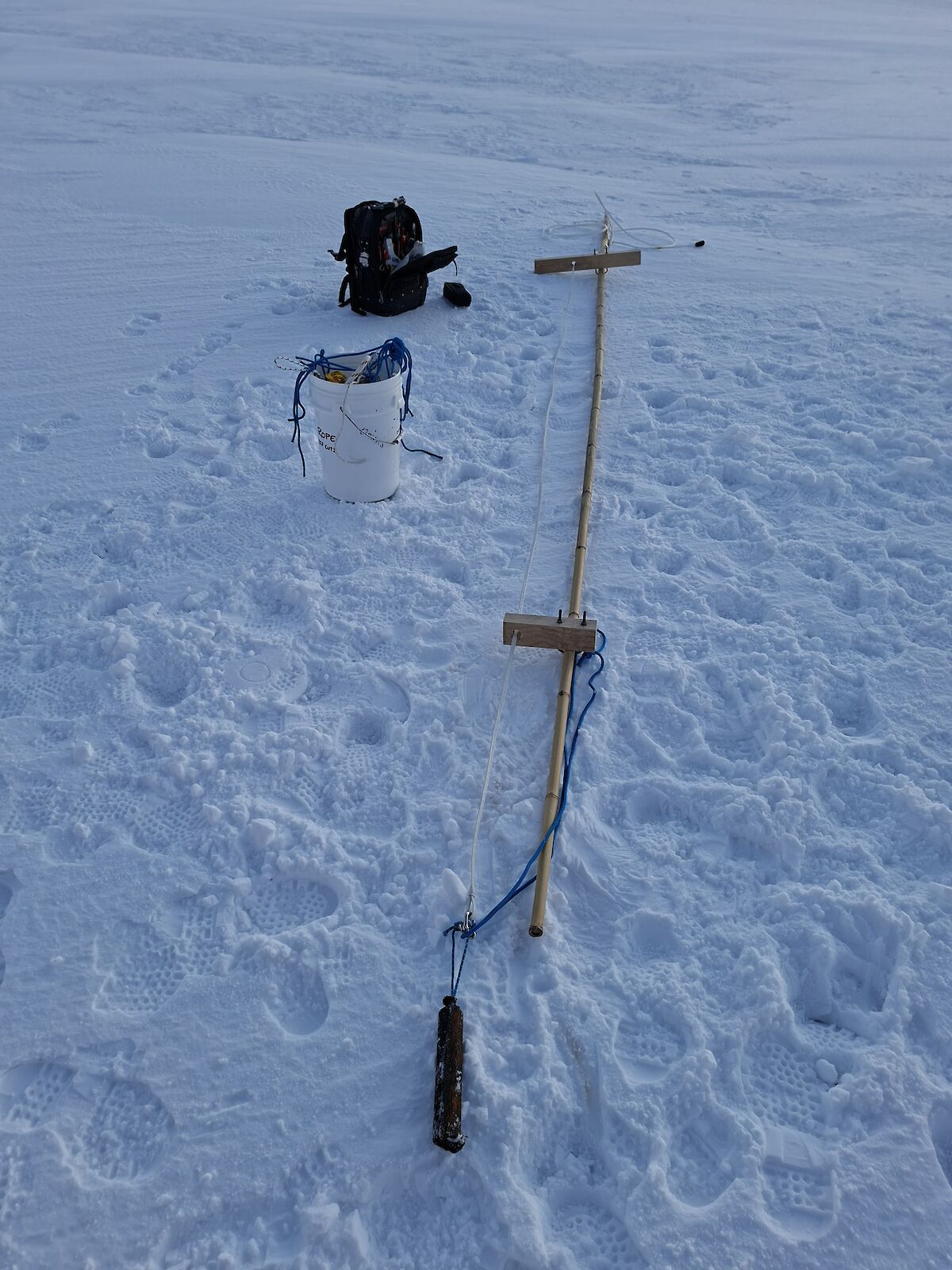
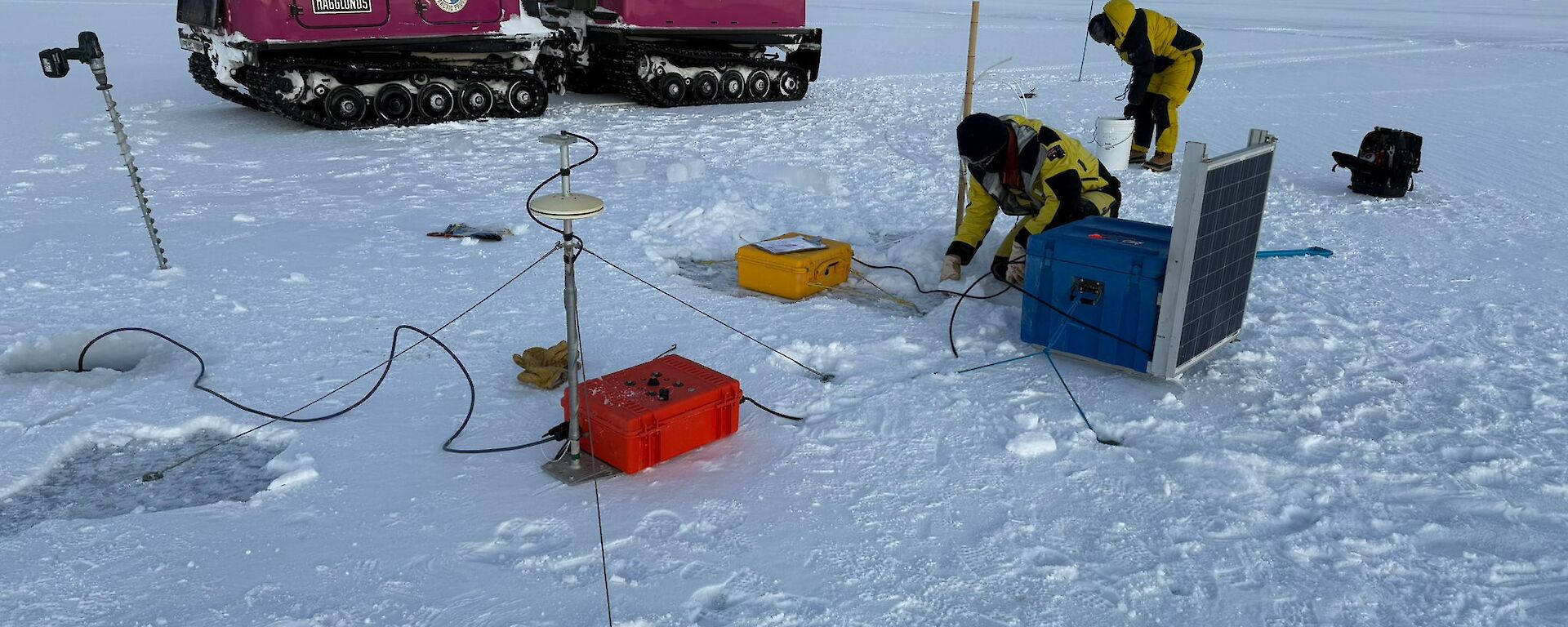
Each year, Davis research station engineer deploys three IMB buoys a kilometre or so offshore to monitor the year-to-year variation of the sea ice growth. The systems are always installed in the same locations and we aim to have them operational in early March, when the ice is new, yet thick enough to access the sites using vehicles. The concept behind the instrument's operation is that a long string of digital temperature sensors dangles vertically through the ice sheet, with the bottom of the rope-like string extending into the water beneath the ice by means of a weight. The ice is much colder than freezing, whereas the seawater remains at a relatively constant −2°C, so measuring the temperature along the sensor string allows us to generate a time-series showing the growth of the ice. These sensors are powered by a solar panel and battery box and the measurements are taken every six hours. These buoys are co-located with some meteorological equipment which monitor atmospheric temperature and barometric pressure, as well as a stress gauge which measures the shear stress in the ice sheet.
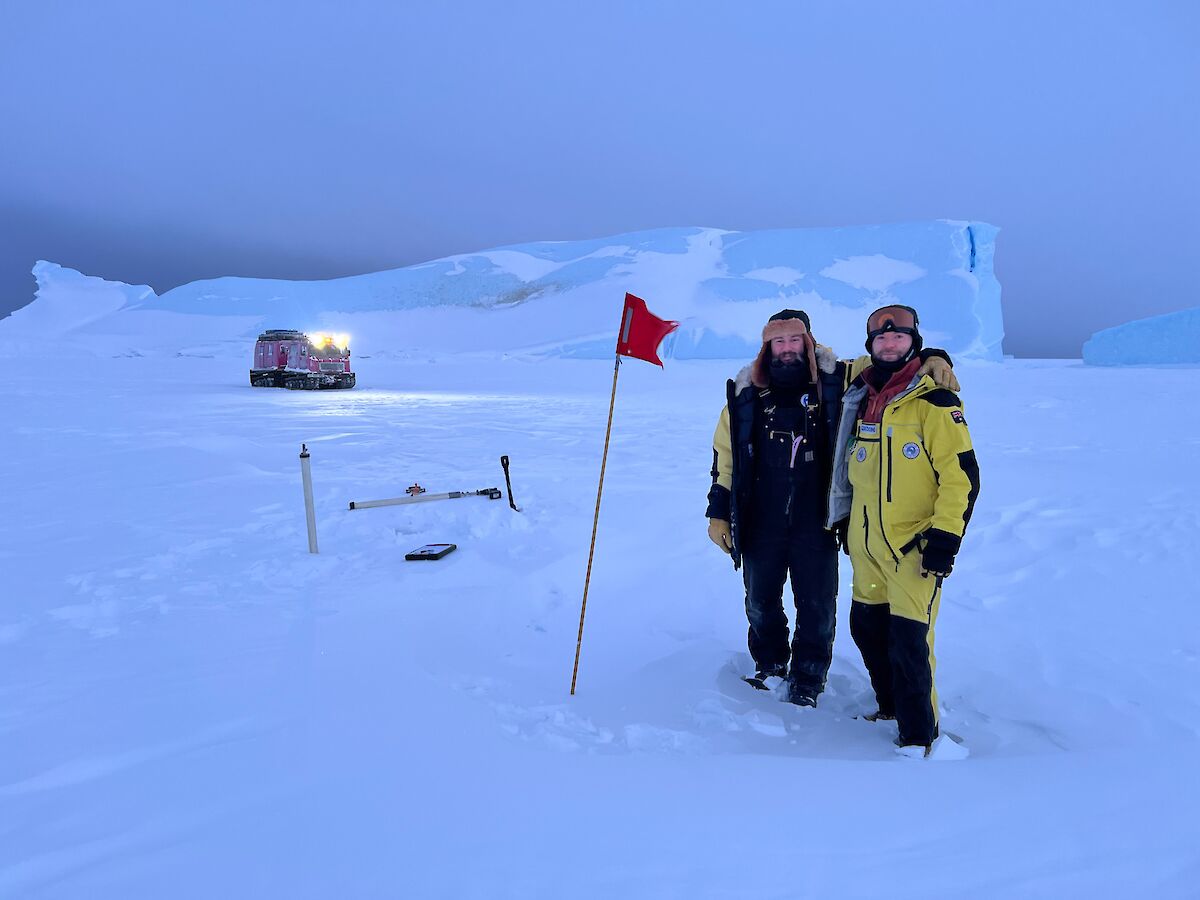
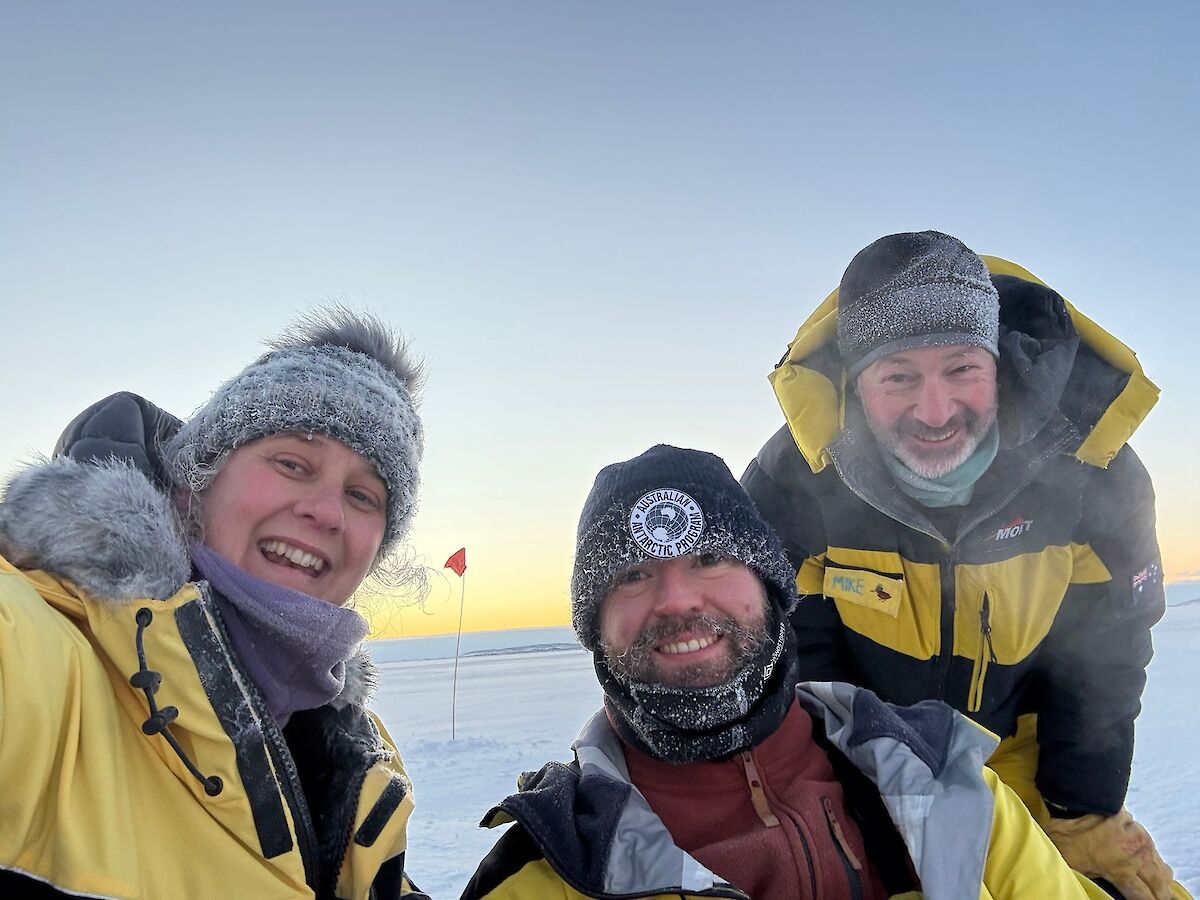
Concurrently, with these instruments the sea ice science project requires me to manage weekly manual observations across select sites on the Davis fast ice. Thankfully I have a great and willing team of volunteers who take it in turns to perform the manual observations. I’ll tag along on one of these trips, about once a month in order to extract the data from my deployed instruments.
I am incredibly thankful that I have such enthusiastic expeditioners down here with me to assist in exercises like this. There is no way that I’d be able to maintain the science work load without station support.