
History of Davis research station
Pull your chair a little closer to the heater, because this story starts with a captain who almost gave up.
Back in January 1957, Dr Phillip Law and the crew aboard Kista Dan had spent days searching the frozen coastline of the Vestfold Hills for somewhere, "anywhere" to build Australia's next Antarctic research station. Every promising bay turned out to be too shallow, too icy, or had no fresh water. Tempers were wearing thin, fuel was disappearing, and the Antarctic wasn't exactly offering helpful suggestions.
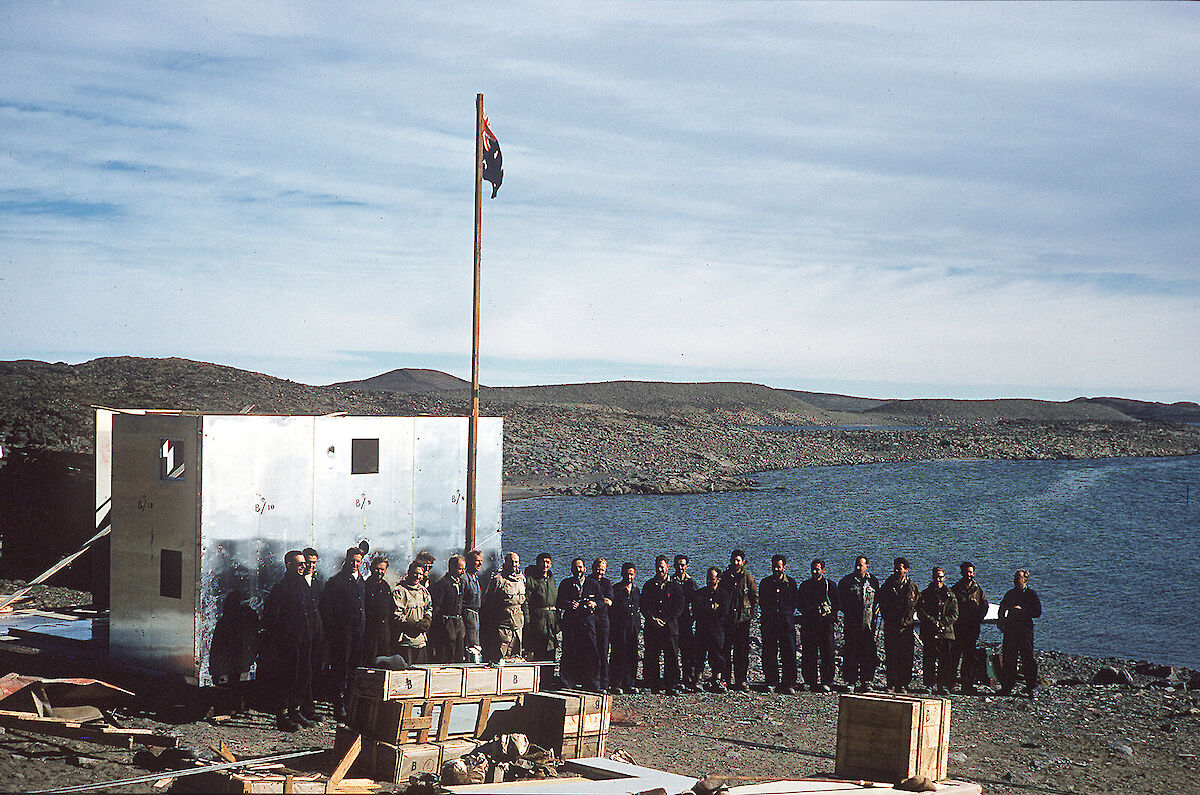
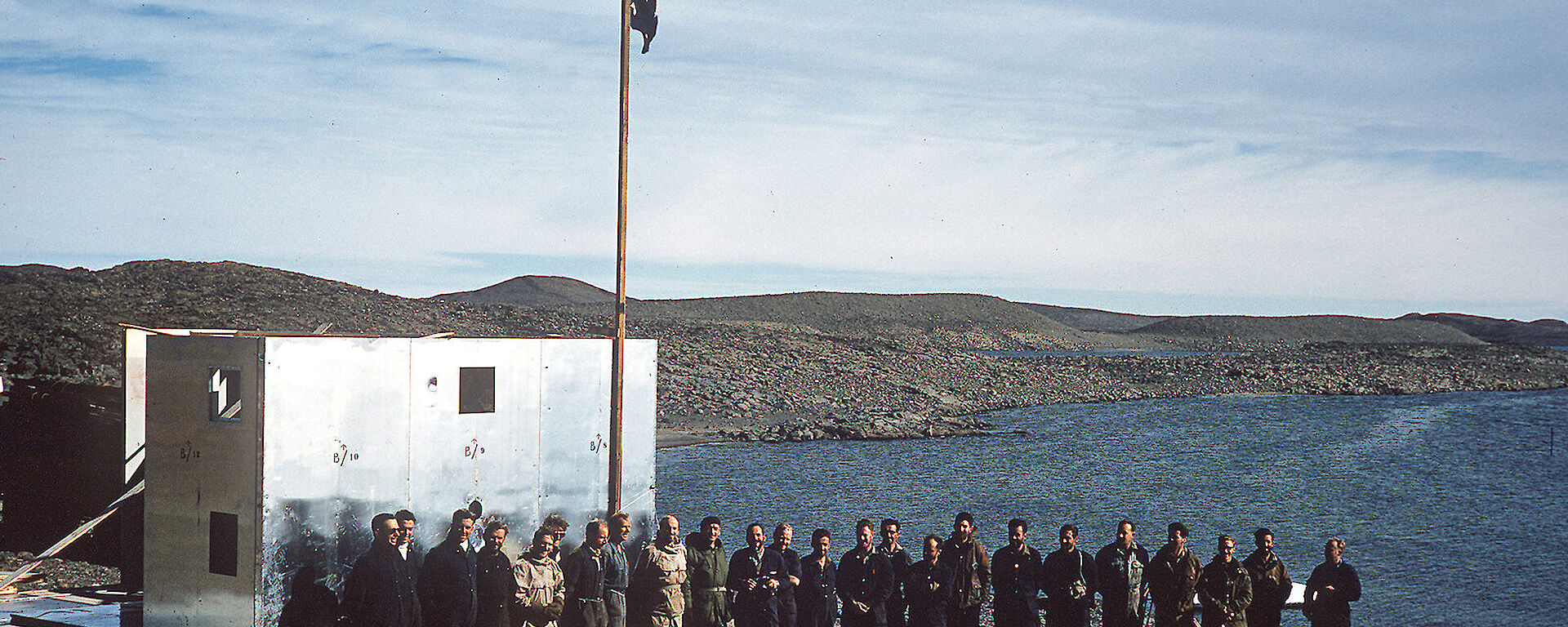
Legend has it that just as the expedition was running out of options, they spotted something unusual: a small black sand beach leading up to a rocky terrace. In Antarctica, a black beach is about as welcoming as a neon vacancy sign. Law took one look and said, "This will do." Within eight frantic days, seven buildings had been hauled ashore, bolted together, and a tiny Australian outpost stood where, only days earlier, there had been nothing but wind and rock.
On 13, January 1957, they raised the flag and named the station after Captain John King Davis, the legendary Antarctic navigator who had guided explorers like Mawson and Shackleton through some of the world's most dangerous seas.
Those first five winterers were on their own.
No internet.
No satellite phones.
No doctor.
Just a radio, each other, and the hope that if something went badly wrong, an aircraft from Mawson might somehow make the journey. Against the odds, they not only survived; they laid the foundations for what would become Australia's scientific powerhouse in East Antarctica.
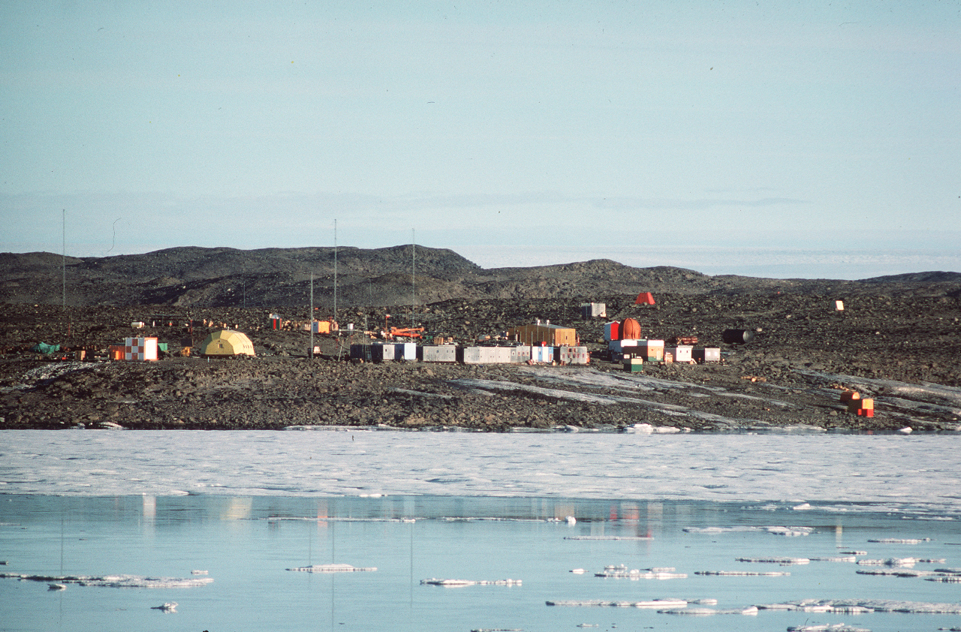
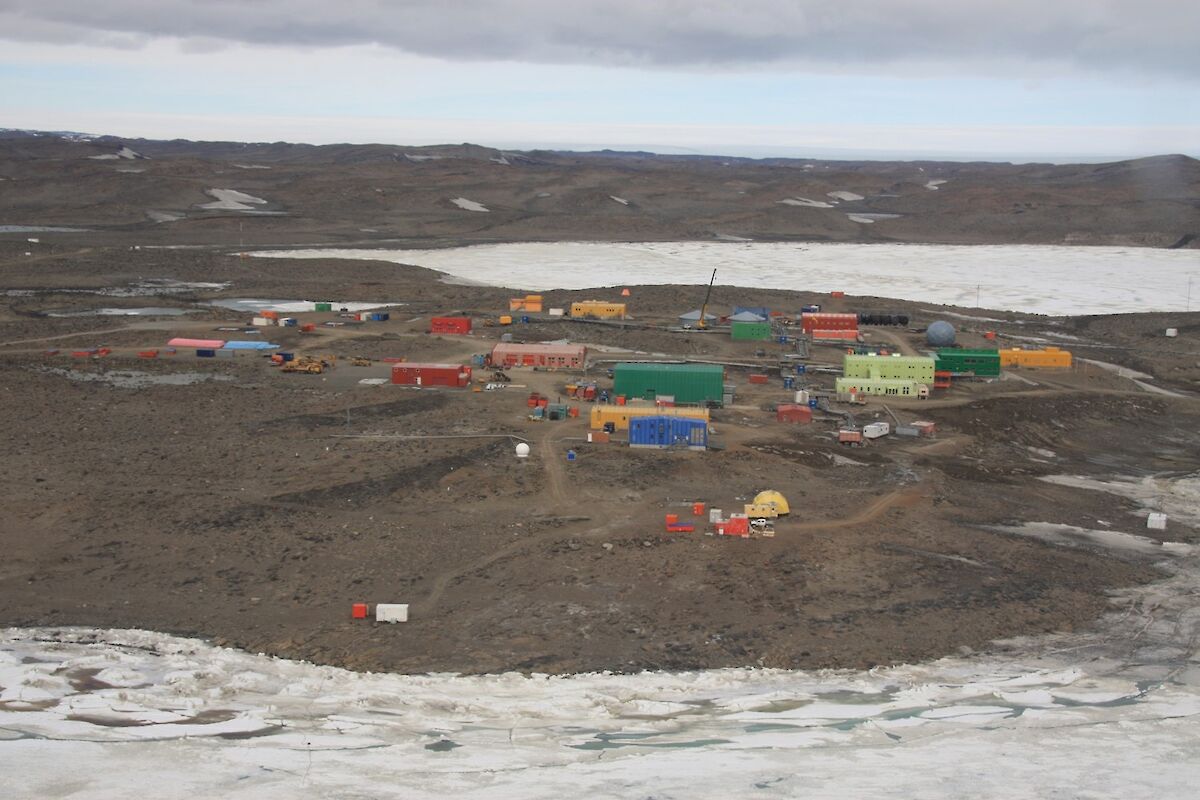
Today Davis (station) hums with generators, laboratories, workshops, and the familiar sounds of tradespeople convincing themselves "it's only a ten-minute job." But every building, every pipe, and every cable can trace its story back to that tiny black beach where a handful of determined expeditioners decided to stop searching, and start building.
Davis is often called the Riviera of Antarctica. It sounds ridiculous until you get there. The station sits in the ice-free Vestfold Hills; one of the largest exposed rocky areas on the continent. In summer there are hundreds of freshwater lakes, bare rock under your boots, and so little snowfall that newcomers often joke they've landed on Mars instead of Antarctica.