
A day in the life of a weather observer at Mawson
I often get a lot of questions about what I do down here at Mawson for work. As weather observers, our main focus is to record weather observations and release weather balloons to feed into the forecast models used by meteorologists around the world.
Two of us (myself accompanied by a meteorological technician, Dan) are rostered on to carry out this work 364 days of the year (with a 24-hour period off for Midwinter), regardless of the weather that Mawson throws at us.
Here's my typical day as a weather observer at Mawson Station, Antarctica.
0630: Yoga. Very important to clear the mind and stretch in the mornings.
0700: Print out the weather ensemble forecast for the team to read to see what's in store for them, weather wise, in the coming day(s). Also, coffee – very important.
0730: Head to work to make sure the office is ready for the day.
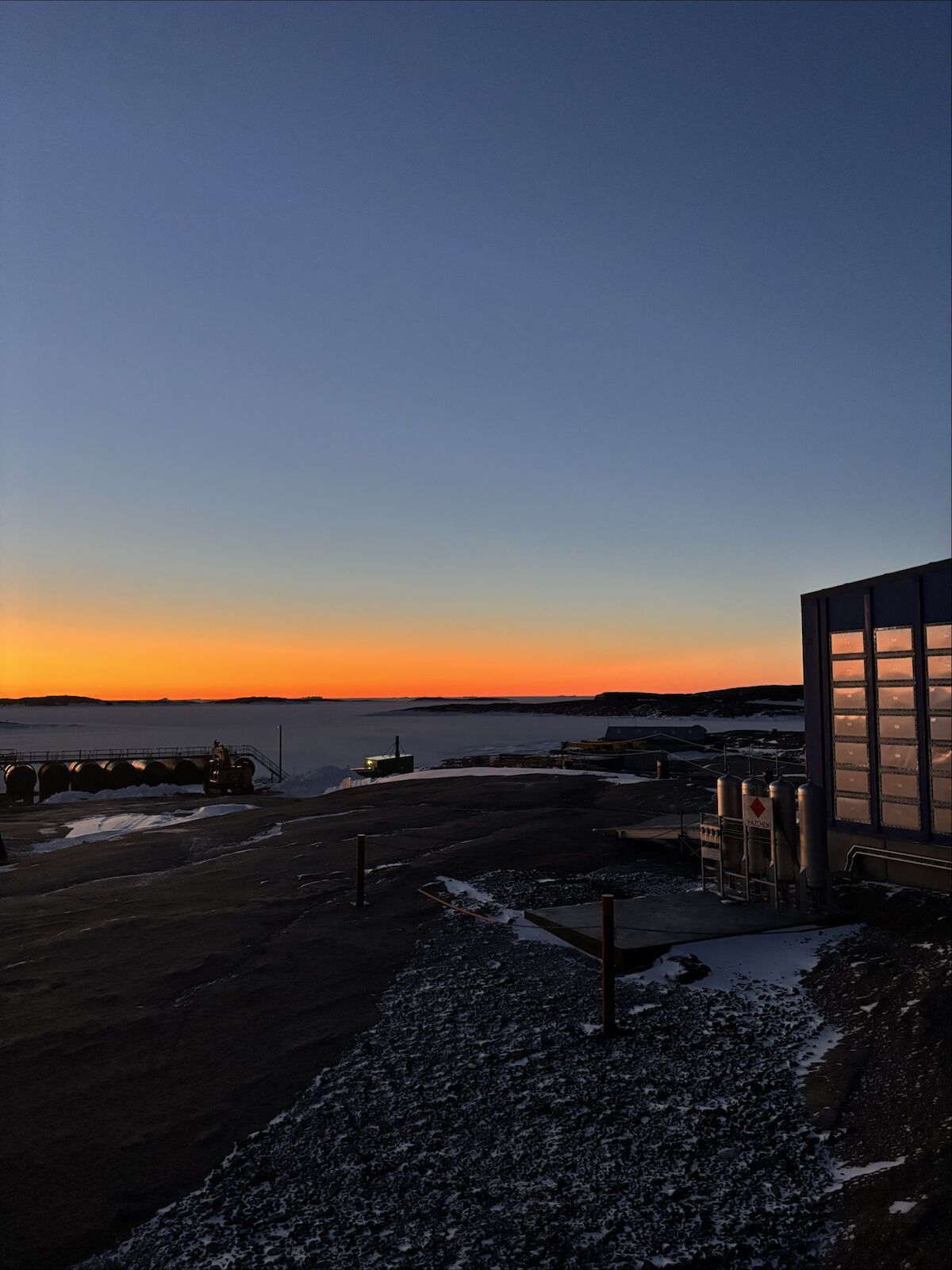
0745: Replace the sunshine card in the Campbell-Stokes Sunshine Recorder. This provides a record of how many sunlight hours there have been over the last 24 hours (the number is swiftly getting lower and lower).
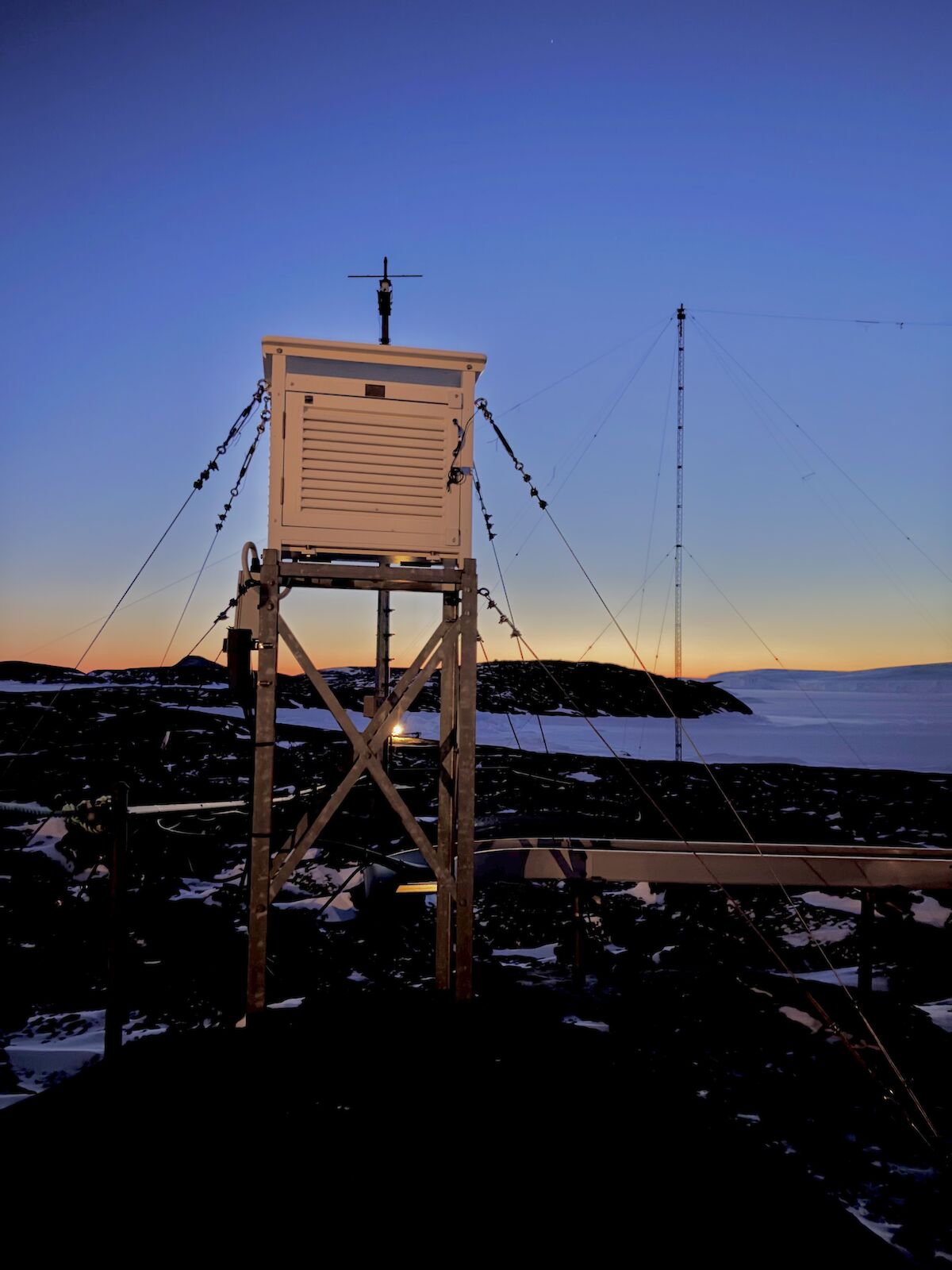
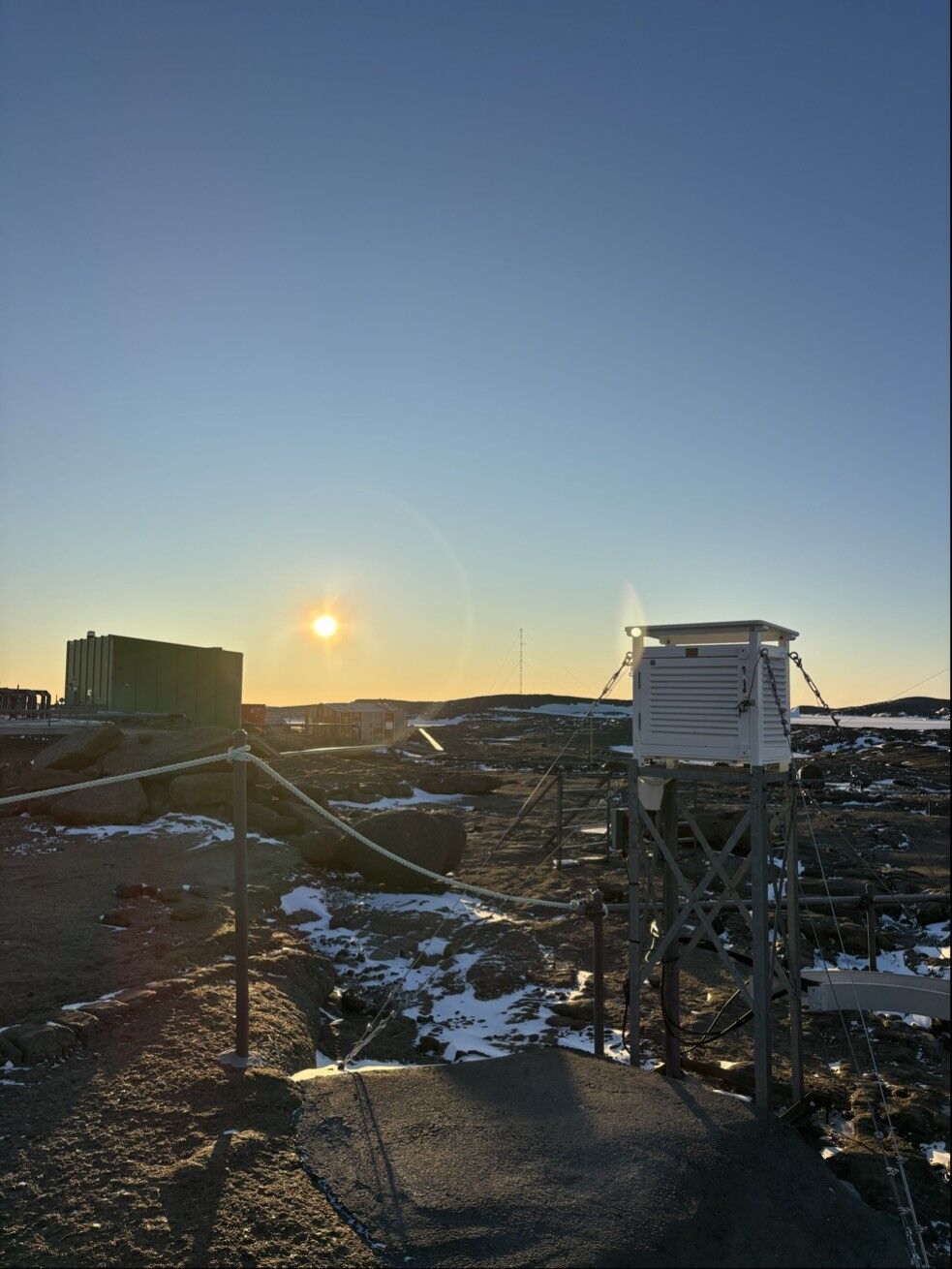
0800: First observation of the day. We record manual observations of clouds, visibility and weather. For this observation, we also take temperature measurements from the Stevenson Screen of the current temperature and the maximum and minimum temperatures of the last 24 hours, to help calibrate our automatic systems.
0800-1100: Admin and meetings time. Sometimes this is switched up with Saturday cleaning schedules, or completing one of our bi-monthly clean air samples for CSIRO.
1100: Second observation of the day. Just the clouds, visibility and weather for this one.
1200: Lunch prepared by our lovely chef (we're very spoilt here). Also, more coffee.
1400: Third observation of the day. We record clouds, visibility, weather and manual temperatures.
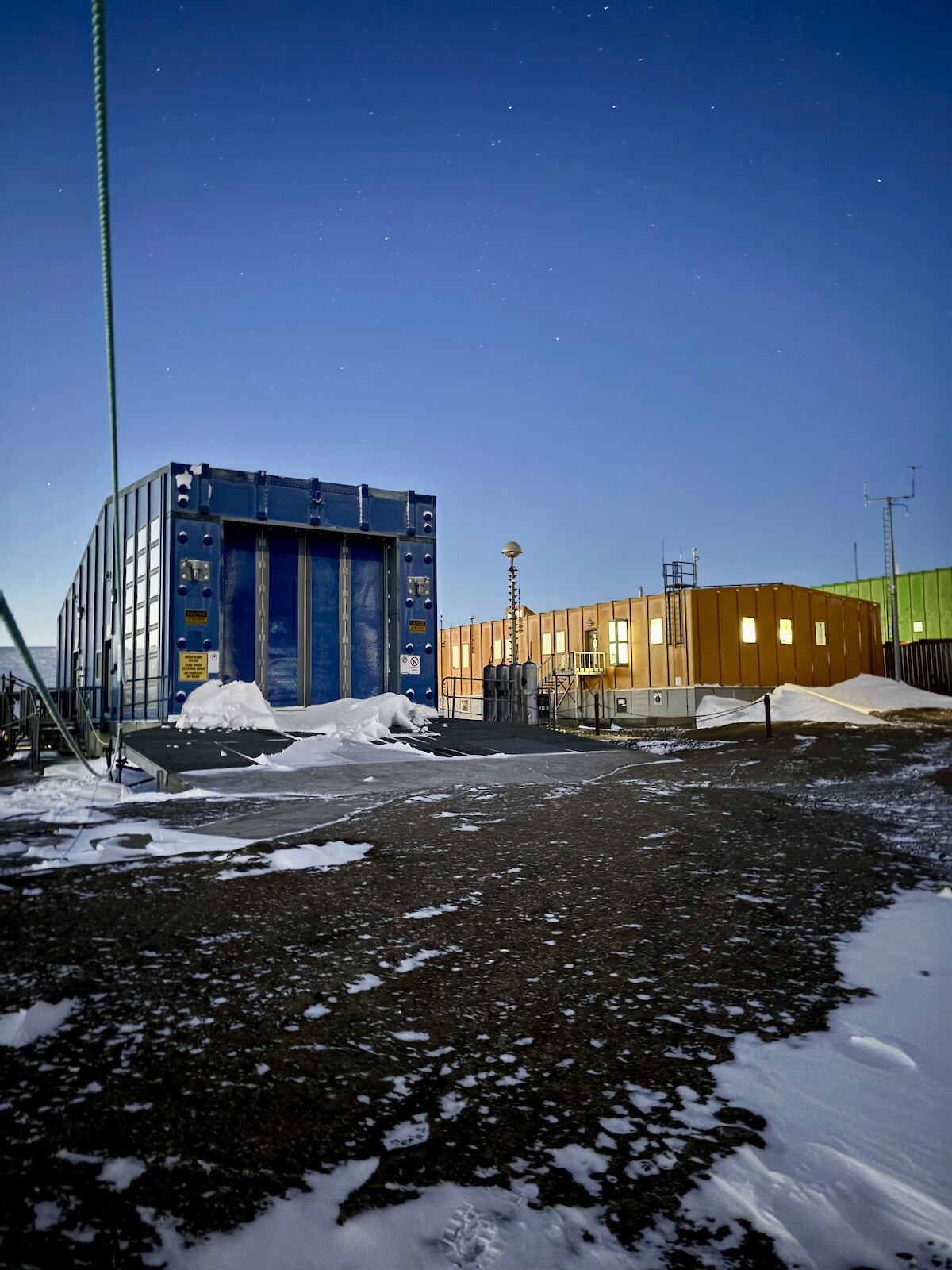
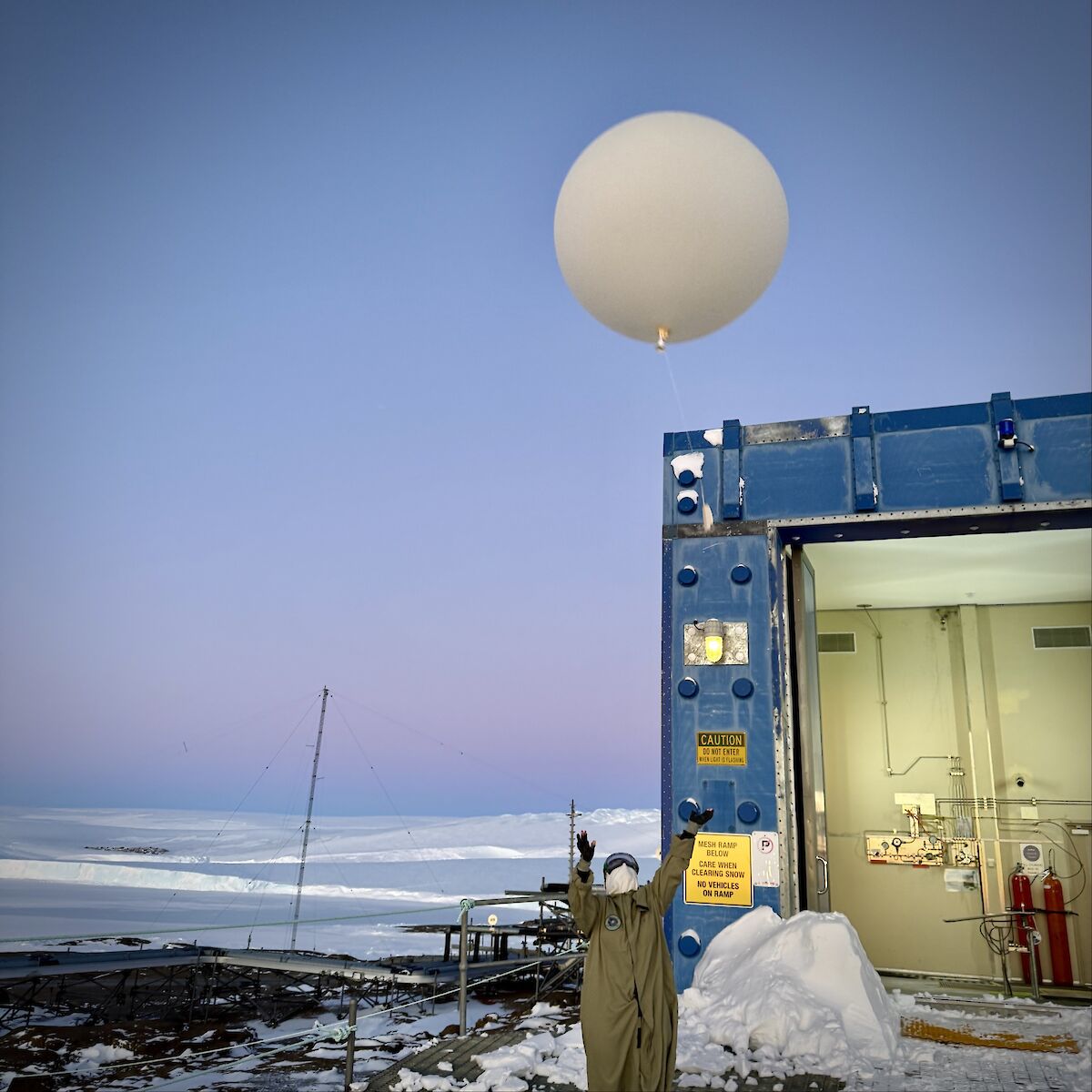
1400-1615: Continue admin. Shovel snow outside the front of the balloon building. Start to prepare the radiosonde for the weather balloon launch. Sometimes there will also be secondary duty training at this time such as lay surgical assistant training, search and rescue team training, or fire team training.
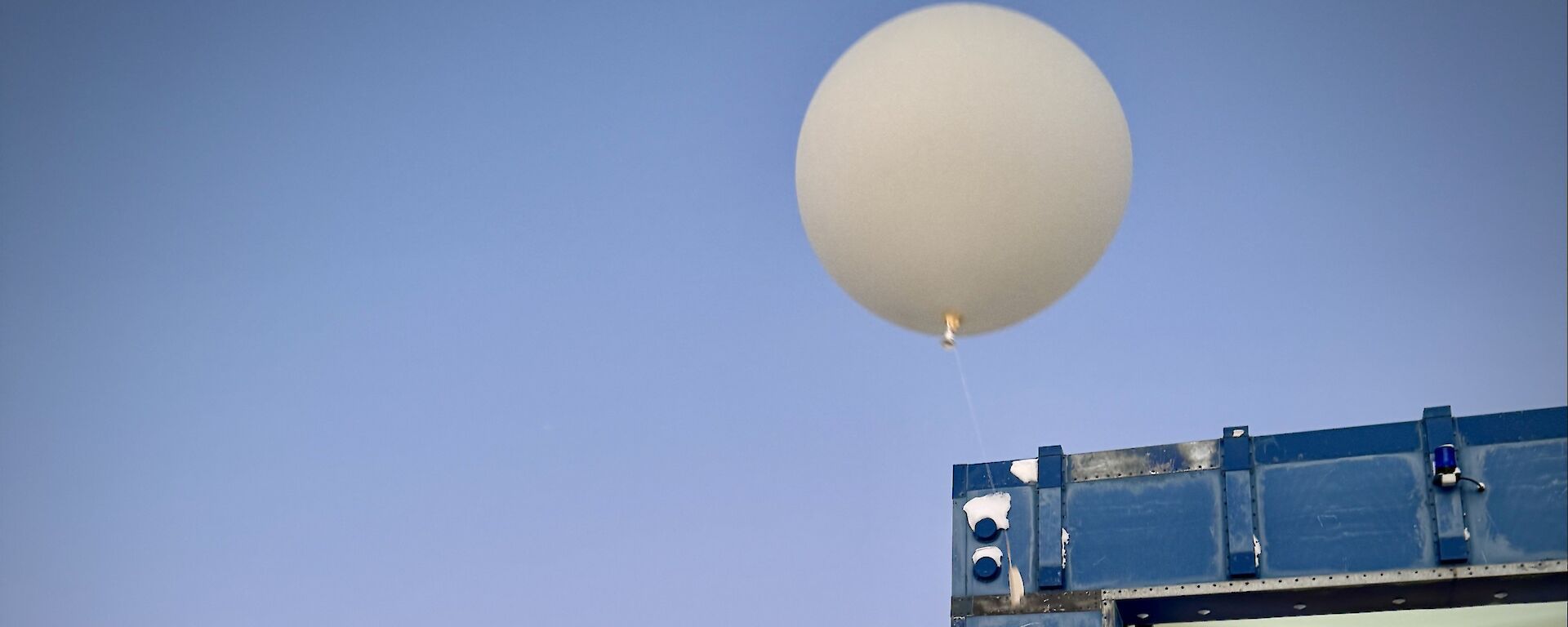
1615: Release our weather balloon for the day. We release in all kinds of wind and weather, except for days of extreme winds.
1700: Fourth and final observation for the day. Once again, just the clouds, visibility and weather.
17:30 Knock off time. Maybe relax before dinner, go to the gym, or head to hydroponics to spend some time in the warmth with the greenery.
1800: Dinner prepared again by our lovely chef.
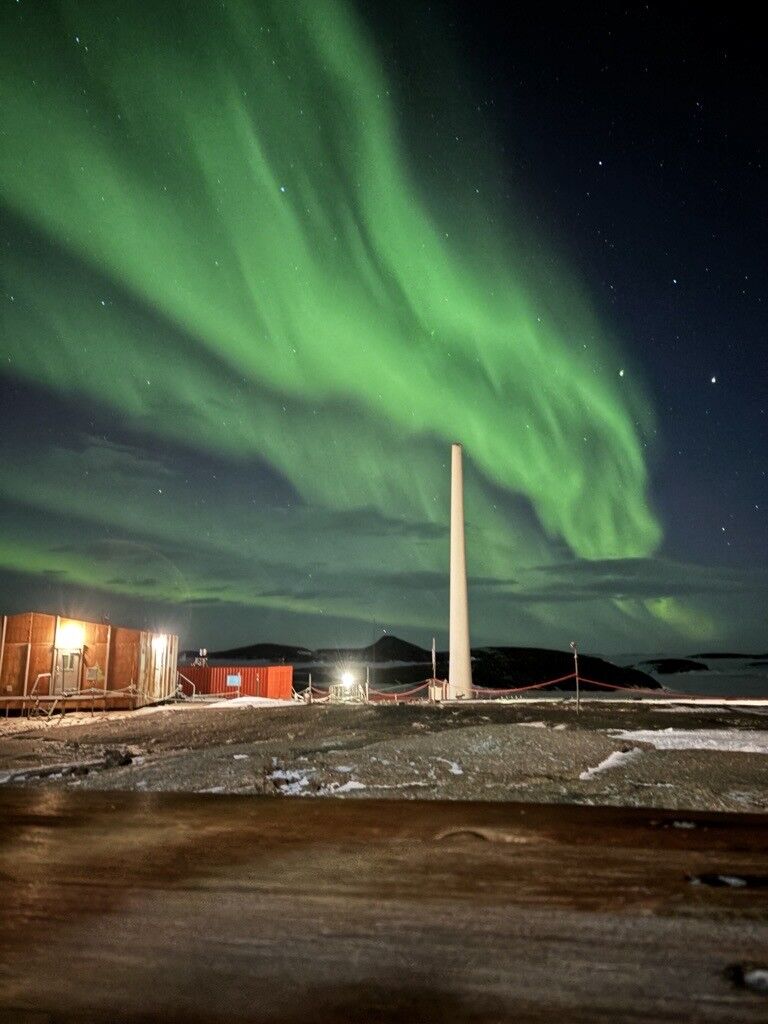
1900 onwards: Free time. This might be watching a tv series or movies in the cinema, playing darts, or taking photos outside of the night sky, and hopefully a cheeky aurora.