Our Station Supply Officer describes what it's like to be at Mawson Research Station - while we open our sea ice travel season for 2026.
From Green slopes to frozen peaks: Finding my feet at Mawson
After almost a year of planning, the transition from the green hills of Macca to the ice-covered Mawson horizon, the 79th ANARE is finally a reality.
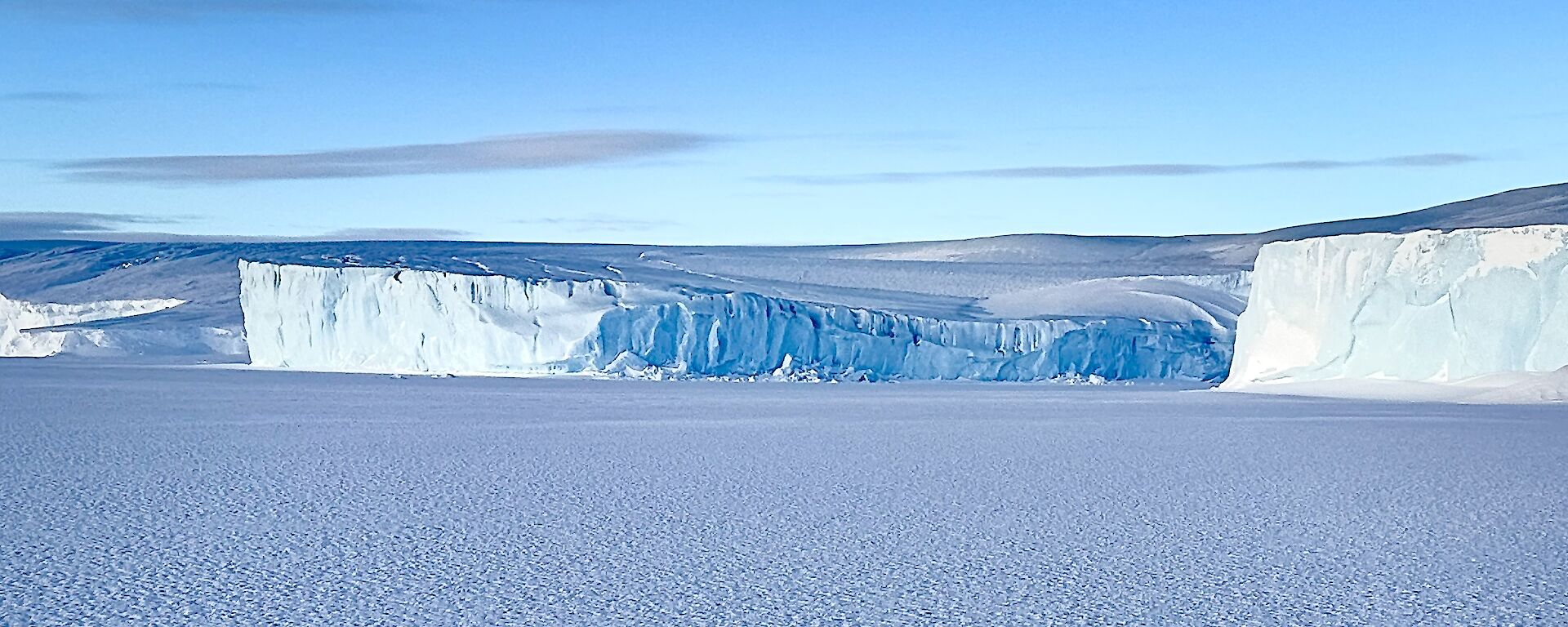
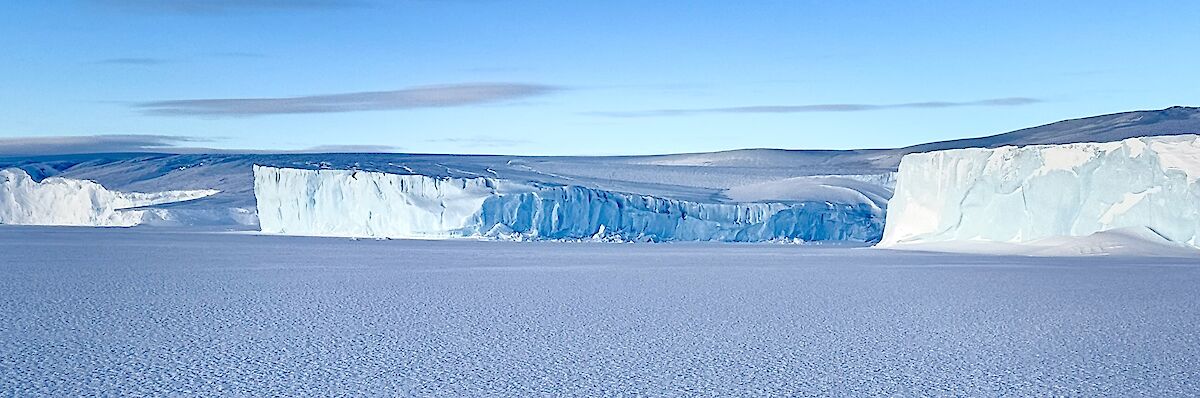
The final approach to Mawson was absolutely stunning. It started with that first iceberg sighting, everyone out on deck, cameras clicking away, trying to capture it all. But before long, we were completely surrounded by massive bergs on both sides, and it hit us: we’d finally reached Iceberg Alley.
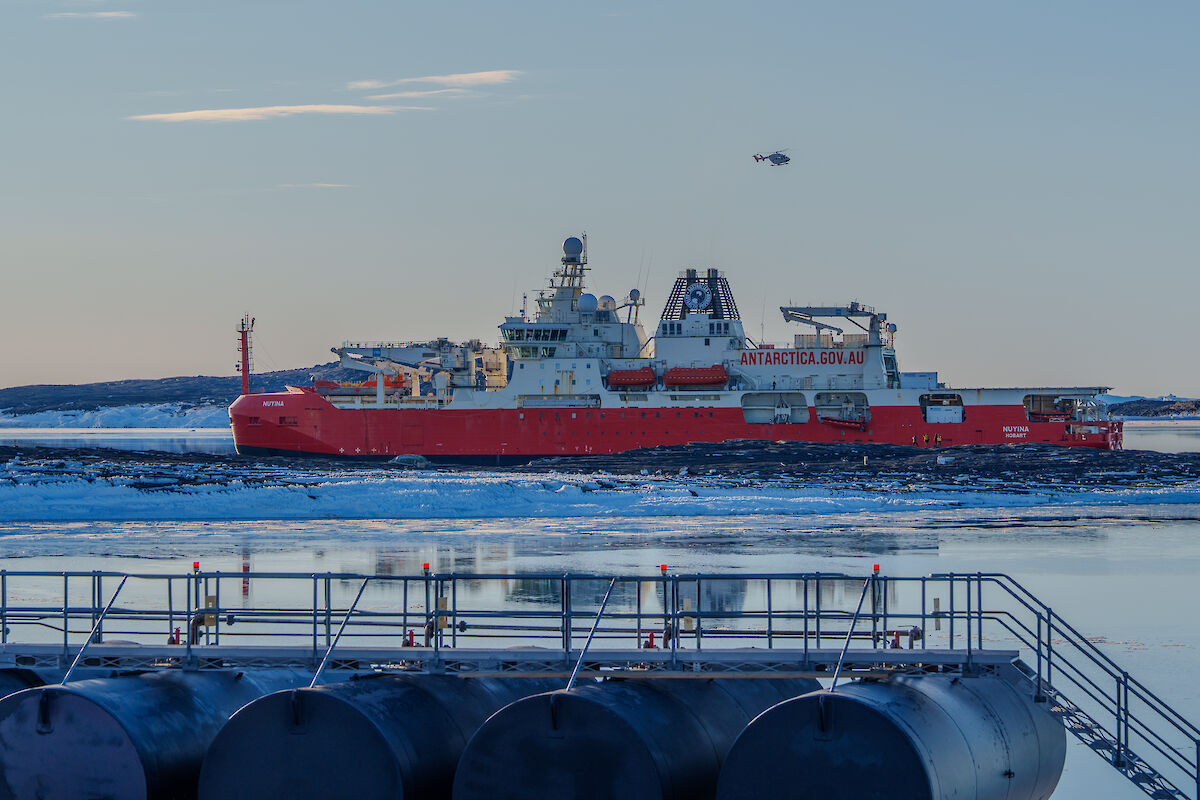
After far too many photos and with fingers finally starting to defrost, we all retreated inside for a well-earned warm drink. The ship spent a full day and night relentlessly breaking through the pack ice, the constant roar and shudder a reminder of exactly where we were heading.
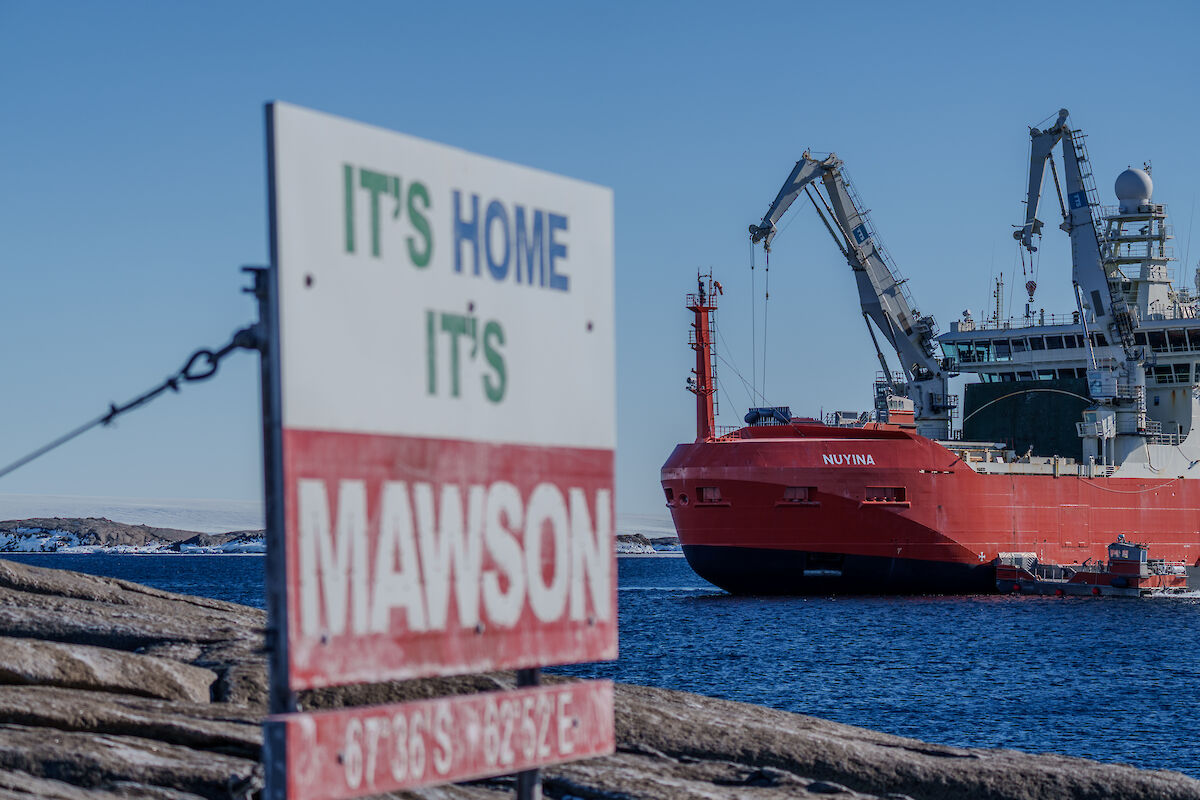
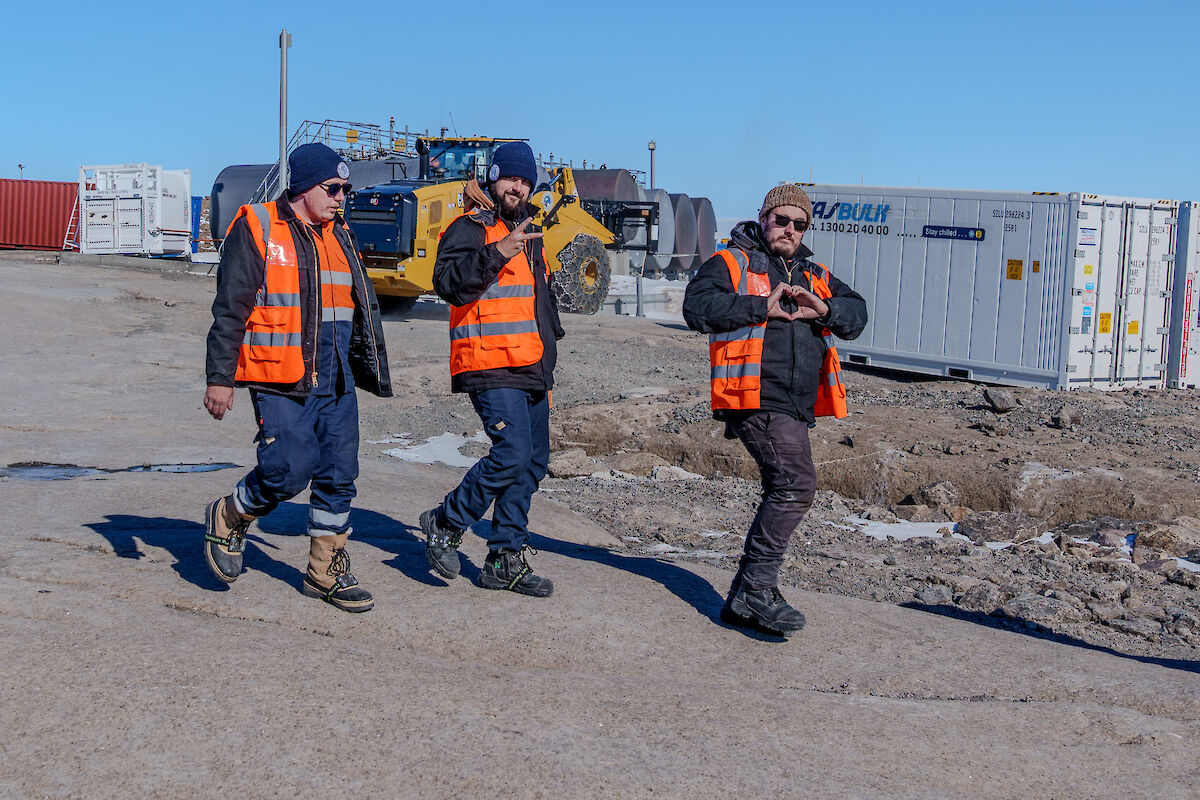
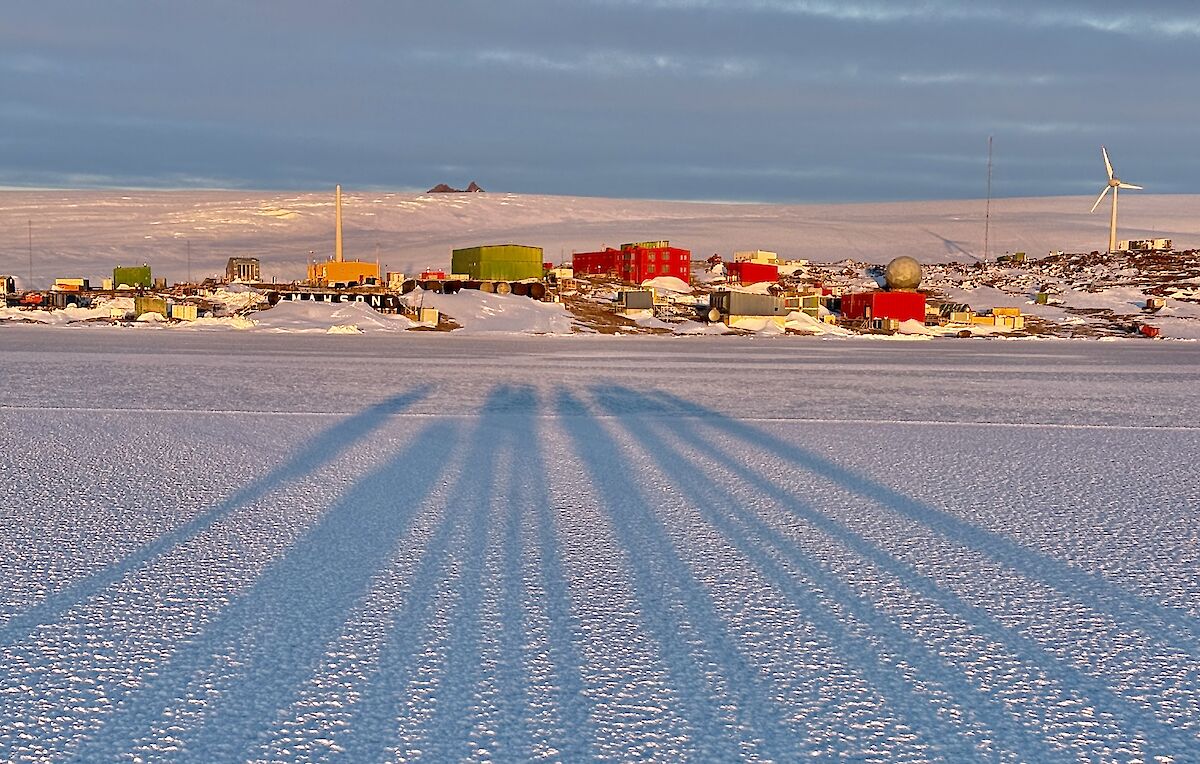
When we finally arrived, Mawson was shy, tucked away behind a thick wall of fog. But as if on cue, the mist lifted revealing the station in all its glory under a brilliant blue sky and crisp Antarctic sunshine. Arriving at Mawson research station wasn't just a change of scenery; it was a total sensory overload.
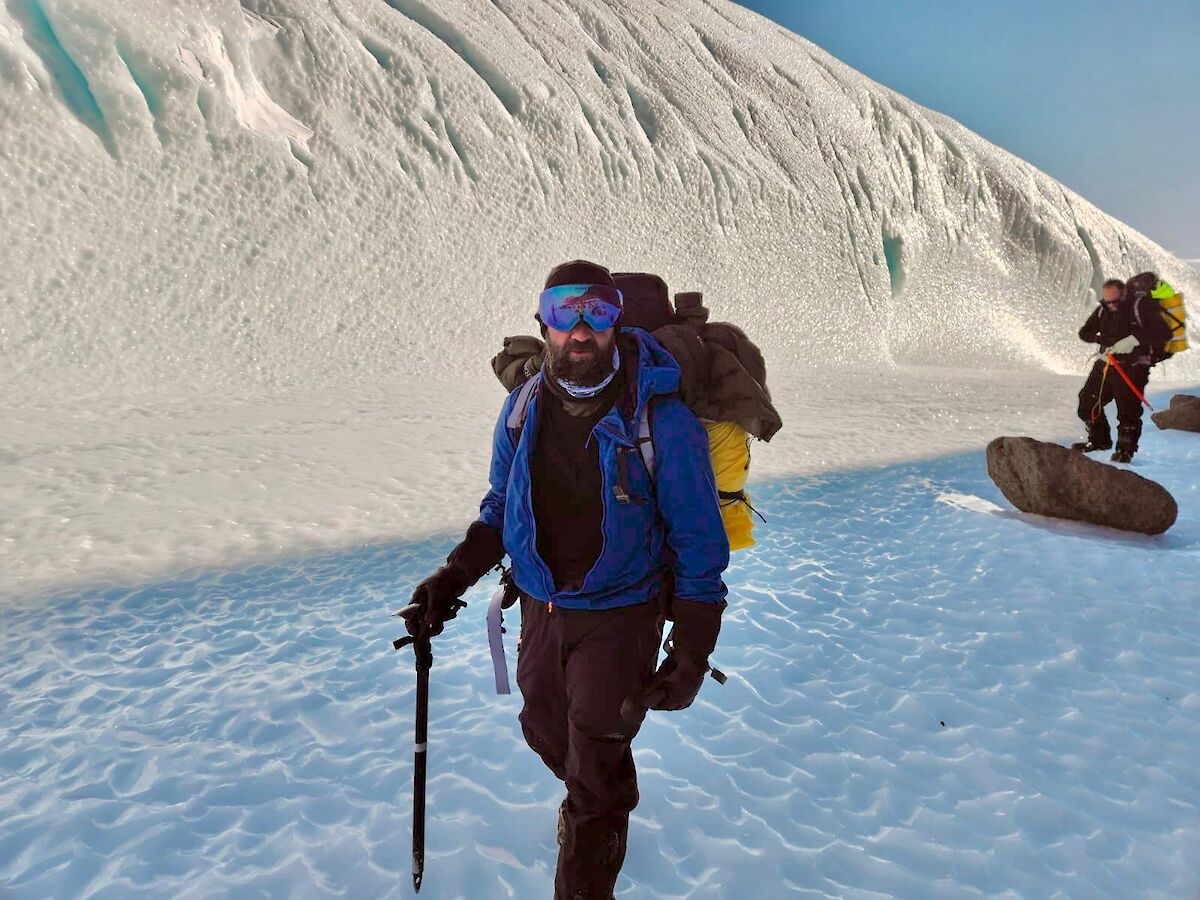
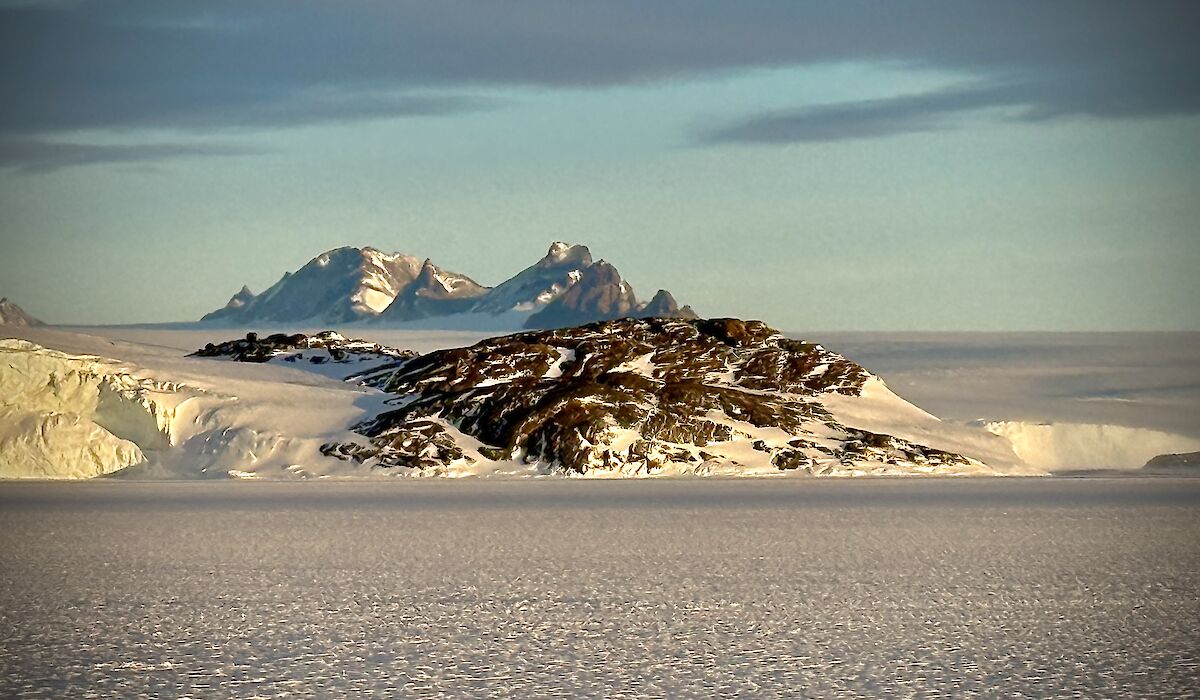
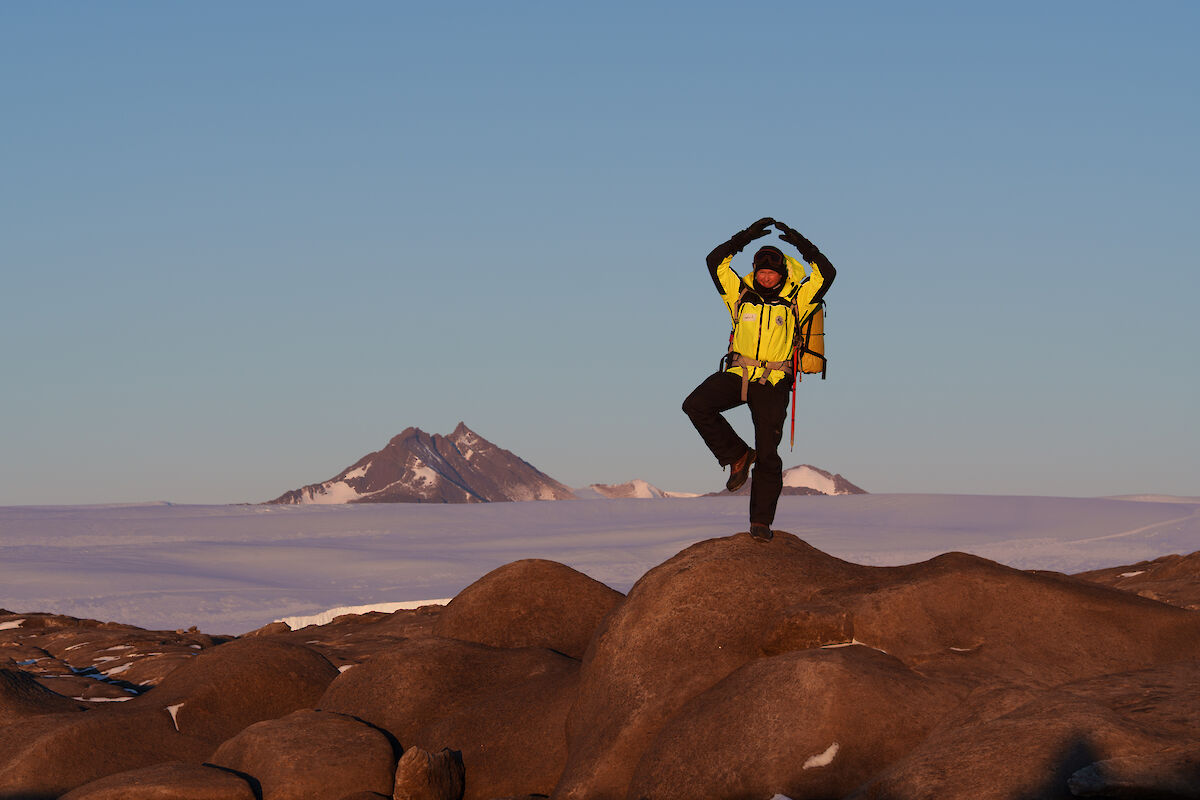
A few weeks have flown by, we’ve all settled into the rhythm of station life, but the real highlight so far was heading out with our Field Training Officer for three days of survival training. Seeing the Framnes Mountains for the first time is humbling; they are jagged, ancient, and utterly awe-inspiring. We walked across Hanging Lake at Mt Henderson, where the ice is so crystal clear you can see millions of air bubbles suspended like tiny time capsules beneath your boots.
Coming from the sub-Antarctic, I’m absolutely loving the dry, sub-zero cold. Even the 'crazy' days, when the wind screams at 180km/h, are incredible to witness. It’s wild how much the landscape can transform in just a few hours when the elements really decide to move.
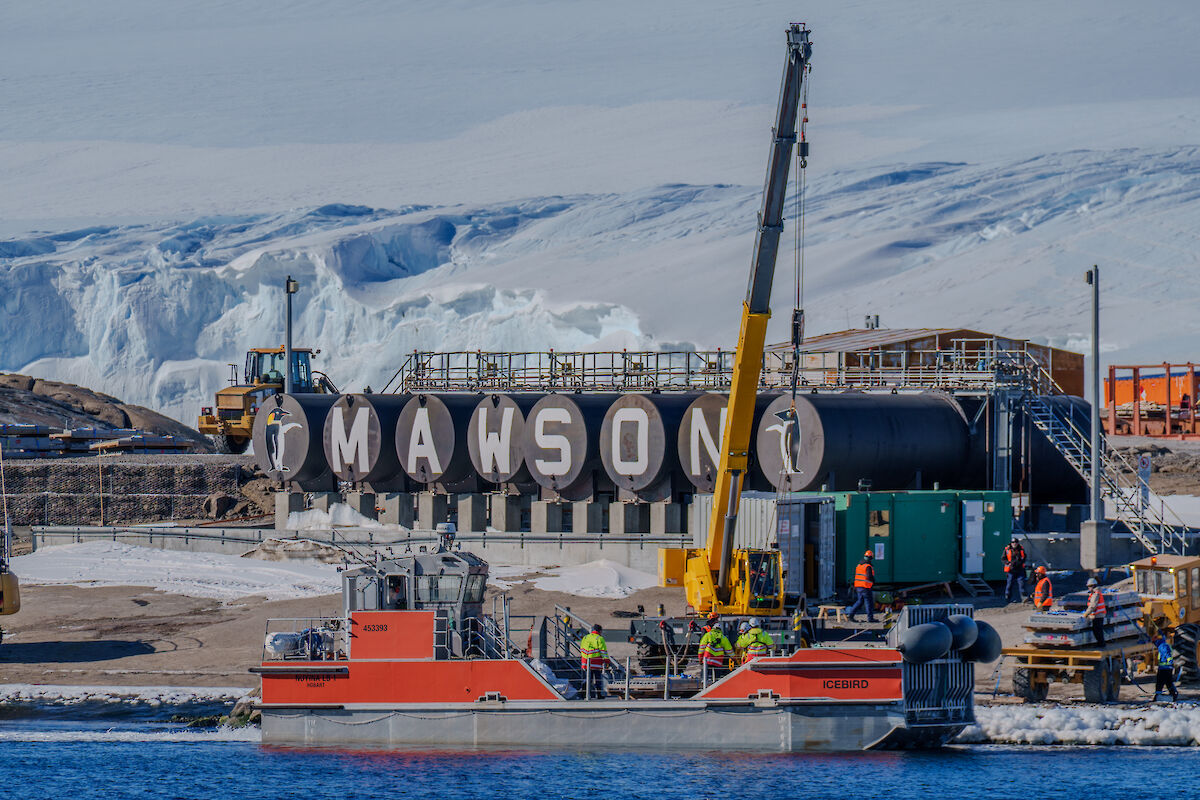
Mawson is a remarkable feat of engineering in such a remote, extreme environment. There’s a lot of work ahead, but for now, I’m just soaking in the scale of it all. I feel extremely lucky to be sharing this station with 18 other amazing team members. I am incredibly proud to be part of this crew, and I'm really looking forward to spending the year ahead with such a great team.
Ok back to the (green) store.
Cris Ambrozie - Station Supply Officer
Walking on Water at Mawson Research Station
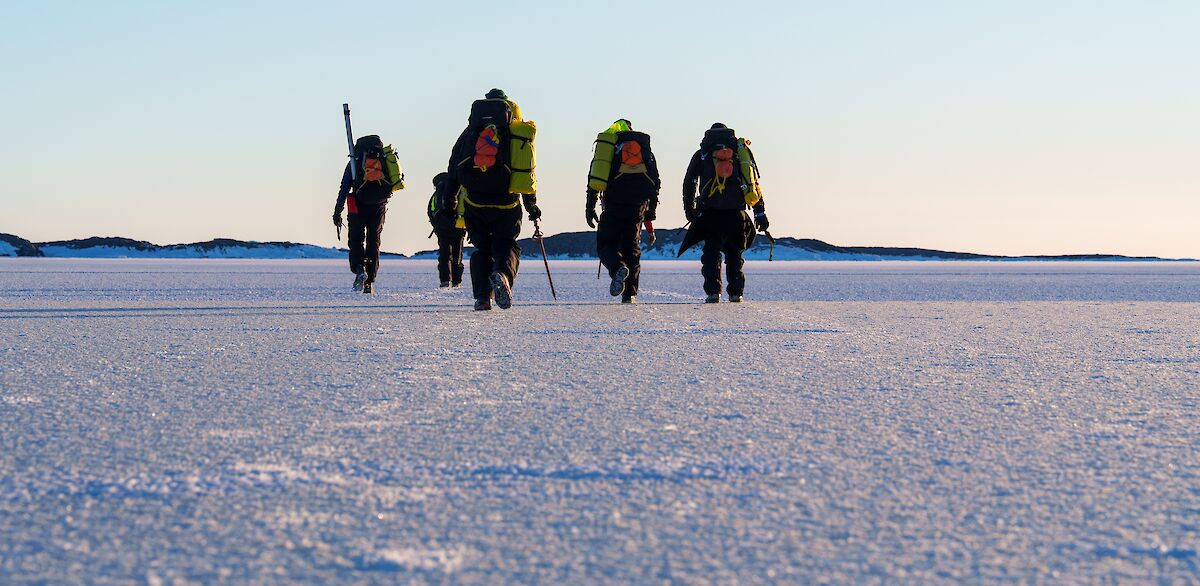
You know winter is coming when you get to ‘walk on water’ without getting your feet wet. The time has come for Mawson’s expeditioners to add another surreal experience to their bucket list … sea ice travel around our station’s operating area.
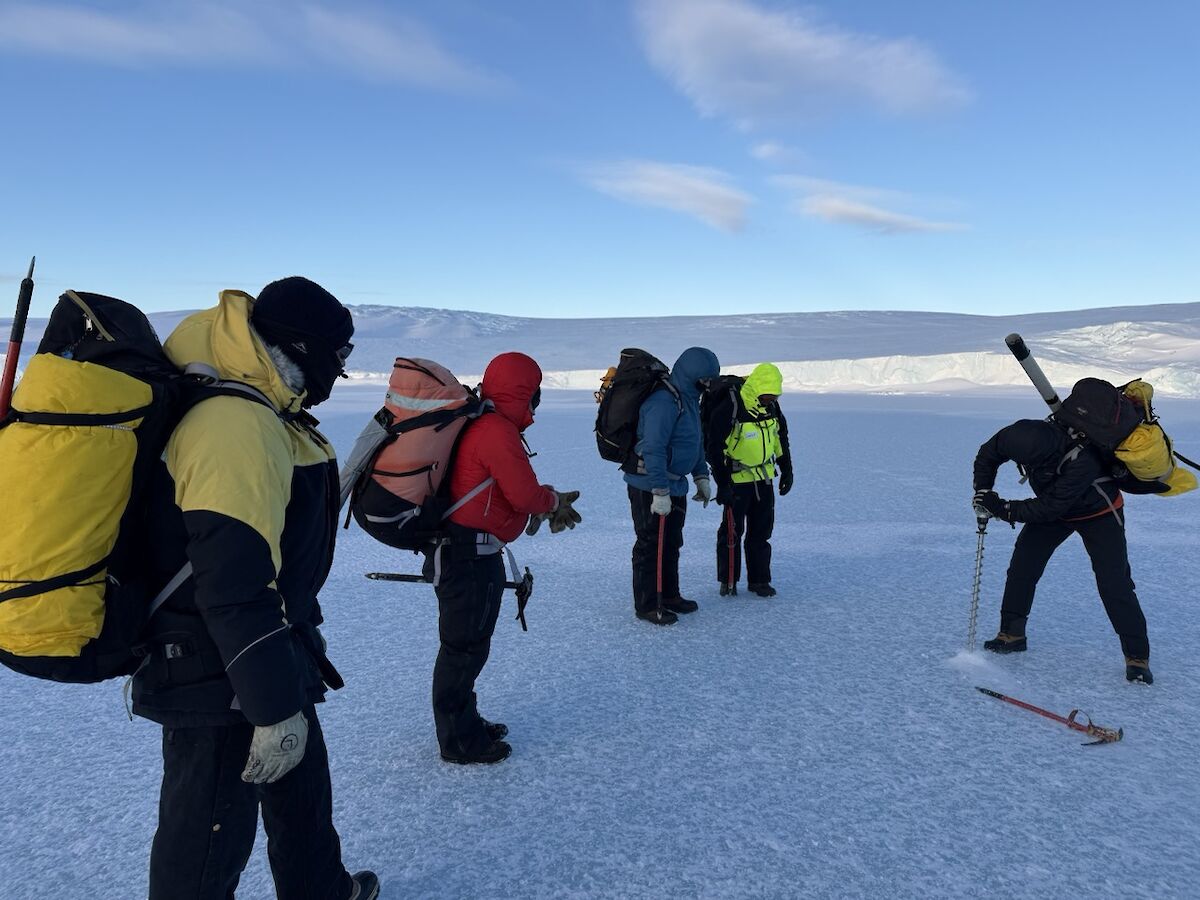
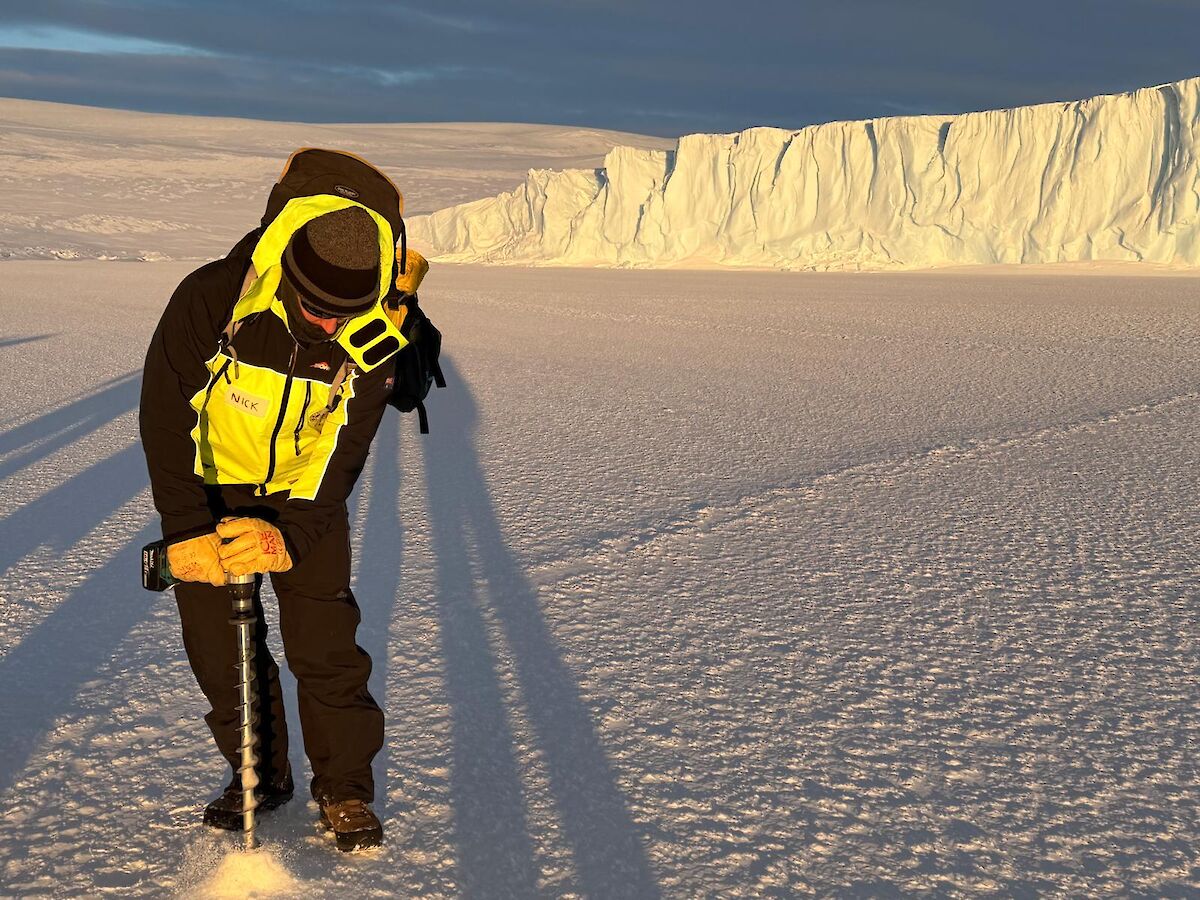
In late April, our trusty Field Training Officer started getting the itch to test the sea ice around station. We’d all been surveying the immediate coastline that month and the gradual growth of our fast ice (sea ice that remains anchored to the coastline but can extend hundreds of kilometres from shore) was surviving the sporadic onslaught of Mawson’s high winds. With that in mind, we commenced sea ice testing in late April, around Horseshoe Harbour. A combination of good quality ice and depths across a number of drill sites meant we were able to open our sea ice travel in early May.
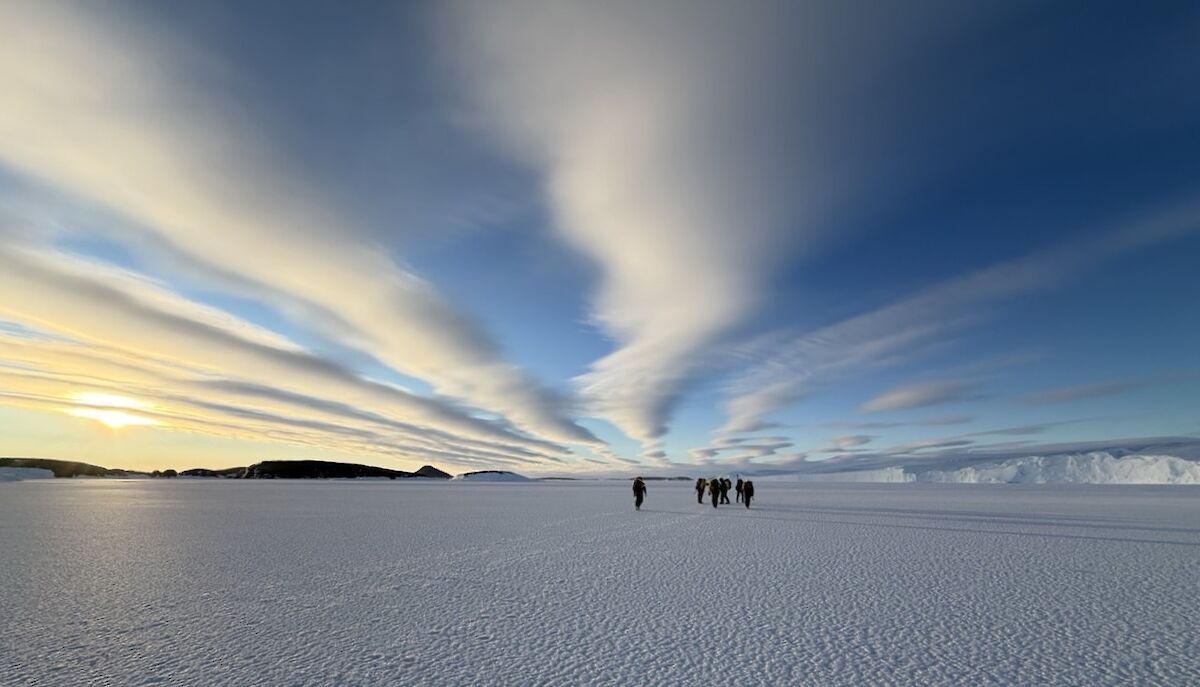
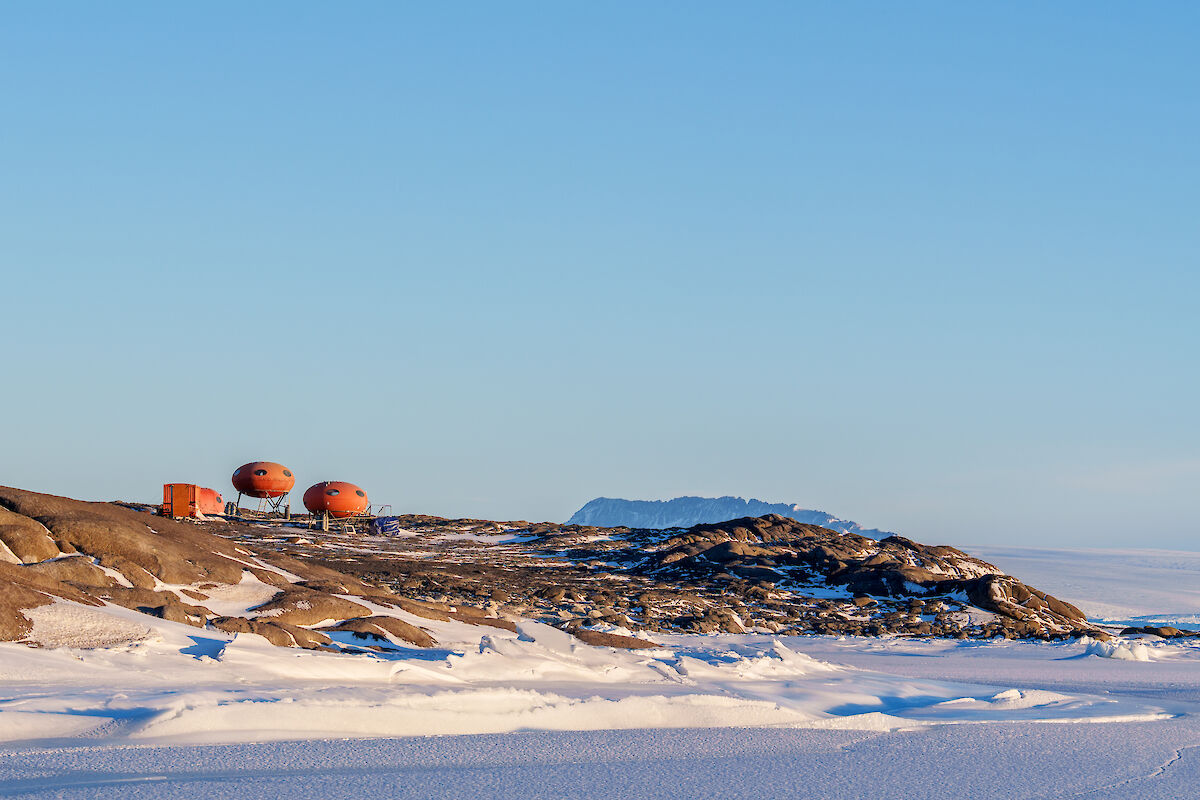
As a result, last weekend presented some stellar weather: no wind, cloudless days and honeycomb-yellow hues from a low-horizon sun ie: excellent conditions to get out and explore. We had 15 of our 19-strong team venture out over two days to complete sea ice travel training and drill over 30 sites to ensure that sea ice stability and quality was sound. We only needed 20cm to walk on the ice, so with averages of over 60cm recorded, it was clear that traversing across (what was previously open water) would soon be a ‘normal’ undertaking. Some of our team also made it onto Bechervaise Island where some field huts are located to support summer projects and recreational stays.
We also commenced collecting sea ice data for science Project 4506. This long-running project seeks to better understand the impacts of climate change. Through fast ice measurements taken at four sites off station, observations over time provide scientific records on the variability of Antarctica’s sea ice, which therefore contributes towards a better understanding of environmental change within this polar region.
So, while our expeditioners have been ‘land-lubbers’ the last couple of months, I suspect the team here will get their sea legs soon and spend much time exploring Mawson’s coastline and surrounding islands. It won’t be long before these icy routes transport us to our next bucket list goal – visiting islands where those magnificent emperor penguin colonies reside, again all in the name of science.
Dave Buller - Station Leader