
Resupplying a tiny island in the Southern Ocean
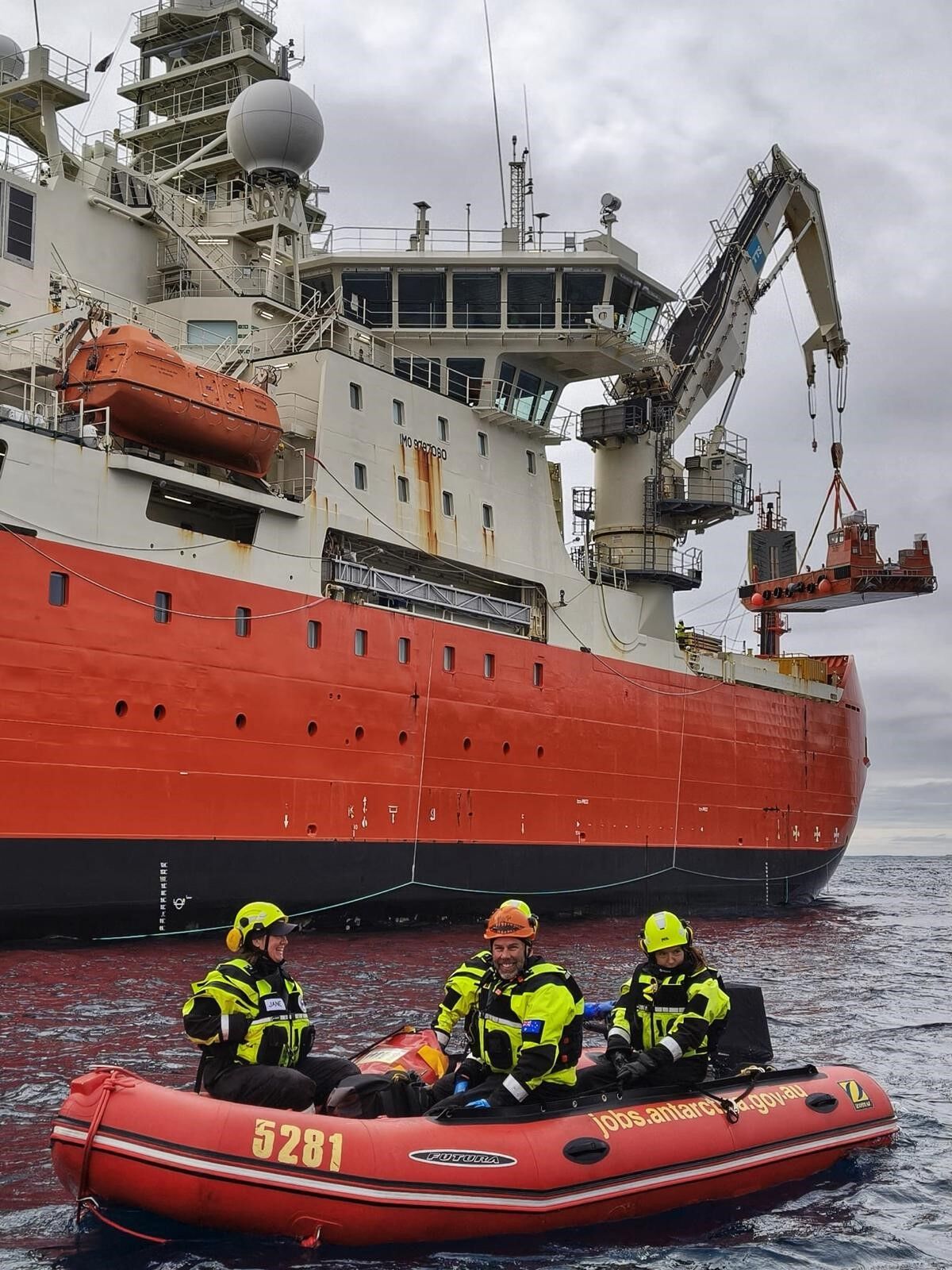
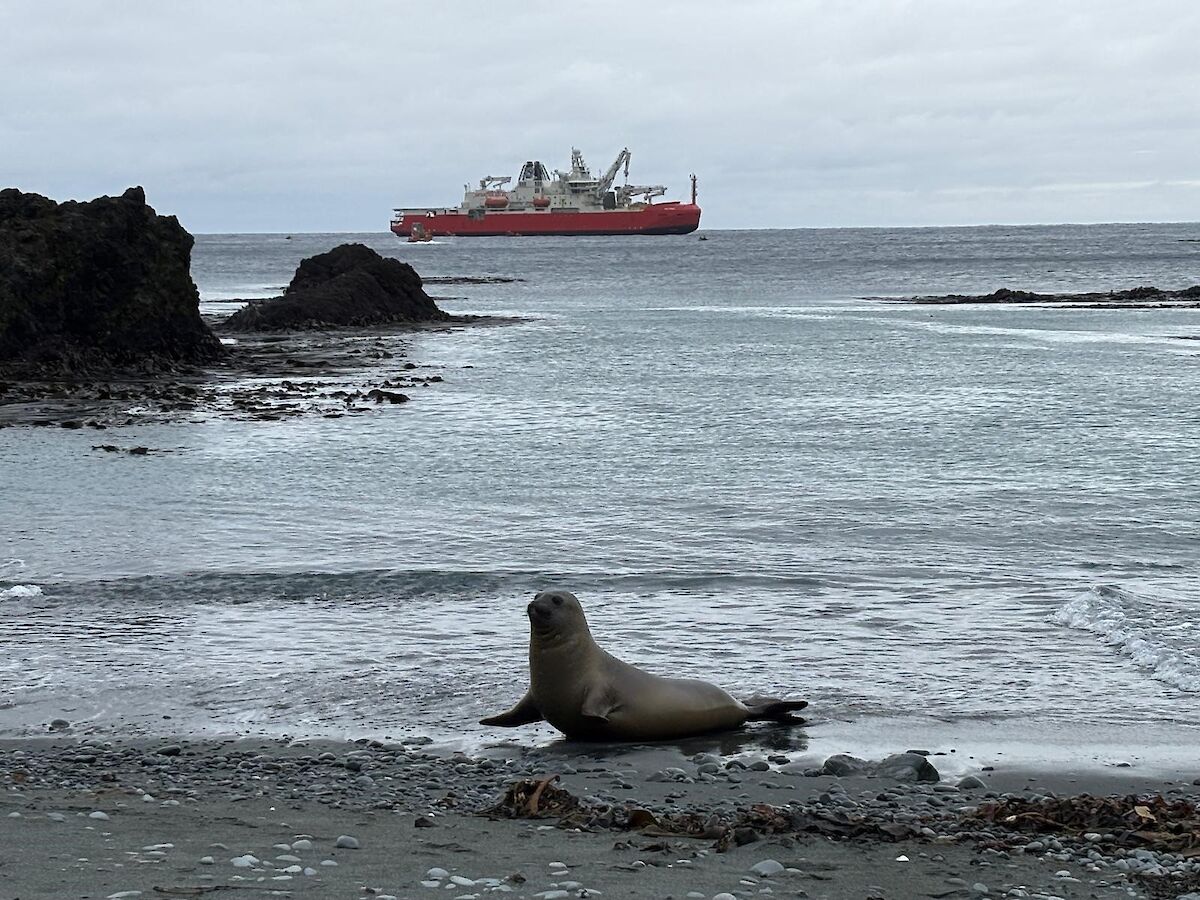
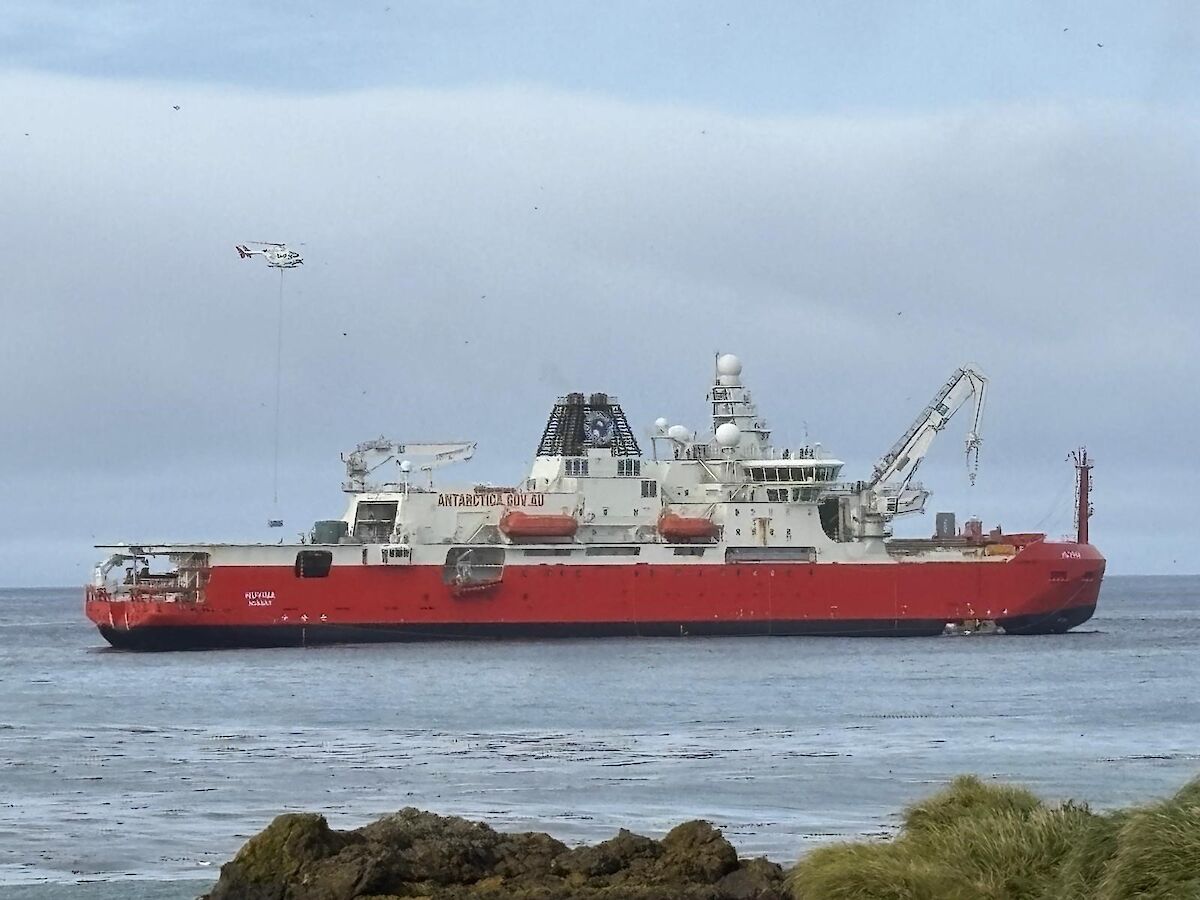
Early in the hours of 7 April, a group of 78th ANARE expeditioners stood up at the Ham Shack to await the arrival of the RSV Nuyina. At 0731 she sailed into view, a distant blob on the horizon. A short while later she was nestled in position and the “event” that is resupply started in earnest.
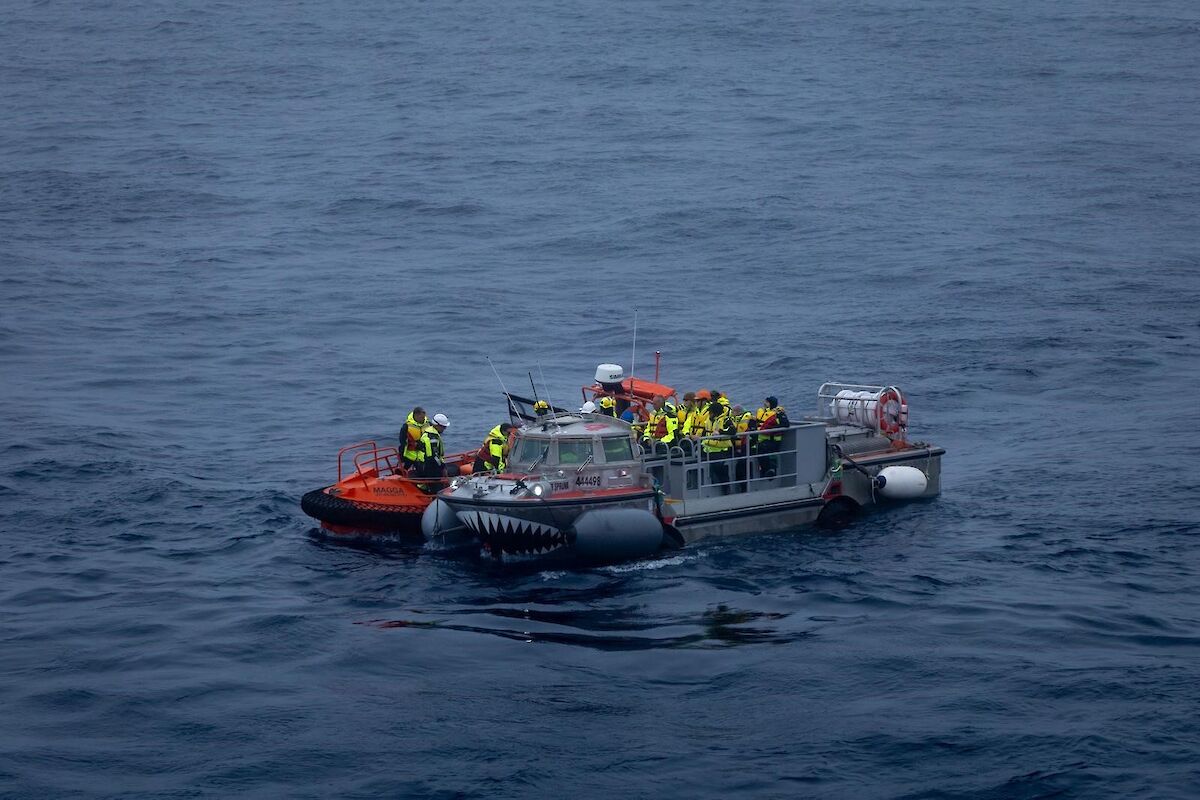
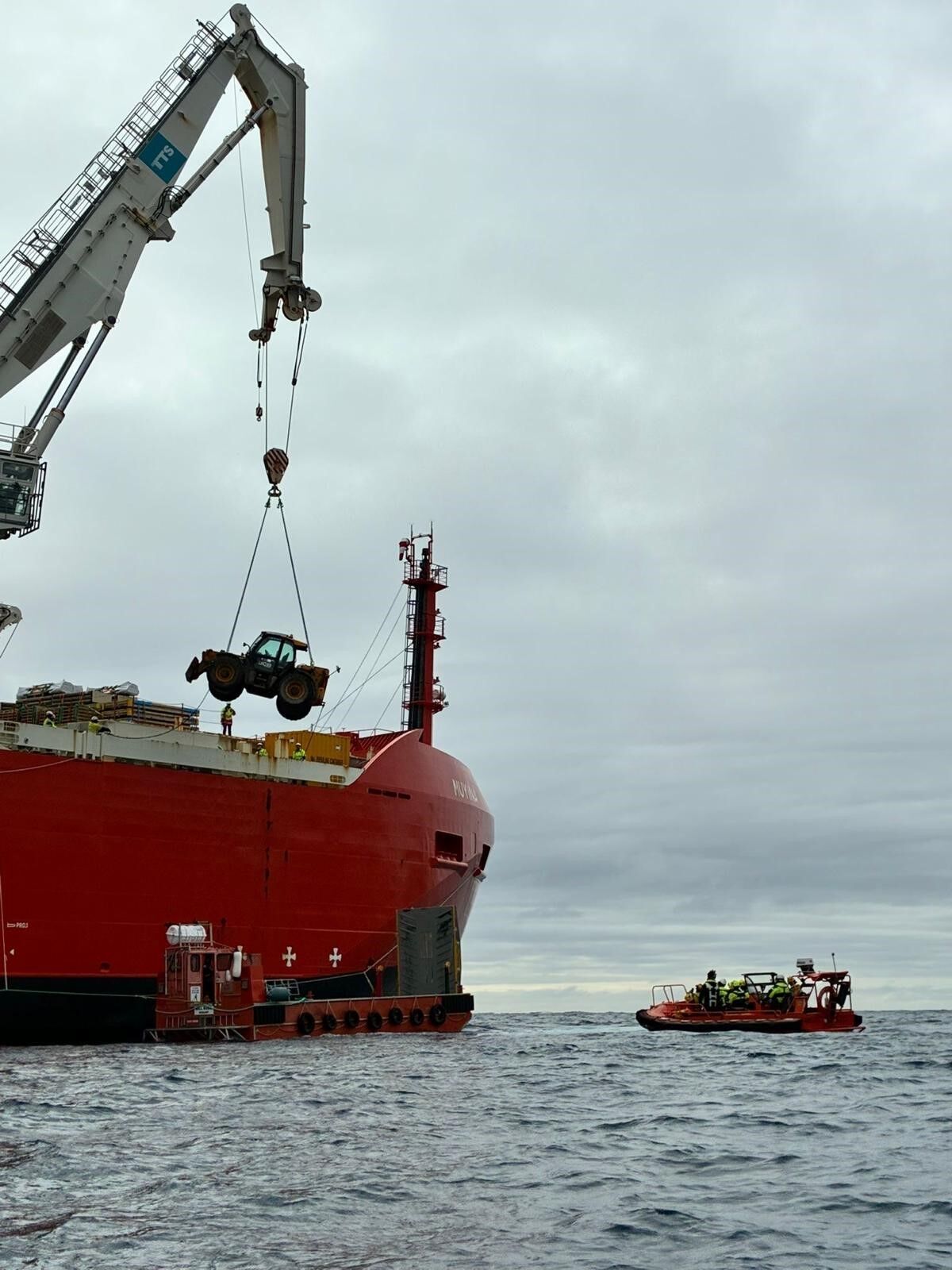
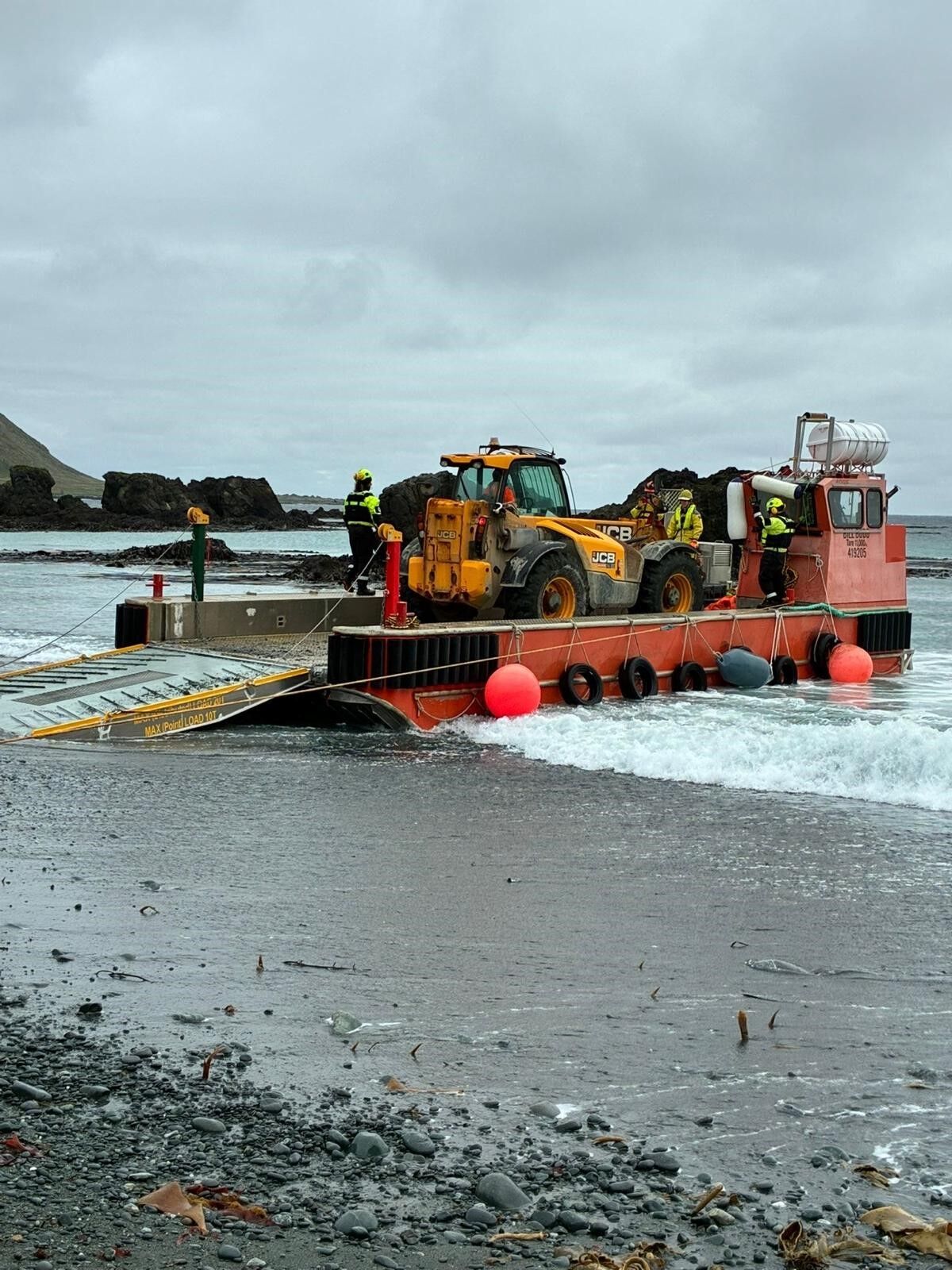
Over the next few hours the Nuyina discharged the two LARCs and all their gear, ably supported by Watercraft Operators affectionately known as “Larcies”. And thus began the movement of people and cargo from the ship using these sturdy floating steeds.
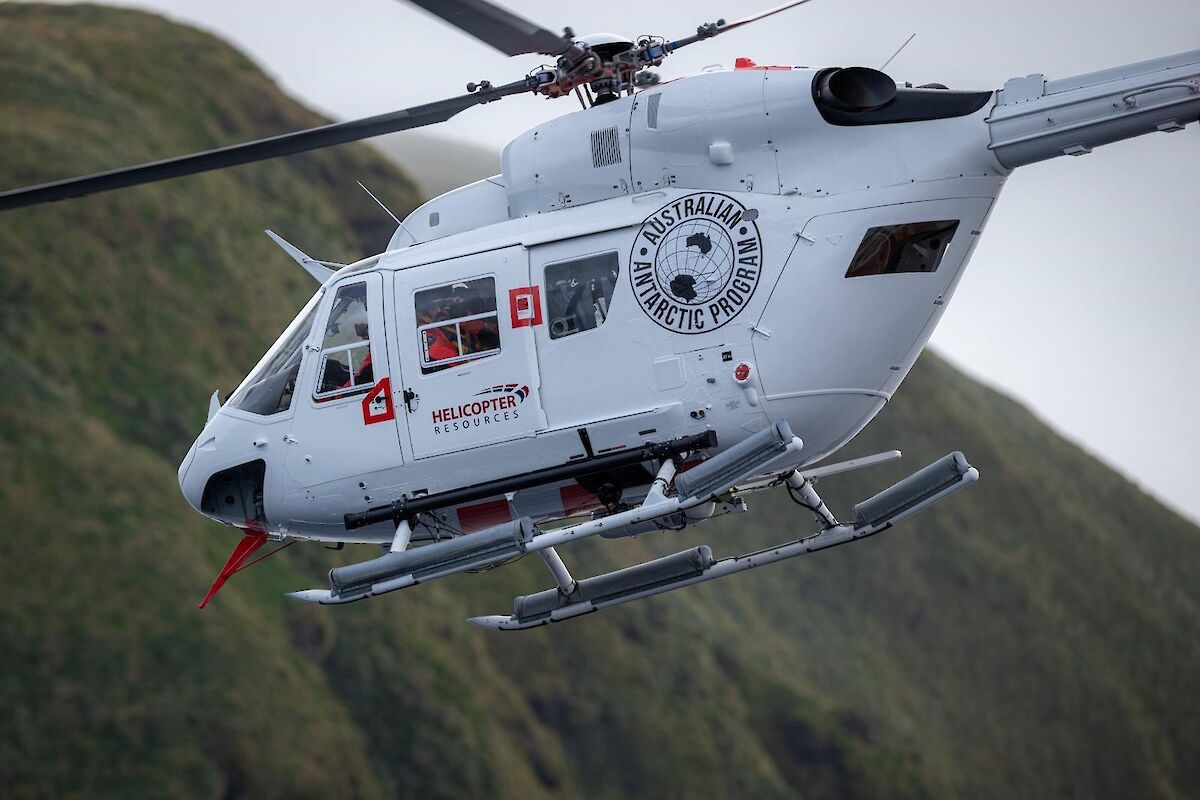
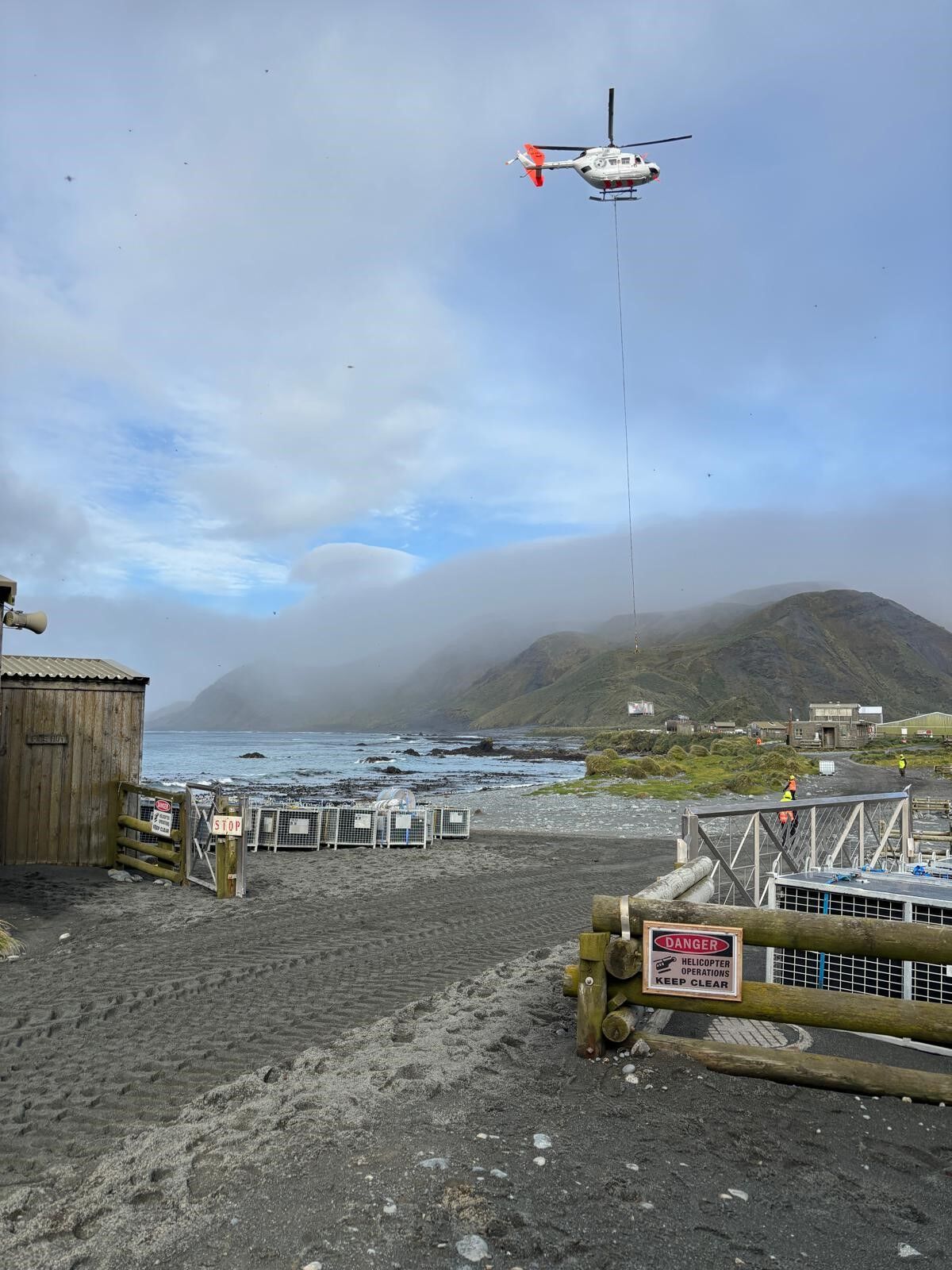
As weather permitted, the AGSOs (Aircraft Ground Support Officers) headed onshore and set up the helicopter landing area and eventually we were in business with the two BK117 helicopters.
LARCS and 'helos' are the mainstay of resupply operations at Macquarie Island and we have spent the last 10 days or so keenly watching weather briefings to see what machines we’ll be able to use in the next days' operations. We have faced the unexpected aftermath of the cyclone that tracked through New Zealand, delivering some unfriendly east coast swells that saw the ship relocate to the west side of the island for a while.
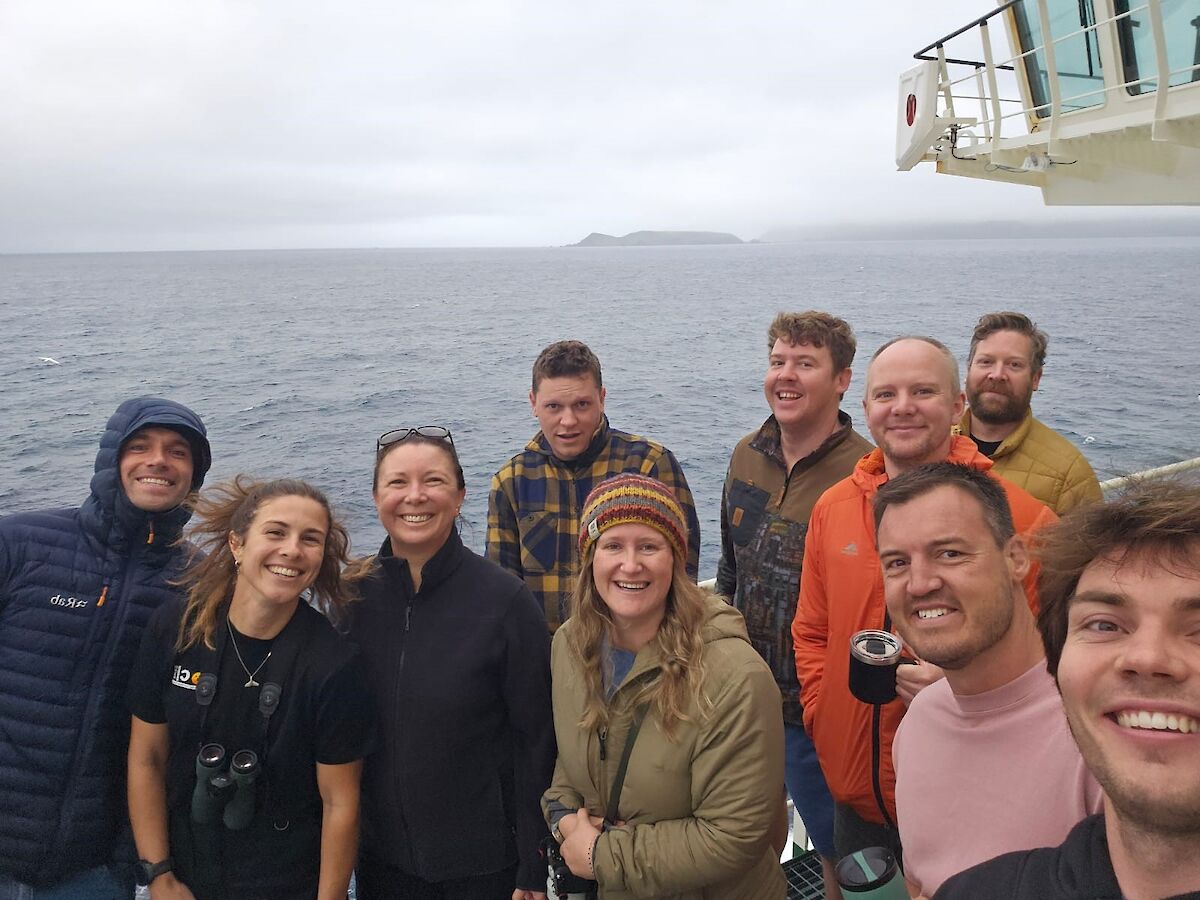
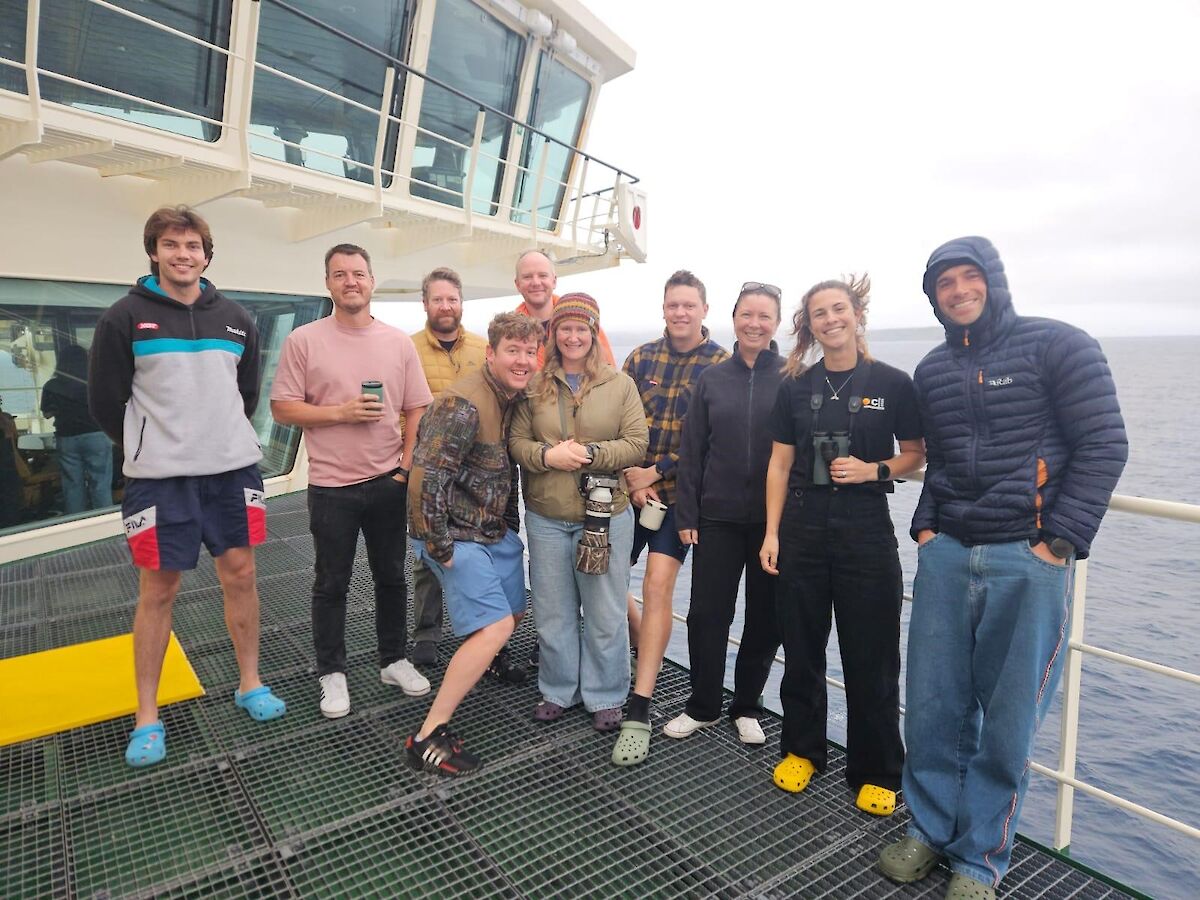
Since resupply started we have welcomed ashore the entire team of the incoming 79th ANARE and dozens of people involved in various aspects of resupply, ranging from projects to biosecurity, field training and communications. We have also farewelled some of the outgoing 78th ANARE to the ship. An island farewell is always a sentimental occasion and makes the end of the season real.
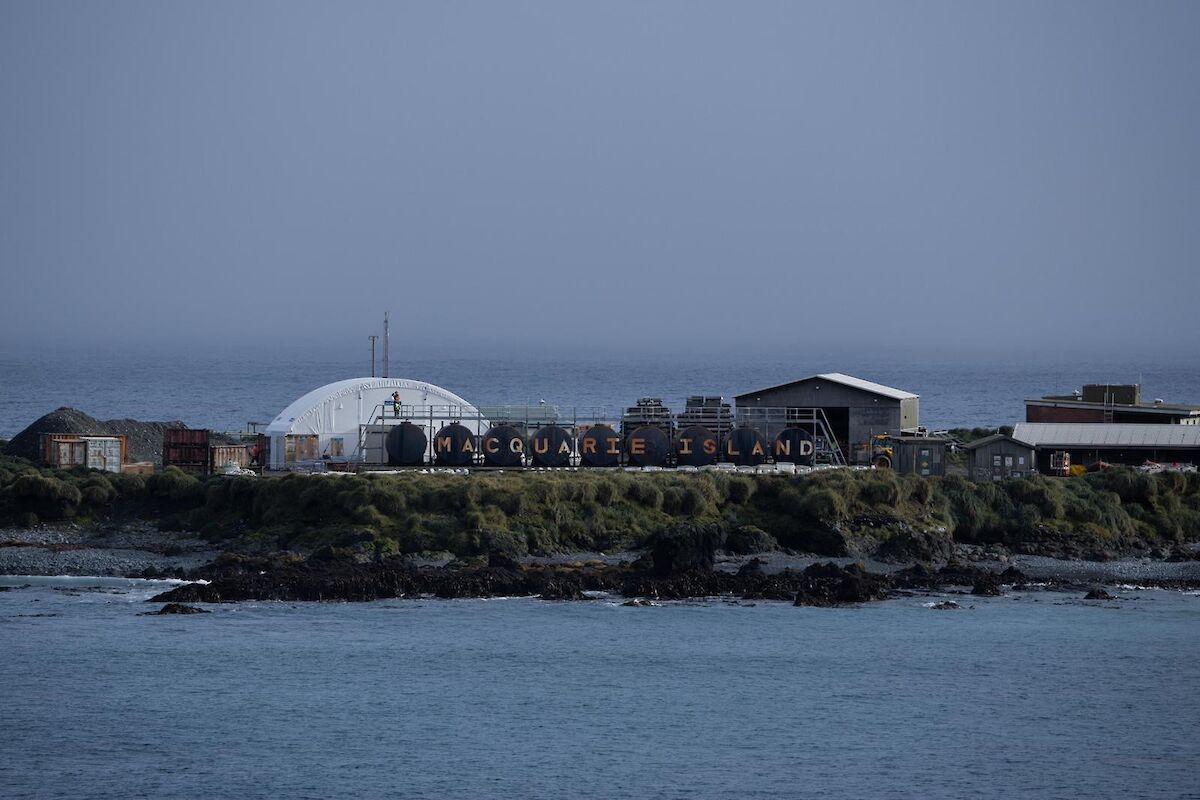
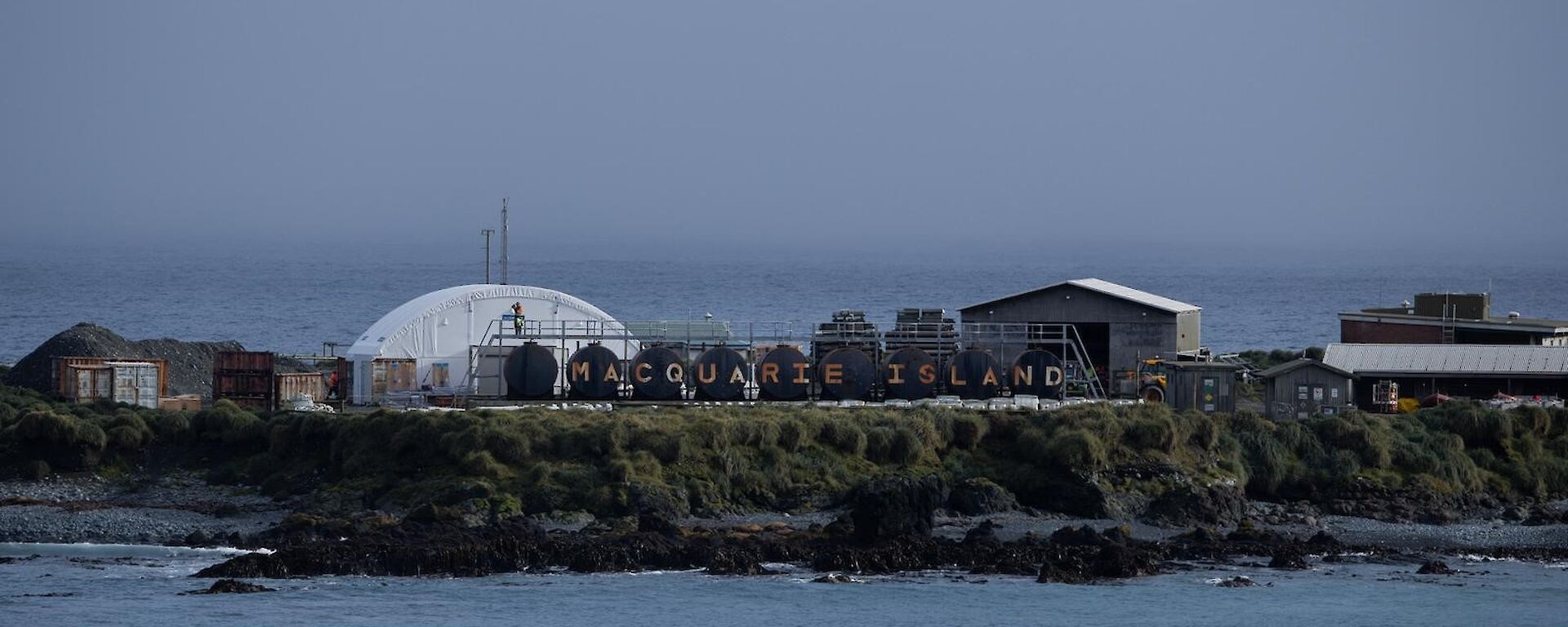
Our little village is a hive of activity. There are rosters for everything – beds, daily tasking, helicopter pax lists. Our chefs pump out mountains of food to feed the almost 60 people on station most nights. The cargo teams move inbound cargo and RTA (return to Australia) cargo using JCBs and tractors. Biosecurity teams check all inbound cargo for anything that might jeopardise the island's wildlife or environment. The Bureau of Meteorology team conduct observations and balloon releases. There are tour guides and a hotel service to wash and replace linen, as project teams cycle through. Slushies, beachmasters, flag raisers, and an operations coordinator (“OpsCo”).
There’s a steady stream of day trippers every day, either flying in or catching a LARC ride, so we have 'pax wranglers' to help them into their immersion suits, or survival suits and lifejackets, depending on their mode of transport.
All of these roles are in addition to everyone’s primary role, and each of these in turn requires a detailed technical handover between incoming and outgoing personnel. There are also inductions to secondary roles (hydroponics and gym manager, flag officer, librarian, postmaster and so on) as well as handovers for boating, search and rescue, incident management, and the fire teams - which also includes a station muster and fire exercise.
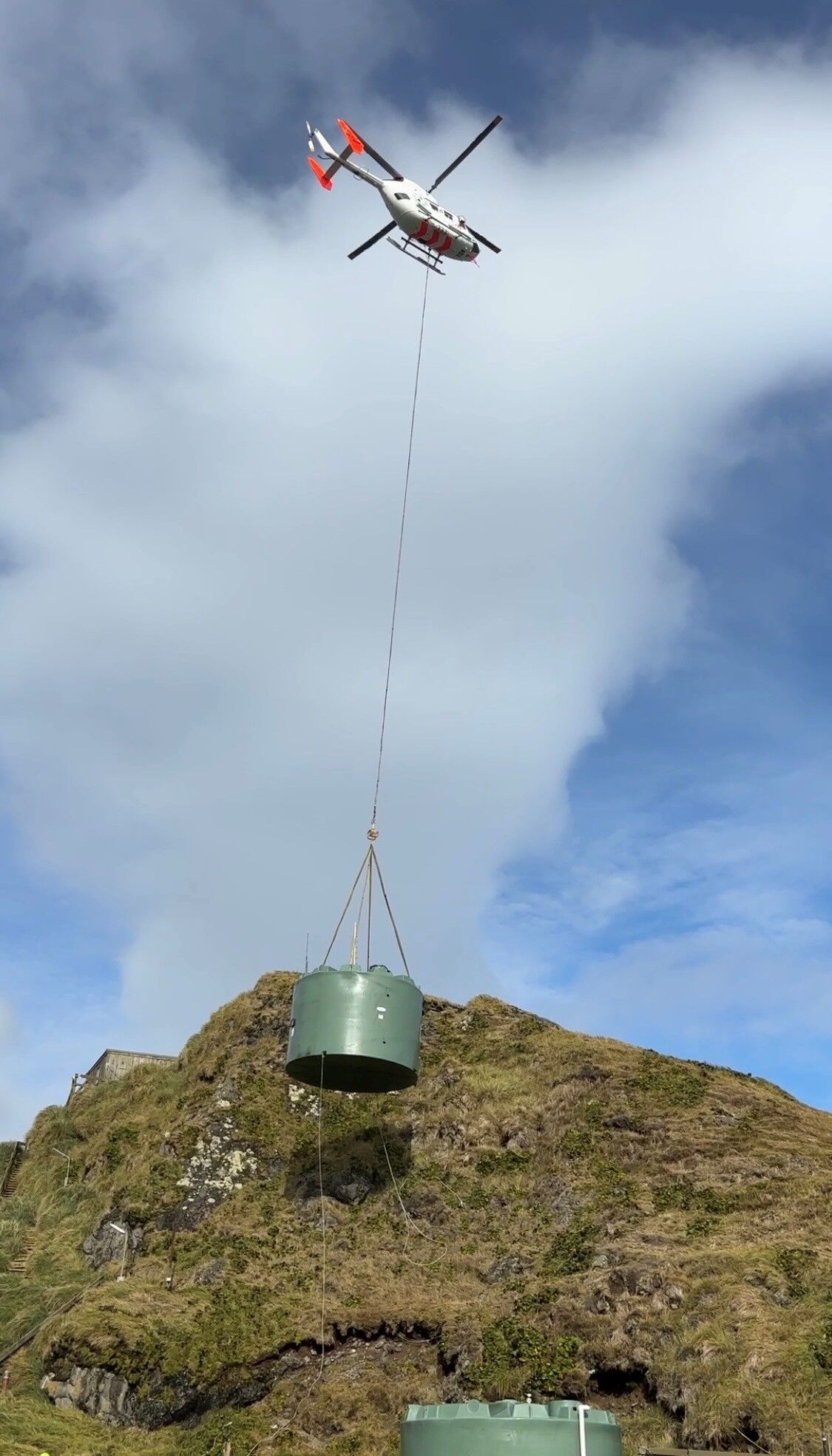
The united effort of the team on the ship and everyone on station has seen much achieved in just 10 days. A lot of challenging cargo loads have been delivered, including flying in a replacement 900 kg, 3.6 m-high x 4.6 m-diameter potable water tank, sending in two new JCBs via barge from the west coast, installing a new X-ray machine, resupplying and 'RTAing' waste from every single field hut on island, completing repeater works on two critical repeater towers down island, and the delivery of numerous long loads, including 10 m lengths of colourbond roofing.
There are still a few big items to tick off, including refuelling over 200,000 litres of Special Antarctic Blend to keep the station running for the next year. This complex and delicate overwater operation is planned during a good weather window in the coming days.
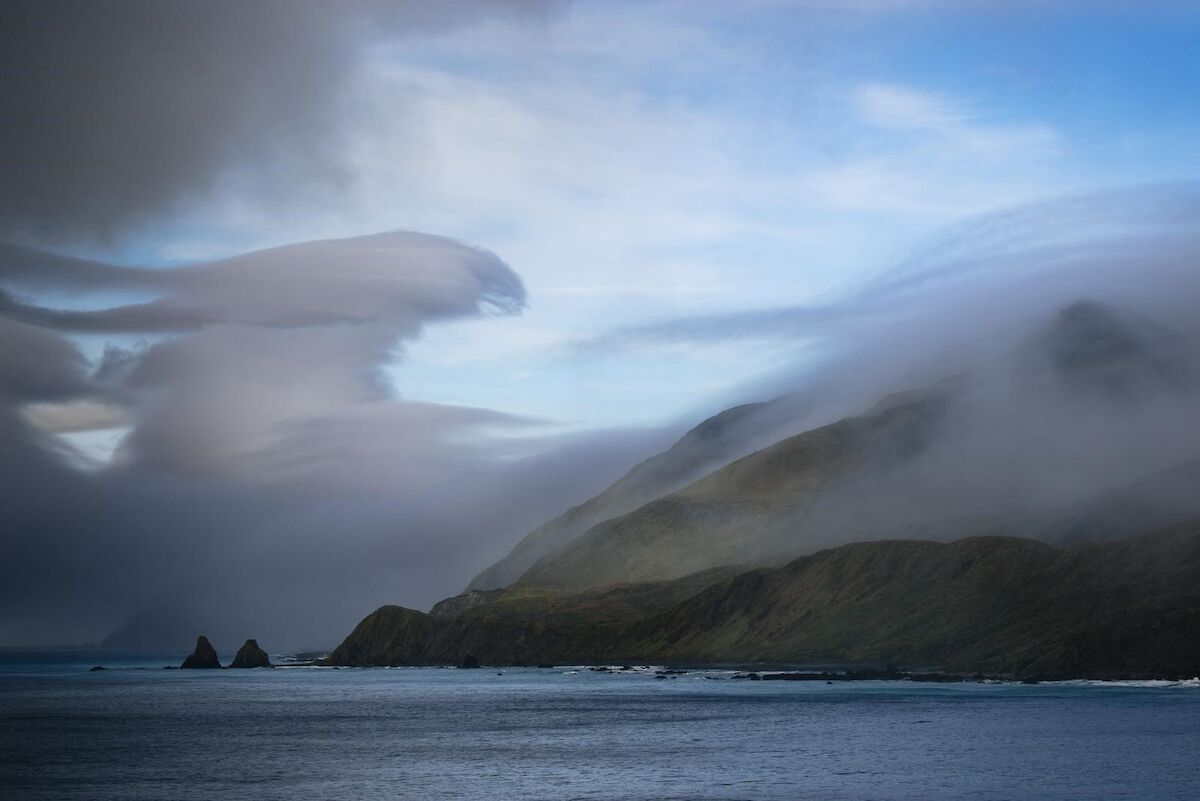
In amongst this busyness, probably my favourite part of resupply is watching the reaction of first-timers to this beautiful place. The sense of excitement about being here is priceless. The happiness at seeing an elephant seal or king penguin, or of looking up at the majestic plateau shrouded in mist. So much to marvel at.
Karen Pye, Station Leader