
The week at Casey: The Circle of Life
Water. It's something we all take for granted.
Turn on a tap, have a shower, flush the toilet and away it goes. Simple, right?
Well, not quite.
Down here at Casey Station, approximately 3,500 kilometres south of Hobart, something as simple as having a shower requires a rather impressive combination of engineering, biology, a frozen lake and a group of plumbers who would much rather be doing something else.
With winter drawing to a close, our most precious resource has become the subject of considerable discussion around station.
So, this week, I thought we'd take a look at the journey of water at Casey. From beneath metres of Antarctic ice, through the station's plumbing network, into the wastewater treatment plant and eventually out into the Southern Ocean.
And surprisingly, in a continent covered in ice, getting your hands on liquid water isn't always straightforward.
Top Lake – An Oasis in the Desert
Despite being covered in ice, Antarctica is the world's largest polar desert. Freshwater isn't exactly in short supply, but getting your hands on it in liquid form is another matter.
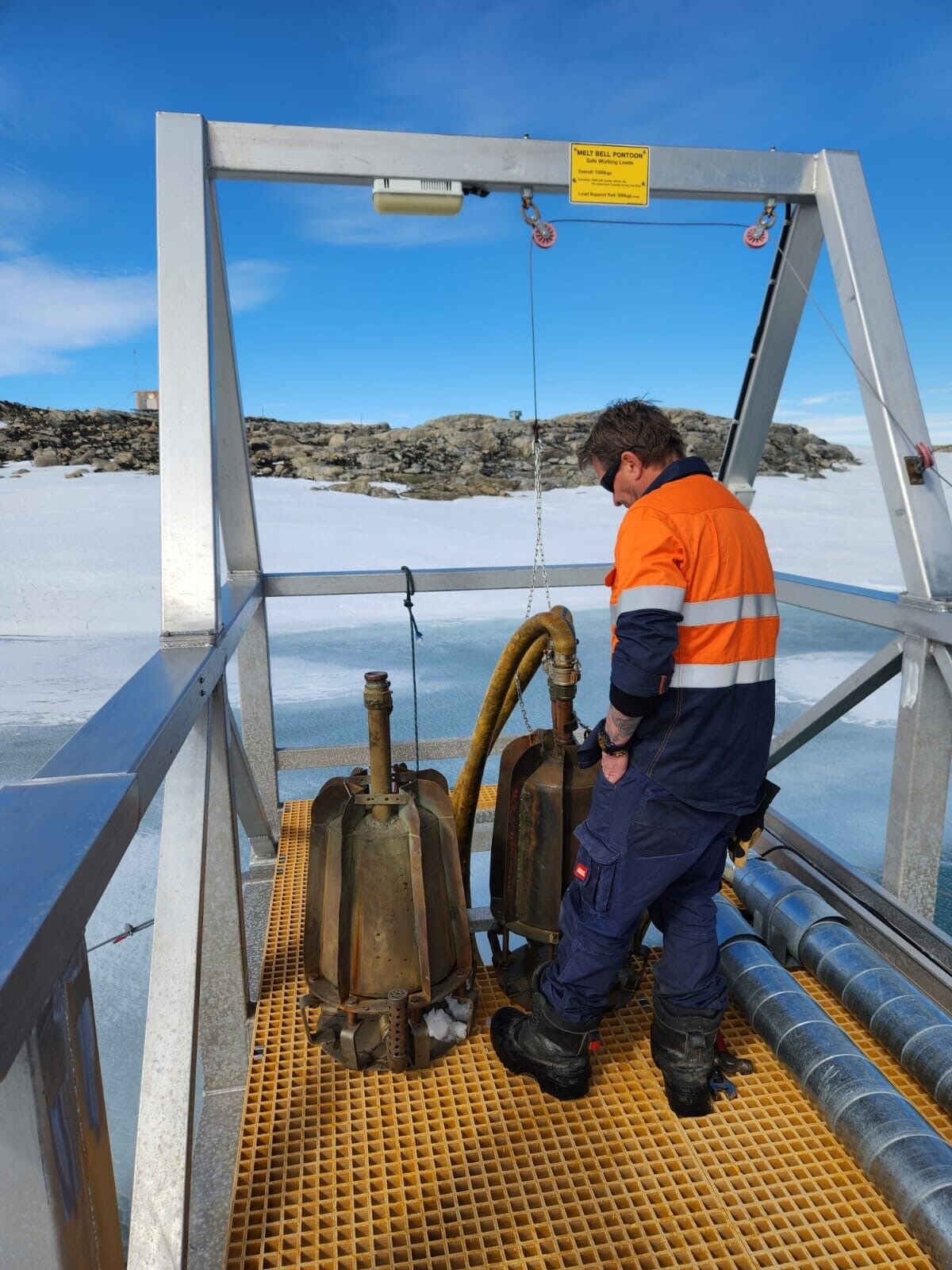
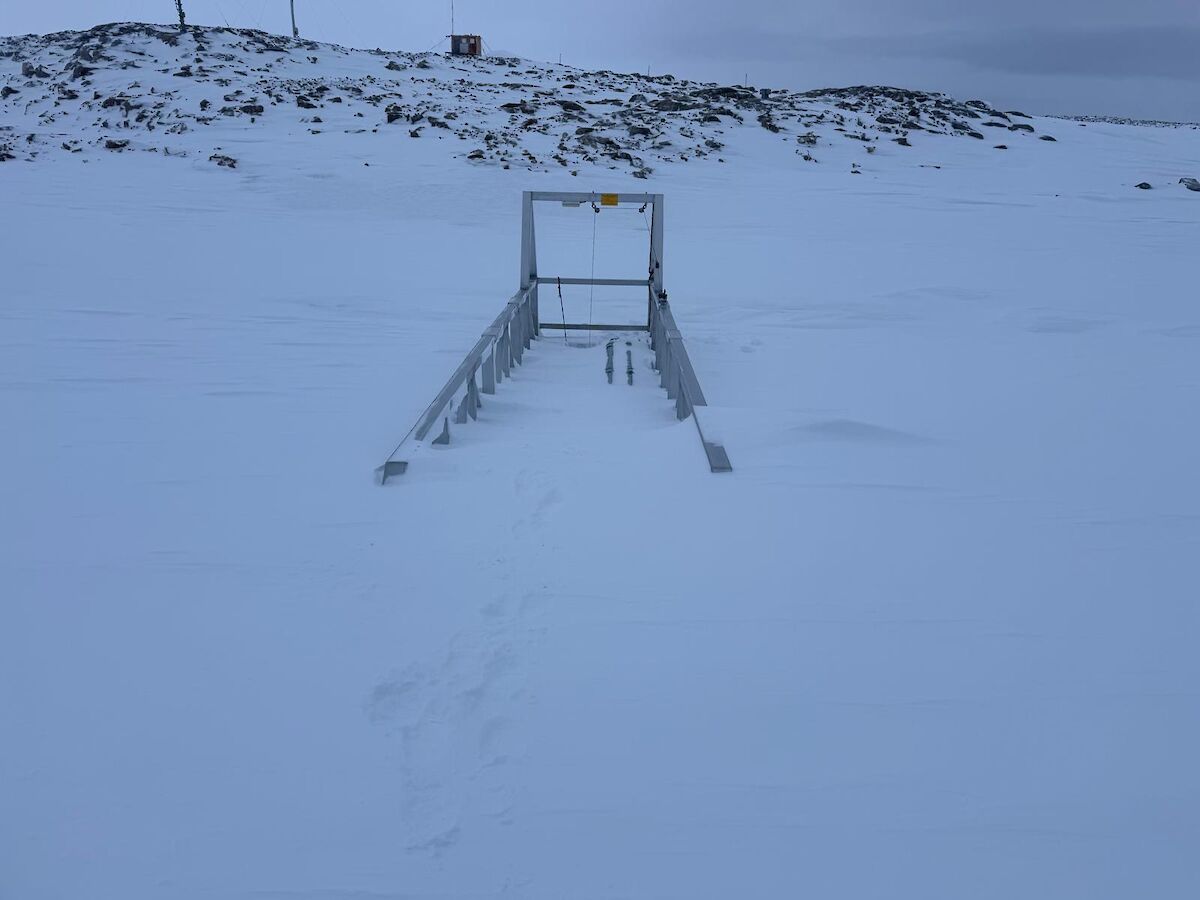
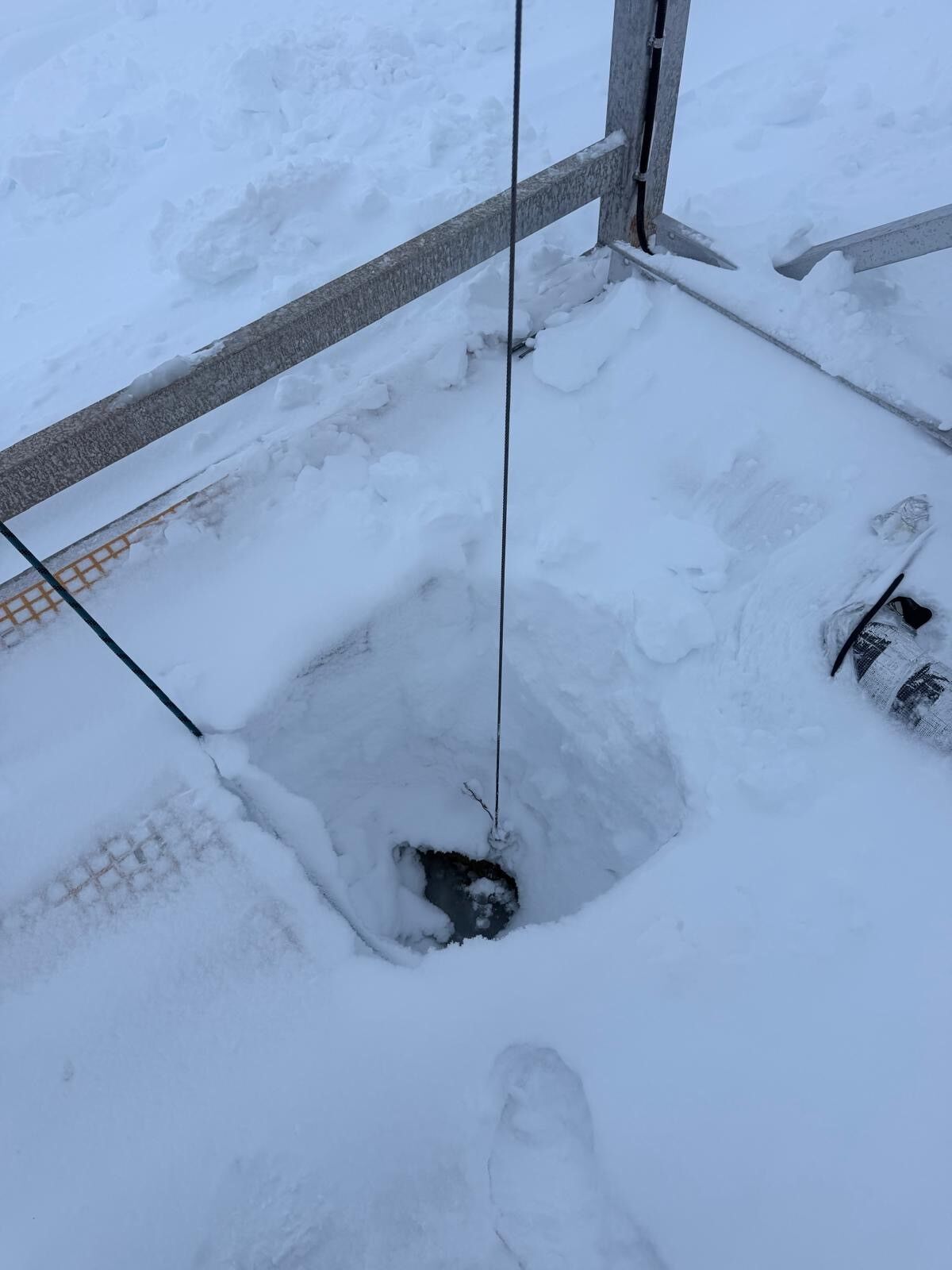
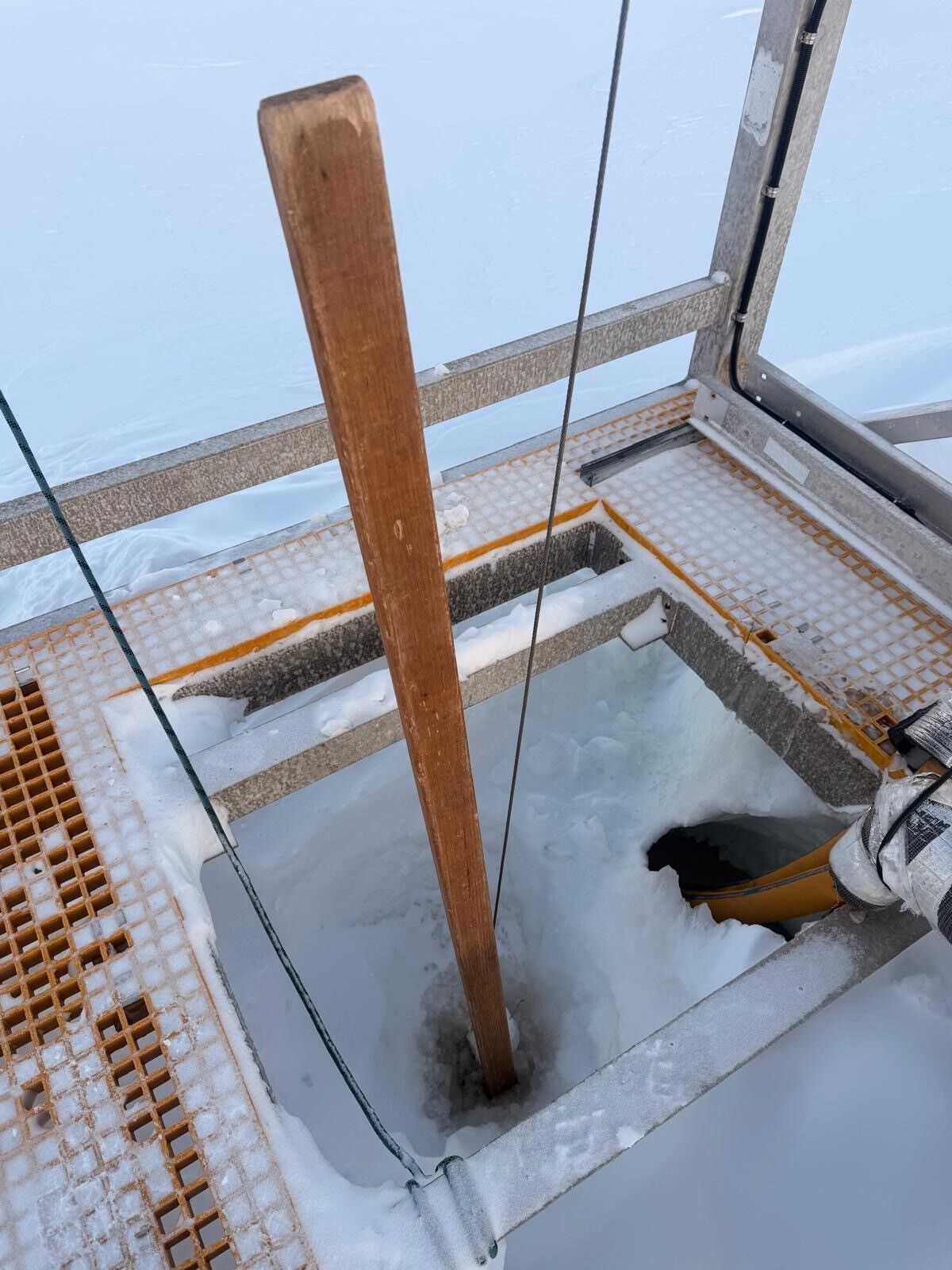
At Casey, our water comes from Melt Lake, where a heated melt bell maintains a pocket of liquid water beneath the ice. This allows the plumbers to pump water back to station throughout winter.
The problem is that as winter progresses, the lake level drops.
Enter Top Lake, our very own desert oasis and the plumbers' last resort.
With water levels continuing to fall, the prospect of a Top Lake transfer is becoming less of a possibility and more of an inevitability.
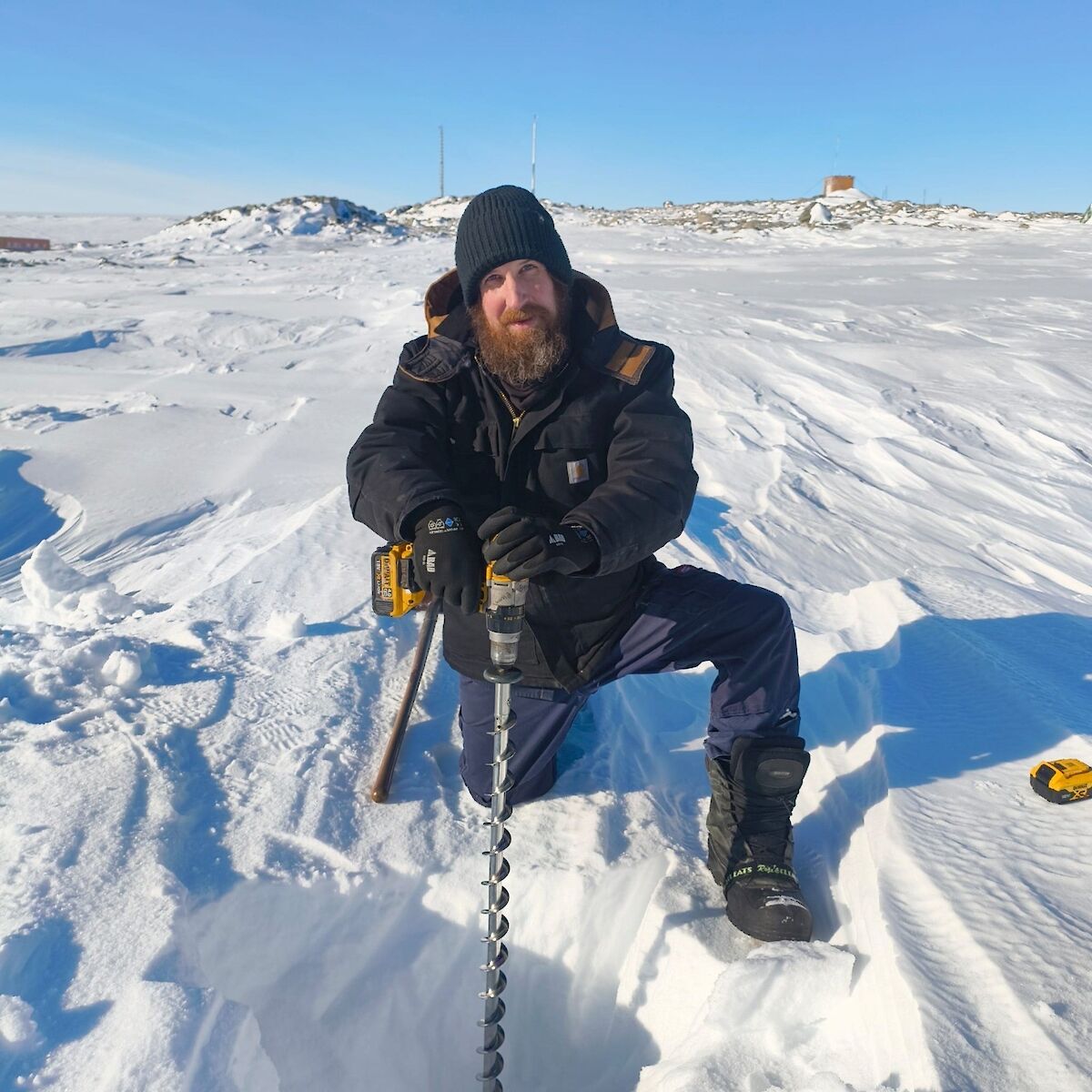
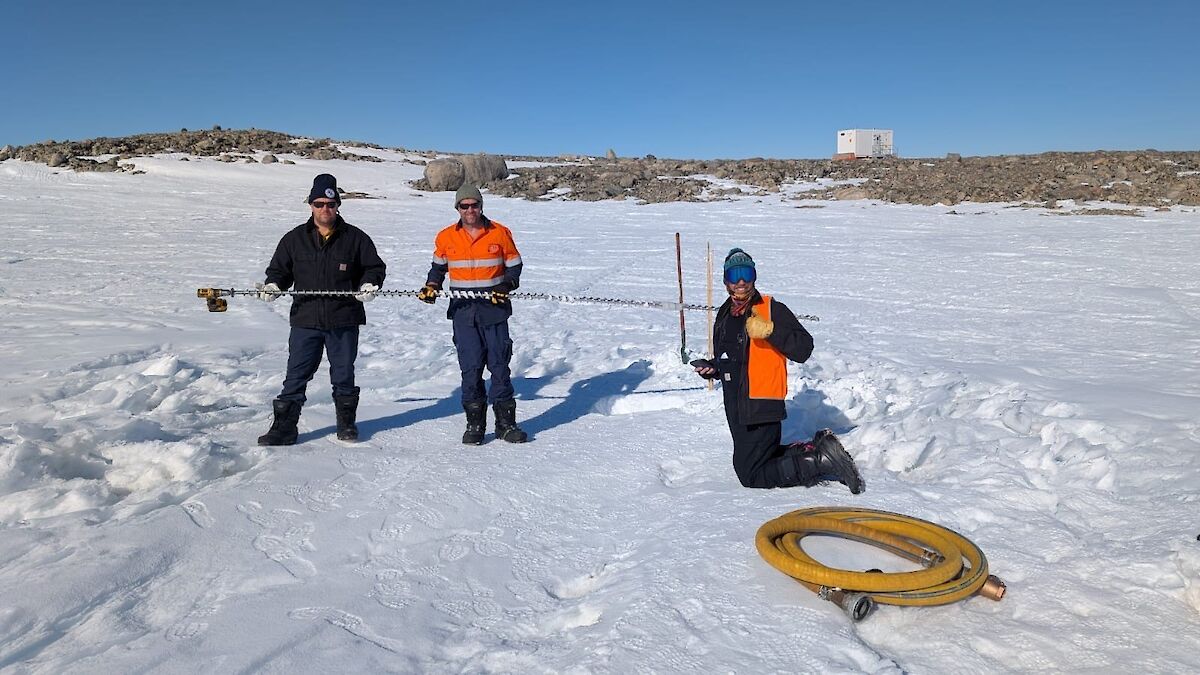
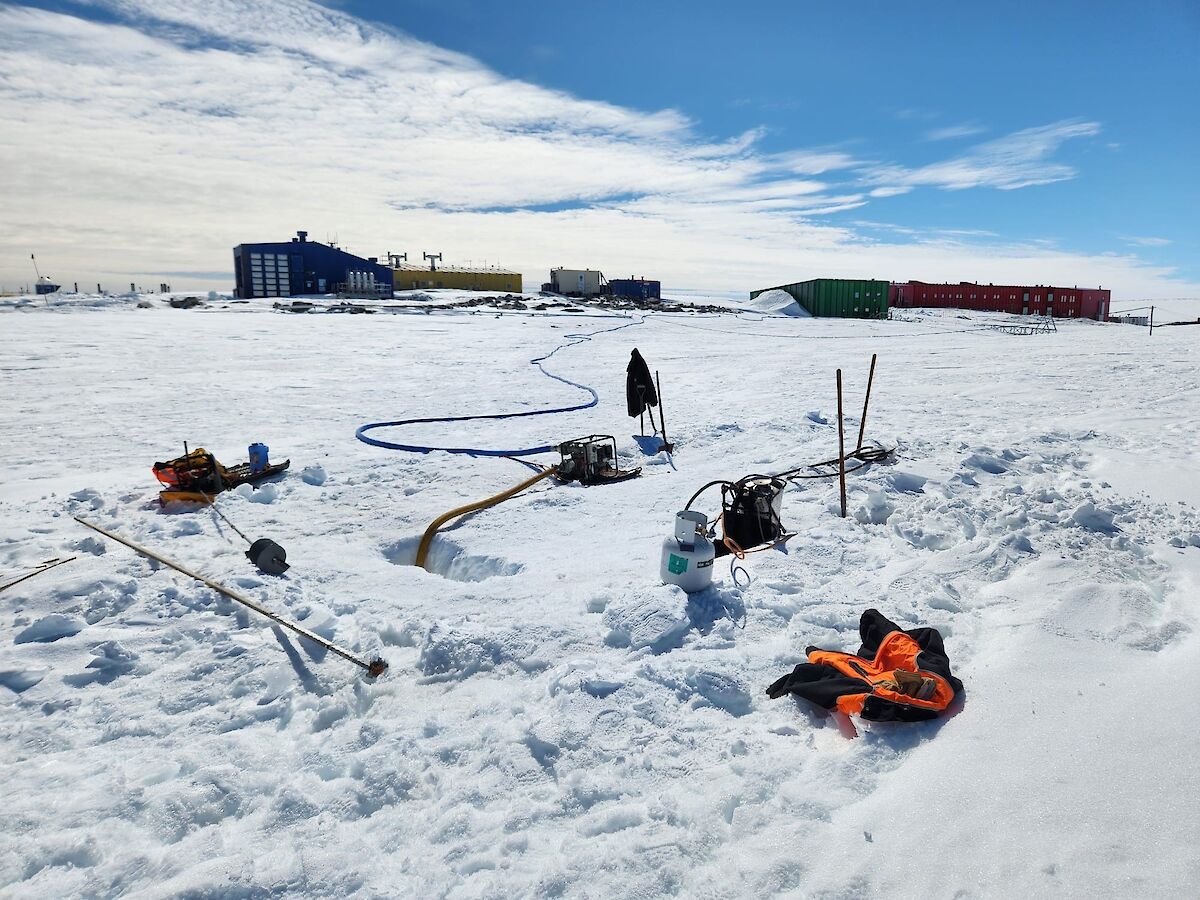
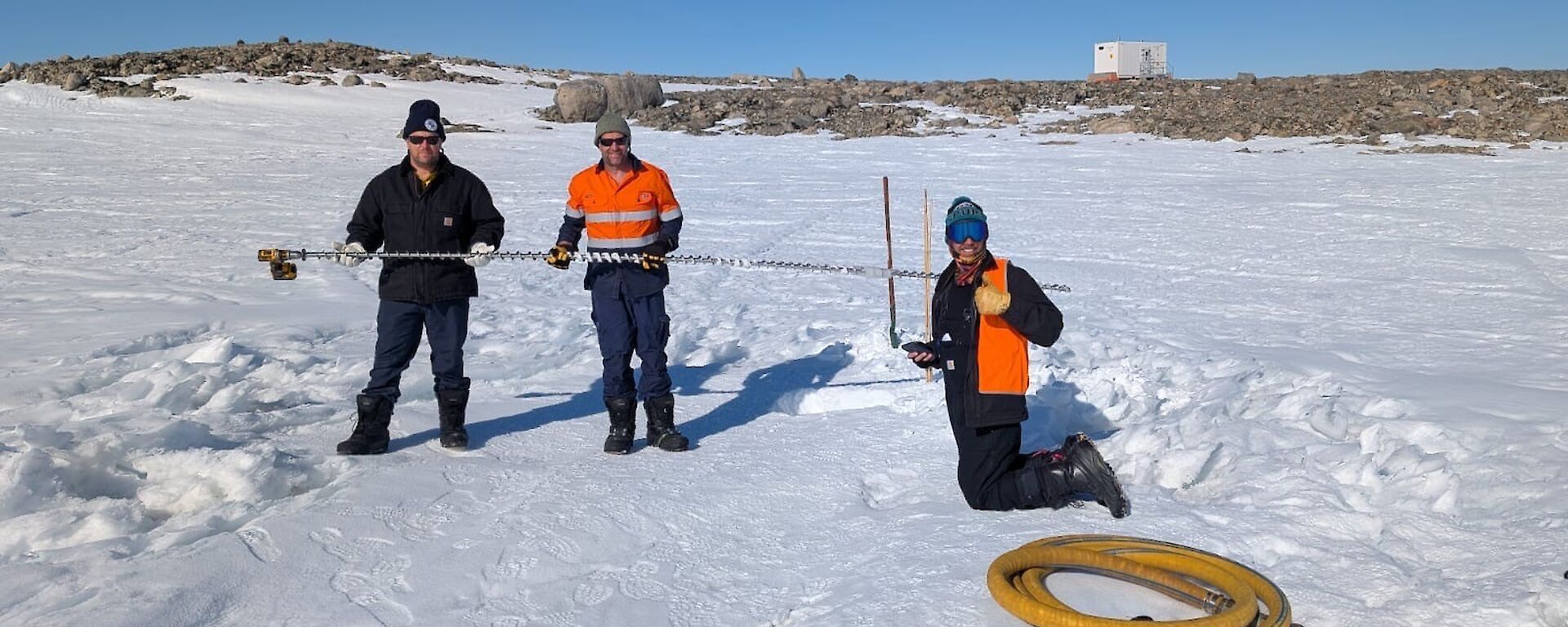
The operation involves drilling through metres of ice, setting up pumps and running hundreds of metres of hose downhill to replenish our water supply. The procedure recommends temperatures warmer than -17°C and winds below 10 knots.
And who better to lead such an operation than Mick Wright, The People's Plumber, along with a few unsuspecting volunteers who may have misunderstood what they were signing up for.
The Tank house Cafe – Where the Magic Happens
Freshly pumped, locally sourced Antarctic water. Having escaped its frozen surroundings, our water finally arrives at the Tank house Cafe.
Maintained by the plumbing crew, this exclusive establishment boasts three storage tanks, an impressive collection of pumps and valves, and a rather limited menu.
Water.
Keeping the tanks full is a daily balancing act. Pump too much from Melt Lake and you risk drawing down the water chamber around the melt bell. Pump too little and station reserves start looking uncomfortable.
Naturally, the plumbers have developed a keen interest in exactly where all this water goes.
And nobody takes this responsibility more seriously than Noel, affectionately known as The Drop Cop.
With a watchful eye on water consumption and a growing list of suspects, Noel has taken a particular interest in some of Casey's thirstier residents.
And there are a few.
The Kitchen Sprayer
First up, Chef Matt and the kitchen spray gun.
Originally installed to help wash dishes, this innocent-looking device has become one of the plumbing department's greatest concerns. In the hands of an enthusiastic kitchen hand, washing a few plates can apparently require enough water to suppress a small bushfire.
There's even been talk of removing the spray gun altogether, a proposal unlikely to win much support from Chef Matt and his crew.
For now, the spray gun survives.
Although with The Drop Cop keeping a close eye on consumption, its future remains uncertain.
Casey Hy-Drip-Ponics
Next stop is the Casey Hydro, home to Michael DeLacey, otherwise known as The Hydro King.
While the rest of Antarctica remains frozen, Michael and his team have managed to grow fresh produce in a little corner of station. An impressive achievement, although the Hydro has also developed something of a reputation for leaks, earning it a less flattering nickname from the plumbing department.
Hy-Drip-Ponics.
Naturally, this has attracted the attention of The Drop Cop, who takes a keen interest in exactly how much water the Hydro consumes. Michael maintains it uses very little. Noel remains unconvinced.
For now, the vegetables continue to grow, and so does Noel's interest in the water meter.
The ESS – Staying Hydrated
Then there's our ESS.
While most expeditioners manage a few litres of water a day, our ESS has taken hydration to another level, reportedly putting away several more! Leading teams is thirsty work, apparently.
At this rate, a Top Lake transfer may be required sooner than anticipated. The Drop Cop, is understandably keeping a close eye on the situation.
The Spa – Luxury Comes at a Cost
Finally, the spa.
After a long day in your moccasins, there's nothing quite like a relaxing soak. Unless, of course, you're the plumber responsible for supplying the water. While most see a well-earned luxury, the plumbing crew sees several hundred litres that somebody had to pump from beneath the Antarctic ice.
Add in showers, laundry and general station consumption, and its little wonder the three-minute shower rule has become a popular topic.
Rumours of random shower inspections continue to circulate, with The Drop Cop reportedly keeping his stopwatch close at hand.
The Plant – Not All Heroes Wear Capes
After enjoying its brief stay at Casey Station, our once-pristine water has now experienced everything from Chef Matt’s kitchen to Casey's Think Tanks.
Its next destination is considerably less glamorous. The Wastewater Treatment Plant. Here, the wastewater undergoes treatment through an impressive piece of engineering known as a Membrane Bioreactor (MBR). First, larger solids are screened out before the wastewater enters the biological treatment process.
This is where millions of microorganisms get to work breaking down organic waste. These microscopic residents are, without a doubt, the hardest-working members of Casey Station. No days off, no complaints and certainly no concerns about what's on the menu. Keeping this workforce happy requires the right conditions, including enough oxygen to do their job.
Finally, the water passes through extremely fine membranes that retain the solids while allowing treated water through.
The Final Voyage – The Southern Ocean
Having survived its journey through Casey Station, our water has one final destination – the Southern Ocean.
There's an important reason we go to all this trouble. Under the Antarctic Treaty environmental protection framework, responsible waste management and minimising our impact on the environment are taken seriously.
And so, after quite the journey, our treated water finally makes its way out to sea.
The Circle of Life
Living in Antarctica has a funny way of changing your perspective.
At Casey, every litre requires a surprising amount of work to collect, distribute, use, treat and responsibly discharge.
Behind it all are the people who keep station running. From Mick, The People's Plumber, keeping our tanks full, to Noel, The Drop Cop, keeping a watchful eye on consumption, and of course, our usual suspects, who keep them both on their toes.
It's all part of living and working together in one of the most remote places on Earth. So next time you're enjoying a hot shower, spare a thought for the journey that water has taken. And perhaps keep it under three minutes.
The People's Plumber would appreciate it. And The Drop Cop is probably timing you.
Until next time.
Dan Campbell - The Plumber
79th ANARE – Casey Station