
What is a melt bell, I hear you say?
As a plumber and a new expeditioner to Antarctica, I had never heard the term melt bell until recently. But as we settle into Mawson station it has become a very central part of my daily routine. In fact, the entire station relies on our melt bell to produce fresh water and keep us going!
So, what is it?
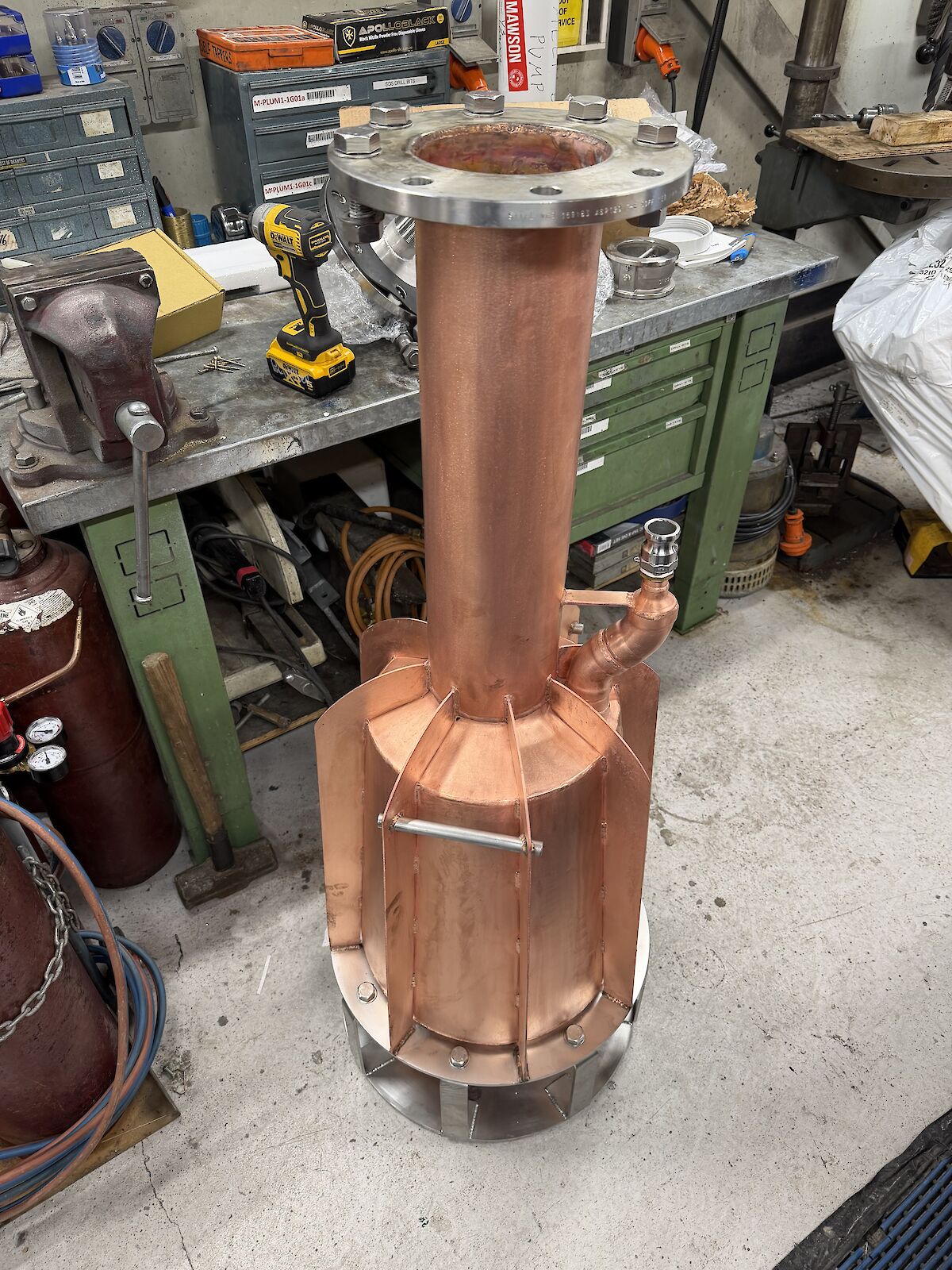
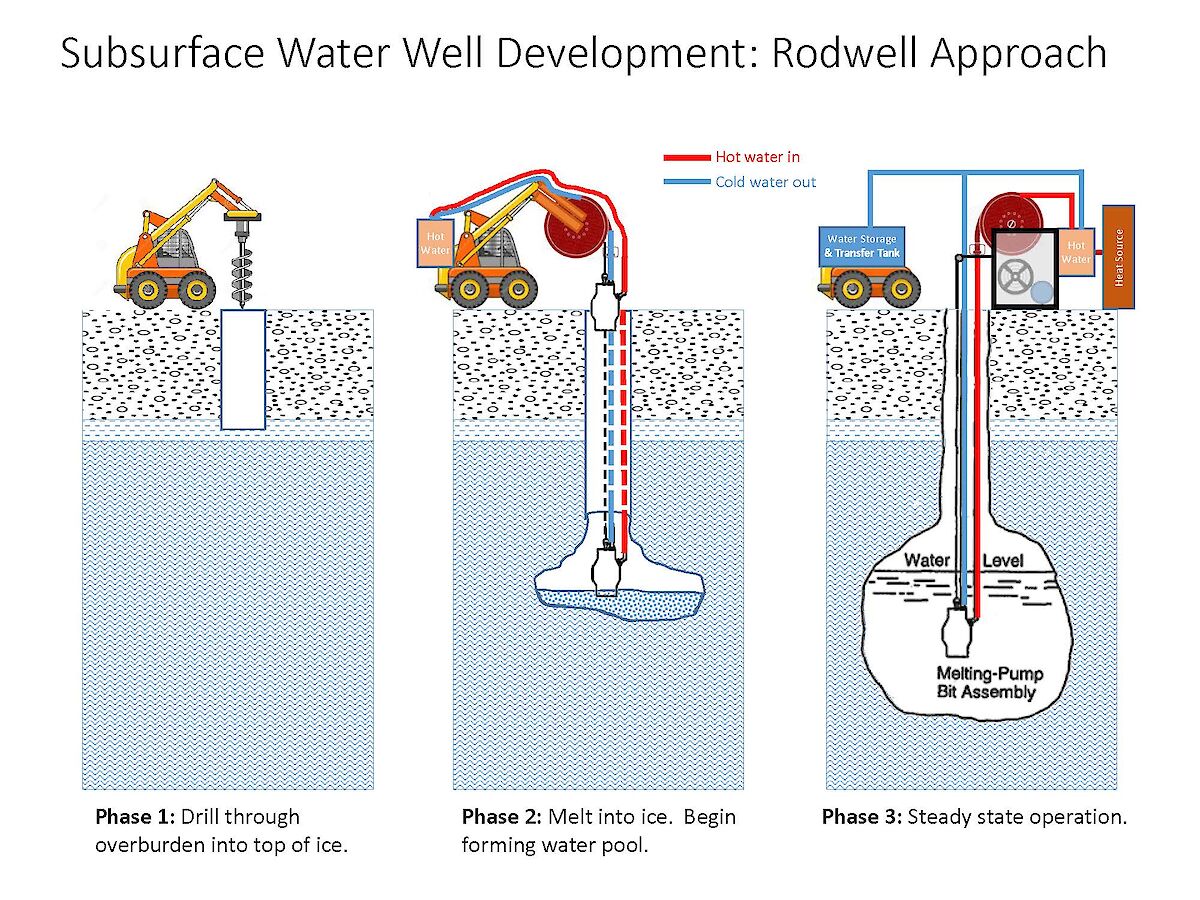
The melt bell is essentially a large copper vessel that houses a pump and sort of looks like a bell. It is also a crucial part of our water supply infrastructure here at Mawson station. The melt bell is part of the Rodriguez water well system which was developed by the US in Greenland in the 1960s, and to this day is used all over the world in colder climates to provide fresh water. There have even been discussions of using the same system on Mars one day!
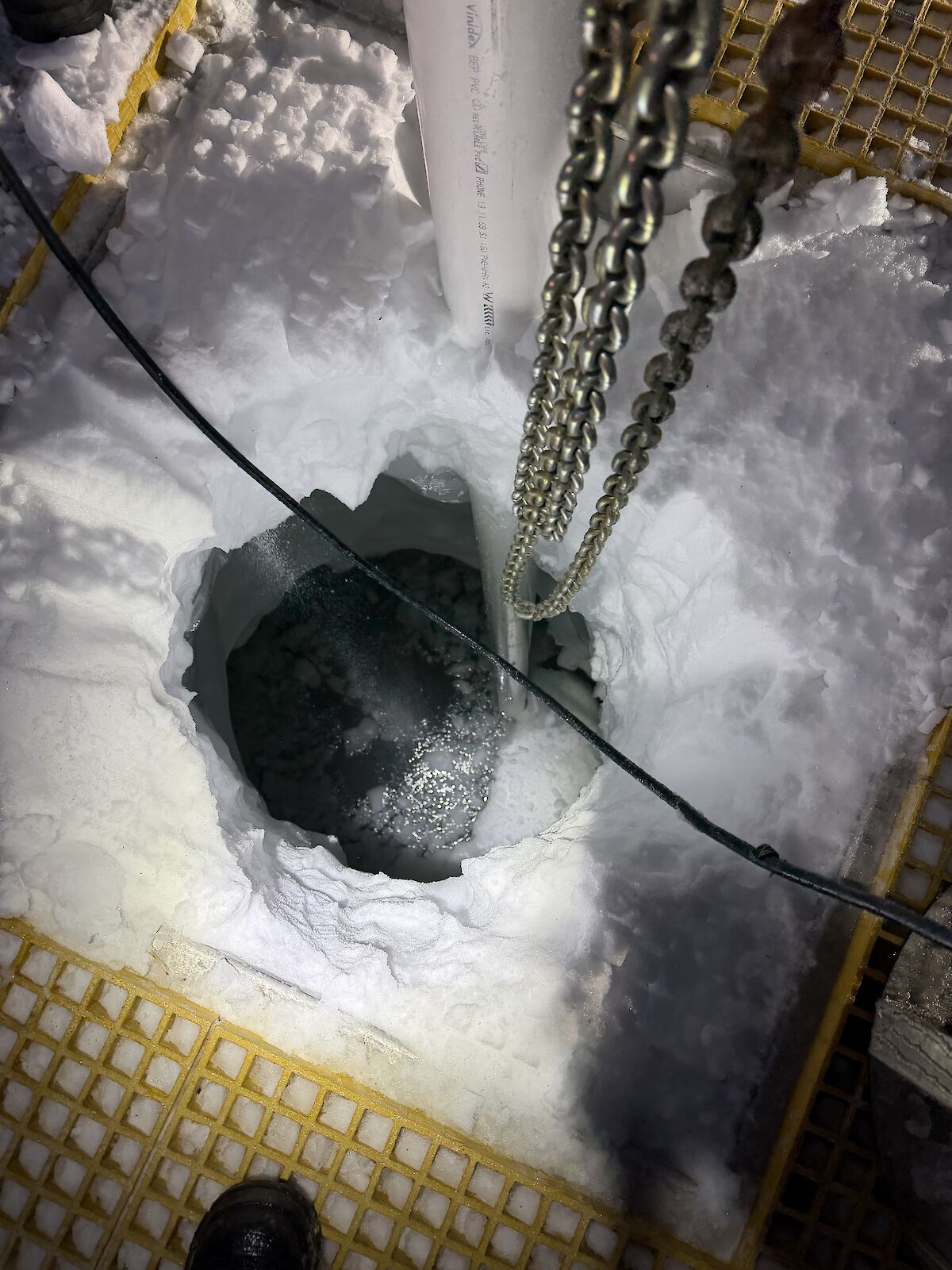
The concept of the system is simple enough, initially a hole is drilled into the ice and hot water is then used to form a cavern below the top layer of snow/ice. Once this has been achieved the melt bell is lowered into the cavern where it will live out its days. While inside the cavern, the bell uses its internal pump to circulate heated water (within itself) that is sourced from an external boiler. This in turn warms the water within our well, melts the surrounding ice and maintains a reservoir of fresh melt water within the cavern. When there is a sufficient amount of water within the well the melt bell pump is then used to transfer the fresh water into a holding tank. Once the transfer is complete, the pump returns to circulation and the process starts again.
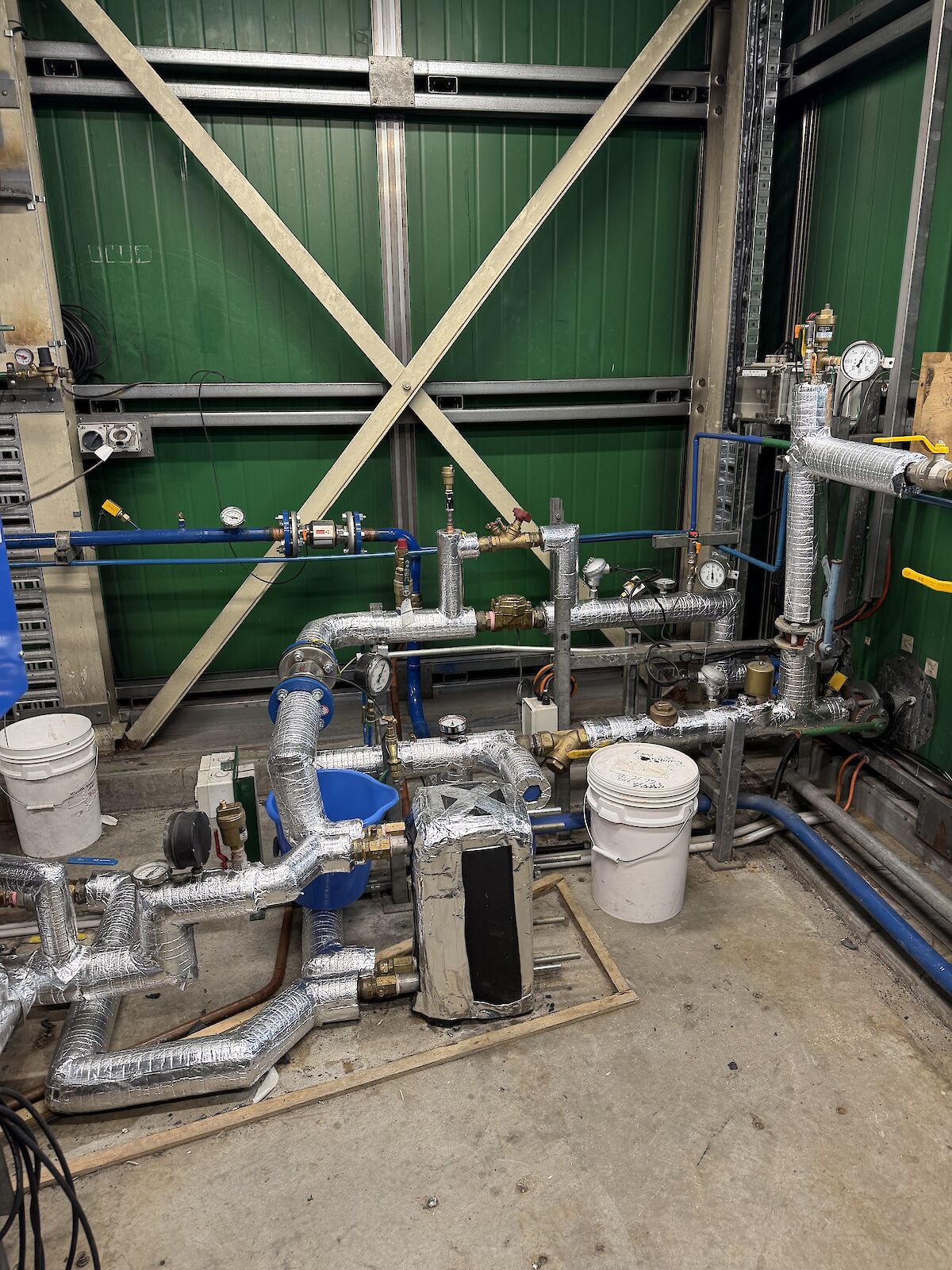
As one of three highly skilled, amazing and good-looking plumbers here on Mawson station, one of our main tasks every day is to tend to and produce water using the melt bell. This involves a visit to our water supply building, which houses all the infrastructure required for our melt lake (Rodriguez well), such as valves, pipework and boilers, to keep the hot water circulating through the bell.
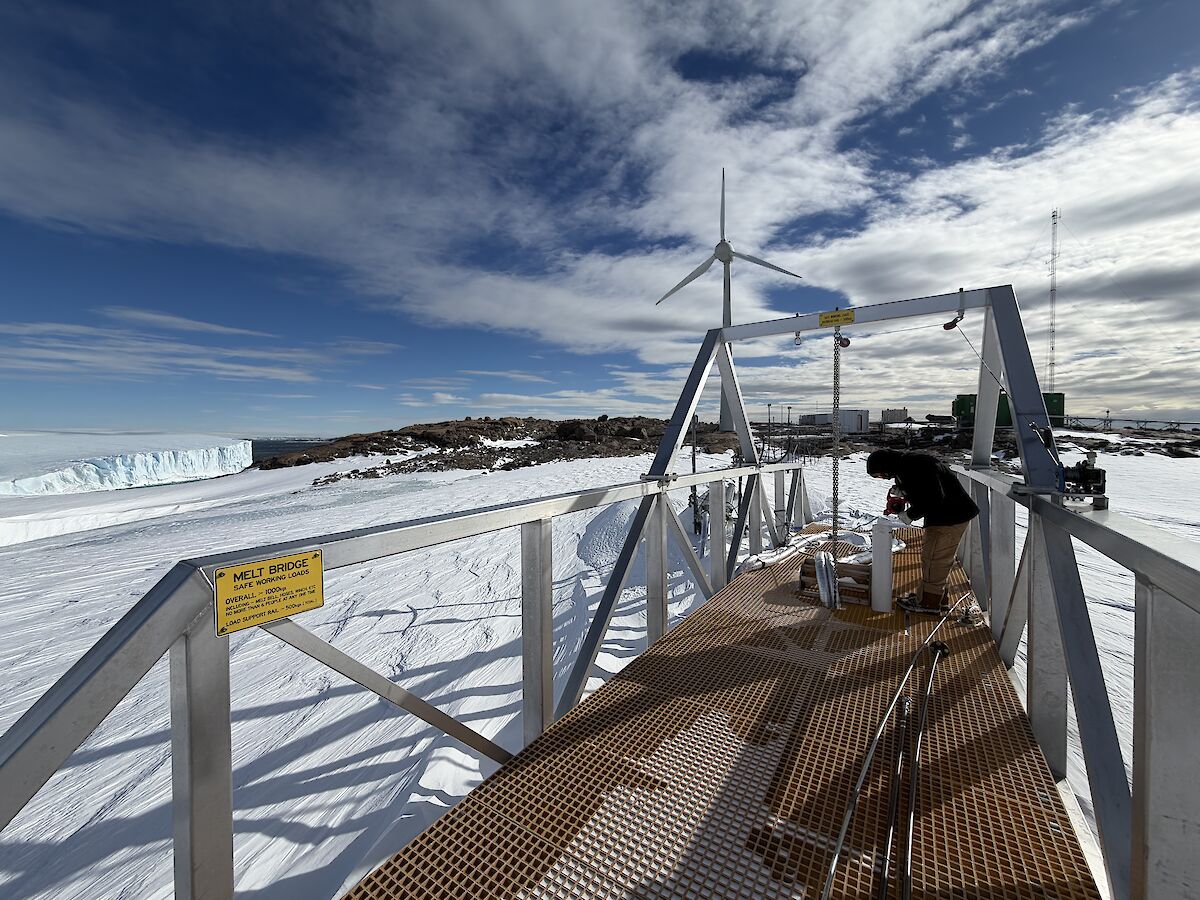
In our water supply building we check the system and make sure all is operating well before taking an often-brisk stroll out to the pontoon that lives above the melt lake. From the pontoon we use a measuring tape to check the level of water within the cavern. Checking the level is essential to the process, because if our water level is below the level of the pump, it could cause the pump to burn out and that would be a very bad day! The dip also gives us a good idea of how our melt cavern is recovering and how much we can take on any given day.
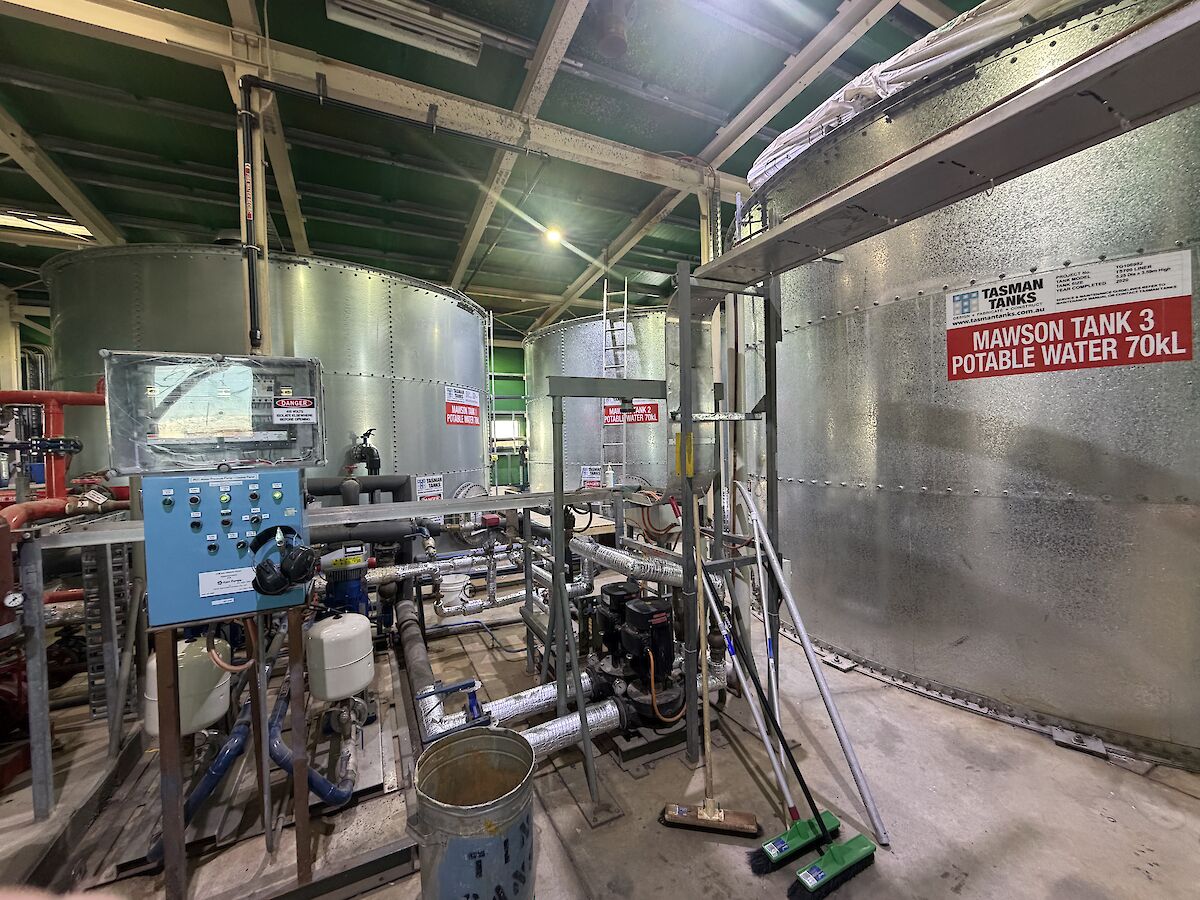
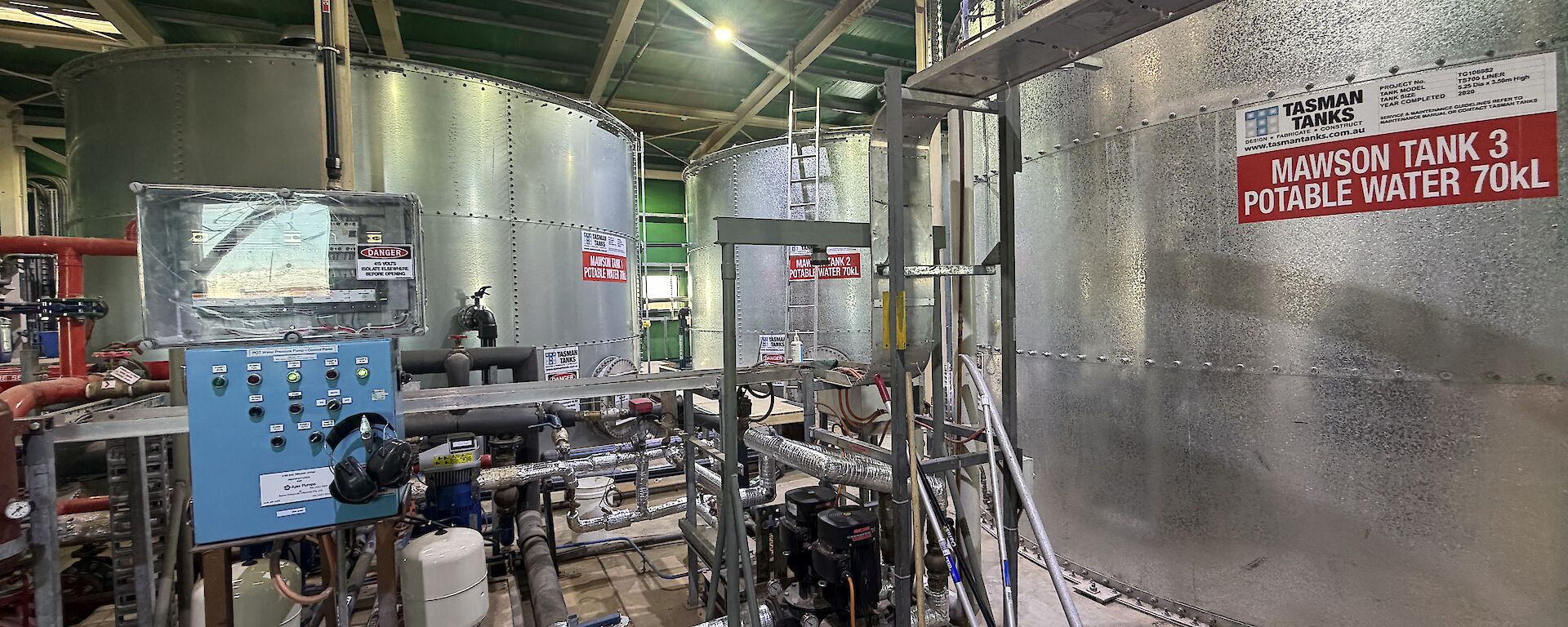
Once we have an idea of our levels (and that the system is in good working order) we head on over to our tank house where, with the flick of a few valves and switches, we begin to fill one of the 3 x 70,000 litre water tanks here on station. This entire process is a bit of an art as you do not want to take too much water from the cavern on any given day. So constant checks are essential.
So now that you know how important the melt bell is to Mawson station life, you could imagine our shock when at precisely 4pm on Easter Sunday our much-loved melt bell pump sent out SOS signals and then…died.
However, the next thing that happened was truly inspiring. The entire station sprang into action, all hands-on deck! Luckily, we had been preparing a new melt bell to be brought into service at the plumbing workshop, so quick as a flash the team had the new bell up at the pontoon, the old bell out, the new one in, hooked up ready to roll!
Within 4 hours all was back in action and crisis was averted. Pretty good teamwork from a group of people who up until recently didn’t know each other from a bar of soap. With teamwork like that I reckon we’re in for a great year.
Nick Williams – Mawson plumber.