
From FIFO heat to Antarctica's icy wind - a dieso perspective
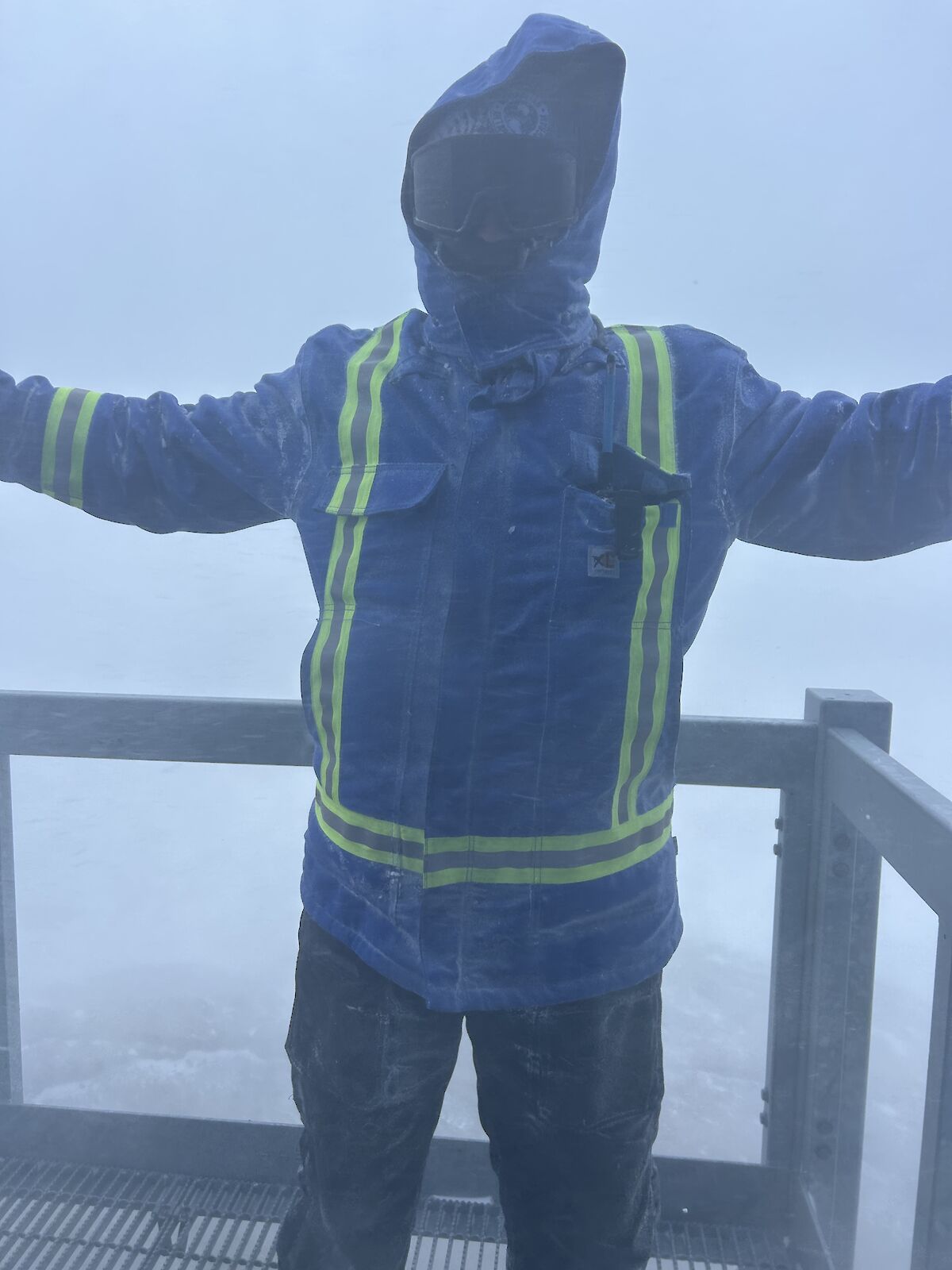
Our first real wind came in our first week alone at Mawson.
Visibility was down, the wind was up, and the cold cut through everything. Lee King and I pushed our way down to the main powerhouse, leaning into the gusts of our first blizzard, moving deliberately, knowing that turning back wasn’t an option. It wasn’t dramatic in the way stories often try to be — it was practical, necessary work — but it set the tone early. Out here, the environment doesn’t care who you are or where you’ve come from. You either work with your team and get the job done, or you don’t.
Only months earlier, I was in the Pilbara, Western Australia — FIFO life, more than a kilometre underground, working in heat that regularly pushed past 40-50 degrees. On the surface, the contrast couldn’t be sharper: one of the hottest places on earth verses one of the coldest. But the more time I spend here, the more I realise the similarity. In both places, people are fighting the elements. The environment dictates the pace. Preparation matters. And the people beside you matter more than anything else.
It’s often in the hardest moments — the bad weather, the long hours, the times when comfort is stripped away — that the best stories are formed. Not because they’re heroic, but because they’re honest. Those moments are also where you meet some of the best people you’ll ever work with: people who show up, who pull their weight, and who understand that reliability isn’t optional when conditions are unforgiving.
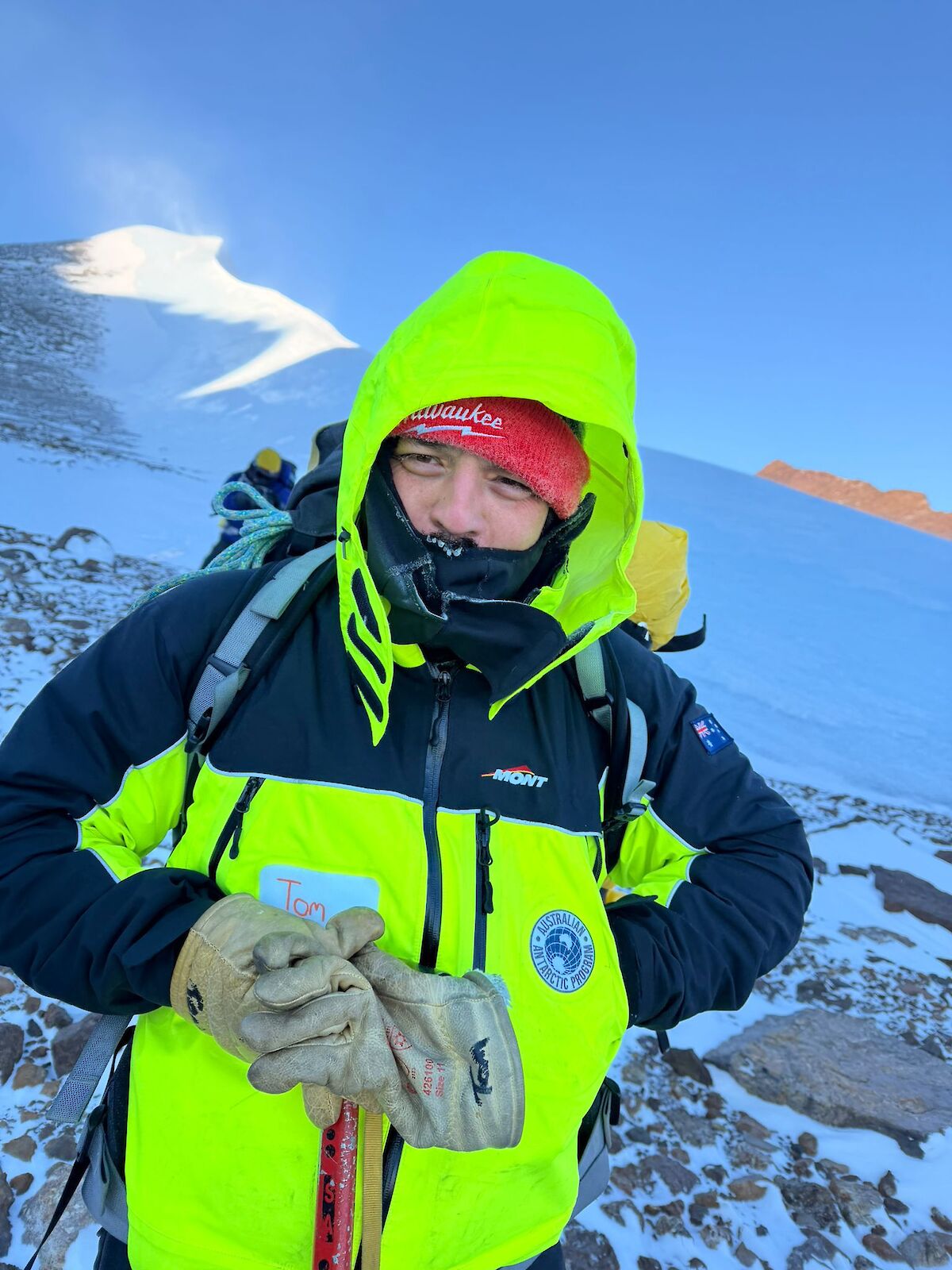
Spending time reading about Australian explorers like Douglas Mawson and Hubert Wilkins has given me a deeper appreciation of where we are and what we’re part of. Sleeping outside during field travel training in conditions that feel hostile — wrapped up, wind roaring, everything moving — gives a small glimpse into what those early explorers endured. Not as a comparison, but as a reminder. There is something confronting, and strangely beautiful, about an environment that can kill you if you don’t respect it.
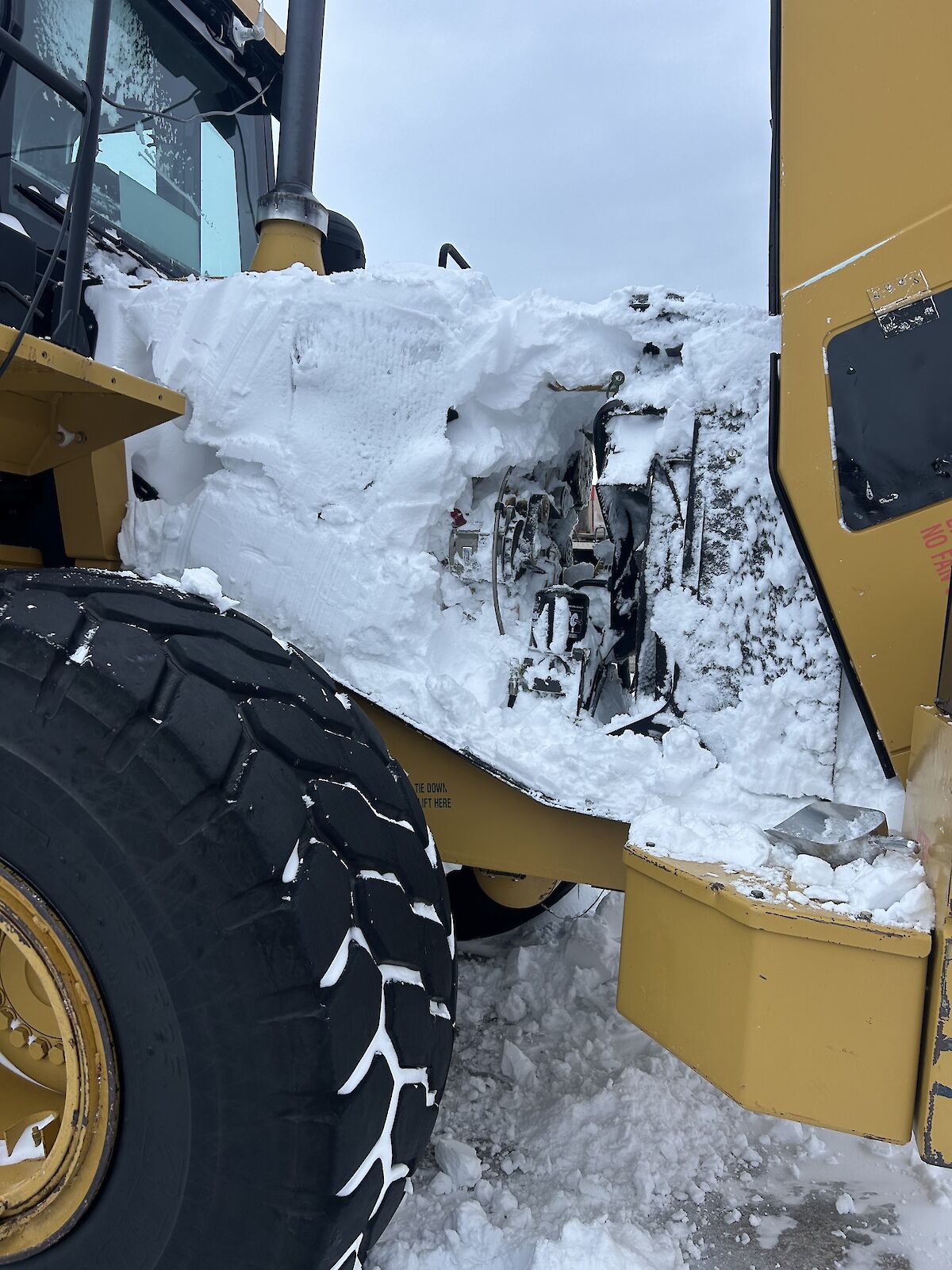
That beauty isn’t about danger for its own sake. It’s about discipline, teamwork, and shared standards. Out here, you don’t do things for recognition. You do them because someone else is relying on you — because letting the team down isn’t an option. Whether it’s de‑blizzing machinery, completing field travel training, supporting powerhouse operations, or maintaining the workshop, the work is never individual. It’s collective.
Coming from FIFO to Mawson has reinforced something I already believed: good teams aren’t built in easy conditions. They’re built when people take responsibility, look after each other, and take pride in doing things properly, even when no one is watching.
At the bottom of the world, that mindset isn’t just valuable — it’s essential.
Tom Hynes - Winter Dieso - Mawson Station