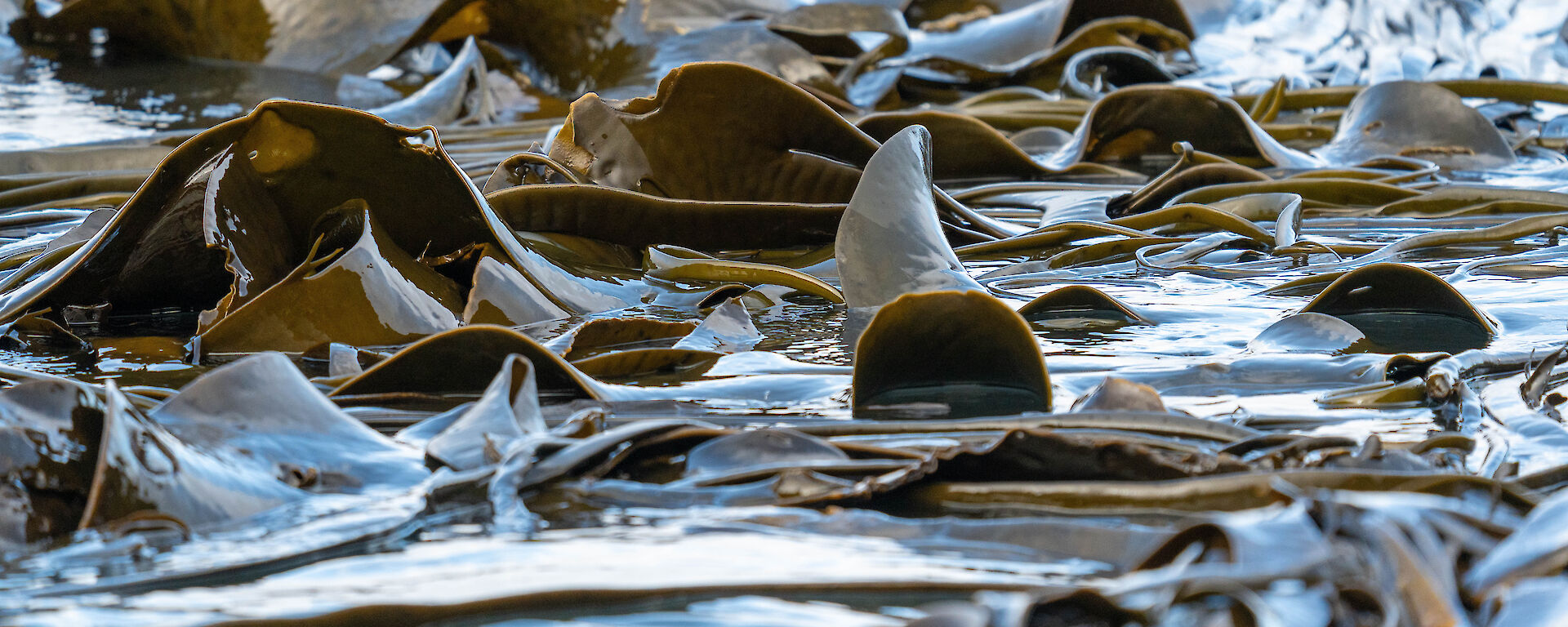

Clouds and kelp
Before I arrived at Macca, everyone I spoke to who had visited the island raved about the wildlife, the scenery, the geology, the historic buildings. I was so excited!
Then I arrived and…
meh.
I didn’t get it.
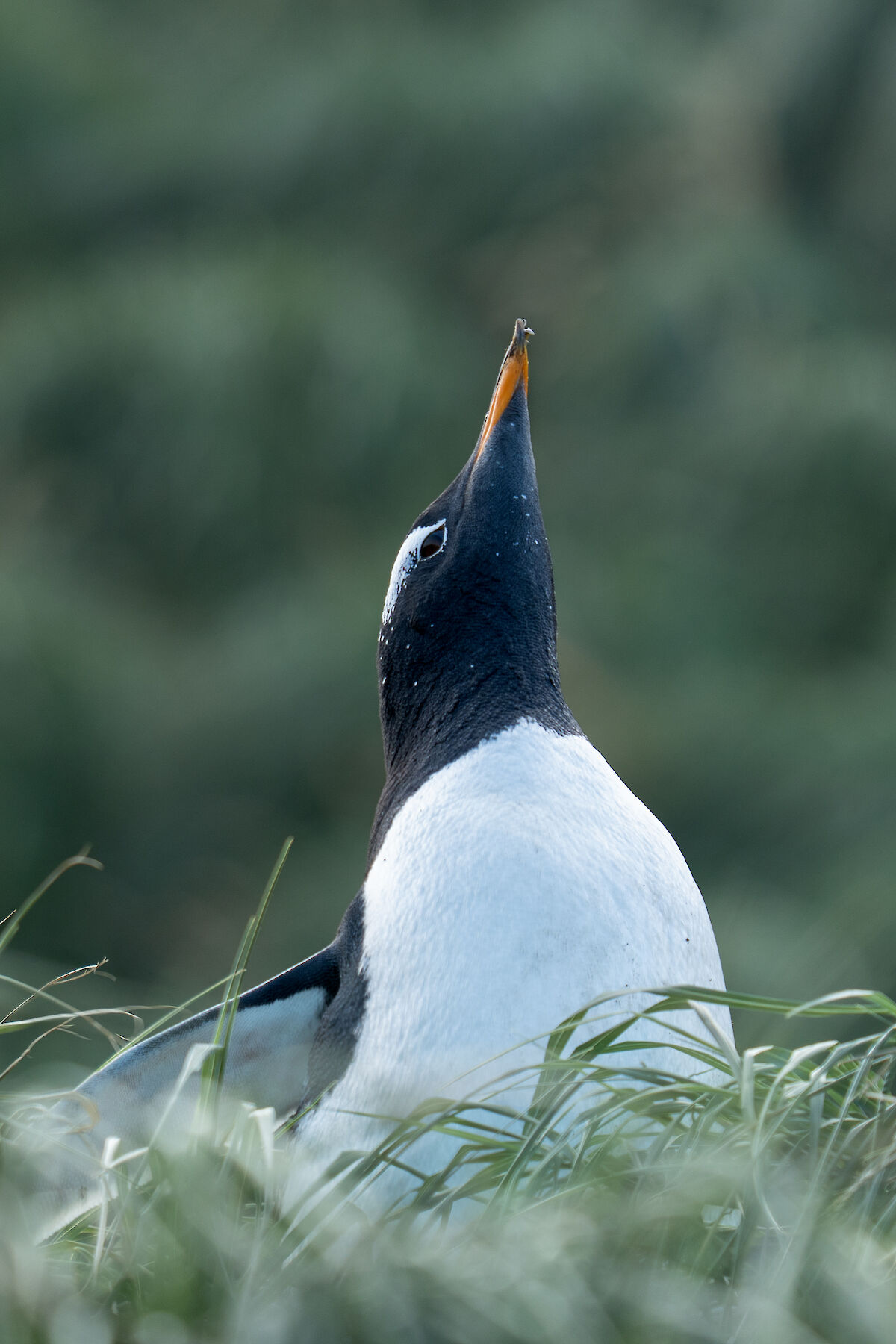
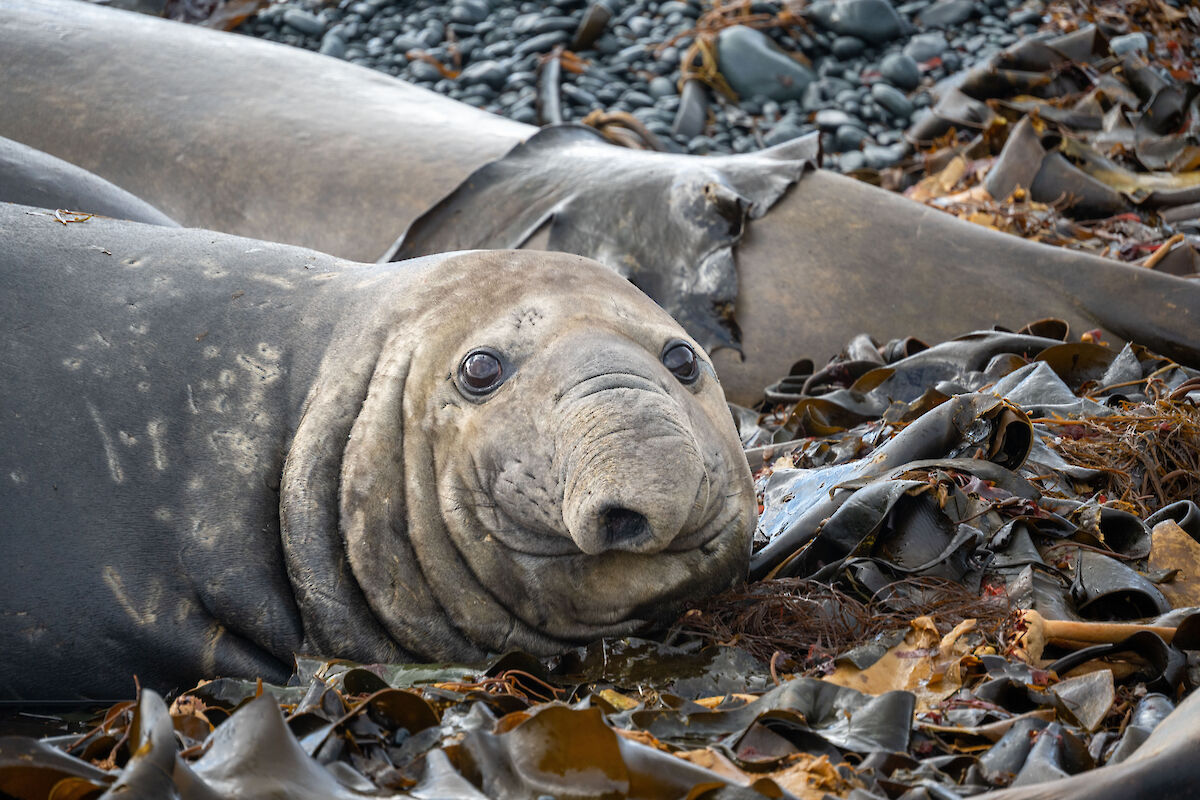
Sleepy seals, penguins just standing around getting in your way. Wet grass, mud, some hills, what’s so great about it? BORING!
I was almost ready to get back on the ship and go home. Then one day, I remembered a (possibly completely made up) fact that humans only spend 1% of their time looking above or below normal eyesight level, and it hit me. That’s the secret, that’s where to look to find the real wonders of the island!
So, I started warming up my neck. It took a few days of stretching to get the required range of motion but eventually I was able to raise my eyes above the horizon and low and behold, everything I had dreamed of and more!
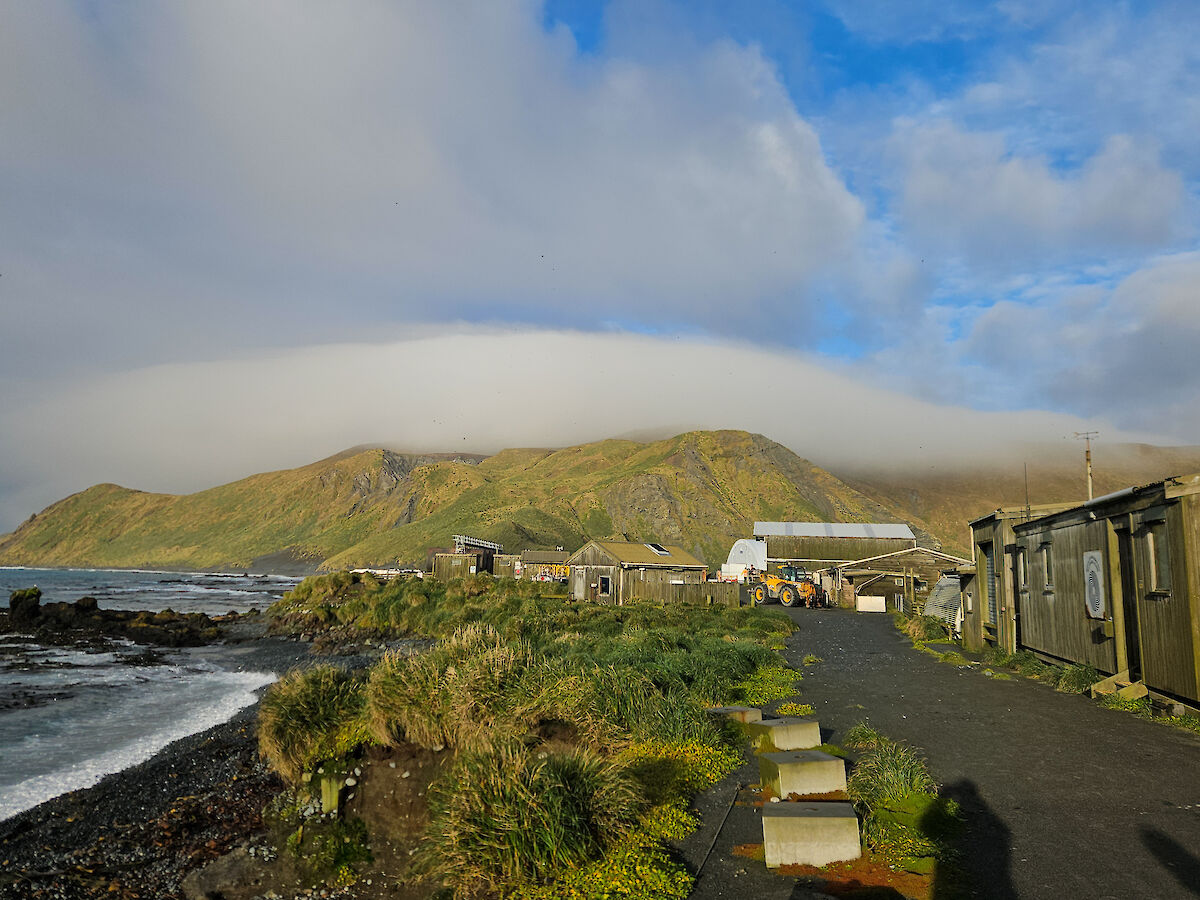
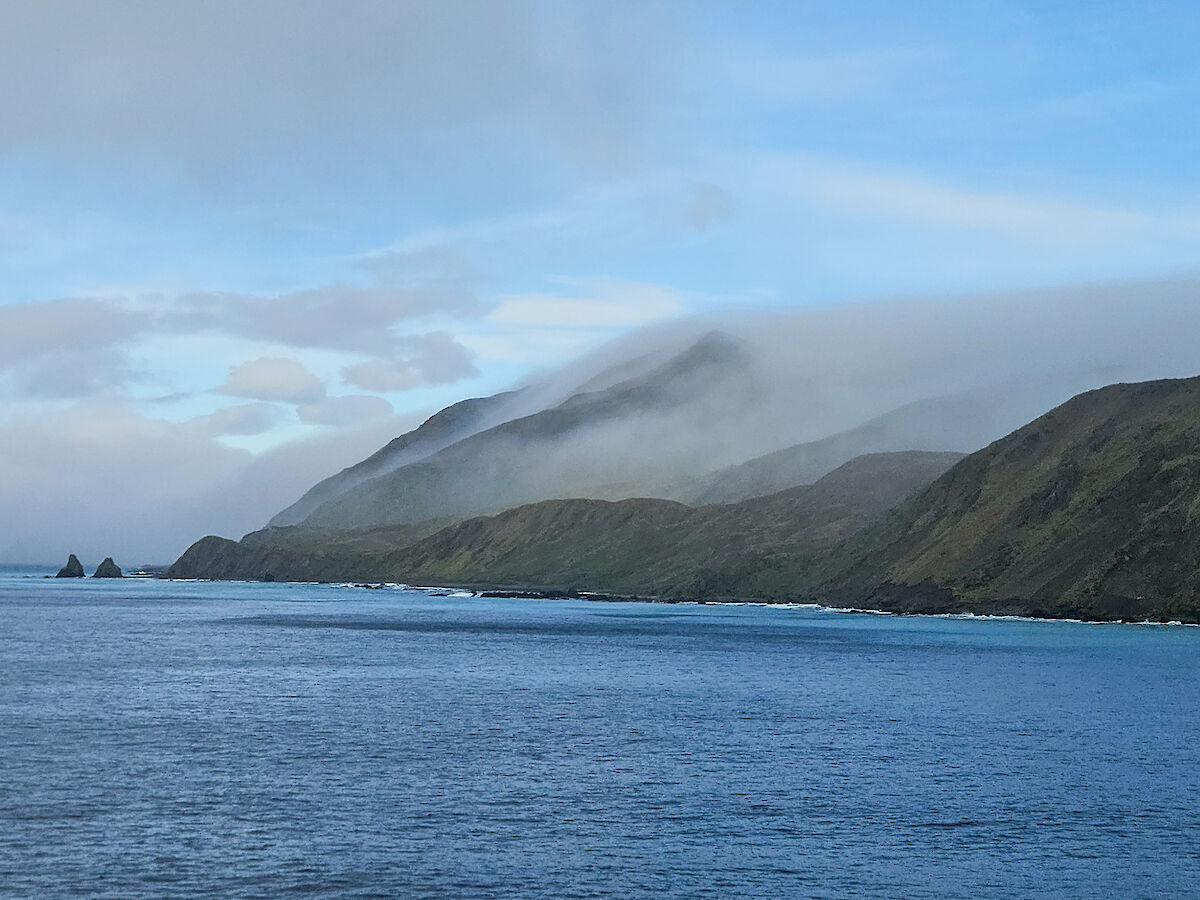
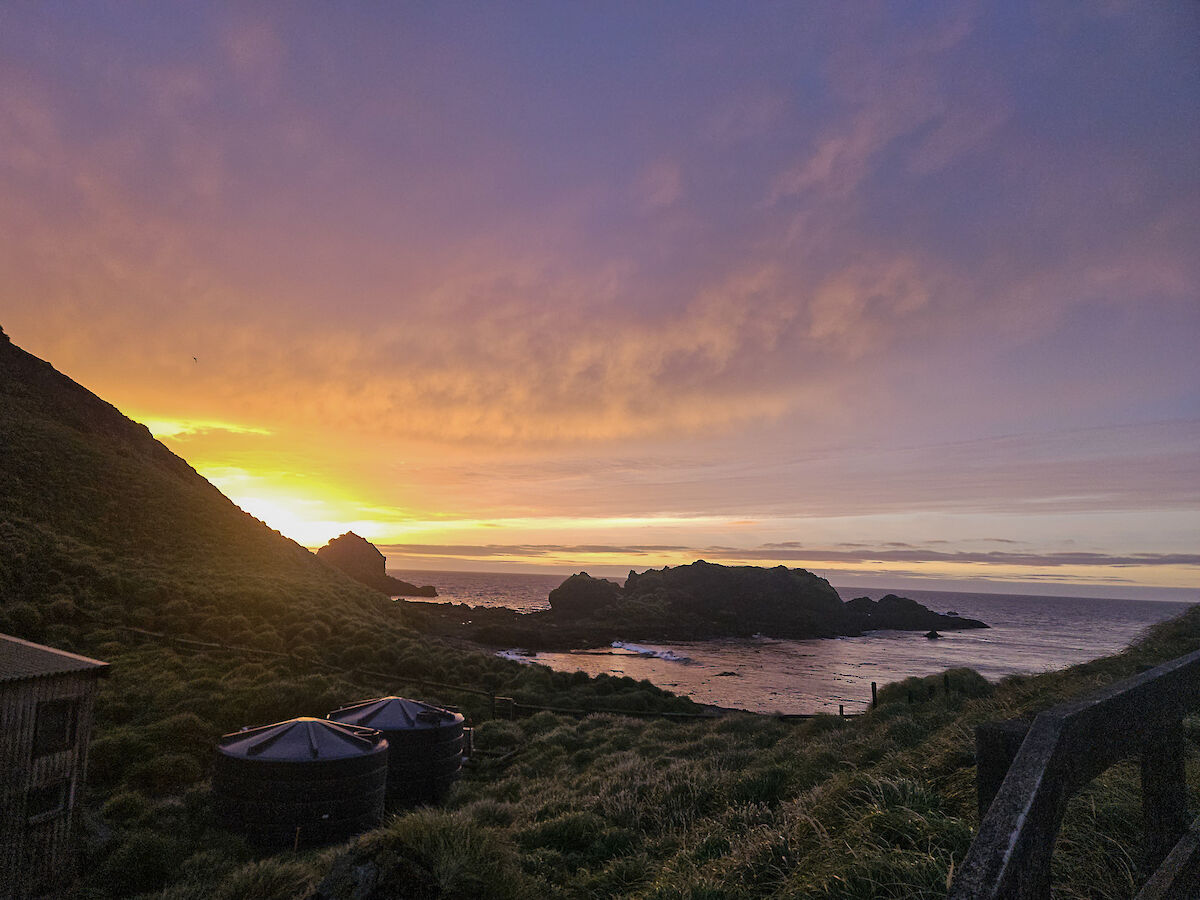
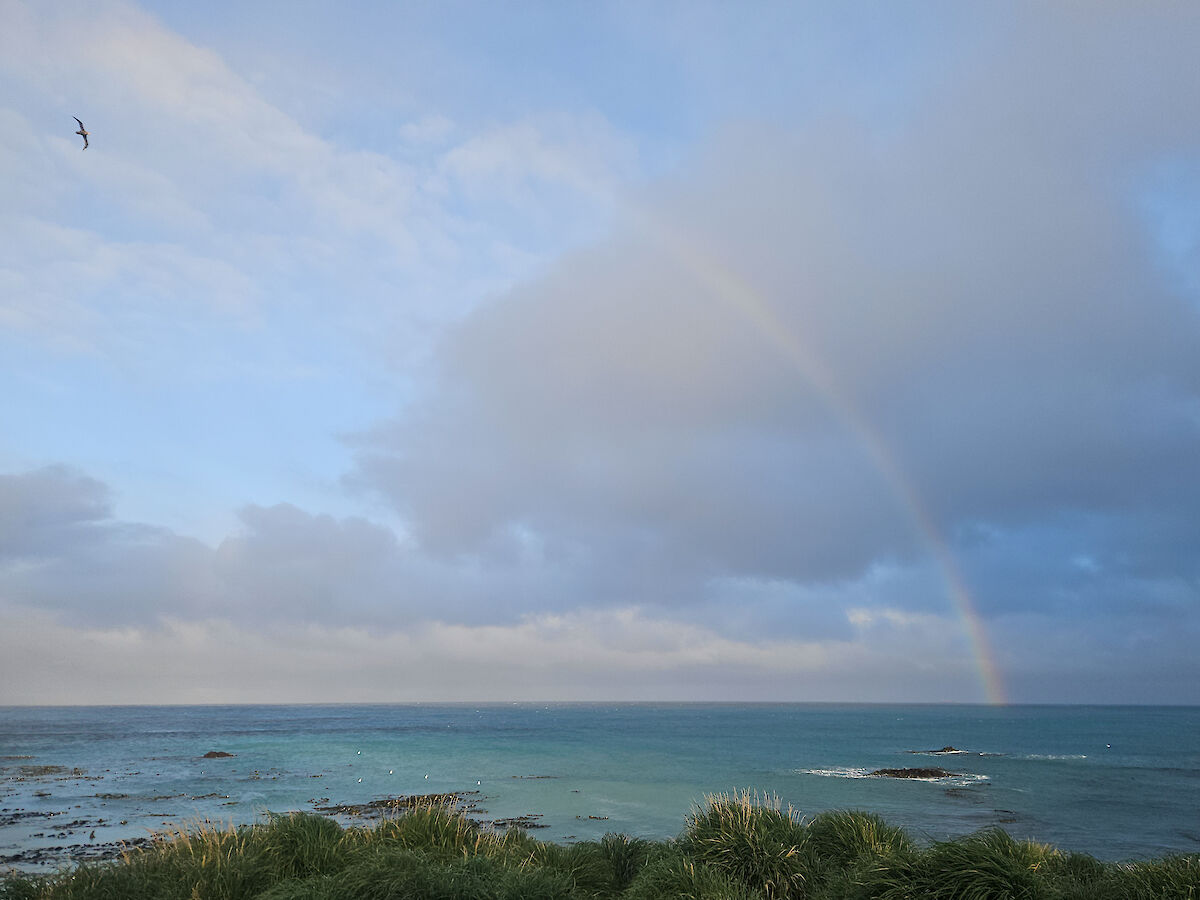
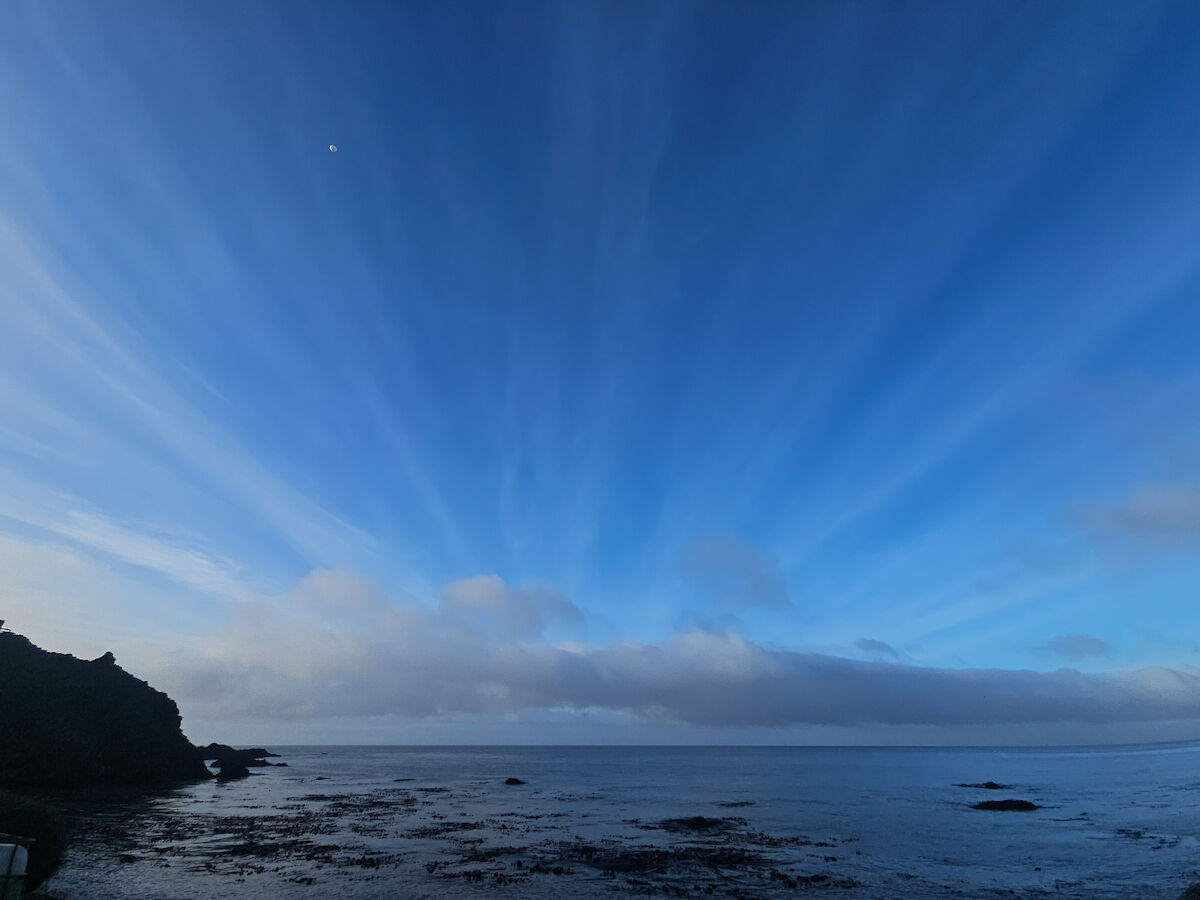
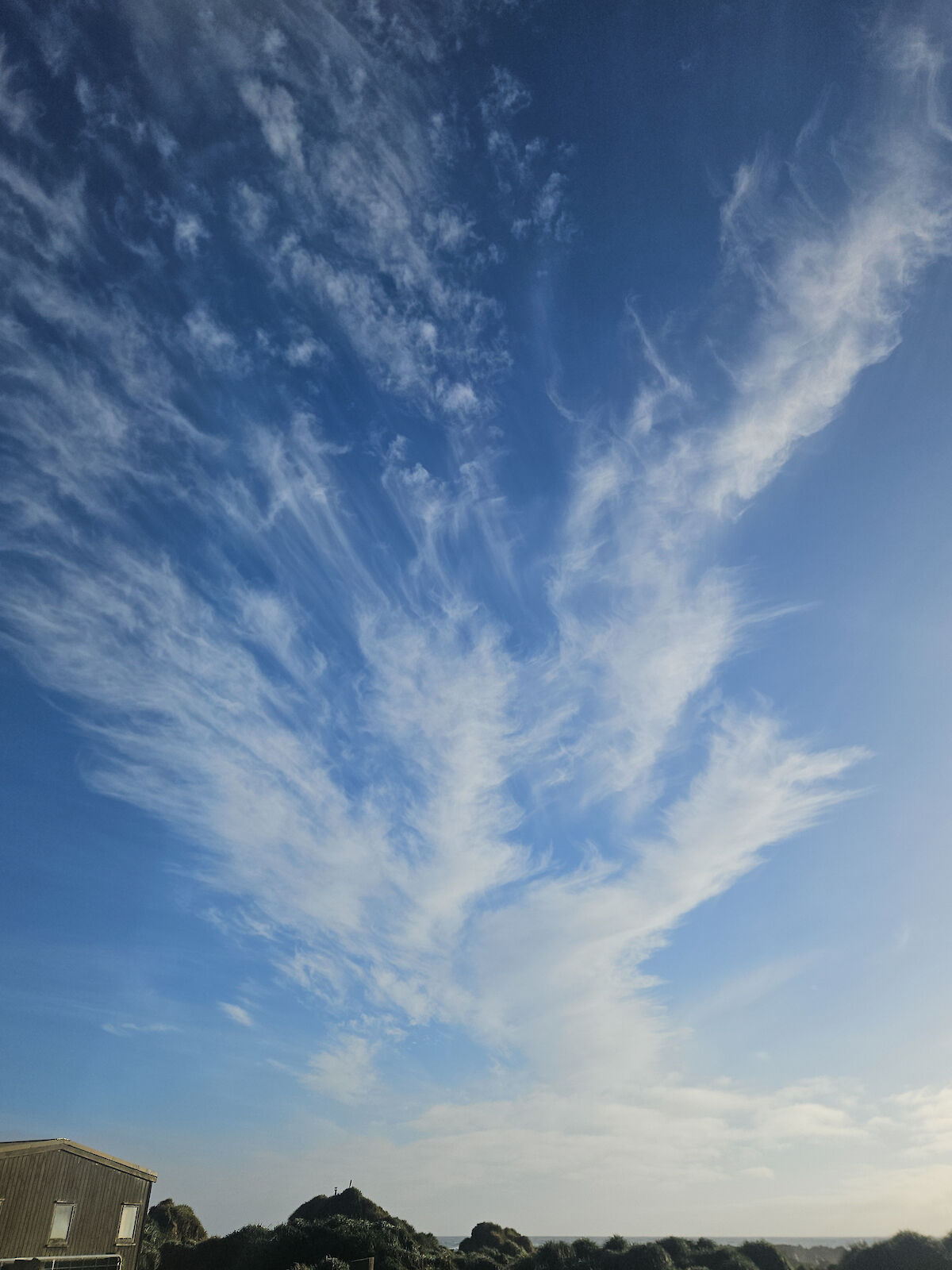
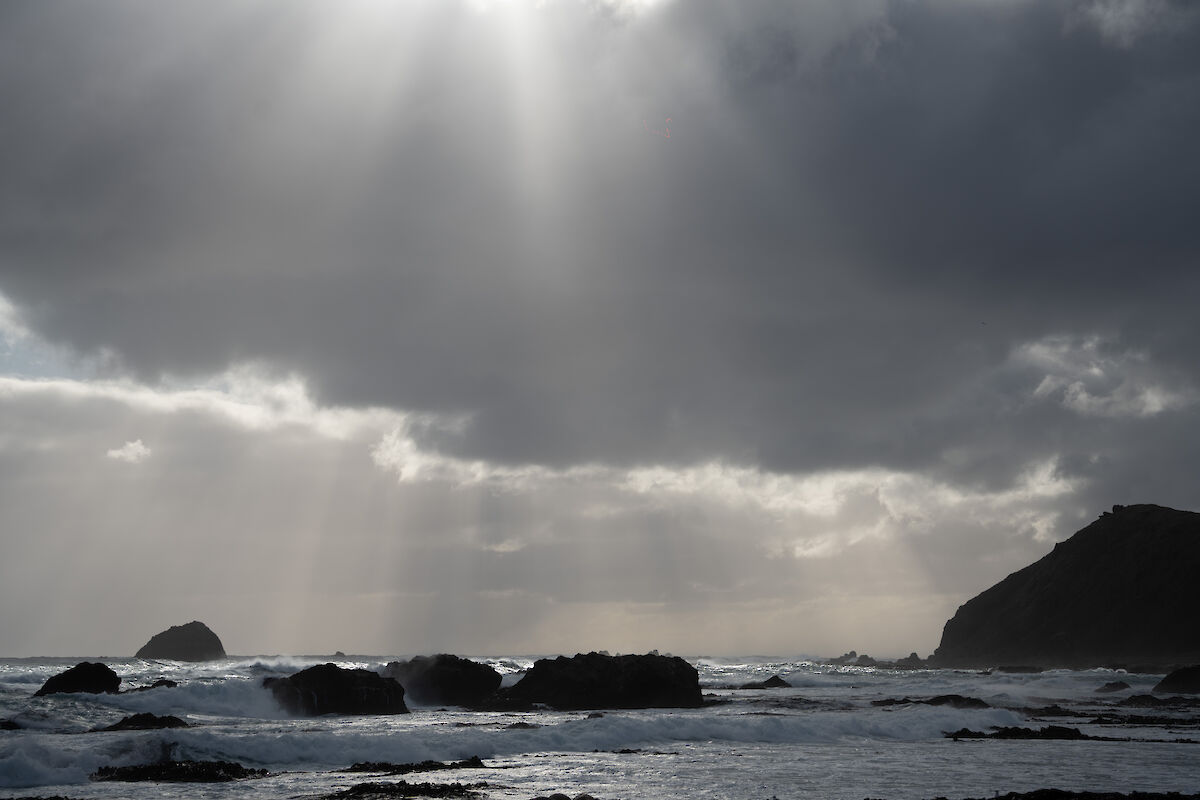
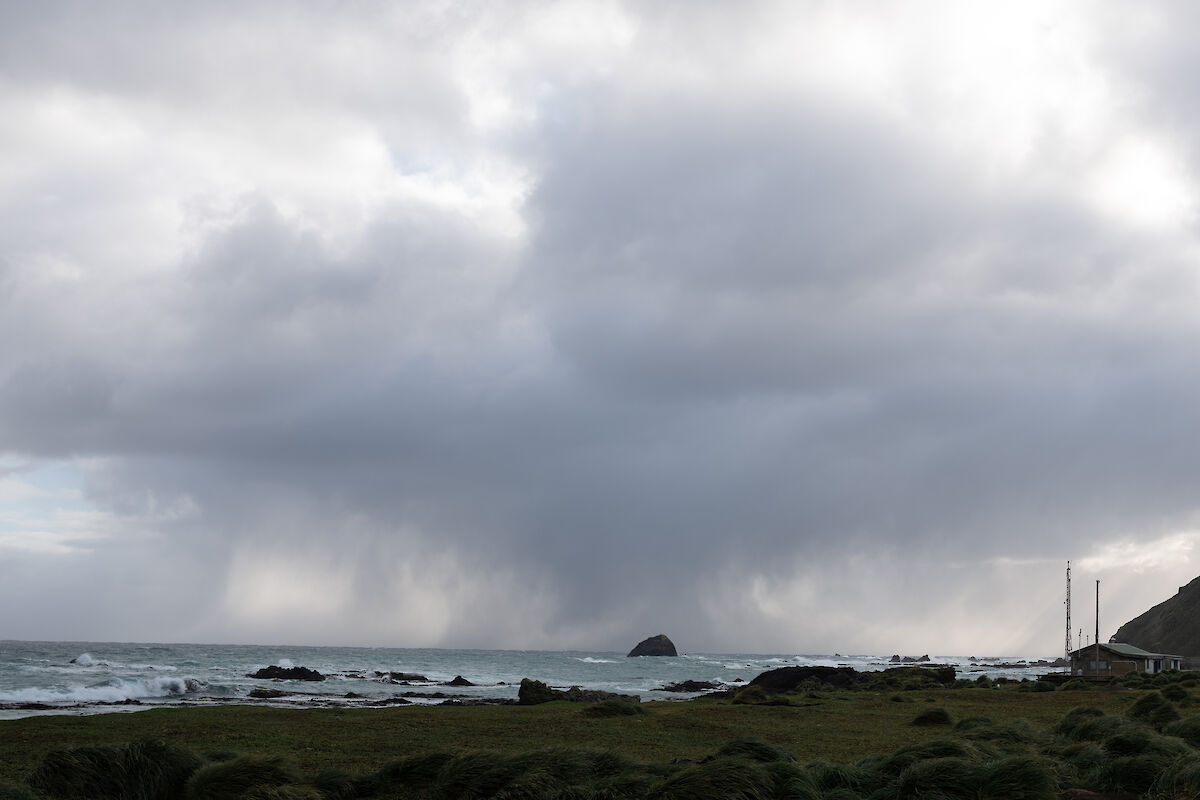
The sky here (although normally overcast with a low-level grey stratus cloud) can put on quite a show. From orographic clouds forming right there over the plateau, to rainbows, crepuscular rays and high-level cirrus radiatus clouds streaking across the sky. The wonders are endless if you can just get your eyes high enough to see them.
After a few days of craning my neck to admire the clouds my strength gave way and, head flopping in the wind, I found myself looking exclusively at the ground. Lucky for me, there are wonders to behold there too!
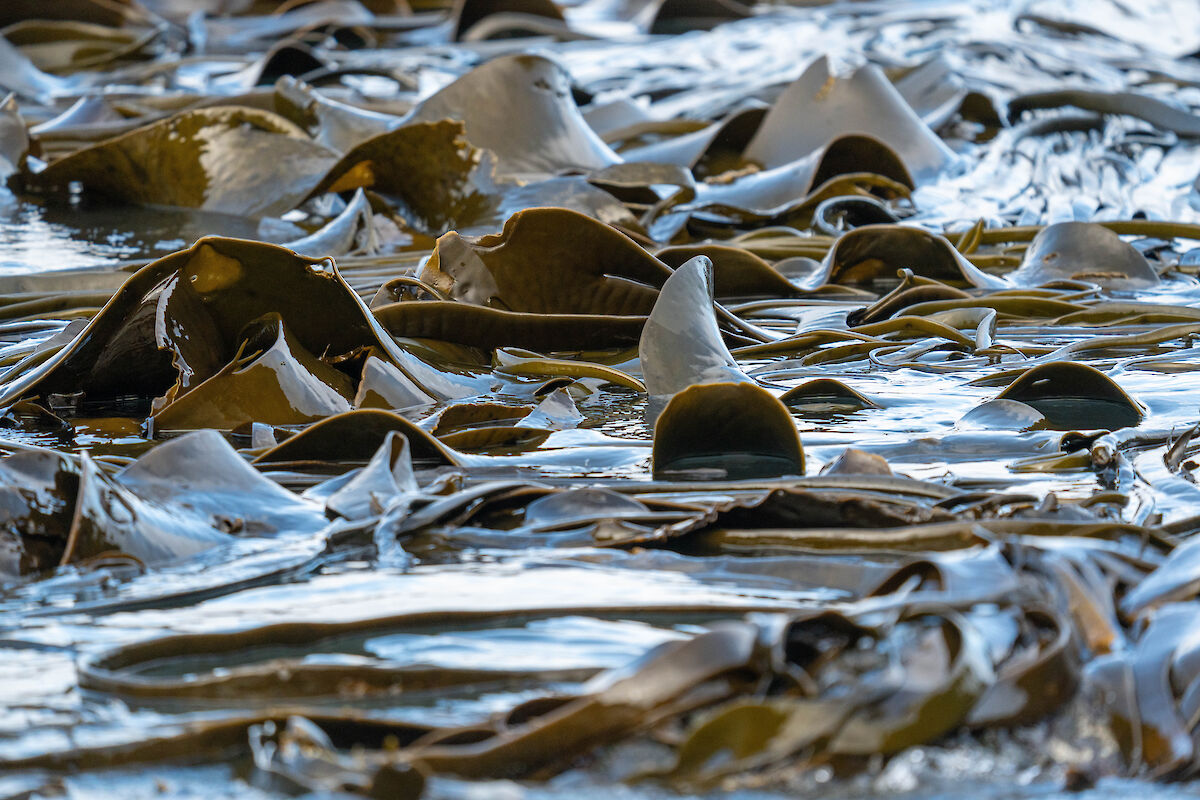
The New Zealand bull kelp is hard to miss when looking below the vertical at Macca, as it lays waiting in the intertidal zone, covering the beaches in its strong, slippery, foot tripping way. And that’s before it starts rotting and adds extra slip and stink risk to unsuspecting expeditioners (especially ones not looking down).
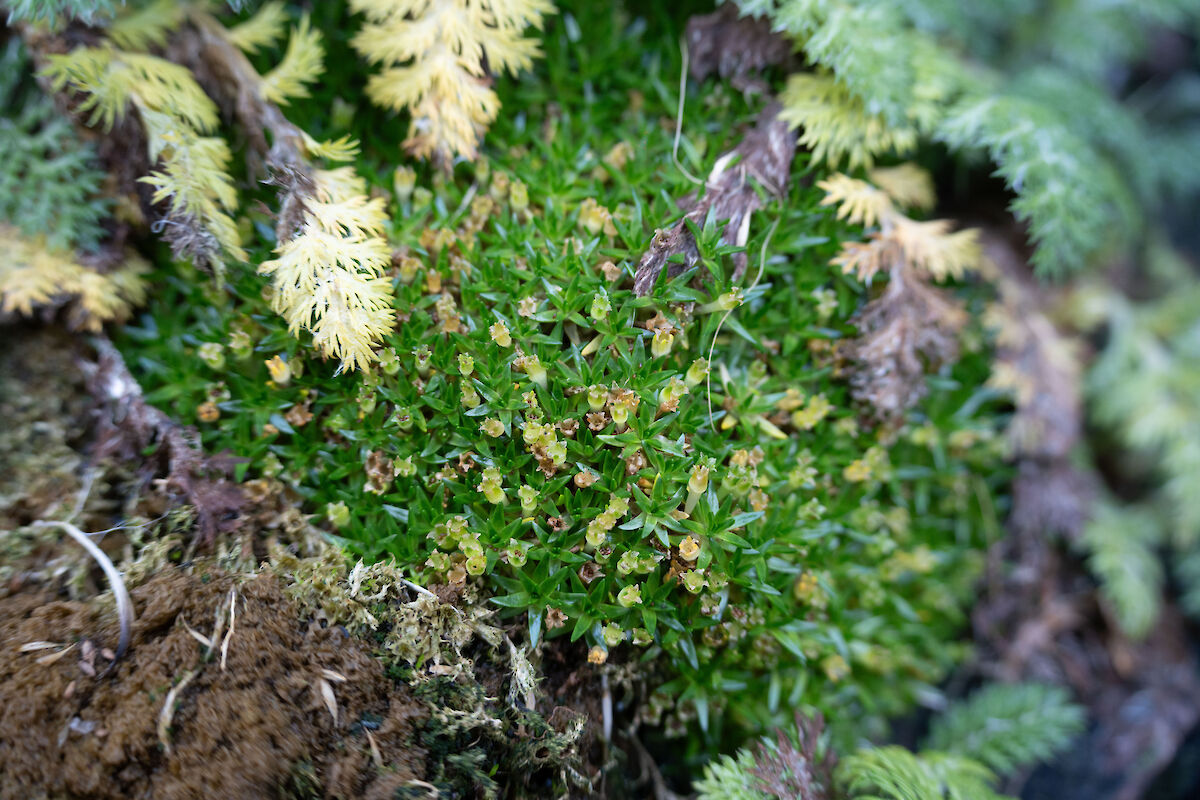
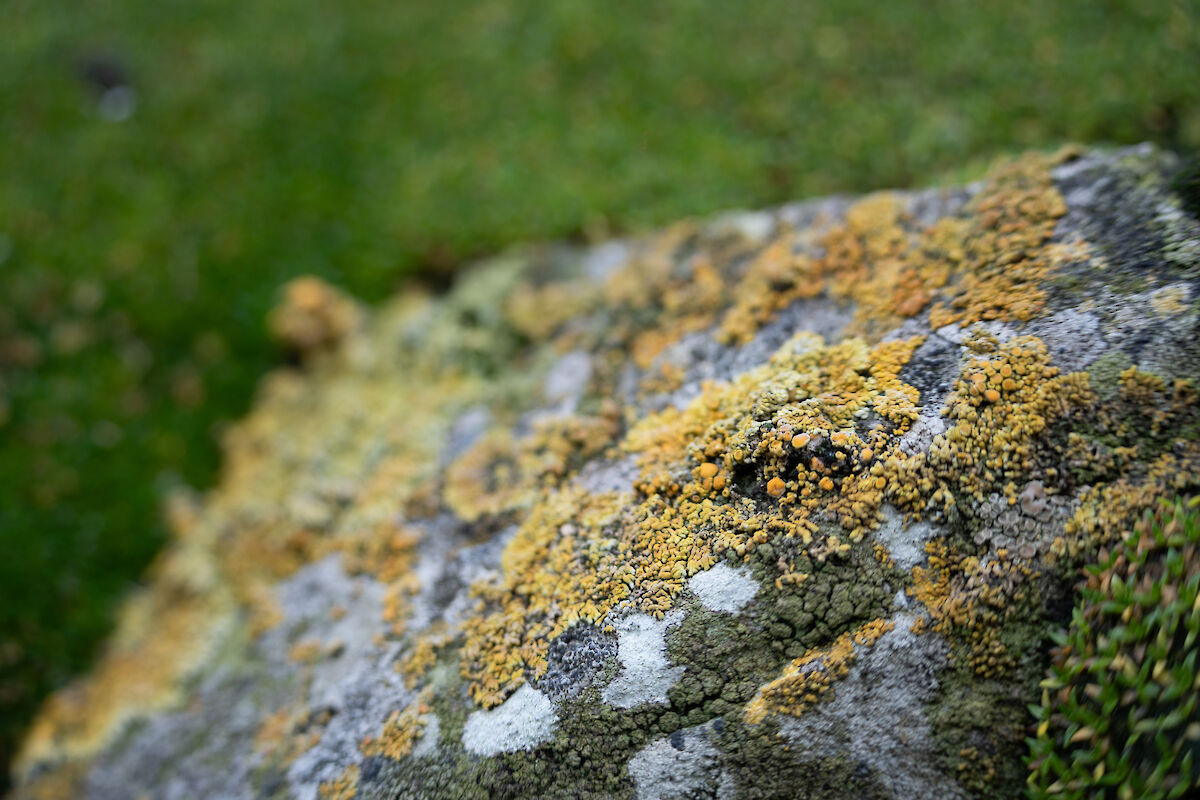
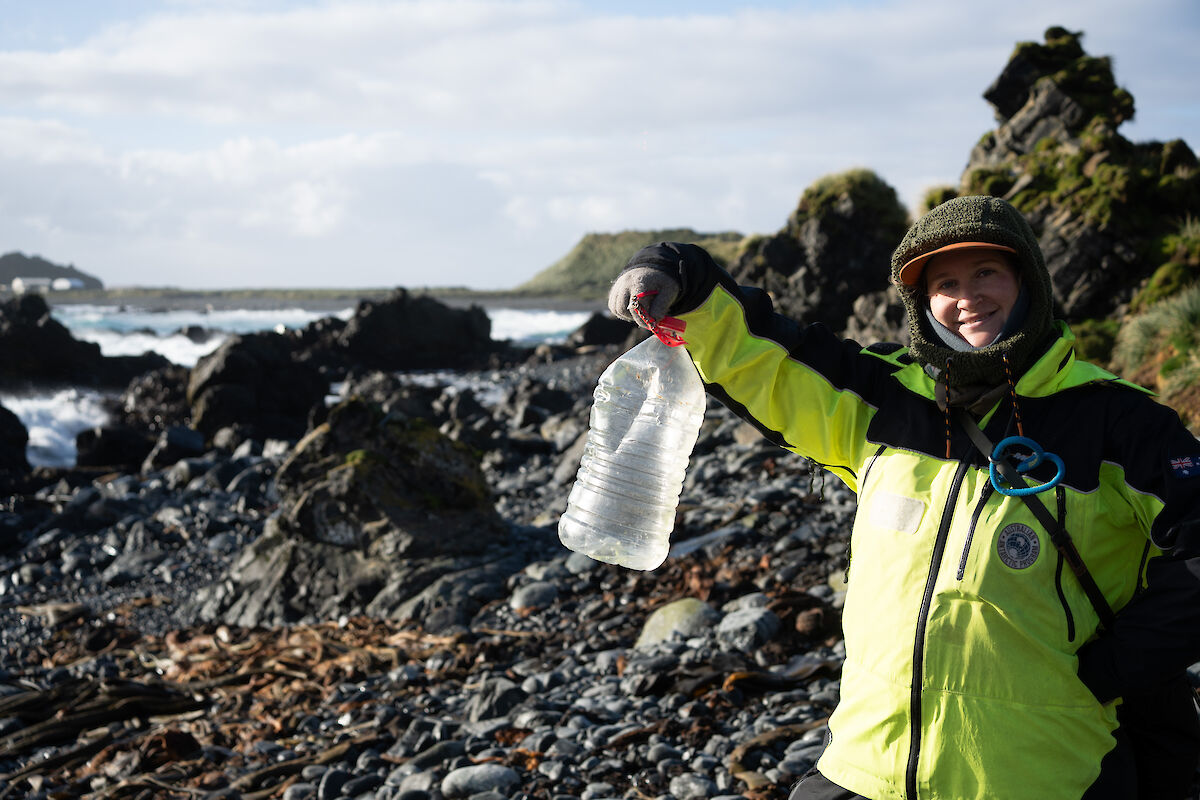
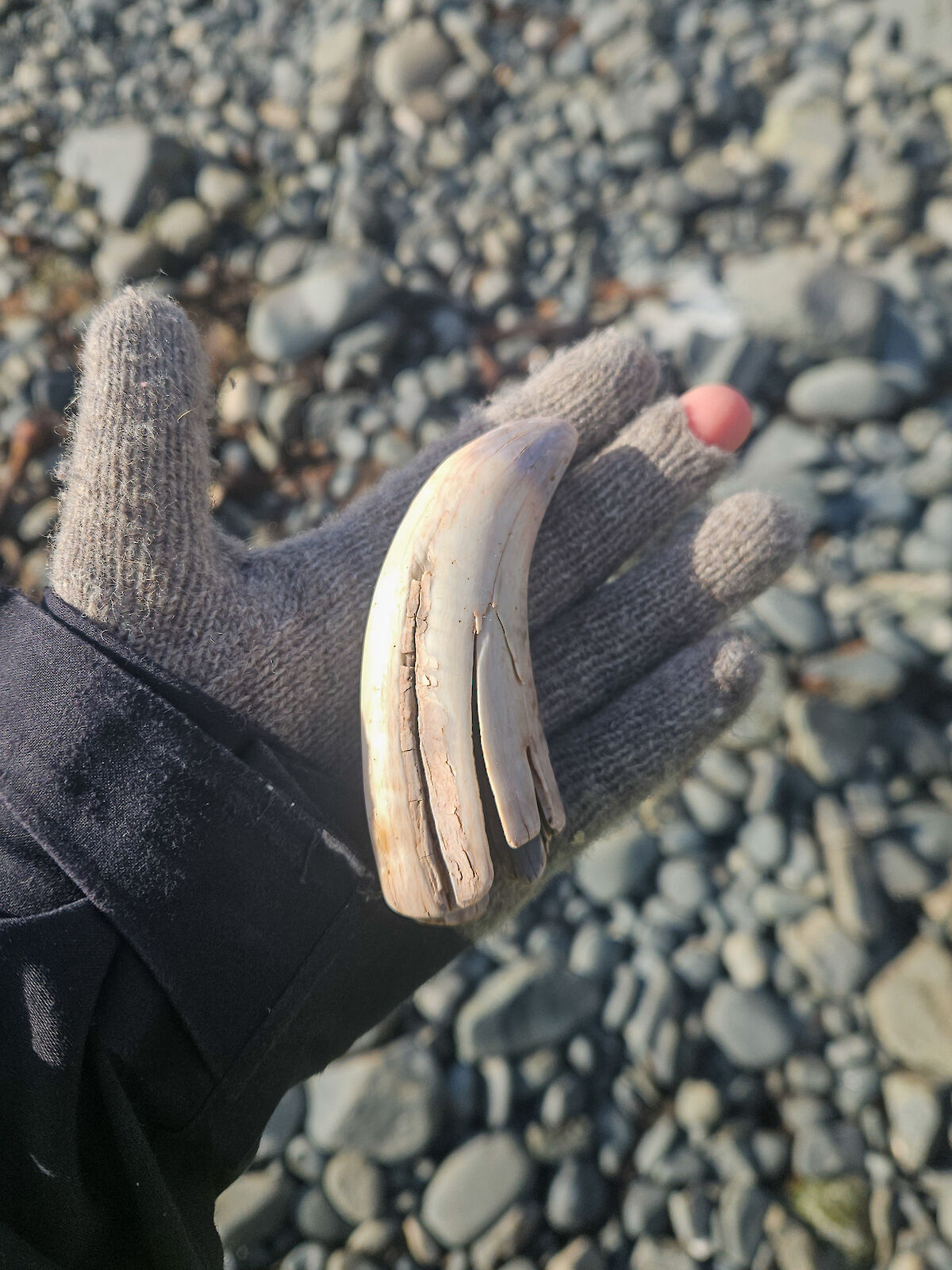
Looking around the kelp, there are many treasures to find. The variety of plants is astounding, some tiny and hidden away, some everywhere. Some things I found brought awe and questions for our incredible team of rangers and wildlife biologists, like a hand-sized elephant seal tooth. Some, a stark reminder that even being 1500 km from Hobart and 1000 km from NZ cannot protect this World Heritage listed island from human garbage. Officially termed marine debris, it washes up on our shores from boats or distant lands so please, PICK UP YOUR RUBBISH!
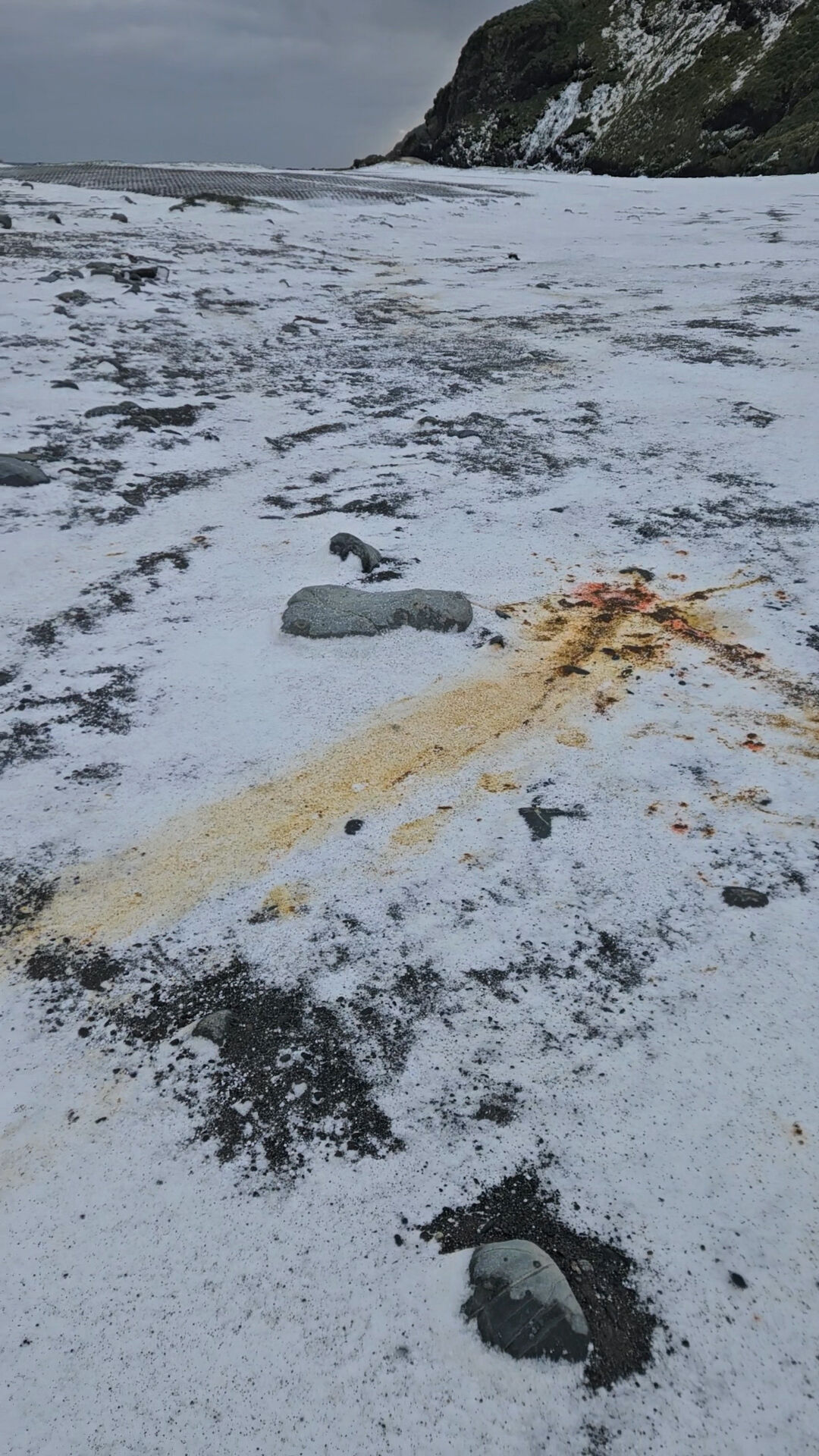
Leaving the beach onto the isthmus, there are penguin tracks and giant petrel prints galore, as well as the elephant seal tracks in the sand. If you are really lucky though, you might see an elephant seal streak! What’s that you ask? Well imagine a robot vac ran over a dog poo in your house and then drove it all around. That’s what happens when the elephants do their business then scoot away - lovely streaks across the isthmus!
After a few big days of wonder above and below the horizon, a visit to our amazing Doctor Ed was in order. I'm now in a neck brace and on strict orders to enjoy the animals and scenery like a normal person and stop being weird and looking up and down all the time.
I had to inform him that now that I had unlocked the secret to the Island, no doctor can stop me looking at my beloved clouds and kelp! Personally, I think he might need to get a few more neck braces ready now that the secret is out.
Until next time, keep looking up!
Sophie (BoM Tech, contractually obligated to look up at clouds)