
Serendipity 3 ways
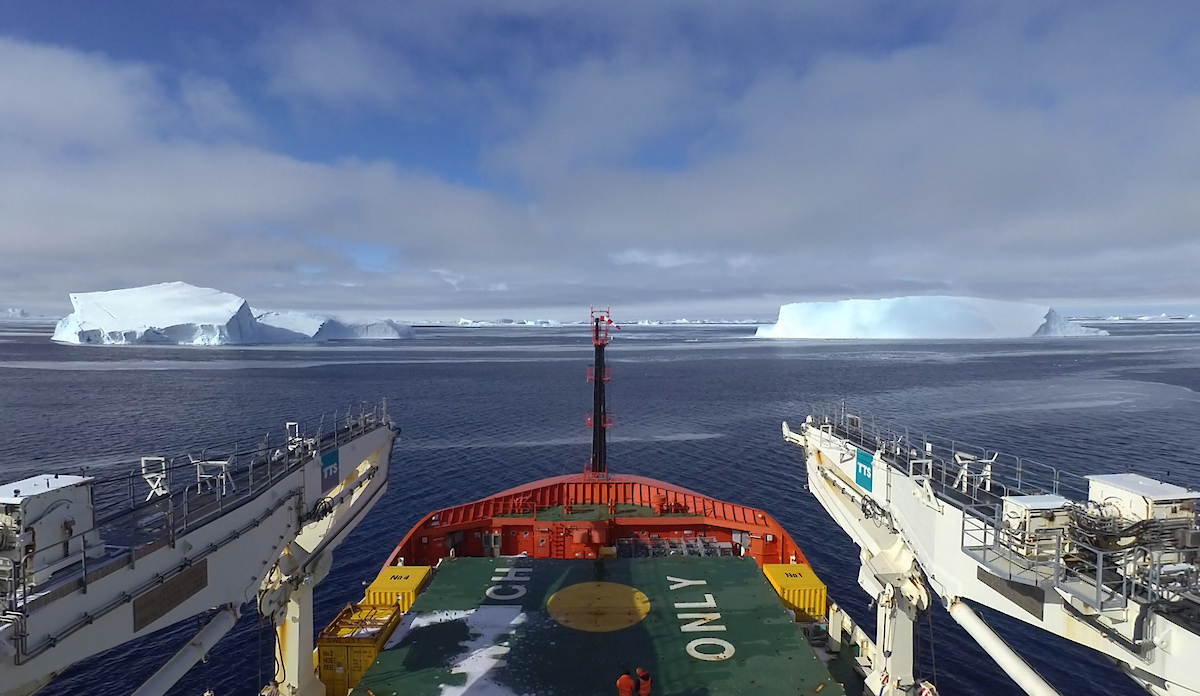
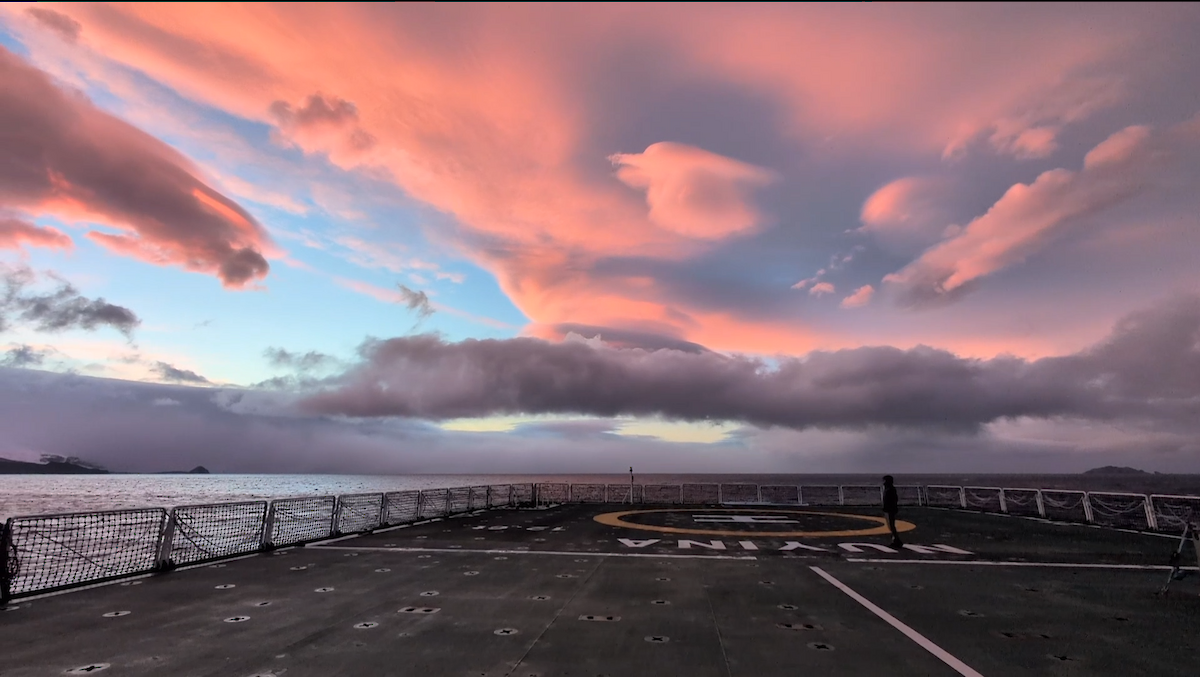
I had never seen the open ocean.
At least, not from aboard a ship. I hadn't the intention to, either. Nor the foresight to even consider the possibility of sailing across it once my Antarctic journey began. It's funny to notice how, upon reflection, the things I was most concerned with, excited for, unsure of, and worried about soon became irrelevant to this experience. In the lead-up to heading South, how I would get there was overshadowed by the threat of hypothermia, isolation, sunless winters and ferocious blizzards. The work and environment would be challenge enough - a test of attrition for the mind and body. But no doubt a worthwhile adventure, filled with once-in-a-lifetime experiences and friends - should I be lucky enough to land a position.
My mind fogged over when the job offer came through, making it difficult to focus during the phone call. But I did register "Davis Station winter" and that I would be taking a long boat ride. Consumed with frantic thoughts about what I needed to get done in order to arrive in Hobart on time for training, I hadn’t the time to reflect on my luck. Right place, right time, right trade, I figured. The first thing I did when I hung up was call a dear friend.
"Are you going to Antarctica?" was their opening line. After a long deep breath, I bleated into the phone: "YES! But I'm going on a ship across the Southern Ocean for a month first! And we're going to an island! Wait, what was it called?"
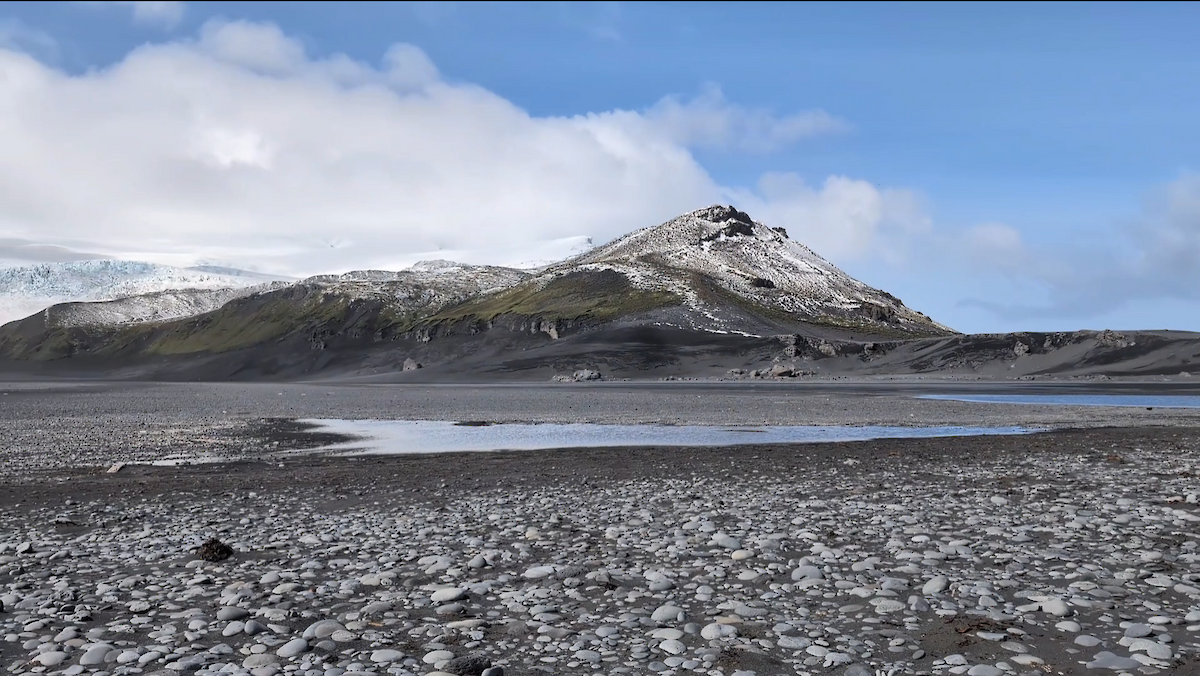
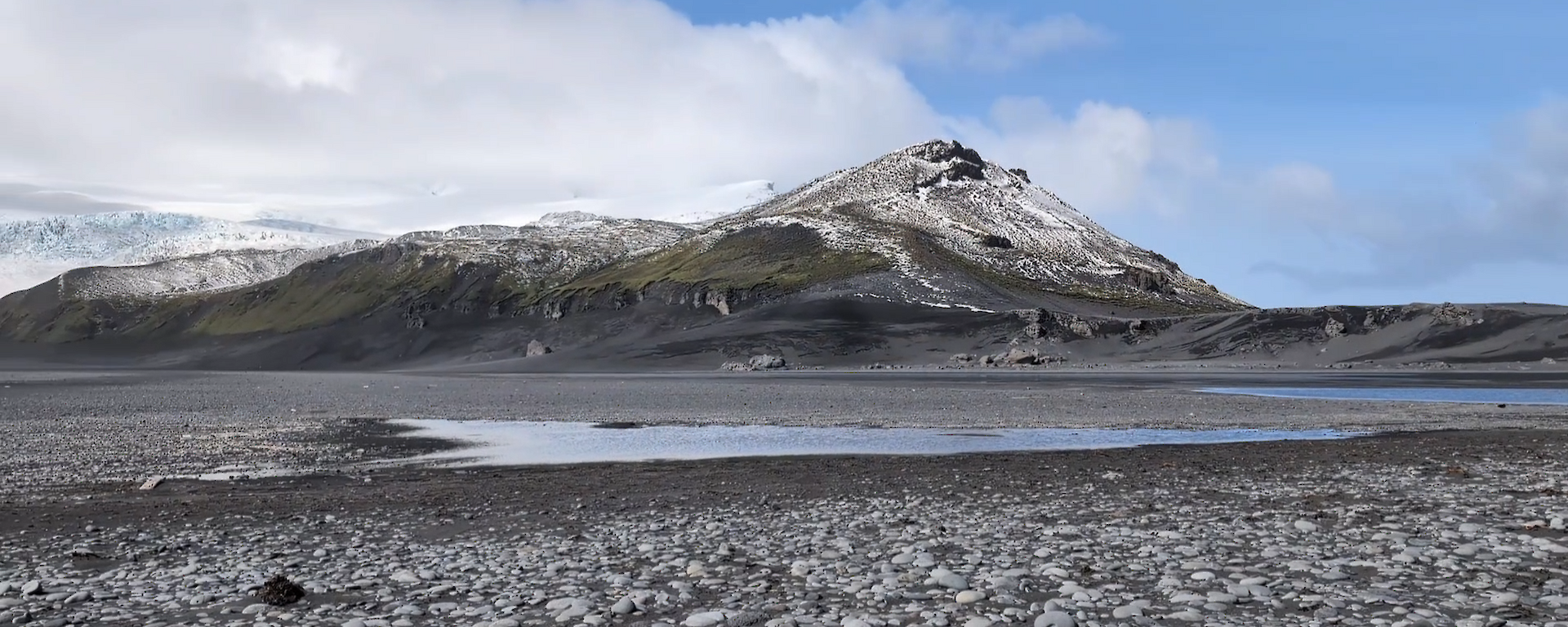
I had never even heard of Heard Island.
But I knew it was special. I knew because the moment I landed in Hobart, everyone I met from the Division was telling me how lucky I was. Not only because I was a part of the voyage that was visiting Heard, but also because I wasn't going only as a spectator. As a part of the HIMI (Heard Island and McDonald Islands) project, the Division was aspiring to heli-lift a temporary shelter on to Heard Island, which would be set-up and commissioned by a small team - me being one of the members.
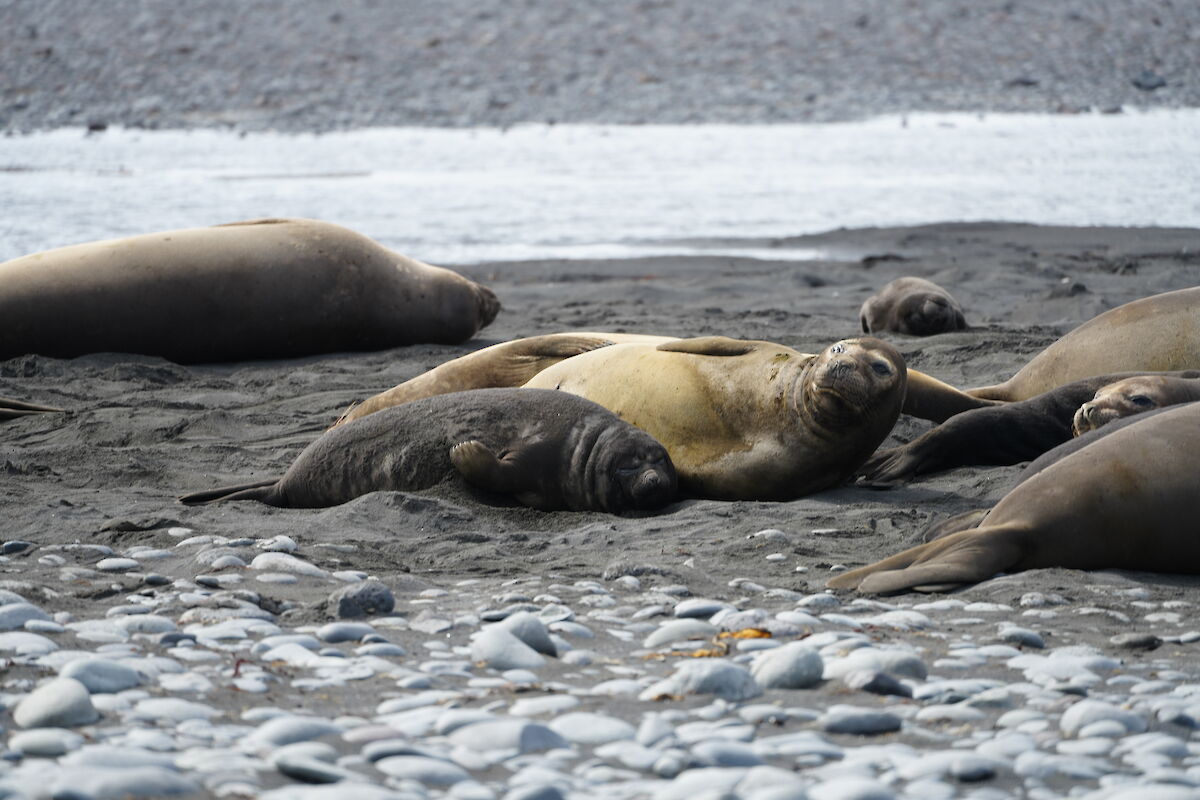
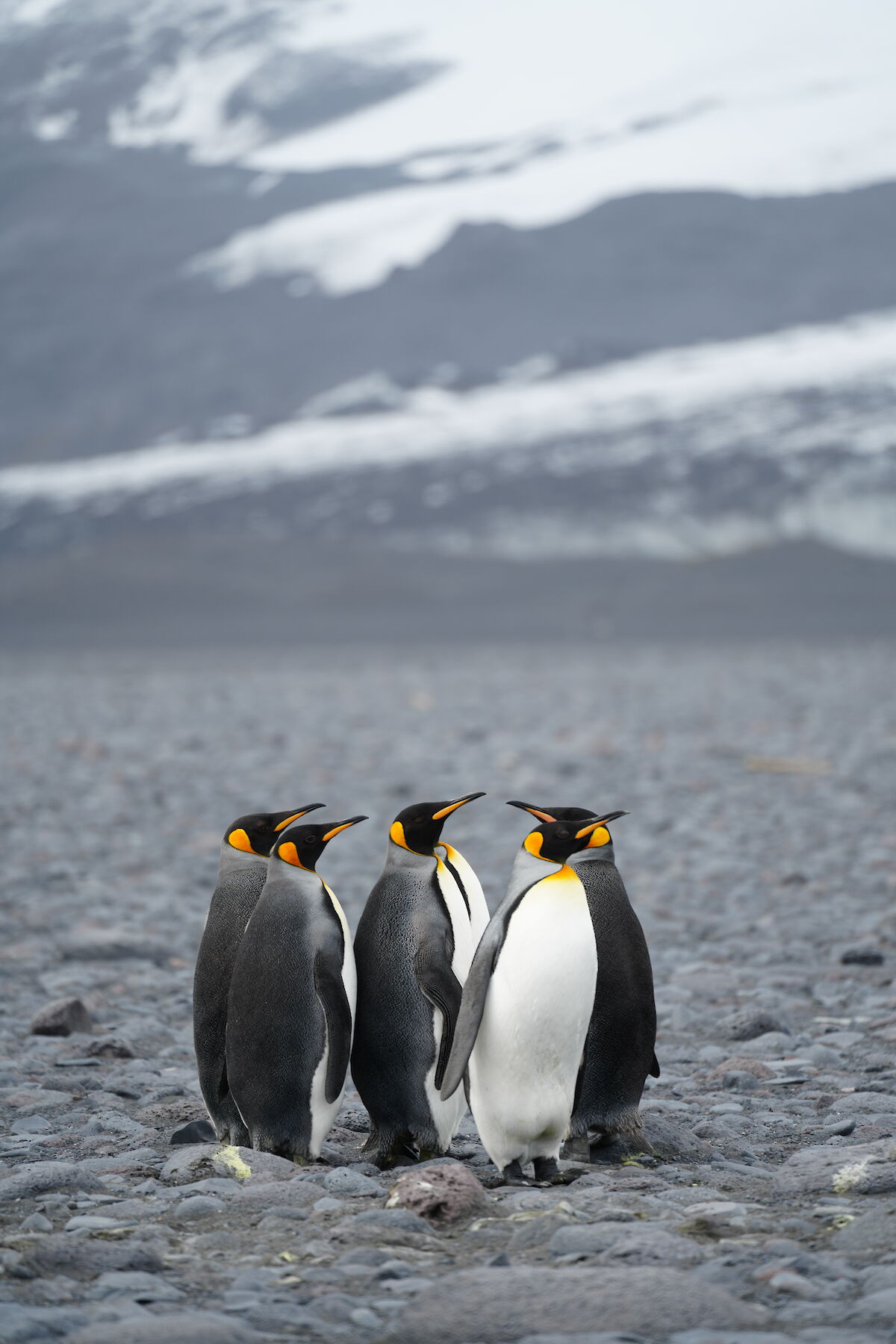
Despite all the training and preparation for the task, the voyage had many complications. But it was ultimately a lack of a weather-window which meant setting up the shelter wasn't feasible, or a priority next to the many important operations planned. So, I almost didn't get to set foot on the island. But one of those other operations was bathymetric mapping of the coast, and that required a few extra hands to manually carry heavy drone batteries long distances. Something that, perhaps, a carpenter would be useful for. Right place, right time, right trade.
I never would have visited Hop Island.
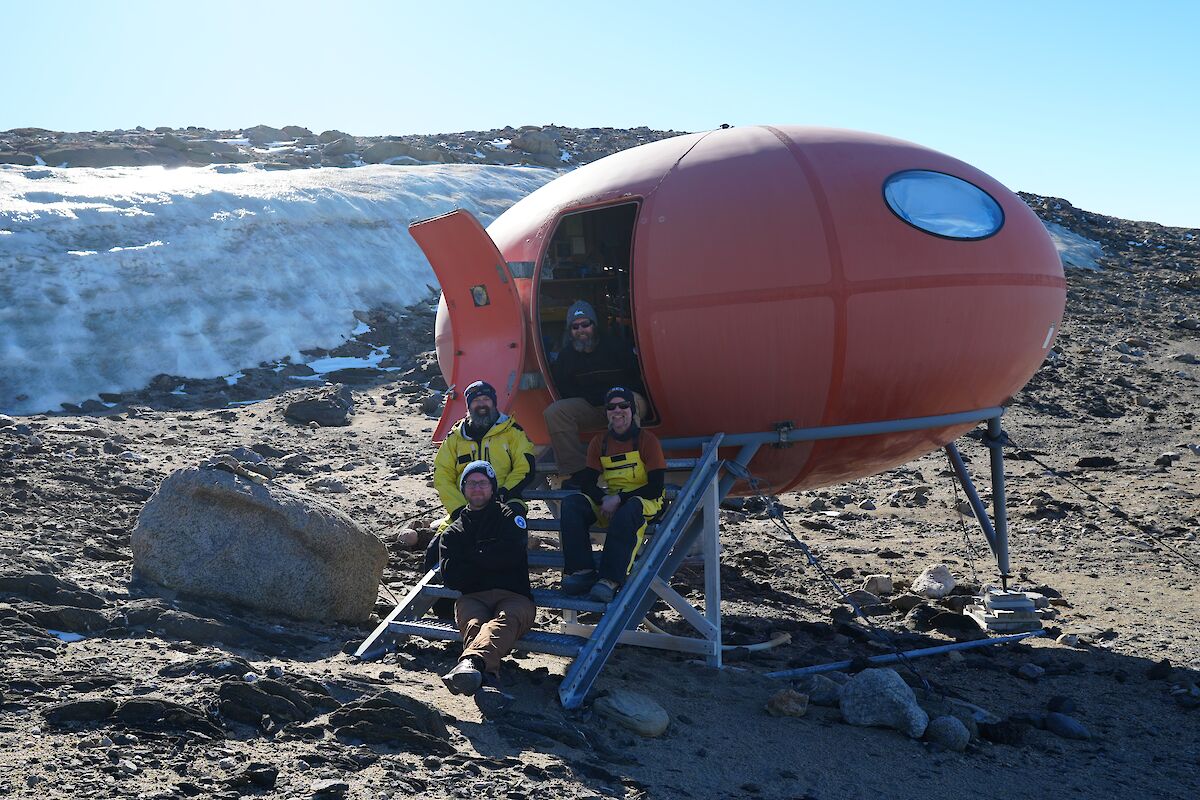
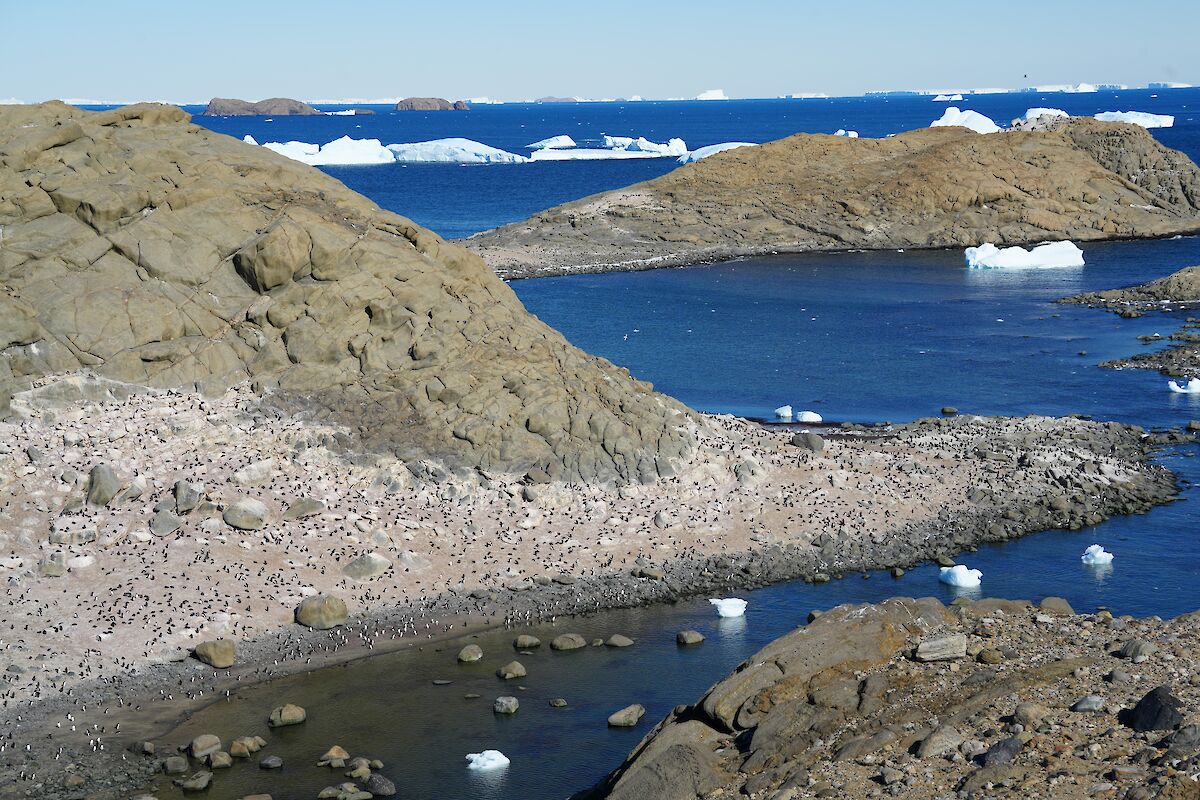
Just by happening to be a carpenter at Davis this season, I was picked to accompany a few other trades performing some TLC on the Hop Island "Googie". The "Googie" is a small refuge for scientists who seasonally monitor local sea-bird colonies. Without helicopters, visiting Hop Island is considerably difficult, so the refuge falls by the wayside as far as quality-of-life updates are concerned.
However, the 79th ANARE, armed with the best helicopter pilots this side of ‘60 degrees south’, frequented Hop Island this season. Not only for bird observations and science projects, but to ensure it endures for the foreseeable future. Our maintenance operations included a gas update by Adam Humphries, an electrical update by Peter Morris, a rejuvenated tie-down array by Cam Bennet and the installation of some new furniture, courtesy of legendary Antarctic craftsman Ray Chivas. By being the able-bodied carpenter on station, I was afforded the opportunity to board a helicopter ride to yet another remote island, teeming with wildlife. Right place, right time, right trade. After the works were completed, “Some sightseeing, anyone?”.
I almost never became a carpenter.
- Sean Lewis, Davis Winter Carpenter, 79th ANARE.