
What Does Antarctica Sound Like?
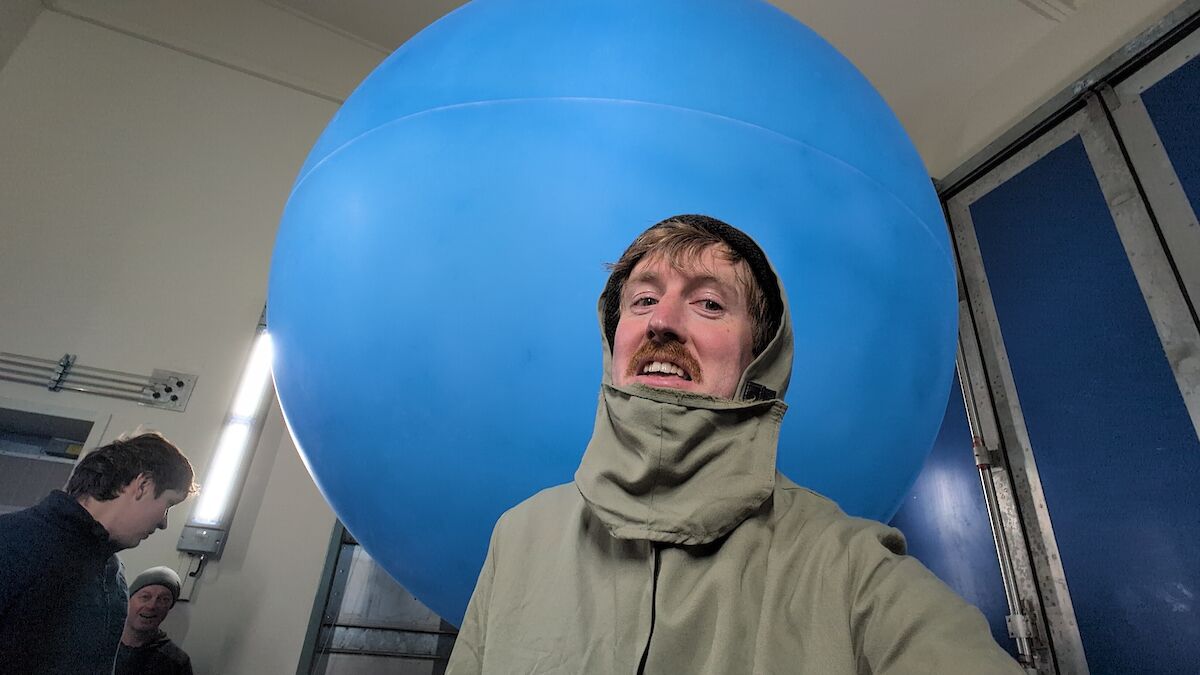
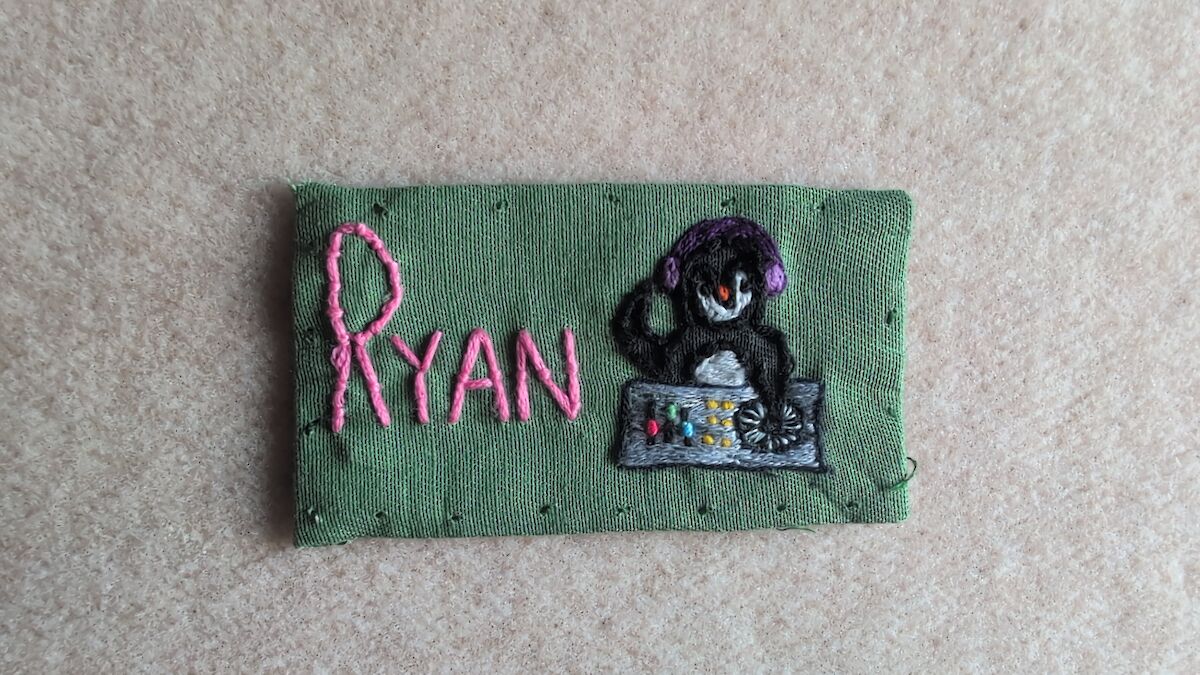
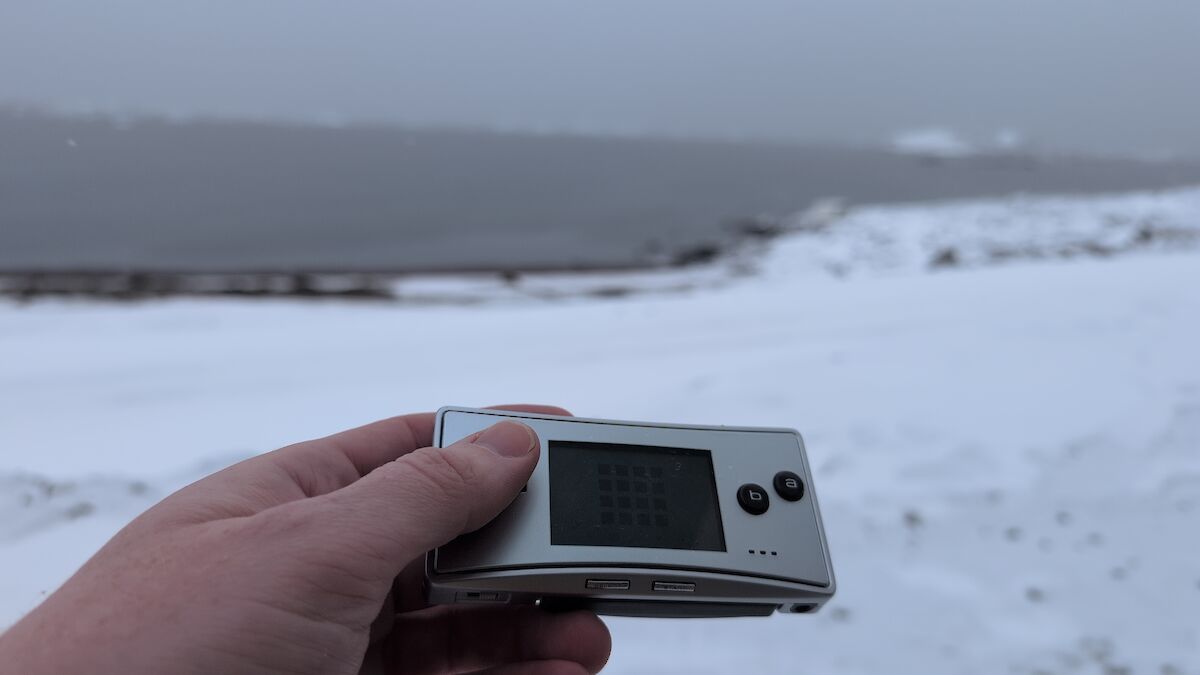
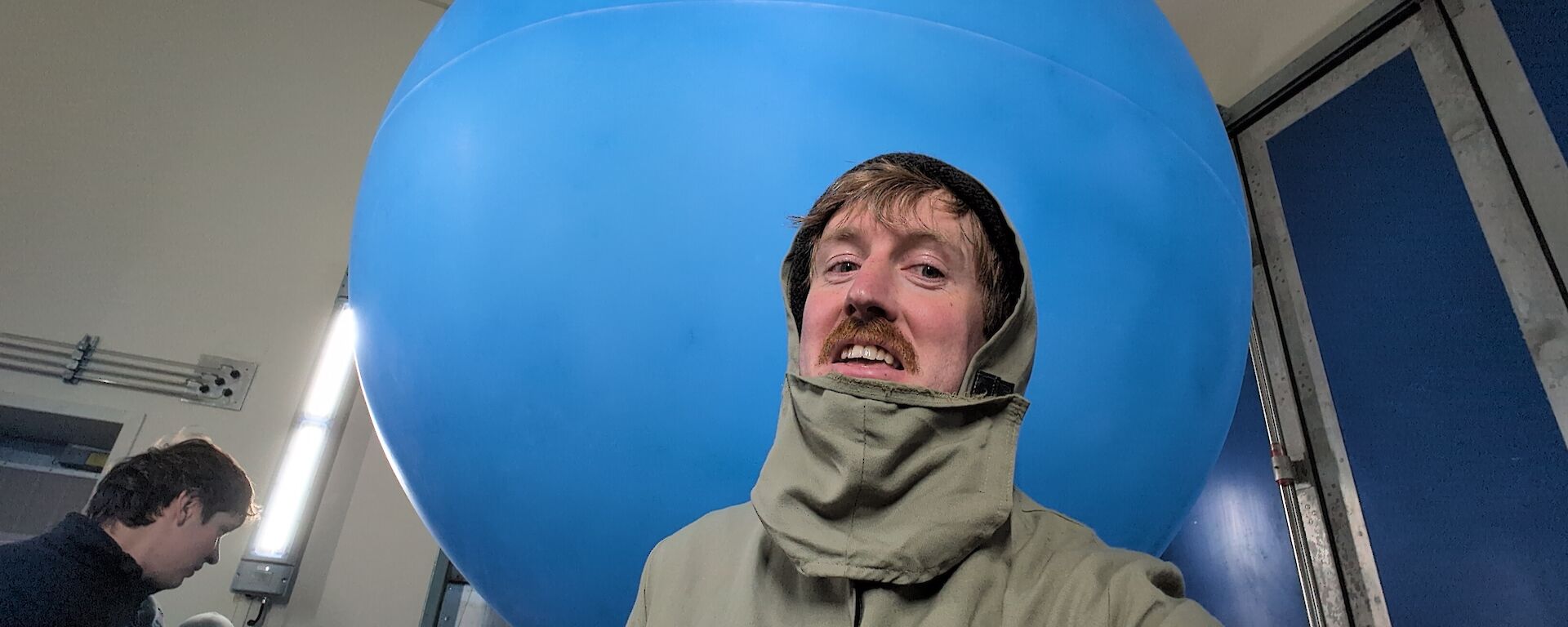
Before I get carried away, my name is Ryan. I am an audio boy. I studied audio engineering before becoming a telecommunications (radio) technician and have always obsessed over music and audio recording. I make music with a Gameboy, fiddle around with ‘real’ musical instruments too, and like to DJ on the occasion. One of my favourite ways to experience nature is to take my recording equipment on a hike and record the sounds around me. Audio is my passion.
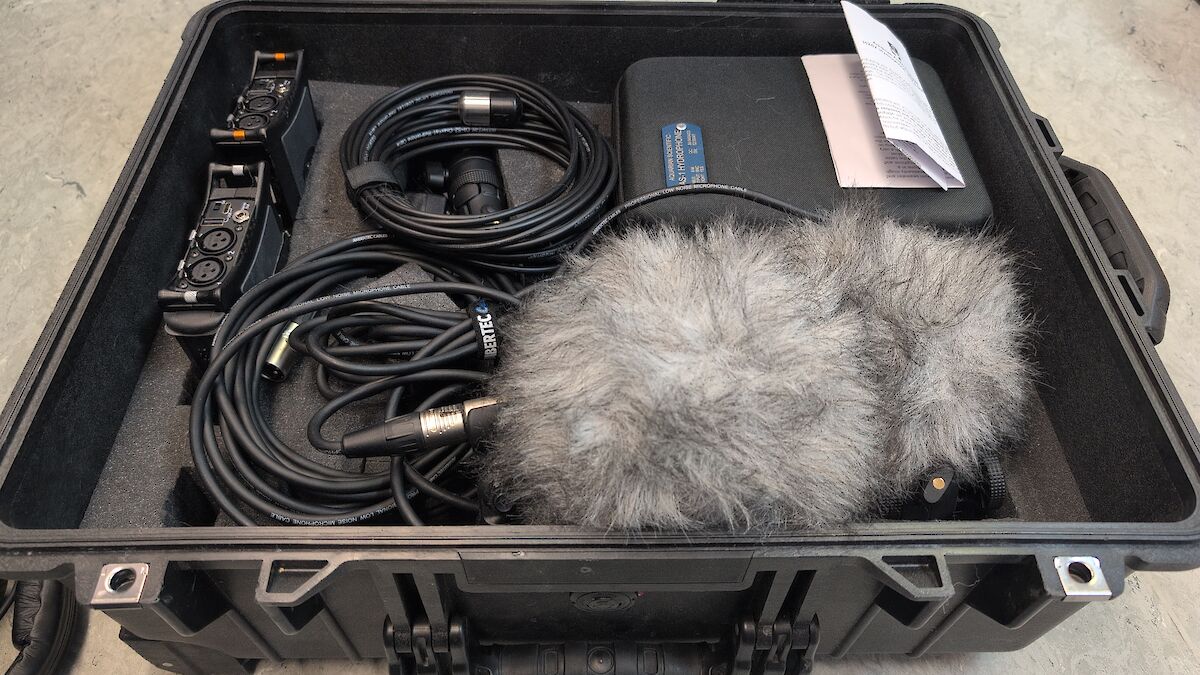
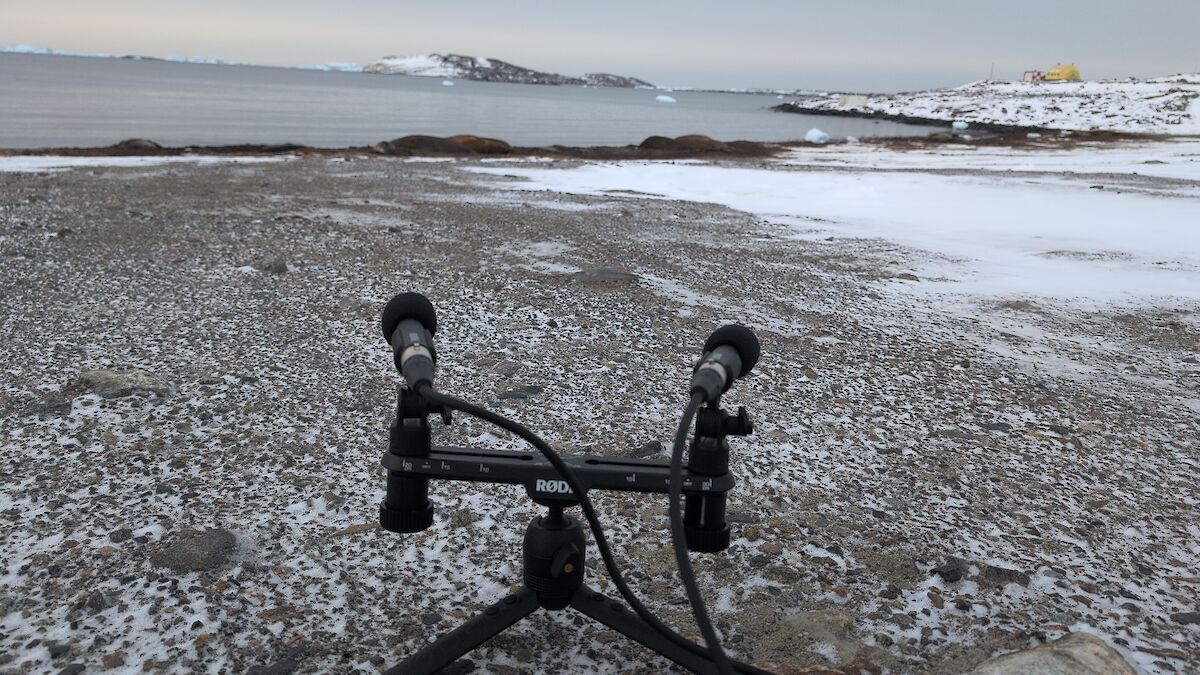
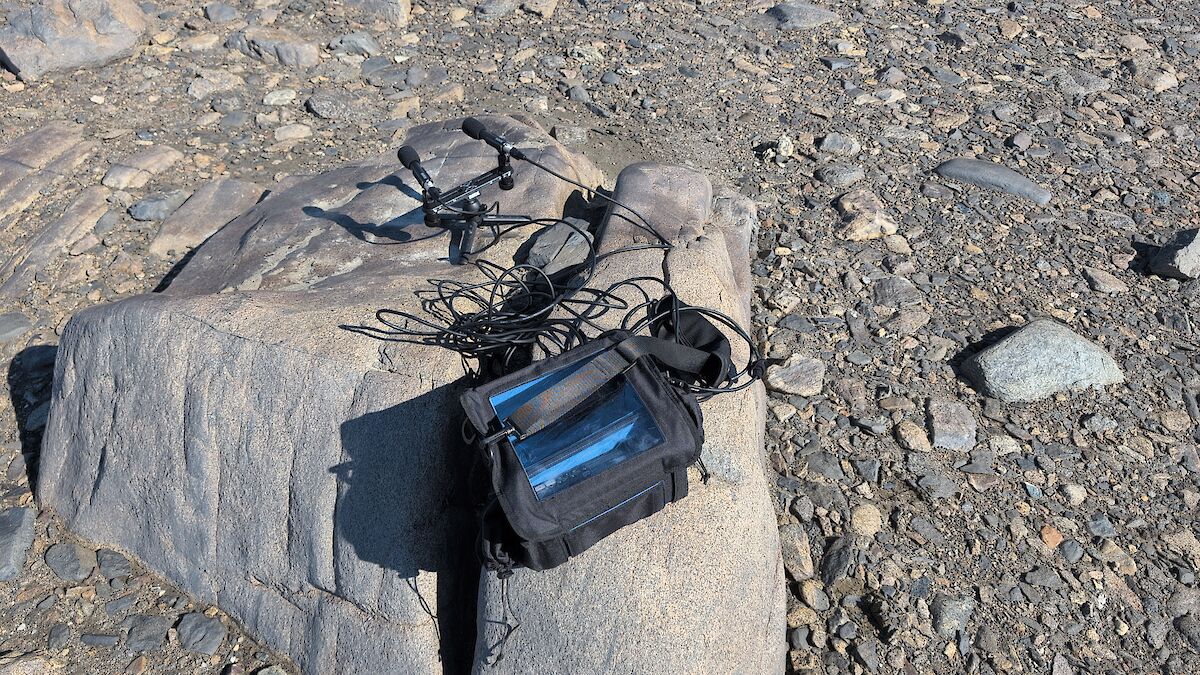
In those months leading up to Antarctica, I planned what recording equipment I would need. I wanted to take a pair of microphones so I could record something that would sound great in headphones. I would definitely need a recording unit and some SD cards, and I could probably use a tripod too. What else would I need for the conditions? I figured I’d need some windshields to prevent the unwanted sound of wind in my recordings (they’re lovely fluffy things but unfortunately the really large ones are called dead wombats). I’d probably need some rechargeable batteries and some way to keep them warm. What could I live without? Perhaps I’d like to record the sounds of seals and ice from under the surface of the water. I’d need a hydrophone (a sort of underwater microphone).
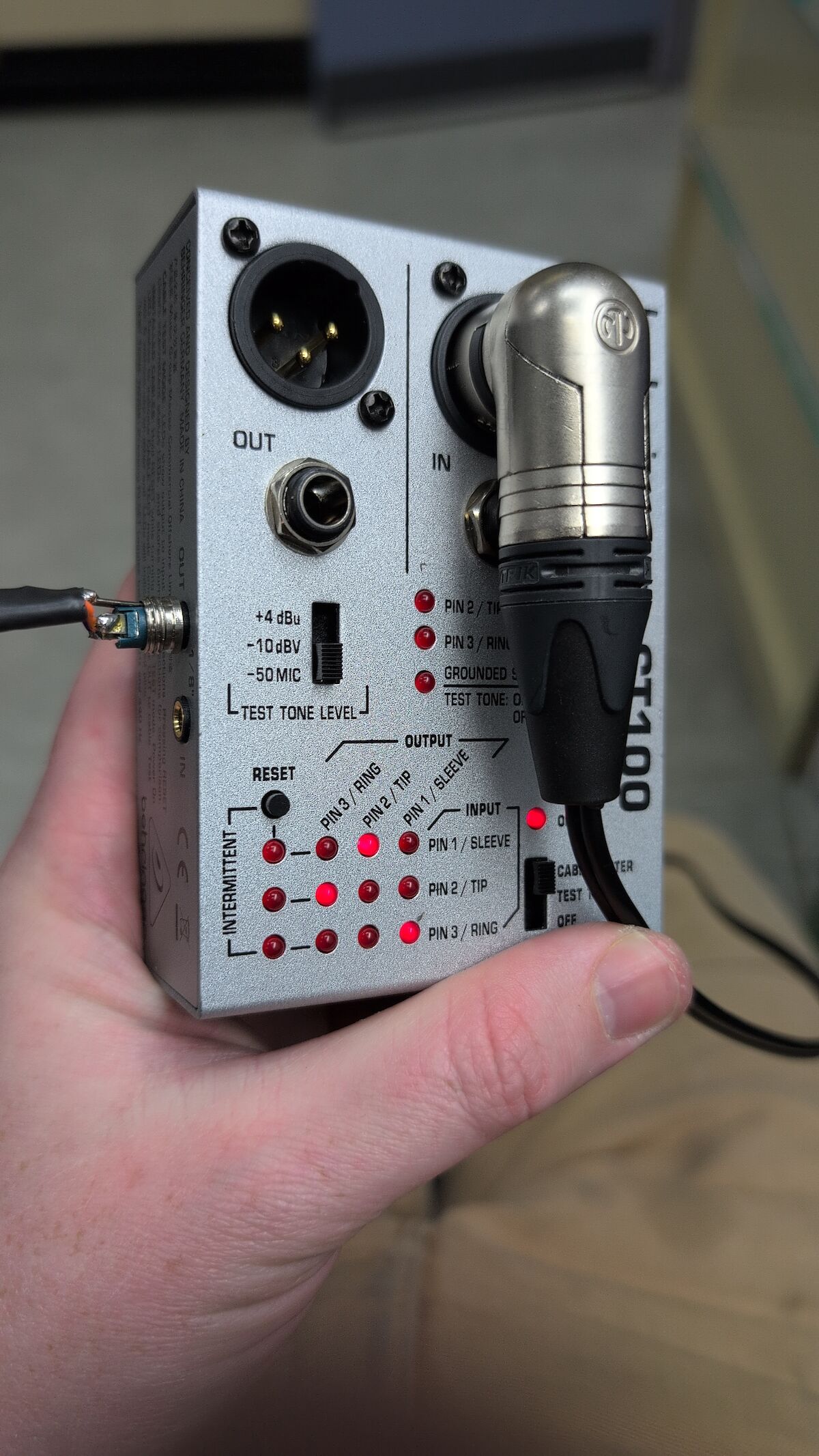
I researched hydrophones obsessively. I learned that they were expensive. Too expensive. I researched how to make one. I researched some more. I read scientific papers. I learned of their use in marine mammal research and aboard the RSV Nuyina. I learned about towed arrays and how to reduce drag, specific gravity, acoustic impedance, the piezoelectric effect, and the influence of temperature on a sound medium. I re-familiarised myself with analogue electronics and started to design a hydrophone. Electronics is not so difficult for a comms-tech but making a mould had me stumped. I put the project on the shelf with all my other half finished works and hoped to be invited back for another season where I might use it. The right thing to do was to focus on the essentials and get packing.
With bags now packed and dreams about to be realised, we set off from Hobart Airport on our way to Wilkins Aerodrome. We did yoga on the flight and practised our breakdance moves (well at least I did). We watched the pack ice formations and chatted amongst ourselves, full of glee. Before long we returned to our seats and prepared to land. A smooth buttery landing that wouldn’t wake the lightest sleeper. We were on the ground being taxied to our stop. Something was mentioned about it being cold outside but I guess that’s to be expected.
Stepping off the plane was an overwhelming experience to all the senses. The air was cold and crisp and exciting. The wind was dull but it whistled around the foreign objects reminding me of the desert that Antarctica truly is. The sound of our shuffle and the mushing of the snow underfoot was a real treat. I reminded myself to pay attention to the sounds of this place. I might never have the opportunity to hear these sounds again.
To support our Antarctic science, we require Antarctic machines. If you’re on station you’ll hear the low hum of the generators that keep us warm and light our buildings through the long winter months. You’ll hear the various vehicles from the agricultural Hägglunds as it tractors around station cutting through the snow, to the trucks, utes, and light vehicles. Imagine the sounds of farm machines ploughing though snow and mud. If you’re lucky enough to take one of these vehicles for a spin, you might even hear our local community run radio station, Slushy FM (ICY FM). An eclectic set of music tastes on a rotating schedule to keep us tuned in.
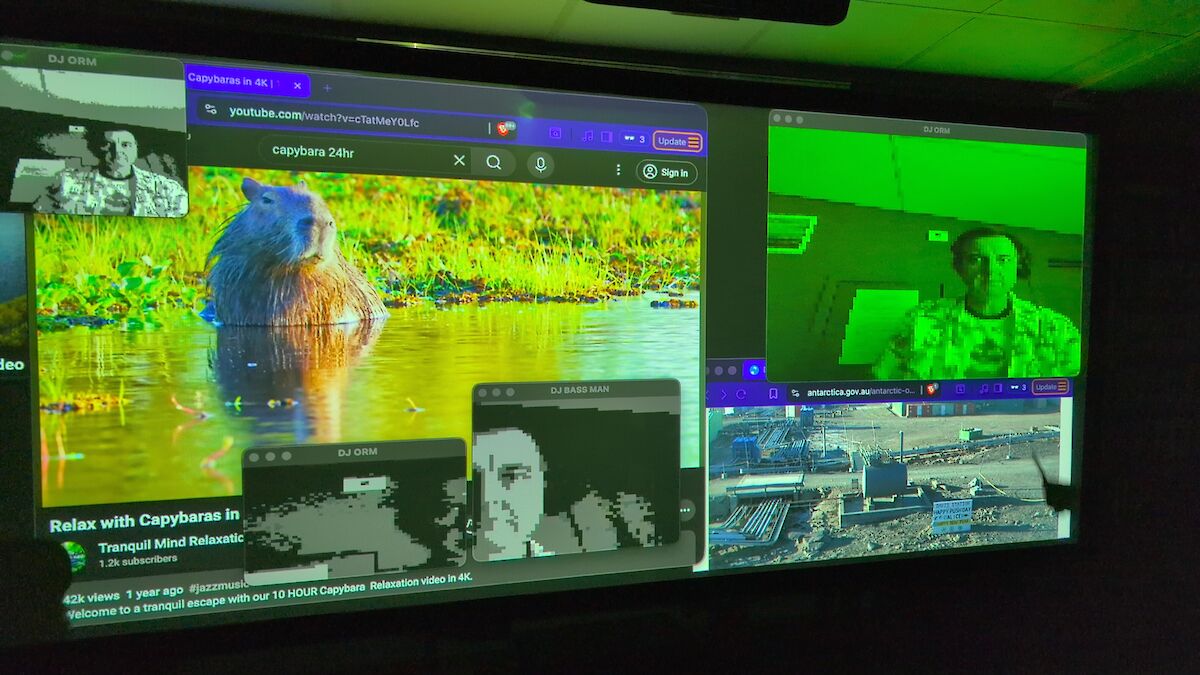
The common areas are populated by the sounds of the expeditioners. You’ll hear the sound of the coffee machine start the day as it sputters to life. You’ll hear folk fighting to get to wash the dishes (you read that correctly), laughing, and sharing stories from the day. You’ll hear the commotion of the kitchen where the chefs rule supreme and the volunteers are like superstars. You’ll hear the clack of billiards, the ping of a pong, and the thunk of a dart. You’ll hear music and movies in the theatre and low voices in the library. If you stay up late enough you’ll hear karaoke (an absolute station staple) and perhaps a DJ set from the famous DJ Orm or yours truly.
The sounds of the weather and the winds are something else. While we anchor down our smaller expeditioners with our larger ones, winds will rip through station at breathtaking speed. These strange pressure differentials in our entranceways often have me paying attention to my ears. Air is sucked through the air lock and heavy insulated doors thud closed. A benefit of insulating against the cold is an insulation against external noise. The buildings can be quite comfortable when you’re watching your coworker get blown down the road. I think however, that my favourite weather related sound isn’t a sound at all. It’s the silence that comes with the snow fall. Heavy snow in the air hangs like a blanket, absorbing all the usual sounds and creating silence. The sound of the generators and the waves lapping at the shores can completely disappear. I have never felt so at peace.
While I miss the sounds of wind rustled leaves and Australian song birds, you don’t have to walk far to hear some of the most interesting sounds nature has to offer. Our resident Adelie penguins coo and call each other when one lags behind their troop. They wail and warn that you’re too close when you accidentally come around a corner into their moulting zone and make some very cute noises when they’re huddled together. Skuas on the other hand seem to create sound in those that they harass. Are they curious, territorial, or do they see us as dinner? Regardless, you’ll often hear us warning each other as one comes in for an uncomfortably low inspection.
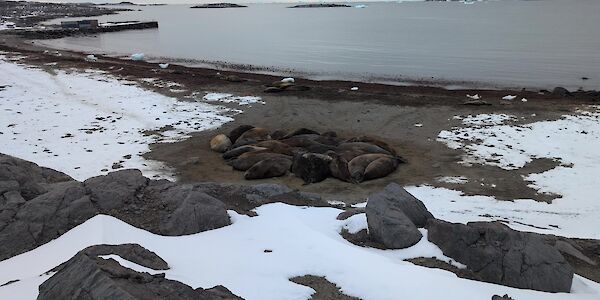
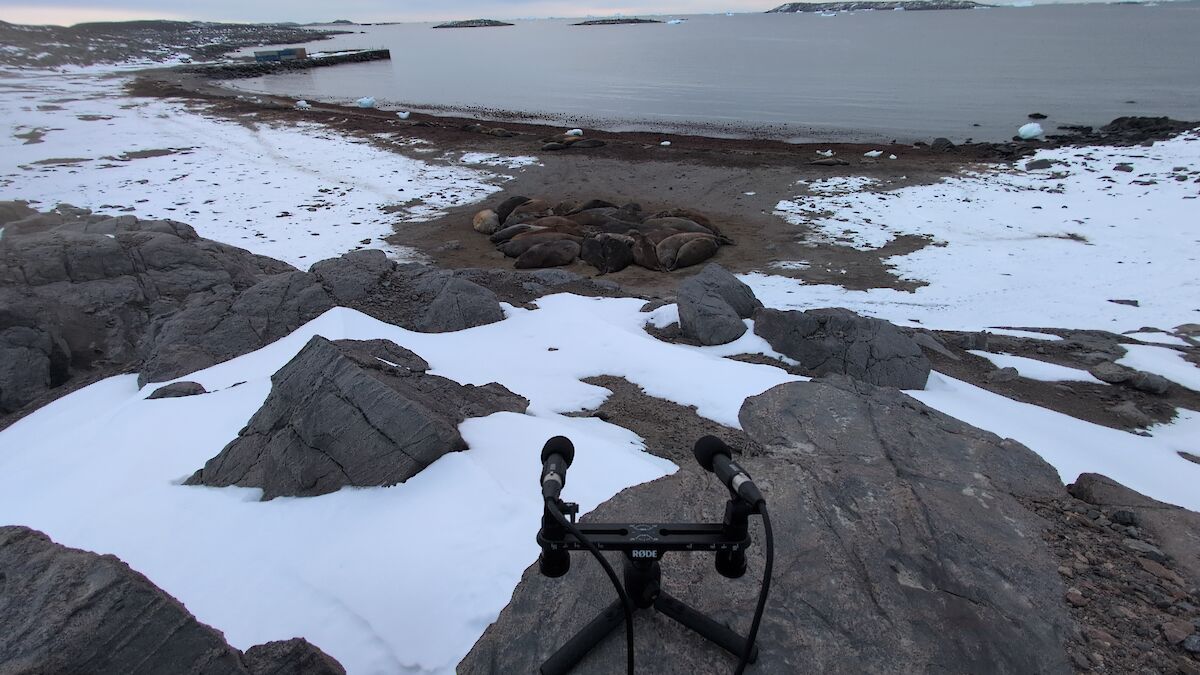
Amongst all the awesome sounds of Antarctica though, there is one clear winner right on our doorstep too. The elephant seal. Davis station is most fortunate to have these hulking neighbours come in and camp with us. Our colony of seals perform a daily symphony of sounds that can only be described as belching, burping, and farting. As gross as this sounds in writing, these wonderful creatures can produce some incredibly loud and low vocalisations that I know I will miss. The wobbly calls bounce off the buildings around Davis and can be heard from all around station. For you the reader, now listener, I have recorded the sounds of our locals snoozing on the beach in their colloquially known ‘cuddle puddle’. Please enjoy the sounds of our seals, the ocean, and the snow. I’ve added some other sounds you might find interesting too. Ciao for now!
Yours truly, Ryan Ritchie