Three vignettes of life at Davis.
The depths of the Vestfolds
Electricians of seasons past may have use this forum to describe generators spinning around th,rowing electrons down the distribution ring main, ending up in switchboards, eventually making the lights emit photons and keeping everyone happy. I however have an abstract of the Vestfolds.
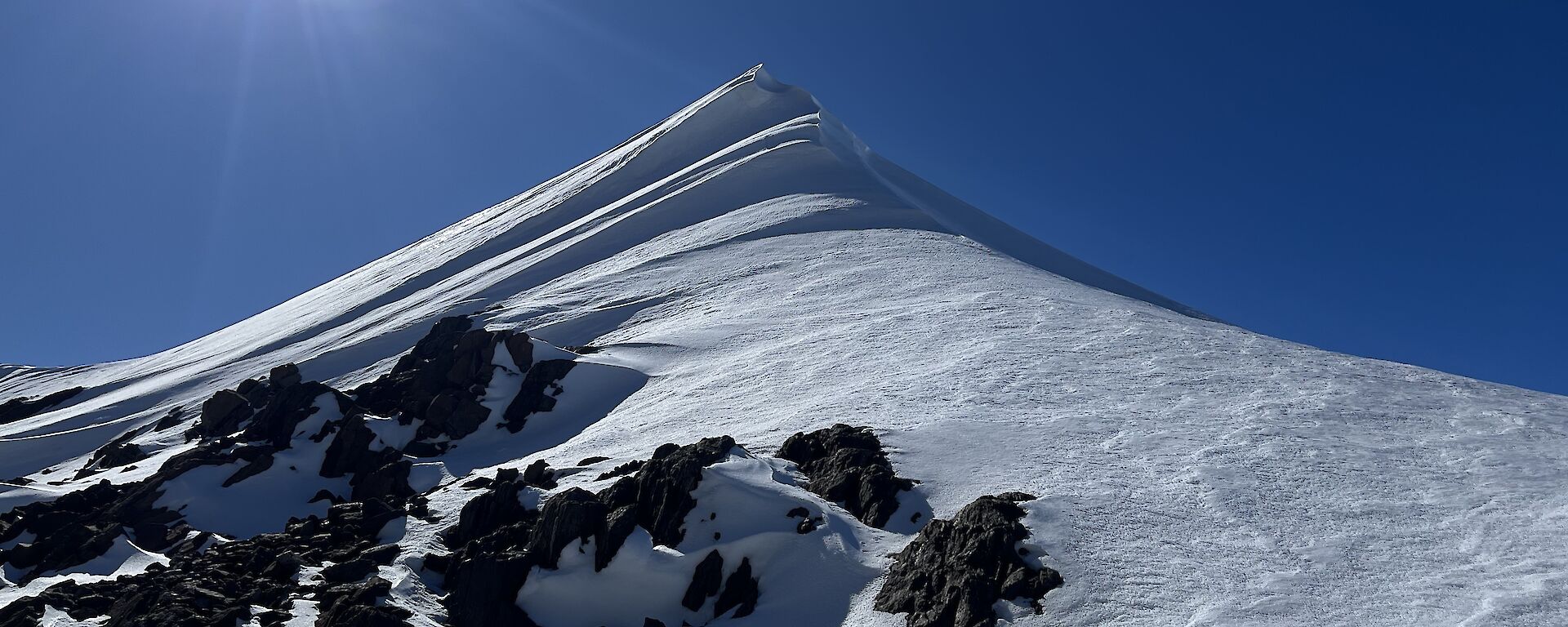
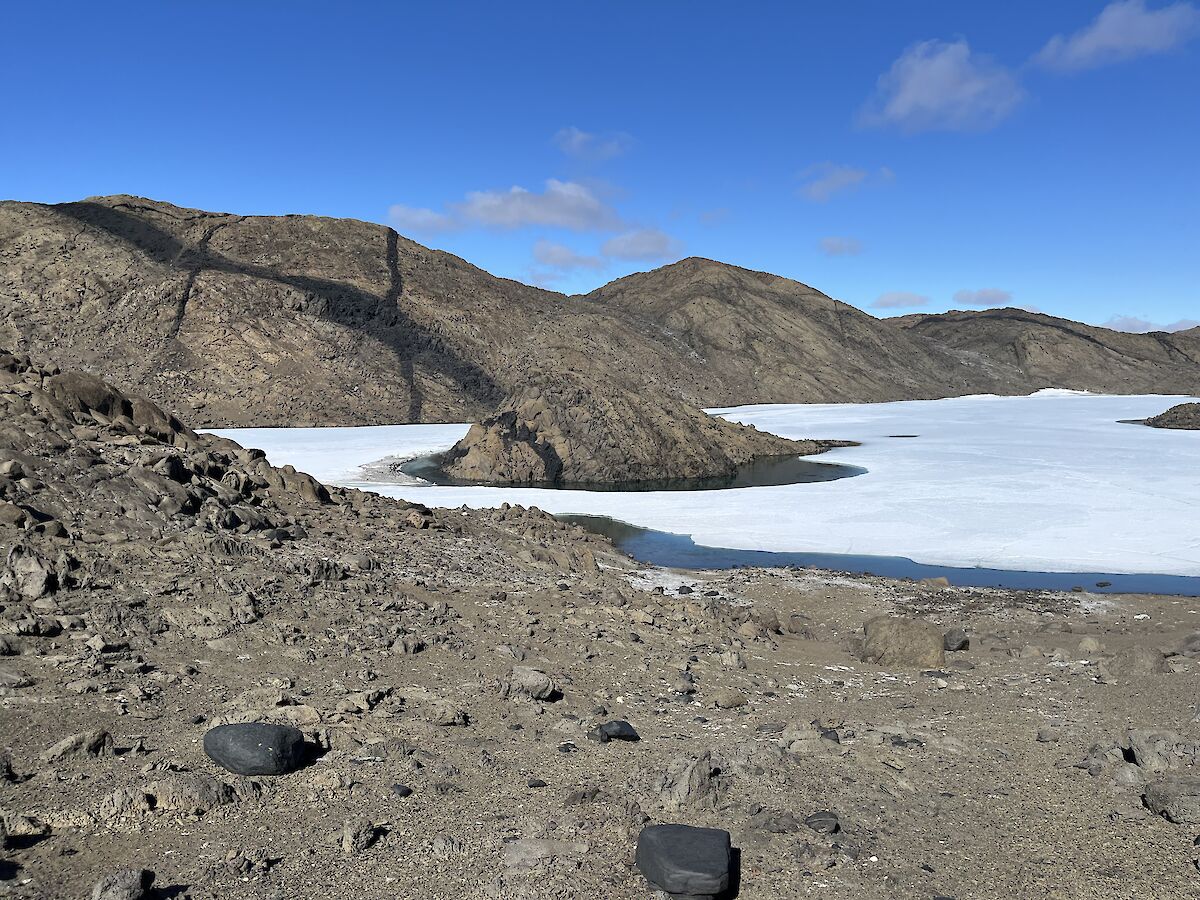
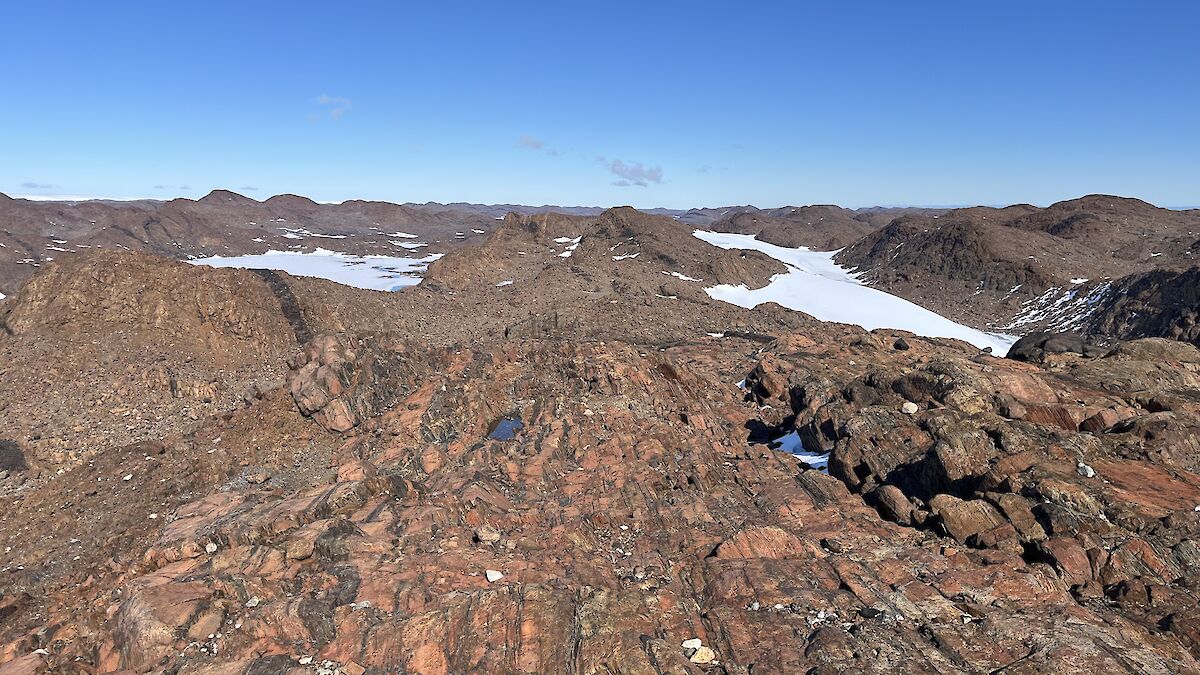
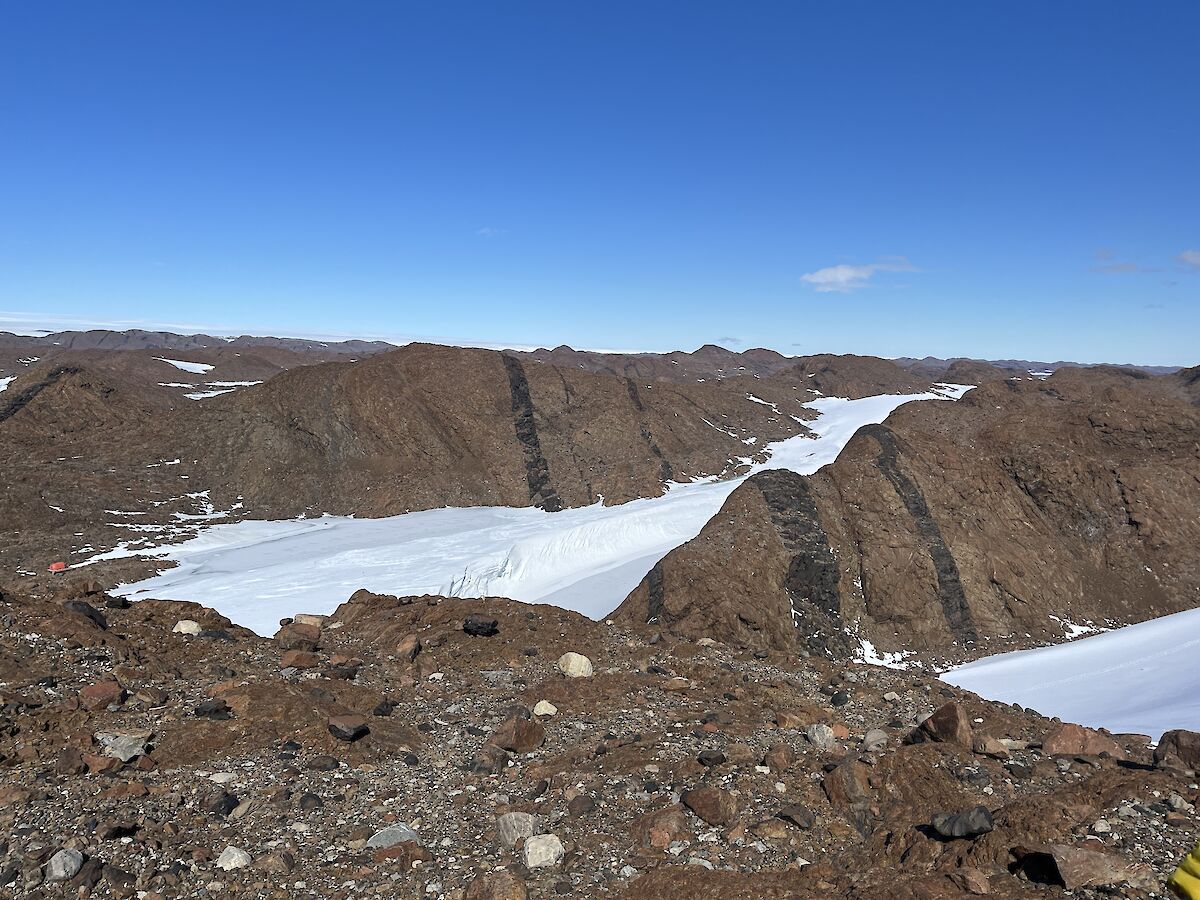
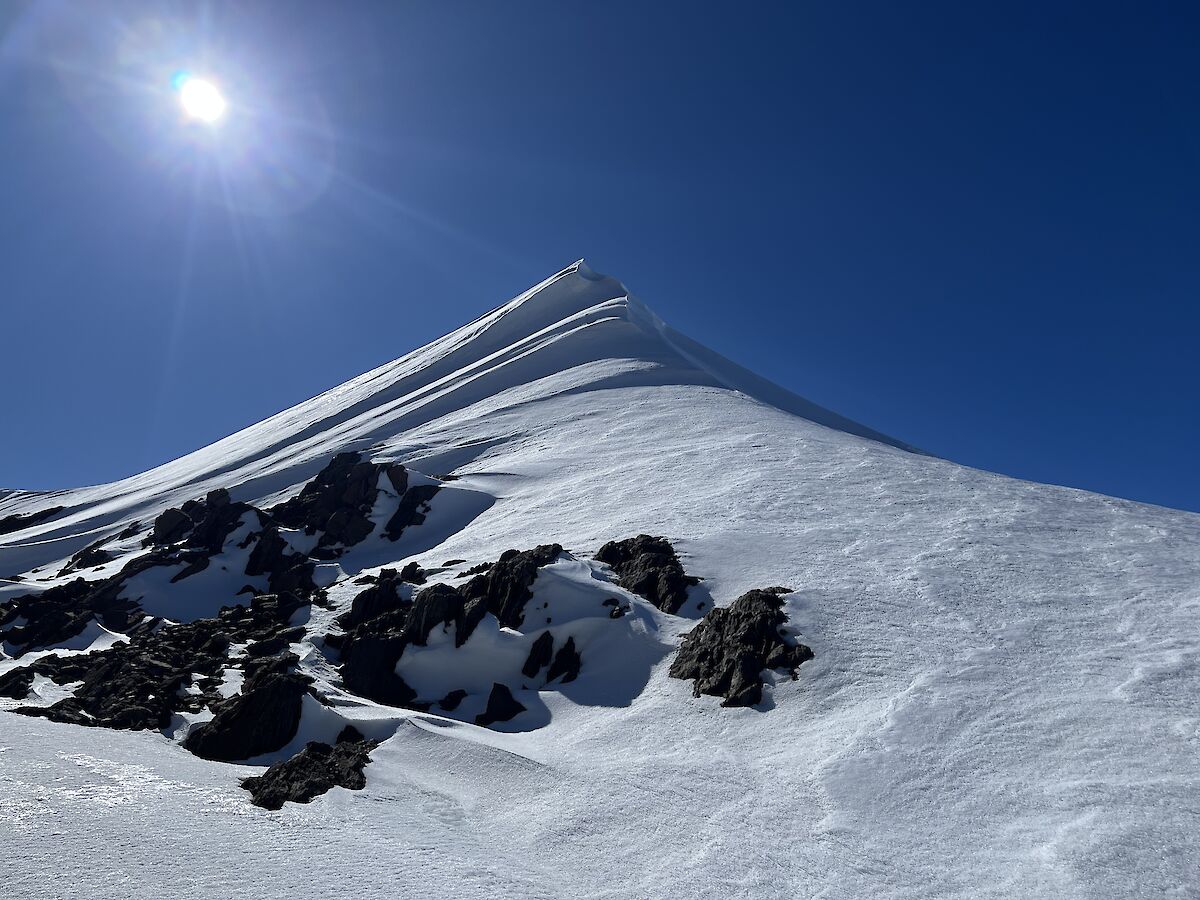
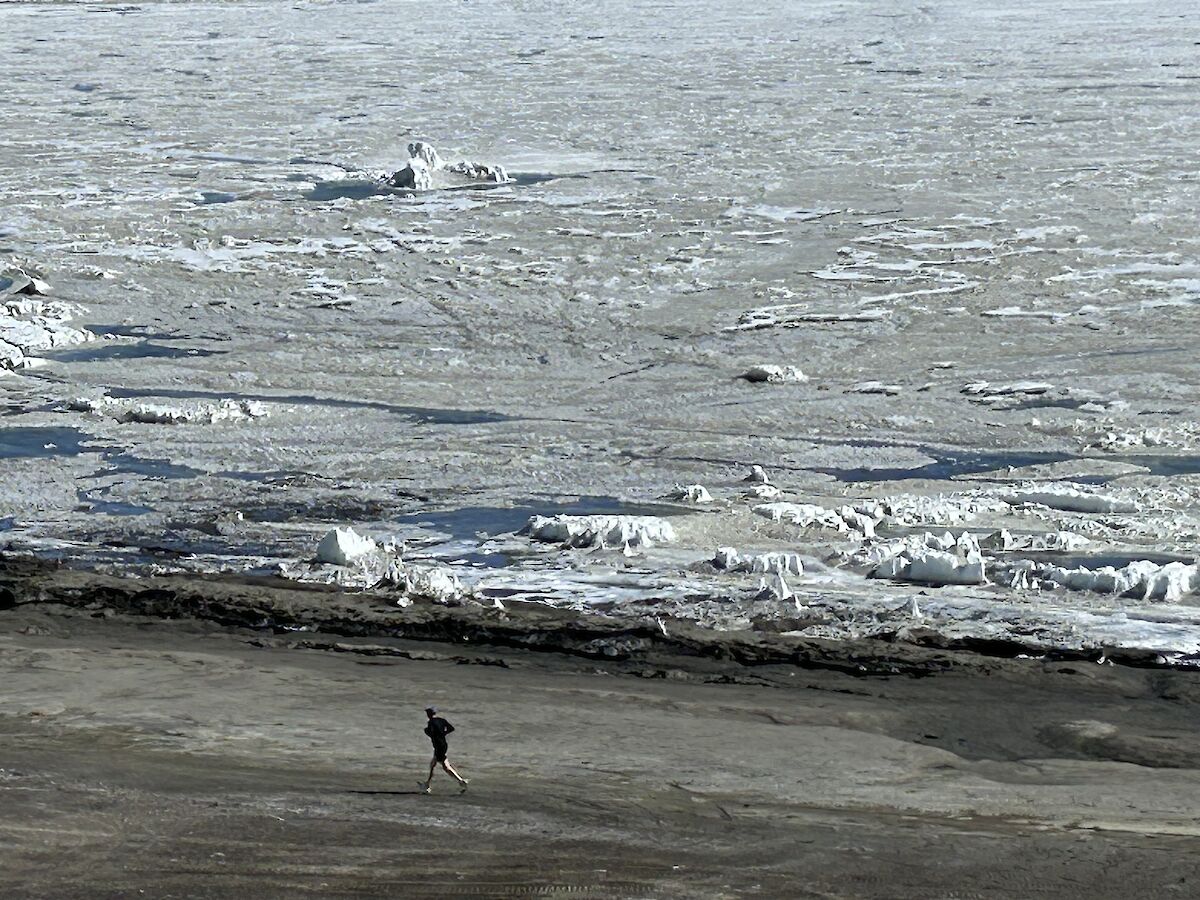
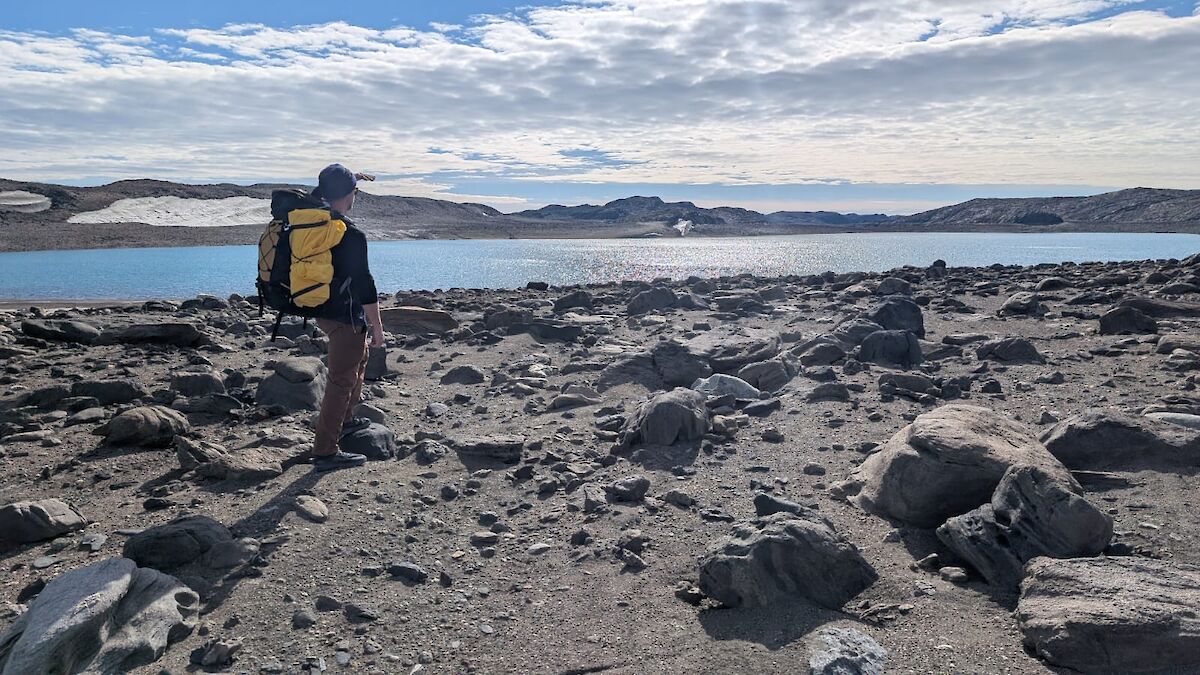
The depths of the Vestfolds. Elements both periodic and meteorological abound in a landscape vast and constrained in unison. Fresh water tarns, saltwater tarns, lakes, fjords, melt streams and creeks bound by glaciers, ridges, tors, crags, hills, peaks, rocks, boulders, pebbles, gravel, sand and dust. A palette of green, red, purple, orange, yellow, blue, smattered minutely amongst a mainly colourless barren landscape. The wind blows, snow flutters and drifts, the sun shines, the wind stops and a fog falls. A curtain of silence descends. Calm, serene, peaceful. A polar opposite to life on station and a life removed from that back home.
Anonymous Electrician.
On any given Sunday
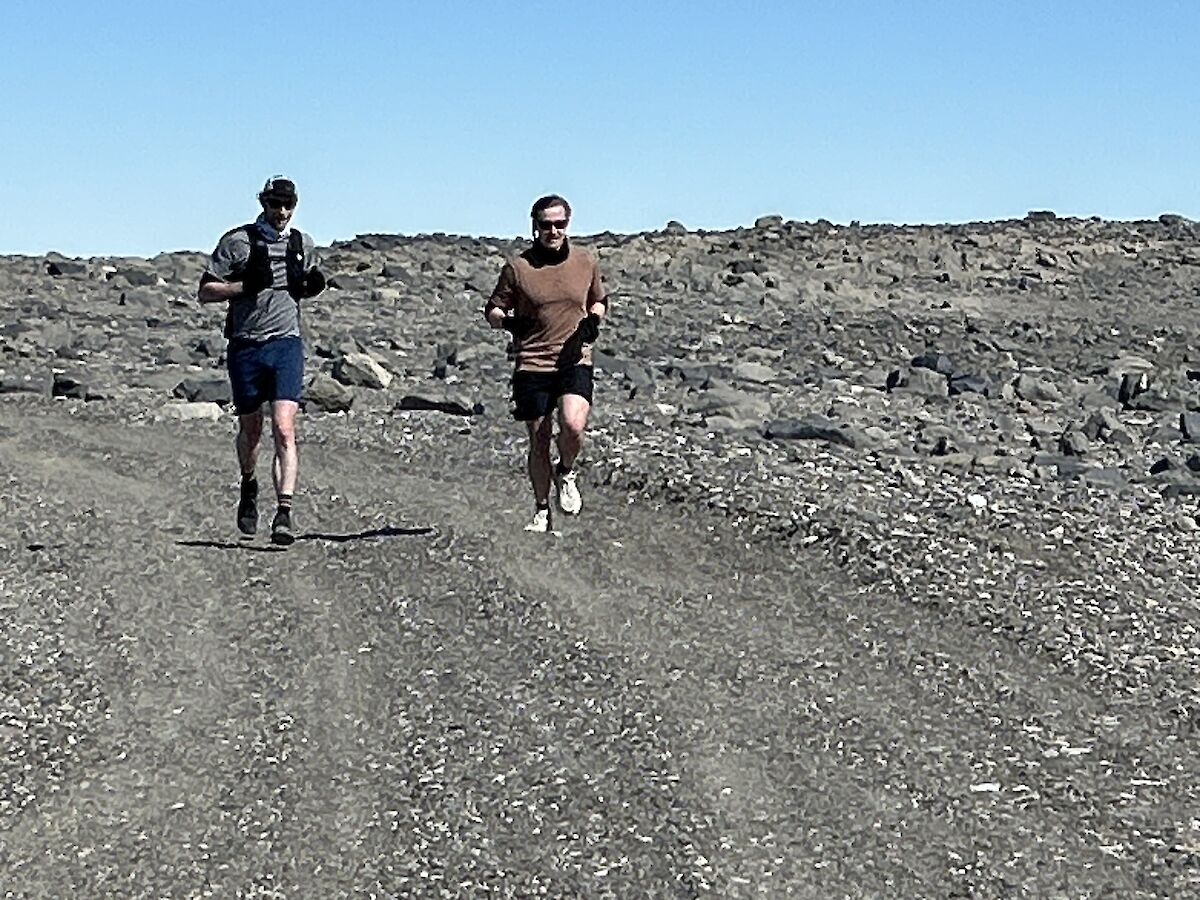
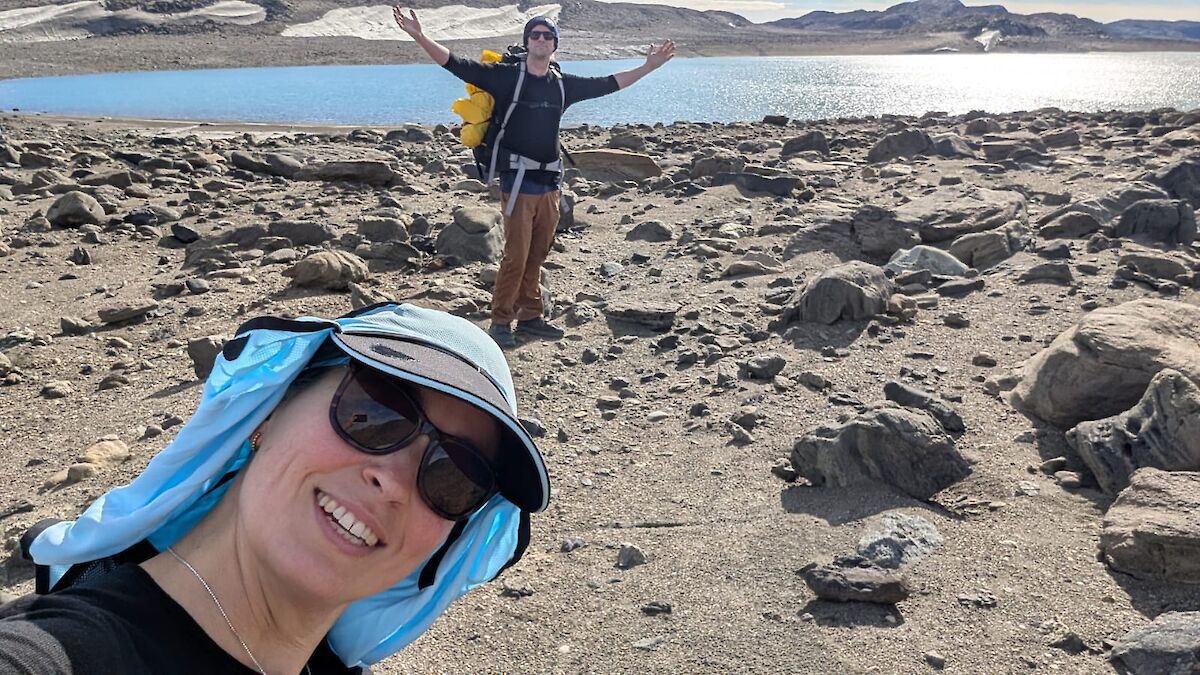
On any given Sunday, expeditioners at Davis are out making the most of the many outdoor opportunities on offer. Nestled in the ice-free Vestfold Hills — a distinctive landscape of exposed rock and undulating hills — the area is ideal for both day trips and overnight adventures.
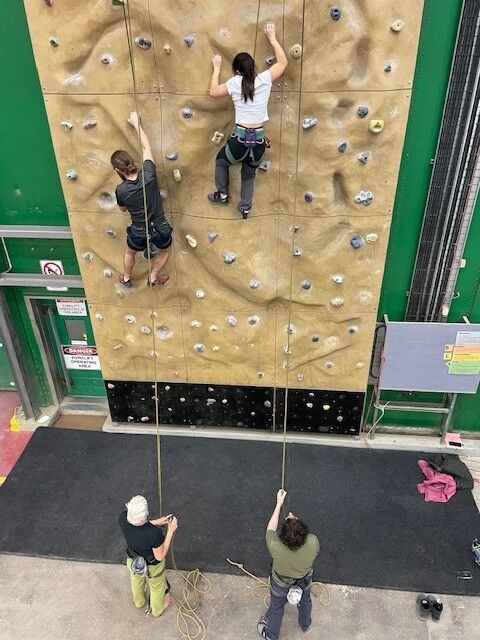
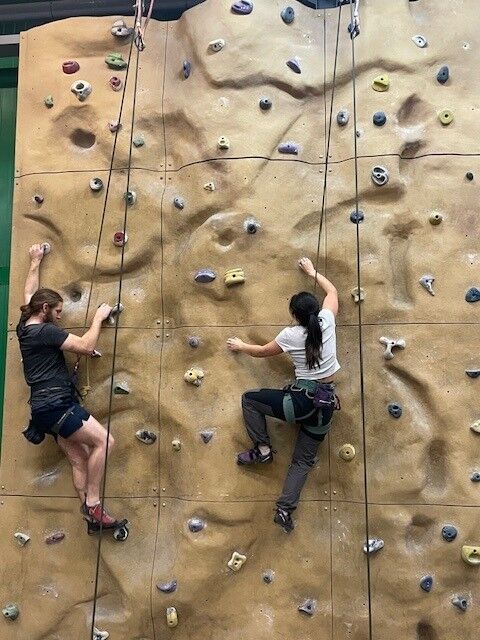
Regular Sunday activities range from mountain biking and hiking to scenic day walks, indoor climbing, group runs, wildlife spotting and photography, ensuring there’s something for everyone keen to get outside and explore.
- Gavin Melgaard
A walk back in time
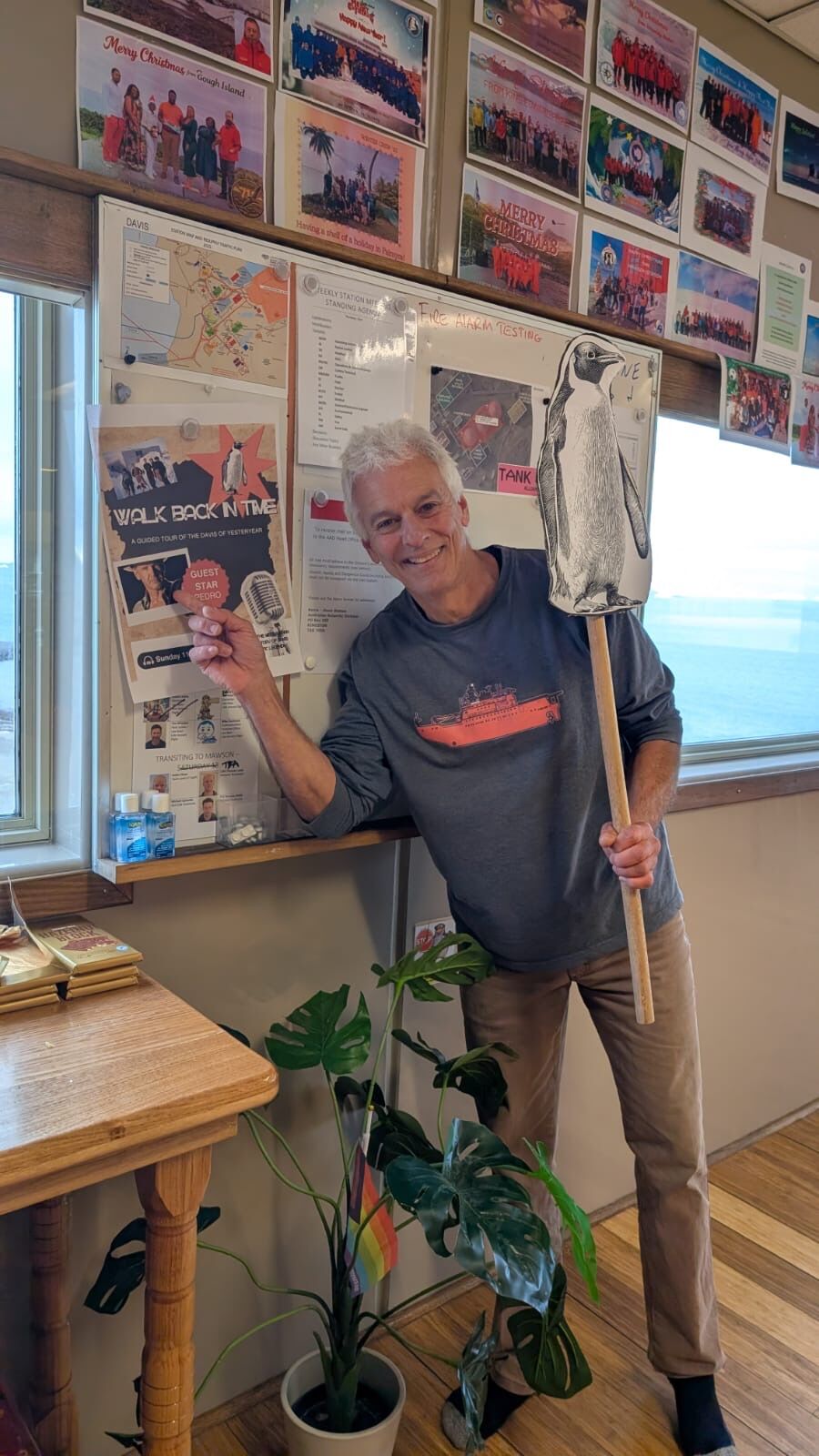
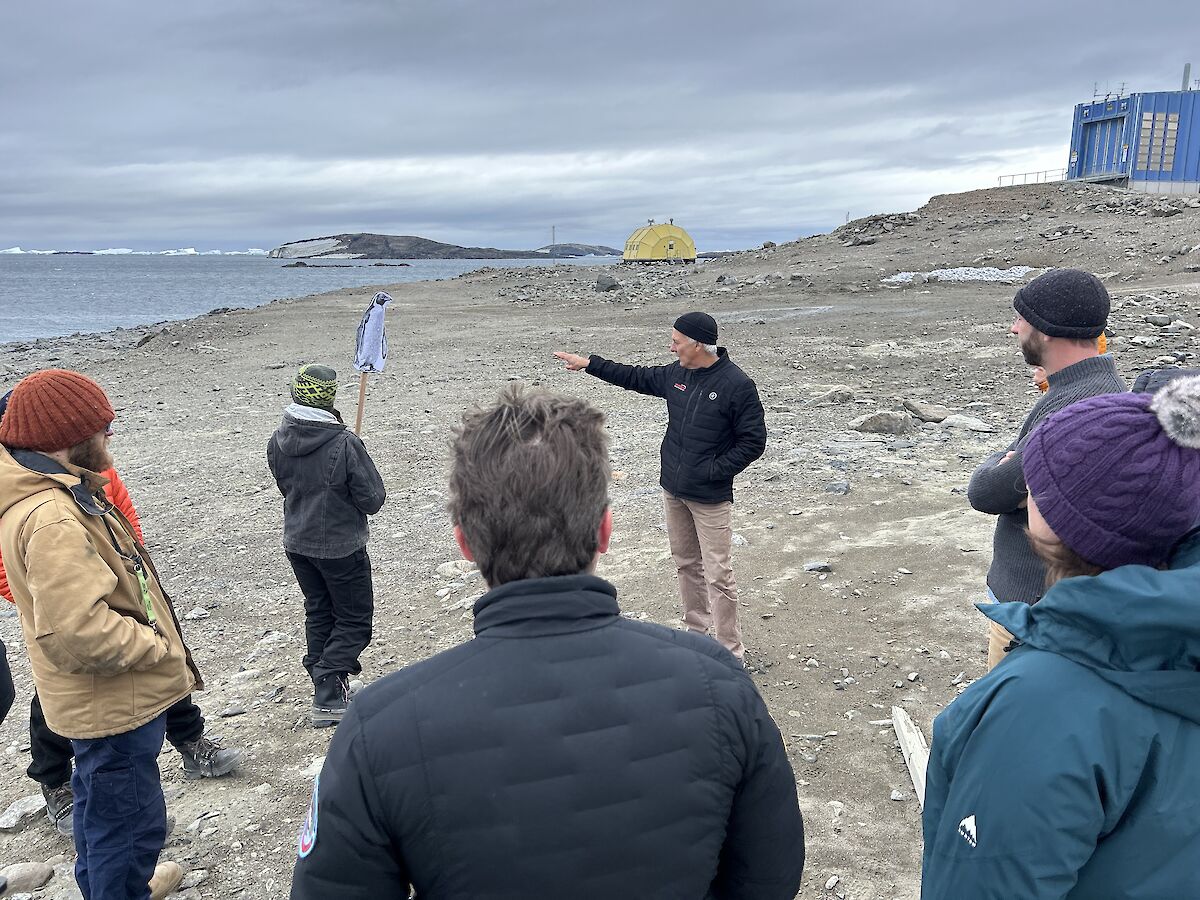
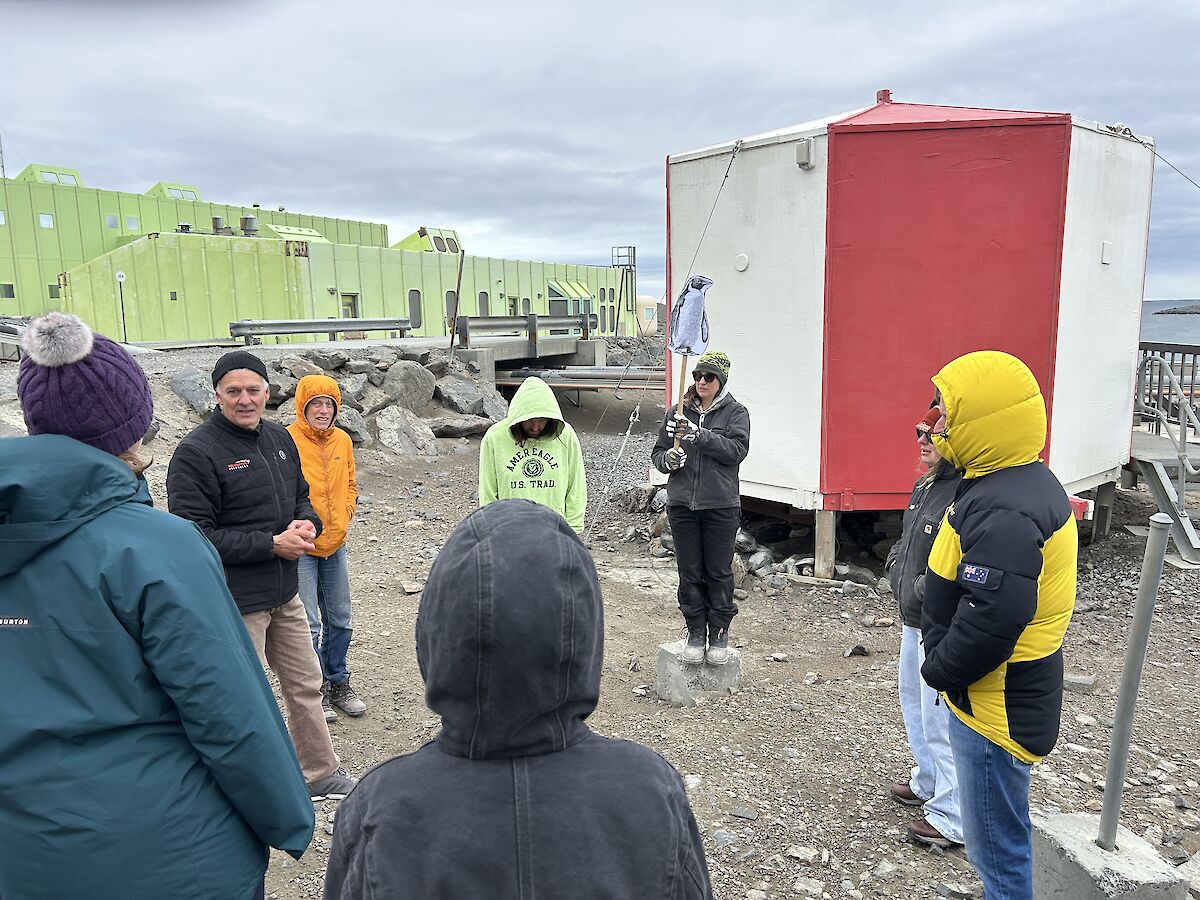
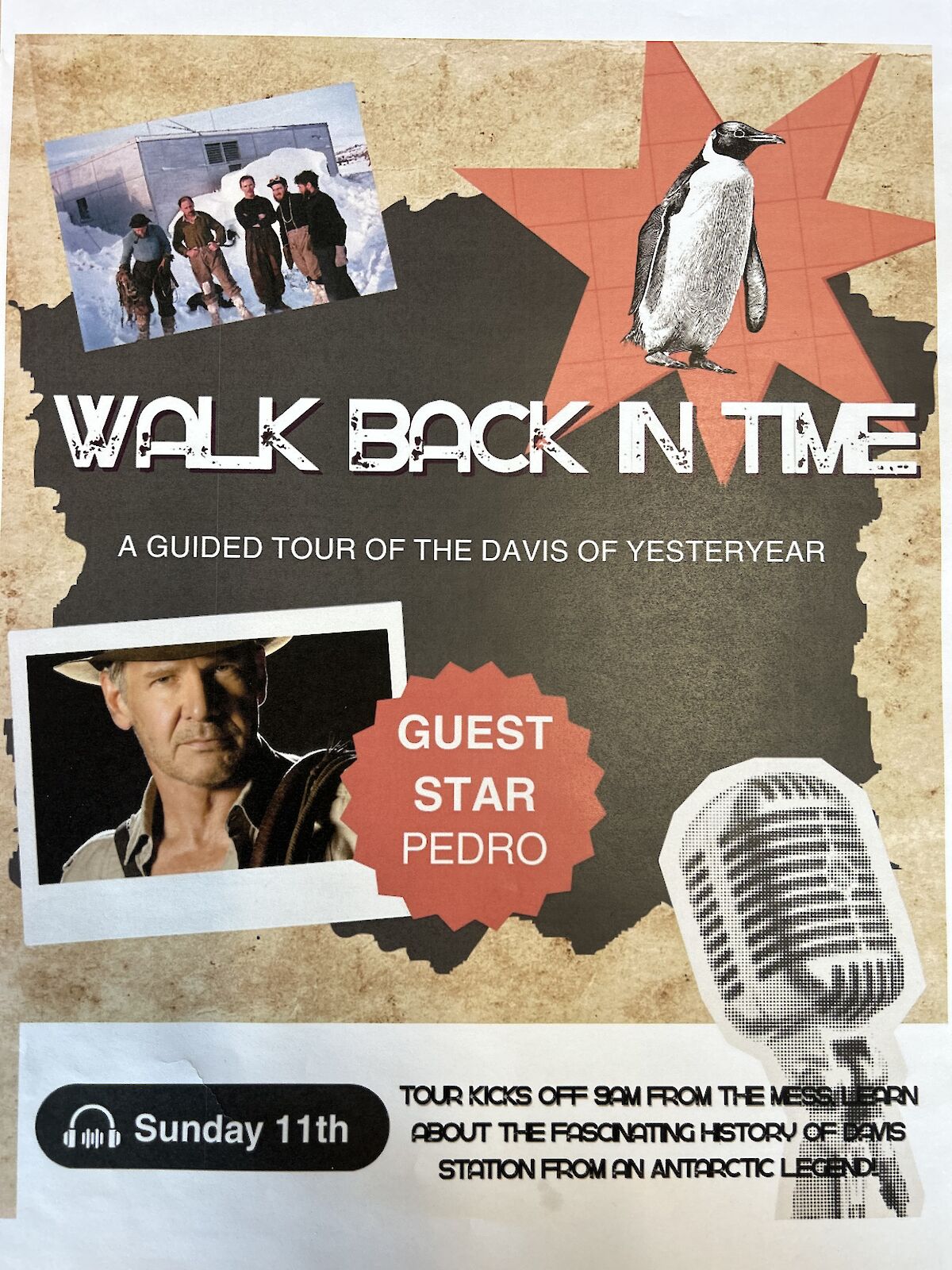
There’s nothing quite like hearing stories from the early days while wandering around station, and that’s exactly what expeditioners at Davis enjoyed last Sunday. The group were treated to a walking tour led by Helicopter Resources Engineer Peter — better known to everyone as Pedro.
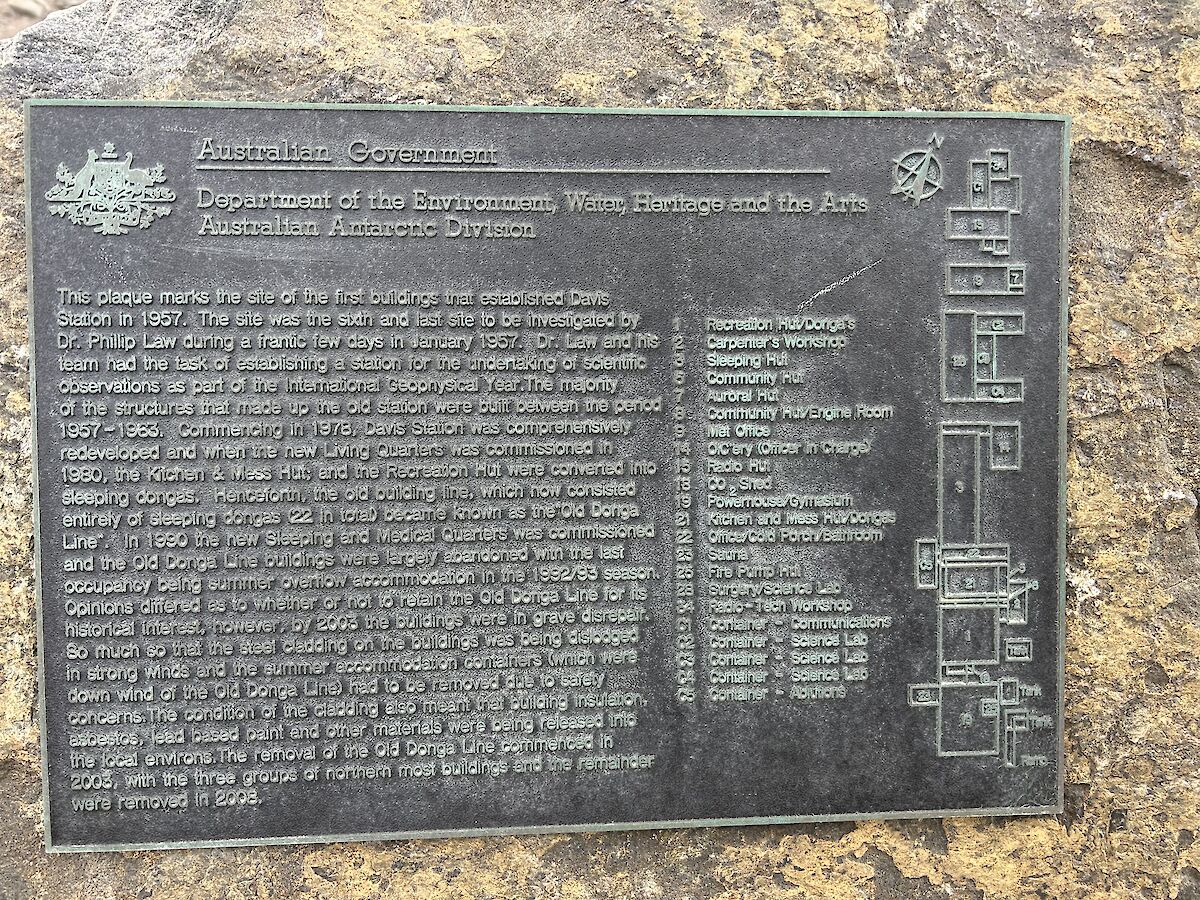
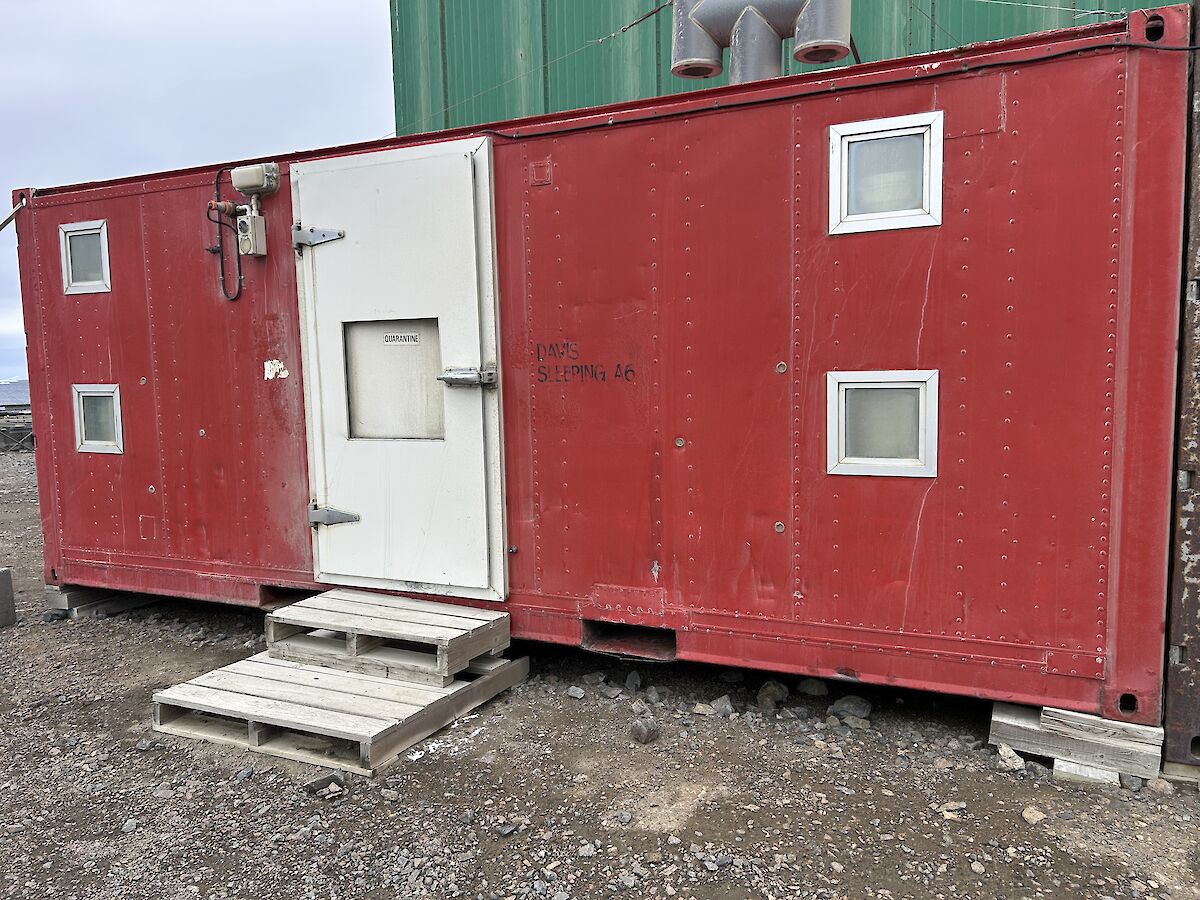
Pedro first arrived at Davis in the 1989–90 season, back when station life looked very different. Along the way he pointed out where the old “Donga Line” once stood, a collection of 40 foot shipping containers that housed four people each, with only a curtain between you and your (often snoring) bunk mates.
Pedro also shared memories of the station’s first flushing toilet, a big deal at the time given that all human waste had previously been burned, and recalled when expeditioners took three-hour shifts, keeping an eye on the powerhouse, which ran non-stop, 24/7.
One story that really stuck out, was about two radio operators who were based at different Antarctic stations and started chatting via Morse code. They formed a relationship across the ice and eventually got married back in Tasmania. A lovely reminder of long-distance relationships in the days before the internet.
- Gavin Melgaard