
Antarctica starts to feel normal
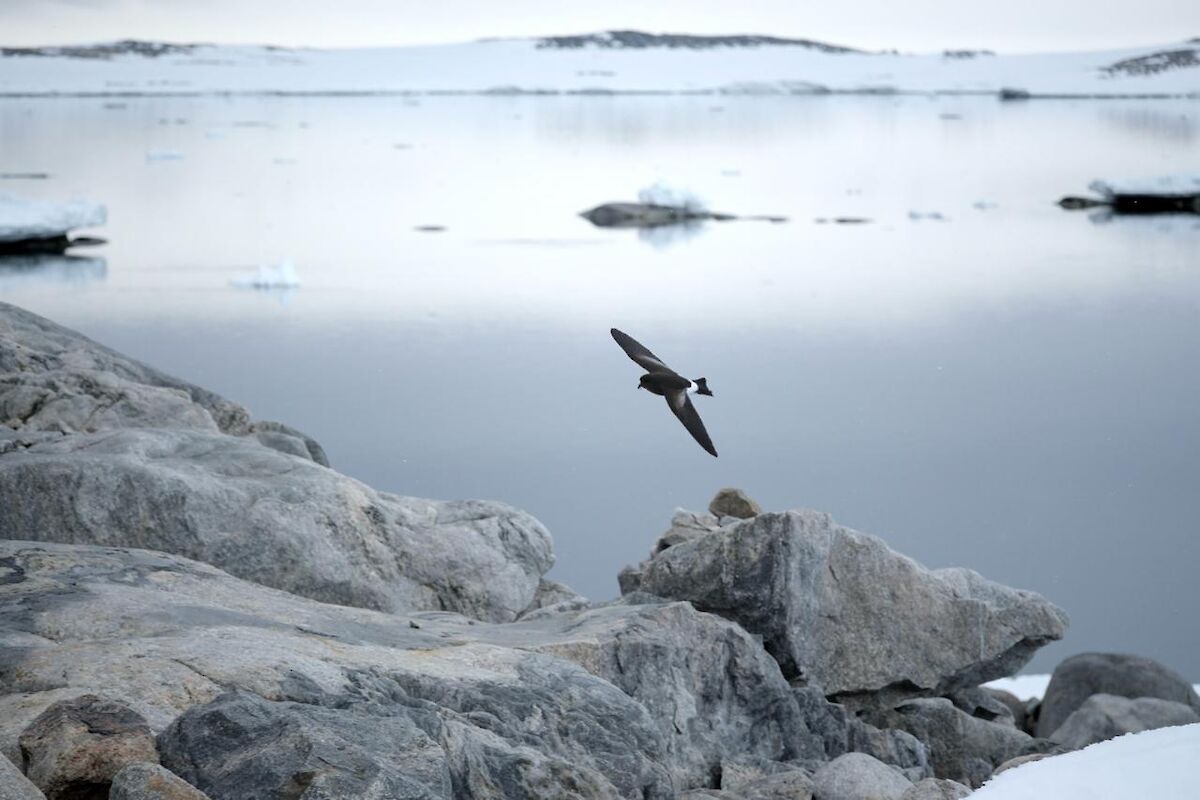
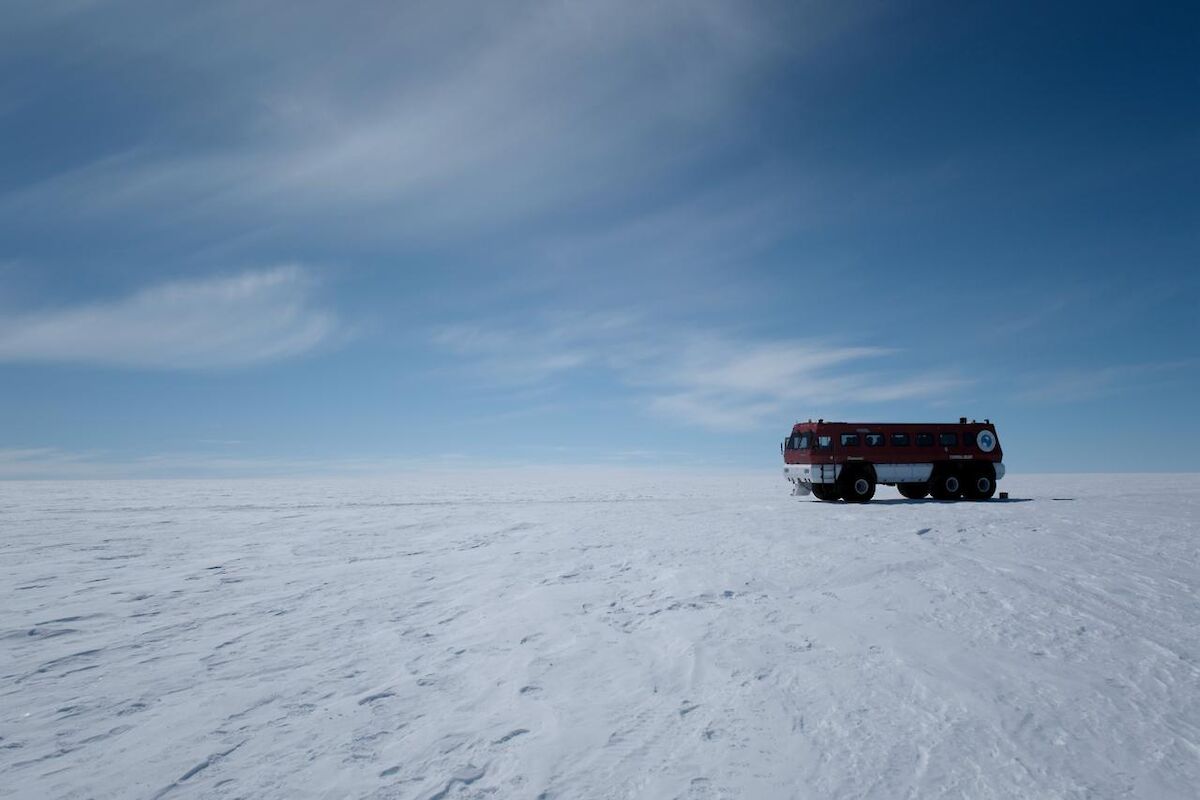
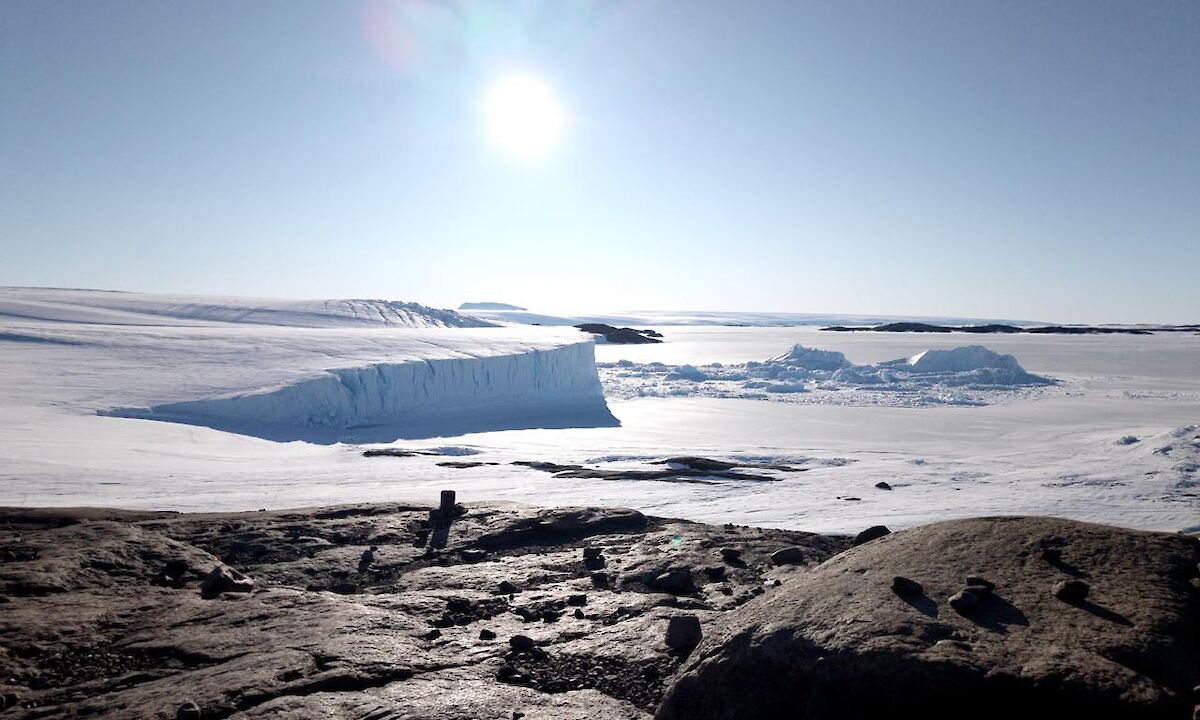
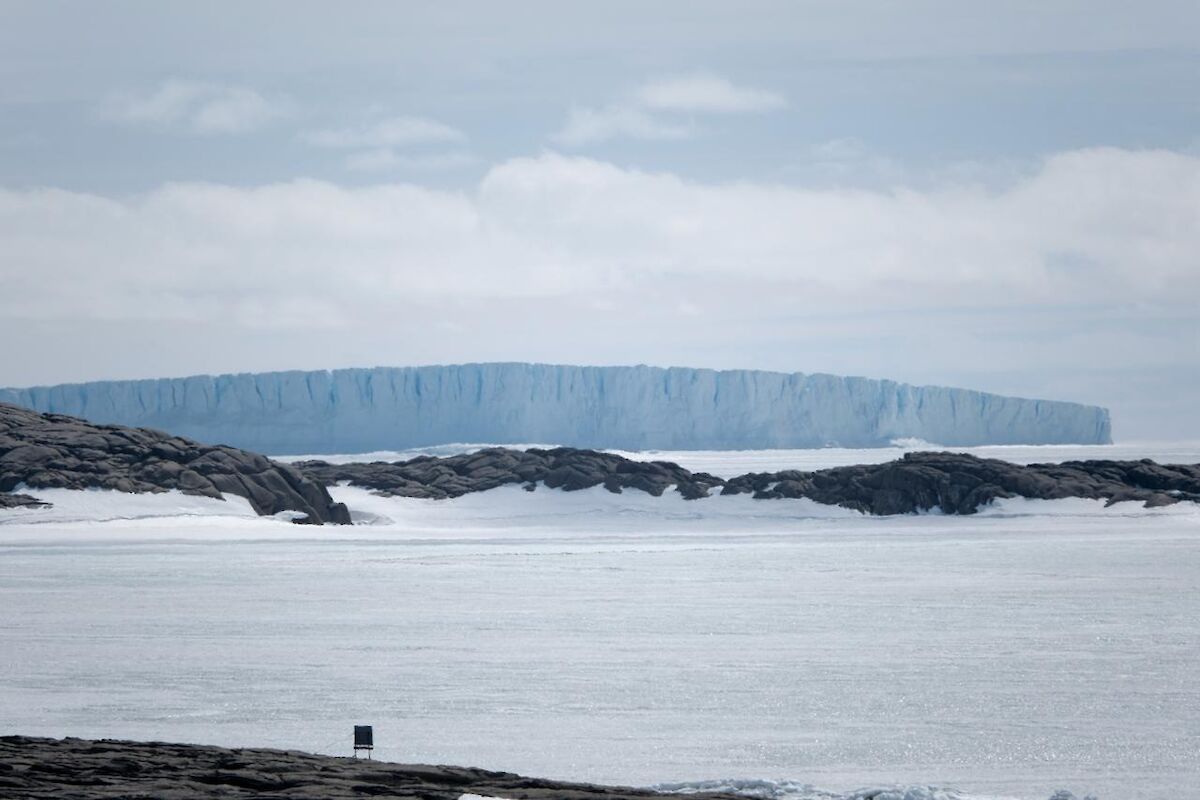
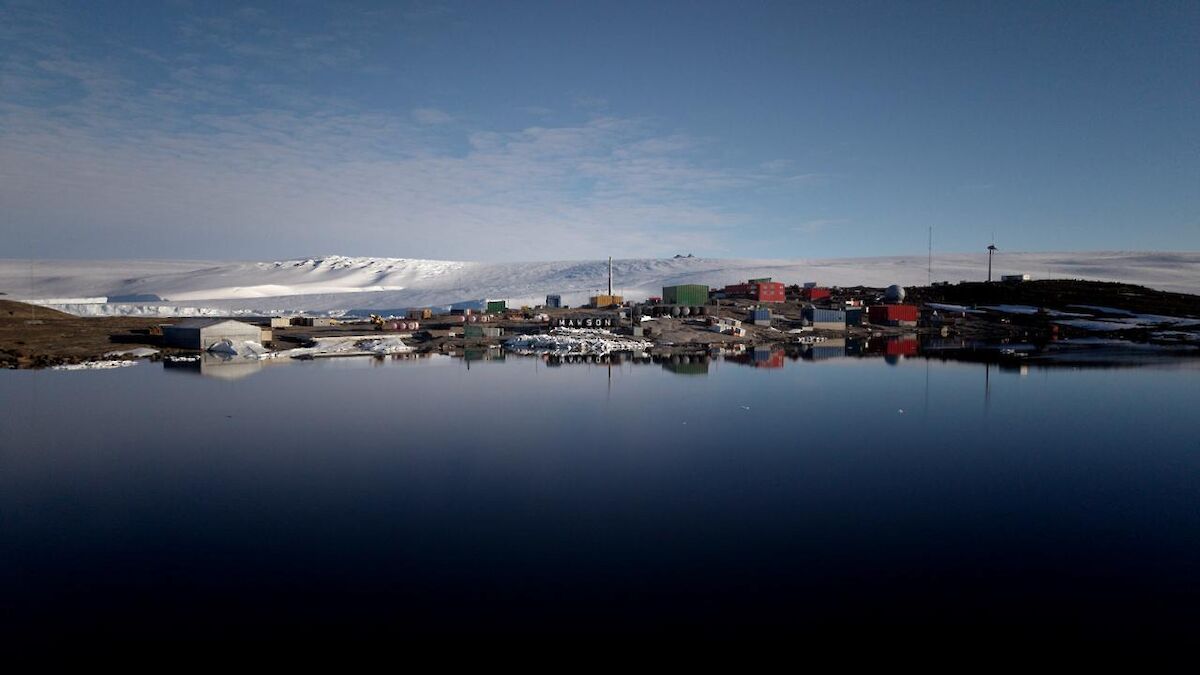
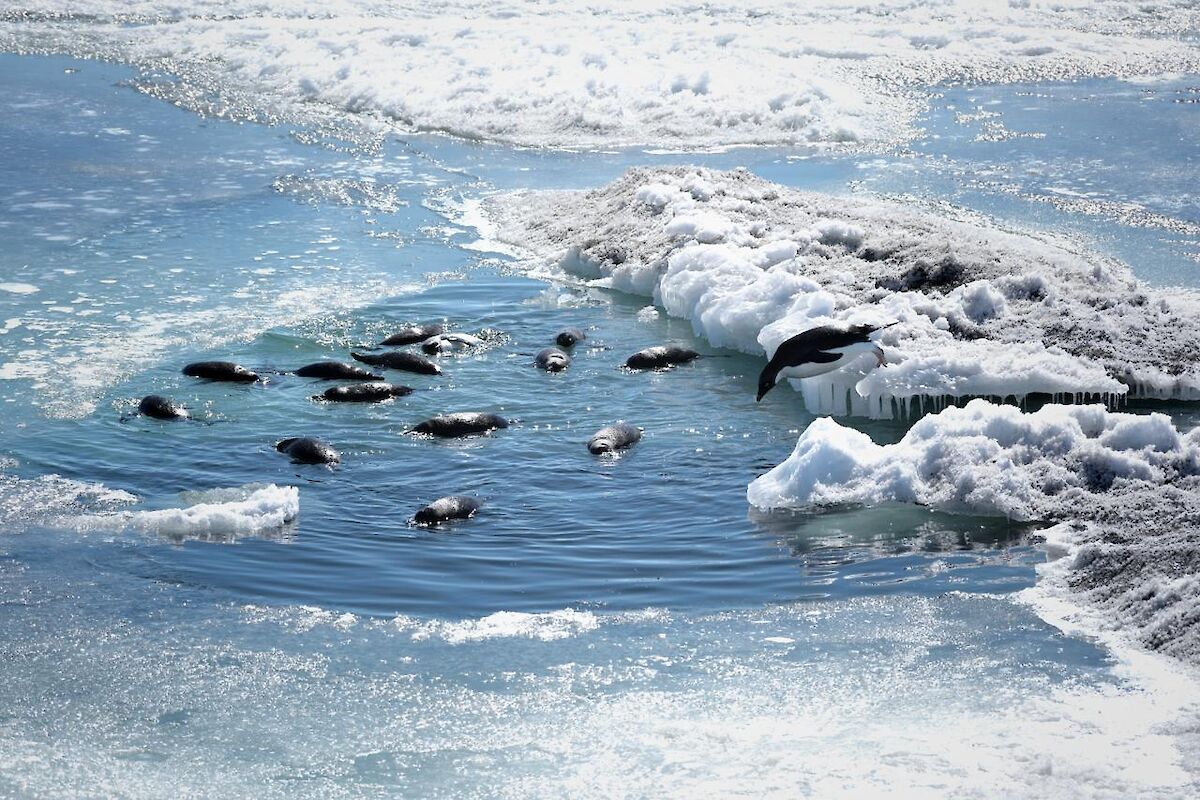
My second season in Antarctica has looked very different from my first. After a winter at Casey, I returned south this time for a shorter summer season at Mawson. Arriving here was unforgettable. The station sits with ice cliffs, glaciers and sea ice right on its doorstep. The scale of the landscape demands your attention. It’s the kind of place that makes you stop, look around, and take a moment before getting on with the day.
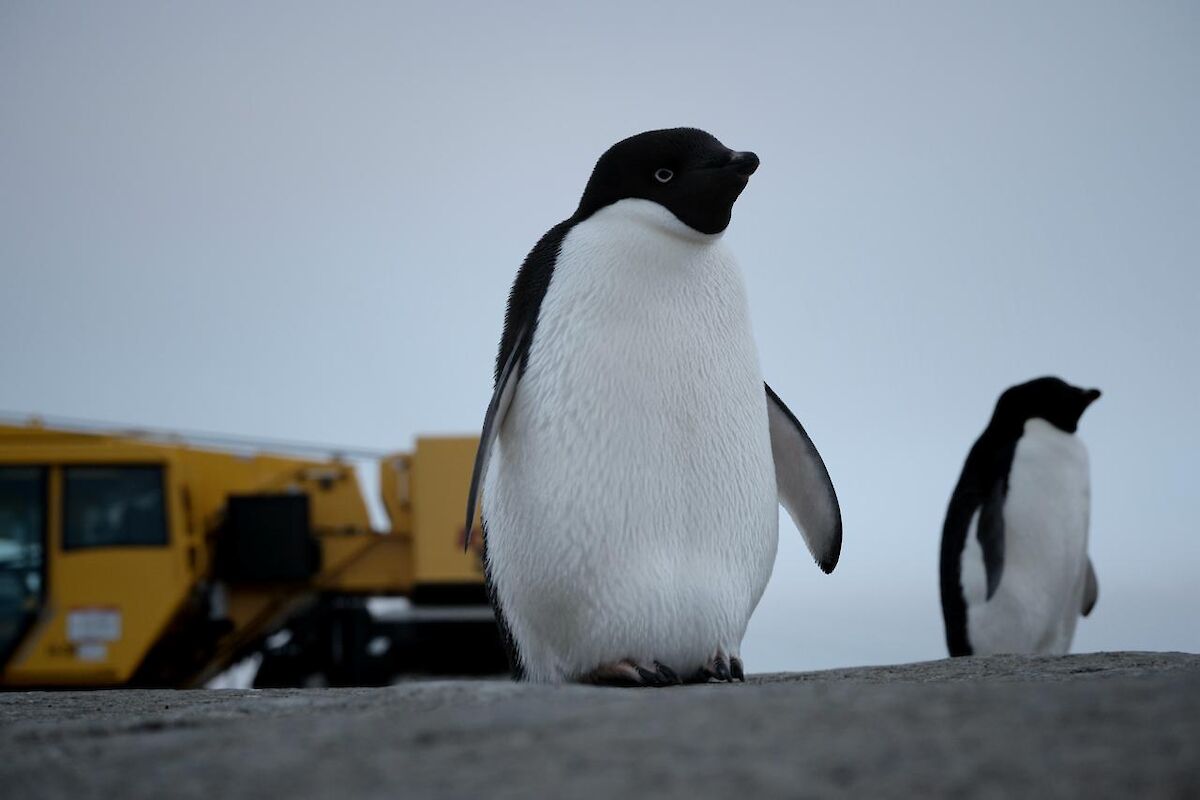
But after a few weeks, something subtle happens. Antarctica starts to feel normal.
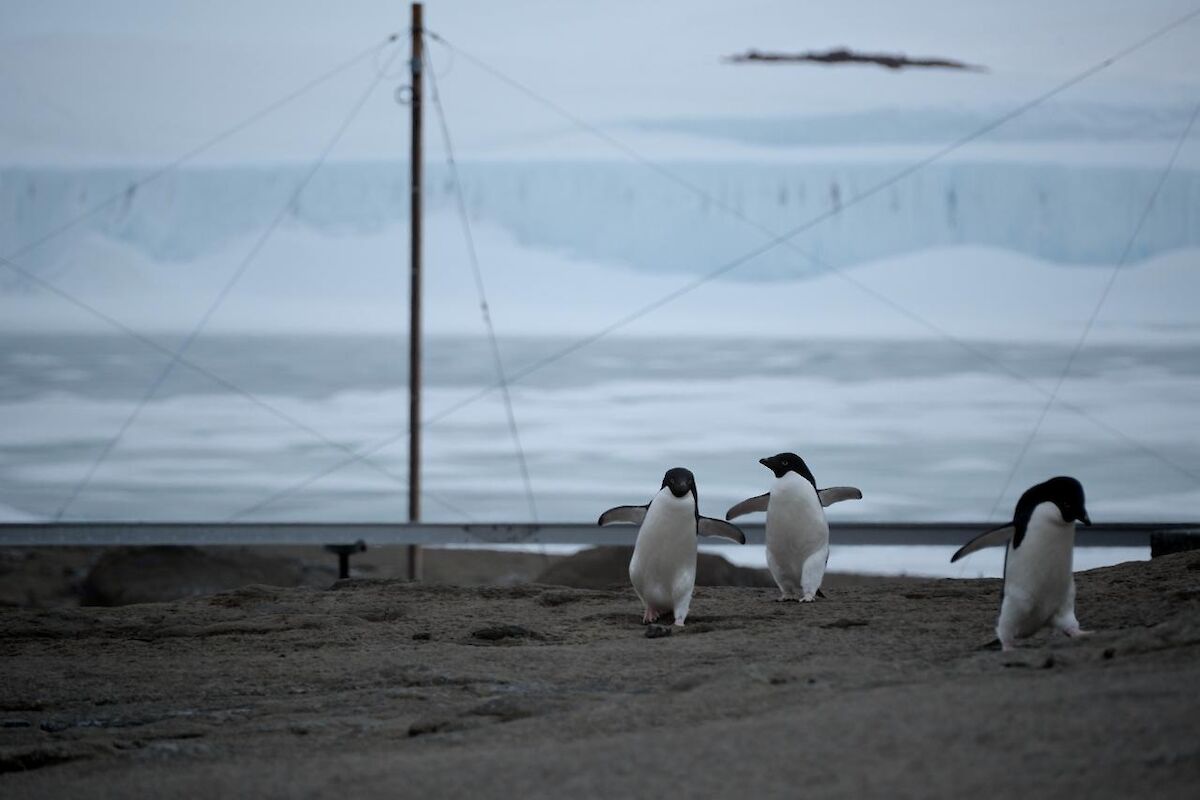
Routines form quickly. Work days settle into a rhythm, familiar faces become part of everyday life, and the extraordinary scenery becomes the backdrop to routine tasks. I found myself realising that I was beginning to take it for granted, and that I needed to consciously pause and remind myself just how unique this place is.
This summer season has also come with a different mindset. The shorter timeframe brings a sharper focus. There is less time to complete work, personal goals, and the hobbies that help balance life on station. At the same time, it’s easier to let go of small frustrations when you know the season is brief. Without the additional roles that come with wintering, I’ve also been able to focus more fully on my work and make the most of the time available.
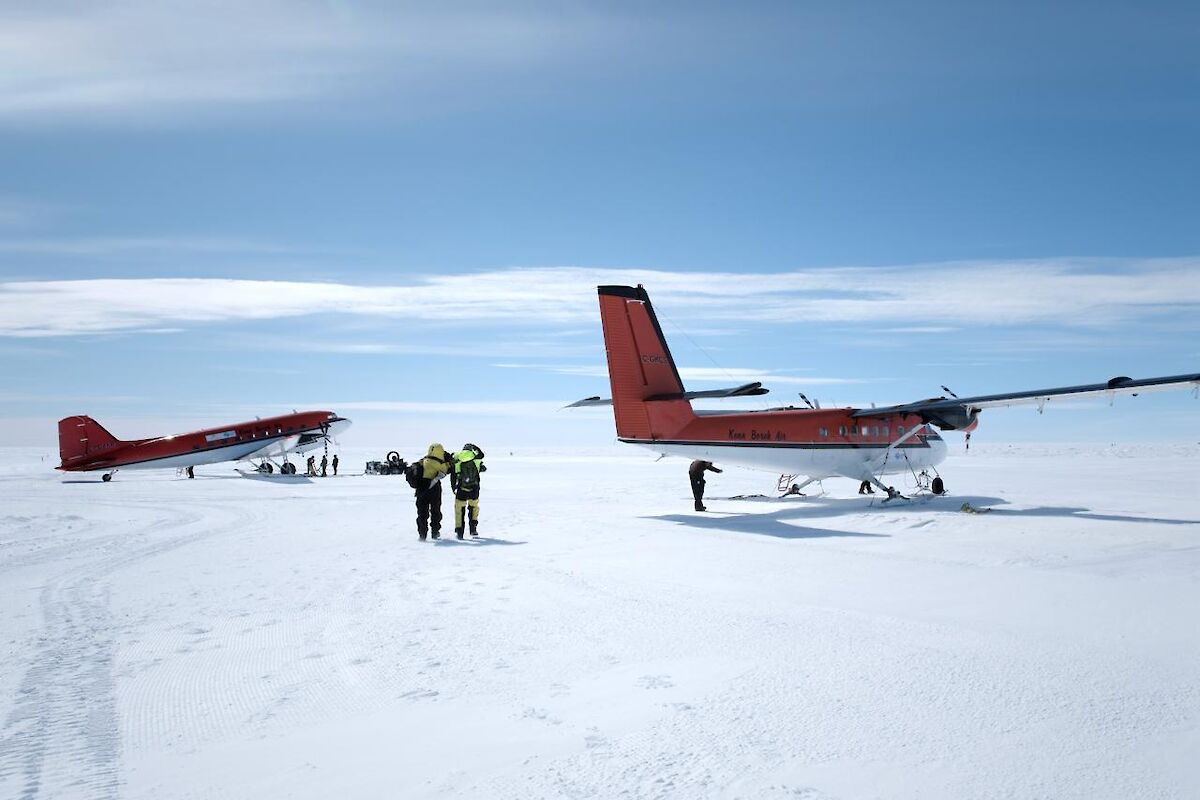
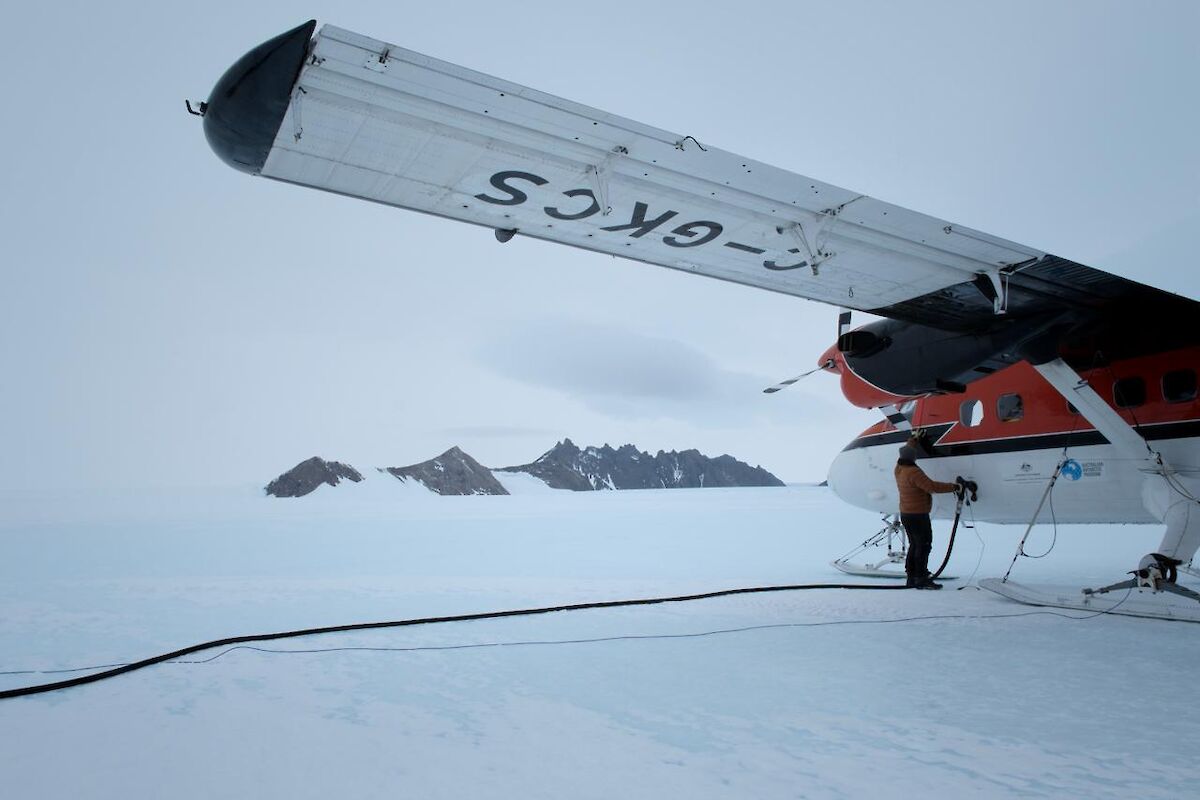
Like all Antarctic work, progress here can be slow. Weather, logistics, material availability and personnel movements all influence what can be achieved on any given day. It can be frustrating at times, but it’s also a reminder that Antarctica sets its own pace. Learning to work within that reality, rather than against it, is part of the experience.
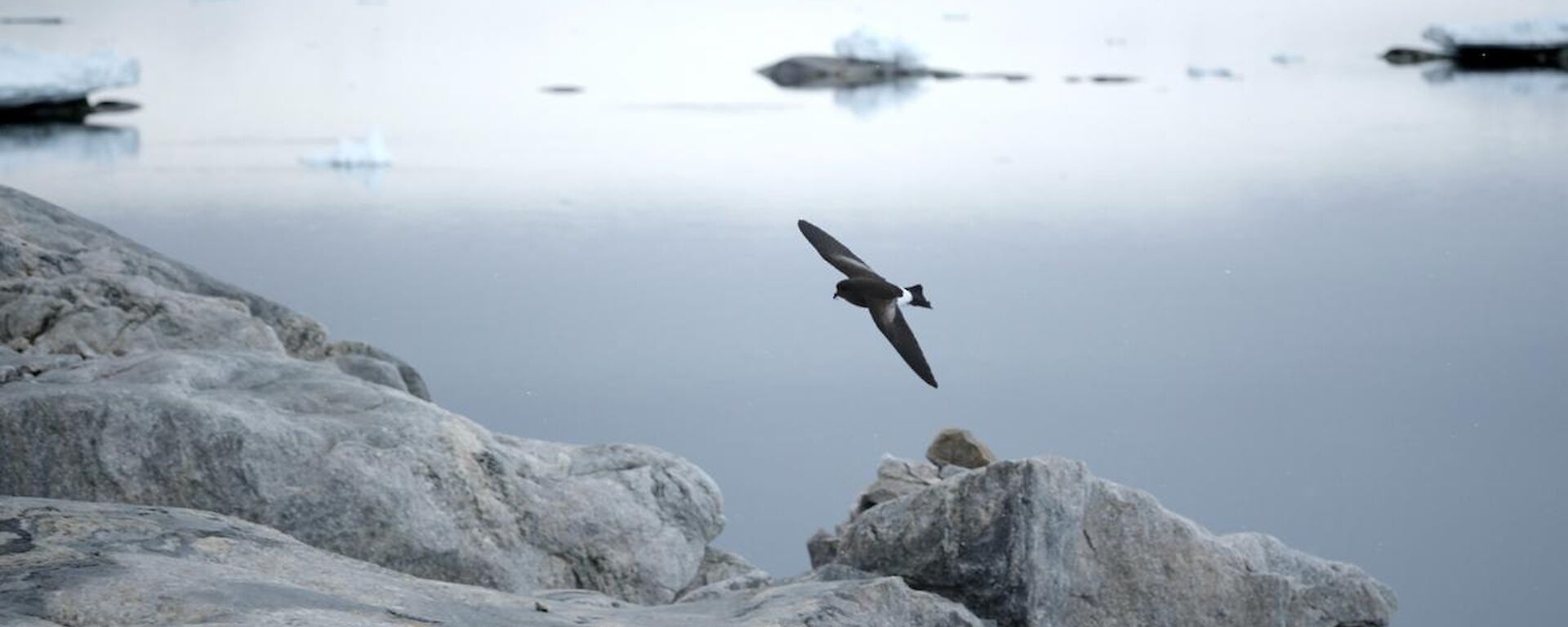
What this second season has reinforced for me is the importance of perspective. Even in one of the most remote and remarkable places on Earth, routine can dull the sense of awe if you let it. Taking a moment to step outside, look at the landscape, and appreciate where you are becomes an intentional act rather than an automatic one.
As this season continues, I know what I’ll miss when it’s over. The scenery and vastness of the landscape will stay with me, as will the sense of community that forms so naturally in an isolated environment. And while I’m looking forward to heading home to see my dog, and my girlfriend (who is remarkably patient about coming second in that sentence), I’ll be leaving Mawson with a renewed appreciation for just how special it is to live and work in Antarctica, even when it starts to feel normal.
Connor Gordon, Carpenter - Mawson