
The ‘Jolly Masters’ Top Three Standouts (and a few more).
The season is all but done. The countdown of weeks until the ‘freedom’ ship arrives is in single digits. Mawson Station has been home for over a year. But, it would appear that there’s still time to write one more Icy News… the joys… So, time to reflect, or reminisce, or just plain waffle on with a countdown of the ‘Jolly Masters’ Top Three ‘Standouts’ (drum roll required):
- Climbing Mount Hordern. Located to the south of the Station Operational Area, lies the highest mountain in the immediate region. To be fair, it’s not that high - but it is the highest in the Framnes Mountains. A cheeky little 1444 metres.
Hordern is just about everything you could expect of an Antarctic mountain (it has absolutely nothing to do with it being the highest - honest).
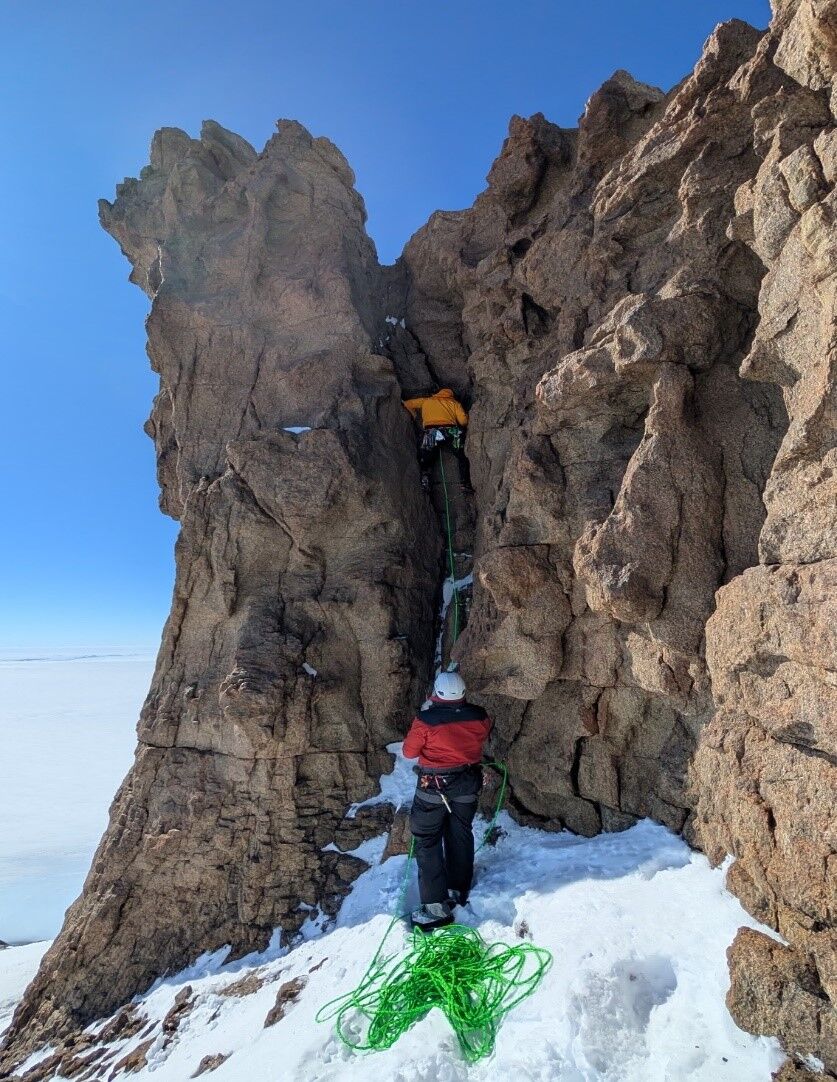
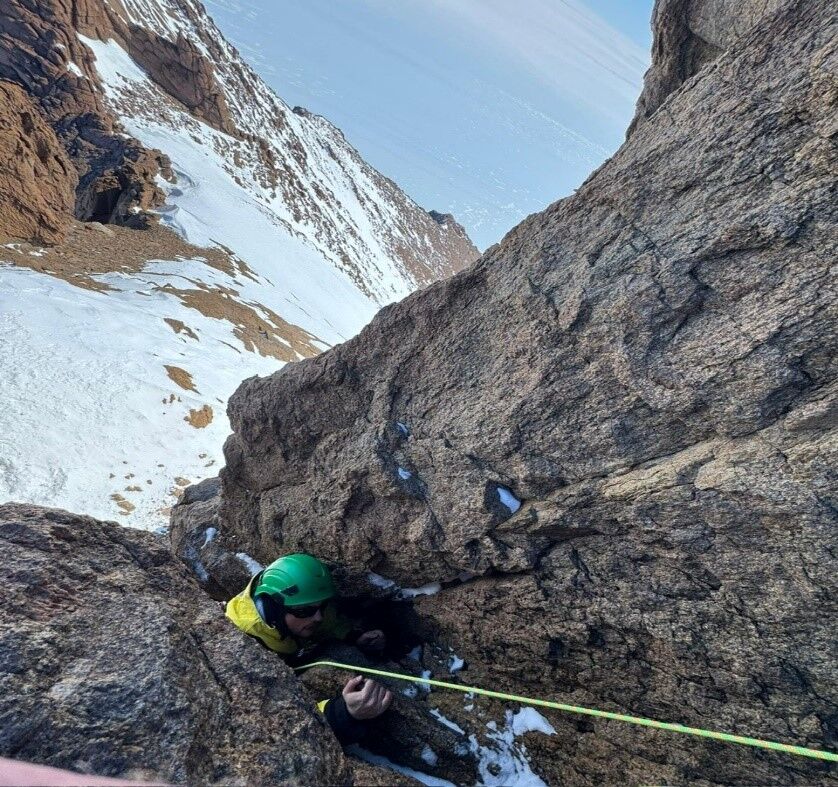
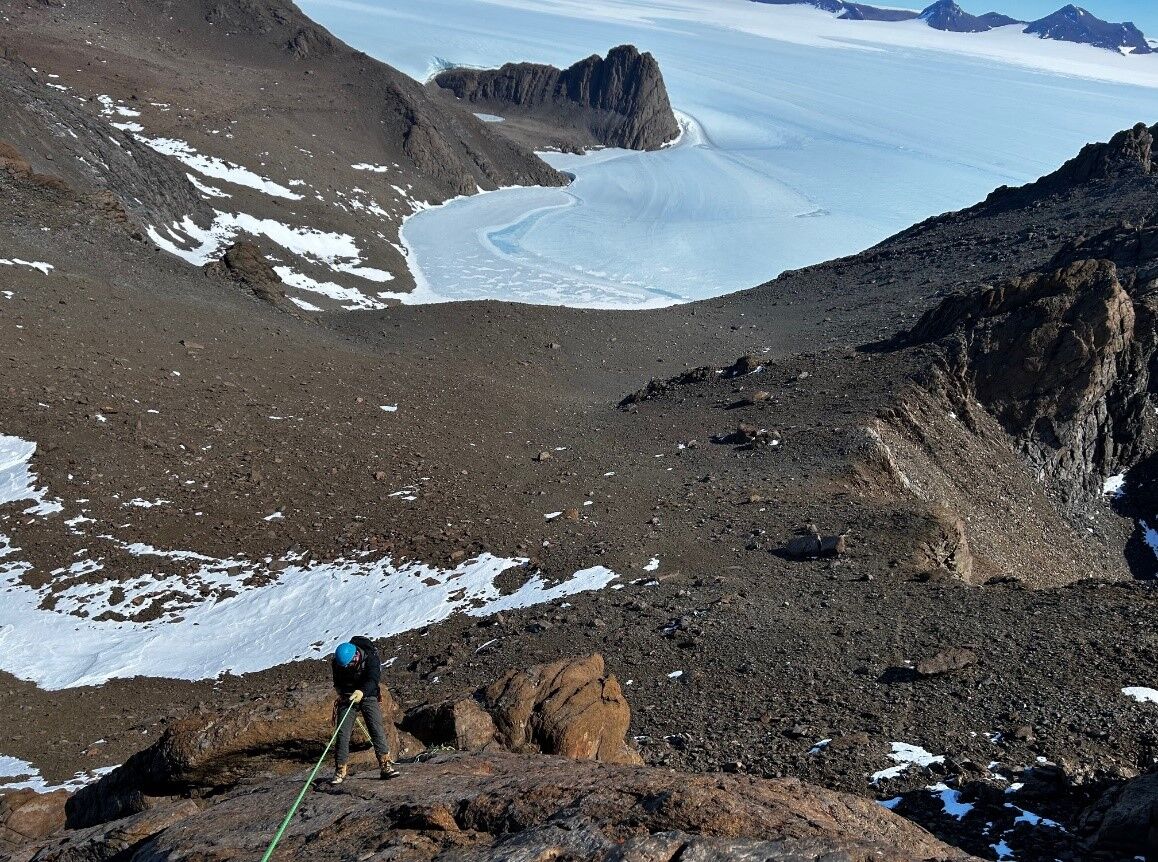
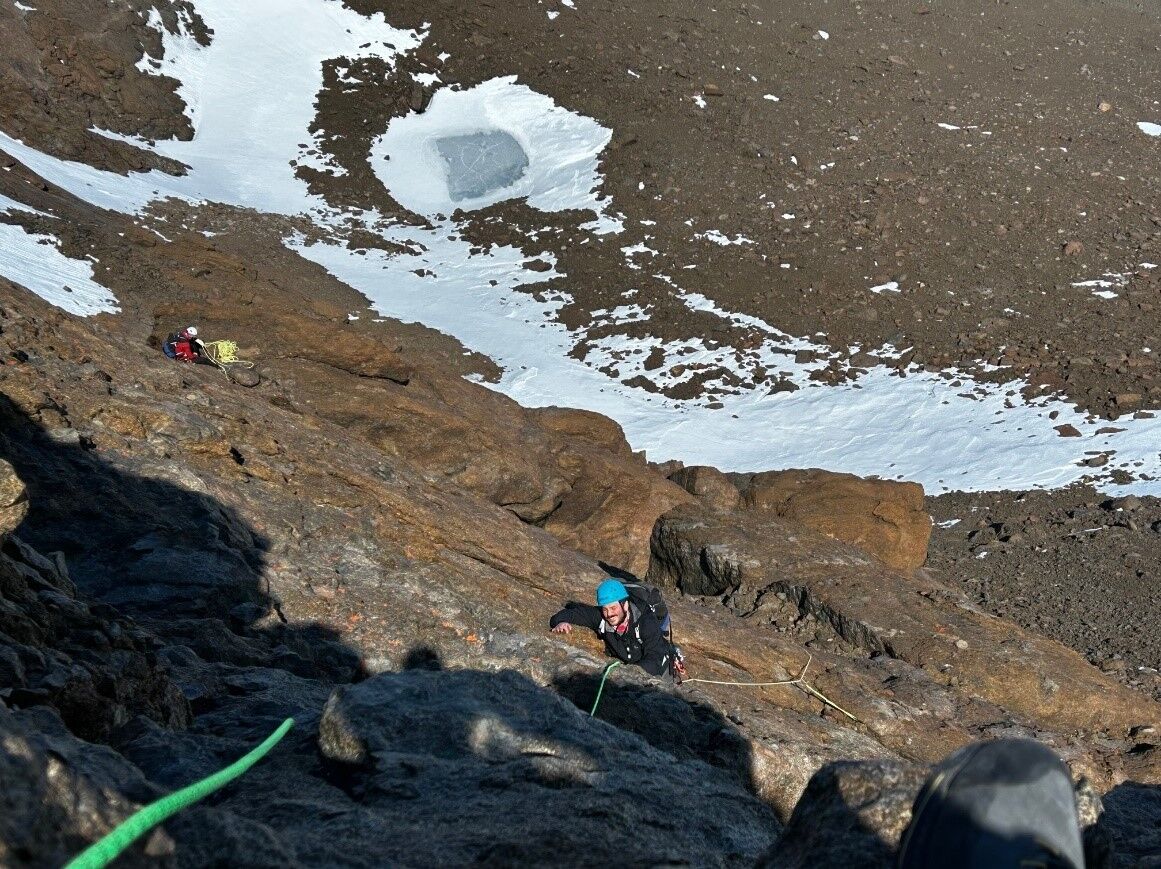
Once off the blue ice, it has a long foot approach on pea shale to a couloir between the West Peak and the East Peak (the East Peak is the highest by around 20 metres give or take). Once at the couloir, you start the first pitch. The first pitch demands the donning of harnesses, mountain boots and the fitting of crampons, roping up and then ‘front pointing’ up the snow and ice slope. At the top of that snow slope, the second pitch meets you with a nice little scramble on mixed snow and loose rock - and where you are met with the first views of the ice vista to the north. You are then located at an obvious rock tower with a well-defined and narrow chimney that beckons you up to the overhanging summit. The final pitch is a short and sweet, and a great way to finish the ascent. Magnificent views are the reward for the efforts. Of course, what goes up must go down. So, a nice little rappel down the summit pitch and the snow slope followed by descending down the pea shale. Job done! A very satisfying climb. Although climbed twice already, there just may be an opportunity for one more…
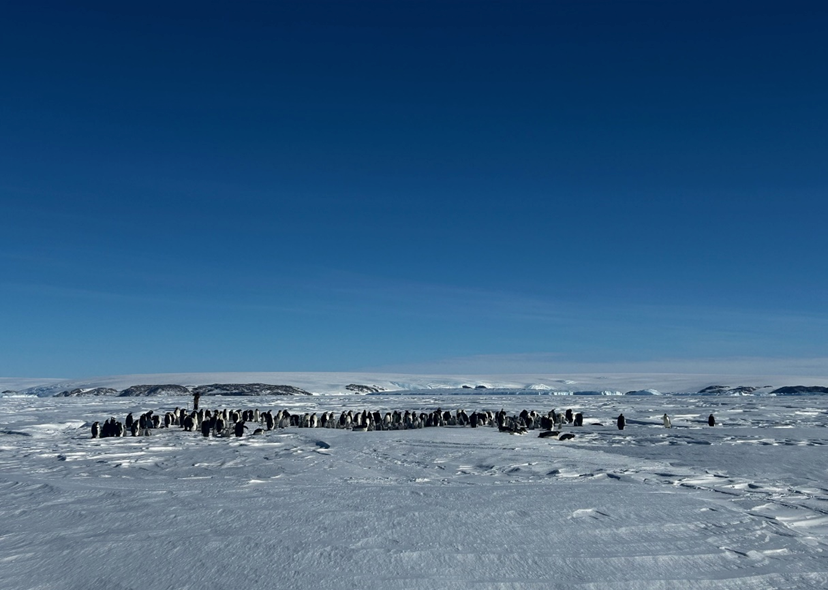
- Ledingham Traverse. Yearly bird science responsibilities require traverses over the sea ice for hundreds of kilometres to the west collecting data on bird life (bird camera maintenance, downloads and photographing bird numbers). About 80 kilometres to the west is an Emperor Penguin rookery at the base of Taylor Glacier. It is unique because the rookery is situated on land (Emperor rookeries are usually established on the sea ice). We managed five successful trips out there.
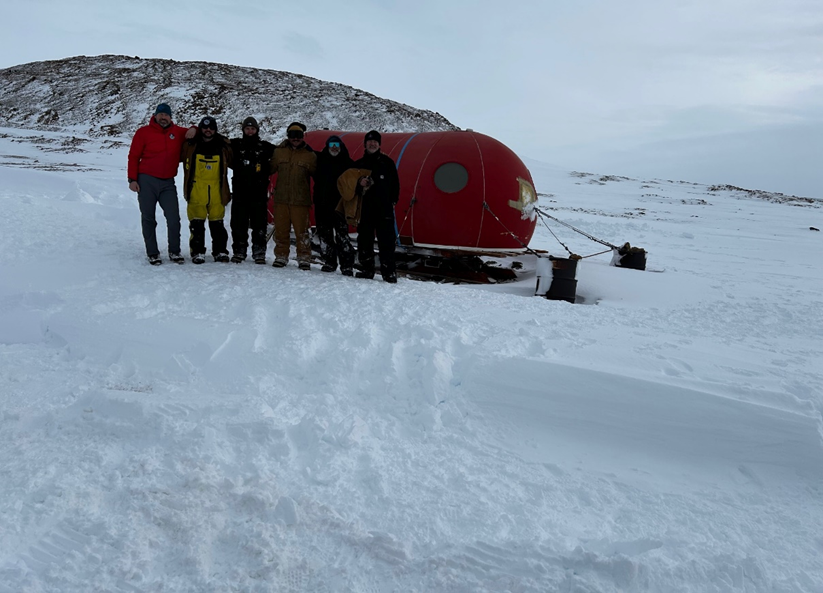
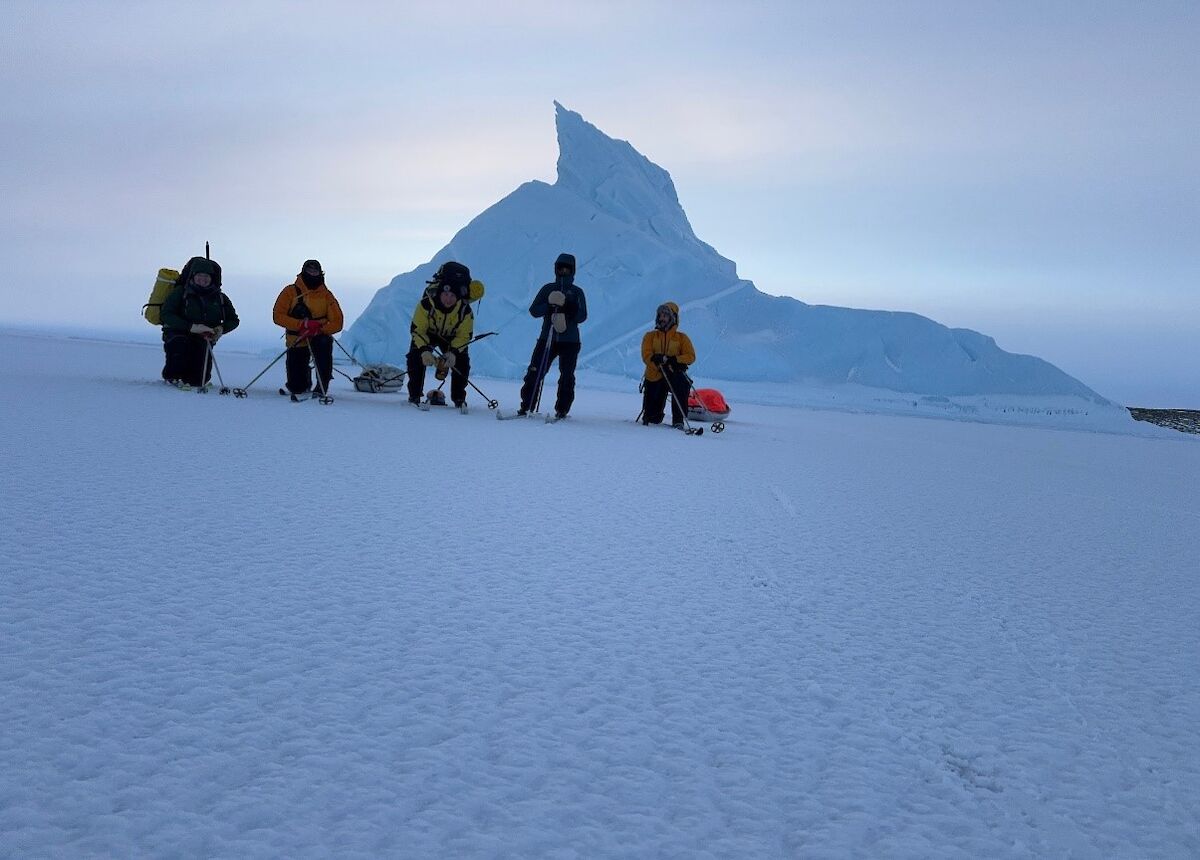
But, about the same distance further again is the Ledingham Depot, and nearby is another Emperor Penguin rookery in close proximity at Folds Island. A photographic census is required there yearly – when conditions allow. Due to the sea ice behaviour along the coast (glaciers and islands etc), and sea conditions shaped by seasonal changes (increasing temperatures, heavy snow dumps, ice bergs, tide cracks and unsatisfactory sea ice measurements – all inextricably linked) unfortunately the crew last season were not successful. Fortunately, we were. All of the forecasting, planning and management paid dividends with a great traverse comprising of a team of six expeditioners (all with their vital role to play) travelling over 300 kilometres over seven days. It all worked out, and was quite an achievement.
- The third ‘standout’ is a ‘collective’. As the station ‘Jolly Master’ it would be remiss of me to inadvertently neglect recapping some of the more rewarding recreational activities. Several do stand out however (no names will be mentioned to ensure the protection of the identity involved).
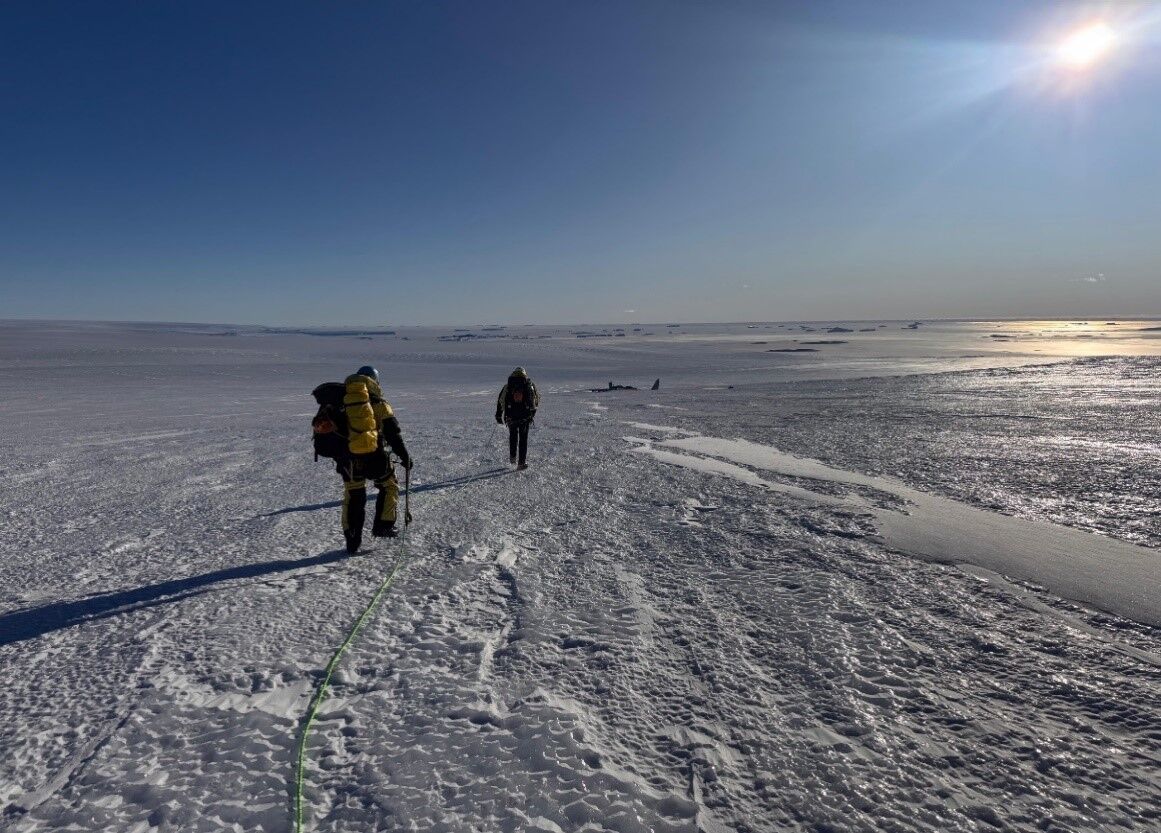
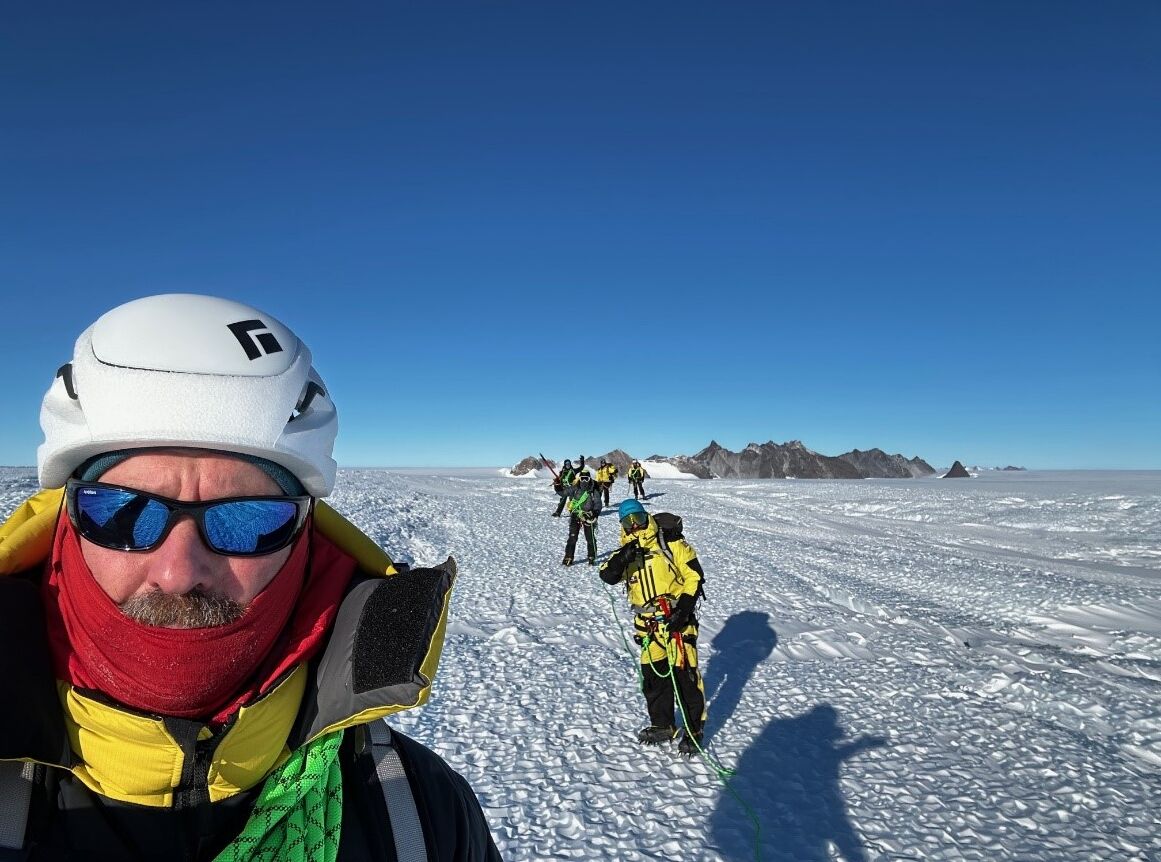
Leading expeditioners, roped up, through a crevasse field to see the remnants of a Russian aircraft has its moments. Seeing the concentration on expeditioner faces combined with unnatural robotic bodily gesticulations while tethered up to each other can be quite the spectacle. What’s going on inside their heads we shall never know. Maybe it’s ‘keeping a smile’ on the rope, or not standing on the rope with sharp crampons, or treading precisely where those ahead of them have stood so as not to stand on a snow bridge likely of collapse? Some of course participants are a little more ‘theatrical’ or should I say ‘melodramatic’ (and vocal) than others – mentioning no names Lockie (AKA the Maltese Falcon). Entertainment value score: 12/10.
Or, leading expeditioners up multipitch climbs and exposed multi-rappels on Rumdoodle (yes, the name of a nice little peak close to Station). Observing expeditioners function outside of their comfort zone in unfamiliar terrain, tackling their fears and anxieties (with a little motivational banter of course) while they feel exposed at heights (don’t worry, they will tell you…although sometimes undecipherable) is very satisfying. But, the best part is listening to them recite their stories to fellow expeditioners upon safe return. Usually the chronicle starts off fairly accurately, however it soon morphs into a full-scale ascent of Mt Everest. Edmond Hillary – each and every one of them… (James). Entertainment value score: 11/10.
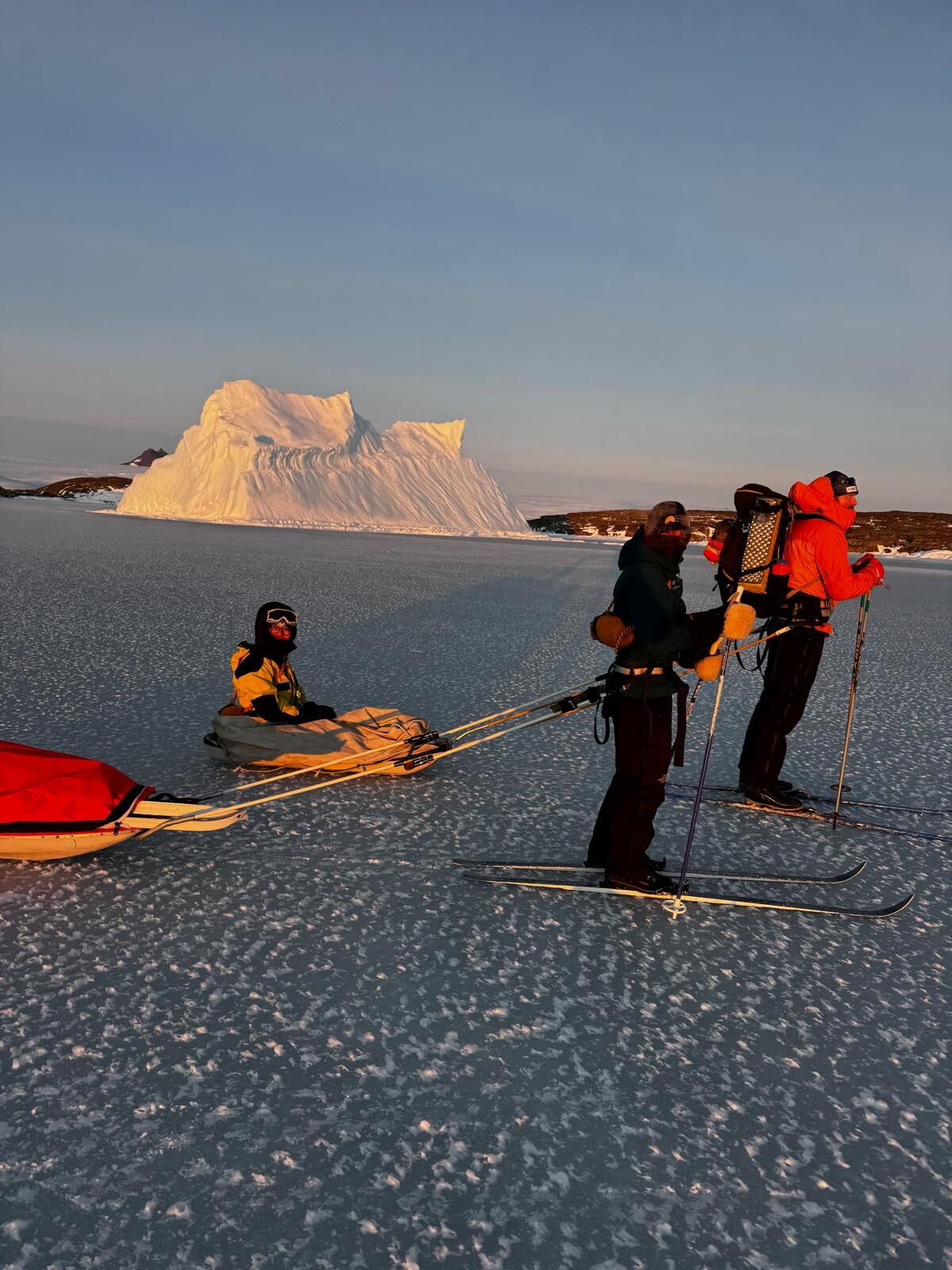
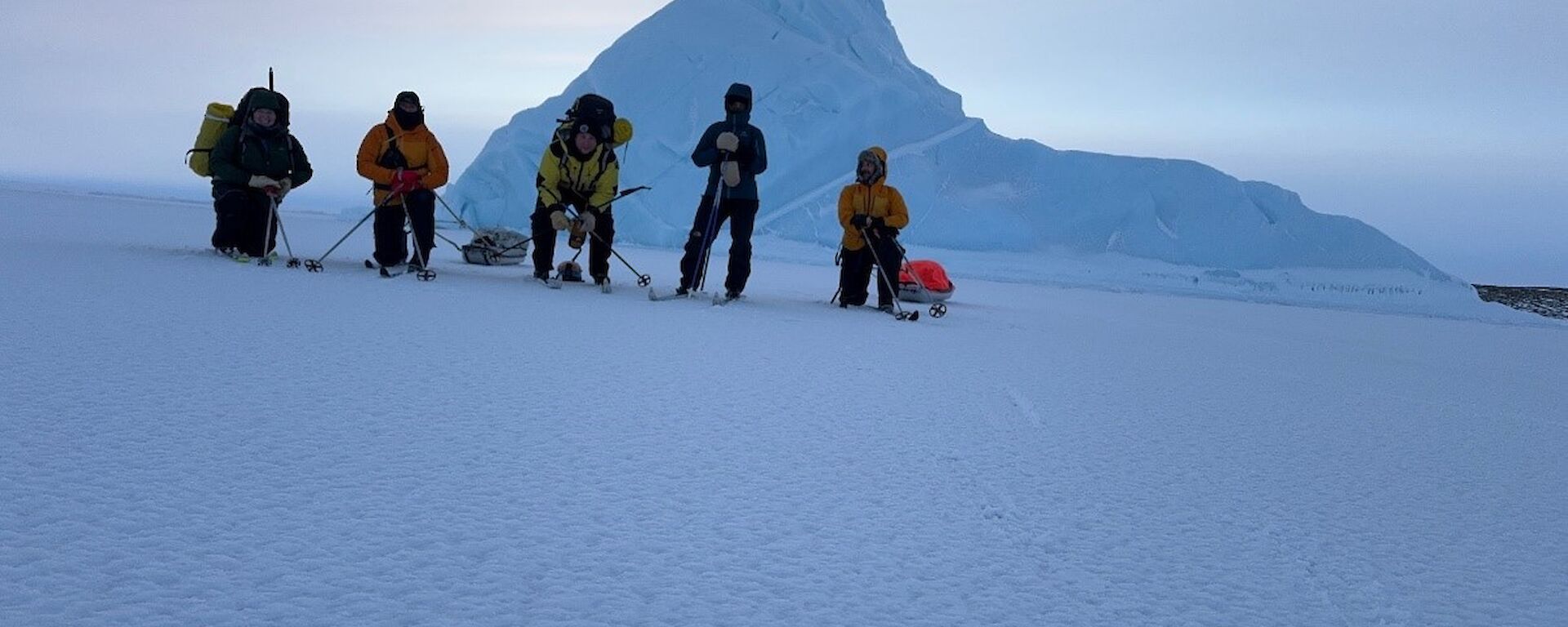
Or, possibly taking small teams out skiing on the sea ice? Well, that’s up there for sure. Skiing on sea ice, generally with patches of snow, can be very entertaining – especially on older cross-country skis that could quite possibly belong in a museum. First time skiing skills are generally reminiscent of a cat on a hot tin roof – but faster, and more cartoon like. But, seeing personal skiing improvements while deep in jovial banter and ridicule (mainly at the person who has fallen over) skiing around the unique local islands is worthy of mention. We have had some outstanding days skiing on the sea ice. Nobody is worthy of a mention here, but entertainment value score: 10/10.
Of course, there are more little anecdotes that could easily be added to the above list of standouts. But, time to clock off. My job is done. Time to hand over the ‘talking stick’ to the next FTO (those that know, know).
Lee Warner, FTO - Mawson, 78th ANARE