
A field biologist’s journey to Mawson
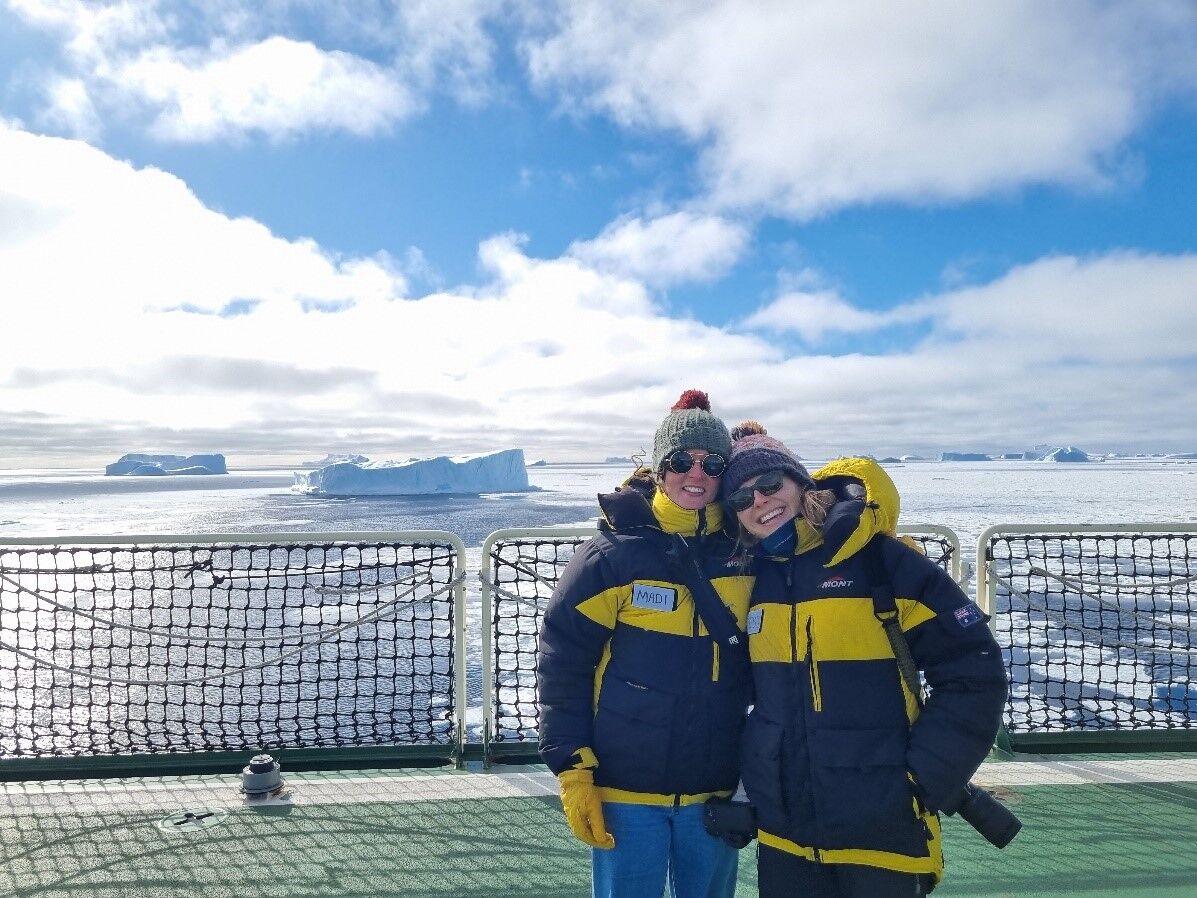
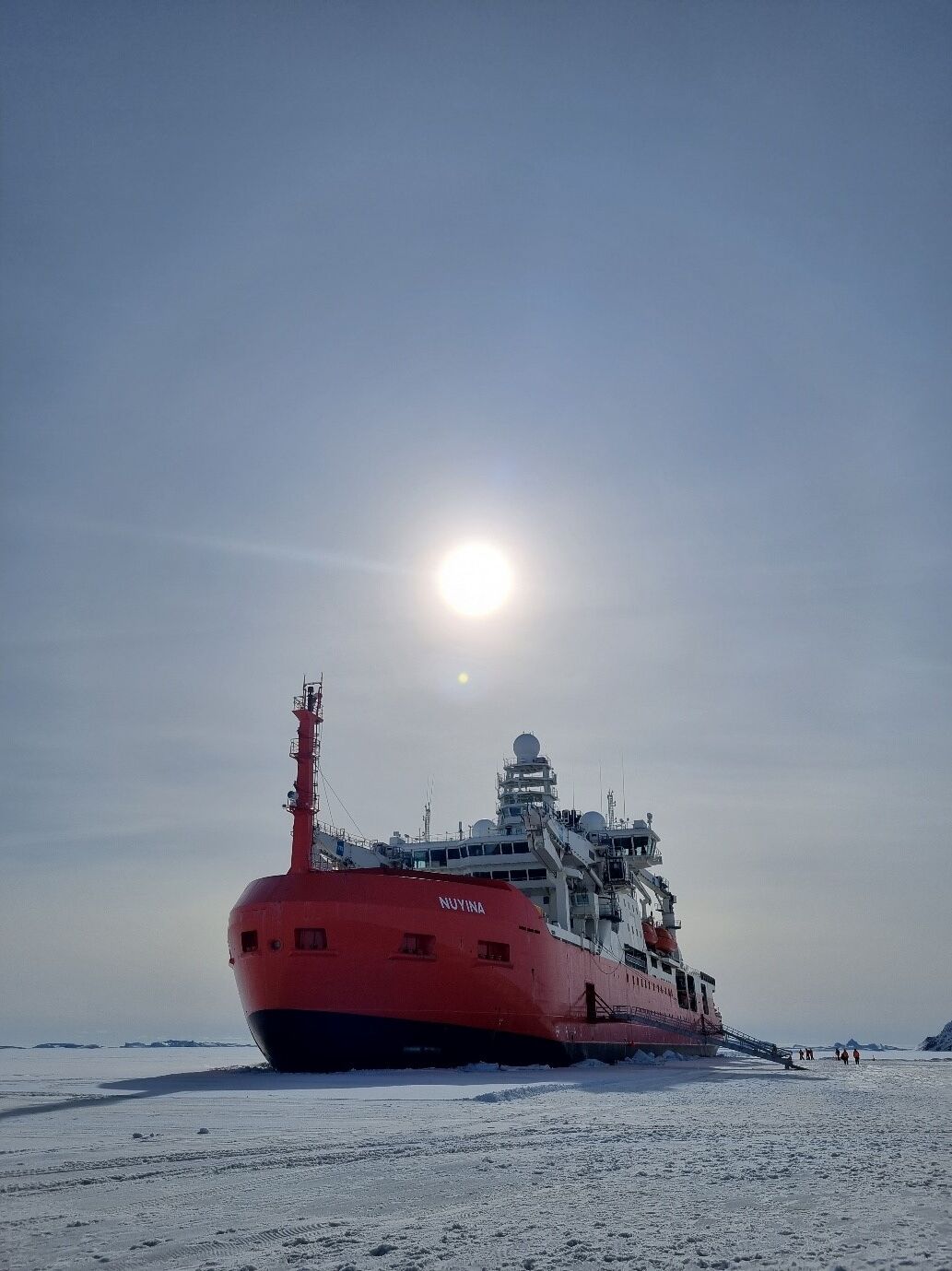
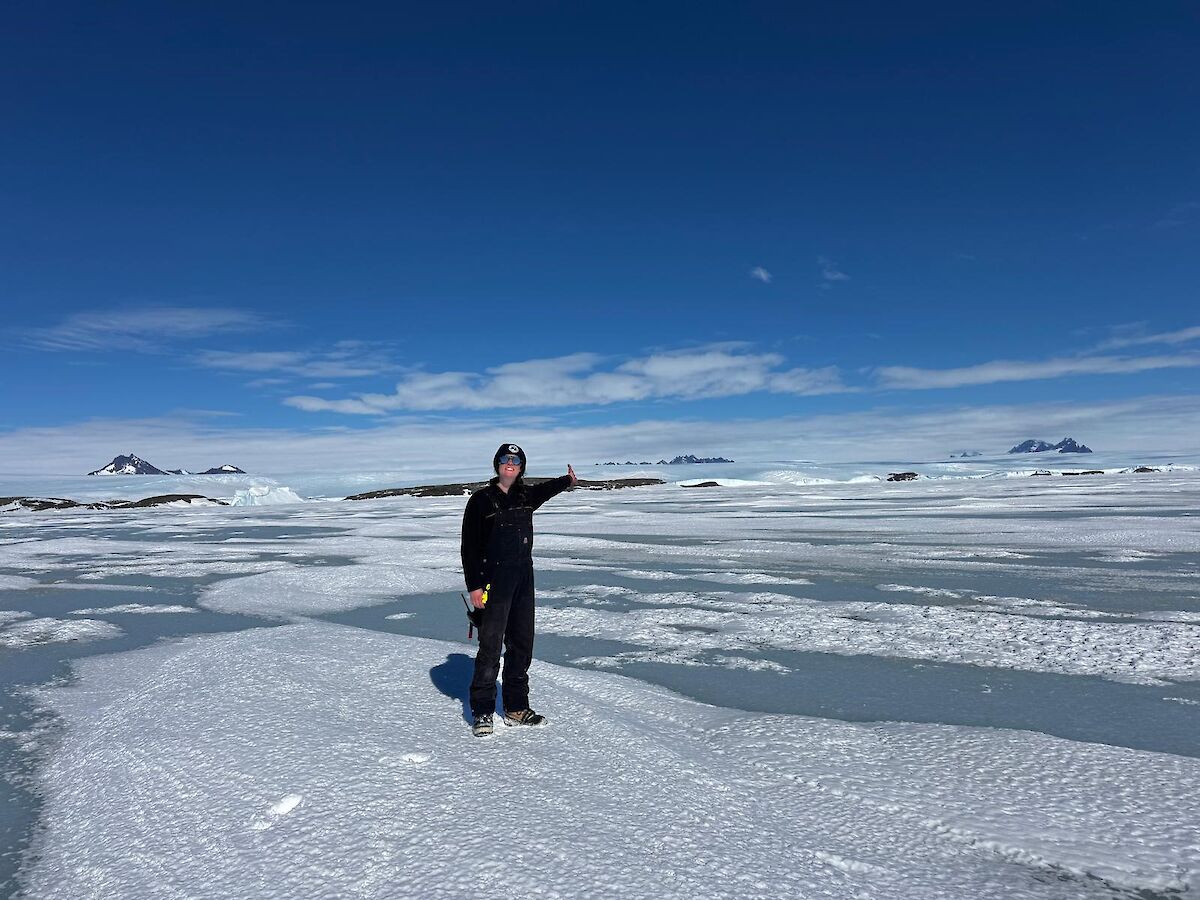
As one of the lucky few who are spending the summer on the icy southern continent, I spent around six weeks on RSV Nuyina in bouncy seas, ice of varying levels of thickness, and in the beautiful bays of Heard Island. The journey to Antarctica began with our first leg to Casey. We parked ourselves somewhere way off the coast to deliver some important humans and cargo to the station, in ice that was resembling the fluffy white peaks of a pavlova. Although this is my second season down, the ice still took me by surprise. It’s insanely thick, and there is nothing as far as the eye can see but blinding white. And, maybe some big icebergs on the horizon in shades of blue.
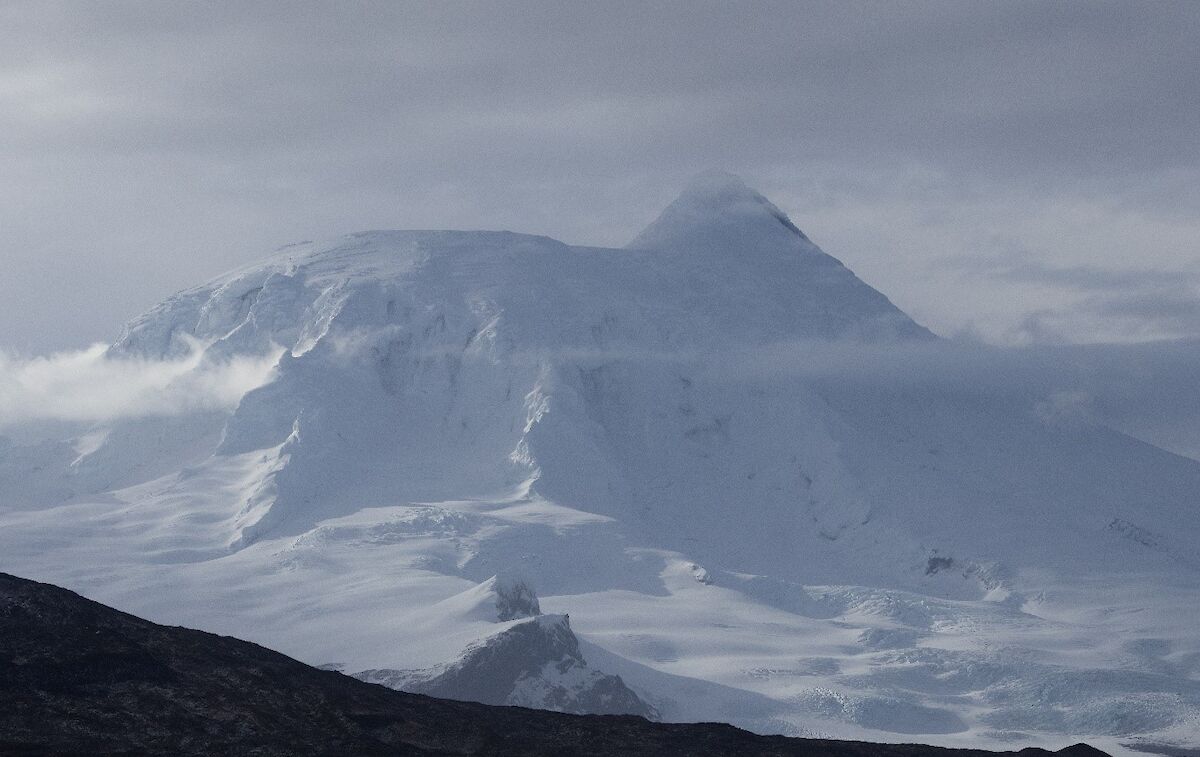
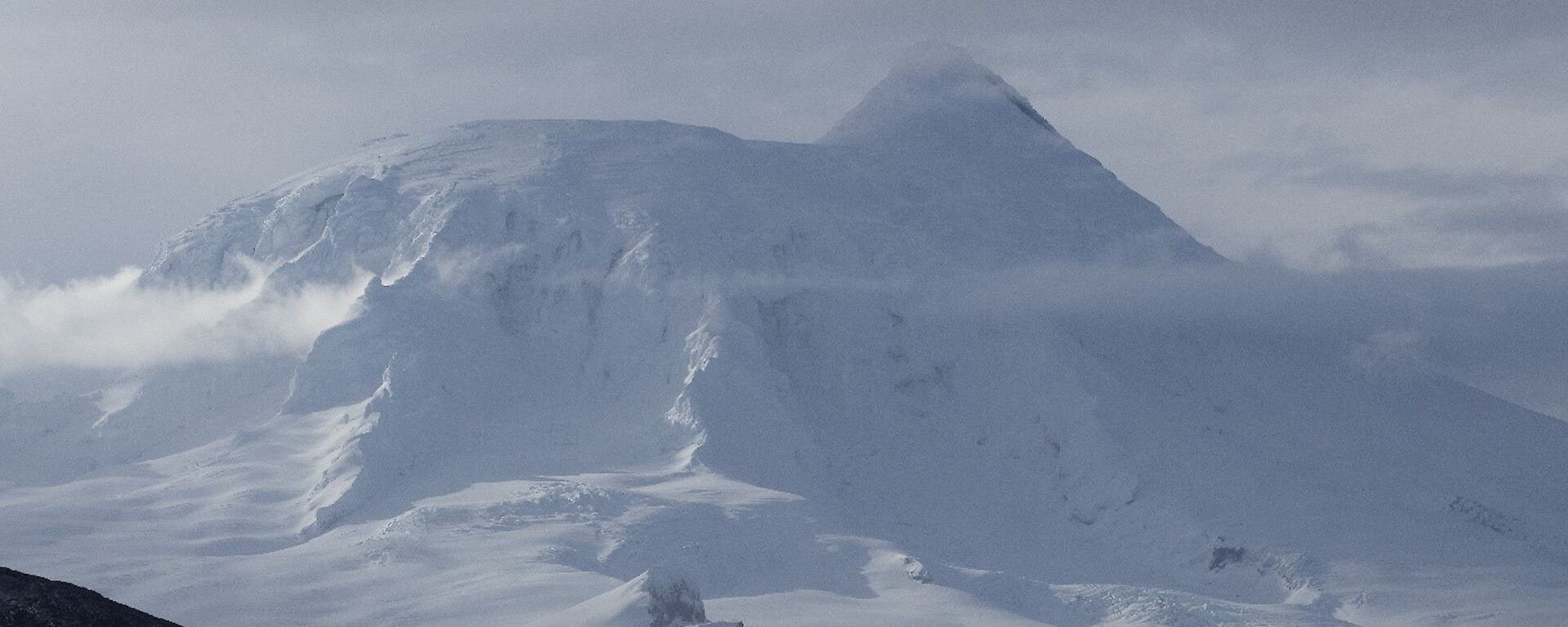
The next step after Casey was the foggy and choppy journey to Heard Island. For three days we drifted through a thick fog, sometimes a bit rainy, always cold. It was like something out of the Pirates of the Caribbean. One morning, we awoke to Heard Island right outside our window. After days of big blue waves and sea ice, it was mind-boggling. This giant, white, volcanic island sticking up out of the middle of the southern Indian Ocean. Everyone on the ship was outside on the helideck in the glorious morning sun. We were welcomed to Heard Island with an epic, prolonged display of Big Ben’s peak – something everyone kept telling us we'd be lucky to see at all, but proceeded to see every day (lucky, we know). The sheer number of seabirds hanging around the ship kept all the binoculars and cameras busy for a while - pintado petrels and southern giant petrels took most of the limelight.
Wrapping up the Heard Island venture, it was time to shift focus to Davis! In the next five days, we travelled through open seas, grease ice, pancake ice, pack ice, and eventually we began cutting into the fast ice near Davis Station. The cutting of the fast ice is loud and there's a lot of back and forth but once you start watching it, it is a cathartic experience. Watching big chunks of the ice drift up behind the ship, flipping over and seeing how thick it is, and the fat layer of snow on top of some of the chunks. The first Adelie penguins spotted on board sent quite a buzz through the crowd.
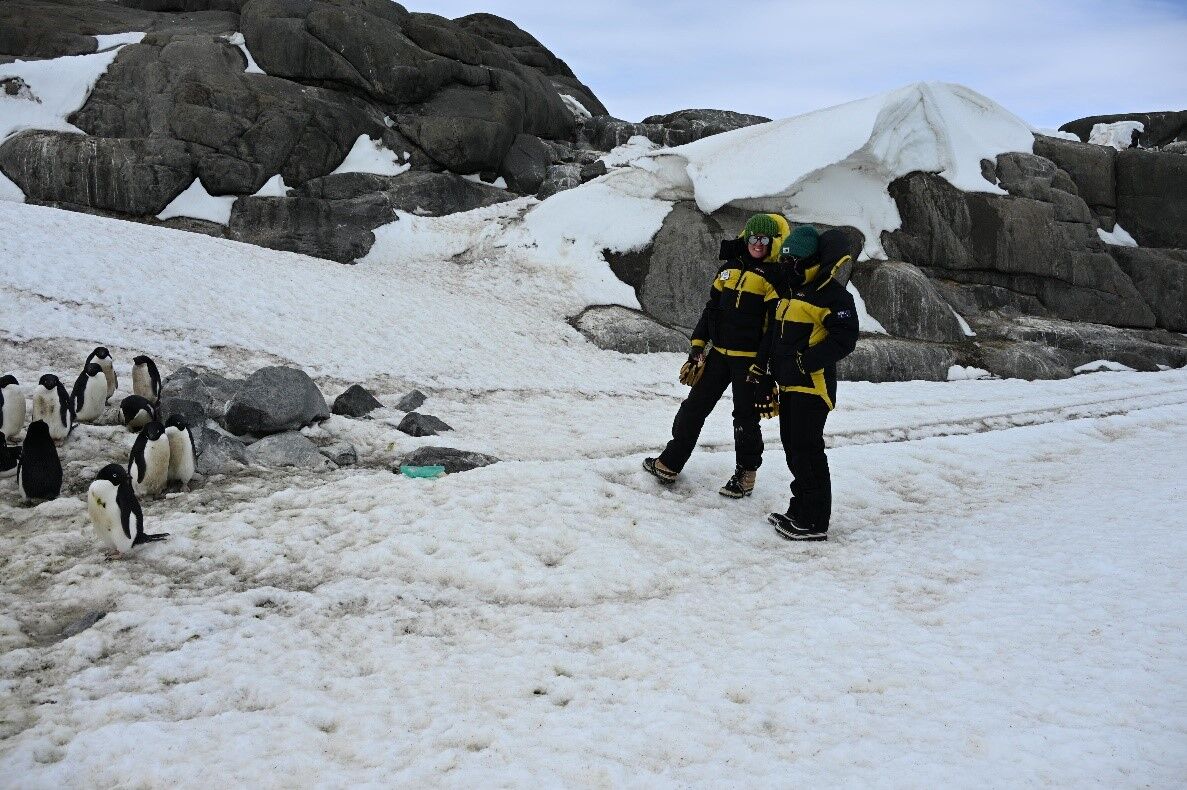
Within the next ten days, we had a whirlwind experience at Davis. We visited local islands to assess for H5 bird flu, collected samples, and deployed satellite trackers at Hop Island. Everyone always asks whether the penguins are excited to see me again, and I usually say I'm sure they roll their eyes and wonder what we're going to do this time.
Before we knew it, it was time to pack up shop at Davis and fly over to Mawson to join the 78th ANARE. In our first few weeks, we have kicked some goals – the deployment of another batch of satellite trackers, the collection of samples, two visits to the emperors breeding at Auster, and H5 bird flu assessments all over the place. Visiting Auster is a magical, somewhat overwhelming experience - something that will certainly stick with everyone for the rest of their lives. These birds are one way to constantly remind ourselves of the importance of our work, why we are doing it, and how many questions we have yet to answer.
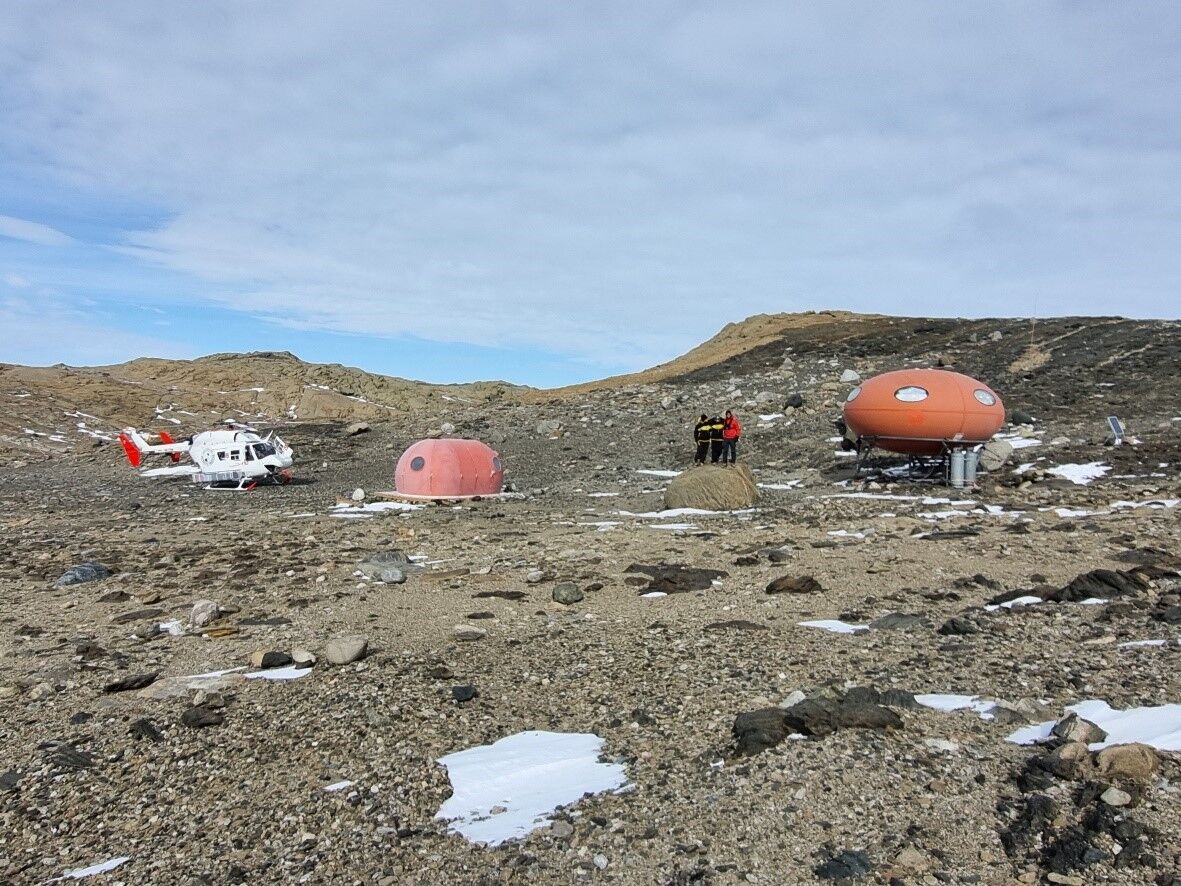
Throughout this season, we have many things to look forward to, one of which is a stint living on Bechervaise Island for around a month. This is something we started preparing for on arrival at the station. With the help of the lovely folk of Mawson research station, we will soon have completed the Beche resupply.
Currently, we are experiencing what some might call “pretty windy conditions” at Mawson, with hurricane force winds expected this evening. Whipping winds and trying to remember what to wear to not get chilly if you step outside – in your first season some might call it a baptism of fire (if fire were ice), but in your second season, you should know how to dress! For now, I will catch up on paperwork and watch the snow go past out the window. The penguins will still be there once it’s over.