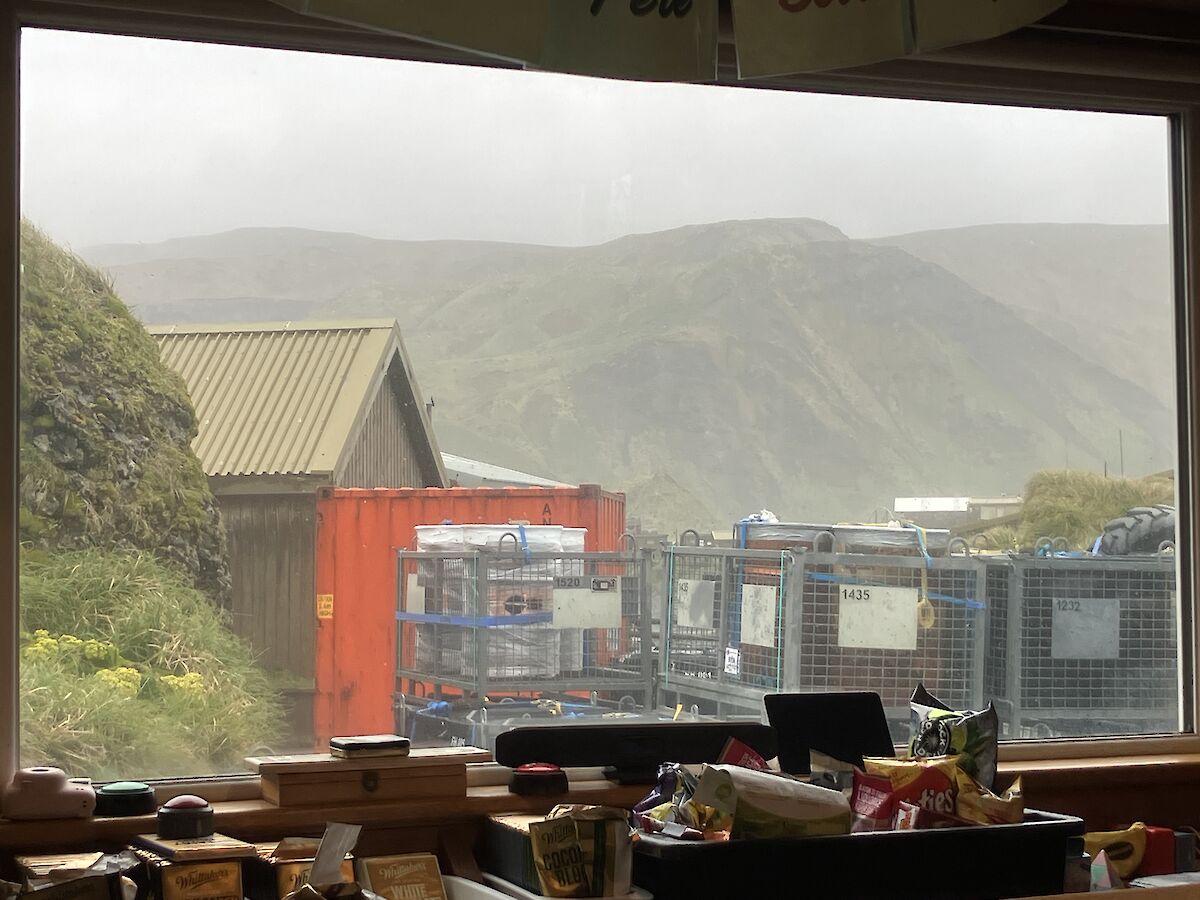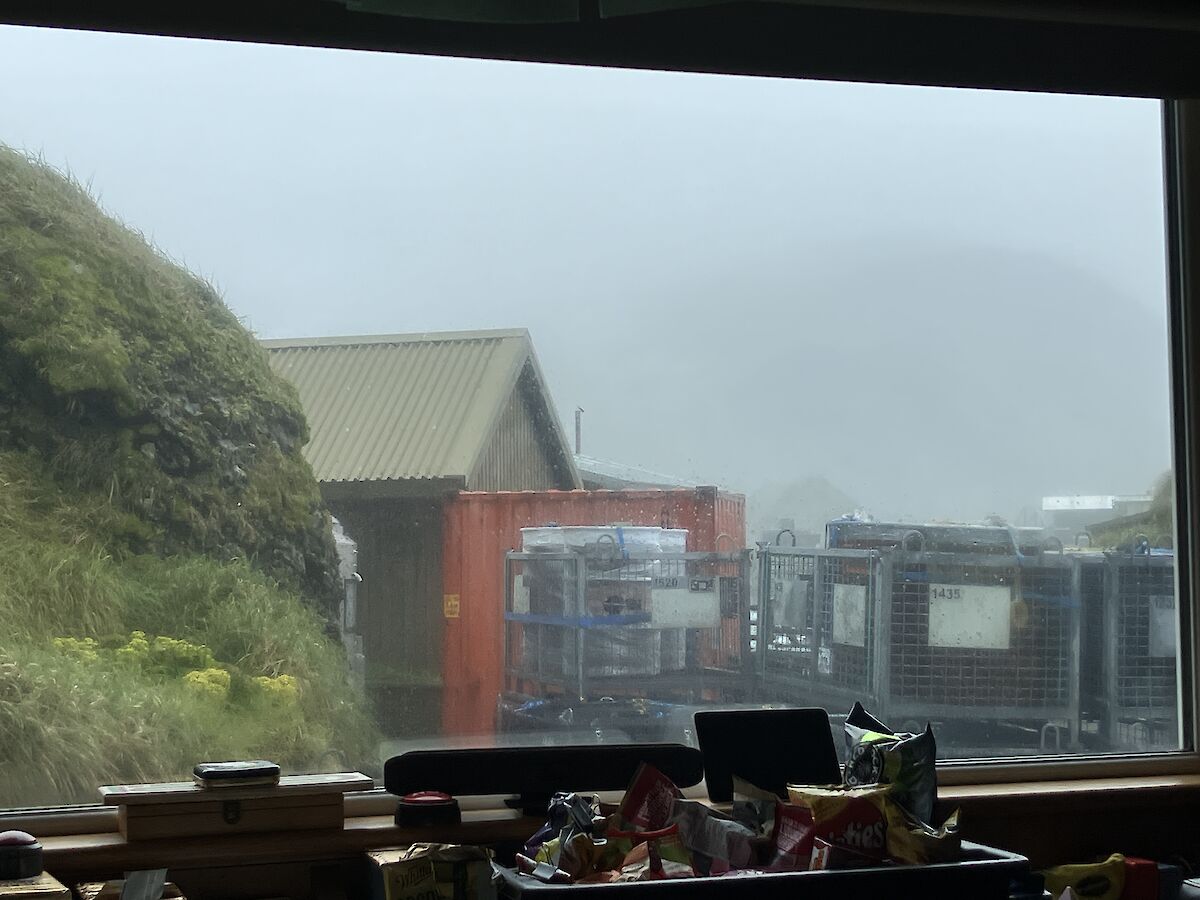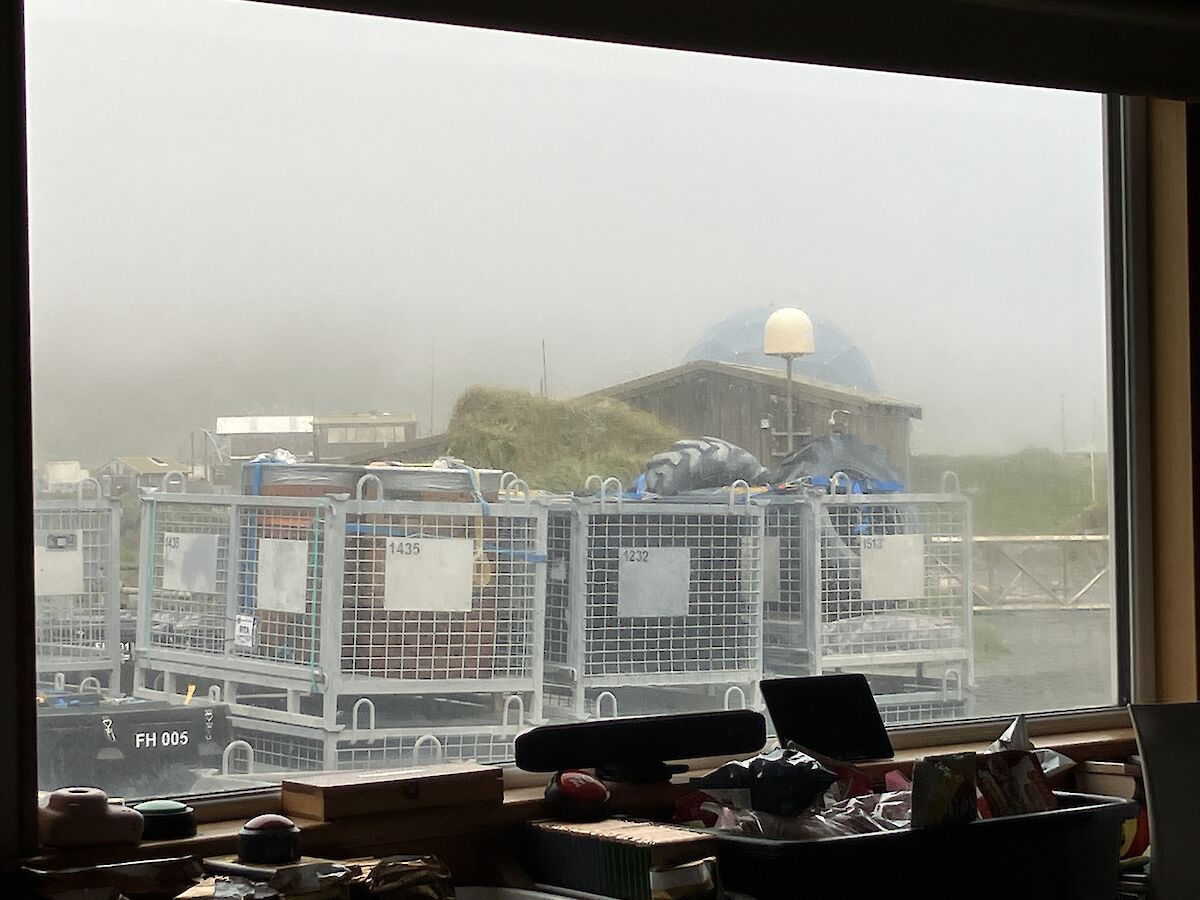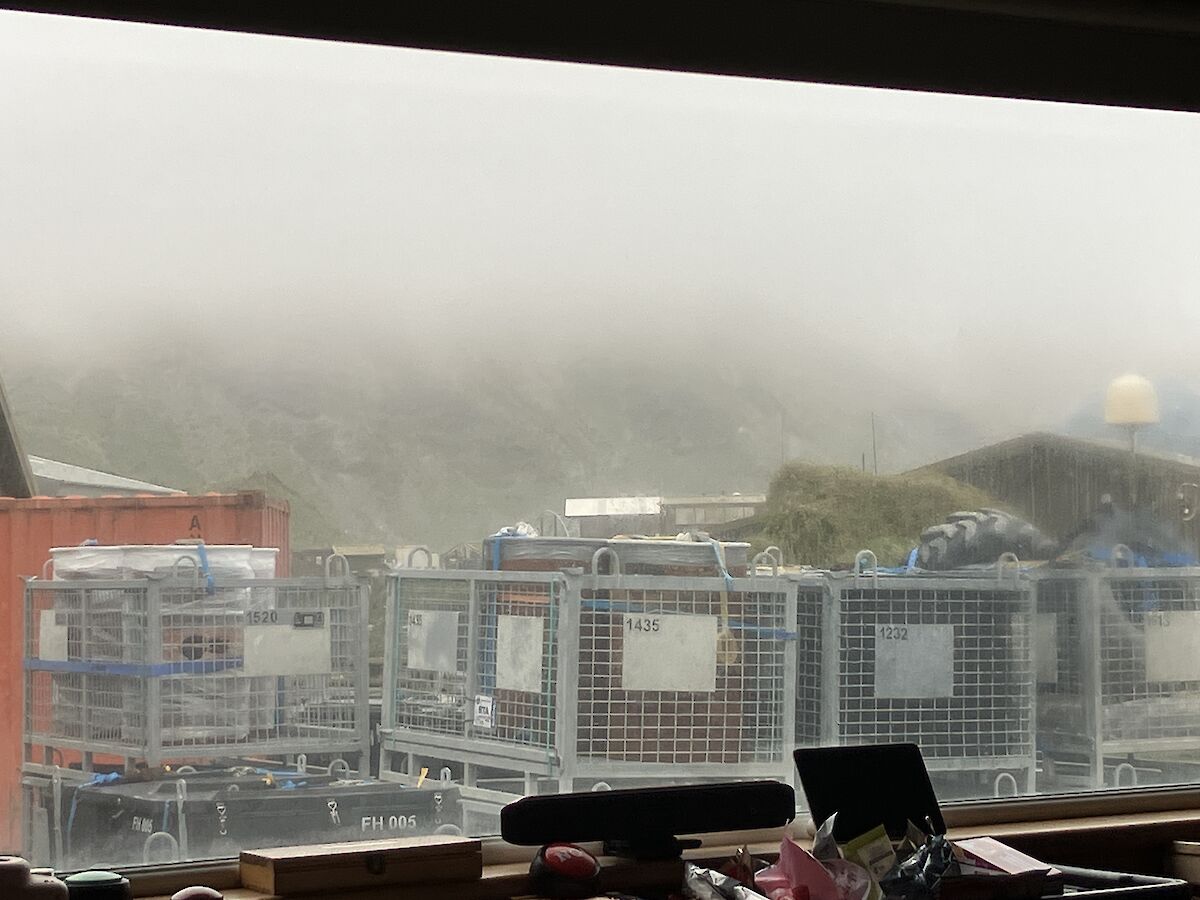

The slow drift into island weirdness
On Macquarie Island, habits are not personality quirks. They are coping mechanisms dressed up as routine. What begins as sensible behaviour in the cold, wet and windy environment slowly evolves into something stranger and faintly ridiculous. No one notices the change because everyone is changing together.
It starts with the weather. The weather is mostly wet and windy, but acknowledging this outright feels like admitting defeat, so people develop habits around pretending it’s fine. “It’s not too bad out there,” someone will say, already wearing three layers, waterproofs, and the expression of a person preparing to get wet and cold. Going outside becomes a ritualised performance where one looks at the weather forecast, stares out the window for a bit, maybe walk to the door and open it, sighing, bracing, then returning minutes later to announce that yes, it is exactly as bad as expected. Typically, this happens when planning outside jobs or a field trip down island. This exchange repeats over and over as if the weather gods might hear our pleas and change the weather to suit our desires.
Inside, routines harden into law. Meals occur at the same time every day, not because anyone is hungry, but because hunger is easier to manage than the existential dread of an unscheduled lunch. Jokes are recycled with the efficiency of a closed system. Everyone knows the punchline, but laughter persists, partly from habit and partly from relief that something familiar has happened as expected. When the group routine is disrupted, whether it is by the weather, logistics, or, heaven forbid, someone dares to change their own routine, a quiet panic spreads through the group. People become restless, irritable and feel vaguely betrayed.
Seating arrangements emerge without discussion. No one remembers choosing their seat, yet everyone knows when someone else has taken it. There is the chair that has the best view out the large window, the chair that is nearest the TV, the chair where one can watch people making coffee and critique their technique, the chair near the heater that somehow still isn’t warm. When a seat is occupied incorrectly, no one speaks. Instead, there is shuffling, hovering, forced cheerfulness. The offender may apologise, or worse, say, “Oh, do you usually sit there?” which is unanswerable without acknowledging the entire unspoken system.
Shared supplies accelerate the decline. In theory, everything is communal; in practice, everyone is keeping a mental ledger. Someone is using too much milk. Someone else is hoarding the good snacks “for later,” which never arrives. Labels appear, then disappear, then reappear in more aggressive handwriting. The group insists it is above such pettiness, right up until the biscuits run out, at which point morality becomes very important.
All of this happens gradually, until one day you realise you are talking to equipment. Weather instruments are praised, generators are negotiated with, doors are scolded. Minor achievements such as dry socks, not burning the toast, not having to make the milk three times in one day, are celebrated with disproportionate joy. Outside, seals wrestle and penguins mill about in indecisive clusters, and they are now so familiar we have to remind ourselves of how it felt when we first arrived.
It is amazing that, not only does this bizarre behaviour happen, but that it works, it feels normal. The habits hold the group together. They soften the edges of isolation and make the unbearable tolerable. By the time anyone notices how strange it’s all become, it feels far too late to stop. And besides, lunch is in five minutes, and nobody wants to be the one who disrupts that.
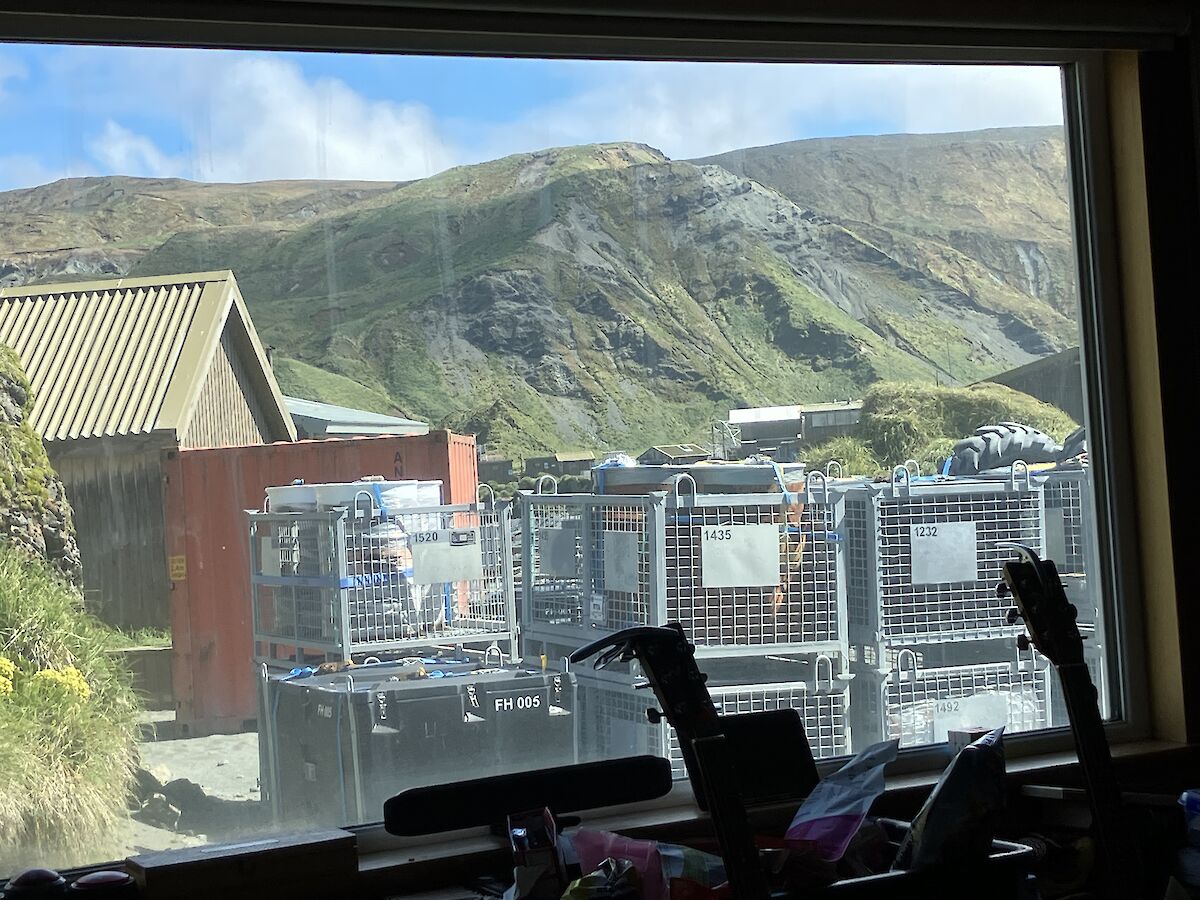
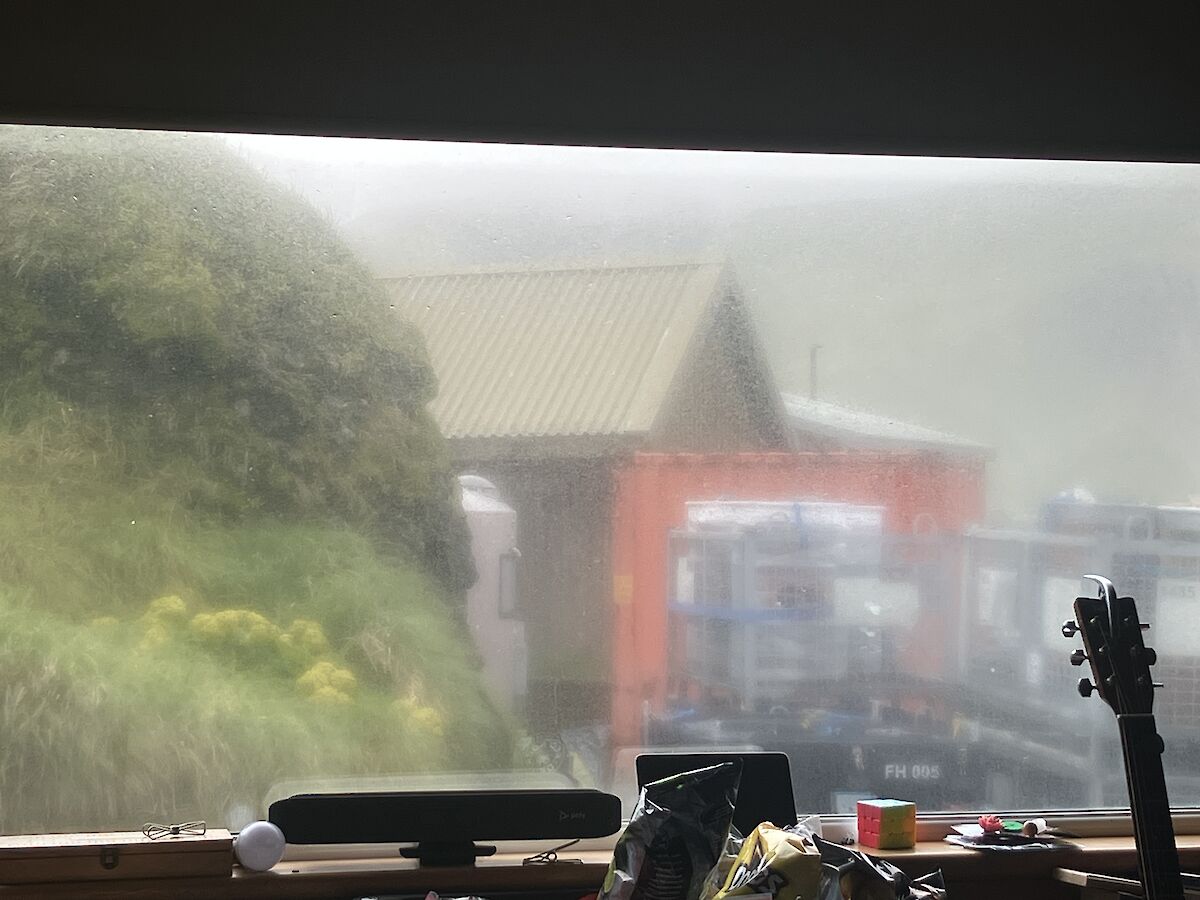
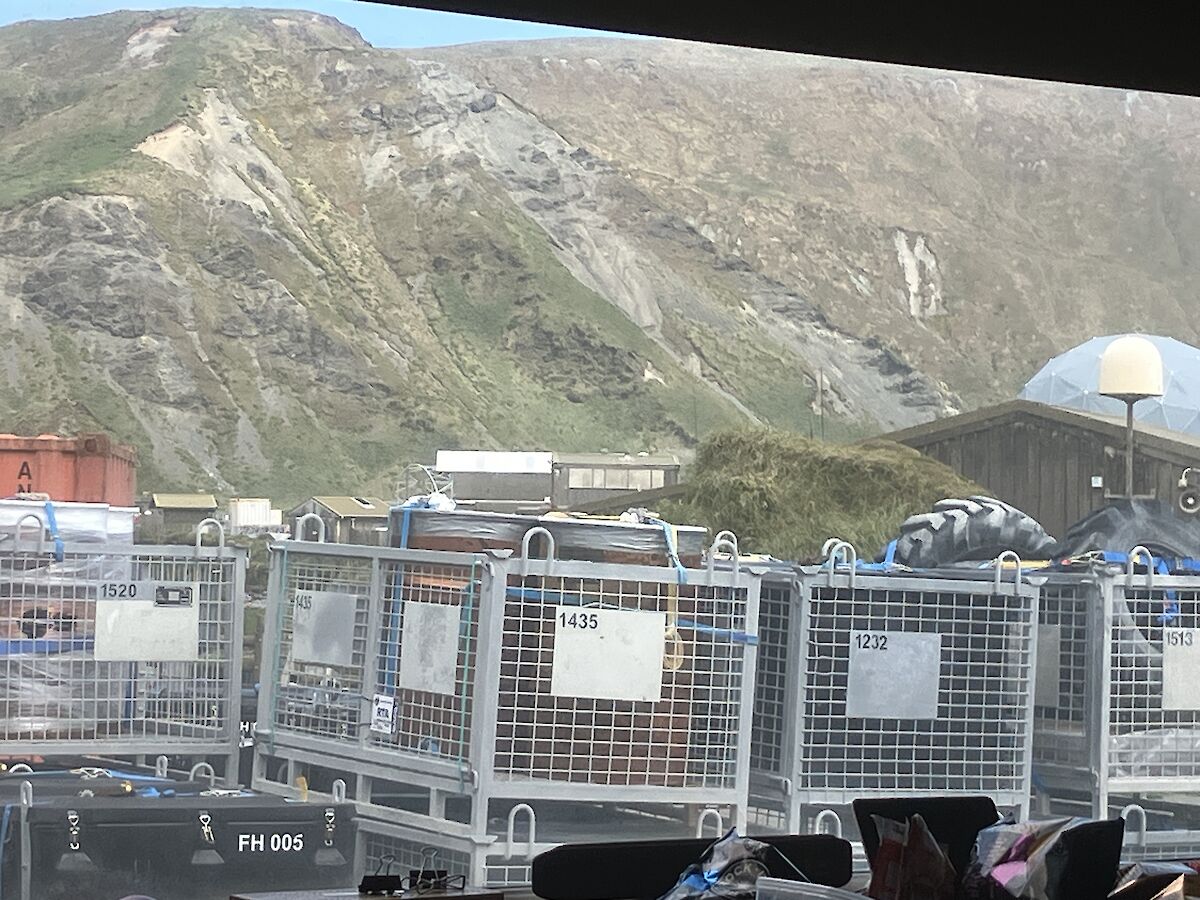
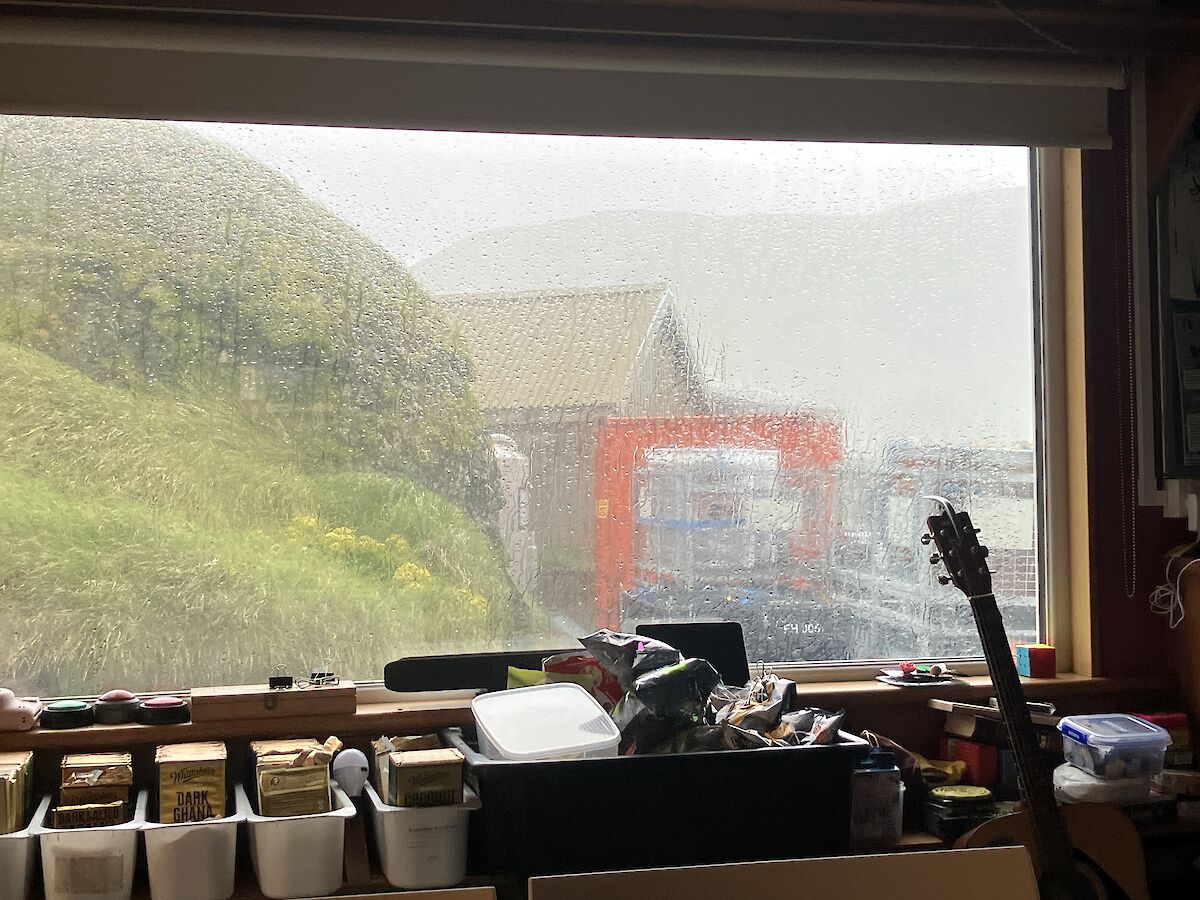
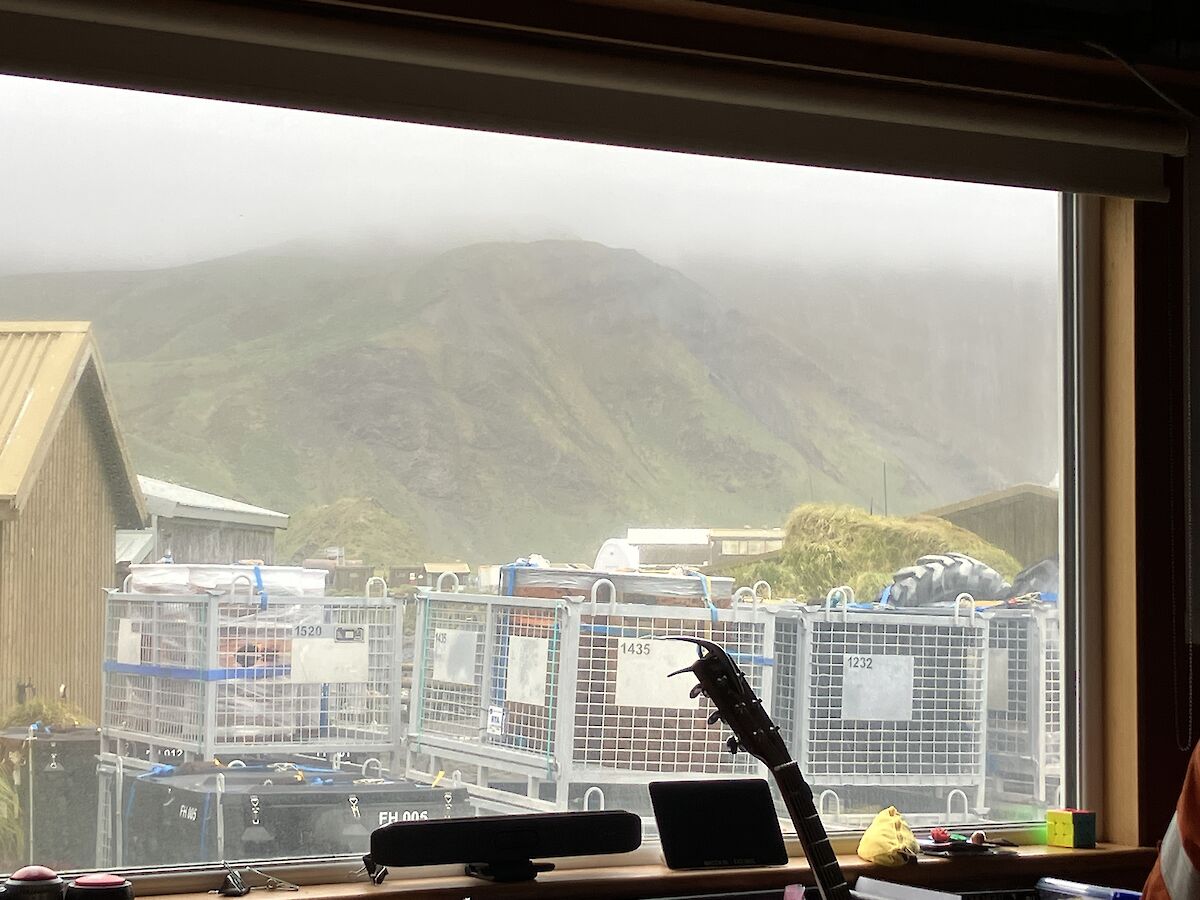
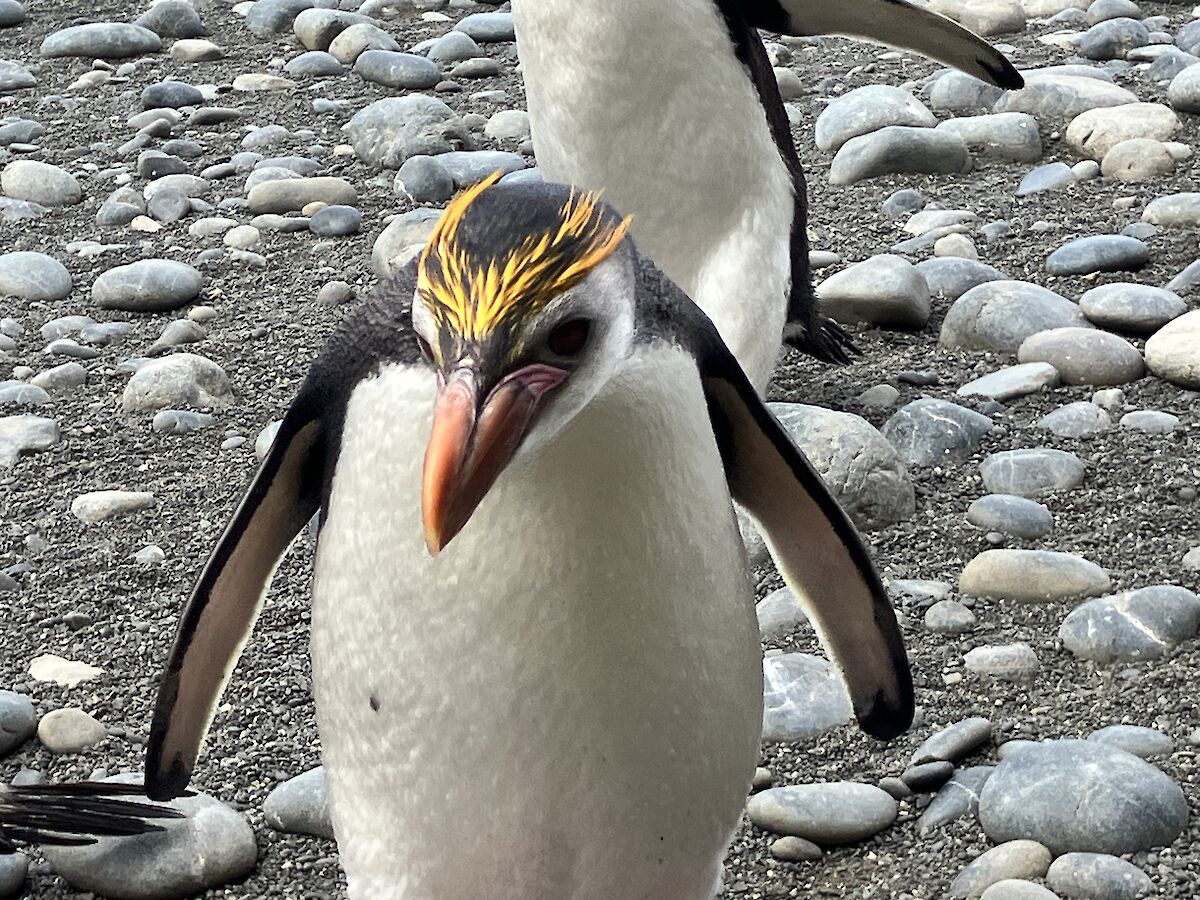
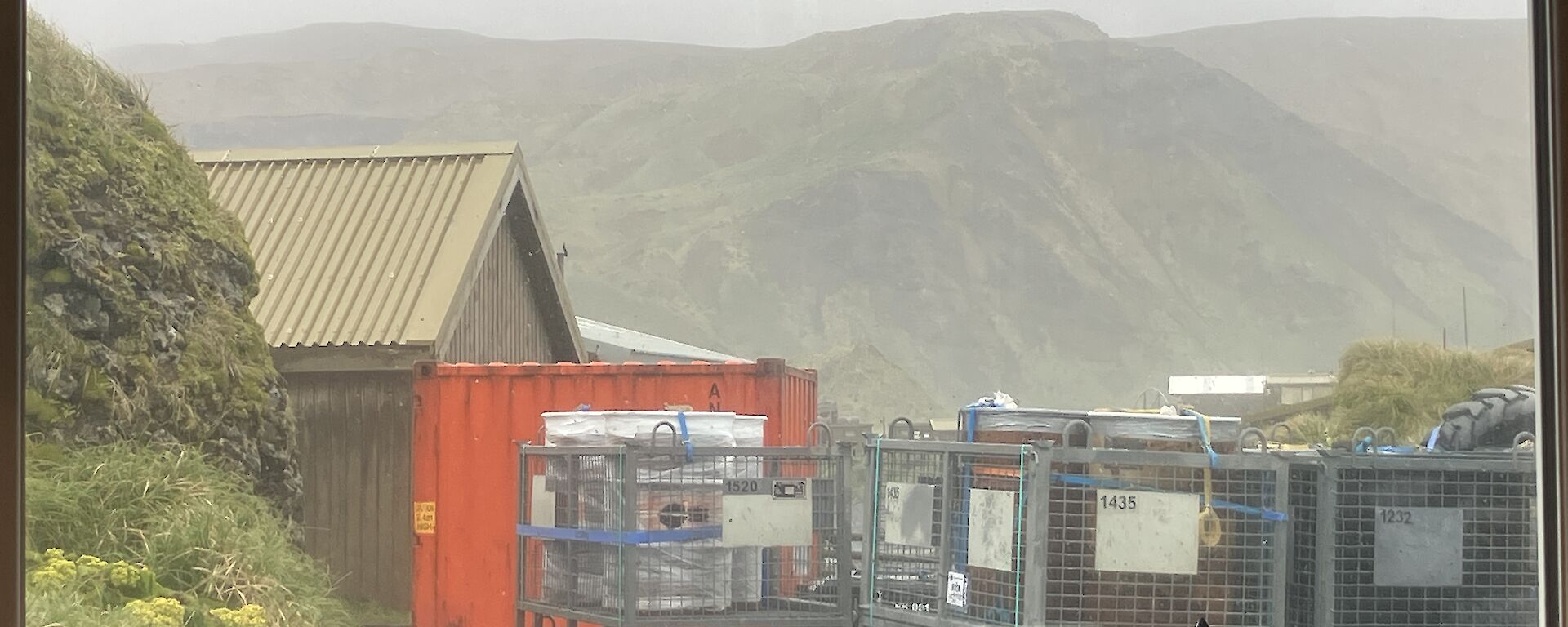
Speaking of habits, the images I am sharing with you this week are of the view I like to habitually take in, nibbling some tasty morsel while gazing out the not always clean mess window. Oh, and a rogue penguin image.
Duncan Logan, Plumber