
Can you imagine it?
Plumbing on Macquarie Island is about as uncomplicated as plumbing gets. Compared to the Australian Antarctic stations, where pipes are at risk of freezing solid and engineers have nightmares about glycol ratios, Macquarie is practically a tropical resort, albeit a wet and windy one. Pipes don’t freeze, heating systems don’t need fancy chemicals, and only the hot-water lines get insulation. The sewage and water pipes sit quietly underground with no heat trace, no drama, and no need for constant emotional support. Everything feels refreshingly uncomplicated.
It’s blissfully simple.
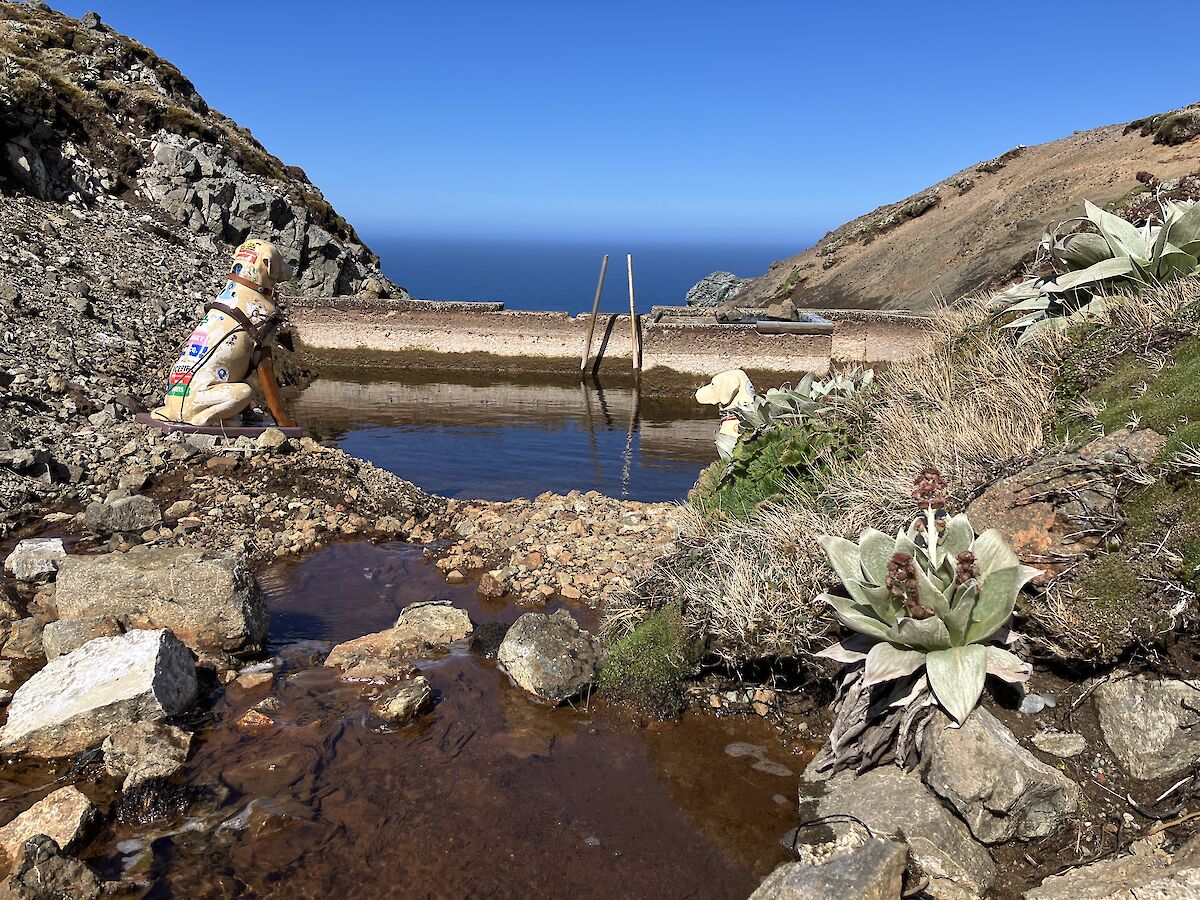
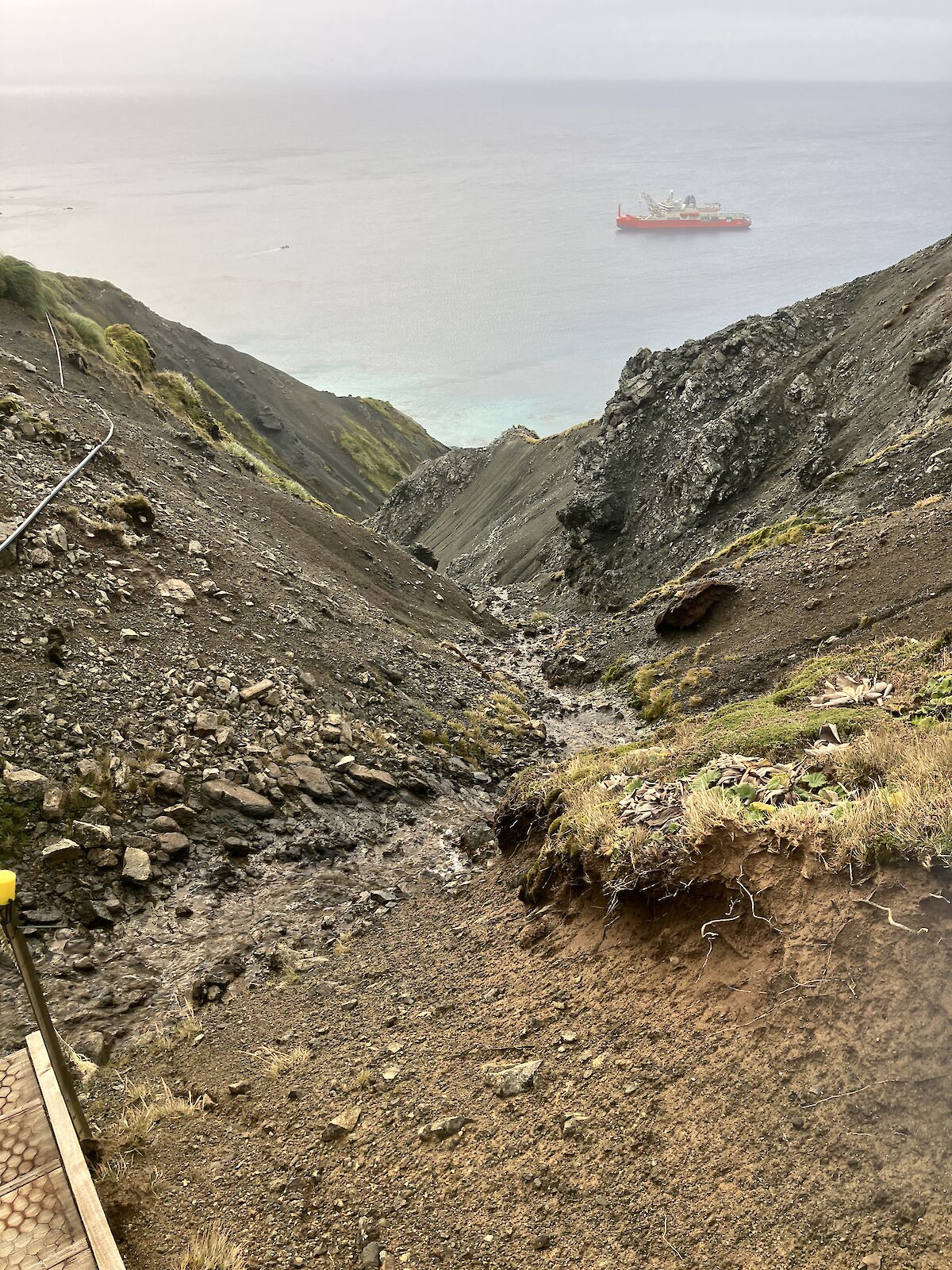
Our water comes from a small, elderly dam in Gadget Gully. From there, it takes a scenic journey to along cliff faces and beach fronts before heading underground across the isthmus, finally ending up in the station tanks. Because Macquarie Island gets rain the way most places get social media ads, we don’t have to hoard water like they do on the Antarctic continent. Still, the supply line occasionally freezes or slows down during a dry spell (which is rare but always feels personally offensive), so we try not to waste water like we’re showering in a hotel on someone else’s credit card.
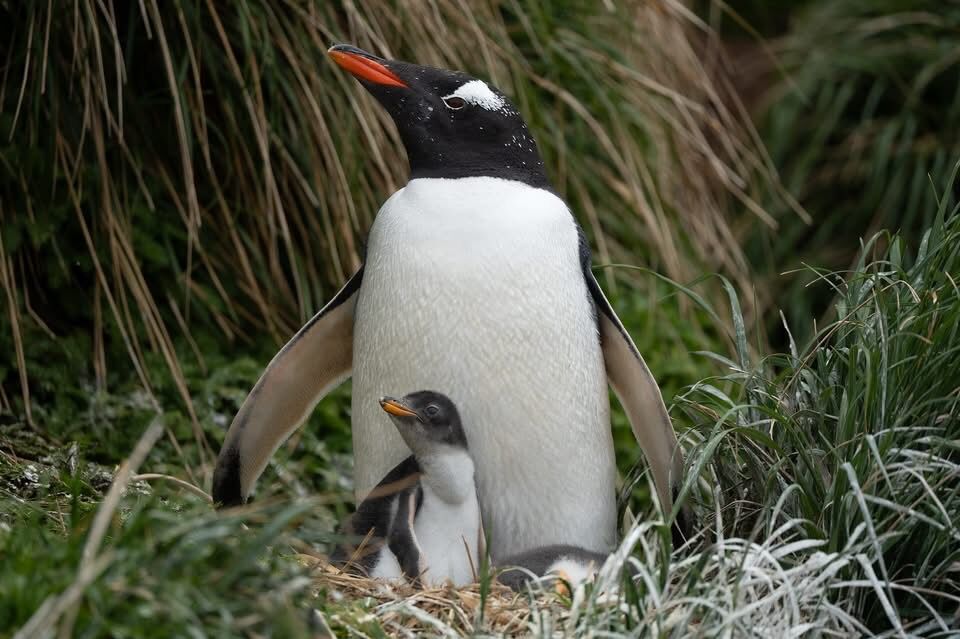
One unexpected perk of our water system is the routine “dead-thing check.” This involves trekking up Doctors Track to make sure nothing has fallen into the dam, birds these days, though in the old times rabbits and cats apparently treated it like a nightclub with no bouncer. Doctors Track is so named because you’ll probably need a doctor after climbing it, but once you reach the plateau, the view pays you back. Gadget Gully opens up below, the sea stretches out beyond it, and if a ship is in, you get a perfect spectator’s seat. Birds swoop through the gully like they’re in an air show, and down on the beach a king penguin colony waddles around being majestic and slightly ridiculous.
So yes, 'checking for dead stuff in the water' is actually a strangely soothing getaway, a small escape from the rhythms of station life.
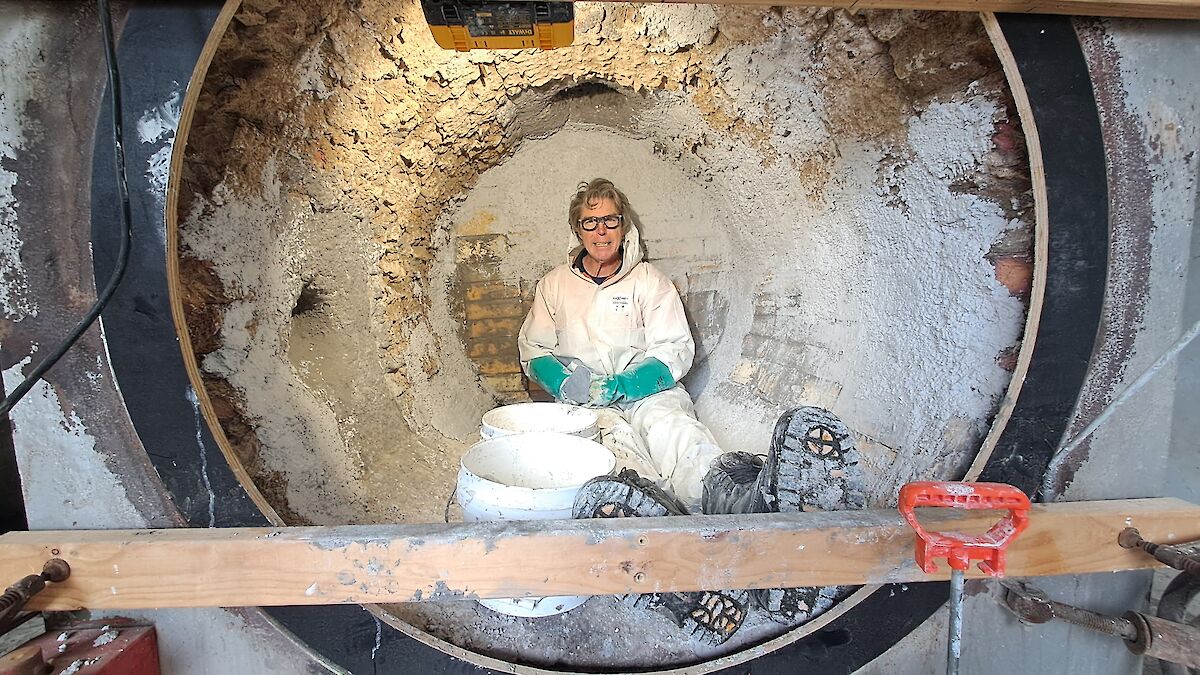
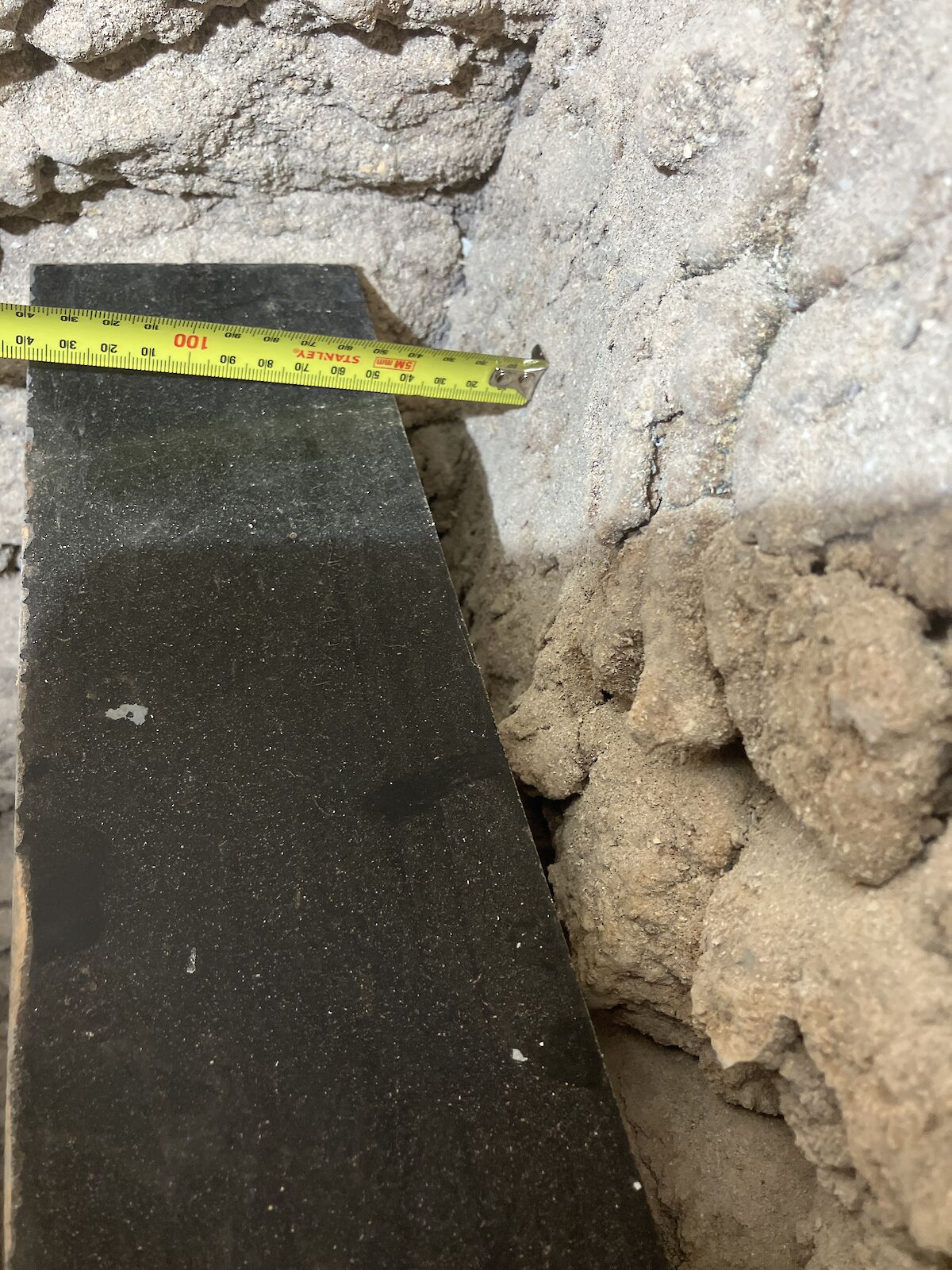
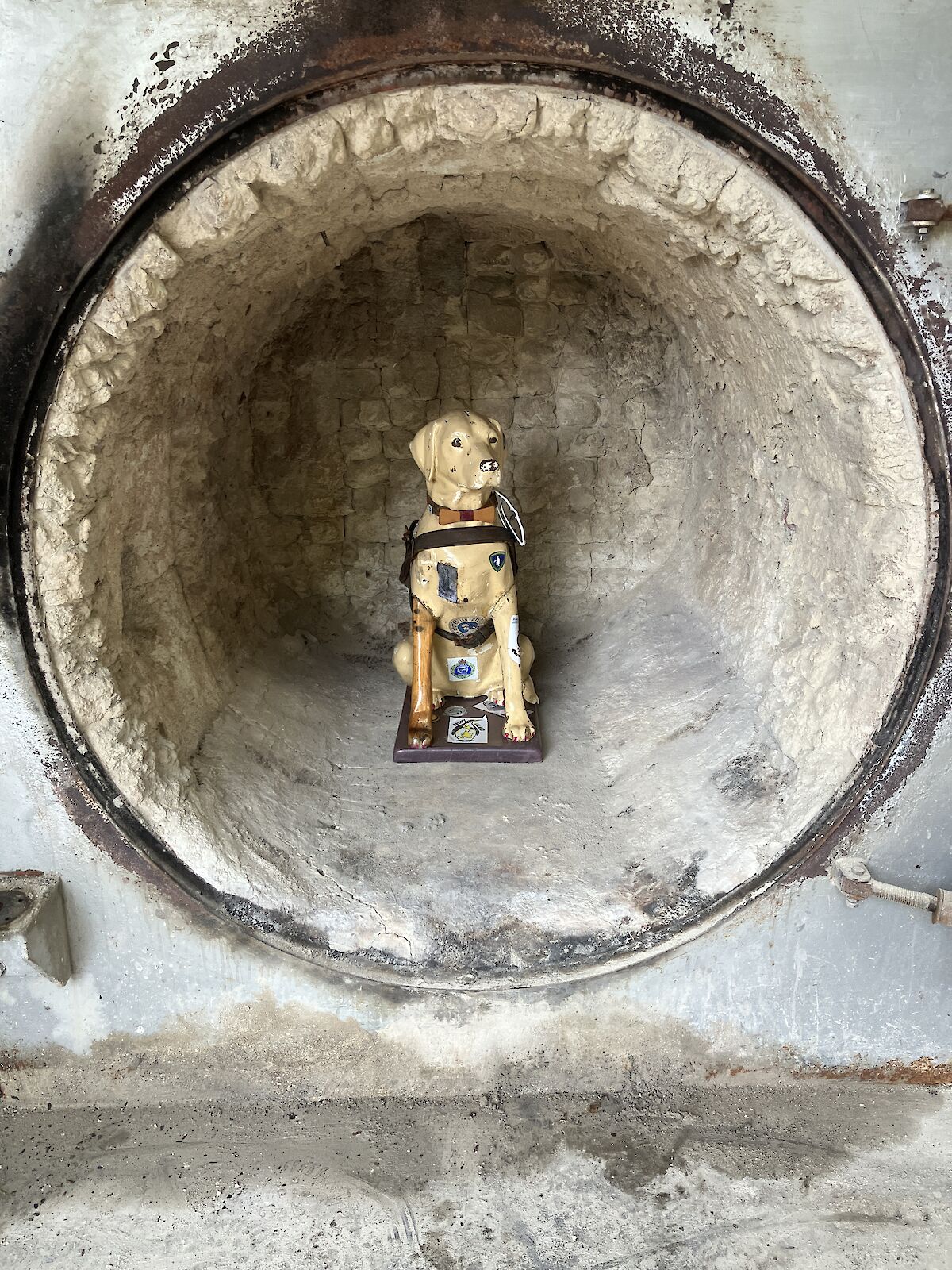
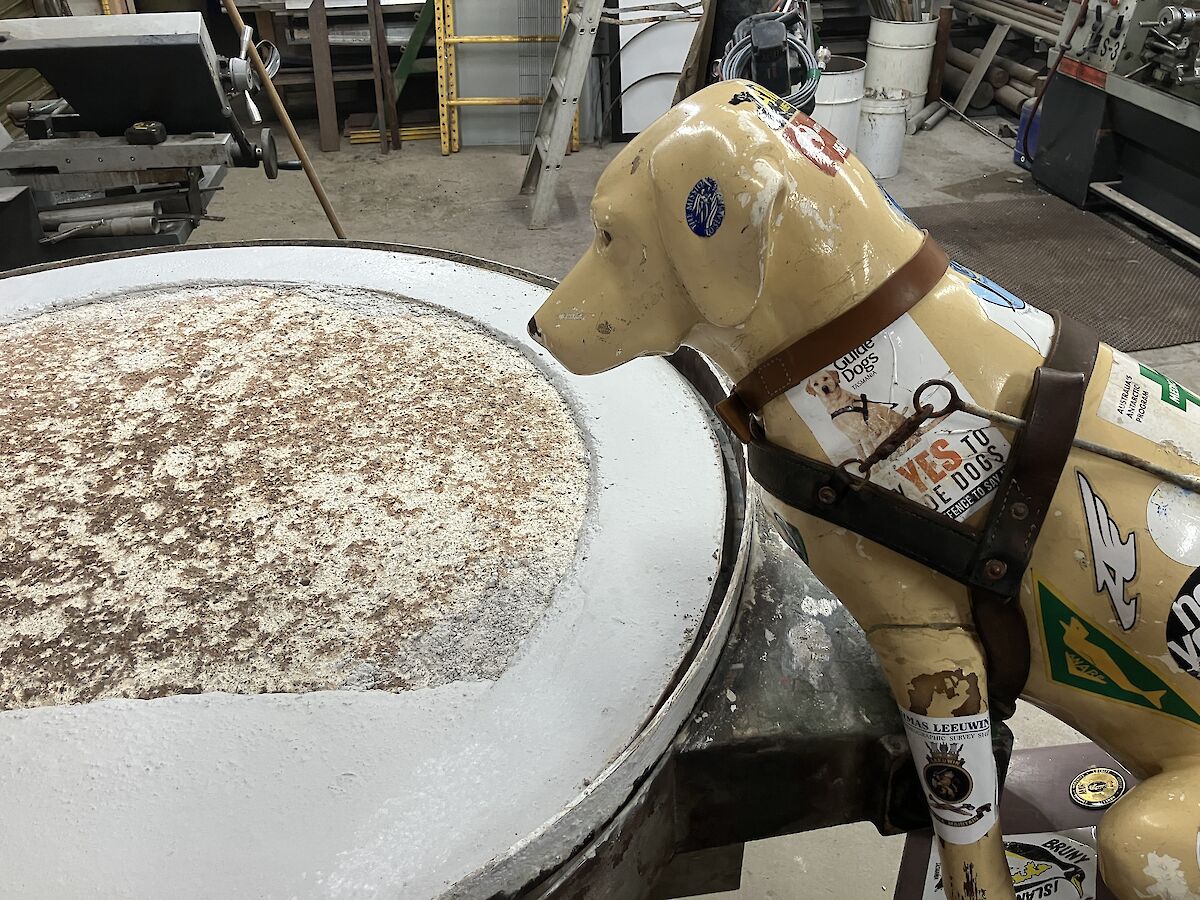
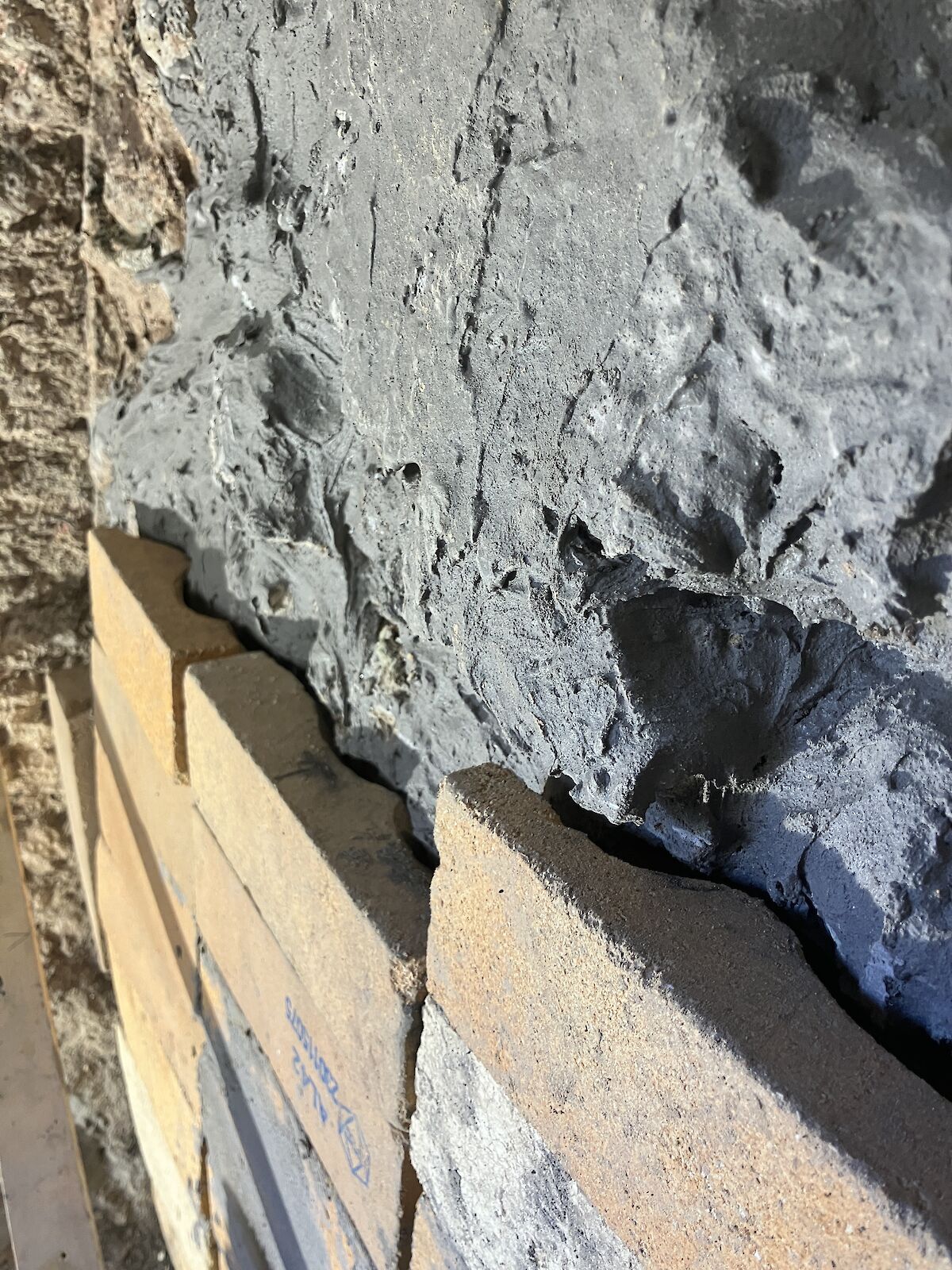
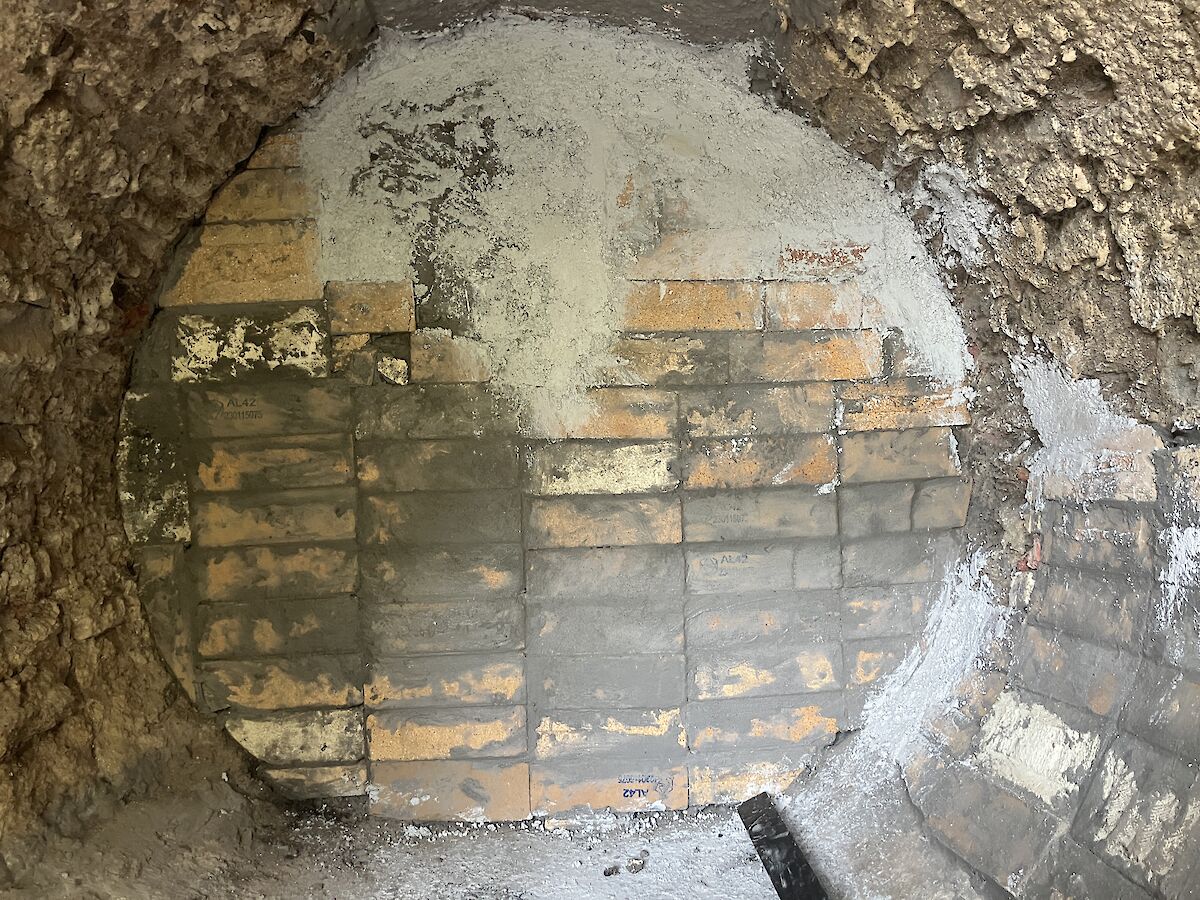
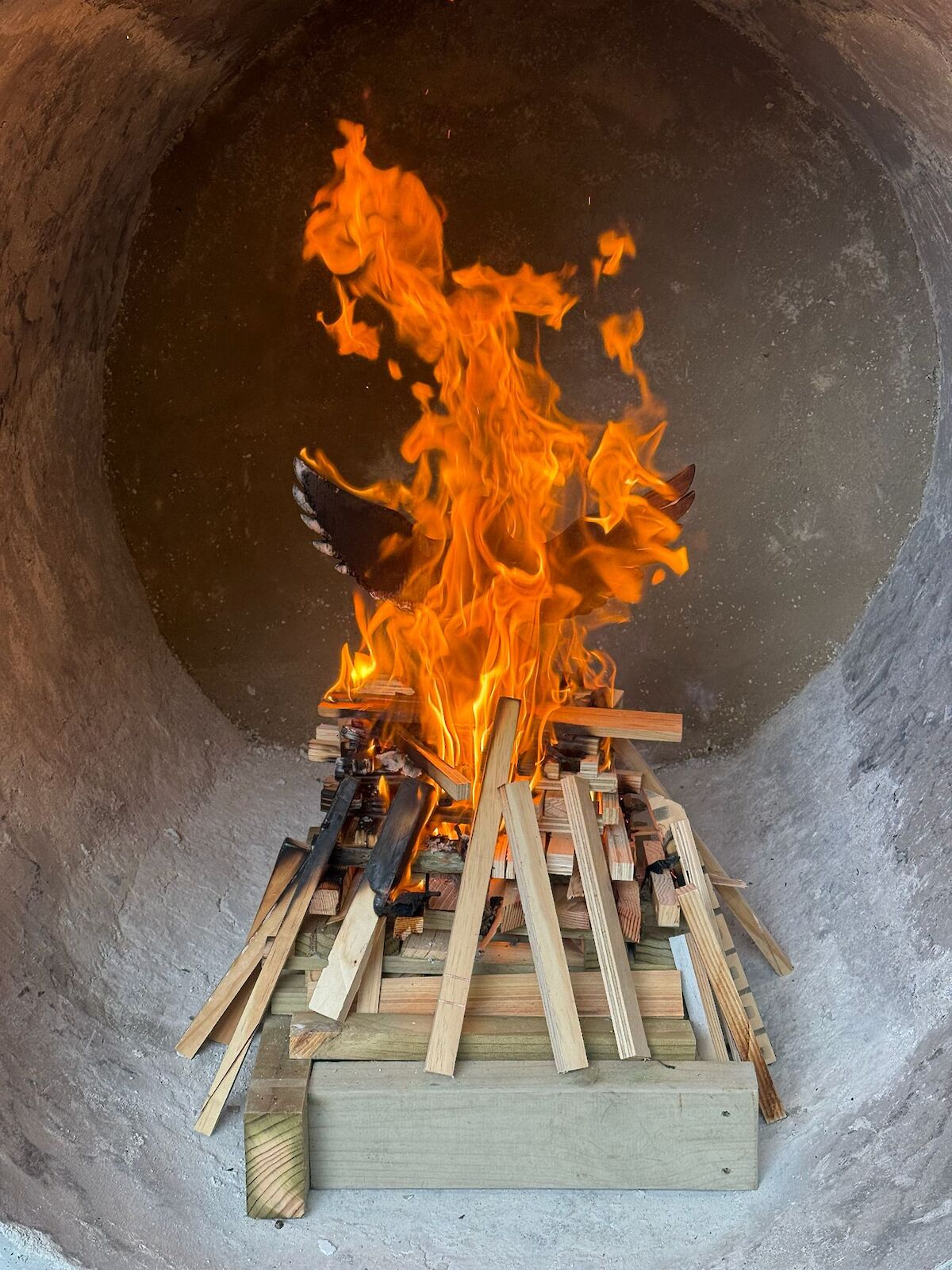
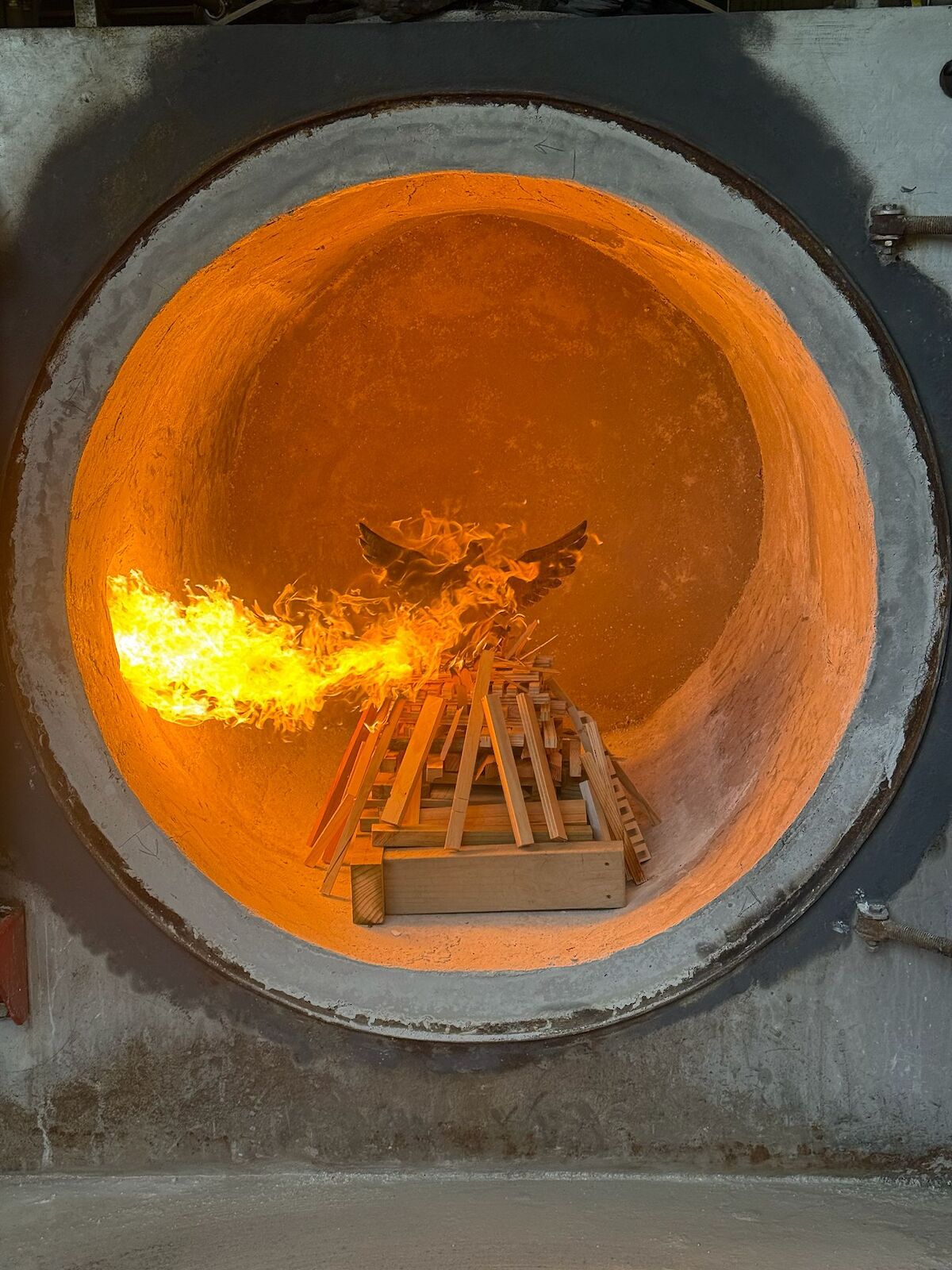
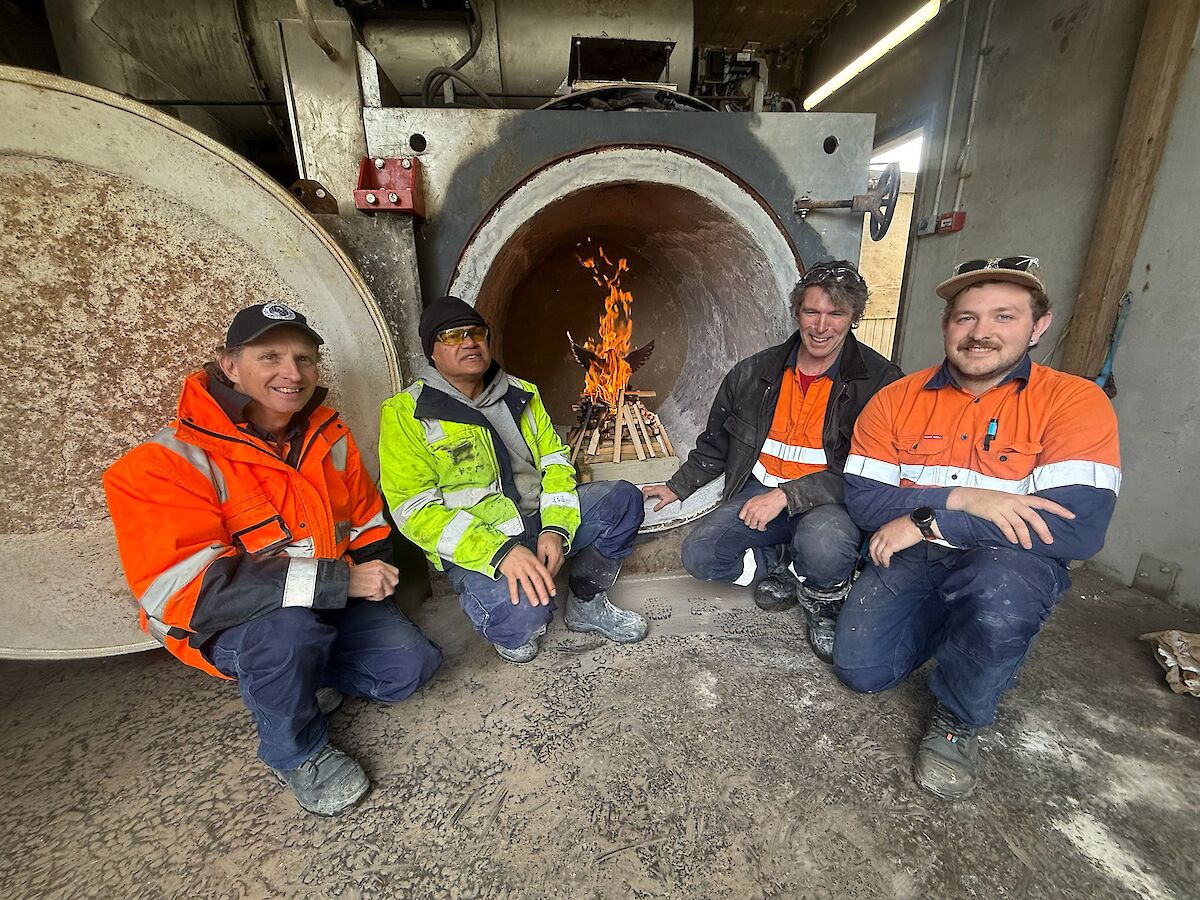
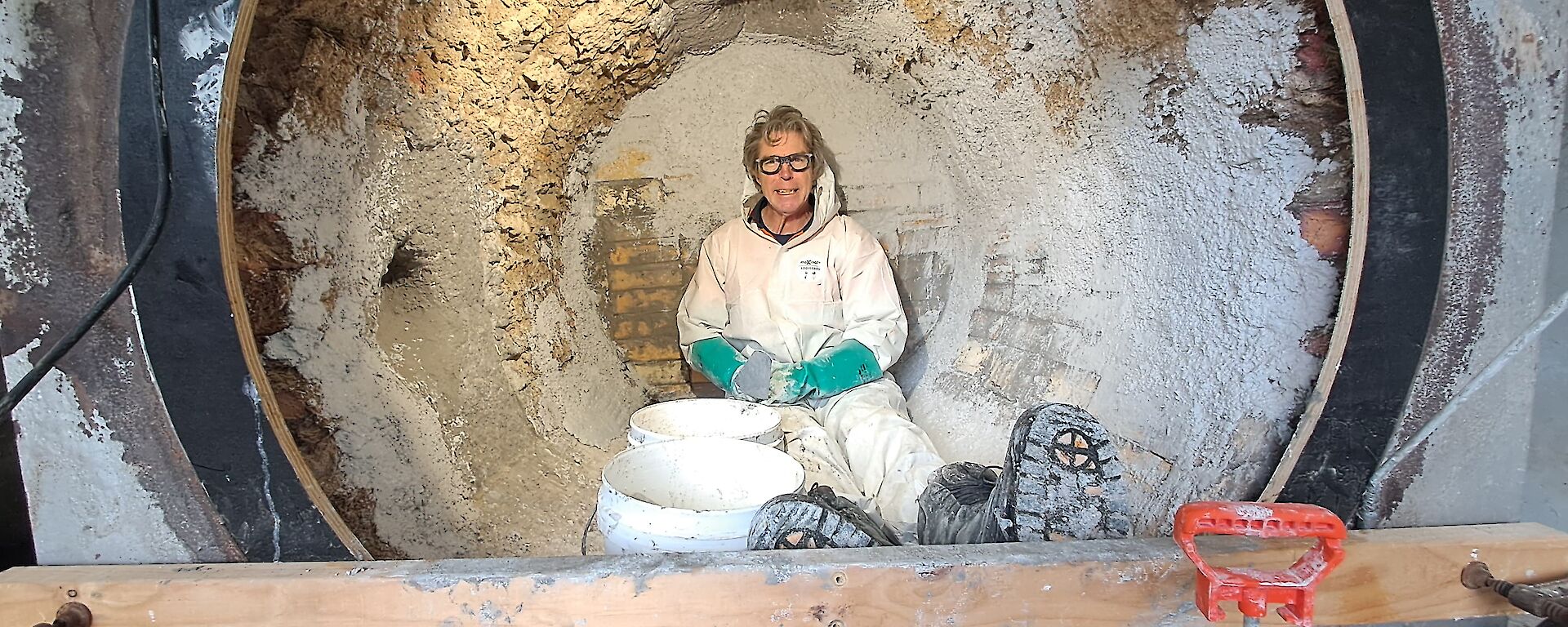
Recently, I found myself deep in a very different task: patching the refractory brickwork in our incinerator. As a plumber, I know pipes and fittings inside out. Refractory work, though? Let’s just say I’m still developing my craft. Definitely not a refractory brick specialist. My experience in this field is limited to “I did it once,” and that was apparently enough to qualify me as the expert. Getting new render to stick to old, heat-chewed bricks is like trying to convince a two-year-old that bedtime is non-negotiable - tedious, exasperating, often comical, and occasionally involving questioning one's life choices.
The first step was to rebuild the worst-eroded sections by veneering new bricks into place. I’d mark the brick, toss it to Cliffy, and he’d sculpt it to fit like a puzzle piece with barely a whisper of mortar. Then came applying the render. Which fell off ... and fell off again ... and kept falling off like it was trying to escape the job entirely. Eventually, using plumbing logic, stubbornness, and possibly some muttering under my breath, I found a technique that worked, and the repairs began to look surprisingly tidy. Now we wait to see how long they hold up against the incinerator’s brutal temperatures, while we subject them to daily punishment with every load burned.
Living here also comes with moments no one warns you about. Giant petrels soaring past your bedroom window like prehistoric gliders. King penguins strolling past your work area, staring at you with that “What are you?” expression. Seals blocking the workshop door like furry, smelly security guards who definitely don’t care what your job is. Utterly unbothered by human schedules.
And then there’s the historical whiplash.
It’s staggering to remember that in the early 1800s, this island witnessed the wholesale slaughter of wildlife in the name of economic gain. In just the first 18 months of sealing on Macquarie Island, more than 120,000 fur seals were killed and shipped off to Sydney. It’s almost impossible to picture beaches heaving with animals in numbers that vast. Today, only a fraction of that original population remains, some species recovering slowly, others still in decline.
Being here surrounded by these landscapes and creatures is a rare privilege, a challenge, and often unintentionally hilarious.
Can you imagine it?
Duncan Logan