
Jess' offer to provide an 'extra body' takes an unusual turn....

Being an 'extra body'

Being an extra body

A decision to stick my head into Justine and Saurabh's office to say cheerio for the day snowballed into what is now my newest surreal memory. After a brief chat about the next day's Ops Recess, I asked if they needed an "extra body", since I was rostered off for the day. Justine's eyes lit up, and I briefly wondered if I'd regret that particular phrasing.

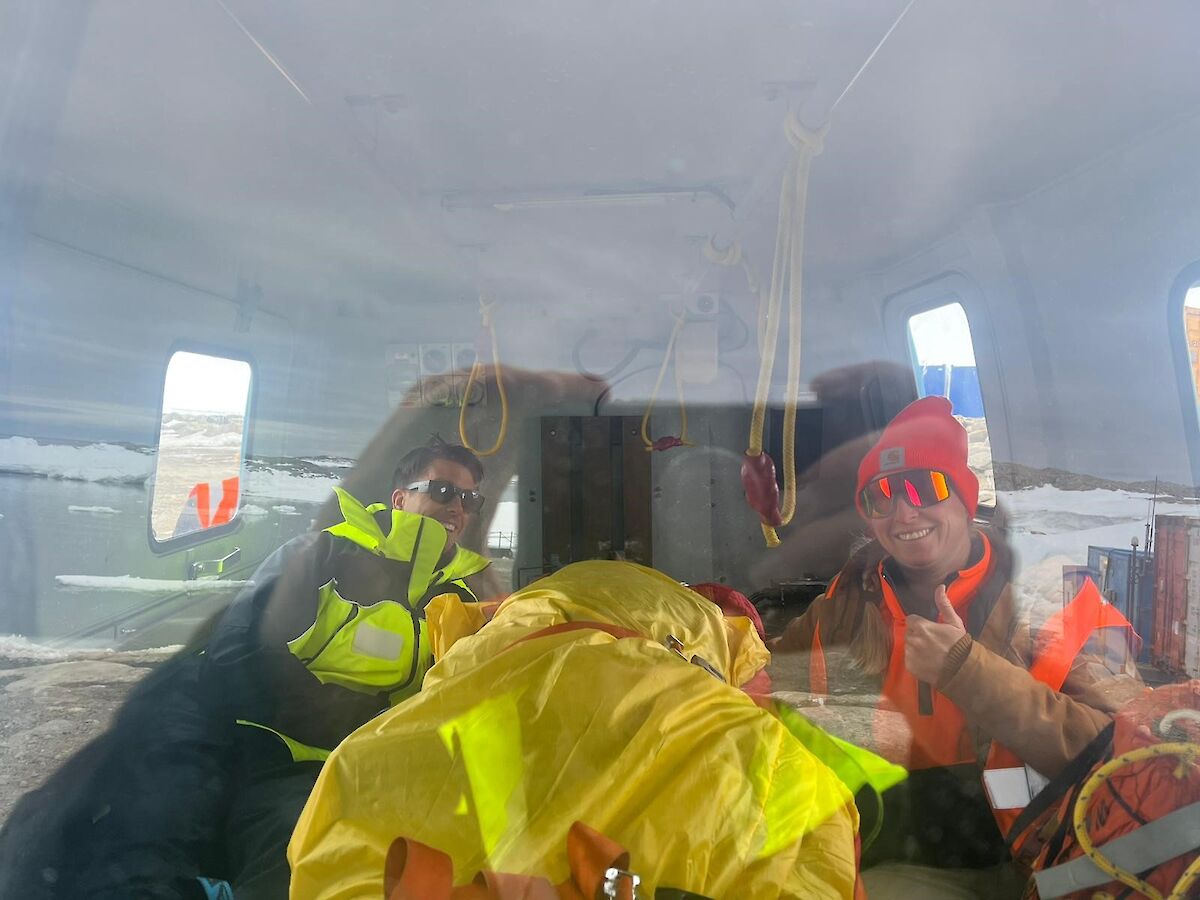
The next day, alarms blaring, I found myself in the West Wing cold porch, realising I'd made a mistake. The plan was for me to be missing from the alarm muster, and eventually be found cold and injured down at the wharf by the Search and Rescue (SAR) team. Fun! I wouldn't need to head down to the wharf until after initial rollcalls and searches, so I stuck around West Wing, wishing I had earplugs.

Searches.

Oh. Searches. I needed to hide. Or tell searchers that they haven't really seen me, which didn't seem in the spirit of the thing, so I went outside to try and sneak down to the wharf, undetected. At that exact moment the fire crew drove past, so I hid behind one of the wheels of the conveniently parked Terrabus and snuck around the vehicle as they went by. You know those moments where you suddenly get perspective and wonder how all the events in your life led up to this moment? Yeah, me too.

Fire crew officially avoided, I was starting to hear chatter on the radio about a missing person. Channelling Sydney Bristow (or possibly Pam Poovey), I decided to don a standard AAP beanie, sunnies and Carhartts and just… walk with purpose… past the red shed and down to the wharf. I put my forecasting skills to use and expertly calculated about a 30% chance of being recognised or questioned. PROB30 in forecaster speak, not bad odds.

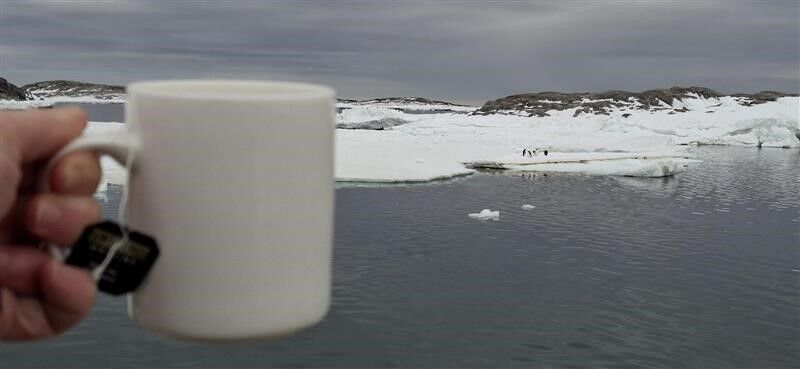
Mission successful (probably only PROB20 in hindsight), and it was time to settle down at the wharf hut with a nice cup of tea. I received a message from a colleague,

"Where are you?" It seemed prudent to ignore it.

Eventually the call came – the SAR team were on their way to the wharf. I removed a couple of layers, attempting to simulate the stage of hypothermia where you think you're too hot, and lay in a nice nook in the rocks with my leg bent at weird angle. My colleague messaged again, ominously, "I will find you" just as I realised my nice nook contained a decent layer of rather wet snow. It was, however, too late to do anything about either of these things; the SAR team were here.

I was blown away by how calm and reassuring they were, asking questions but never overwhelming or crowding me. I grumbled, mumbled and fumbled so well that they started to think I had an unscripted head injury. I wound that back a bit, and was relieved to hear them call over the radio that I may just have been cold after all, and had a broken leg.

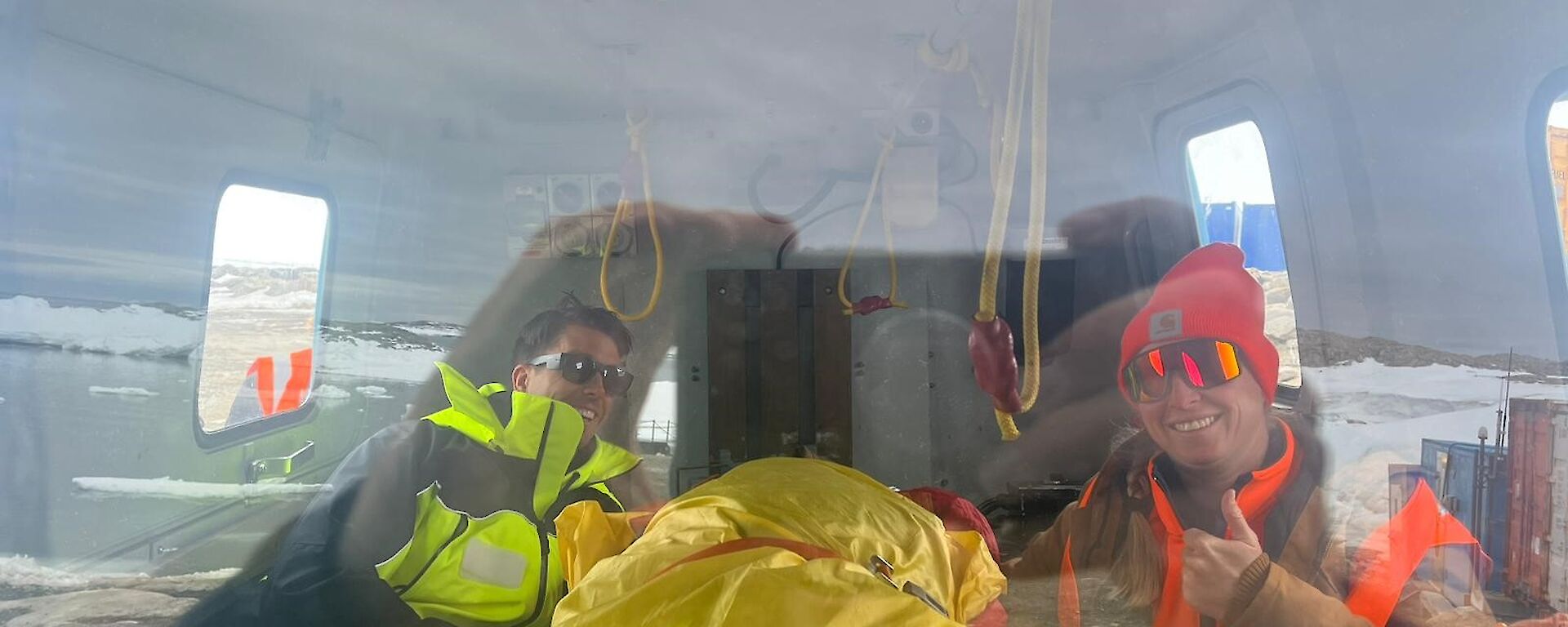
I hadn't realised my nook would cause so much trouble, not just from the wet snow that was now permeating through every layer of clothing I had left, but also for the SAR team to try and get me onto a stretcher. It took a fair bit of co-ordination and planning but they came up with a strategy and, with only minor kicking and yelling, got me strapped onto a stretcher and hoisted into the Hagg.

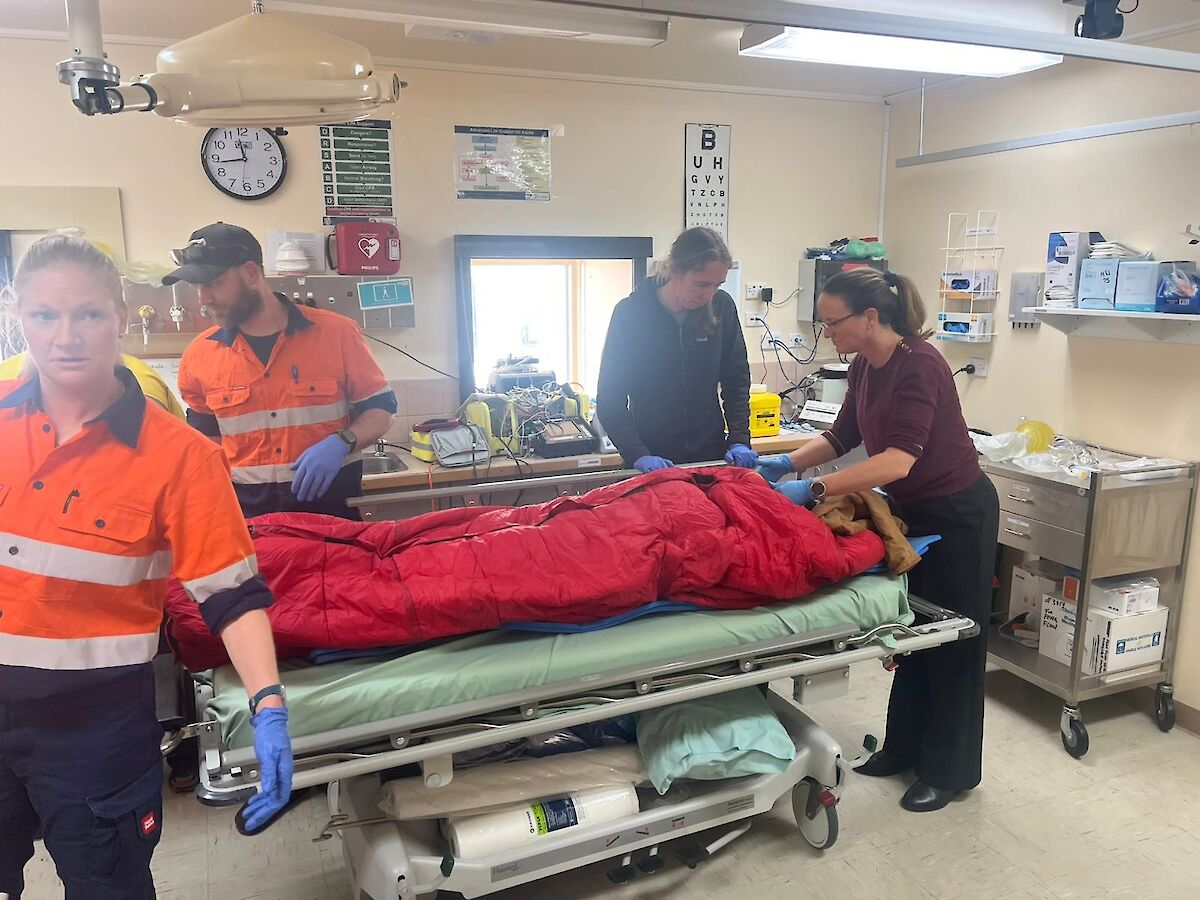
Even with wet trousers and a broken leg, the journey up wharf road was warm and comfortable and, before I knew it, I was through the doors of the red shed and on the floor of the medical centre. The team planned a lift, reassuring and talking to me the whole time. I have no doubt that if I really was injured, I'd be in good hands. A few tests later, they established I was warm, calm and had good oxygen levels. And a broken leg.

At this point the scenario had come to an end. I climbed out of the now rather soggy sleeping bag, went to the debrief and then finally changed out of my wet trousers.

My colleague messaged me one last time, "I did not find you."
Resupply efforts at Casey station

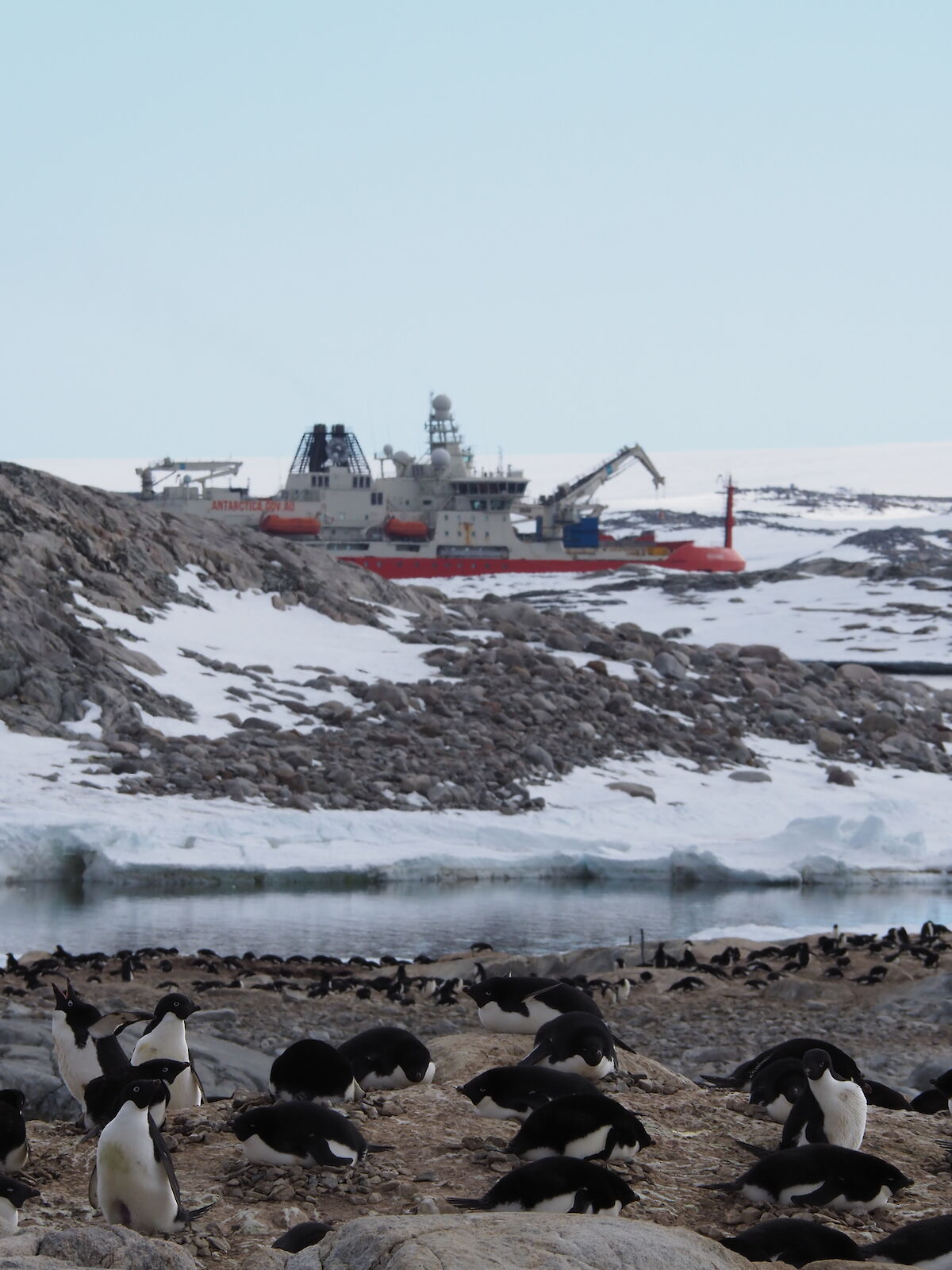
December is typically a busy time for Casey with resupply usually falling over the Christmas / New Year period, meaning festivities are delayed until January, once resupply is complete and the Nuyina has departed. This year, with the Nuyina on its way to Heard Island for the second visit of the season, resupply fell a couple of weeks earlier at Casey and was scheduled to be complete prior to Christmas.

Resupplying an Antarctic station once a year is no small endeavour, with a need to deliver enough sustainment for the next 12 months (-ish) to keep the station ticking over and, more importantly, the wintering team fed, warm, and occupied – both at work and in their down time – until aviation and shipping access become possible again next summer.

Some of the key stats from this year’s resupply include:

Fuel Transfer – 1 088 000L of Diesel to run the powerhouse generators

Cargo South – 678 Tonne of cargo delivered to Casey. Includes everything from food and toilet paper, through to boats and machinery.

Cargo North – 335 Tonne of cargo for return to Australia (RTA). Includes old, damaged or superseded equipment, waste, scientific samples, etc.

While resupply is an all-hands-on-deck operation, at some time or another engaging every single person on station, operational continuity is also important wherever possible during this period, in order to continue delivering other key outcomes for the season. These outcomes range from science support to intra-continental flights (station to station), infrastructure maintenance, remote field work, Hagglunds driver training, and survival/field training that enables personnel to operate safely in a field environment.

A few of the achievements that were concurrent to resupply, include:

  • Finalising delivery of survival training to almost all station personnel, with the exception of one last group who ventured out this week before New Years Eve.
  • Access to two remote Automatic Weather Station (AWS) sites via Twin Otter aircraft, enabling the Bureau of Meteorology team to conduct annual servicing and calibration of the installation, ensuring weather data accuracy for the year ahead.
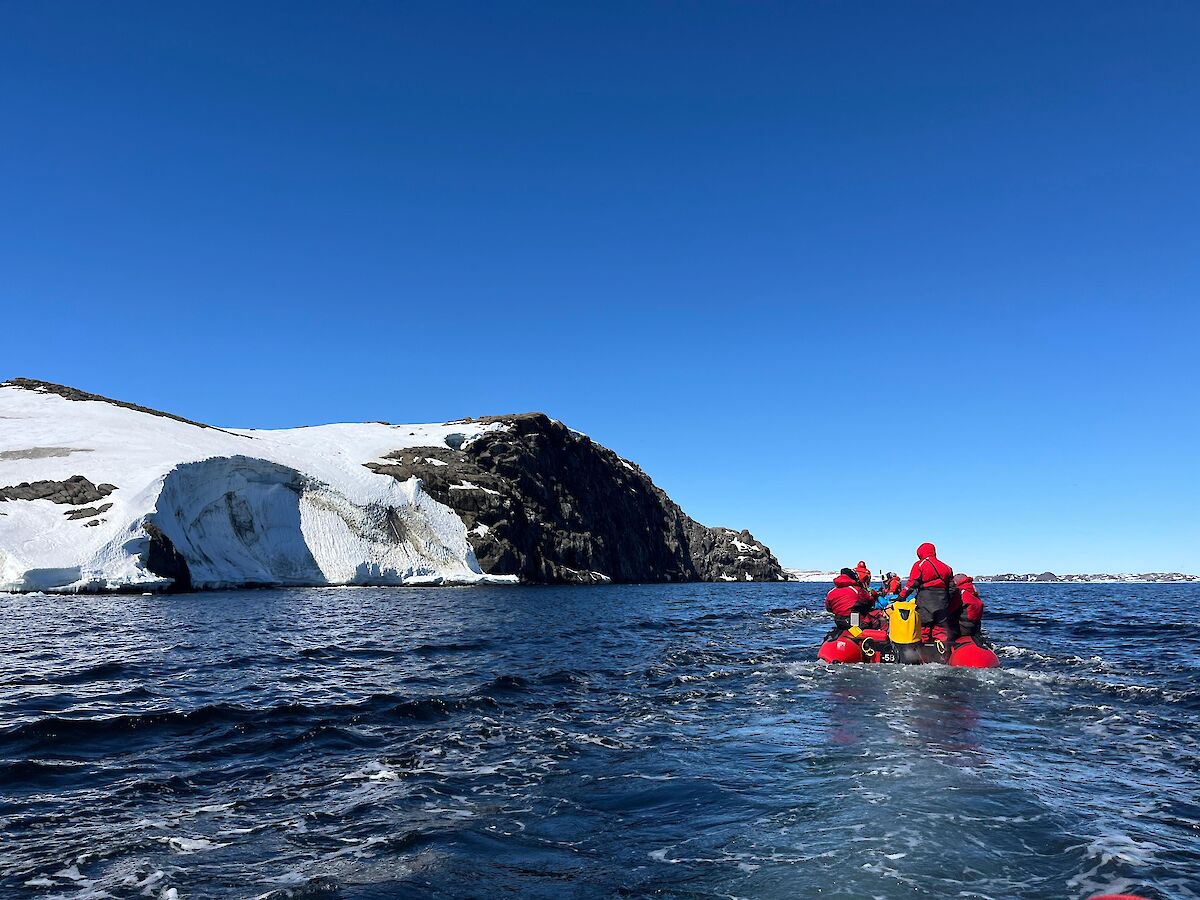
  • Access to Ardery Island via IRB (zodiac / small boats) to conduct annual inspection and maintenance of monitoring cameras installed at key sea bird nesting locations; as well as the first ever aerial survey of the island by UAS (drone).
  • Heard Island field teams on the Nuyina came ashore to conduct various training evolutions, as part of their preparation for operations to commence upon on arrival at Heard Island.
  • Access to Shirley Island via IRB for this years’ AAD Arts Fellows final field day, prior to flying back to Hobart.
  • Significant progress by the Cleaner Antarctica team, delivering ongoing remediation work as well as working from IRBs to operate ROVs, looking for underwater historical waste from the old Wilkes station.

With only one bad weather day, and a zero-harm / nil-incident record for the entire duration, resupply officially finished on the morning of 23 DEC; with the Nuyina stowing it’s cranes and turning West to depart Casey at midday.

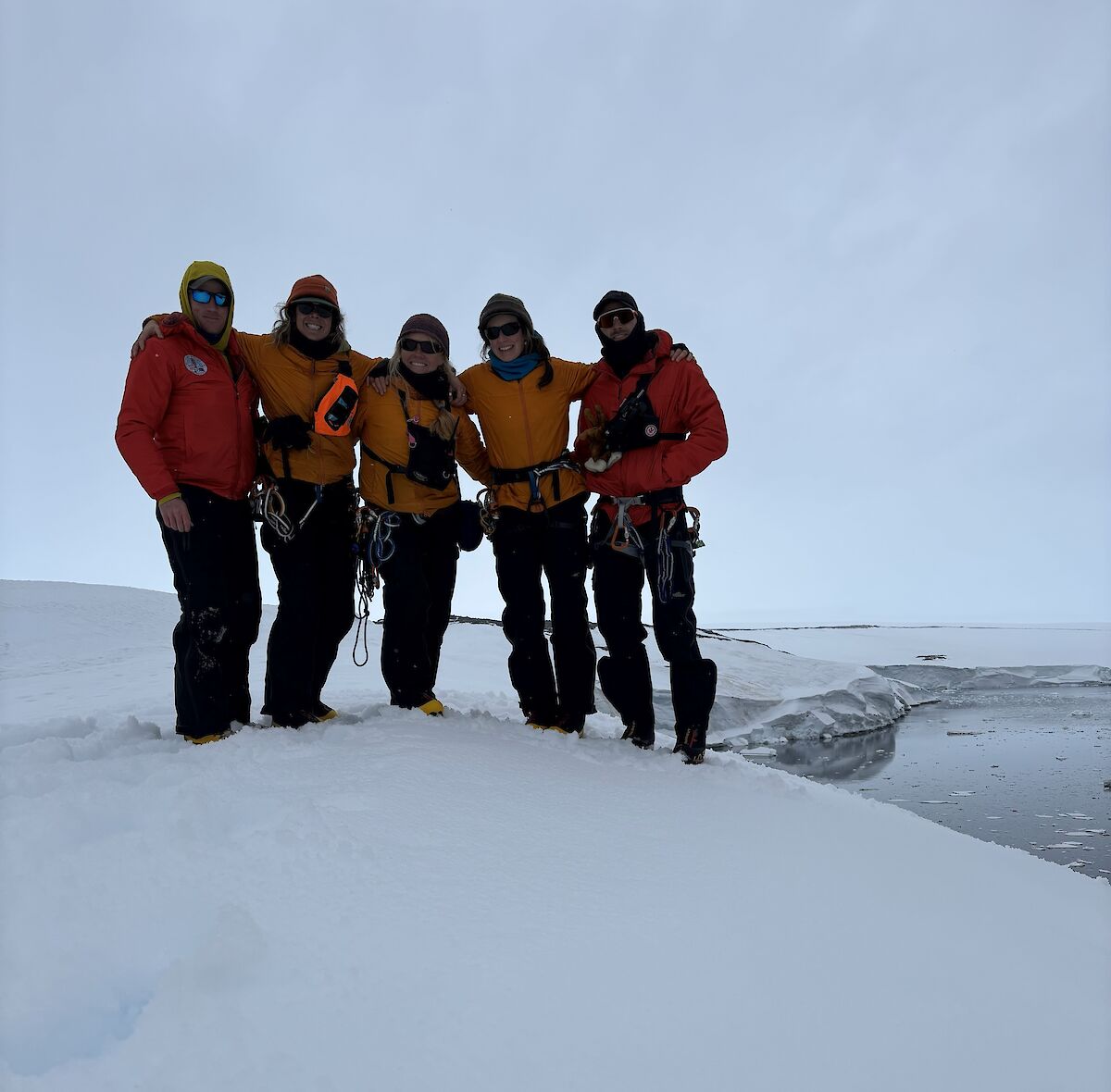
Amidst the steady tempo of summer operations, it can often be challenging to get all Field Training Officers (FTOs) together at the same time on station, and virtually impossible to head out into the field as a cohort. With the rest of Casey going into a couple of hard-earned rest days post-resupply, the FTOs took the opportunity to head out on Christmas Eve to conduct a day of refresher training for crucial skills that form part of the SAR response capability, as well as being a timely rehearsal for some up-coming science support in January that will involve operating as small teams in glaciated terrain.

Want to live and work in Antarctica? Sign up for job alerts now.

on