An eventful trip to Ardery Island to service remote bird cameras.
Matt – Ardery Island, 'waterproof' suits, and the birds running everything
The day started, as most Antarctic adventures do, with a briefing and the quiet sense that this might not be as simple as it sounded. Arno, one of the Field Training Officers (FTO), ran us through the plan. We were heading out to Ardery Island to service a set of remote bird cameras. It was explained calmly and confidently, which is usually a sign that conditions may vary.
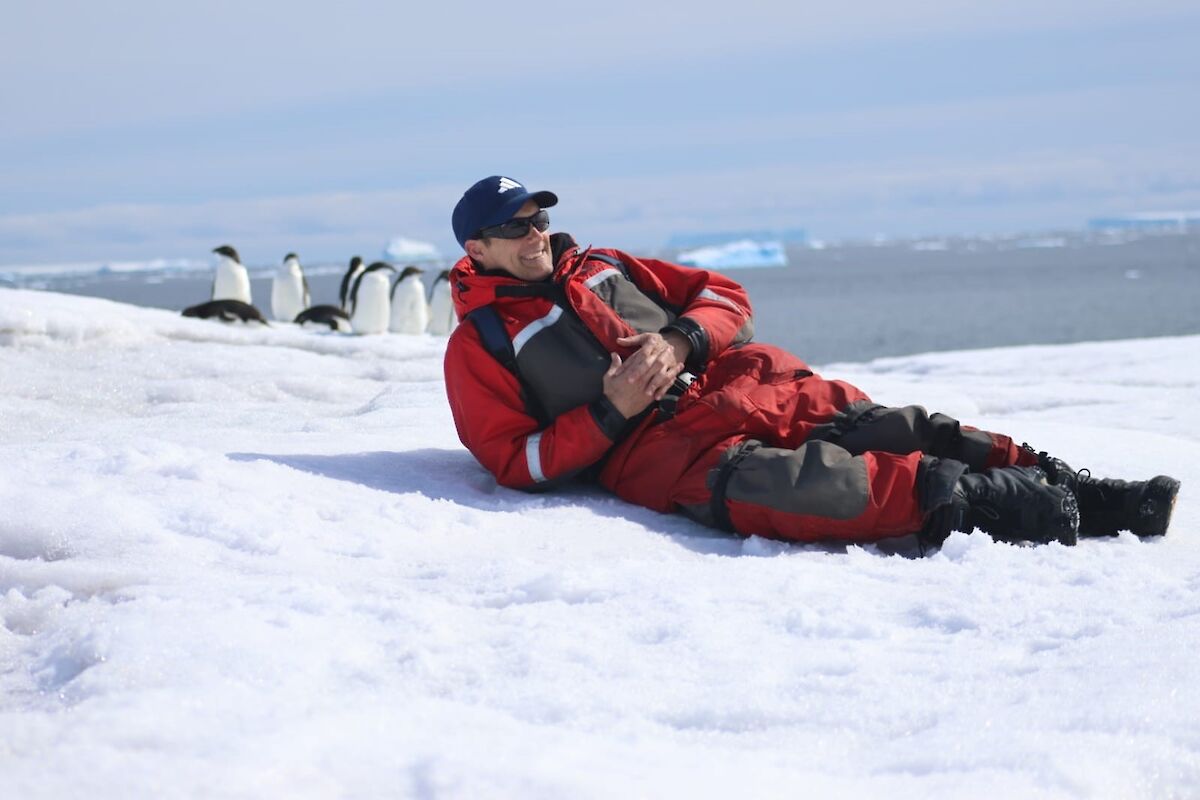
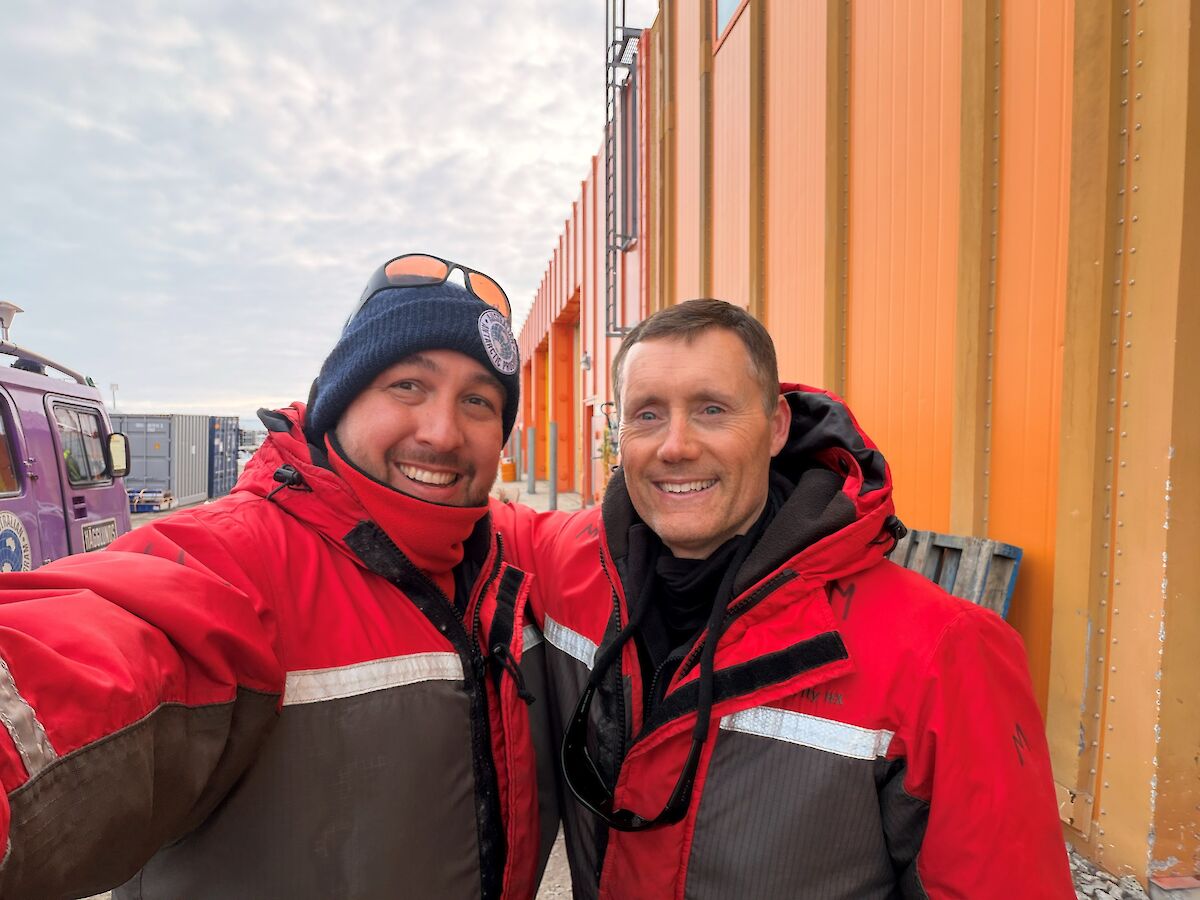
Stewart and I were up early and into Mustang suits. Bright red, full-body flotation suits designed to keep you alive if things went badly wrong. They looked waterproof. There was nothing to suggest they weren’t waterproof. This assumption did not survive the boat ride.
We loaded into three Zodiac inflatable boats and headed out through O’Brien Bay. The weather started off reasonably well, but as we pushed past Robinson Channel the wind and the waves began to express a different opinion. There’s a reason fewer than half the trips to this island happen. We discovered that reason fairly quickly.
We tucked in behind an island for shelter, checked how people were faring, and called BOM over the radio. Having your own weather forecaster on tap is one of the underrated perks of Antarctica. Thanks, Keris. With cautious optimism we pushed on.
Ardery Island eventually emerged in the distance. Steep, rocky, and rising sharply out of the ocean, it sits a few kilometres west of Robinson Hut. The three boats stayed offshore while Arno, Stewart, and I headed in. At the same time, the drone team began the first full drone survey of the island.
Getting to the cameras involved Arno creating a landing point, cutting steps into ice, settings ropes, clearing access points, and trying not to dwell on how wet we already were. I had forgotten spare dry socks, and with a hike ahead of us, I asked around for some spares. Thankfully, as an excellent FTO, Jess had not. I was exceedingly grateful for that bit of try clothing!
Stewart and I were tasked with servicing four bird cameras. These are custom-modified SLR cameras housed in rugged, weather-sealed enclosures with solar panels. Once a day, a small shutter opens, a photo is taken, and the shutter closes again, quietly building a long-term record of bird numbers and behaviour without disturbing the wildlife.
Once we’d warmed up, we set off across the island. Ardery Island is an ASPA, an Antarctic Specially Protected Area, which means strict limits on movement and numbers. Everything is logged. Nothing is casual. Between the three of us, we carried tools, replacement batteries, fresh SD cards, cleaning gear, and a large thermos of hot water. The hot water turned out to be the only thing capable of shifting salt, ice, and, unsurprisingly, a lot of bird poo.
Each camera followed the same routine. Clean. Inspect. Test. Replace parts. Swap SD cards. Clean again. These cameras survive year-round in sun, wind, salt, and Antarctic winter. The fact they still work at all is impressive.
By the time we finished the fourth camera, the drone team, led by Bec, had successfully mapped the island. The weather, which had been questionable all morning, suddenly became perfect. The trip back was calm, bright, and just long enough to sit quietly and take it all in.
It’s one of those experiences you don’t quite know how to explain. A remote place, a small but meaningful job, and a team you trust completely. I’m very aware of how lucky I am to be here.
For context, I’m Matt, the Information Technology Officer at Casey Station for the summer. According to my passport I’m 50% British and 50% Australian, which conveniently means I can never lose the Ashes. I was born in the Cayman Islands and now work in ICT in Brisbane for a very understanding company that’s allowed me the time to come down here for the summer.
People always ask what I miss most, and of course it’s friends and family, but especially my wonderful wife Emily, who was kind and patient enough to let me disappear to Antarctica for the summer and still be supportive about it. I don’t take that support lightly.
Outside of work I volunteer with Delta Therapy Dogs alongside my Old English Sheepdog, Hendrix, visiting the Royal Brisbane and Women’s Hospital. Dogs have a knack for quietly improving any place they’re in. And while I fully understand why they’re no longer allowed here, I can’t help thinking that if there were one impossible upgrade for Casey Station, it would be a dog or two roaming around, morale officer duties included.
That said, there’s something special about this place exactly as it is. You don’t really want it to change. It works because of what it is and how it works. I feel incredibly fortunate to be here, and even more so to be able to share a bit of it with you.
Matt Watts
Stewart – Senior Communication Technical Officer, Casey station for the summer
I live in Sydney and work for the ACMA (Australian Communications and Media Authority) as a Technical Inspector.
It’s been an extremely fun and rewarding experience working in Antarctica. Really enjoy meeting new people and having new experiences. I was fortunate enough to go to Ardery Island and to the Swain Islands, which was amazing. The IRB tours have been a real highlight, as I got to see plenty of wildlife. I feel extremely fortunate to have this opportunity. Of course, I miss my family back home and I am very grateful to them for supporting my on this adventure. Outside of work I enjoy trying to keep up with my teenage son, mountain biking in the Blue Mountains! And playing in a very social golf competition.
Josh – Dome C North – the side-quest turned main adventure
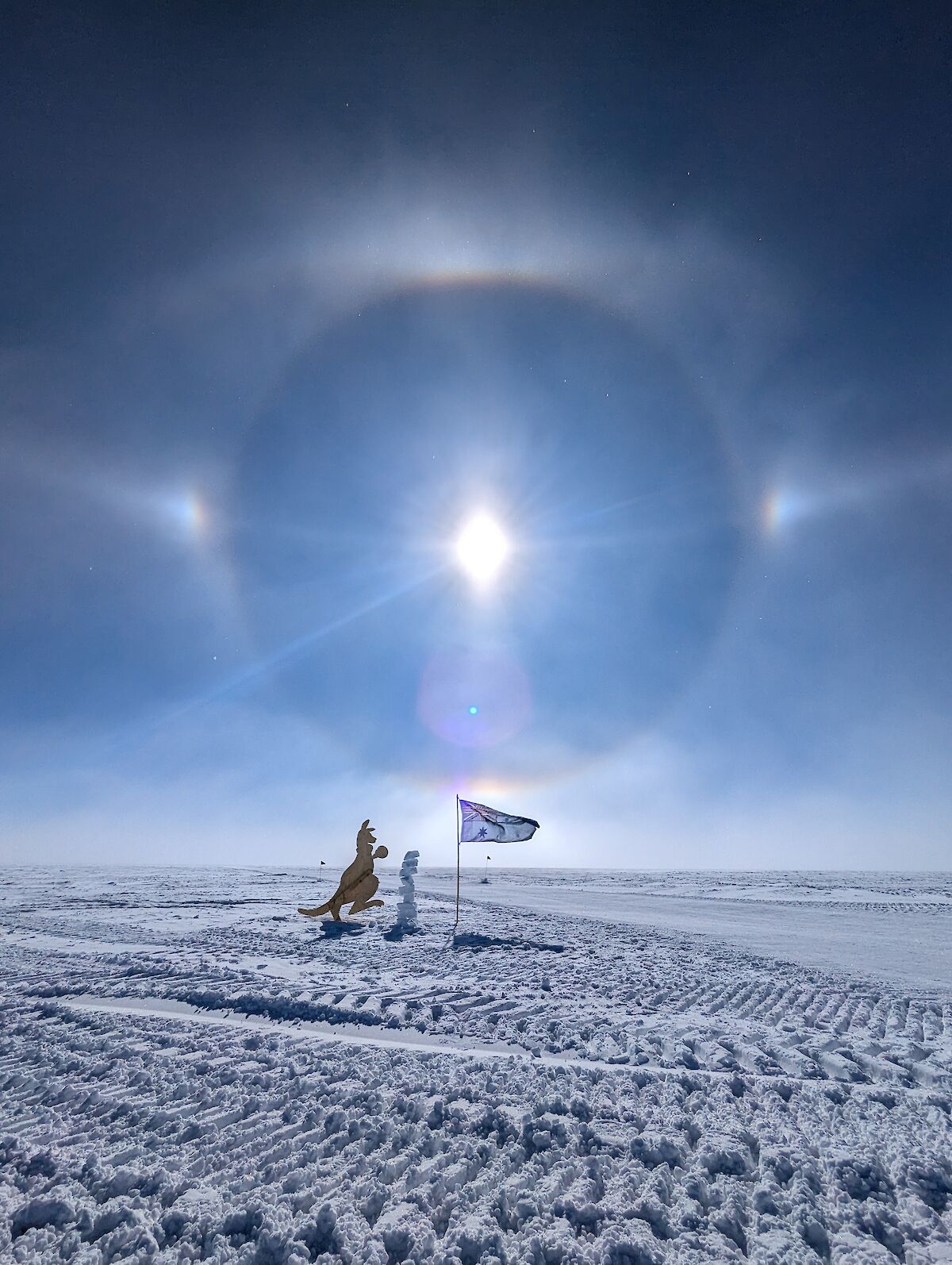
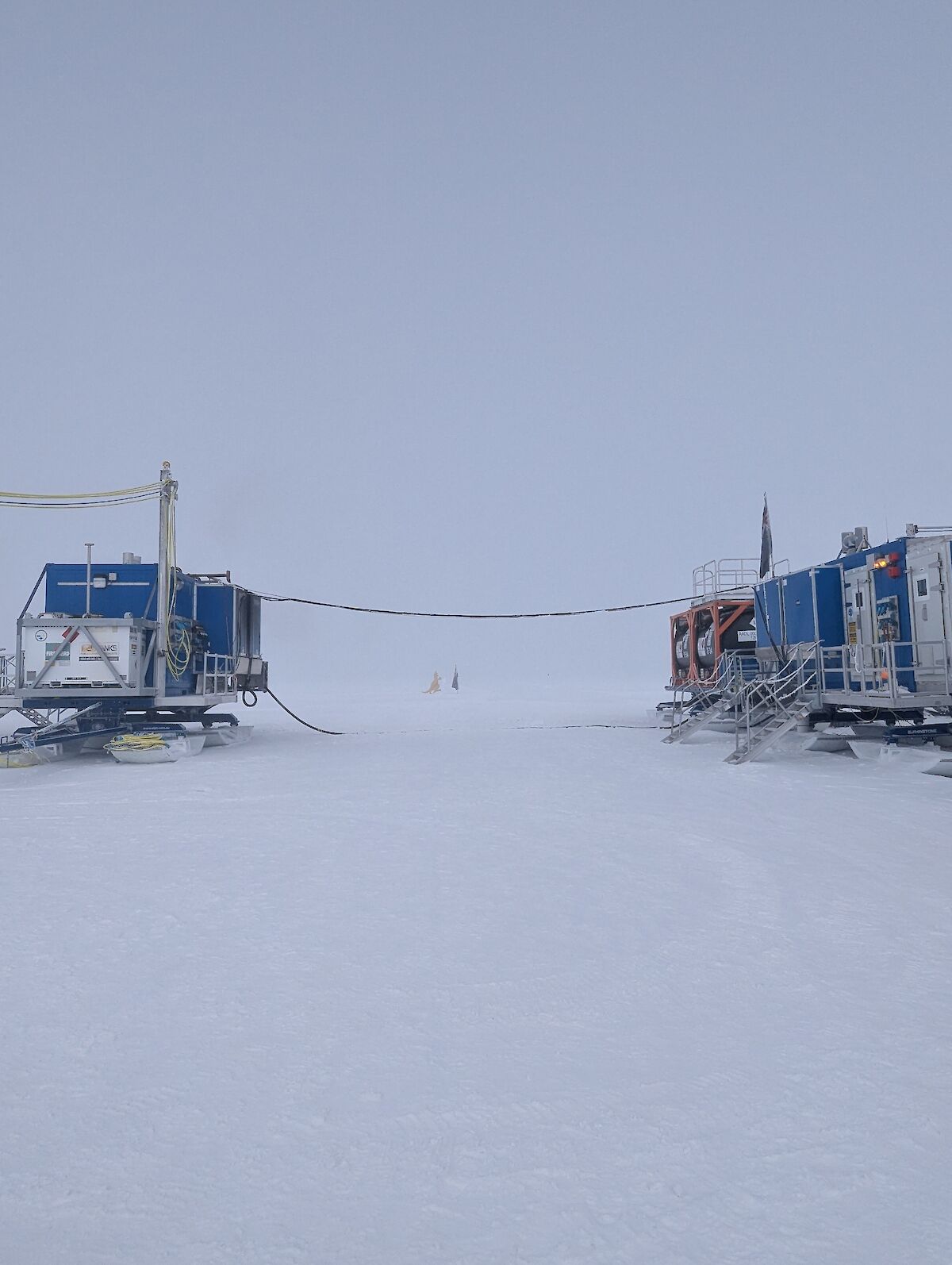
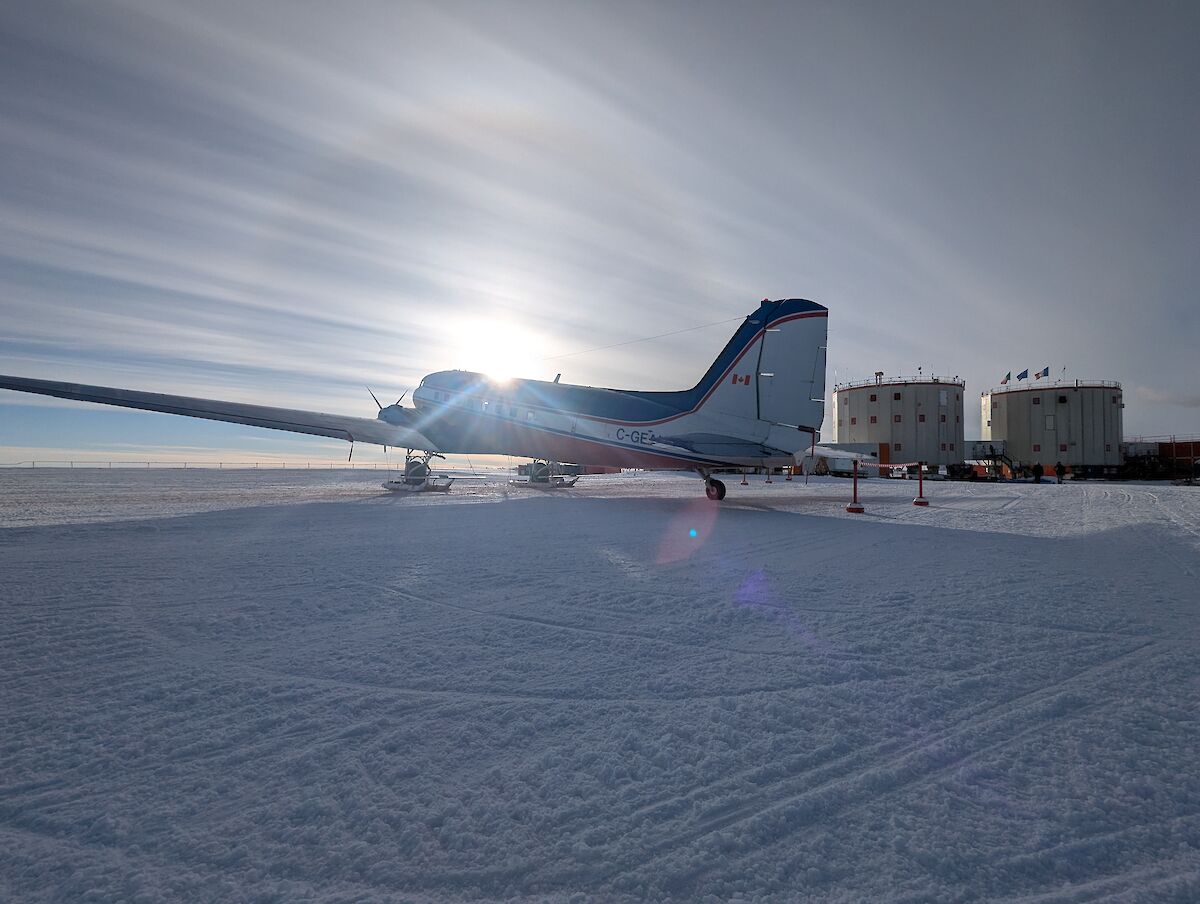
After several weeks of flight cancellations, the weather gods were kind enough to grant us safe travels to Dome C on the 4th of January, so I was on my way up the hill for a 1200 km flight in our JKB Basler. After landing at the Twin Towers at Concordia Station it quickly became apparent that it was much colder up at Dome C, as I was greeted by Kris with an icy beard, complete with watery stalactites hanging from his moustache. We squeezed into the back seat of the Piston Bully groomer and started off on the hour-long drive back to the Australian inland station at Dome C North.
Settling in for the first few days, the new arrivals and I were required to take it easy on work duties so we had time to adjust to the mew altitude, with the oxygen levels putting us at a comparative altitude varying around 3500 metres. The resting period for acclimation to the thinner air helped avoid any health complications, but for the whole time there I would often find that I needed to catch my breath just getting into my bed on the top bunk! This was an interesting novelty to get used to, like the chores of making water from snow and cleaning the incinolet toilet waste.
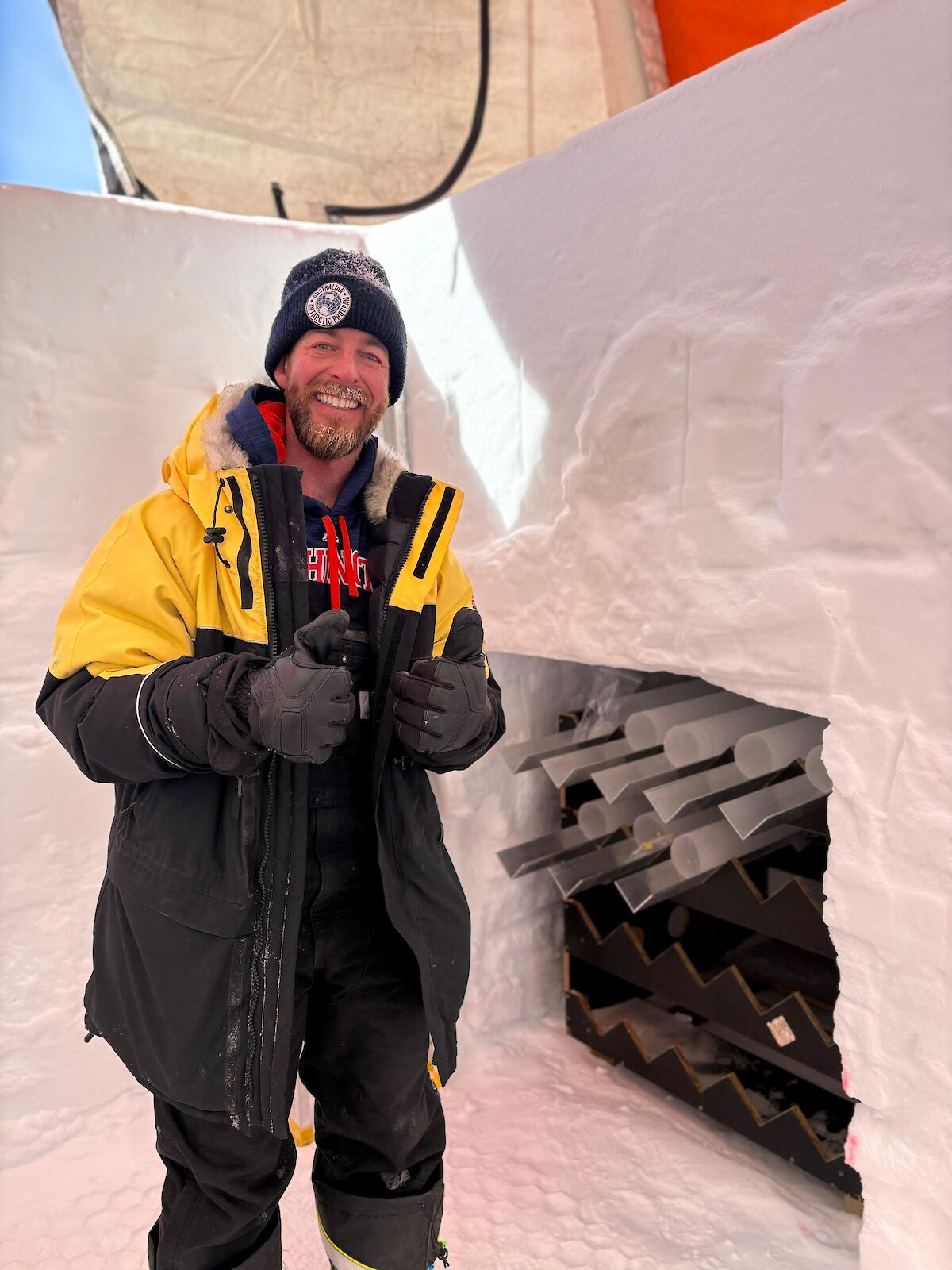
I deployed to Dome C North to set up additional internet services, working on various on satellite and radio systems while I was there, but the highlight for me is the few times helping to move ice cores around. It felt like I was making a contribution to something important simply by transferring them between the processing tent and the shipping container buried underground as the cold storage location.
After finishing my communications work list I had a few fun extra tasks to complete, like setting up the automatic weather station on the traverse sled train. This was a cool project because I was then able to see the temperature plummet at our camp through the early mornings to almost −40°C, the coldest I have ever experienced! At times it would drop further with windchill, nearing −50°C, making any exposed skin quite cold in only a matter of seconds.
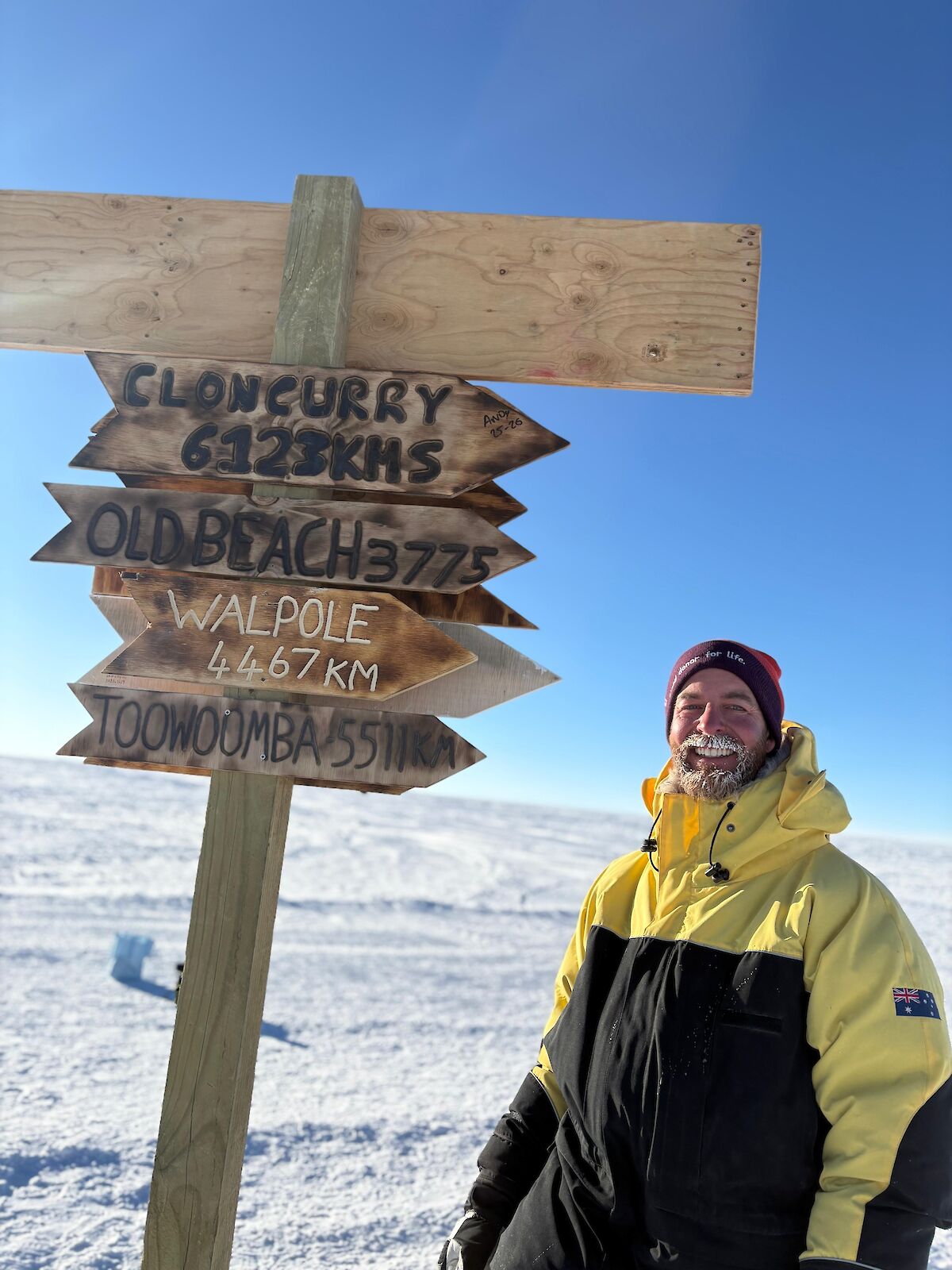
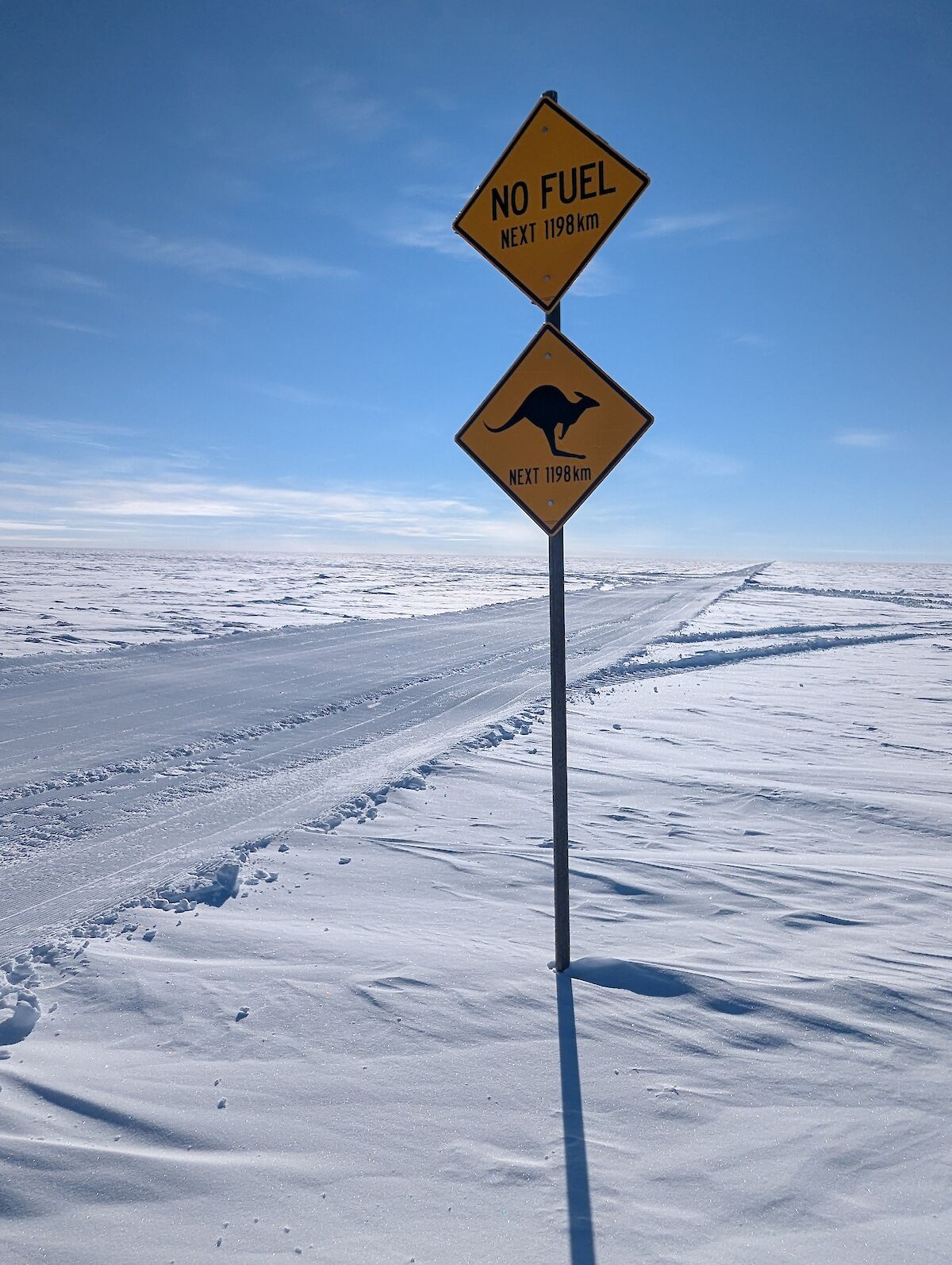
With all the installation work done and limited time remaining before leaving station, I was able to help out with some other odd jobs around Dome C North, but the best part was helping Chippy Dave to prepare and install Dome C North signage. I was very proud to make a directional signpost for my hometown, Toowoomba, on one of the last evenings and mount that to help any tourists passing by.
On the way back to Casey we spent a a week at Concordia, which was a great opportunity to meet our European colleagues while enjoying the fine food prepared by the Italian chef. Fortunately it also allowed some time to get reports done before returning back to the comms work waiting for me at Casey station.
With difficult weather conditions and other activities going on across the continent, the planned week-long deployment to Dome C became almost the entire month of January. It was an incredible experience to be part of the team in the middle of Antarctica, supporting such a significant scientific mission!
Michael
I’m Michael, the fourth member of the comms team here. I am the one that is crazy enough to be staying for winter. You know those kids that always were up trees or had muddy knees and never wanted to be inside? That was me. In fact, it still is me, hence, the call of spending a year in the cold. For someone that had never seen snow, and lives in North Queensland, you may think that an easing in period might have been a good idea, but what an adventure. What an opportunity, and how could anyone ever pass that up. So, I packed up and flew on down. First impressions, pretty cold. Second impression, can I stay for longer than a year please?
My day to day here consists of breaking things, then spending the rest of the day trying to fix them. Causing Stew more stress than is probably necessary, pleading with the Station Leader to let me get on the roof (hasn’t happened yet, but hope lingers eternal) and bouncing around from place to place, trying to stay out of strife. I also fix radios, every now and then.
There are a few other things that I am involved in as well. I am a member of the hydroponics team (lettuce is coming along any day now), my favourite place on station. It reminds me of home, with the heat and humidity, and being from the bush, I love plants. You can find me in there every morning at 5 am singing, terribly, to the plants, in the hope that they will grow. The slice of green in the vast wilderness of white is the most welcoming way to start your day.
I am also part of the winter search and rescue team. I have been learning rope rescue for the last week, which has to be one of the most incredible experiences of my entire life. For someone from the bush, if you ever told me I would be abseiling in Antarctica, I would have never believed you. Understanding how rope access systems work and being part of a fantastic team is incredibly satisfying, and so rewarding. Now, if I could just work out the shoes, I would be home and hosed.
So far, my experience in Antarctica has been fantastic, I would recommend anyone thinking of coming down to give it a go. The job is so rewarding, my team is so supportive and helpful, and the community consists of the most incredible humans I have ever had the privilege of knowing. Thanks for reading.