
From the Outback to Casey: finding common ground at the ends of the Earth
By Josh Murray - Station Electrician
At first glance, it’s hard to imagine two places more different than Casey Station in Antarctica and the small outback town of Cobar in western New South Wales. One is surrounded by ice, wind and endless white horizons, while the other is defined by red dirt, open skies and long, hot days. Yet despite the stark contrast in landscapes, both places share something surprisingly familiar; isolation, resilience and the importance of connection.
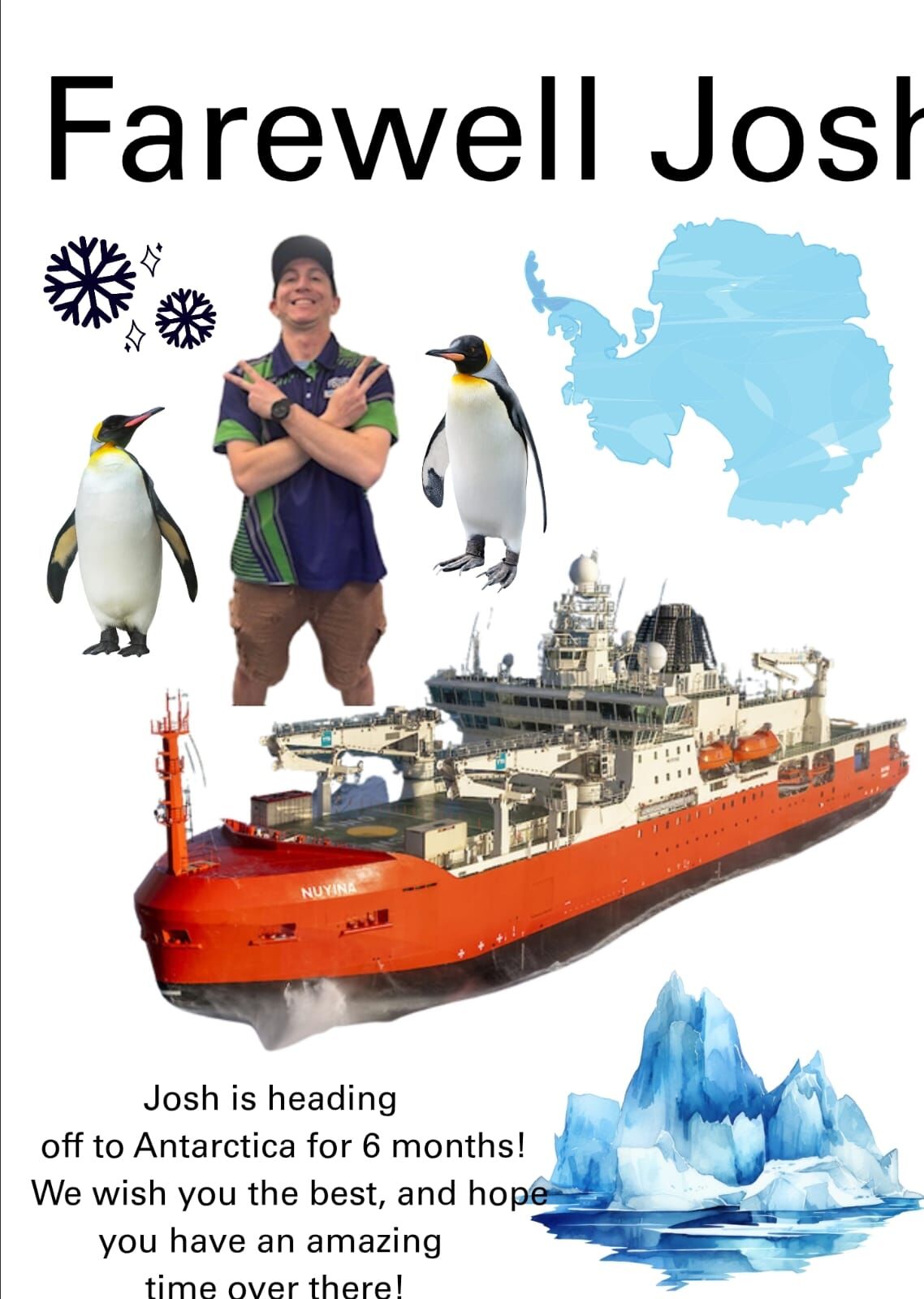
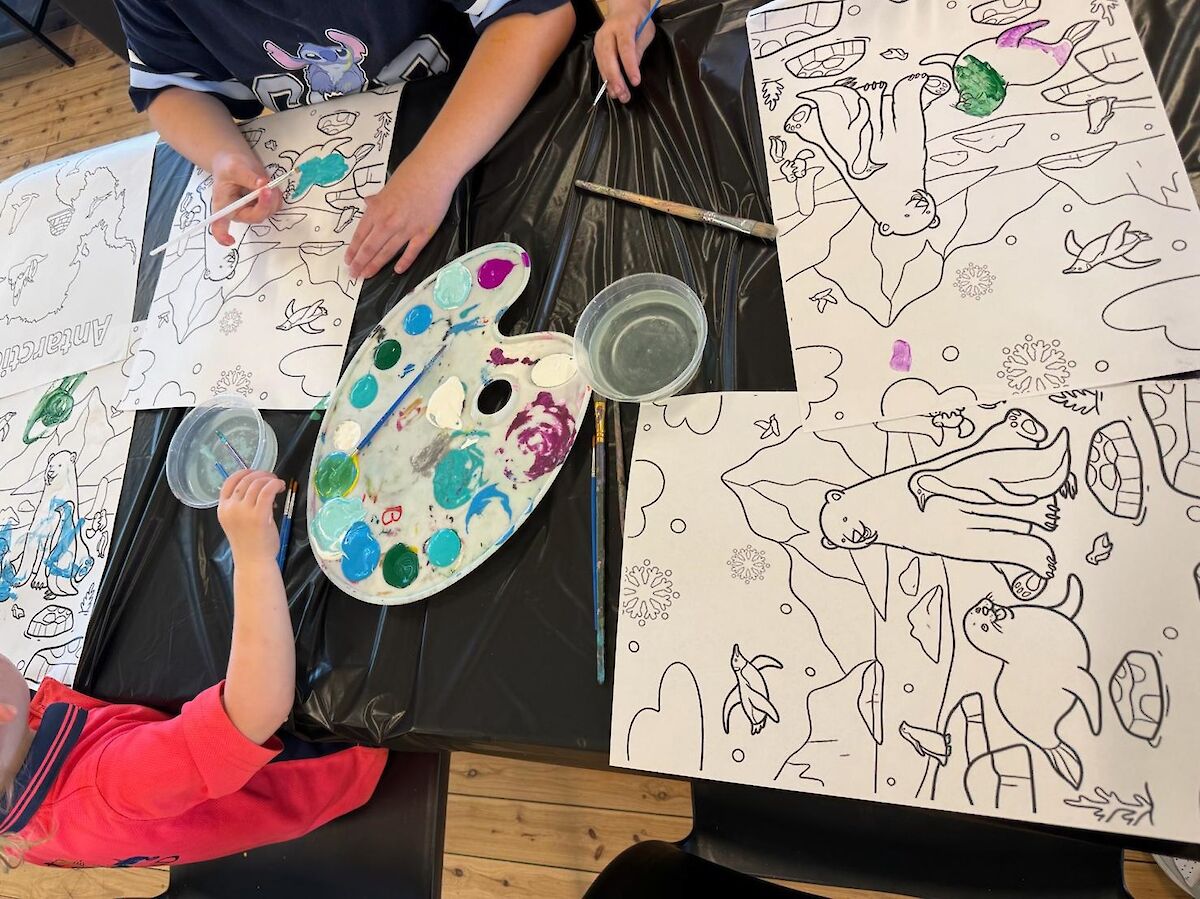
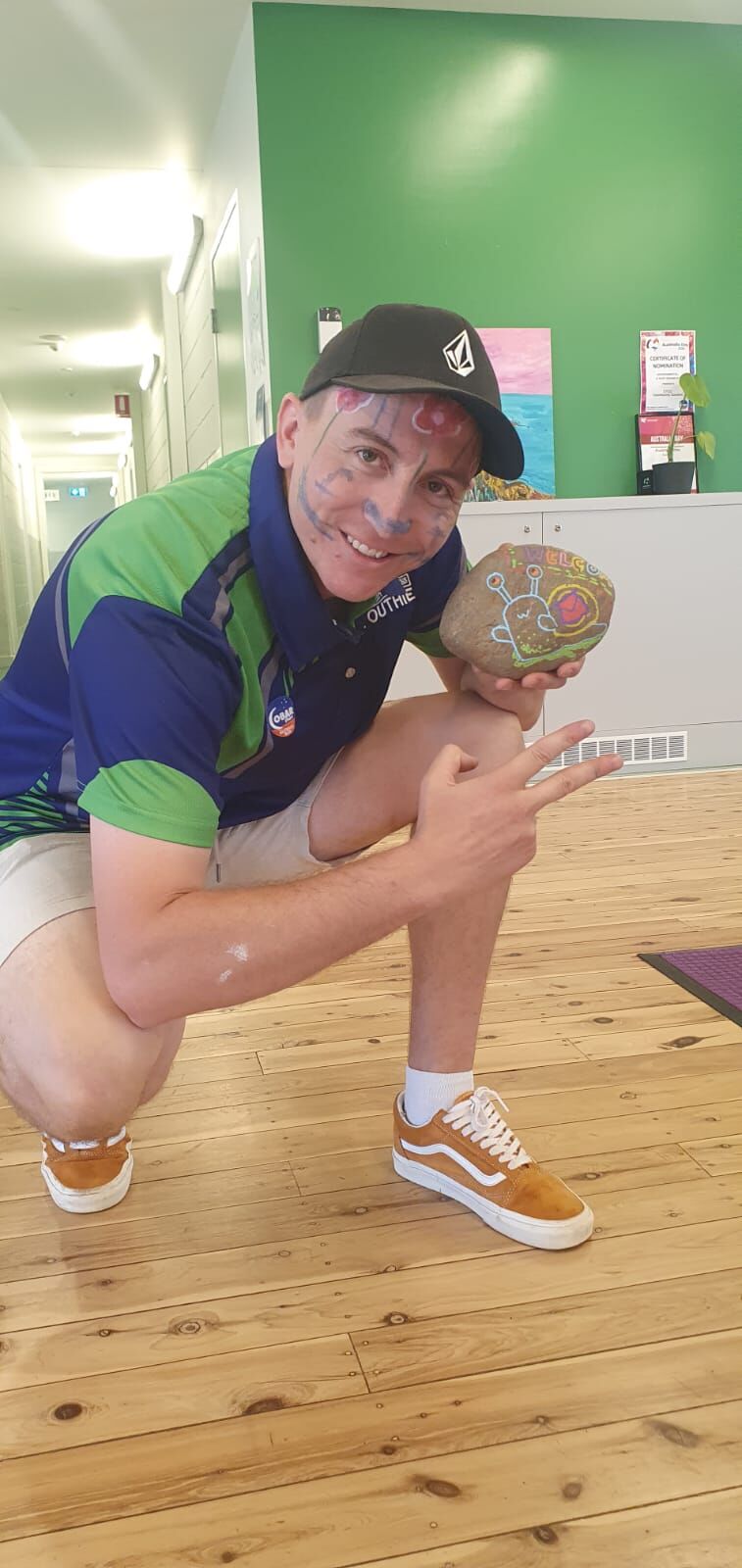
Before heading south to Casey Station as an electrician, I worked part time at a youth centre in Cobar NSW, supporting local kids and teenagers in a remote community where options for entertainment and engagement can be limited. Like many outback towns, distance and isolation shape daily life. Keeping people occupied, inspired and connected was a constant priority. Art sessions, colouring activities, games and physical activity were not just ways to pass the time. They were essential tools for building confidence and encouraging creativity.
Arriving at Casey Station, those same themes quickly resurfaced. While there are no youth centres in Antarctica, life at an Antarctic station shares many parallels with outback living. Isolation is the defining feature. The environment is extreme, the community is small, and maintaining morale and wellbeing is just as important as keeping the station’s lights on and systems running.
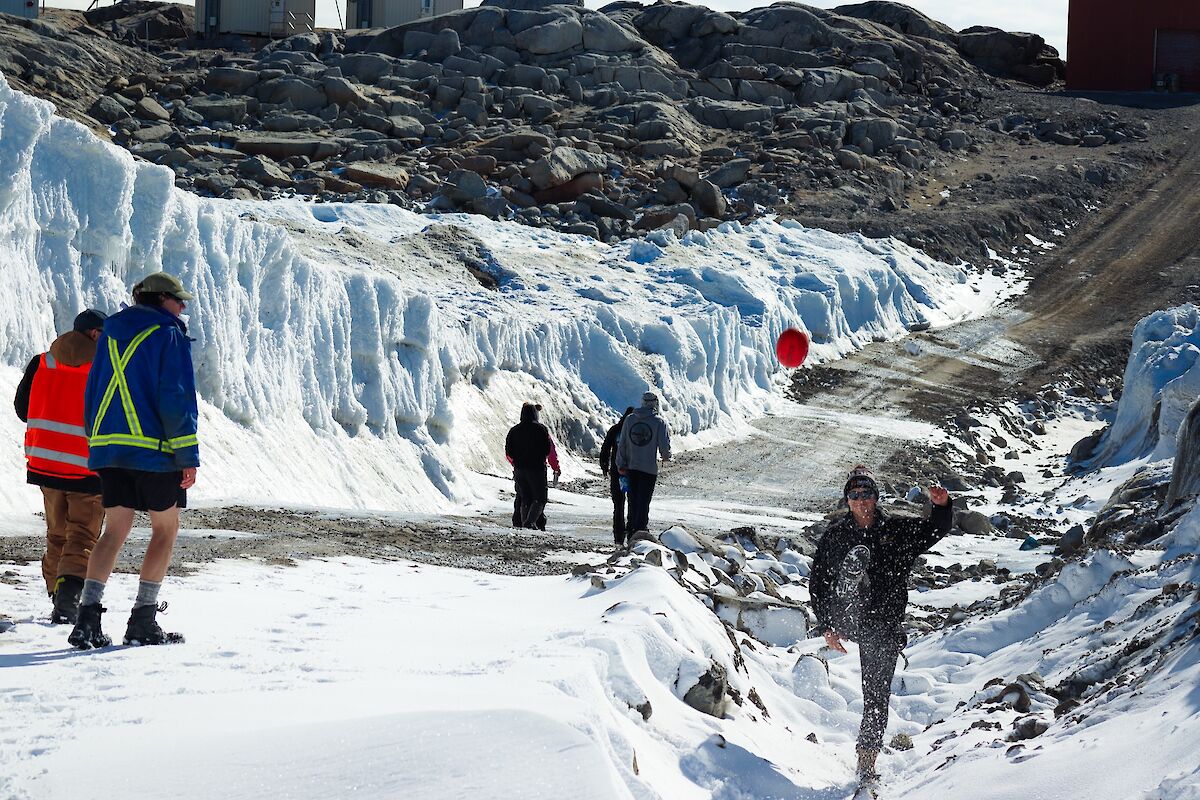
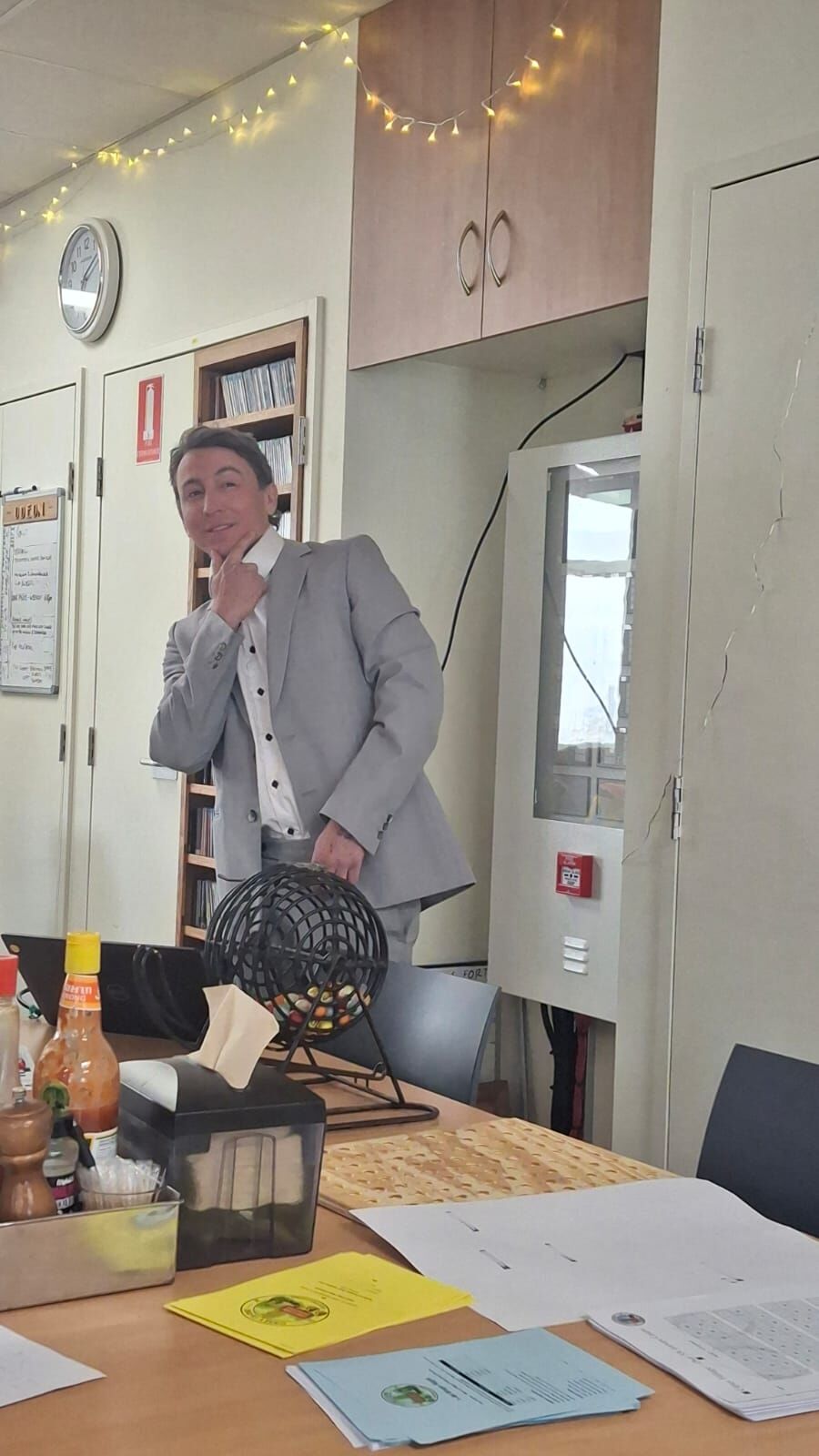
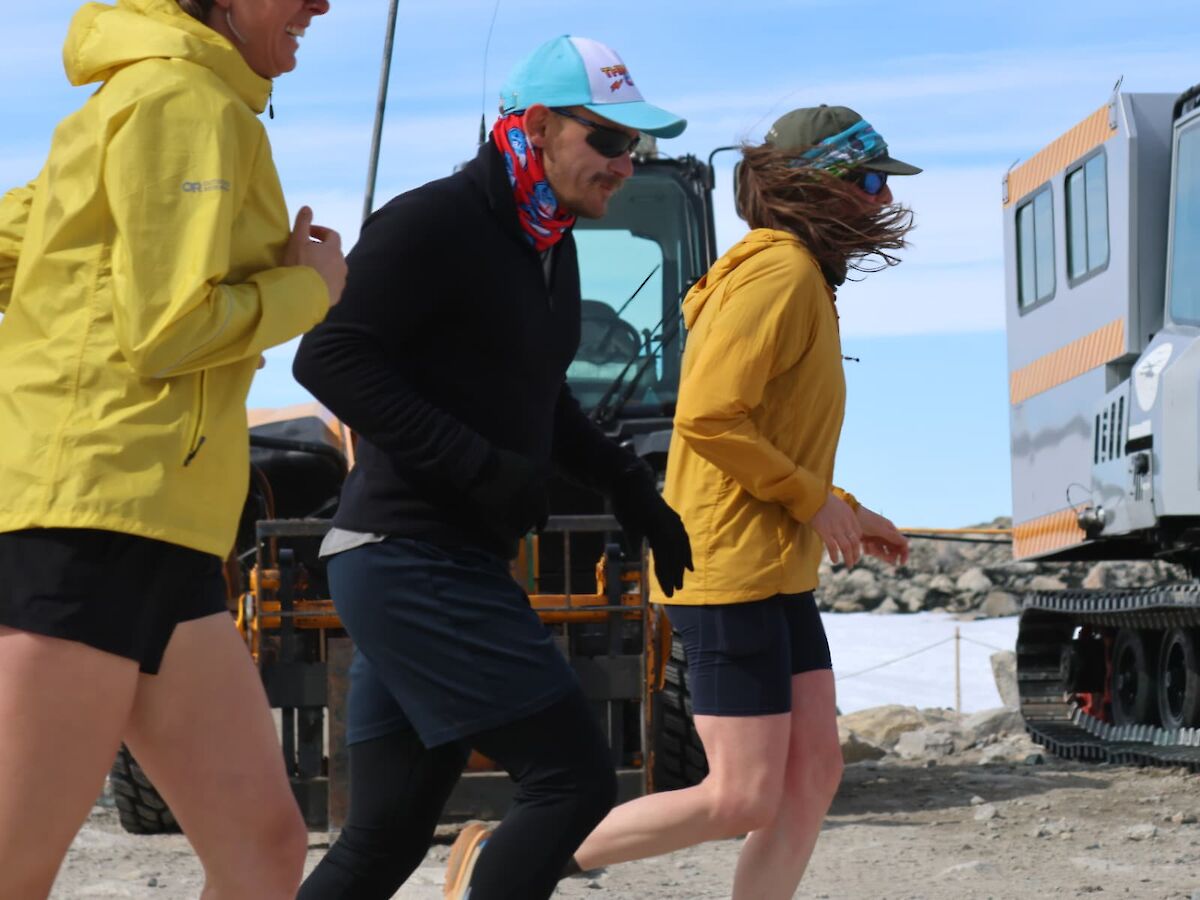
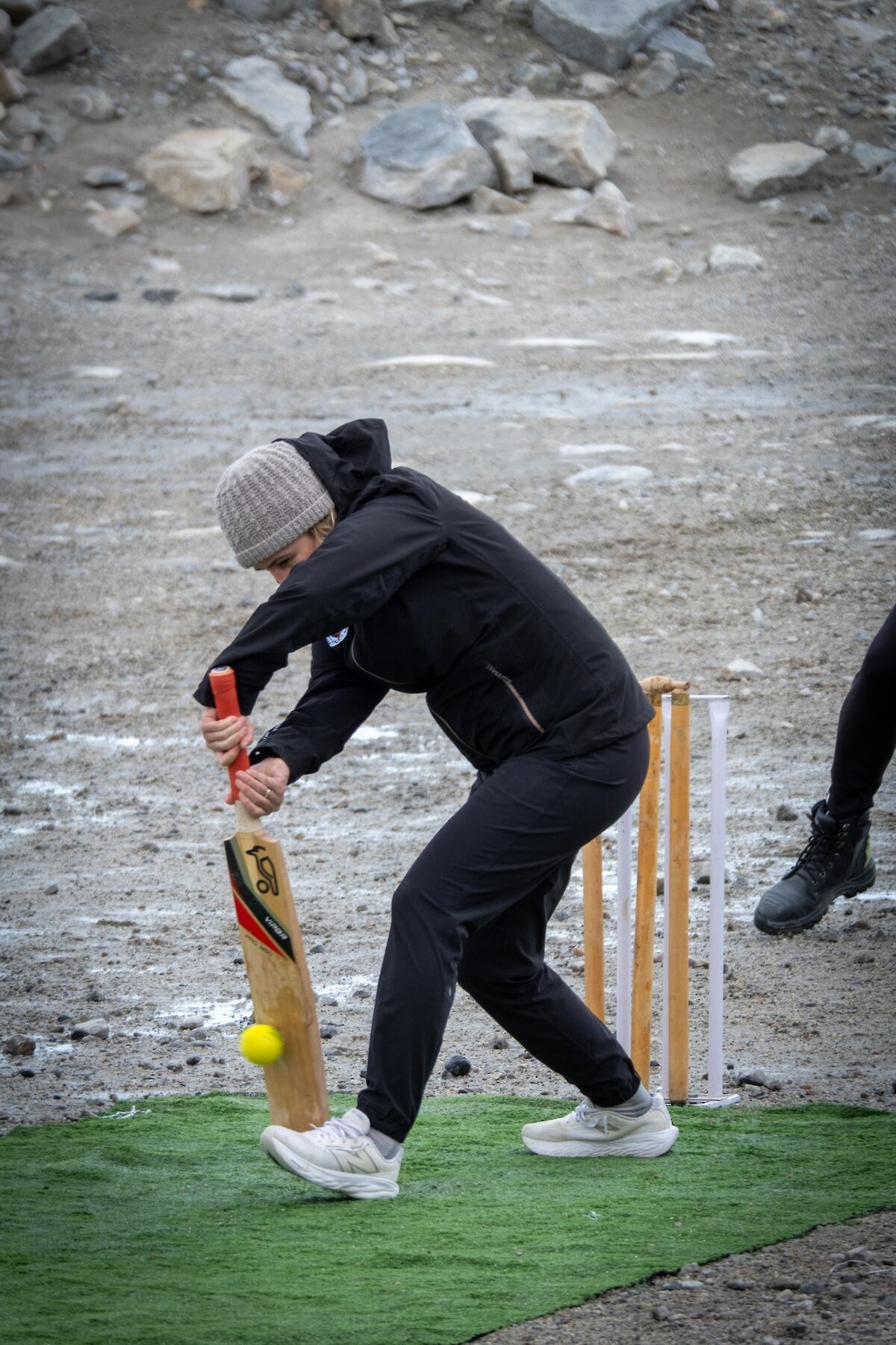
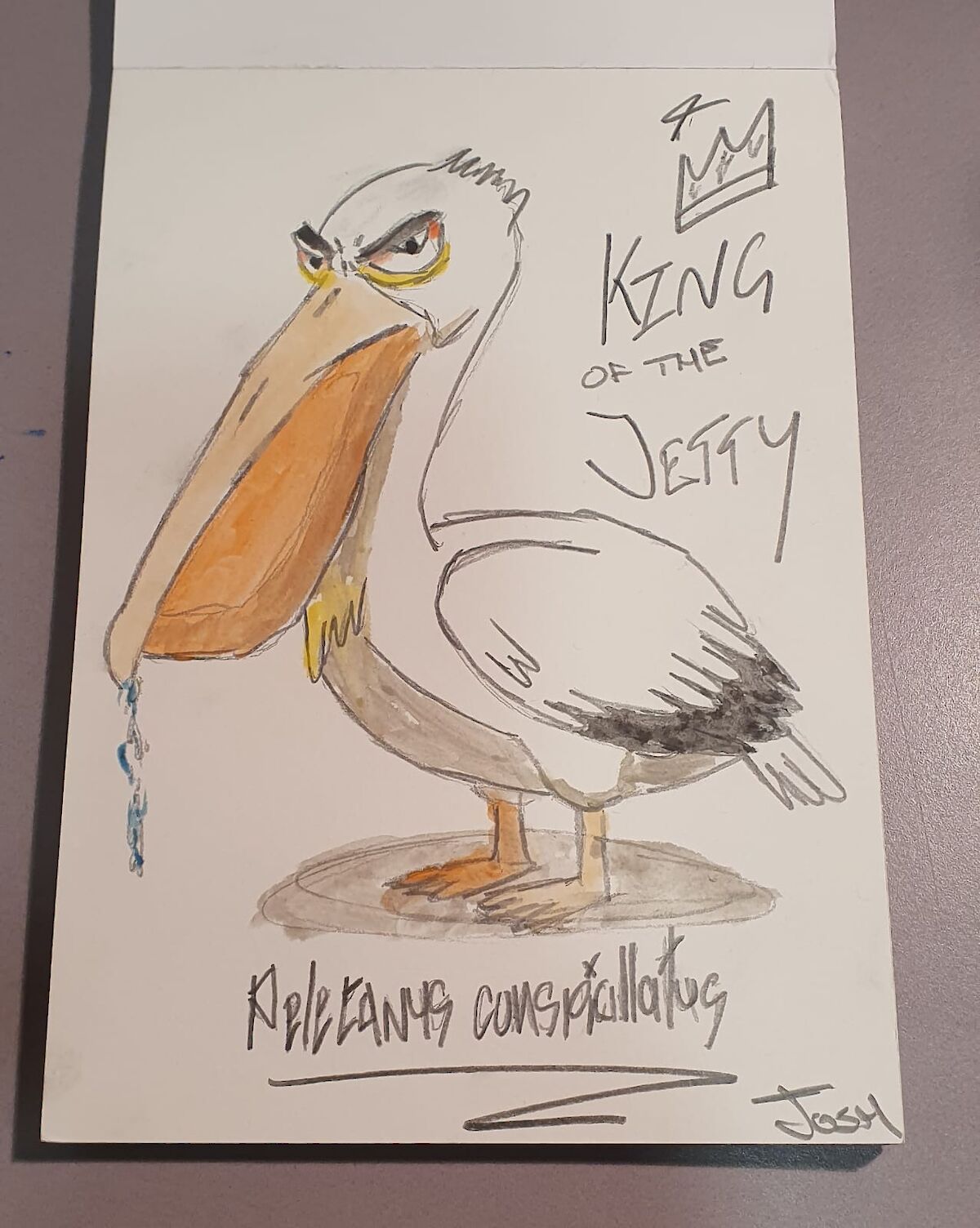
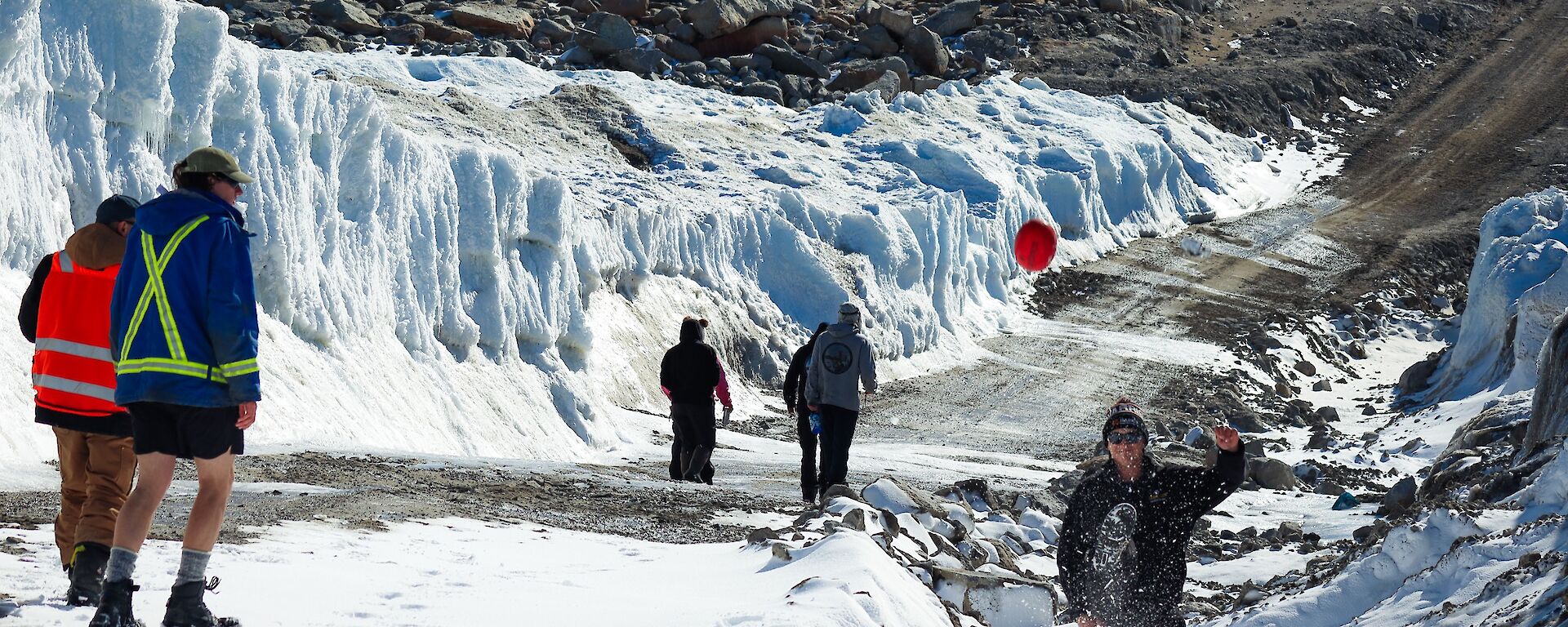
Beyond the technical work maintaining the station, daily life here relies on people staying mentally and physically engaged. Structured activities like a group park run or creative outlets like sitting down and having a play with water colour, help keep spirits high. Shared events like Bingo night bring everyone together, spark laughter, and build a real sense of community, especially during long periods away from home. Art, exercise and community engagement are just as vital here as they were back in the outback. The surrounding features may be ice and snow instead of dust, but the human needs remain the same. Sometimes you just really just need to kick a footy or play some backyard cricket.
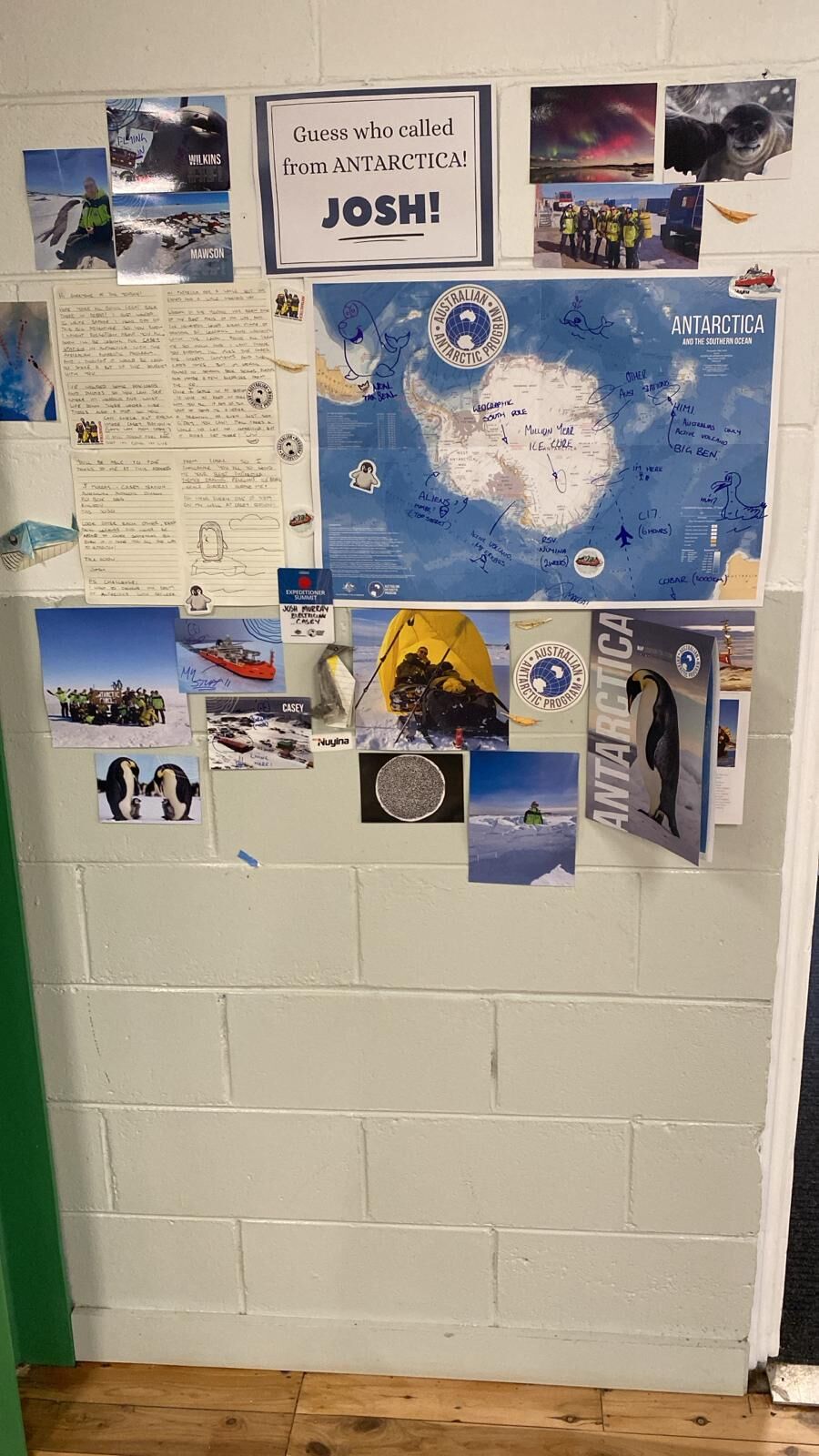
This connection between remote Australia and Antarctica has been strengthened through support from the Australian Antarctic Program and its community outreach team. Through its efforts, the AAD has helped provide correspondence materials for young people back in my hometown, including colouring-in sheets and information packs that explain what we do in Antarctica and why it matters. These resources give kids in places like outback Australia a link to a world that can otherwise feel unimaginably distant.
For young people in remote communities, learning about Antarctic stations, wildlife, science and station life opens up new ideas about the world and their place in it. It shows that meaningful work happens in all kinds of environments, and that curiosity, creativity and practical skills can take you anywhere, even to the coldest continent on Earth.
From red dirt to white ice, the journey from Cobar to Casey Station highlights an important truth. No matter how remote the location, connection, creativity and community remain at the heart of what we do. Whether it’s keeping kids engaged at a youth centre or supporting wellbeing at an Antarctic station, the parallels are closer than you might think.