
A Turtle in Antarctica
Greetings,
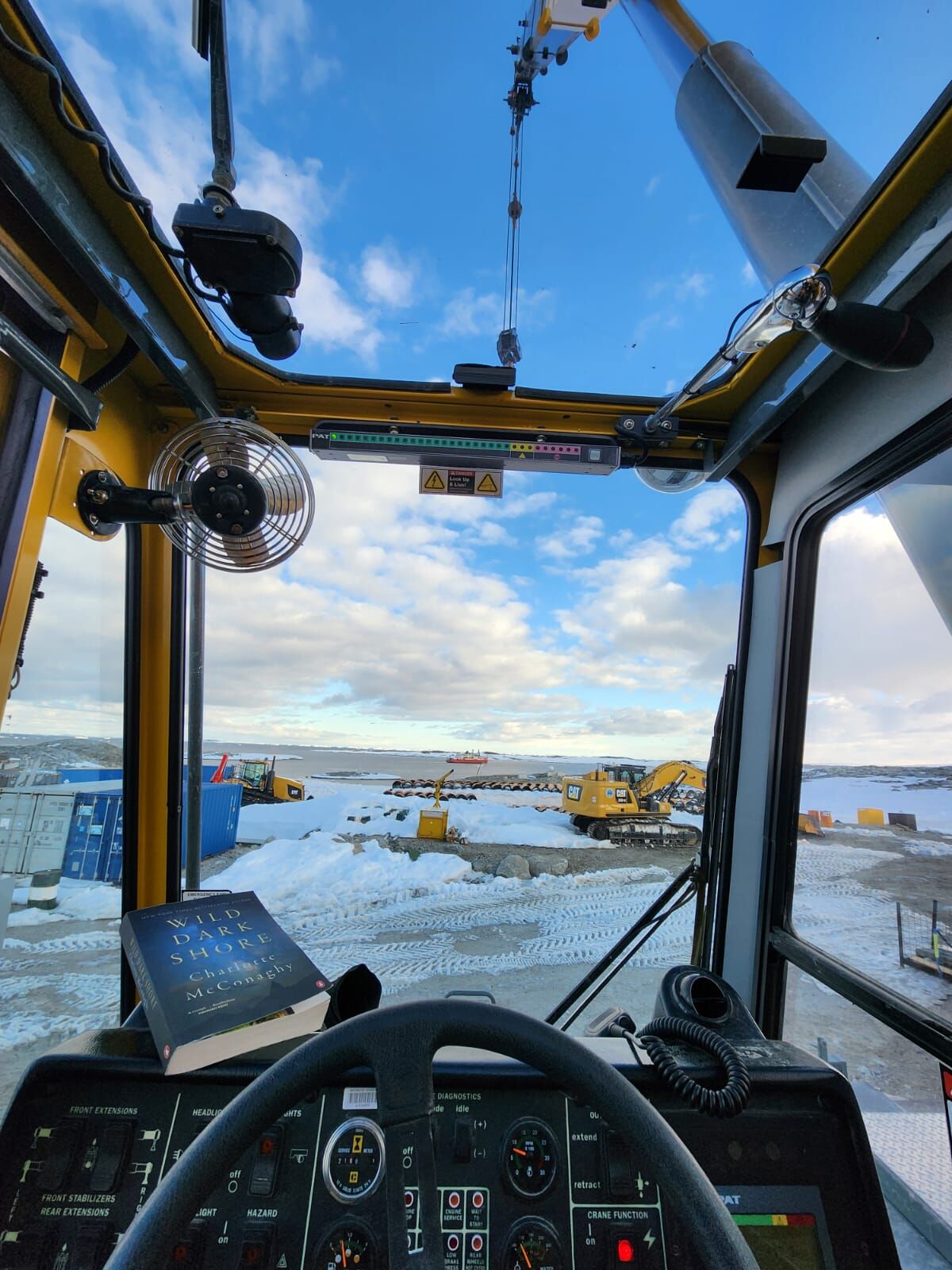
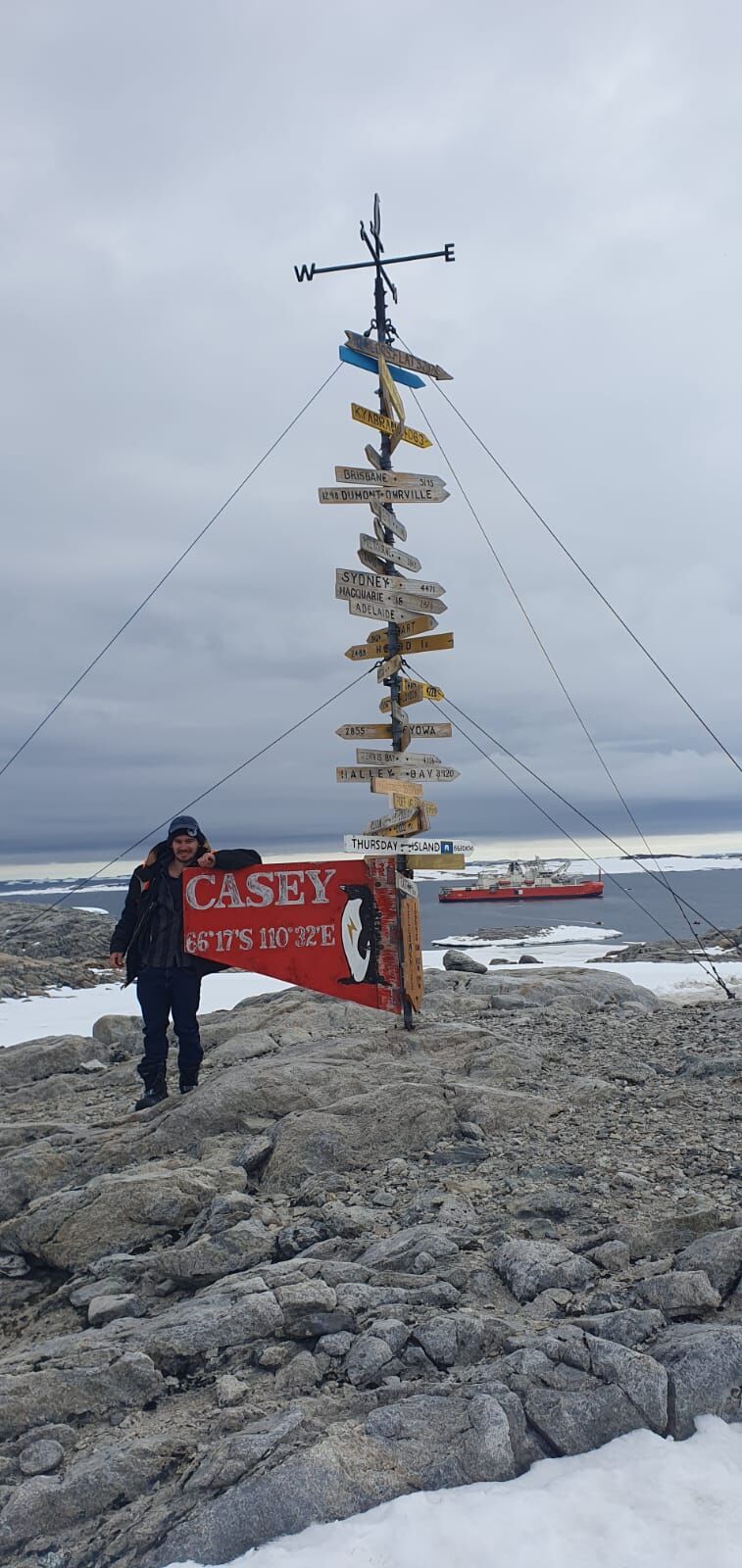
I’m Chris "Turtle", this is my first expedition at Casey Station and my role on site is a Crane Operator/Plantie.
A question prior to my deployment south I was asked so frequently was, "Why Antarctica?". I never really had a clear answer, but it was so much more than the curiosity of walking on the frozen seventh continent, so I’d always reply, “Why not!?”.
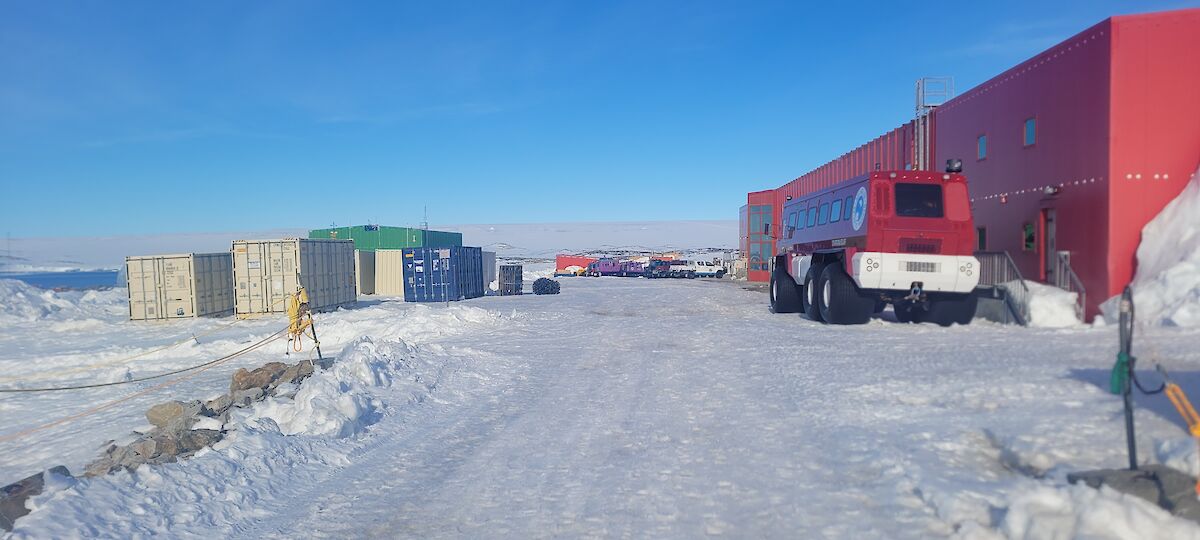
My daily tasks consist of, and not limited to - assisting station life with various shifting and moving sea containers, snow clearing, road maintenance, project works and various housekeeping 'slushy/community duties'. I’ve truly been blessed to be among an amazing team of Planties who all are returning expeditioners, all equipped with a wealth of knowledge and a can-do attitude. Also it wouldn’t also be without our fantastic highly skilled 'deso' mechanics team, that keeps all the plant fault-free and running - they will literally drop what they are doing to assist with any needs or questions.
We recently completed resupply, which consists of resupplying the station with all supplies (food, parts, building materials etc) over a two-week period. Using the cranes of the RSV Nuyina, our supplies were lifted onto barges, and then we utilised our mobile cranes and wheel loaders and shifted and unpacked everything. One hundred and twenty five items were unloaded from the ship - 678 tonnes worth. Seventy five lifts were 'Return to Australia' items - the total weight transferred via the barge was 335 tonnes.
We had over 100 people from station assisting, as well as people from the Nuynia, and some from Concordia station (French base) assisting this project. Alot of these containers were hand unloaded/loaded, which was completed on time, without any incident and injury free.
I thought this was one of the most amazing things I’ve seen on a job site, when you consider none of these people had worked together in the past, and were all from different industries and backgrounds.
The safety culture was fantastic, there was some cool open forum communication being held and it felt like it was a very safe space to stop and ask a question. Credit where its due - incredible effort from station leadership and all personnel on site!
Time here goes way to fast, six weeks already. What are my highlights so far? Where to start?
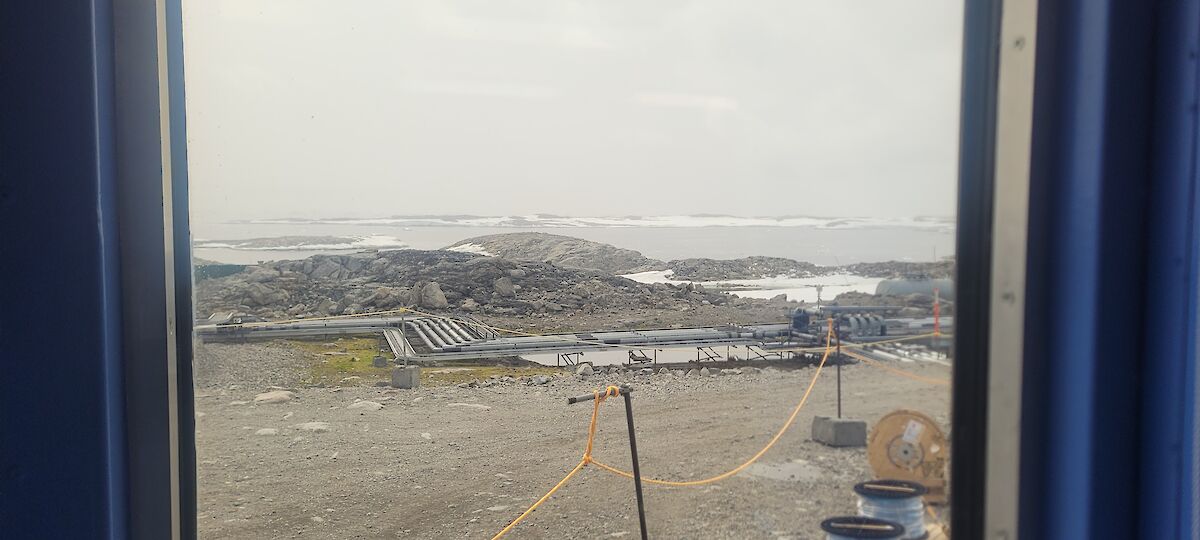
Waking up every morning on the way to the gym, to the most picture-perfect, pristine view of the bay with floating icebergs and snow-covered hills - it doesn’t get old! Where else in the world can you be working away and be greeted by the grooviest Adelie penguin’s, majestic skuas, proud snow petrels and all types of seals?
How could I go past the most delicious fine dining lunches and dinners (thank you Brooke, Matt, Nora and Wilber, our talented chefs). This is a highlight of my day (and not in any order) but not least, all the fantastic people on station - they are from all parts of the world, with some fascinating stories, all friendly with incredible vibes.
I feel like my Antarctic experience would not be matched without all these awesome people in my stories to come. (I could shout out to them all).
Don’t get me wrong, yes - there are so many amazing days here, and there are some not amazing days - like the weather. It can change very quickly, and so do those simple job tasks, but those moments are short lived as you walk out and around the wallow, kitchen, gym or bar... maybe seeing your room mate Mitch, lighting up the dancefloor with some serious dance moves! You're pretty quick to put a smile on your dial. This place is pretty special, with lots of laughs!
What advice could I give someone interested in coming south? Give it a go, you will never know what could happen! Expect the unexpected, be adaptable, every day is different. Go in with an open mindset, and this one I love the most - be grateful and live in the moment.
Honestly, the science being conducted here is fascinating. What they are trying to do to protect and preserve the last great wilderness on Earth. It’s so beautiful and I’m very excited to see what the remainder of the season will hold.
“The only true failure...would be not to explore at all” - Sir Ernest Shackleton.
Christopher 'Turtle' De Meo