
Studies into the Heard Island and McDonald Islands (HIMI) marine ecosystem are particularly important, given the unique environments that are found there and the need for information that can support the sustainable management of fisheries in the region.
Research has included a focus on food web functions, which require information about:
- the life cycles of the fish species targeted by the fishery (Patagonian toothfish and mackerel icefish) – their life expectancy and how many eggs and young fish are produced each season
- the marine mammal and bird species eating those fish – how much they require to feed themselves and their offspring
- where the fish occur, and where the feeding activities of marine mammals and birds take place.
In an attempt to obtain such information, an ambitious 'ecosystem-scale' study, involving concurrent terrestrial and marine research, was undertaken at HIMI over the summer of 2003–04.
The aim of the study was to gain information about the feeding habits of the key predators based on Heard Island – those that consume the most food from the surrounding waters – macaroni penguins, king penguins Antarctic fur seals.
A land-based team placed tailor-made miniaturised electronic tags, processors and loggers on over 250 animals, allowing their movements to be tracked via satellite, and providing a picture of their foraging activity.
Specialised software developed by the Australian Antarctic Division (AAD) provided close to real-time access to this foraging data, allowing a marine team aboard the marine research vessel Aurora Australis to take biological samples and measure physical characteristics of the feeding areas shortly after the seals and penguins were there.
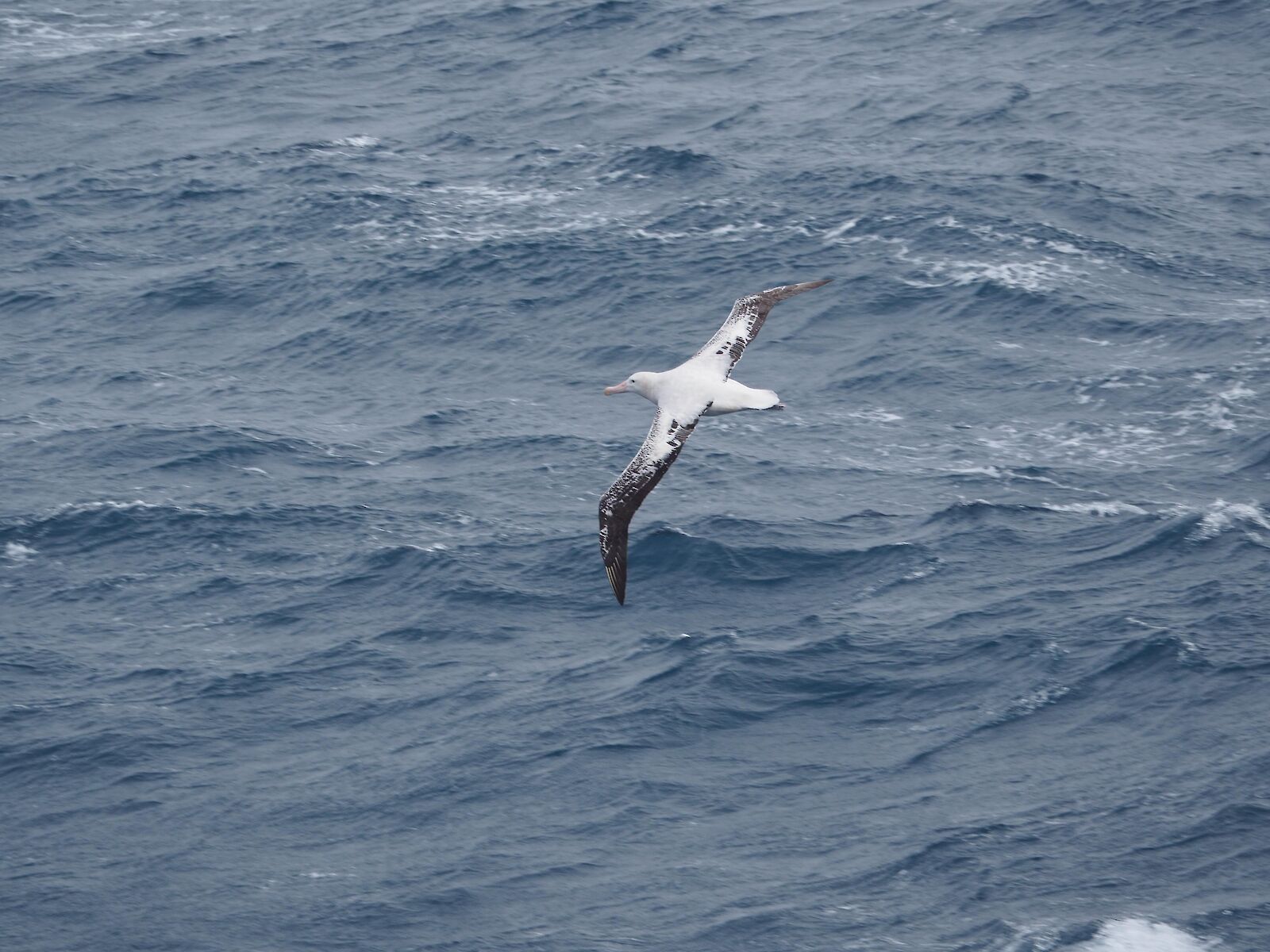
Black-browed and light-mantled sooty albatross were also tracked over the 2003-04 summer, to determine whether their foraging range overlaps with areas fished by longline vessels. The albatross were observed to travel thousands of kilometres in week-long foraging trips from Heard Island. For more details of this research see a summary of the scientific paper here.
More recently, research into HIMI marine ecosystems was undertaken from RSV Nuyina as part of the 2025-26 HIMI Campaign.
Teams undertook a range of sampling and surveys including benthic trawls, pelagic trawls, towed cameras and underway sampling (including for eDNA) to provide insights into the marine ecosystems of the region and support and inform ongoing management of the HIMI Marine Reserve.