
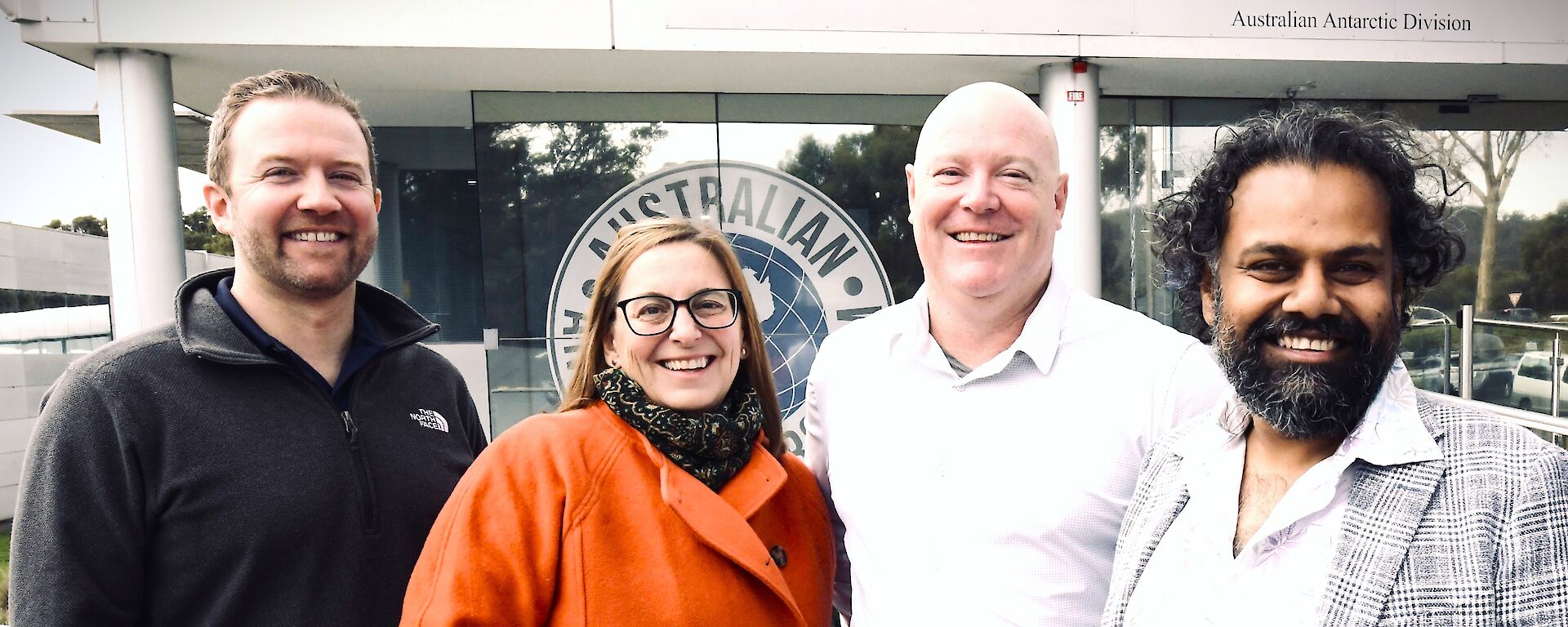

Leading the way into a new season in Antarctica
The Australian Antarctic Division has appointed its Station Leaders for the 2026/27 season at Casey, Davis and Mawson research stations.
Ahead of deployment, the new station leaders have completed Station Leader Technical Training, gaining a deeper understanding of Antarctic operations, science programs and station projects as they prepare to lead teams in some of Australia's most remote and challenging environments.
Rebecca Jeffcoat - Davis Station Leader
Rebecca (Bec) first fell in love with Antarctica when she sailed on the Aurora Australis as a young Navy meteorologist and oceanographer more than 20 years ago. The experience sparked a lifelong ambition to return as a Station Leader.
A former senior Navy officer, Bec brings extensive leadership experience in isolated, high-risk and extreme environments. Her career includes commanding HMAS Kuttabul in Sydney, Australia's largest naval establishment, along with a range of senior leadership roles.Over the past decade, Bec has led teams at Casey, Mawson and Macquarie Island, building a reputation for fostering resilient, high-performing station communities. A stint at Davis will mean she has served as Station Leader at all Australian Antarctic stations.
Bec is also the current President of the ANARE Club and holds postgraduate qualifications in Maritime Policy and Disaster and Emergency Management.
Bec's priority is creating a strong and supportive station culture and facilitating major infrastructure works at Davis research station, which start in earnest this season. The work is being carried out by a design and construction consortium known as the Antarctic Infrastructure Renewal (AIR) Alliance.
“This will be the first year AIR Alliance personnel deploy to Davis,” Bec said.
“I'm committed not only to helping them achieve their project goals, but also to fully integrating the teams into one station community, creating a happy, cohesive group that enjoys a successful summer together.”
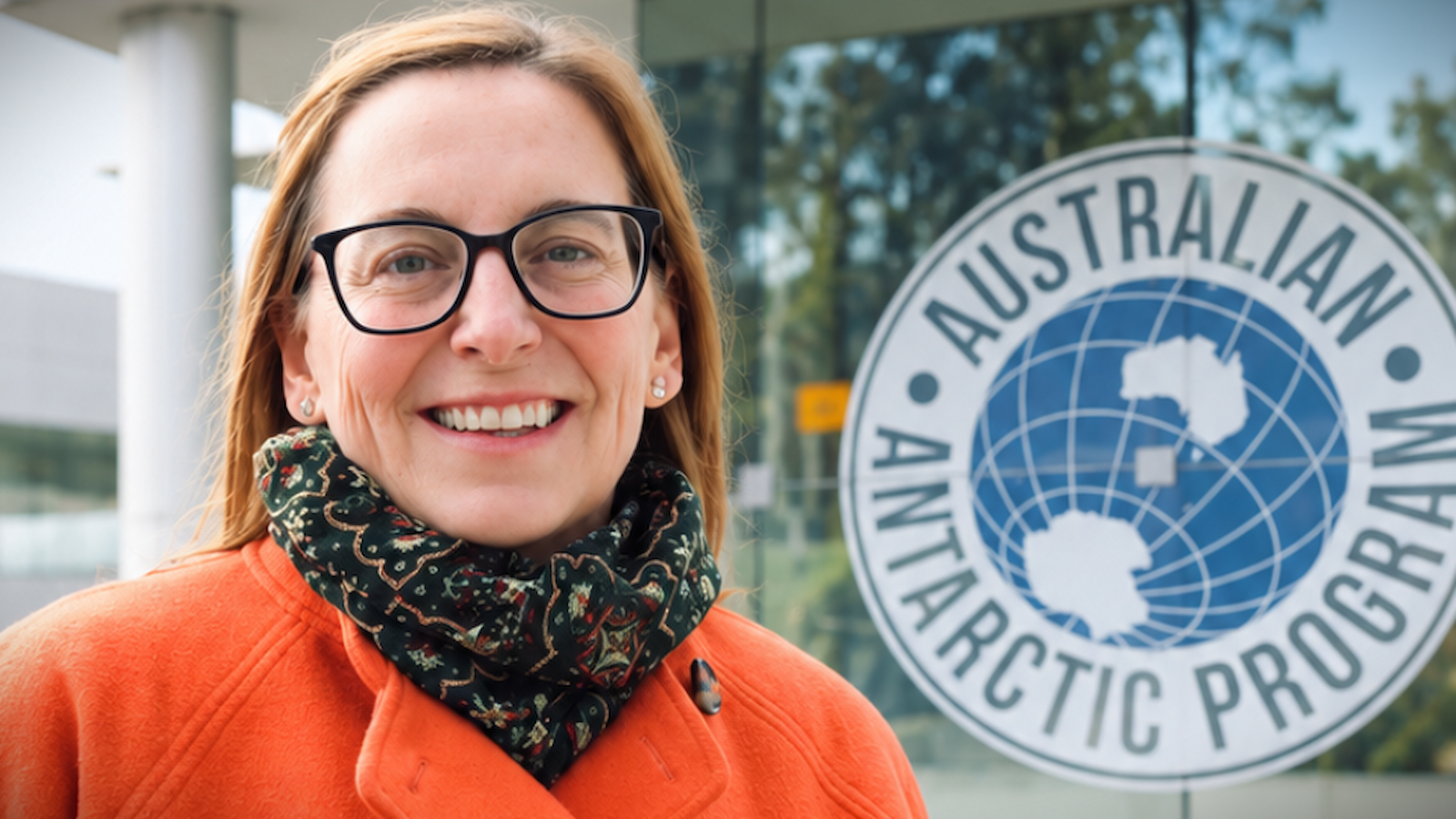
Tricia Finch - Davis Deputy Station Leader
With two decades of experience across the Defence portfolio, Tricia brings a wealth of leadership, operational and capability expertise to her new role with the Australian Antarctic Program. Her Defence career began as a Royal Australian Air Force officer before transitioning into a range of civilian positions. Along the way, she deployed on overseas operations and held mission management roles in Australia and the United States. Most recently, she worked in capability development, overseeing communications facilities and capabilities for a range of Defence partners.
Tricia will now take on the role of Deputy Station Leader at Davis research station. The voyage south aboard the RSV Nuyina will mark her first trip to Antarctica, and she's particularly looking forward to seeing icebergs and Antarctic wildlife for the first time.
"I'm aiming to up my photography game and get some great pictures of the environment and wildlife," she said.
As Deputy Station Leader, Tricia's focus will be on supporting both the Station Leader and expeditioners throughout the season.
"I hope to come away from this season knowing I've helped everyone achieve their work objectives and personal goals," she said.
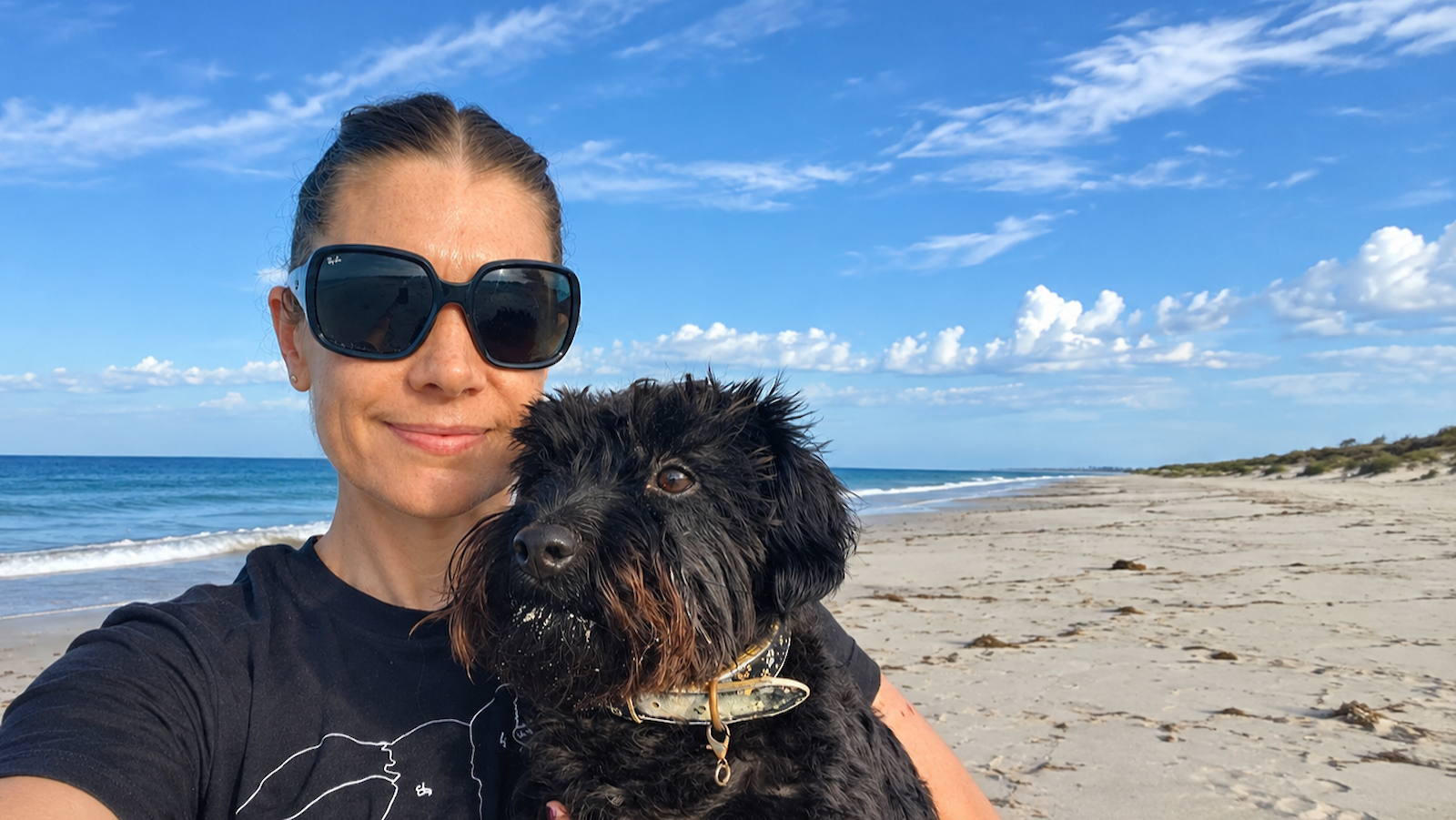
Originally from Brisbane, Tricia holds a degree in Agricultural Science and postgraduate qualifications in Quantitative Genetics and Business Administration. Outside work, she enjoys reading, baking, travelling and spending time at the beach with her dog, Gretel.
"I've always loved to travel, but more than that I value the opportunity to immerse myself in a place," she said. "Working for the Australian Antarctic Program gives me the chance to do that in the unique and beautiful environment of Antarctica."
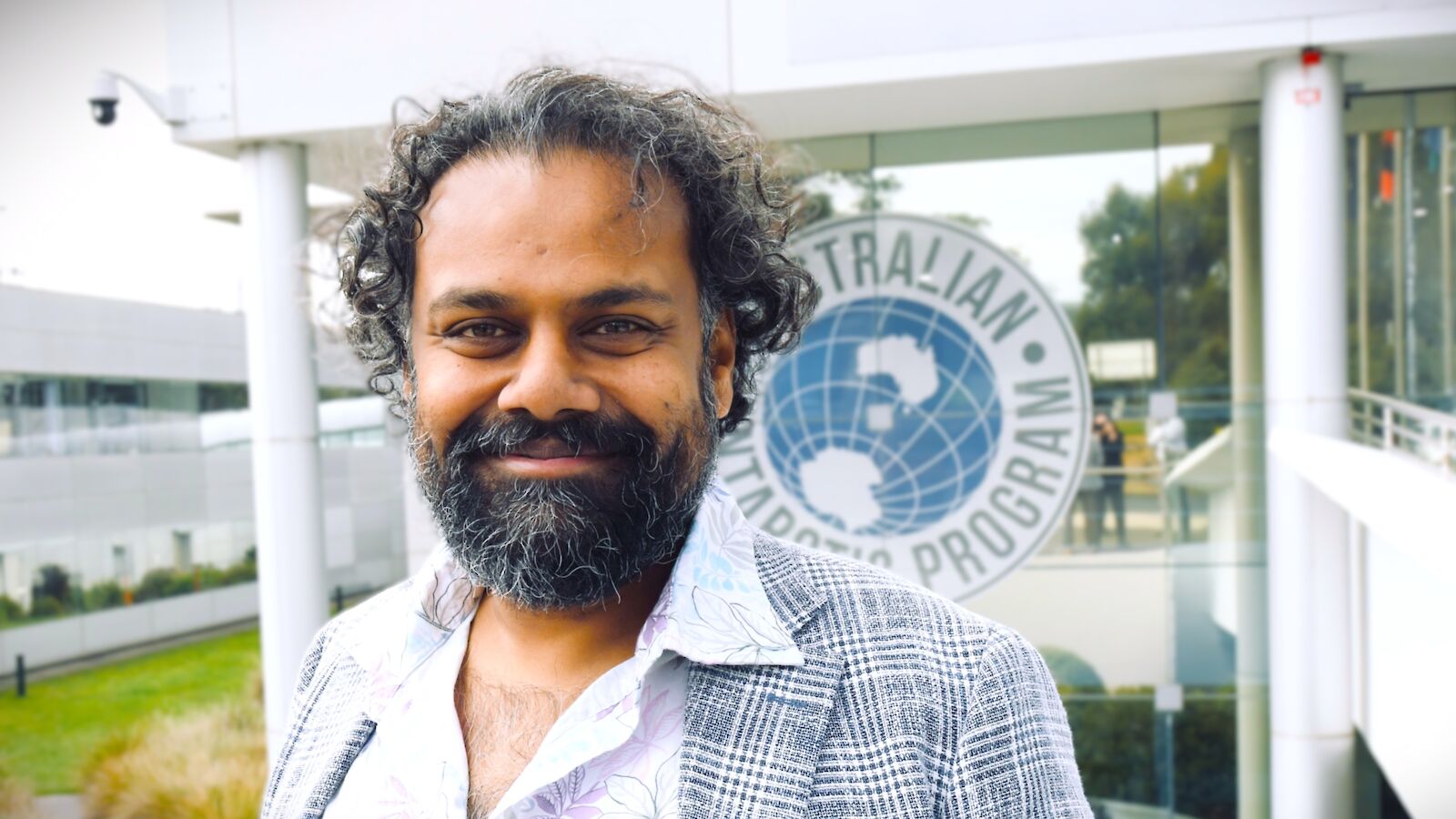
Saurabh Das – Casey Station Leader
Saurabh is heading back to Casey Station this season as Station Leader, after serving as Deputy Station Leader during the 2025/26 summer.
An avid adventurer and photographer, Saurabh brings 20 years of operational leadership experience across offshore marine construction, oil and gas, manufacturing and biomanufacturing. Most recently, he was Head of Operations at Cauldron, leading the scale-up of Australia’s first industrial-scale precision fermentation facility. His career has taken him to some of the world’s most challenging environments, including the PNG Highlands with Oil Search and later Santos, where he led frontline operations and emergency responses.
For Saurabh, supporting Antarctic science is at the heart of the role.
“Developing our understanding of how Antarctica influences the global climate system is critical to the future of our planet,” he said. “Our stations exist to enable science, and none of that science happens unless the station runs safely and reliably.”
Looking ahead, Saurabh hopes to deliver a safe and successful season while building a strong station community.
“I’m aiming for a safe and joyful season, with the program delivered and a station community that has forged bonds lasting well beyond our time on the ice together,” he said.
“Creating advocates for Antarctica is one of the most important parts of this job for me.”
Nick Graney – Casey Deputy Station Leader
Growing up in Hobart, Nick learned of the Australian Antarctic Program throughout his school years, sparking an early interest in Antarctica and the program. That curiosity about Antarctica, the environment and the planet remained a constant as Nick built extensive experience in remote operations and leadership roles across Australia and overseas.
A graduate of the Australian Defence Force Academy and Command & Staff Course, Nick has held roles spanning navigation, air warfare, border protection, command, planning and project management. His career highlights include peacekeeping on the Korean Peninsula, humanitarian operations in Indonesia and the south-west Pacific, commanding HMAS Launceston and ADV Cape Fourcroy, and serving as Deputy Director of the General-Purpose Frigate Project.
Nick is eager to join a community of people who share a passion for Antarctica and Casey research station’s purpose.
“Our stations exist to support critical scientific and environmental research that contributes to understanding the global climate system,” he said.
“It is an incredible privilege to be part of something like this and help build a community in one of the most unique and challenging places on Earth.”
Outside of work, Nick enjoys reading, Lego, running, hiking and travel. He has visited 73 countries and counting, and shares life with his Blue Staffy, Luna.
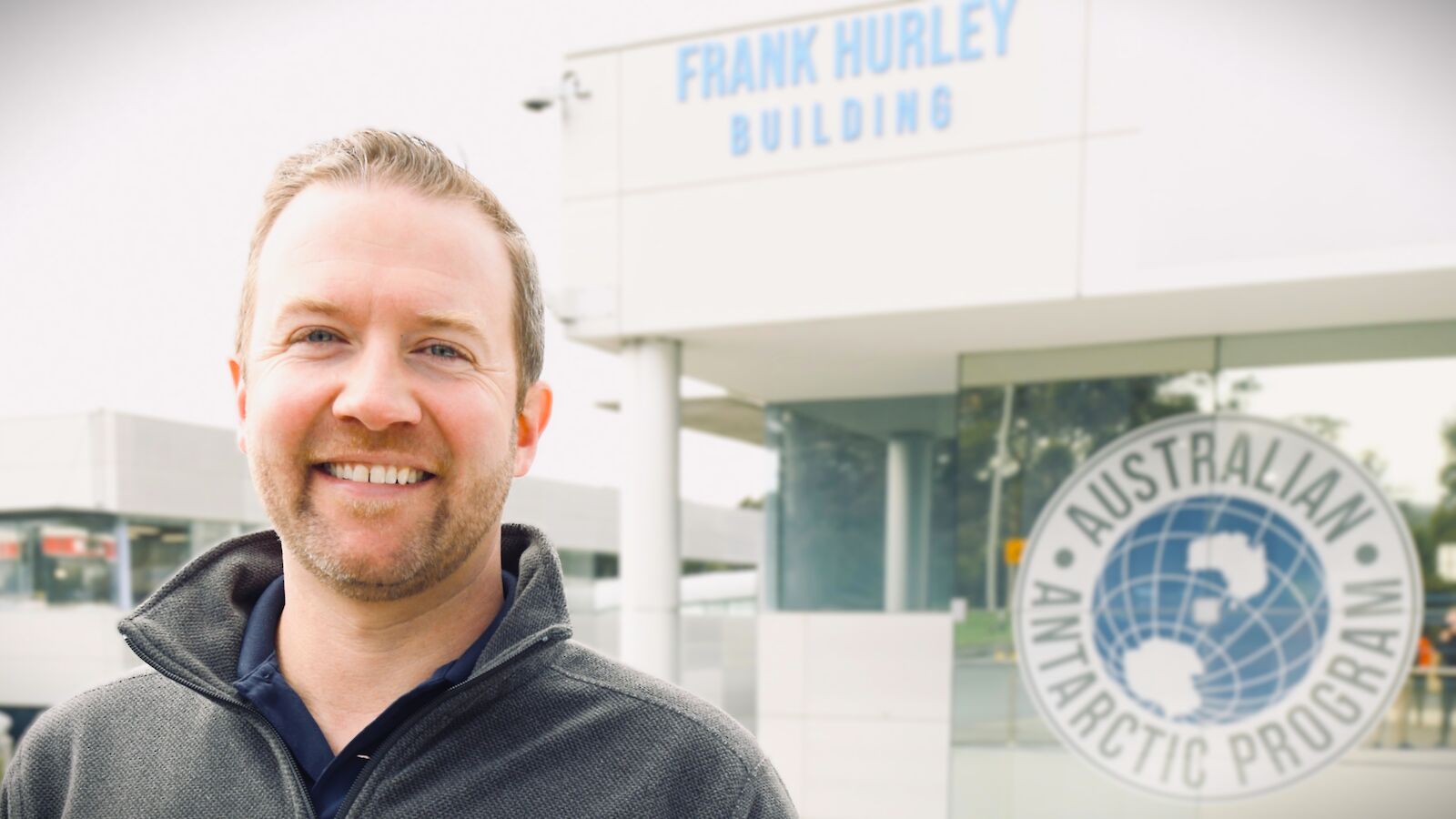
Aaron Perrin – Mawson Station Leader
Aaron will lead Mawson research station after a varied career spanning mechanical trades, operations management and leadership roles across Australia, Europe and the United Kingdom.
For more than 30 years, Aaron has held a strong ambition to live and work in Antarctica and contribute to a greater understanding of its importance to global scientific and wildlife research. He joins the Australian Antarctic Division from Penrith in western Sydney, bringing extensive experience across industries including mechanical services, construction, real estate, sales and the onshore gas sector, where he spent 17 years progressing to Operations Manager.
Aaron said the opportunity to work alongside a team of dedicated expeditioners in one of the world's most remote environments is an honour and a privilege.
“For me, going to Mawson research station is amazing as it is the oldest continuously operating station south of the Antarctic Circle, established on February 13, 1954.”
“It’s also a chance to see emperor penguins in their natural habitat.”
Outside work, Aaron enjoys travel, hiking, cycling, diving and swimming, and is a passionate supporter of the Penrith Panthers and NSW Blues. He is also committed to animal welfare and has volunteered with animal shelters in Australia, the United Kingdom and Asia.
on