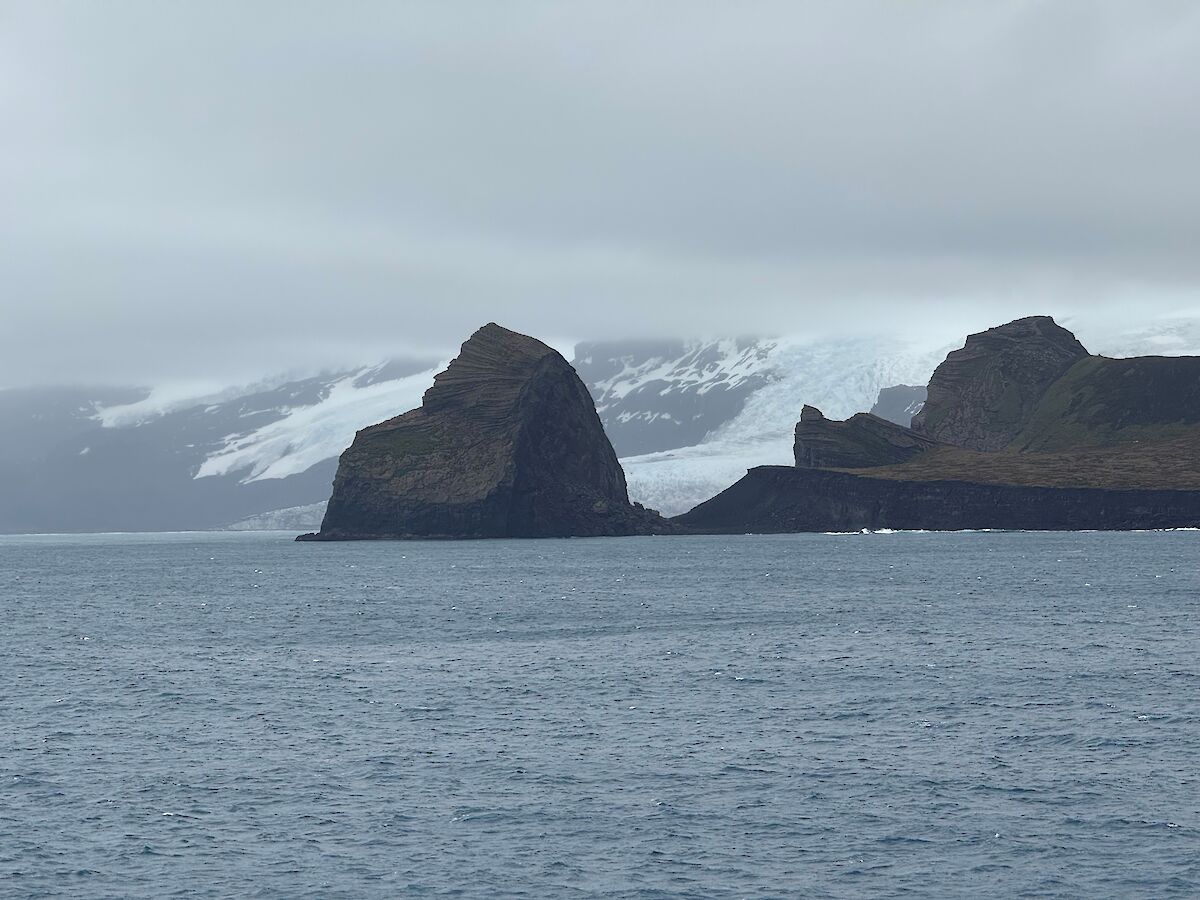
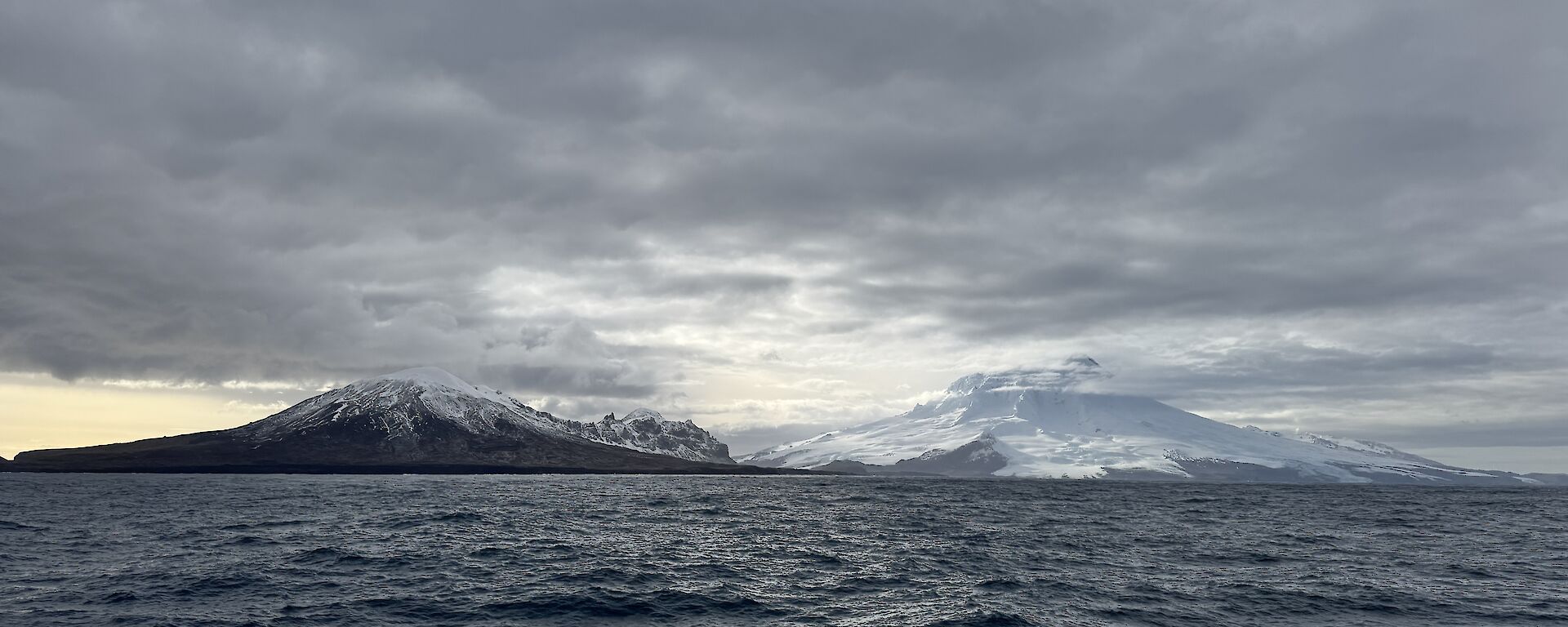

The islands and coastal waters are World Heritage-listed for their globally significant ecology and geo-heritage values, and the surrounding seas are a Commonwealth Marine Reserve.
The entire reserve is managed by the Australian Antarctic Division of the Australian Government Department of Climate Change, Energy, the Environment and Water.
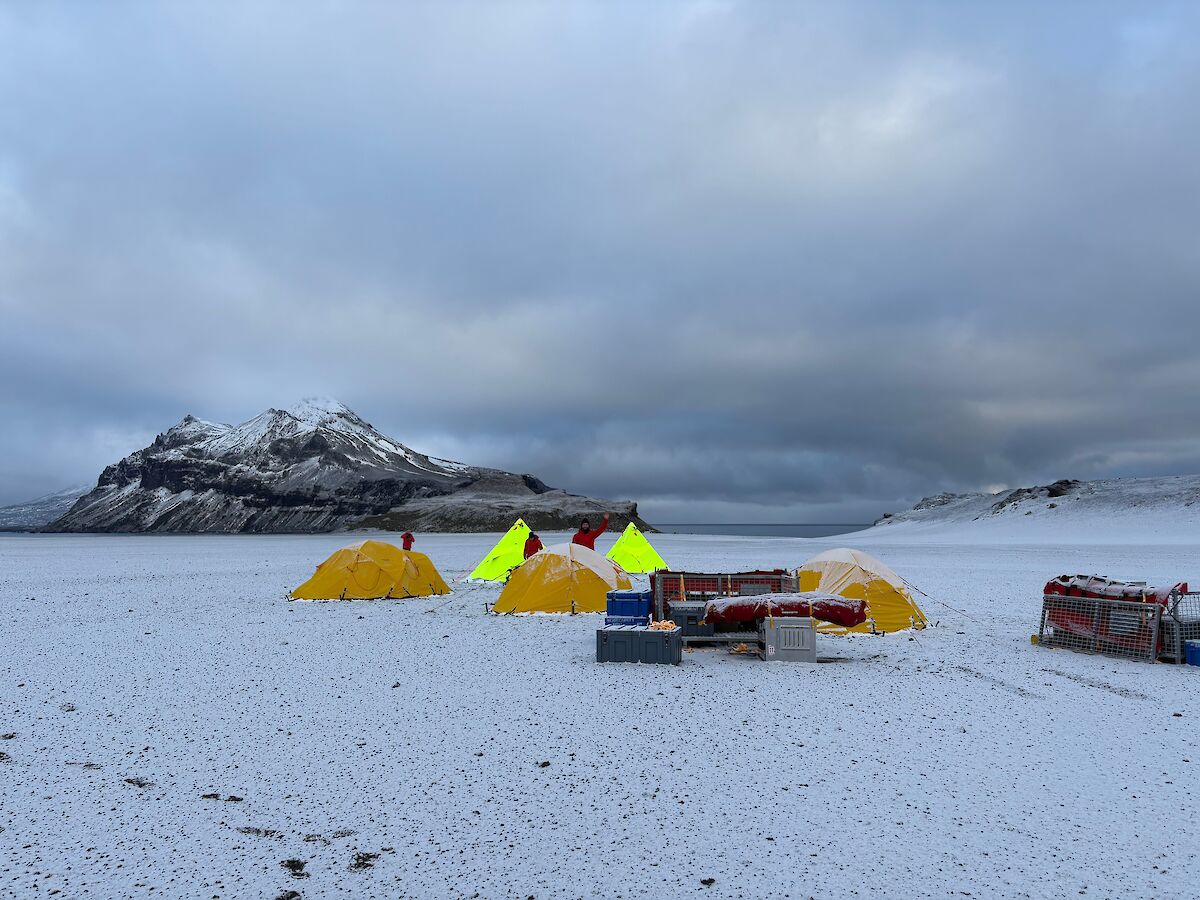
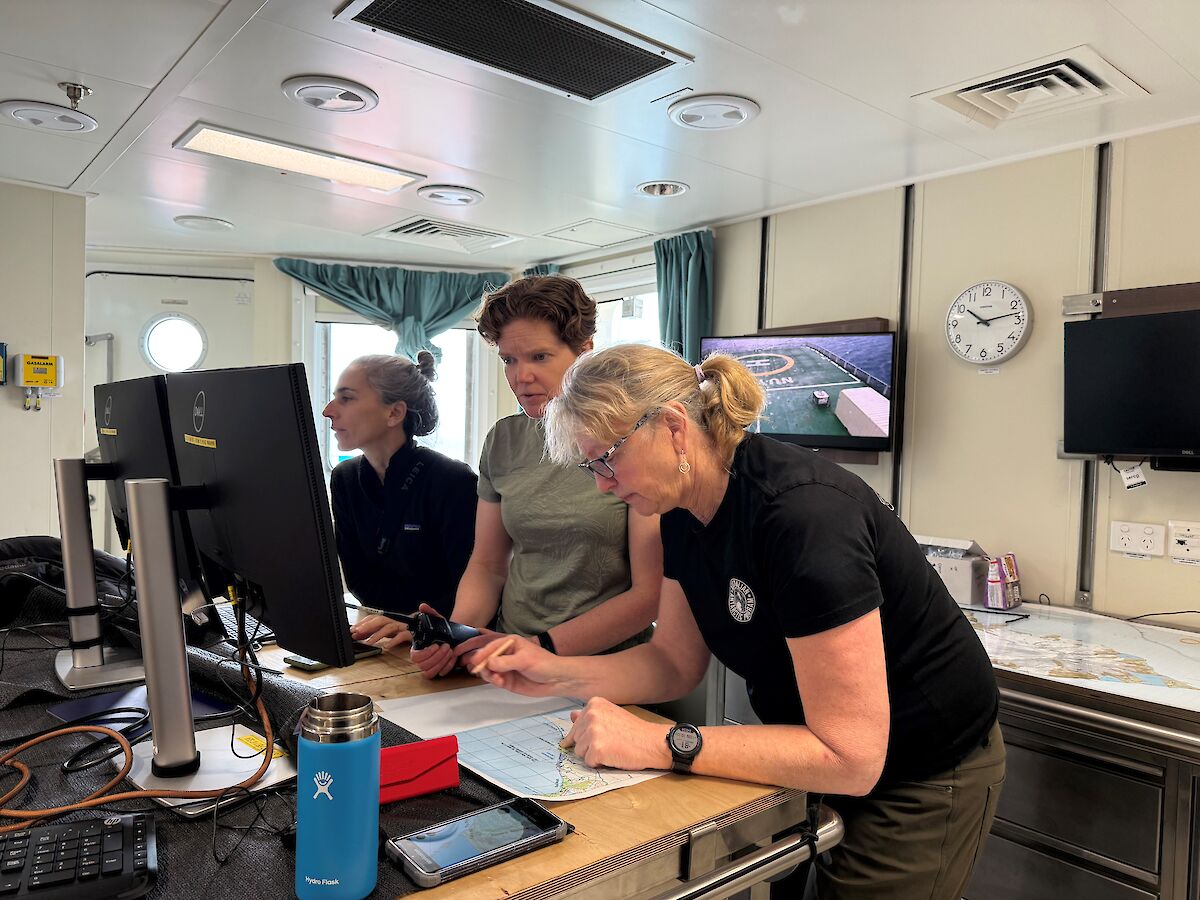
Australia’s icebreaker and research ship, RSV Nuyina, acted as a floating science laboratory and accommodation for scientists and expeditioners while they conducted project work over two separate voyages this summer.
“The overarching aim was to conduct a visit to the Heard Island and McDonald Islands (HIMI) reserve and gather as much information as we could to inform the future management of the islands and surrounding waters," Dr Aleks Terauds said.
"We were seeking to understand the current status of the values that make HIMI special, see if they had changed since we were last there, and if they had – why?
“The inhospitable weather, challenging terrain and remoteness all combined to make these voyages both complex and challenging. Despite the challenges we achieved some key objectives, including successfully surveying albatross, penguin and seal populations, deploying a range of installations to gather data remotely, mapping the sea floor for science and charting purposes and science to better our understanding of the marine ecosystem.
"The work also confirmed the presence of H5 bird flu.
“It was such a rewarding experience to be part of the planning process and then watch the incredible efforts of those involved across the two voyages.
“Even more rewarding is knowing that we succeeded in achieving the main objectives of the voyage and that what we learn from these samples and data will provide an important foundation for the future management and conservation of the HIMI Reserve.”
Project groups:
• Assessed seal and seabird populations for signs of H5 avian influenza (bird flu)
• Conducted drone and ground-based surveys of seabird and seal populations
• Flew drones beyond visual line of sight (BVLOS), up to six kilometres from base, a first for the Australian Antarctic Program
• Installed a sea level observation station at Magnet Point
• Installed an Autonomous Remote Environment Monitoring System (ARTEMIS) at Atlas Cove, which is now sending real time weather imagery and data back to Australia
• Conducted surveys of vegetation and invertebrates, informing our understanding of the biodiversity values and how they have changed since our last visit.
• Installed eight ground markers for satellites, known as ‘top hats’ at Atlas Cove, improving the accuracy of positioning information from satellite dat• Conducted bathymetric (sea floor) mapping
• Collected samples and conducted surveys in the marine environment, using a towed underwater camera and underway sampling using the Nuyina wet well
• Investigated biodiversity using environmental DNA sampling
• Removed 800 kilograms of inert waste, including sharp glass and metal, and 300 kilograms of asbestos from the old station site.
The work done on these voyages will inform the management and protection of Heard Island and McDonald Islands and the surrounding seas for years to come.
The HIMI Campaign was delivered in collaboration with our partners including Securing Antarctica’s Environmental Future (SAEF), Serco, the Bureau of Meteorology (BoM), the University of Tasmania (UTAS), the Institute for Marine and Antarctic Studies (IMAS), Department of Defence, the Sydney Institute of Marine Science (SIMS), Australian Border Force (ABF) and the Australian Fisheries Management Authority (AFMA).