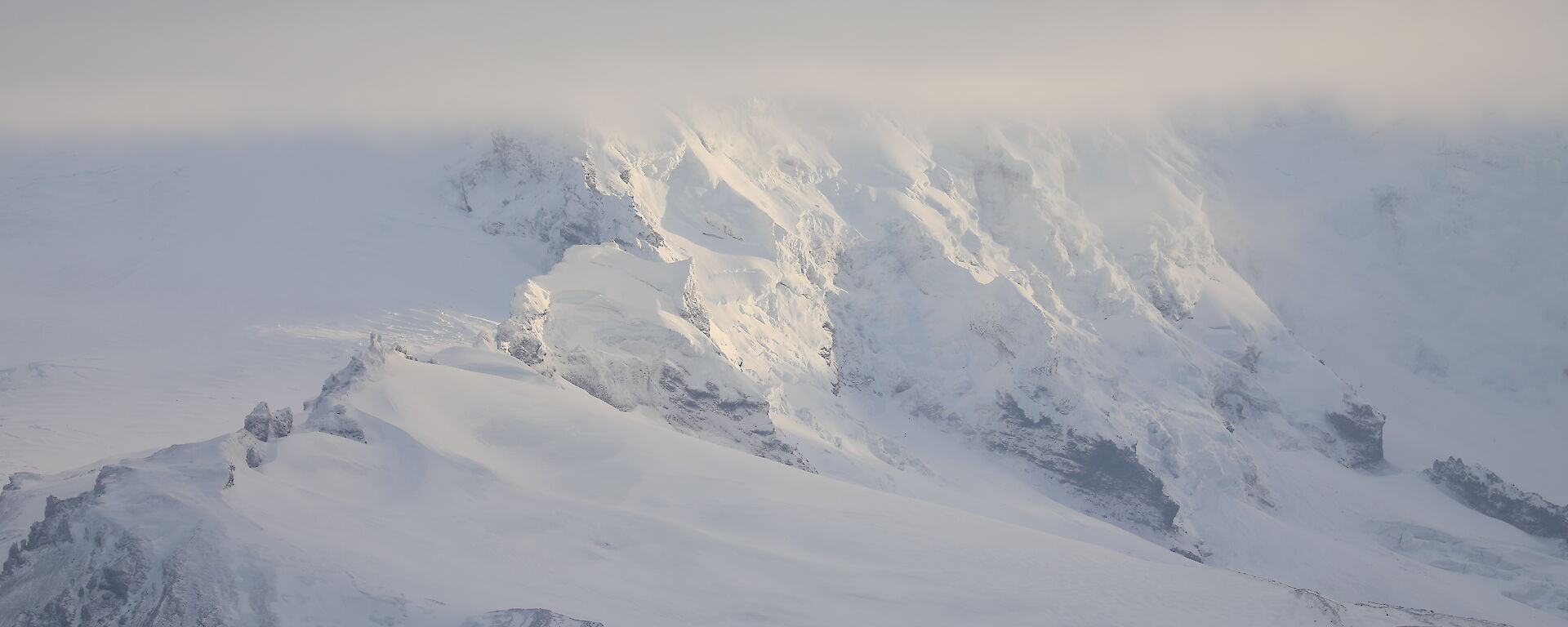
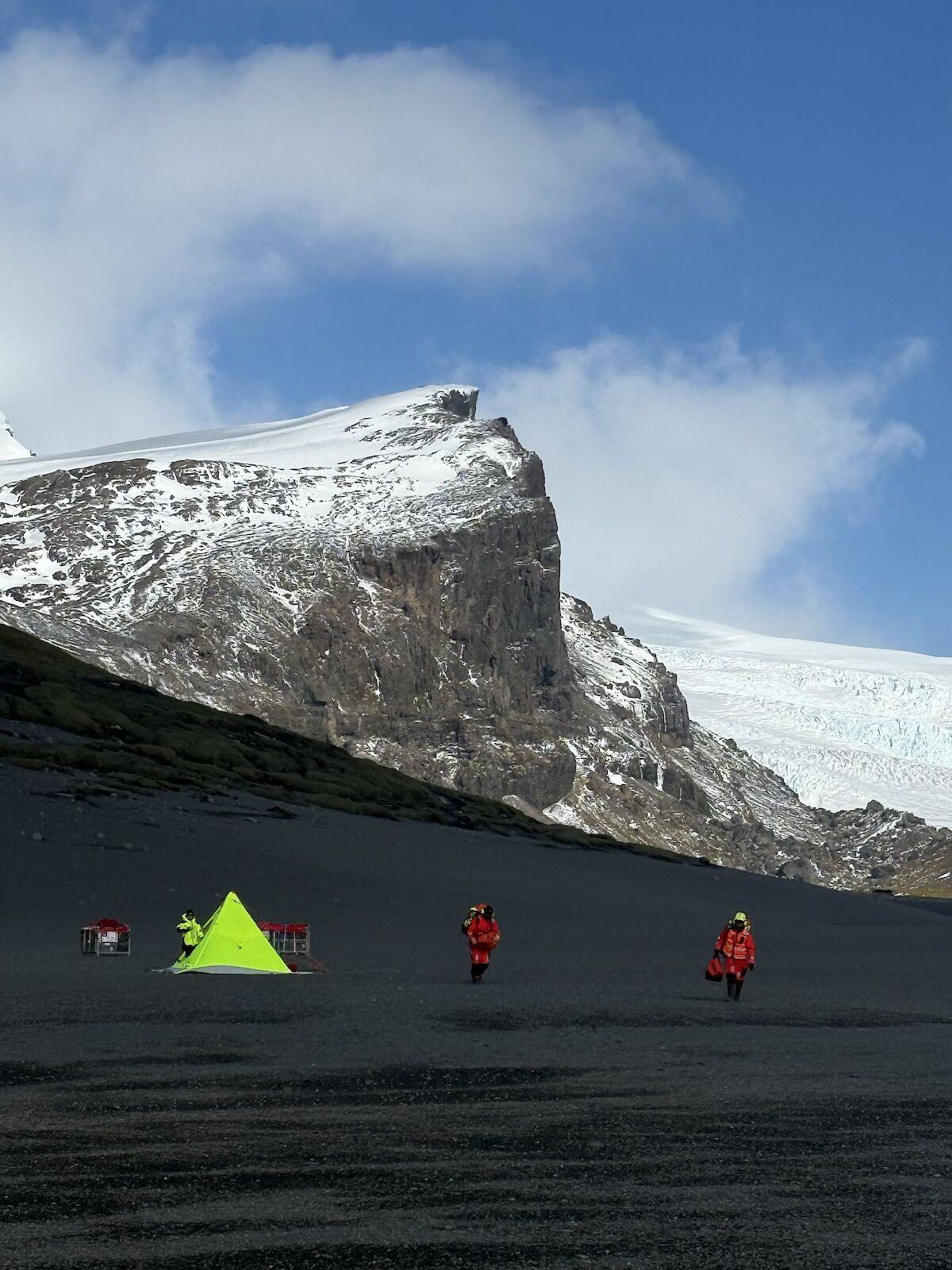
The peak of Big Ben is often shrouded in cloud.Photo: Simon Payne
Australian Antarctic Program resupplies station, returns to Heard Island on V2
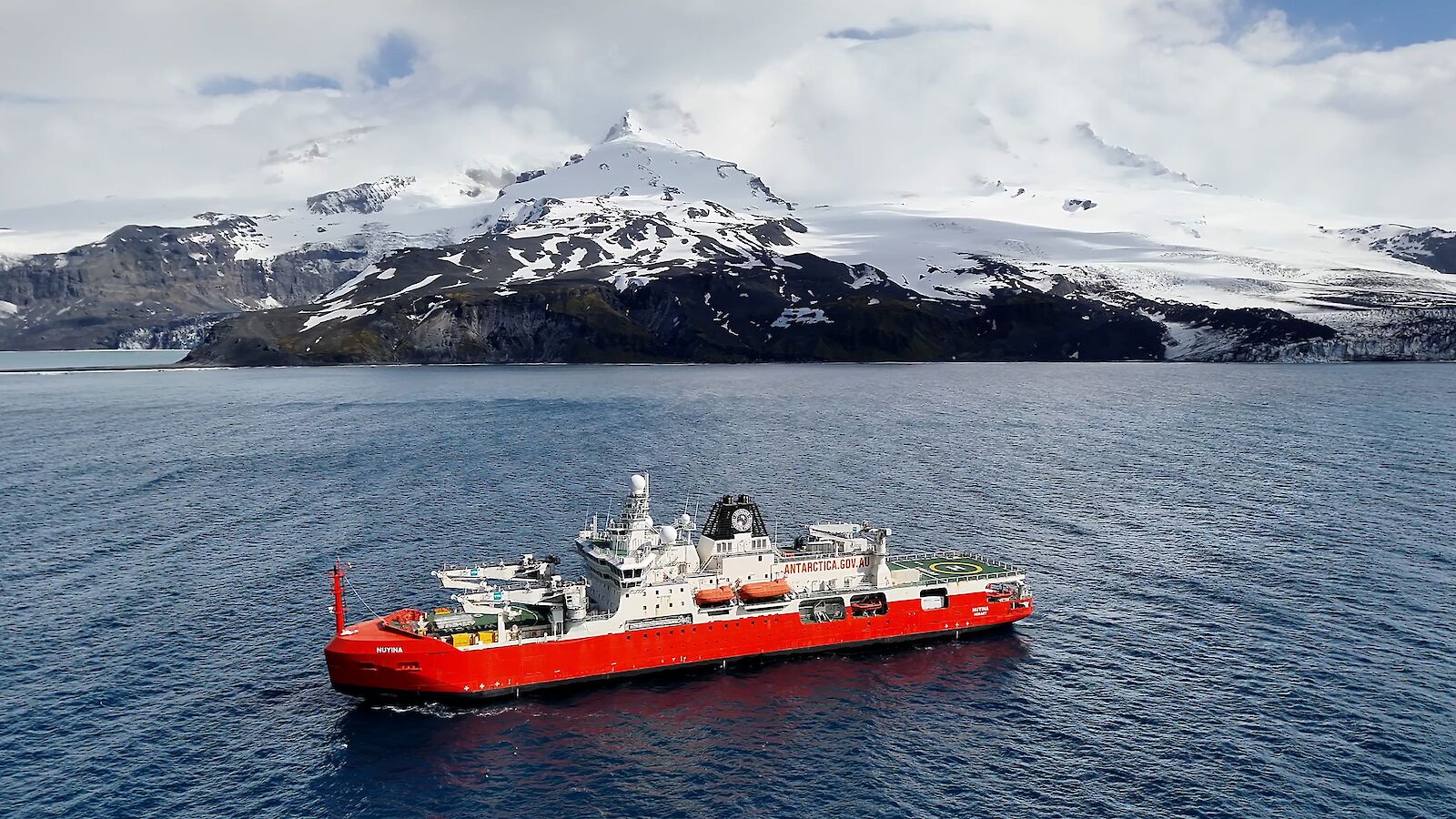
Australia’s icebreaker, RSV Nuyina, is on its way to the spectacular Heard Island and McDonald Islands (HIMI) for the second time this year, this time for a 25-day science and environmental management visit.
The ship spent ten days at the World Heritage-listed Heard Island in October. This time, RSV Nuyina will resupply Casey research station - finishing just before Christmas - and then travel back to HIMI.
“V1 was a quick visit to lay the foundations for V2 and capture some key data points early in the wildlife season,” V2 Field Leader David Knoff said.
“V2 will involve a 25-day program, and that will give us more time to collect samples and data. It’ll be more targeted and efficient thanks to the hard work of those on V1.”
Wildlife biologists collected samples from dead elephant seals on V1, which later tested positive to H5 bird fluPhoto: Madi McLatchie
There are 97 expeditioners on V2, working across 32 projects – 24 of them relating to Heard Island marine and terrestrial science.
Across the 25 days, project teams will examine how Heard Island’s historic sites like the old station are faring, install instruments to measure glacial retreat and monitor weather, investigate marine biodiversity and continue wildlife population assessments by drone and on foot.
On V1, samples were taken from southern elephant seals after a large number of dead pups were found on Heard Island’s south coast. These samples tested positive for the highly contagious H5 bird flu.
By the time V2 reaches the island, the elephant seals will have finished breeding, but fur seals and seabirds will have started.
A key focus for wildlife biologists will be looking at whether H5 bird flu is now impacting other species and assessing the spread of the virus on the island.
“During V2 we will assess for any signs and symptoms of H5 bird flu in other species, collect further samples for virus confirmation and assess the population sizes of priority species so the short-term and long-term impacts of the virus can be assessed,” wildlife biologist Dr Julie McInnes said.
SAEF scientists examine vegetation, invertebrates and marine biodiversity
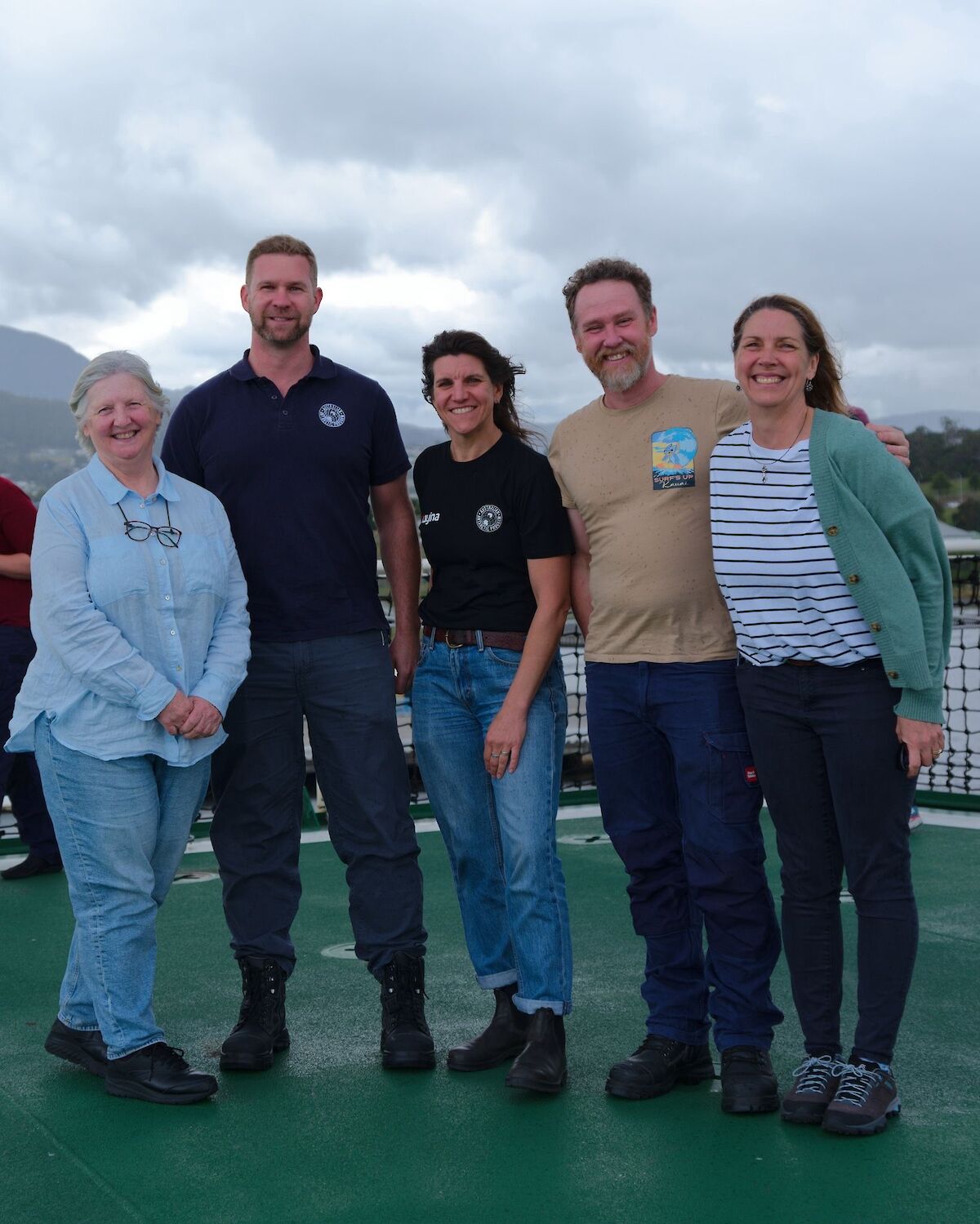
Eleven of the scientists on board are from Securing Antarctica’s Environmental Future (SAEF).
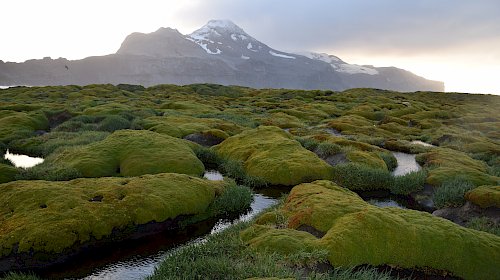
The SAEF team will survey the island’s vegetation, including cushion and cabbage plants, tussock grasses and mosses. They will also assess the island’s cold-adapted invertebrates, including weevils, springtails, spiders, and mites, and the octopus, urchins, sea stars and other species that live across the seafloor.
Researchers may uncover species that are new to science.
“Heard Island and McDonald Islands (HIMI) are some of the most remote and untouched places on Earth, lying thousands of kilometres from any major human population,” SAEF’s lead scientist on the HIMI expedition, Laura Phillips, who’s based at Monash University, said.
“These islands offer a unique opportunity to study an almost pristine wilderness shaped by climate and environmental factors largely in the absence of direct human pressures.”
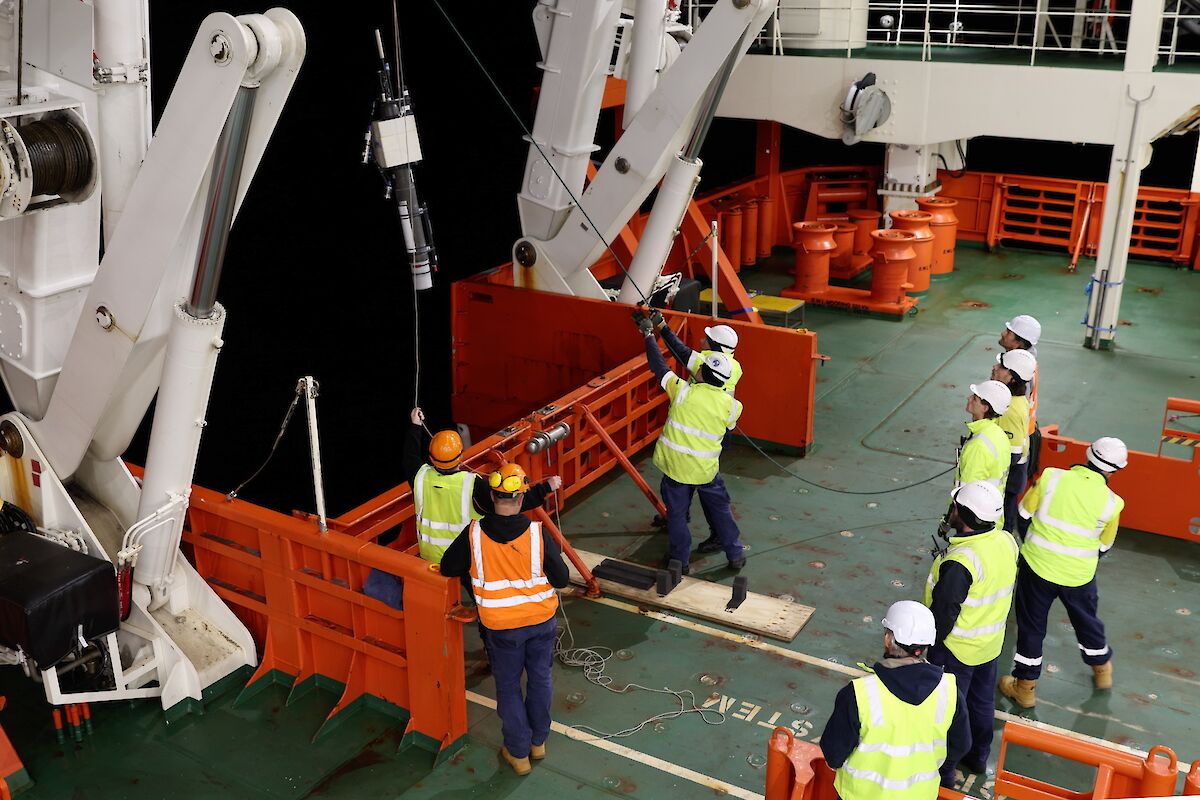
The ship has two helicopters on board, three inflatable research boats, a larger science boat known as the science tender, 15 drones, remote underwater vehicles (ROVs) and hundreds of tonnes of cargo for Casey.
While at Heard Island, scientists will work across 24-hour shifts, with terrestrial science conducted during the day and marine science at night (in December, Heard Island has up to 18 hours of daylight).
“While we’re spending a lot of time looking at seals, penguins and birds, it’ll be the humans we really need to watch!” Mr Knoff said.
“It’s a big program of work so we’ll carefully manage the fatigue of the group and ensure there is enough rest to make sure everyone remains focussed and safe.
“It can be hard to sleep on the ship in rough seas and those staying ashore will be living in tents in one of the most inhospitable places on earth so making sure they come back to the ship every few days for a warm meal and shower will also be key.”
The main camps will be at the eastern and western end of Heard Island, housing up to a dozen people at a time.
Smaller camps will be set up at various beaches so science groups can do more focussed wildlife surveys. Some walking parties will carry packs and take samples along the way.
“This is probably the most complex voyage the Nuyina has undertaken in terms of projects and equipment, so it’ll be important to manage the expectations of everyone on board and get our priorities right,” Mr Knoff said.
RSV Nuyina spent ten days at Heard Island in October and is now returning for a longer campaign.Photo: Simon Payne
'Mythical' islands
Anthea Fisher is the V2 Voyage Leader and will oversee the Casey station resupply as well as the ship’s operations at Heard Island.
“V2 is a voyage with a bit of everything,” Ms Fisher said.
“The Casey resupply is essential for keeping the station going for the next 12 months and we’re also supporting a lot of underway science projects, including atmosphere and sea ice data collection, krill and plankton surveys, and hydrographic surveys.
“There’s a gym and sauna on the ship, table tennis, fooze ball, even rumours of a karaoke machine, (but I’m yet to verify that).”
RSV Nuyina will be at sea, somewhere between Casey and Heard Island, on Christmas Day and expeditioners have been encouraged to bring along an 'ugly' Christmas jumper to complement the decorations.
Ms Fisher has been a voyage leader with the Australian Antarctic Program several times and says she “feels very privileged” to see Heard Island for herself.
“It has a kind of mythical sense to it,” she said.
“Now we’re just hoping the weather is kind so we can get teams ashore to do their work during the day and be able to undertake successful marine science deployments at night!”
V2 is scheduled to arrive back in Australia in February.
The HIMI Campaign is being delivered in collaboration with our partners including Securing Antarctica’s Environmental Future (SAEF), Serco, the Bureau of Meteorology (BoM), the University of Tasmania (UTAS), the Institute for Marine and Antarctic Studies (IMAS), Department of Defence, the Sydney Institute of Marine Science (SIMS), Australian Border Force (ABF) and the Australian Fisheries Management Authority (AFMA).
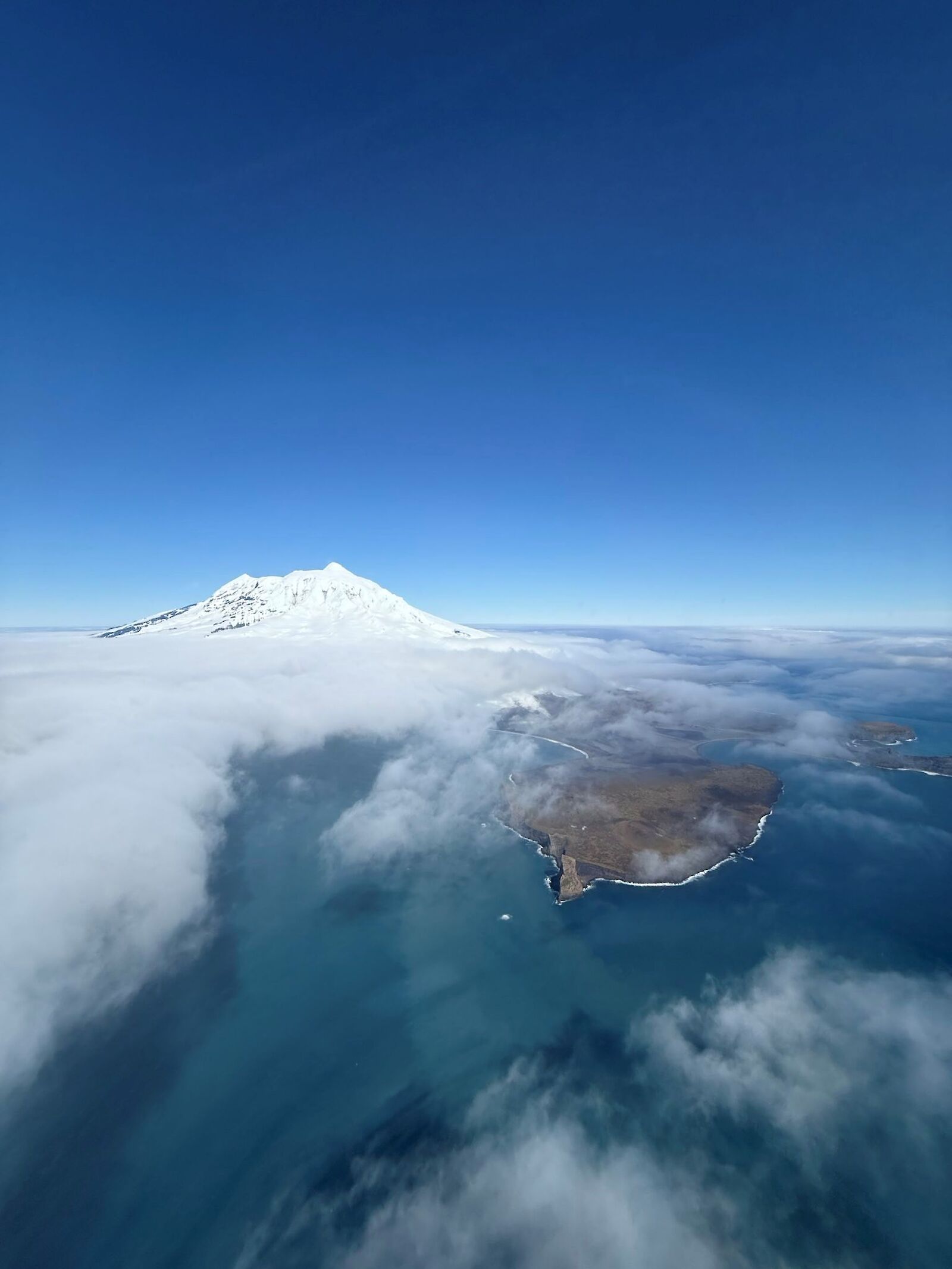
A view of Big Ben from a helicopterPhoto: Dave Lomas