

Latest publications
Results 1 to 25 of 42
Global fungal diversity is estimated to range in the millions, yet it remains severely underexplored, especially in extreme environments. Fewer than 5% of species have been officially identified and characterised. Estimates suggest that 70%–90% of soil fungi remain uncultivable…
Life at Robinson Ridge, located in the Windmill Islands region of East Antarctica, is susceptible to a changing climate. At this site, responses of the vegetation communities and moss-beds have been well researched, but corresponding information for microbial counterparts is still lacking.
Bdelloid rotifers are an important component of the biodiversity of ice-free regions of Antarctica. Despite this, knowledge of how to establish and maintain cultures, and optimal conditions for growth, is limited.
Metals are important nutrients to marine life but may cause toxicity at elevated concentrations. There is uncertainty about how sediment metal concentrations influence benthic biodiversity, in part because metal bioavailability depends on sediment properties.
Antarctica and the Southern Ocean are key elements in the physical and biological Earth system. Human-induced climate change, and other human activities in the region, are leading to several potential interacting tipping points with major and irreversible consequences. Here…
Assessing ongoing risks and managing detections of non-native invertebrates in the Antarctic Region
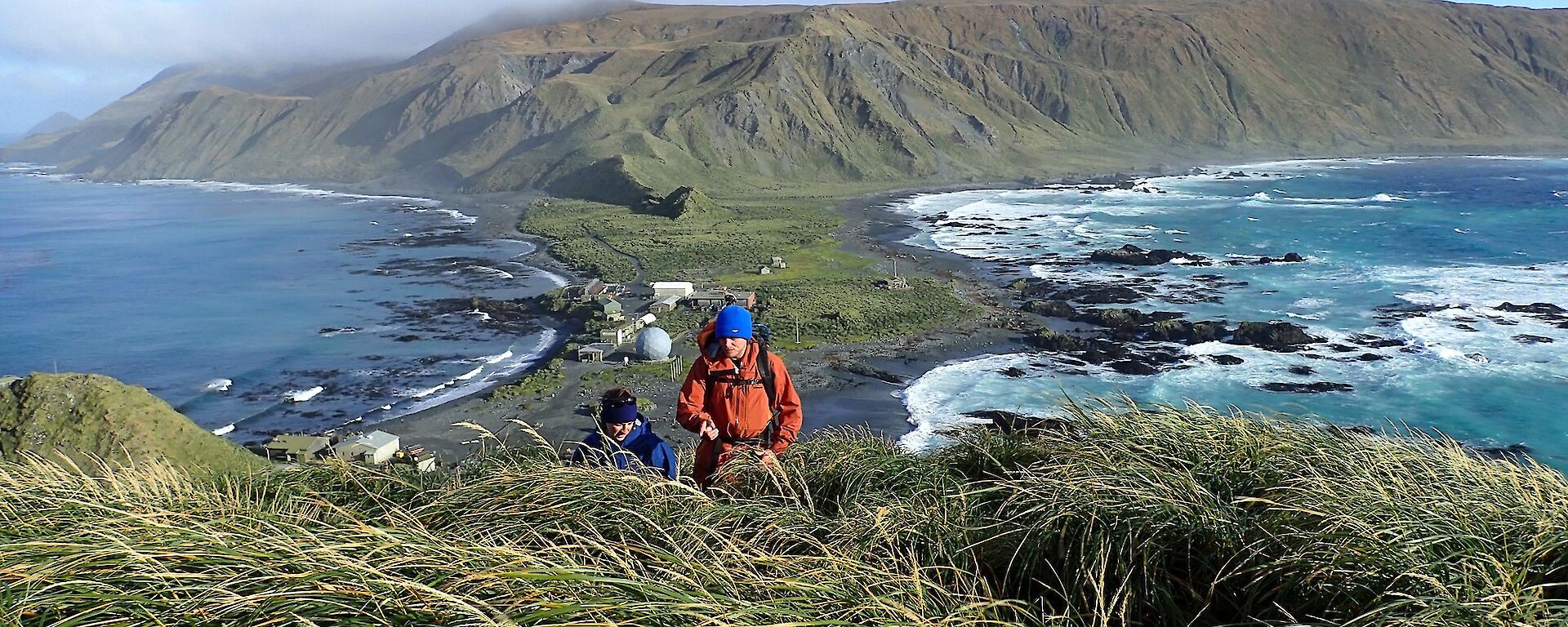
Accidental fuel spills associated with the storage, transfer, and use of diesel fuel for power generation have occurred on sub-Antarctic Macquarie Island since the establishment of the island's research station in 1948.
The Australian Antarctic Division (AAD)1 is undertaking planning activities for a proposal to construct and operate a new aerodrome near Davis research station in the Vestfold Hills, East Antarctica (the Davis Aerodrome Project). The Davis Aerodrome Project would involve the construction of a 2.
To ensure effective restoration and environmental protection of fuel spill sites on Macquarie Island that have undergone remediation, the Australian Antarctic Division has developed site-specific Environmental Quality Guidelines and Remediation Targets.
From 27–29 March 2019, a technical workshop was held at the Australian Institute of Marine Science (AIMS) in Townsville, Queensland, Australia to discuss key issues associated with the derivation of water quality guideline values (GVs).
Australia has decided not to proceed with a proposal to construct and operate a paved runway near Davis research station in the Vestfold Hills, East Antarctica (the Davis Aerodrome Project), following careful consideration of the likely environmental impact, cost and complexity of the project.
Marine non-native species present an increasing threat to Antarctic marine ecosystems, particularly under climate change. This paper sets out progress with ongoing work initiated by the CEP Subsidiary Group on Climate Change Response (SGCCR)…
The Australian Antarctic Strategy and 20 Year Action Plan: Update 2022 reaffirms Australia's ongoing commitment to best practice environmental stewardship in Antarctica. Related high priority actions over the next five years include establishing a Cleaner Antarctica science program…
Increasing levels of chemical contamination in the Antarctica environment are resulting from global and regional human activities. Unlike other areas of the world, Antarctica lacks continent-wide systematic and coordinated monitoring of contaminants. Germany, Italy, Australia, United Kingdom…