
Project information
Project aim
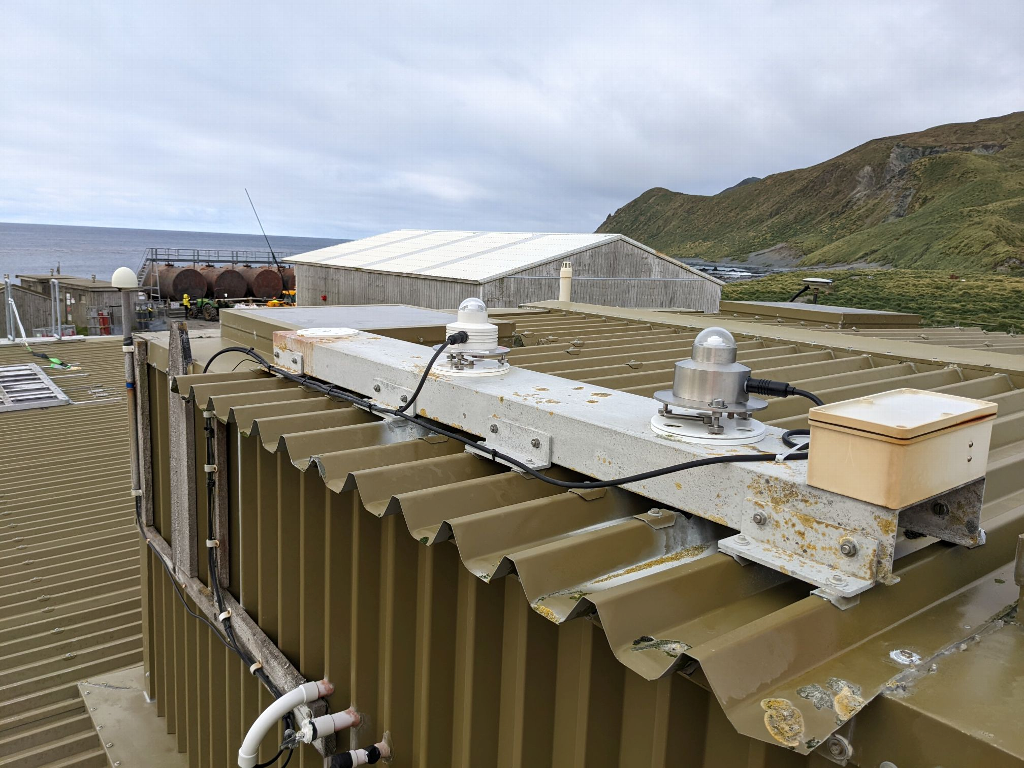
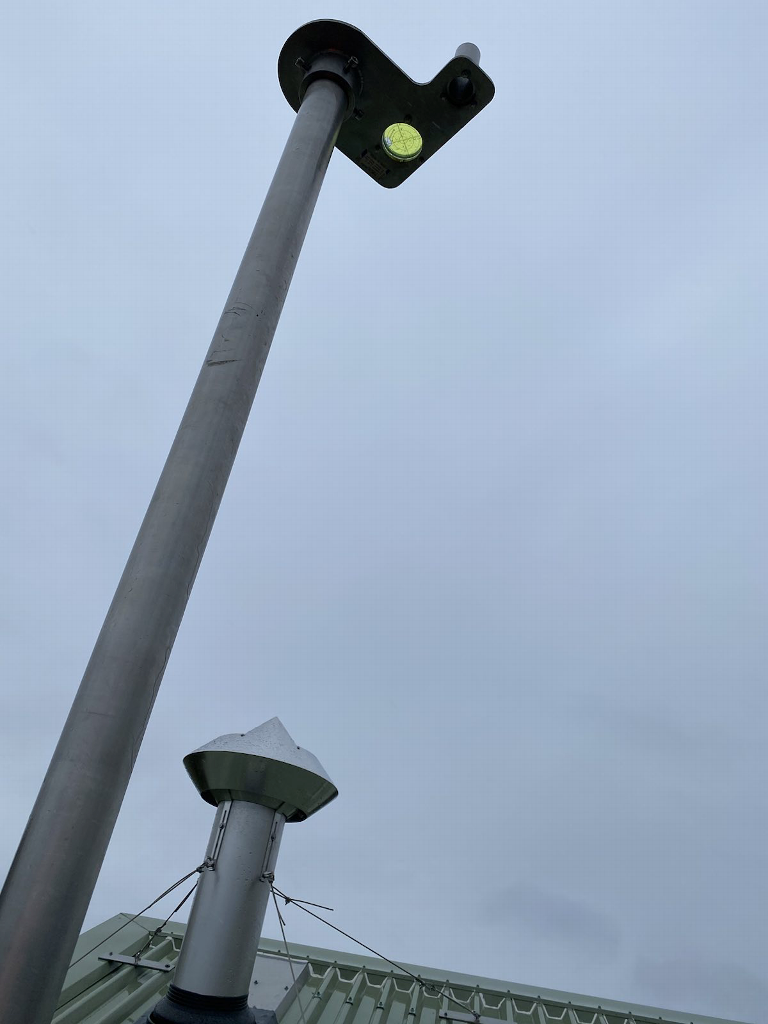
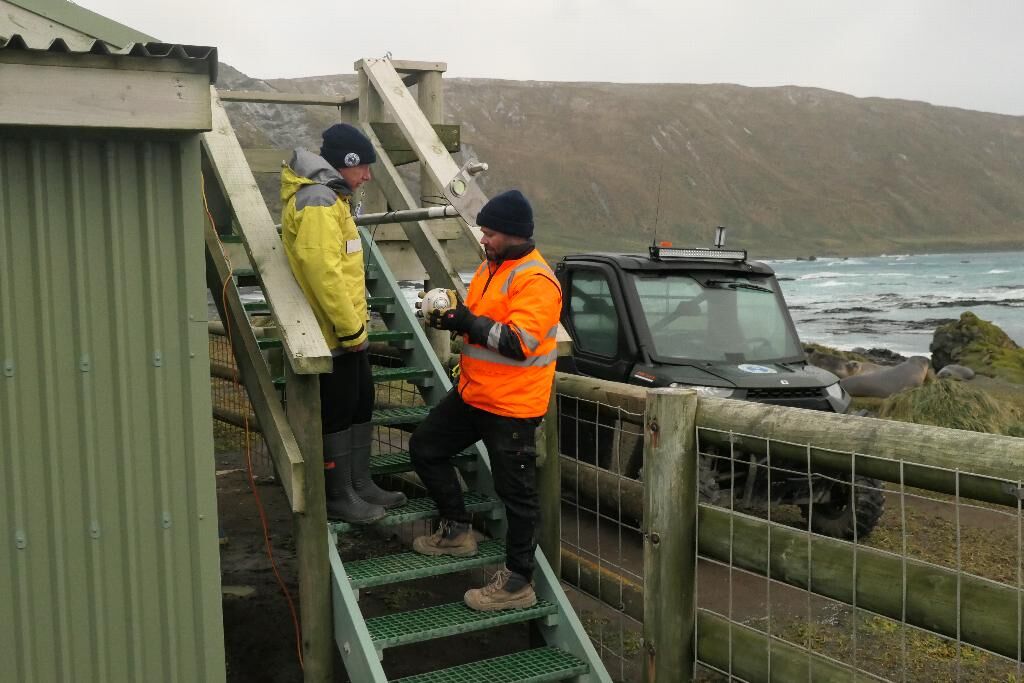
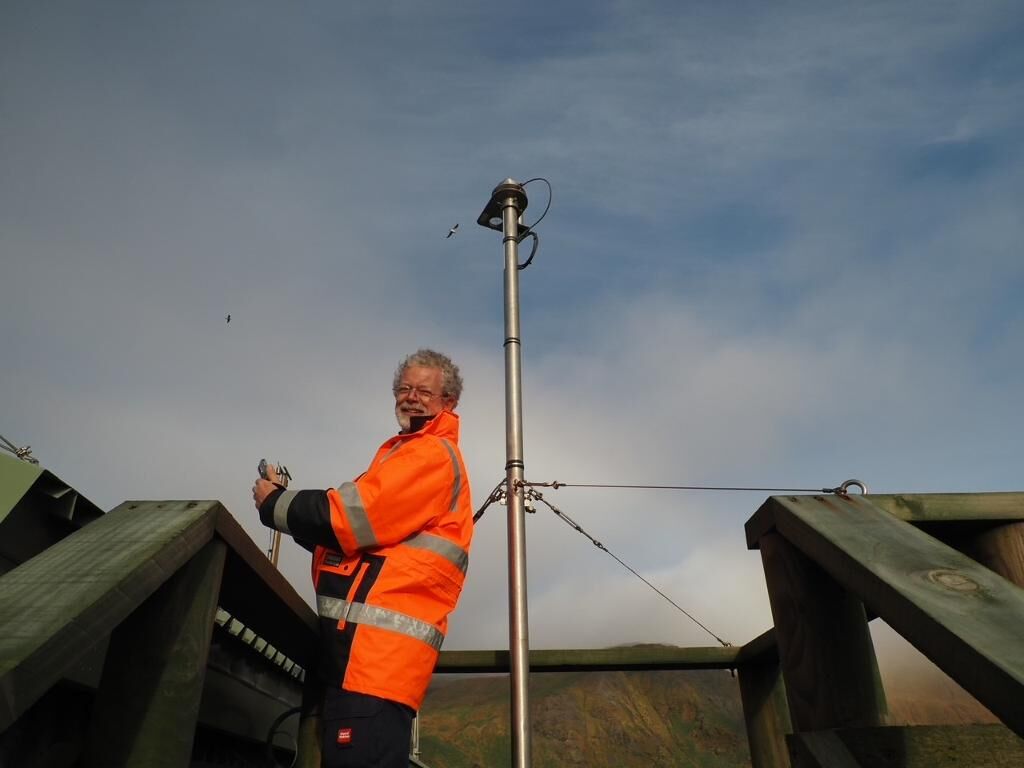
This project aims to characterise the UVR environment in Antarctica and Macquarie Island by continuously monitoring the UV Index at each of the Australian Antarctic research stations. During this project, the UV Index will be recorded every minute at the Casey, Davis, Mawson and Macquarie Island stations. Real time data from the sensors will be provided to staff on the stations through the AAD intranet and to the public through the ARPANSA website. Quality checked data (and derived data products such as UV Dose) will subsequently be made available on request to interested researchers. Collection of this dataset will enable researchers to look for changes over time and assess the impacts of UVR exposure on expeditioners' health.
Project milestones
Summary of the season 2024/25
ARPANSA has been monitoring solar UVR using broadband sensors at all the permanently staffed Australian Antarctic stations on the edge of the Antarctic continent and at Macquarie Island for over twenty years. This long-term collaboration with the Australian Antarctic Division Polar Medicine Unit aims to characterise the UVR environment in Antarctica and assess the impacts of UVR exposure on expeditioners' health.
The data record shows that the Australian Antarctic stations have annual total solar UVR doses and daily maximum UV Index values significantly higher than would be expected on the basis of their latitudes. This is primarily due to the ozone hole and the presence of ozone depleted air passing above the stations during springtime and the resultant enhanced transmission of UVB wavelengths to the earth's surface during that time. The combination of low stratospheric ozone and a relatively clean atmosphere over Antarctica lead to extreme solar UVR levels (UV Index 11+) when these conditions coincide with clear skies. The surprisingly high UV Dose values recorded at the stations are also due in part to the presence of highly reflective snow-covered surfaces and the long hours of daylight at these latitudes in summer.
At sub-Antarctic Macquarie Island, ozone depletion is almost never a factor and the prevailing climatic conditions ensure that clear sunny days are a rare event. As a consequence, the chances of over-exposure to solar UVR at Macquarie Island are quite low.
Excessive exposure to solar UVR has the potential to lead to serious health consequences including premature aging of the skin, various forms of skin cancer and eye damage such as cataracts or photokeratitis (snow blindness). Real time data from the ARPANSA sensors is provided to staff on the stations through the AAD intranet and on information screens in the station dining rooms. This information assists staff to manage their exposure to the surprisingly high levels of solar UVR when outdoors
Summary of the season 2023/24
ARPANSA has been monitoring solar UVR using broadband sensors at all the permanently staffed Australian Antarctic stations on the edge of the Antarctic continent and at Macquarie Island for over twenty years. This long-term collaboration with the Australian Antarctic Division Polar Medicine Unit aims to characterise the UVR environment in Antarctica and assess the impacts of UVR exposure on expeditioners' health.
The data record shows that the Australian Antarctic stations have annual total solar UVR doses and daily maximum UV Index values significantly higher than would be expected on the basis of their latitudes. This is primarily due to the ozone hole and the presence of ozone depleted air passing above the stations during springtime and the resultant enhanced transmission of UVB wavelengths to the earth's surface during that time. The combination of low stratospheric ozone and a relatively clean atmosphere over Antarctica lead to extreme solar UVR levels (UV Index 11+) when these conditions coincide with clear skies. The surprisingly high UV Dose values recorded at the stations are also due in part to the presence of highly reflective snow-covered surfaces and the long hours of daylight at these latitudes in summer.
At sub-Antarctic Macquarie Island, ozone depletion is almost never a factor and the prevailing climatic conditions ensure that clear sunny days are a rare event. As a consequence, the chances of over-exposure to solar UVR at Macquarie Island are quite low.
Excessive exposure to solar UVR has the potential to lead to serious health consequences including premature aging of the skin, various forms of skin cancer and eye damage such as cataracts or photokeratitis (snow blindness). Real time data from the ARPANSA sensors is provided to staff on the stations through the AAD intranet and on information screens in the station dining rooms. This information assists staff to manage their exposure to the surprisingly high levels of solar UVR when outdoors
Summary of the season 2022/23
ARPANSA has been monitoring solar UVR using broadband sensors at all the permanently staffed Australian Antarctic stations on the edge of the Antarctic continent and at Macquarie Island for over twenty years. This long-term collaboration with the Australian Antarctic Division Polar Medicine Unit aims to characterise the UVR environment in Antarctica and assess the impacts of UVR exposure on expeditioners' health.
The data record shows that the Australian Antarctic stations have annual total solar UVR doses and daily maximum UV Index values significantly higher than would be expected on the basis of their latitudes. This is primarily due to the ozone hole and the presence of ozone depleted air passing above the stations during springtime and the resultant enhanced transmission of UVB wavelengths to the earth's surface during that time. The combination of low stratospheric ozone and a relatively clean atmosphere over Antarctica lead to extreme solar UVR levels (UV Index 11+) when these conditions coincide with clear skies. The surprisingly high UV Dose values recorded at the stations are also due in part to the presence of highly reflective snow-covered surfaces and the long hours of daylight at these latitudes in summer.
At sub-Antarctic Macquarie Island, ozone depletion is almost never a factor and the prevailing climatic conditions ensure that clear sunny days are a rare event. As a consequence, the chances of over-exposure to solar UVR at Macquarie Island are quite low.
Excessive exposure to solar UVR has the potential to lead to serious health consequences including premature aging of the skin, various forms of skin cancer and eye damage such as cataracts or photokeratitis (snow blindness). Real time data from the ARPANSA sensors is provided to staff on the stations through the AAD intranet and on information screens in the station dining rooms. This information assists staff to manage their exposure to the surprisingly high levels of solar UVR when outdoors