
Project information
Project aim
Antarctic sea ice is a key driver of Southern Ocean physical processes and a structuring component of Antarctic marine ecosystems. Contributing to a large UK-led international effort, Australian scientists will participate in a multi-disciplinary voyage to study sea-ice zone processes during the late summer melt-season. The team will measure the physical and biological properties of sea-ice floes and under-ice habitats on small-to-regional scales using ice coring surveys, snow probes and under-ice water sampling methods. Data collected will enhance our understanding of sea ice in Antarctic climate and ecosystem processes and will be utilised in the validation of satellite-derived products and the parameterisation of sea-ice processes in climate and ecosystem models. These efforts will help to understand recent fluctuations in sea-ice extent, and to constrain future predictions of Antarctic sea-ice change and its impact on Southern Ocean ecosystems.
Project milestones
Summary of the season 2024/25
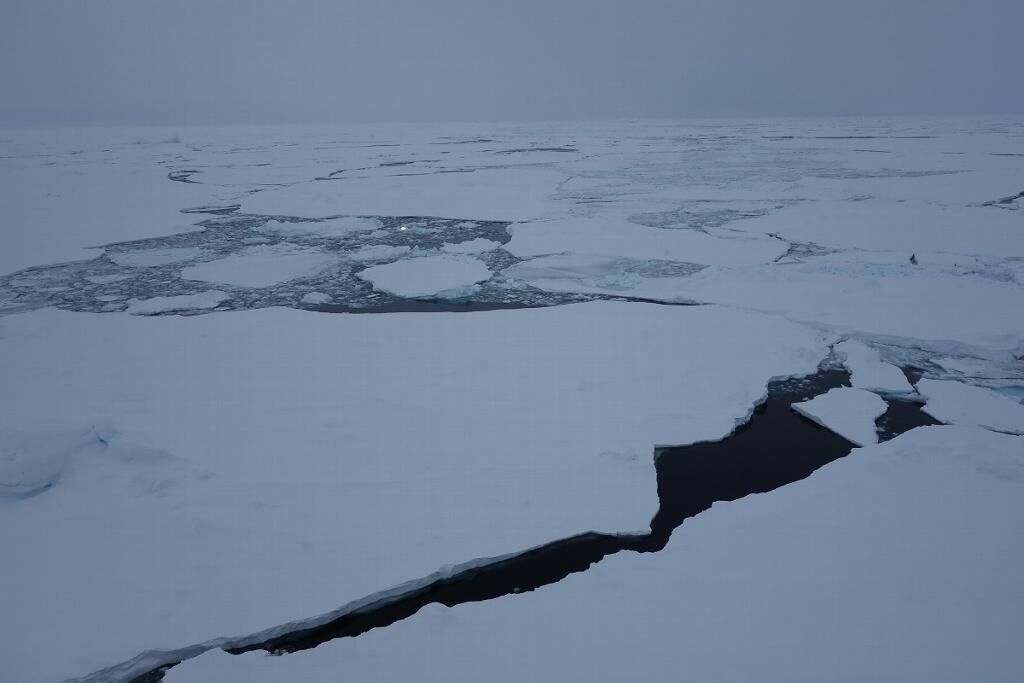
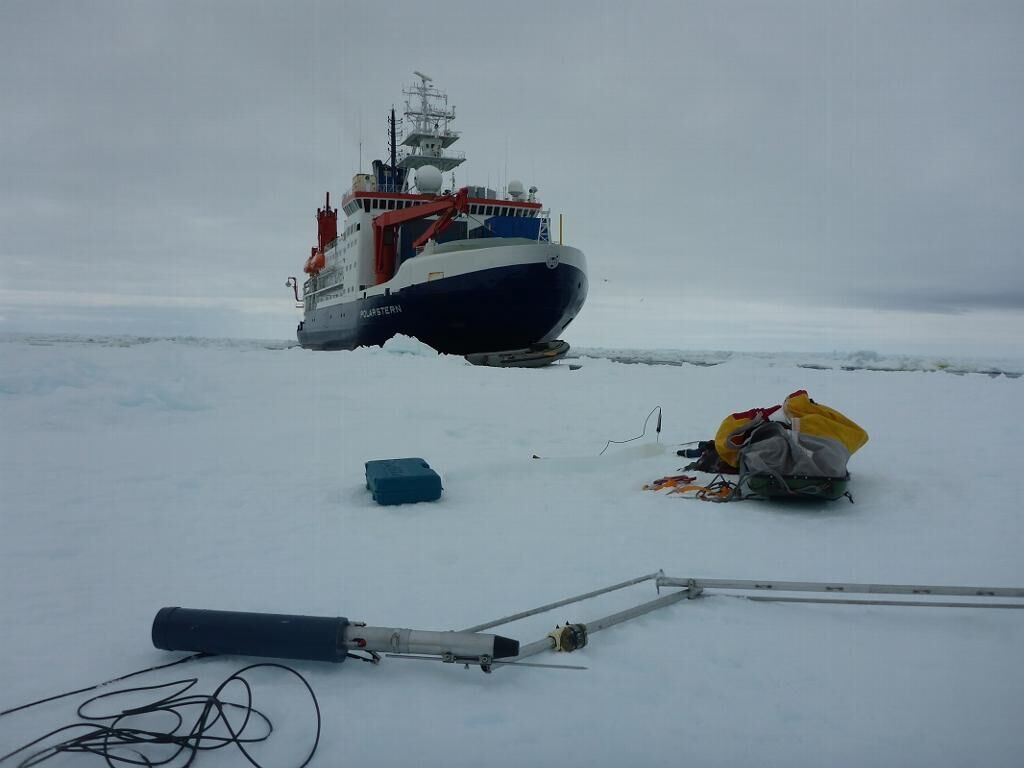
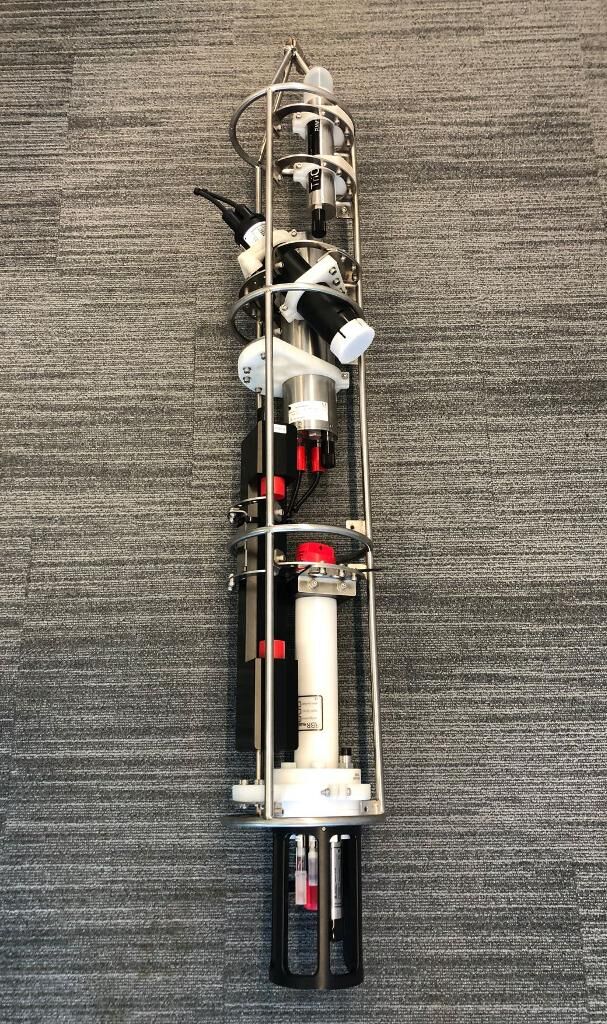
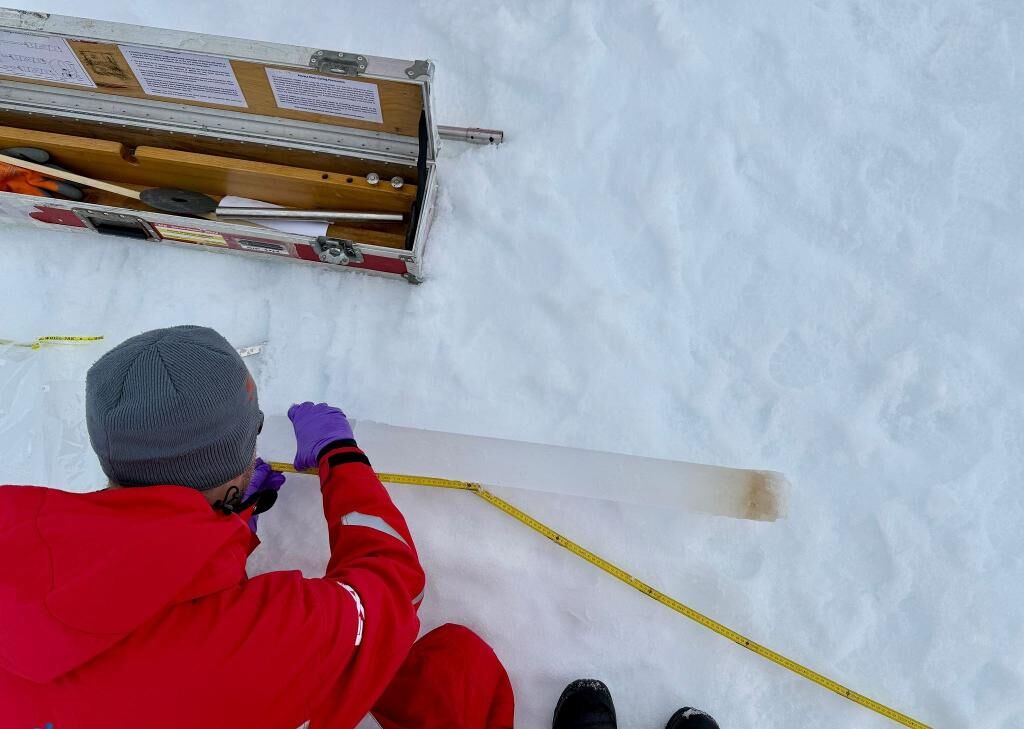
Antarctic sea ice is a key component of Earth's climate system and plays a pivotal role in Southern Ocean ecosystem function and biogeochemical cycling. Satellite observations have shown a recent decline in Antarctic sea-ice extent, with 4 record summer minima recorded since 2022. This suggests that the ice cover may be entering a new state with strong, but poorly understood, follow-on effects for Southern Ocean ecosystem health and biogeochemical cycles. Contributing to international efforts, Australian scientists participated in a German-led multi-disciplinary research voyage (RV Polarstern voyage PS146) to study sea-ice zone processes during summer and autumn (December 2024 – March 2025). The team measured physical, biological and biogeochemical properties of sea-ice floes (and under-ice habitats) on small-to-regional scales using ice coring surveys, snow probes and under-ice water sampling. This new information of Antarctic sea ice and ecosystem processes will be utilised in the validation of satellite-derived products, and to inform parameterisation of sea-ice processes in climate and ecosystem models. This work is crucial to better understand drivers of recent sea-ice change and to constrain future predictions of Antarctic sea-ice extent and properties, and their impacts on Southern Ocean ecosystems and ecosystem services. Analyses of samples and data collected during the PS146 voyage are ongoing; preparations to participate in a second voyage (PS153, scheduled for February 2026 – April 2026) to the study area have started.
Summary of the season 2023/24
Satellite observations have shown a recent decline in Antarctic sea-ice extent, with 5 record summer minima recorded since 2018. This suggests that the ice cover may be entering a new state with strong, but poorly understood, flow-on effects for Southern Ocean ecosystems and biogeochemical cycles. Contributing to large European-led international efforts, Australian scientists plan to participate in multi-disciplinary voyages to study sea-ice zone processes during the summer melt-season. The team will measure physical and biological properties of sea-ice floes and under-ice habitats on small-to-regional scales using ice coring surveys, snow probes and novel under-ice water sampling methods. New information of Antarctic sea ice and ecosystem processes will be utilised in the validation of satellite-derived products, and to inform parameterisation of sea-ice processes in climate and ecosystem models. This work is crucial to understand drivers of recent sea-ice change and to constrain future predictions of Antarctic sea-ice extent and properties, and their impacts on Southern Ocean ecosystems and ecosystem services. Preparations for participation in collaborative European-led field work have been progressed over the last 12 months, with plans to participate in research voyages in the 2024/25 and 2025/26 seasons.
Summary of the season 2022/23
Antarctic sea ice is a key driver of Southern Ocean physical processes and a structuring component of Antarctic marine ecosystems. Satellite observations have shown extreme fluctuations in Antarctic sea-ice extent since 2016, with three record summer minima recorded in the last six year. Contributing to a large European-led international effort, Australian scientists plan to participate in a multi-disciplinary voyage to study sea-ice zone processes during the late summer melt-season. The team will measure the physical and biological properties of sea-ice floes and under-ice habitats on small-to-regional scales using ice coring surveys, snow probes and under-ice water sampling methods. Data collected will enhance our understanding of sea ice in Antarctic climate and ecosystem processes and will be utilised in the validation of satellite-derived products, and the parameterisation of sea-ice processes in climate and ecosystem models. This work is crucial to understand drivers of recent sea-ice fluctuations and to constrain future predictions of Antarctic sea-ice change, and its impact on Southern Ocean ecosystems. Preparation for collaborative European-led field work, currently planned for early 2025, is progressing well.
Related publications
-
Observation Based Estimate of Net Community Production in Antarctic Sea Ice Geophysical Research Letters, 2025
(Ref: 17295)
Authors:Category 1: Peer-reviewed literature
Antarctic sea ice is one of the largest biomes on Earth providing a critical habitat for ice algae. Measurements of primary production in Antarctic sea ice remain scarce and an observation-based estimate of primary production has not been revisited in over 30 years.
-
Nutrients and organic matter dynamics in sea ice. Sea Ice: Its Physics, Chemistry, Biology, Geology and Societal Importance, 2025
(Ref: 17378)
Category 1: Peer-reviewed literature
New edition of the leading resource on the Arctic and Southern Oceans with contributions from the world's experts on sea ice. Sea Ice delivers insights into the very latest understanding of sea ice dynamics, how we measure (and model) its extent, the ecosystems that depend on sea ice…
-
Polar oceans and sea ice in a changing climate Elementa: Science of the Anthropocene, 2023
(Ref: 16909)
Authors:Category 1: Peer-reviewed literature
Polar oceans and sea ice cover 15% of the Earth's ocean surface, and the environment is changing rapidly at both poles. Improving knowledge on the interactions between the atmospheric and oceanic realms in the polar regions, a Surface Ocean–Lower Atmosphere Study (SOLAS) project key focus…
-
Antarctic Sea Ice #2: Biological Importance Cryosphere, 2022
(Ref: 16641)
Category 1: Peer-reviewed literature
-
Antarctic Sea Ice #1: Physical Role and Function Cryosphere, 2022
(Ref: 16640)
Category 1: Peer-reviewed literature