
Project information
Project aim
The Australian Research Council Centre for Excellence in Antarctic Science is a collaboration between Australian universities, government agencies and international institutions. The Centre's research will help the world community prepare for climate risks emerging from East Antarctica and the Southern Ocean by integrating knowledge of the ocean, atmosphere, cryosphere and ecosystems. New field data and knowledge obtained using Australia's Antarctic research infrastructure, including the new research ice breaker RSV Nuyina, will be combined with innovative models to address Australia's Antarctic science priorities, train the next generation of researchers, engage the public, and enable major economic benefit. The research is planned and conducted with the aim of connecting researchers with the community, governments, industry and academia, and to guide national and international policies and decisions to manage and minimise the impact of climate change on all sectors of society.
Project milestones
Summary of the season 2024/25
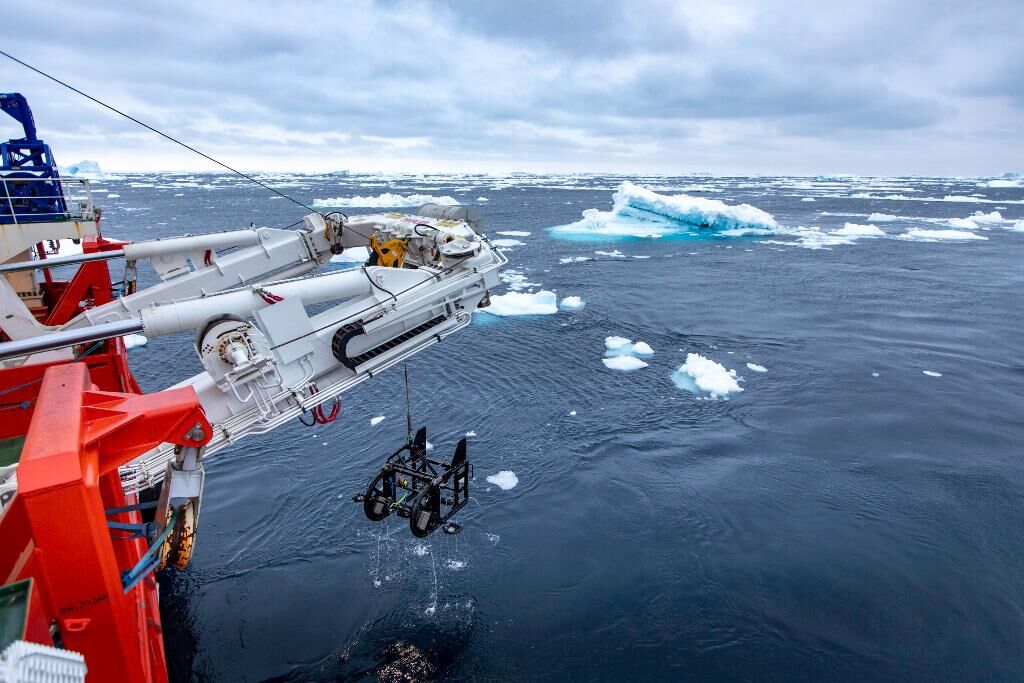
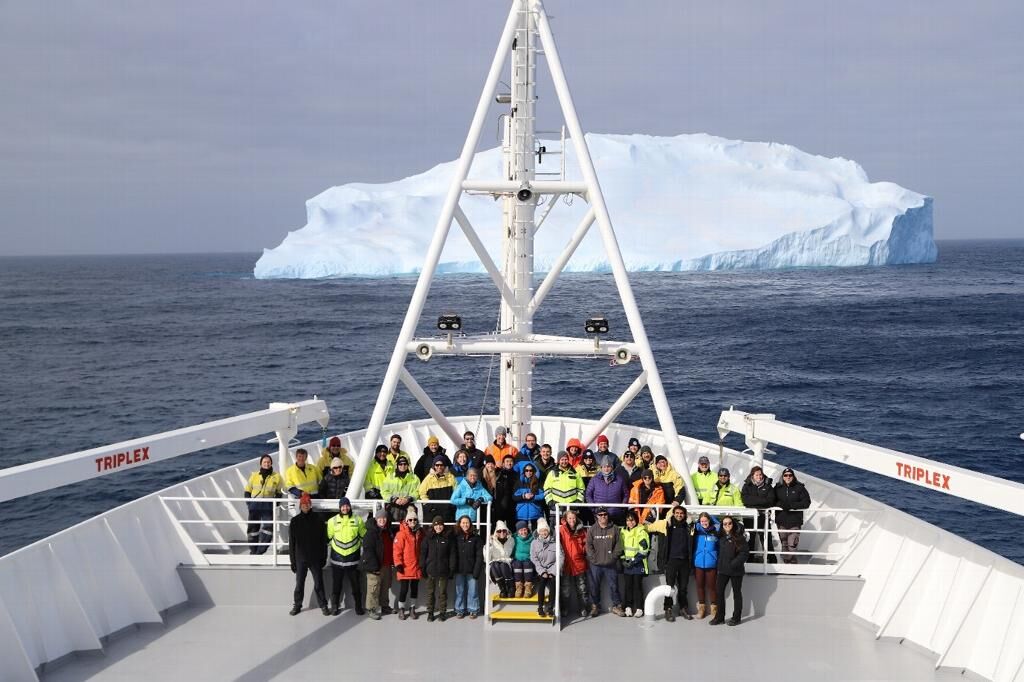
Fieldwork of the Australian Centre for Excellence in Antarctic Science (ACEAS) focused on the Denman Marine Voyage (DMV; Feb-May) and a wrap-up of the Denman Terrestrial Campaign (DTC; Nov-Feb). The DMV was an outstanding success for ACEAS. In 2019, ACEAS proposed a voyage to the Denman Glacier, and it was very gratifying to see it realised 6 years later following delays to the arrival and commissioning of RSV Nuyina.
Nuyina provide an outstanding scientific research vessel and this, combined with anomalously low sea ice conditions and outstanding collaborative effort, produced outcomes at the top end of expections. This voyage will provide legacy data that will enable research for decades to come. It will allow us to understand changes underway in the region and provide a baseline for future observations.
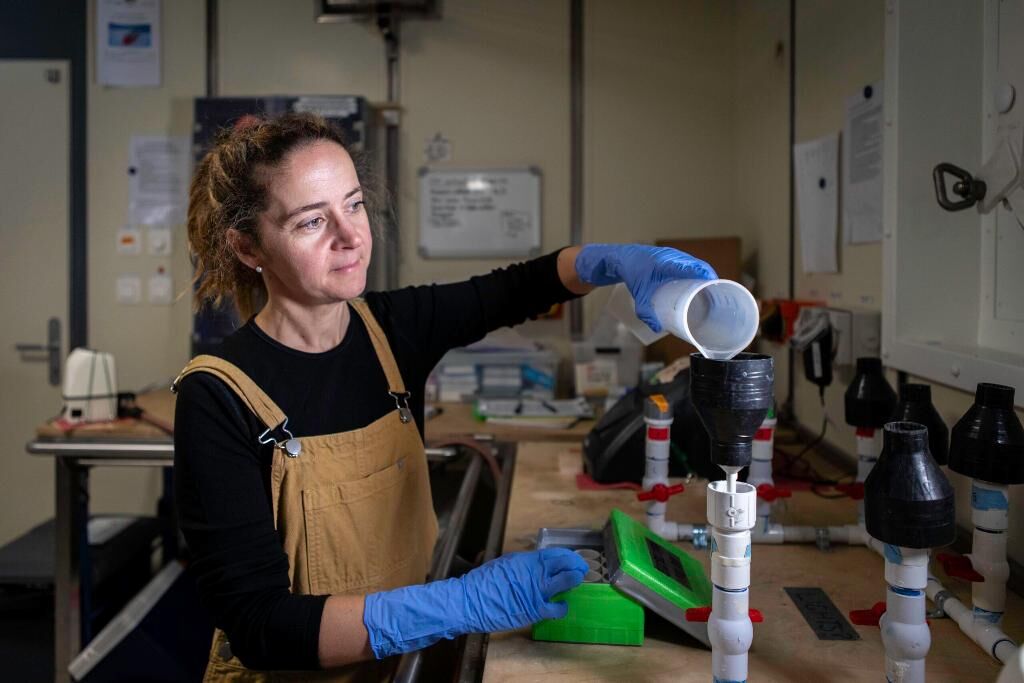
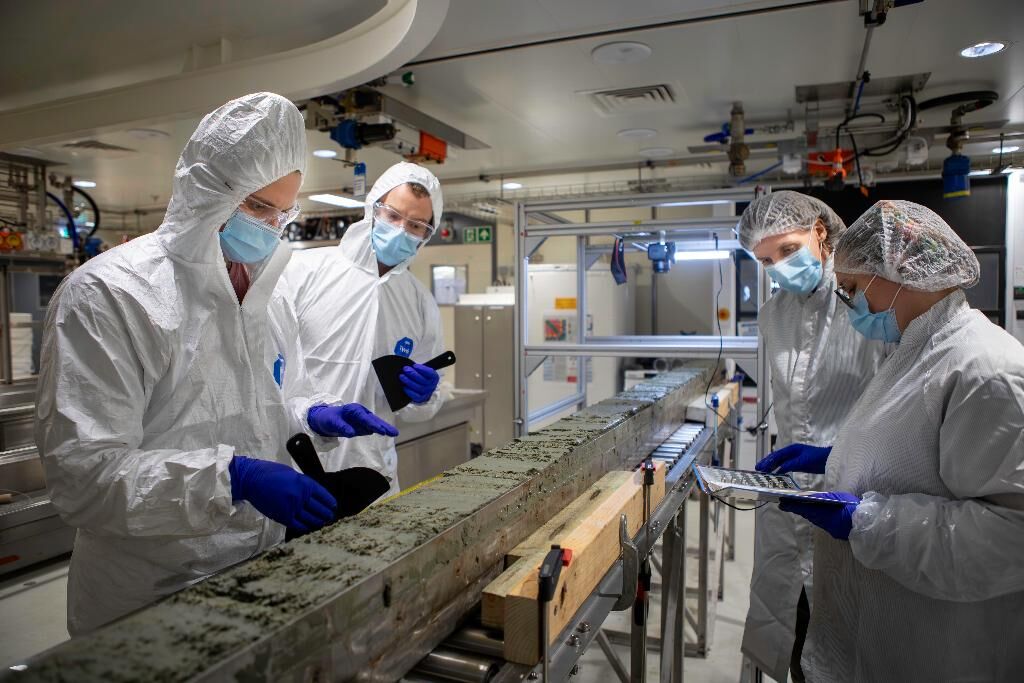
ACEAS supported more than half of the researchers on board. Through this voyage, the Denman Glacier has gone from being one of the least-well-observed regions on Earth to being somewhat understood, at least at one point in time. The ACEAS team completed 20 sediment cores for paleoclimate studies, 28 samples of ocean chemistry, 23 sets of images of life on the ocean floor, and 7 geological samples from the sea floor. Attempts to tag seals with oceanographic sensors was unfortunately not successful, partly due to the surprisingly low sea ice in the region. The ACEAS team worked closely with partners within the AAPP, SAEF and AAD science programs. The work was presented via our socials, in the media and on our website (www.antarctic.org.au).
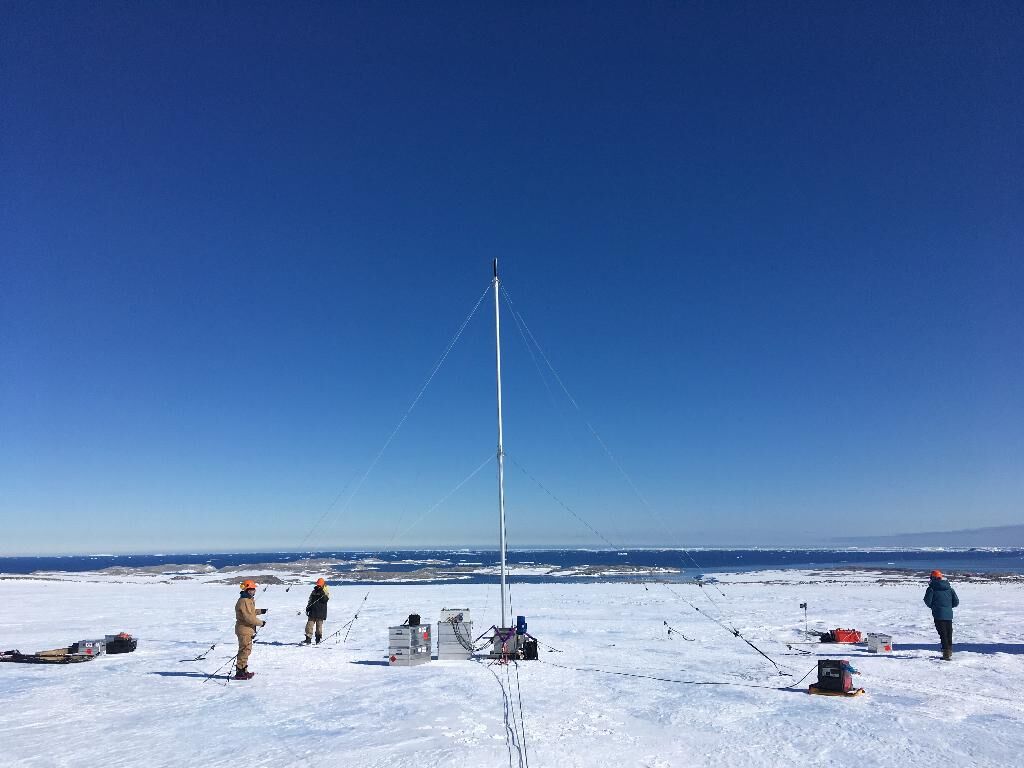
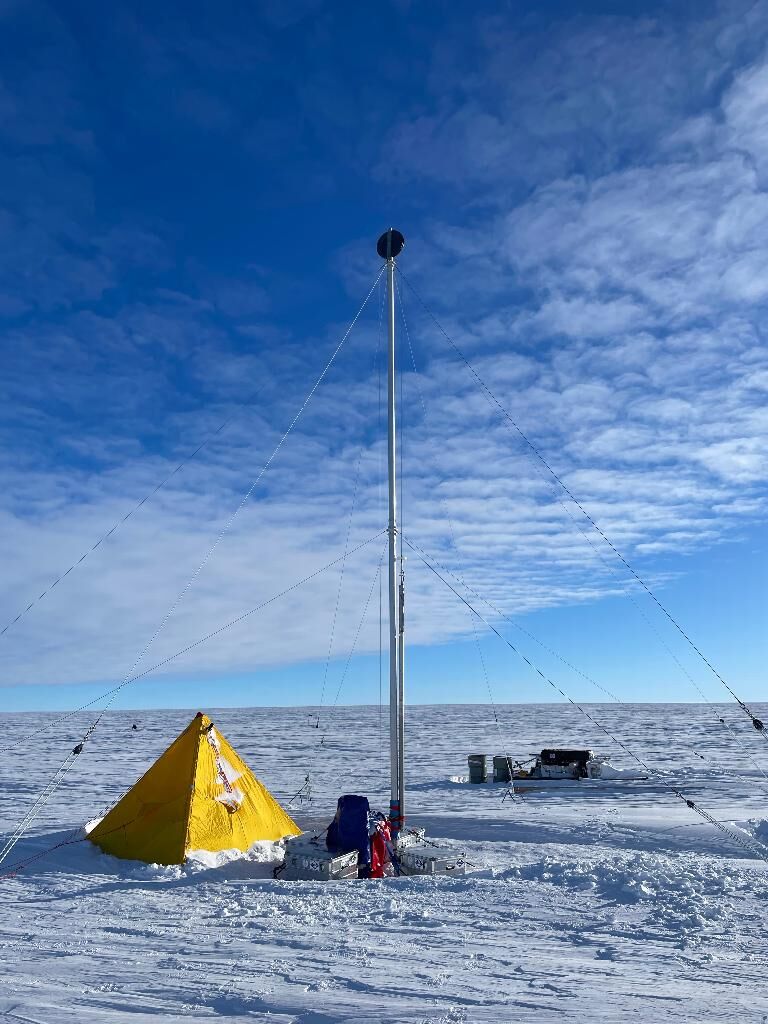
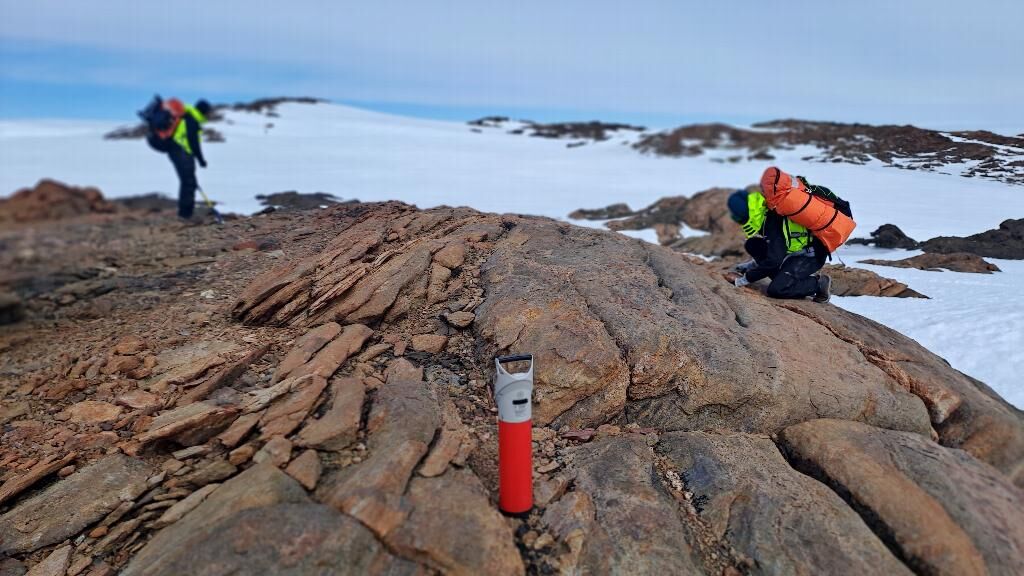
The Denman Terrestrial Campaign was wrapped up this season with the retrieval of geophysical equipment from around the Denman Glacier. These data will provide insights into the snow, ice-bed and solid Earth of this region. A mooring was deployed through sea ice into 1200m of water, providing unique insights into the multiyear oceanography in this region, including ocean temperature. This mooring will be used in conjunction with the data from the Denman Marine Voyage, as part of an integrated land-ocean study of this formerly sparsely observed glacier.
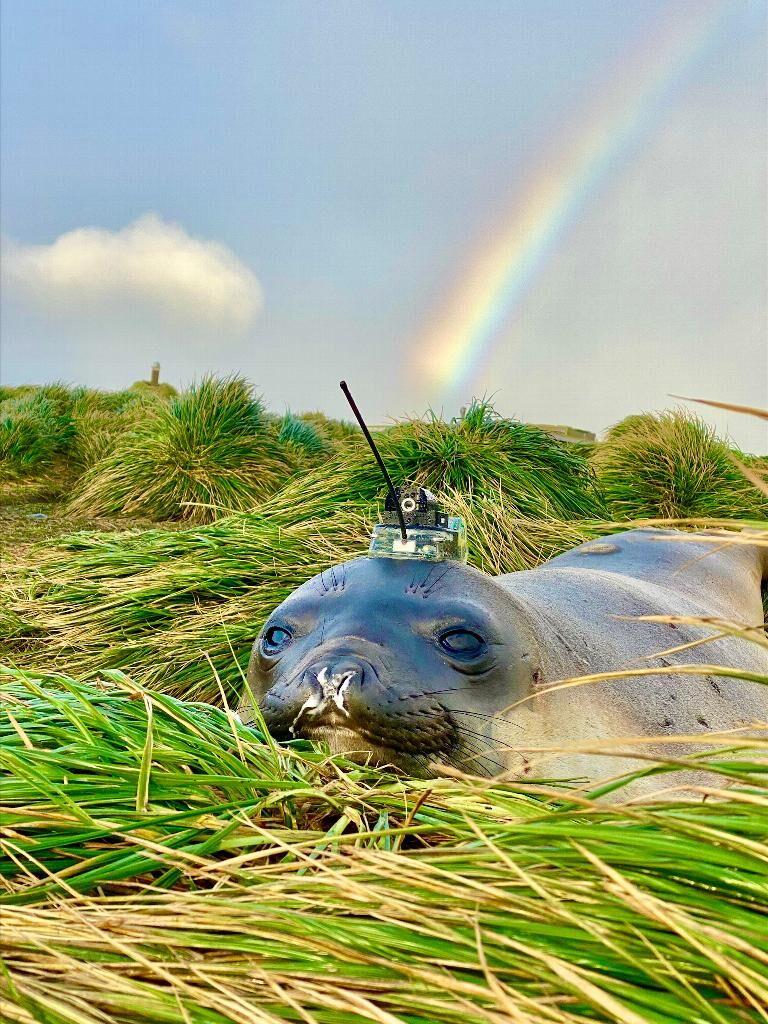
Southern Elephant Seals were tagged at Macquarie Island and these will provide further data on Southern Ocean oceanographic and predator behaviour, data that cannot be obtained by other means.
The data collected in 24/25 will be used to create new knowledge of the region and be used within predictive models of how the region may change in the coming decades.
Summary of the season 2023/24
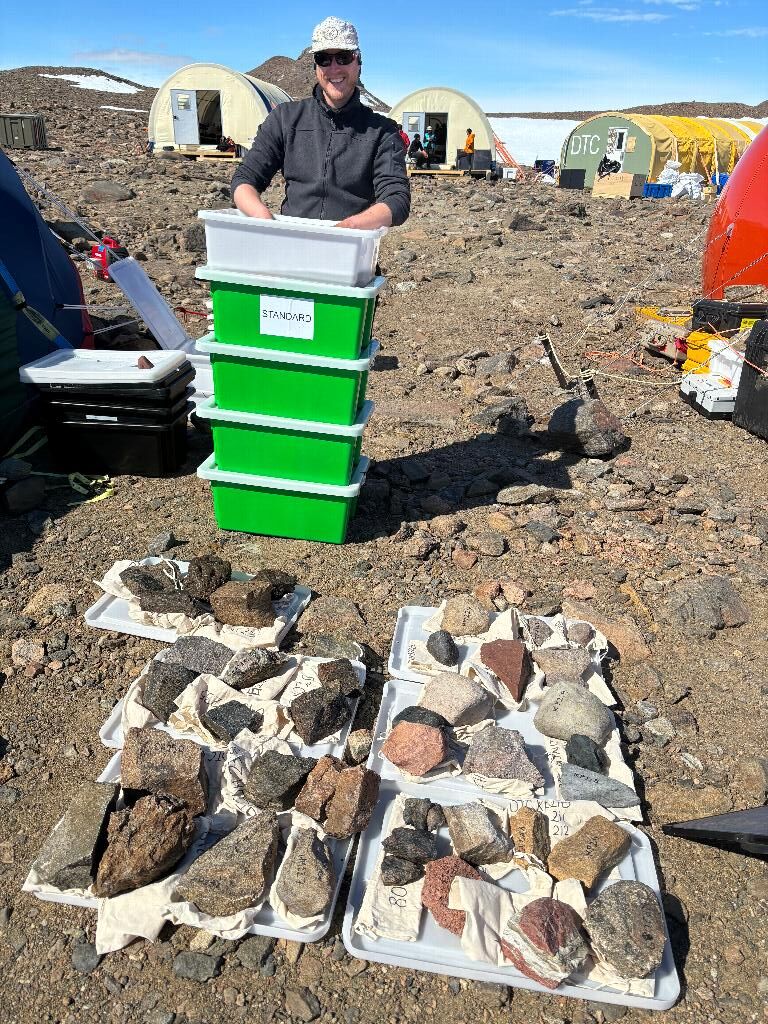
This season ACEAS fieldwork focused on the Denman Terrestrial program. It involved the first deployment of the RAID rapid access ice drill, geological sampling from rock outcrops, geophysical measurements on rock and ice, and drilling through the Shackleton Ice Shelf to acquire oceanographic samples and sub-ocean sediments. ACEAS annual reports can be found on the ACEAS website at https://antarctic.org.au/.
Summary of the season 2022/23
This season the ACEAS program tested new drilling technology at Casey and undertook seal tagging at Macquarie Island. Both campaigns were very successful with the drilling technology proven and operating procedures established, and 20 Elephant Seals tagged. The drill will be deployed in the Denman Glacier region in 2023/24 for studies of past climate and understanding climate variability and change. The seals have largely commenced journeys to the southern ice edge where the tags record location, depth, temperature and salinity. The ACEAS annual report can be found on the ACEAS website at https://antarctic.org.au/.
Related publications
-
Status of ocean observations in the Indian Sector of the Southern Ocean Elementa, 2025
(Ref: 17359)
Authors:Category 1: Peer-reviewed literature
One of the largest sectors of the Southern Ocean is the Indian Sector, which plays an important role in regulating the Earth's climate and supports a diverse ecosystem. To understand how climate change impacts the environment in this sector…
-
The ongoing decrease in numbers of breeding female southern elephant seals (Mirounga leonina L.) at Macquarie Island Antarctic Science, 2025
(Ref: 17326)
Category 1: Peer-reviewed literature
Population monitoring provides information on species conservation status. We reassess the status of the southern elephant seal population at Macquarie Island. The number of cows on the isthmus, ~20% of the total population, correlated with counts for the whole island (i.e.
-
Advancing geodynamic research in Antarctica: reprocessing GNSS data to infer consistent coordinate time series (GIANT-REGAIN) Earth Systems Science Data, 2025
(Ref: 17308)
Authors:Category 1: Peer-reviewed literature
For nearly 3 decades, geodetic Global Navigation Satellite System (GNSS) measurements in Antarctica have provided direct observations of bedrock displacement, which is linked to various geodynamic processes, including plate motion, post-seismic deformation, and glacial isostatic adjustment (GIA).
-
Climatology of the Mount Brown South ice core site in East Antarctica: implications for the interpretation of a water isotope record. Climate of the Past, 2023
(Ref: 17118)
Category 1: Peer-reviewed literature
Water stable isotope records from ice cores (?18O and ?D) are a critical tool for constraining long-term temperature variability at high latitudes. However, precipitation in Antarctica consists of semi-continuous small events and intermittent extreme events. In regions of high accumulation…
-
Australia’s 2019/20 Black Summer fire weather exceptionally rare over the last 2000 years. Communications Earth and Environment, 2024
(Ref: 17140)
Category 1: Peer-reviewed literature
Australia’s record-breaking 2019/20 Black Summer fire weather resulted from a combination of natural and anthropogenic climate factors, but the full range of natural variability in fire weather is unknown.