
Project information
Project aim
The Denman Glacier in East Antarctica drains a large area of the East Antarctic Ice Sheet (EAIS), containing enough ice to raise global sea levels by 1.5 m. The glacier system is currently stabilised by a large floating ice shelf system, slowing the flow of ice from the interior of the EAIS to the ocean. However, if these ice shelves were to retreat the Denman Glacier could accelerate significantly and thus move more ice from the ice sheet interior into the ocean. Designed as part of the upcoming 2023/24 Denman Terrestrial Field Camp, this project will examine three key processes which could affect the future stability of the Denman ice shelf system (i) ice fracture (ii) surface hydrology and (iii) ice shelf thinning and flow. Through a combination of remotely-sensed and ground-based techniques, we aim to improve our understanding of the Denman system so that these key processes can be fully incorporated into the models used to predict future sea level rise.
Project milestones
Summary of the season 2024/25
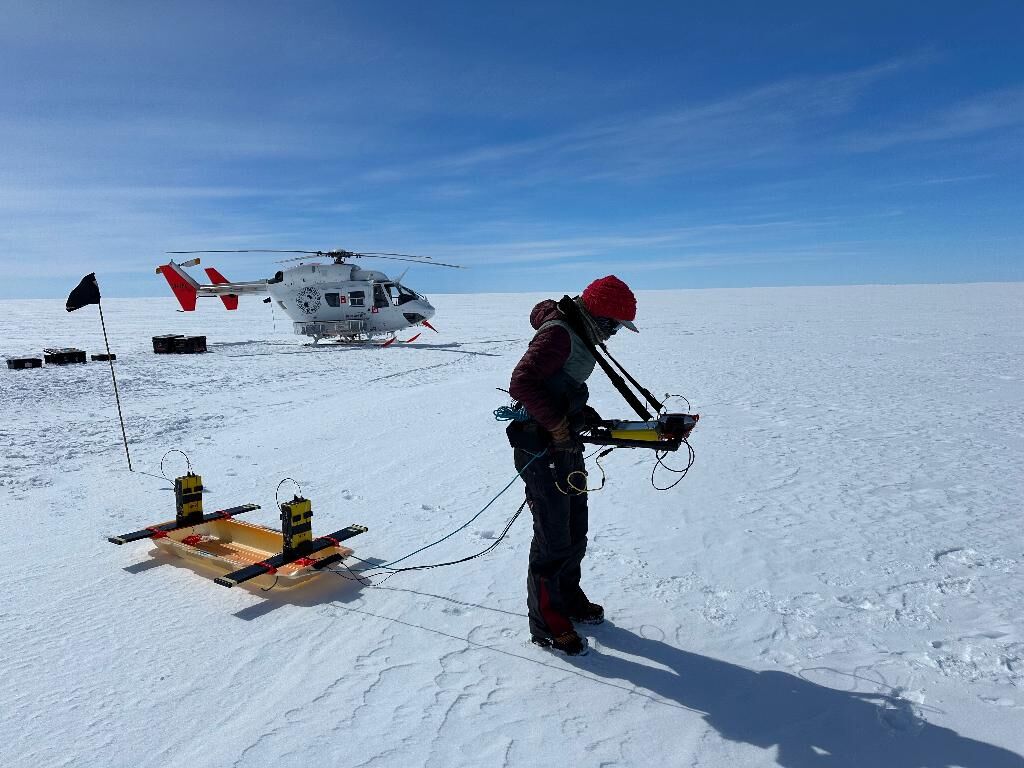
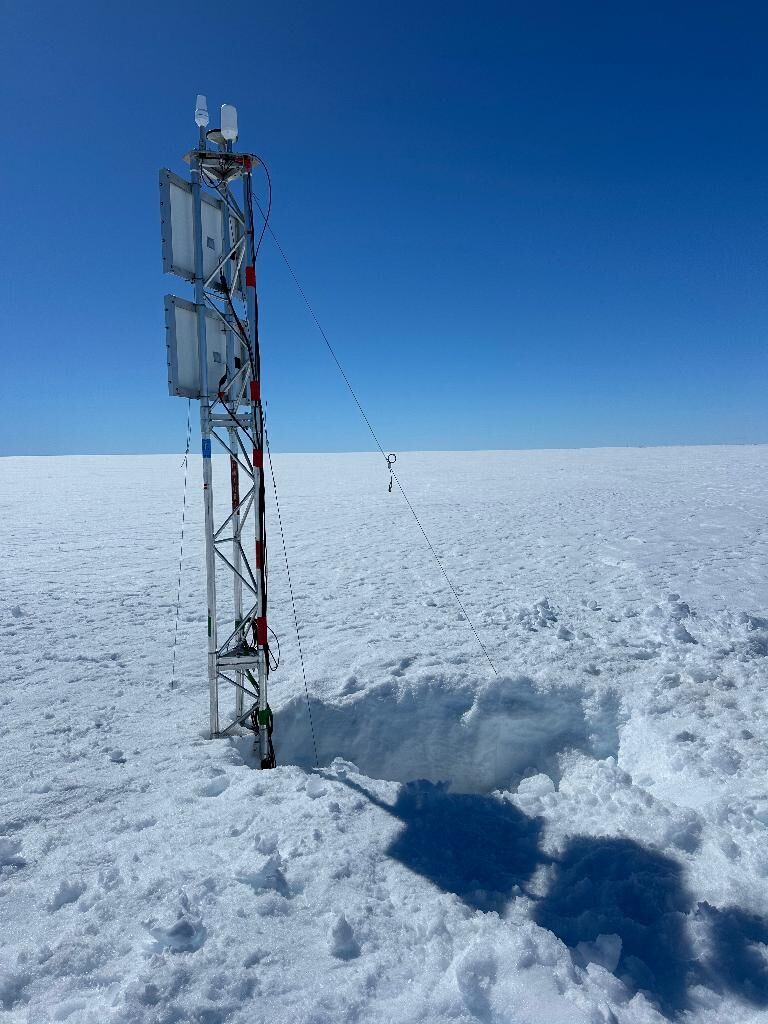
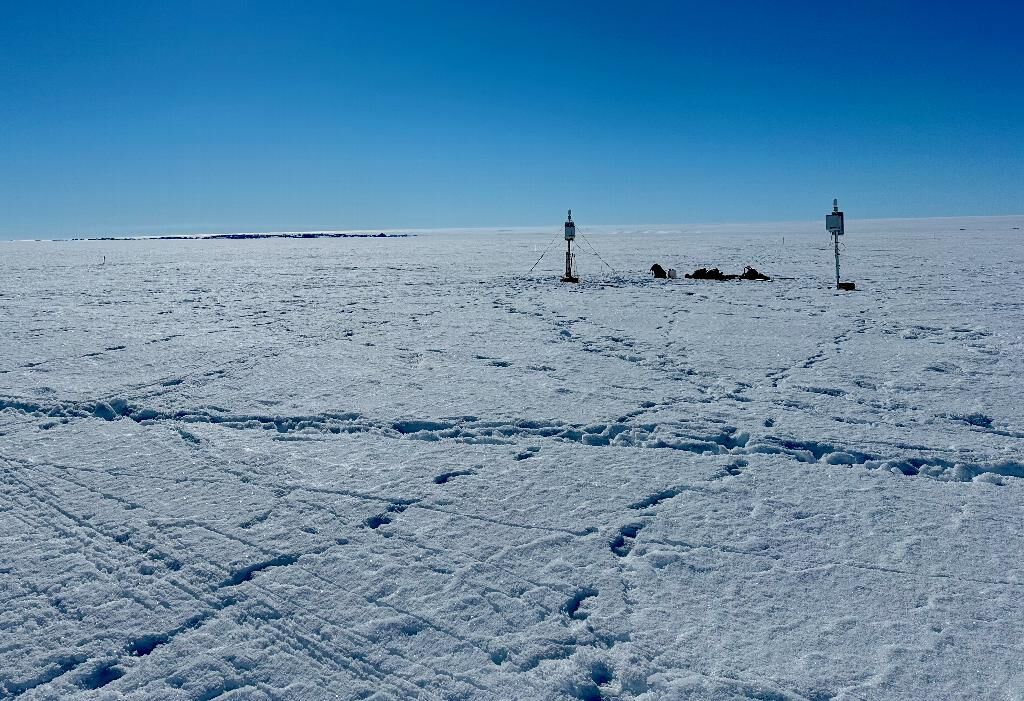
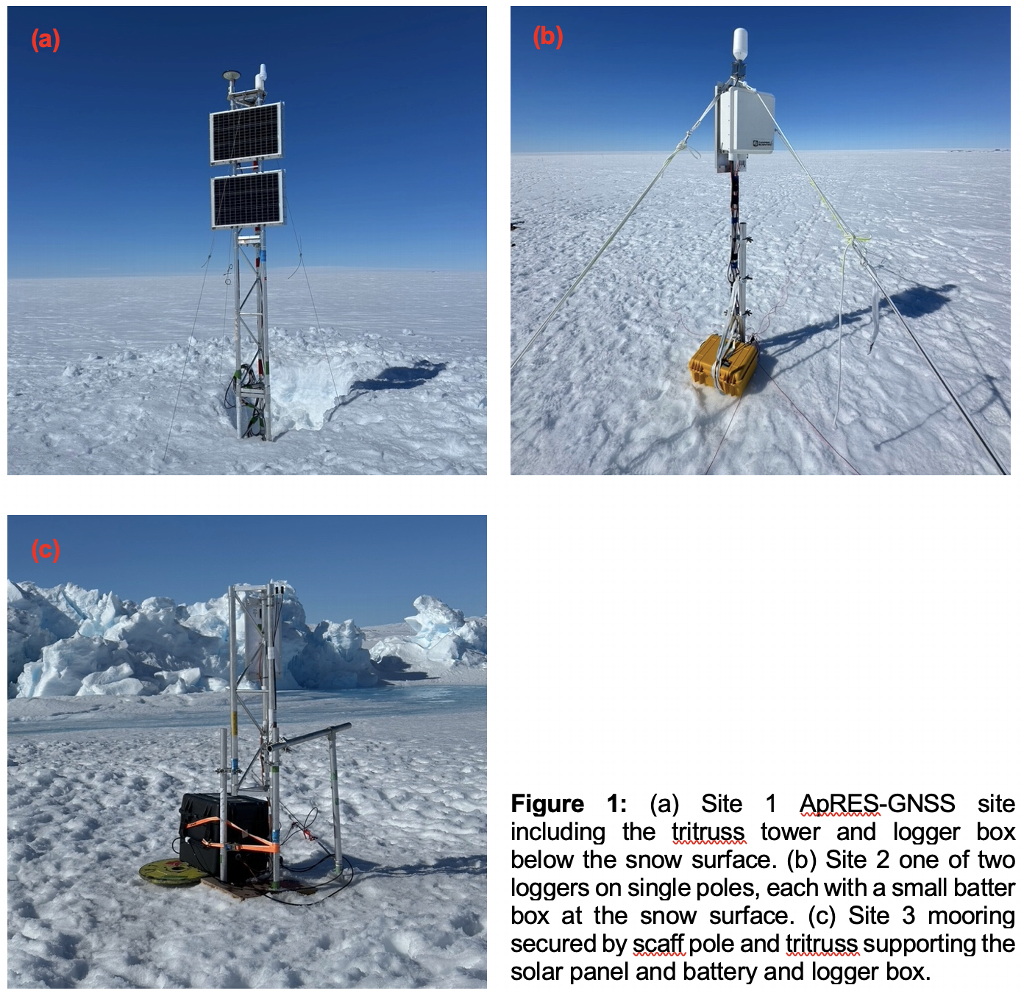
The overall project aims to examine three key processes which could affect the future stability of the Denman ice shelf system (i) ice fracture (ii) surface hydrology and (iii) ice shelf thinning and flow through participation in the Denman Terrestrial Campaign. Building on the success of the 2023-24 season, during the 2024-25 Antarctic summer season progress has been made toward all the three processes. On helicopter mounted radar data was successfully collected from two sites, providing further information on subsurface ice shelf structure and surface hydrology. At one location a tower was successfully refurbished to allow continuation in monitoring changes in ice shelf thickness and flow rate over the coming years. A network of self-potential electrodes was installed to monitor melt water flow and provide valuable information on the season evolution and longer-term change of the surface hydrology system.
Summary of the season 2023/24
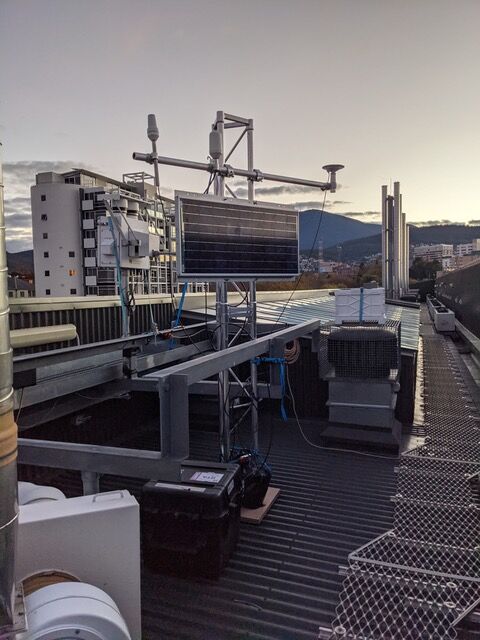
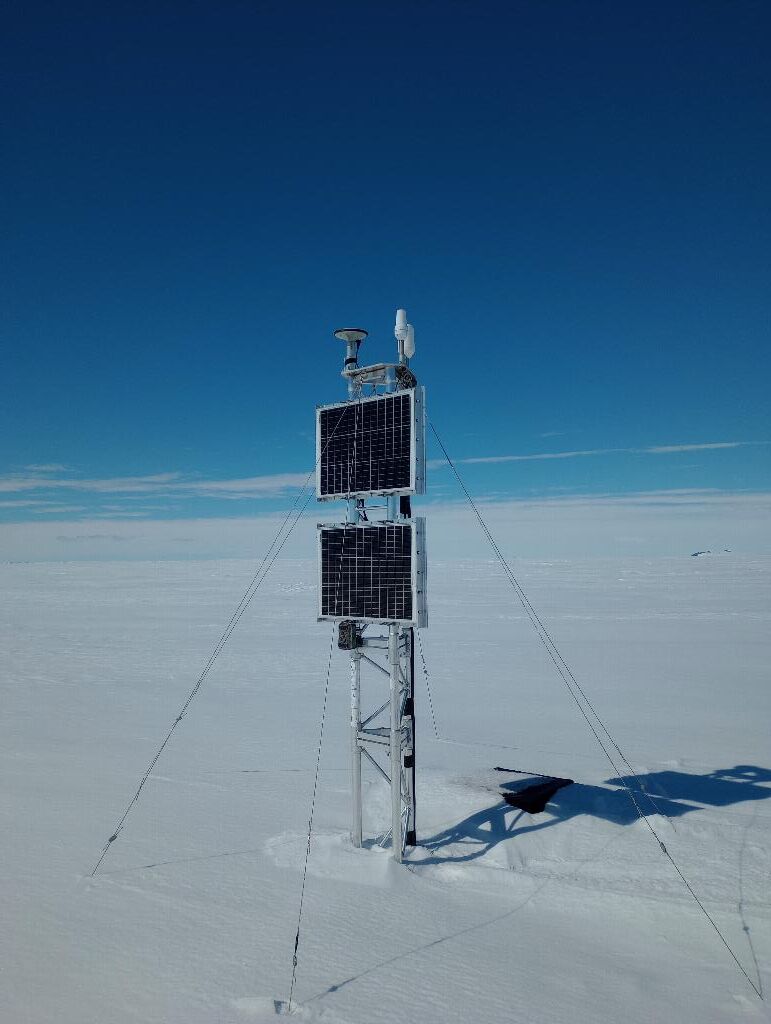
The overall project aims to examine three key processes which could affect the future stability of the Denman ice shelf system (i) ice fracture (ii) surface hydrology and (iii) ice shelf thinning and flow through participation in the Denman Terrestrial Campaign. During the 2023-24 Antarctic summer season progress has been made toward two of the three process. On ground and helicopter mounted radar data was successfully collected from three sites, providing significant information on subsurface ice shelf structure and thickness. At two locations towers were successfully installed to monitor changes in ice shelf thickness and flow rate over the coming years, both continue to send data back to Australia in real time. Active seismic data was also collected from a single site on Shackleton Ice Shelf, close to the margin with Denman Glacier tongue providing a measurement of ice shelf thickness of 203 m and ocean depth beneath the ice shelf of 860 m.
Summary of the season 2022/23
Specific field targets on the floating portion of the Denman Glacier System have been identified and prioritised in collaboration with colleagues in ACEAS. Relevant satellite data (and derived products) as well as regional climate models and available automatic weather station data have been collated and analysed to inform site selection. Significant work had gone into preparation and testing of all instrumentation, and current efforts are in detailed planning of the field sites and in training the field work team. Sections of aluminium tri-truss that will make up the instrument towers has all been Econed and sent to Casey.