
Project information
Project aim
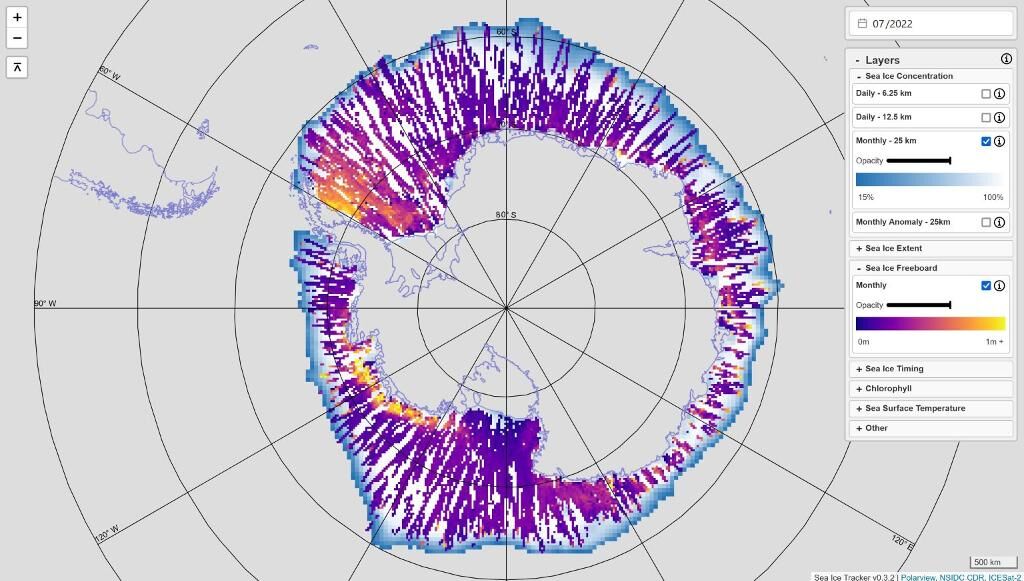
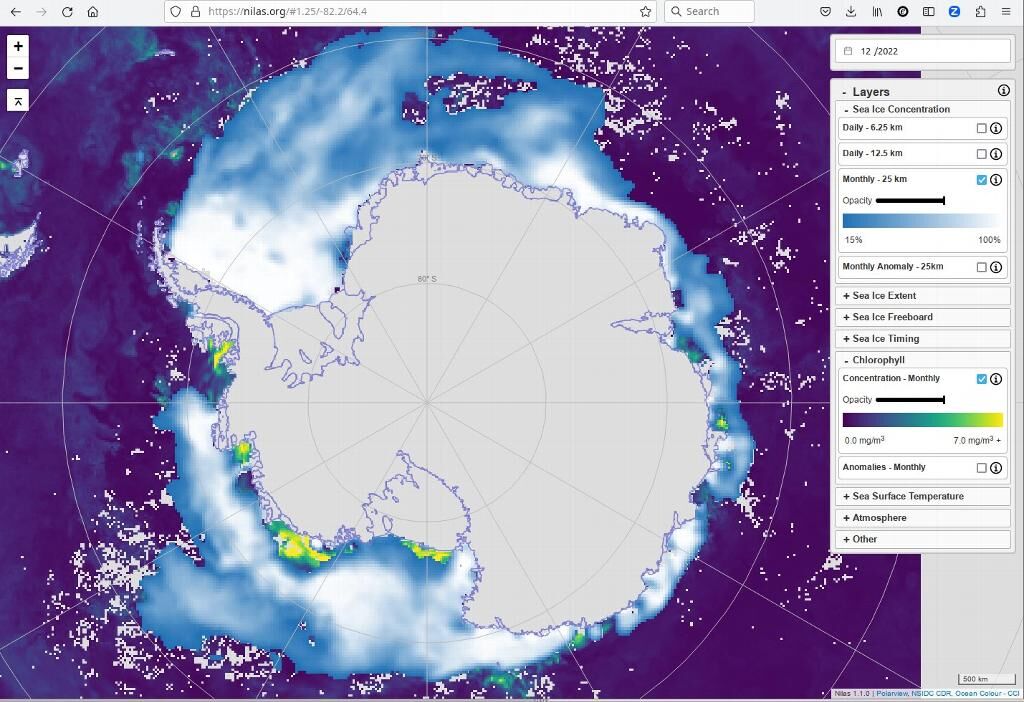
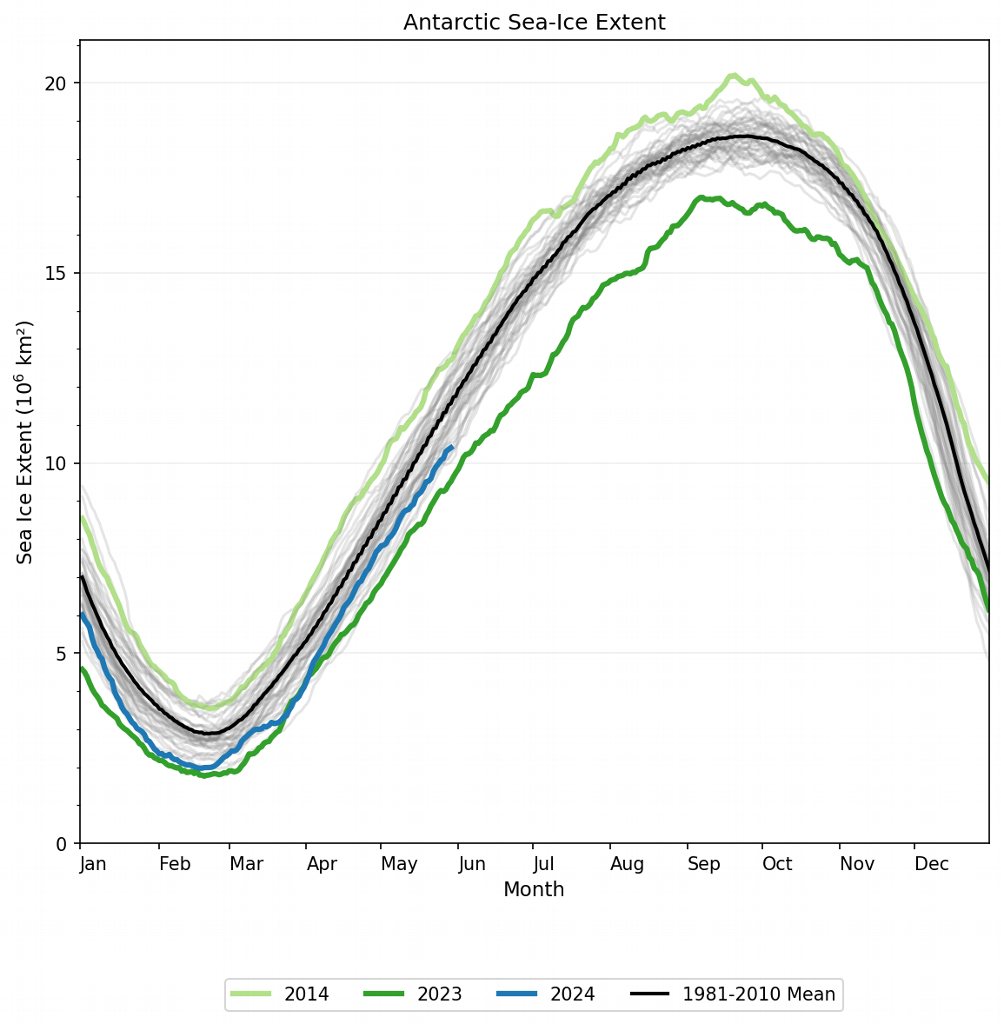
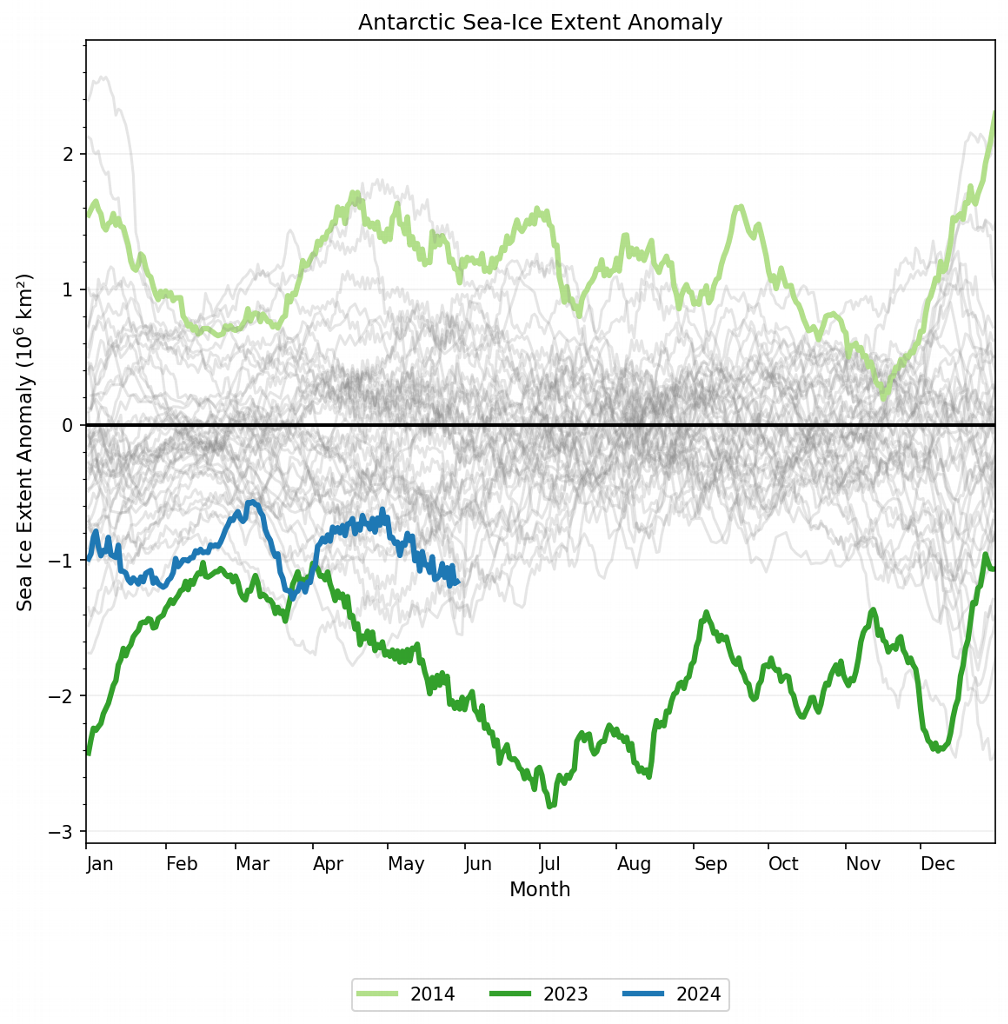
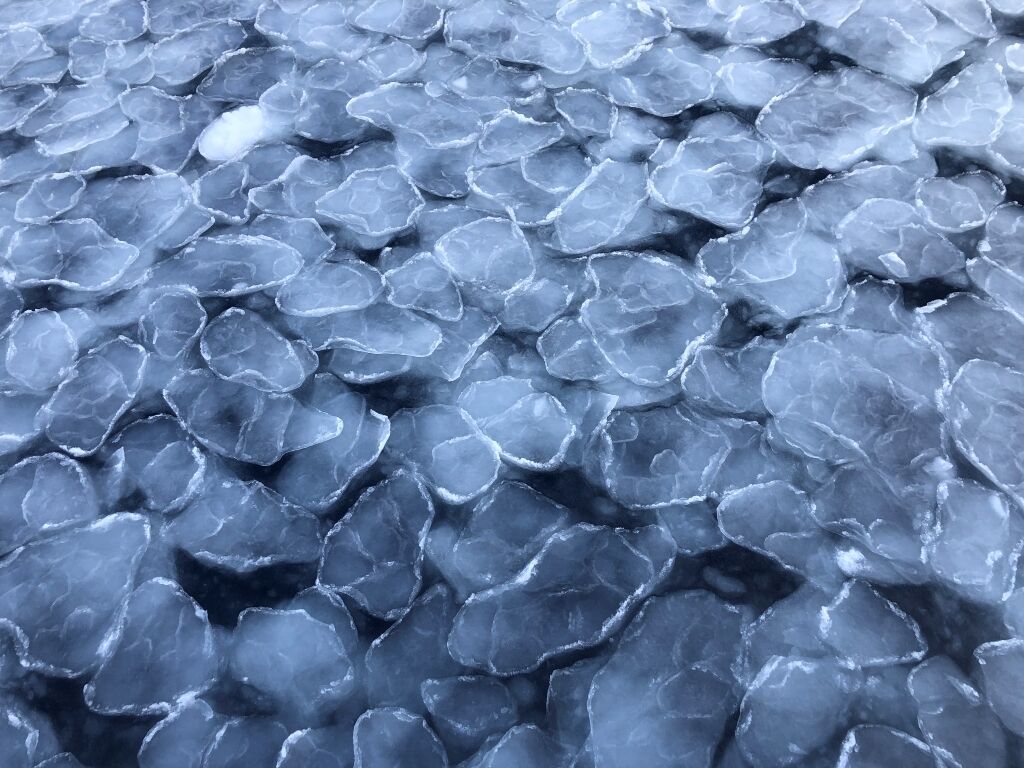
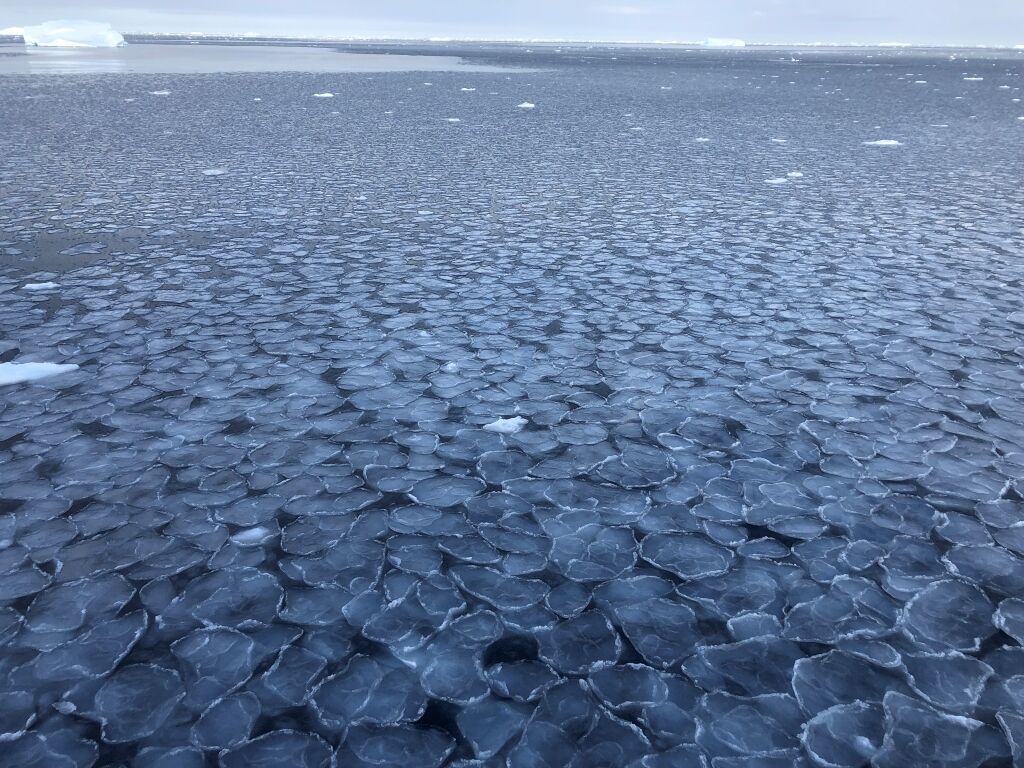
In an apparent paradox, Antarctic sea-ice extent increased over the observational record despite global warming. Yet, soon after reaching maximum extent, the Antarctic winter sea-ice cover crashed to a record low in 2016. This change had immediate impact, including on the marine ecosystems. Notably, neither the slow but persistent increase of the Antarctic sea-ice extent nor its collapse are explained by state-of-the-art numerical models, indicating a lag of knowledge of governing processes, hence questioning our skill to understand the future of critical processes such as carbon uptake. Here we explore the role of the Marginal Ice Zone (between the blue ocean and the compacted ice pack) in driving sea-ice variability and modifying the scope of sea ice to provide ecosystem functions. Our approach consists of a multidisciplinary measurement campaign together with novel numerical models and innovative deep-learning data analyse to step-up our knowledge of the Antarctic sea-ice system.
Project milestones
Summary of the season 2024/25
Some progress has been made for this project in terms of (East) Antarctic analysis of changes in the marginal ice zone using satellite-derived data in a study led by the AAPP (Fraser et al., submitted).
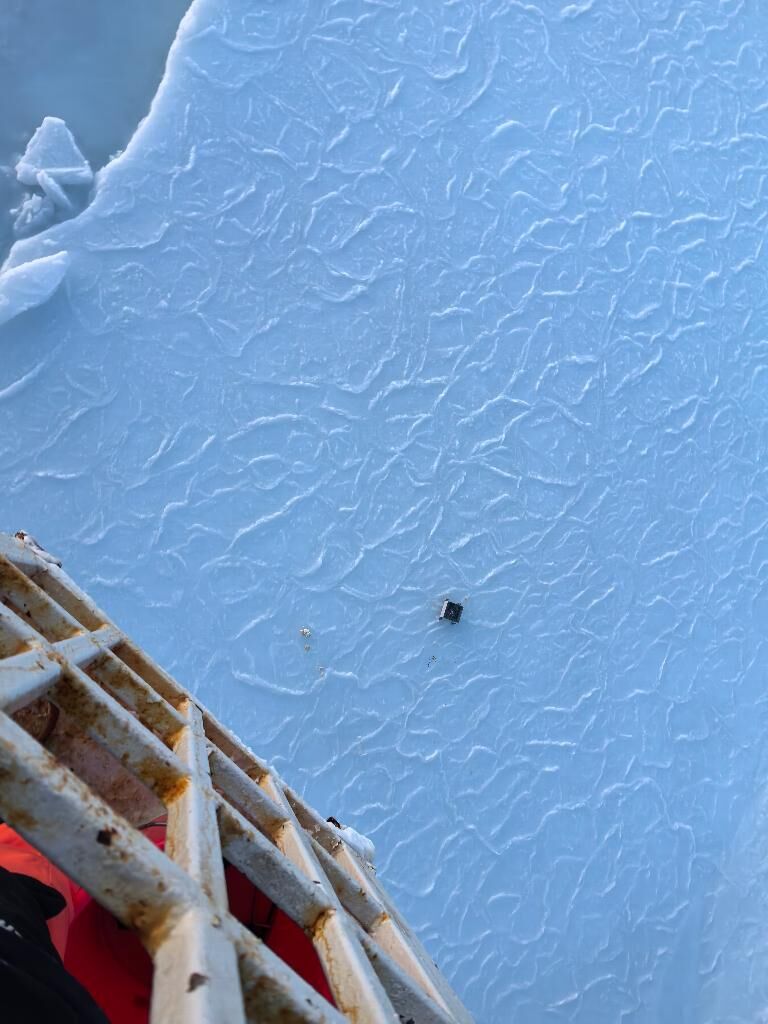
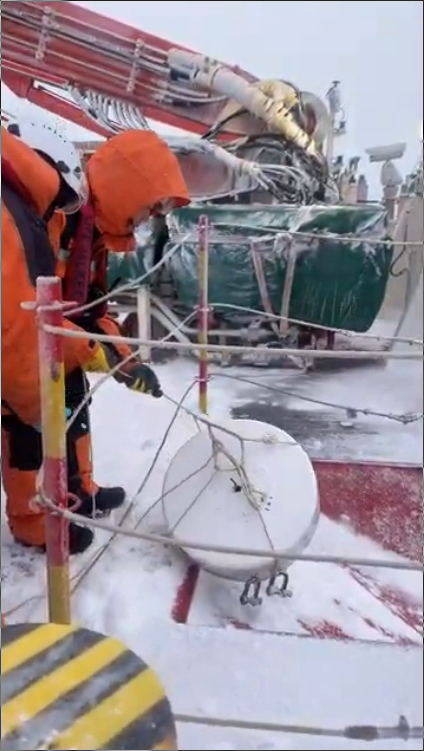
Initial automated observations of the sea ice within the MIZ have been obtained by Nuyina's Ocean-Sea Ice-Atmosphere [OSIA] Underway Observatory. Image analysis is yet to commence. The project received a boost with a small team being invited to join the CHINARE JetZone Twilight voyage (Mar - Apr 2025) into the western Ross Sea and far East Antarctic, where our wave-ice as well as new sea-ice buoys were for the first time deployed in the marginal ice zone, and extensive ASPeCt observations had been obtained.
Summary of the season 2022/23
In an apparent paradox, Antarctic sea-ice extent increased over the observational record despite global warming. Yet soon after reaching maximum extent, the Antarctic winter sea-ice cover crashed to a record low in 2016. This change had an immediate impact, including on marine ecosystems. Notably, neither the slow but persistent increase of the Antarctic sea-ice extent nor its collapse are explained by state-of-the-art numerical models, indicating a lag in knowledge of governing processes, hence questioning our skill to understand the future of critical processes such as carbon uptake. Here we explore the role of the Marginal Ice Zone (between the blue ocean and the compacted ice pack) in driving sea-ice variability and modifying the scope of sea ice to provide ecosystem functions. Our approach consists of a multidisciplinary measurement campaign together with novel numerical models and innovative deep-learning data analysis to step-up our knowledge of the Antarctic sea-ice system.
Related publications
-
Closing the Loops on Southern Ocean Dynamics: From the Circumpolar Current to Ice Shelves and From Bottom Mixing to Surface Waves Reviews of Geophysics, 2024
(Ref: 17172)
Authors:Bennetts L.G.Shakespeare C.J.Vreugdenhil C.A.Foppert A.Gayen B.Meyer A.Morrison A.K.Padman L.Phillips H.E.Stevens C.L.Toffoli A.Constantinou N.C.Cusack J.M.Cyriac A.Doddridge E.W.England M.H.Evans D.G.Heil P.Mc C.Hogg A.Holmes R.M.Huneke W.G.C.Jones N.L.Keating S.R.Kiss A.E.Kraitzman N.Malyarenko A.McConnochie C.D.Meucci A.Monteil F.Neme J.Nikurashin M.Patel R.S.Peng J.Rayson M.Rosevear M.G.Sohail T.Spence P.Stanley G.J.Category 1: Peer-reviewed literature
A holistic review is given of the Southern Ocean dynamic system, in the context of the crucial role it plays in the global climate and the profound changes it is experiencing. The review focuses on connections between different components of the Southern Ocean dynamic system…
-
Dynamics and influence of environmental processes on the coastal marine system of the Vestfold Hills, East Antarctica Antarctic Science, 2025
(Ref: 17470)
Authors:Category 1: Peer-reviewed literature
Antarctic ice-free coastal environments, like the Vestfold Hills (East Antarctica), are shaped by a complex interplay of physical processes. This study synthesizes new data and existing research from the Vestfold Hills across marine, terrestrial and cryosphere science, meteorology, geomorphology…
-
Policy briefing: Abrupt changes in the Antarctic environment AAPP, ACEAS, SAEF Policy Brief, 2025
(Ref: 17361)
Authors:Category 6: Report
-
High-resolution ocean sea ice model outputs to predict species distribution: case study of crabeater seal Lobodon carcinophagus in East Antarctica Marine Ecology Progress Series, 2025
(Ref: 17421)
Category 1: Peer-reviewed literature
Species distribution models (SDMs) quantify the relationship between species presence and environmental factors. They are often used to guide conservation management plans, but limited availability of environmental and biological data in undersampled regions, such as the Southern Ocean…
-
Constraining Future Antarctic Warming Under Five Different Emissions Scenarios in the CMIP6 Multi-Models Geophysical Research Letters, 2025
(Ref: 17380)
Category 1: Peer-reviewed literature
The Coupled Model Inter-comparison Project Phase 6 (CMIP6) multi-models predict future warming over Antarctica under five different scenarios, but their uncertainties remain high and have not been well constrained.