
Project information
Project aim
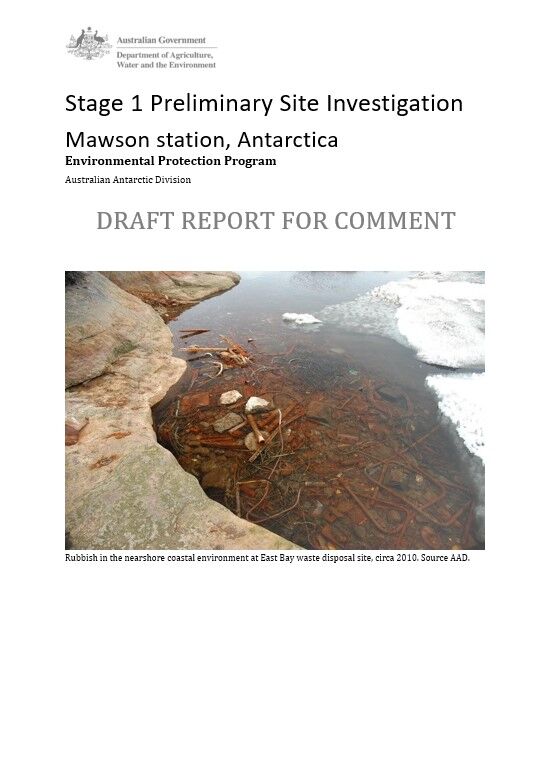
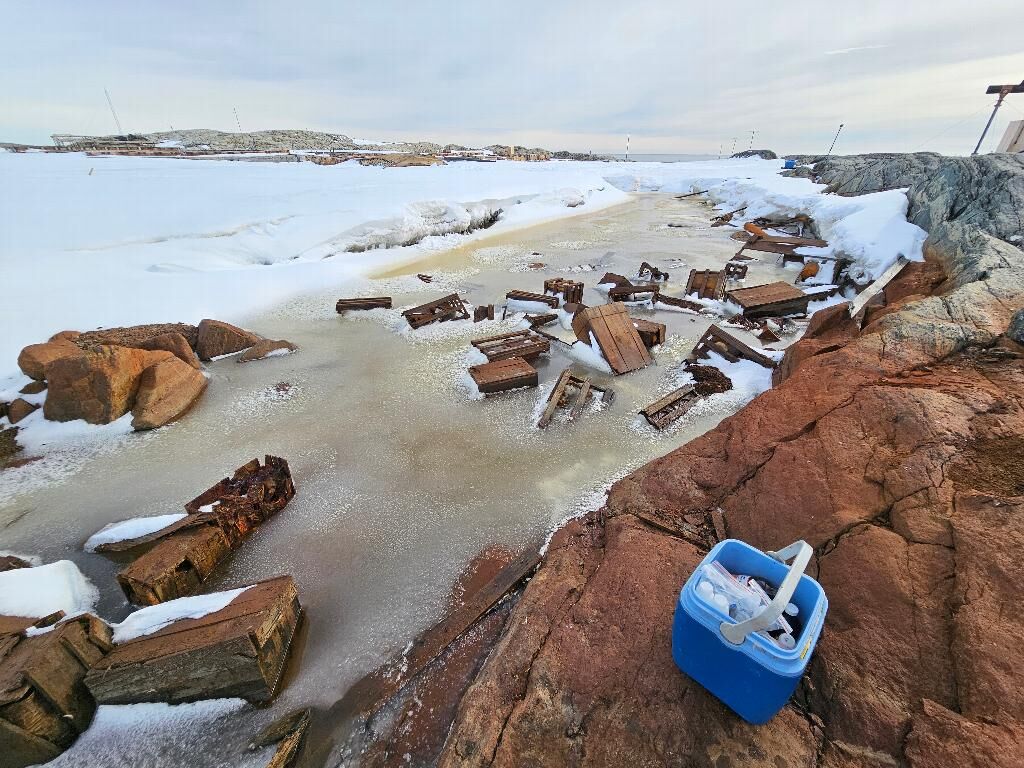
Antarctic terrestrial and marine ecosystems are subject to human disturbance at global, regional and local scales. As human activity in Antarctica increases alongside a changing climate, so does potential for environmental impacts. Contamination sources include legacy waste disposal sites, abandoned stations, fuel spills, and globally transported pollutants. This project will quantify the scale of the problem and develop solutions to minimise environmental damage. Contaminant sources, levels, fate, ecotoxicological effects on biota and impacts on local biodiversity, will be assessed to determine environmental risk at Australia's contaminated sites. This combined with a suite of mitigation solutions, remediation tools and technologies, will deliver a comprehensive actionable Cleaner Antarctica Strategy. This is a priority in the Australian Antarctic Strategy & 20 Year Action Plan 2022, and is fully funded through a government commitment to deliver A Cleaner Antarctica science program.
Project milestones
Summary of the season 2024/25
A Cleaner Antarctica (ACA) aims to identify and quantify the sources and extent of contamination associated with human activities at stations across the Australian Antarctic Territory (AAT) and to develop prioritised, risk-based clean-up strategies.
In 2024/25, A Cleaner Antarctica teams deployed to Mawson station, Casey station, and Edgeworth David base (Bunger Hills) to conduct:
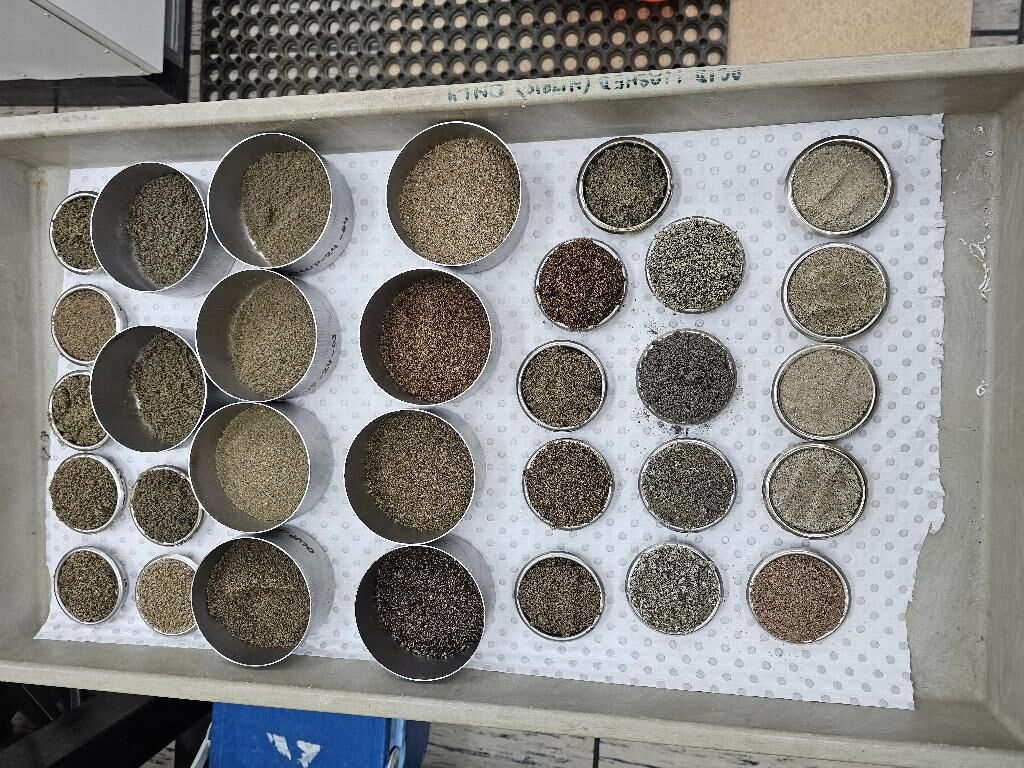
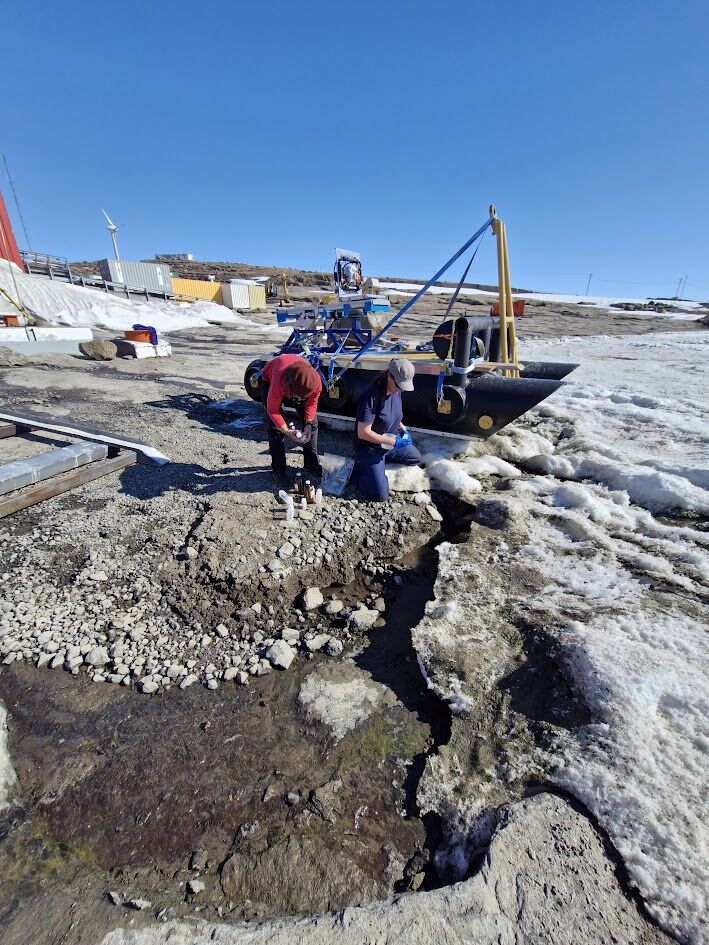
- comprehensive contaminated site assessment of the terrestrial environment at Mawson station and surrounds. Over 2500 soil/sediment/water/vegetation/biota samples were collected, and over 31 hours of Remotely Piloted Aircraft System (RPAS/Drone) missions flown, with a total distance flown of 577 km.
- additional targeted site investigation work at Wilkes station. Passive soil gas samplers were deployed at 25 locations to detect organic vapours in soil below the snow/ice at the site. RPAS missions were conducted to extensively map the station to build upon a multi-year time series.
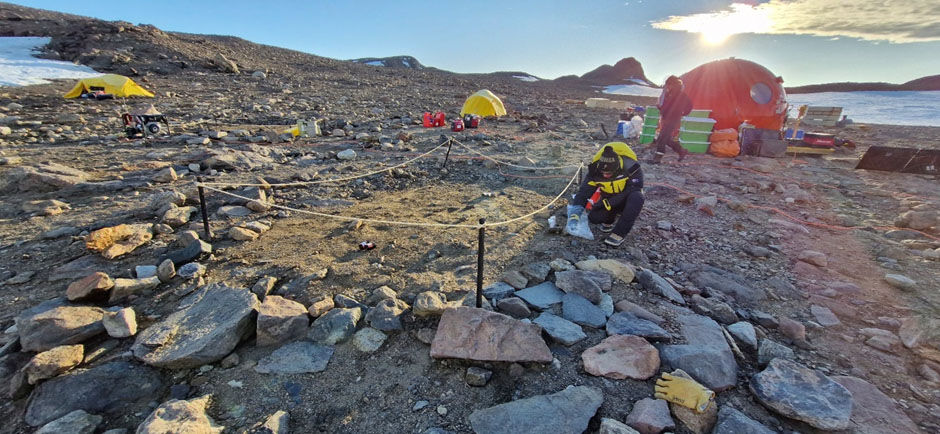
- a contaminated site assessment of Edgeworth David base in the Bunger Hills with over 100 soil and water samples collected. Comprehensive RPAS mapping of the base and surrounds was completed.
Data derived and research conducted as part of the above field programs are essential to the delivery of an actionable Cleaner Antarctic Strategy in line with the Australian Antarctic Strategy and 20 Year Action Plan (2022 update).
Summary of the season 2023/24
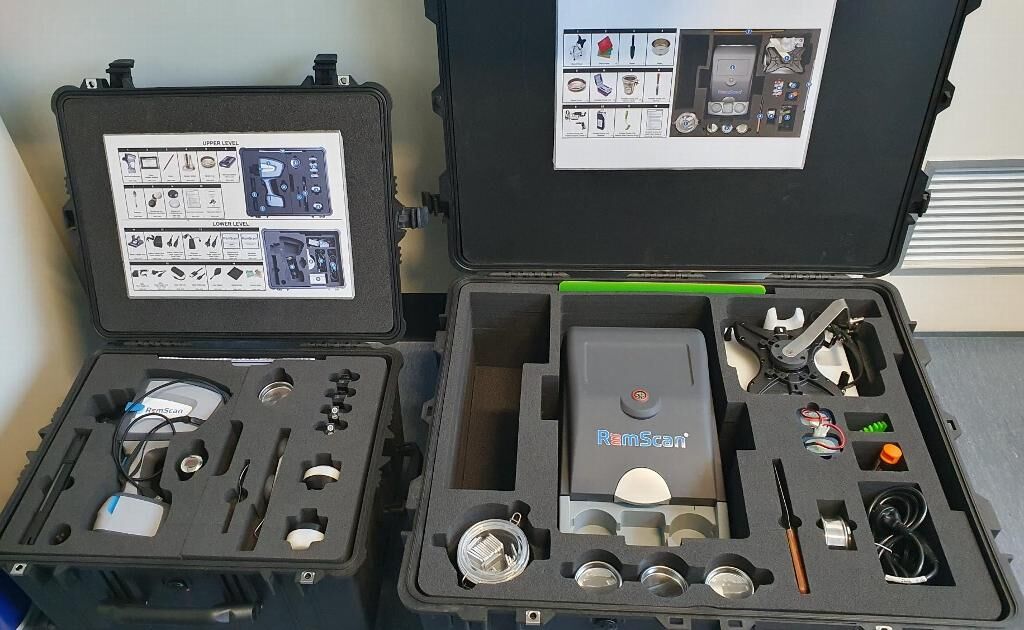
AAS 4622 - A Cleaner Antarctica (ACA) aims to identify and quantify the sources and extent of pollutants associated with human impacts at stations across the Australian Antarctic Territory (AAT) and use this information to develop a costed, actionable strategy to address the identified risks. This includes assessment of contaminated sites at all stations, including Mawson Station which was formerly planned under project AAS 4520. No AAS 4622 ticketed field access to conduct assessments and sampling at any station has been possible to date, including initially scheduled fieldwork at Mawson in 23/24. Despite these delays, progress (primarily Kingston-based) in the past year included: field testing / trialling of portable field-screening tools, site familiarisation of Casey station and Wilkes station (in conjunction with AAS 4503) including collection of limited soil and water samples (as part of each Preliminary Site Investigation (PSI)) for field screening and selected samples for laboratory analysis, collection of passive soil gas (PSG) samples at Wilkes (targeting fuel cache sites, the tip site and the main station) for laboratory analysis to assess the presence of petroleum hydrocarbon vapours, and trialling of drone-mounted ground-penetrating radar (GPR) at Wilkes station to quantify buried waste (focusing on the former tip site and various fuel drum cache locations). Development and validation of risk assessment tools (including toxicity testing protocols utilising native local biota, such as rotifers and nematodes) is ongoing, to be used for Direct Toxicity Assessments on samples to determine biological impacts, for comparison with chemical analysis and predicted toxicity. PSI reports for Wilkes station and Edgeworth David camp (Bunger Hills) have been commenced, as well as reviewing the permit requirements and developing the scope for assessment of potential impacts associated with the Bunger Hills / Denman Terrestrial Campaign field camp at the completion of project work. A DJI Matrice 300 RTK drone was shipped to Mawson for use by the Seabirds team (AAS 4518) to conduct spatial data collection missions on behalf of the ACA project (unfortunately due to time constraints these missions were unable to be completed, but drone batteries have been stored and managed at Mawson for the past 2-3 seasons and these were tested and confirmed to be operational). Additional field screening tools (including a drone, various drone-mounted tools, and a benchtop spectrophotometer) have been procured. Additionally, tendering for a Deed of Standing Offer (DoSO) for laboratory analytical services required for not only the ACA contaminated site assessment project, but more broadly across the AAD, is in progress.
Summary of the season 2022/23
AAS 4622 - A Cleaner Antarctica (ACA) aims to identify and quantify the sources and extent of pollutants associated with human impacts at stations across the Australian Antarctic Territory (AAT), and develop environmental remediation strategies to manage environmental risk. This includes assessment of contaminated sites at Mawson Station, formerly planned under project AAS 4520. No field access to conduct assessments and sampling at Mawson has been possible for the past three seasons (20/21, 21/22, 22/23). There has also been delays on-boarding the Project Lead and in recruitment of four other positions for ACA which limits the ability for full project scoping, training, planning and prepositioning for this multi-year program.
Despite these delays, progress (Kingston-based) in the past year includes:
• Short-listing of ACA team (1 Project Officer and 3 Environmental Scientists) and advertisement for 2 x Geospatial scientists;
• Pre-positioning equipment for season 23/24 (to Mawson);
• Collation of historical information for the Preliminary Site Investigation reports for each station (prioritising stations to be assessed in seasons 23/24 and 24/25);
• Development of Sampling and Analysis Quality Plans (SAQPs);
• Identification, review and procurement of equipment for field screening to support targeted sampling in comprehensive site assessments;
• Review of resourcing to optimise the project delivery.