
Project information
Project aim
Ice-free regions in Antarctica are increasingly the focus of scientific research, infrastructure development, and tourism. They provide important habitats for wildlife but are highly vulnerable to disturbance from foot or vehicle traffic and other inadvertent damage to fragile polar landforms. If not properly remediated, evidence of human impacts can persist for decades.
This project aims to improve environmental management and protection in the Australian Antarctic Territory. We will characterise ice-free landscapes in the Larsemann, Bunger, and Vestfold Hills, and Heard Island to assess how different landscapes respond to disturbance and how they naturally recover. We will identify vulnerable landforms, refine assessment tools, and evaluate remediation strategies to prioritise management actions and inform environmental impact assessments. Information will be used by scientists and environmental managers to understand potential impacts and develop strategies to minimise them.
Project milestones
Summary of the season 2022/23
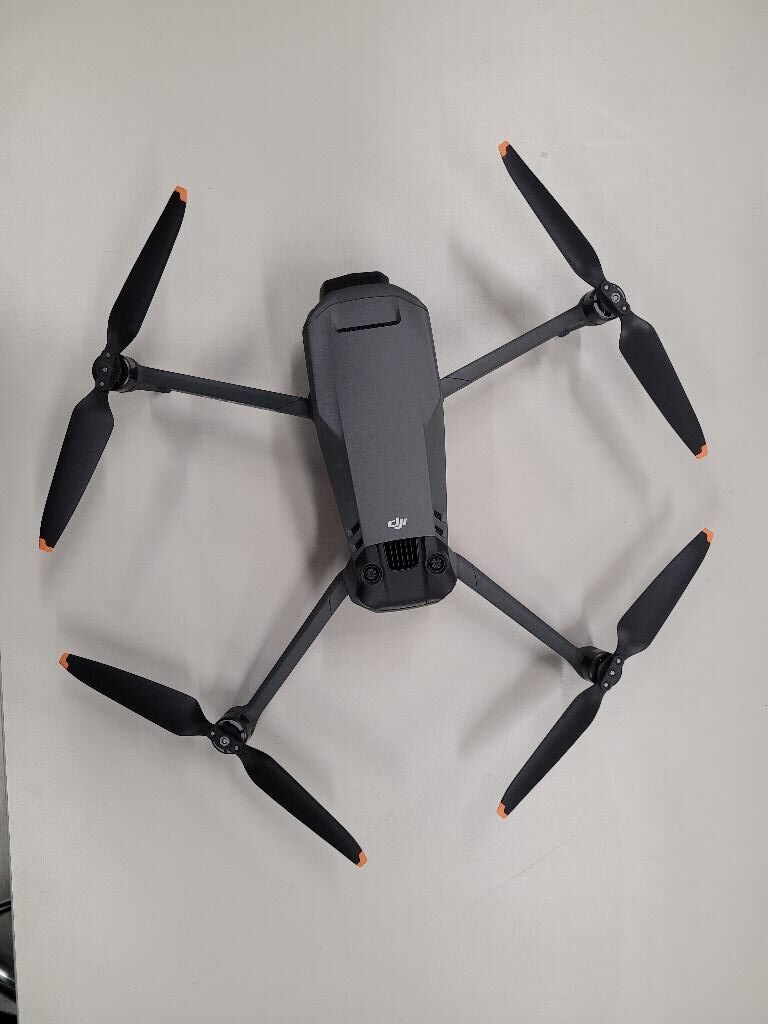
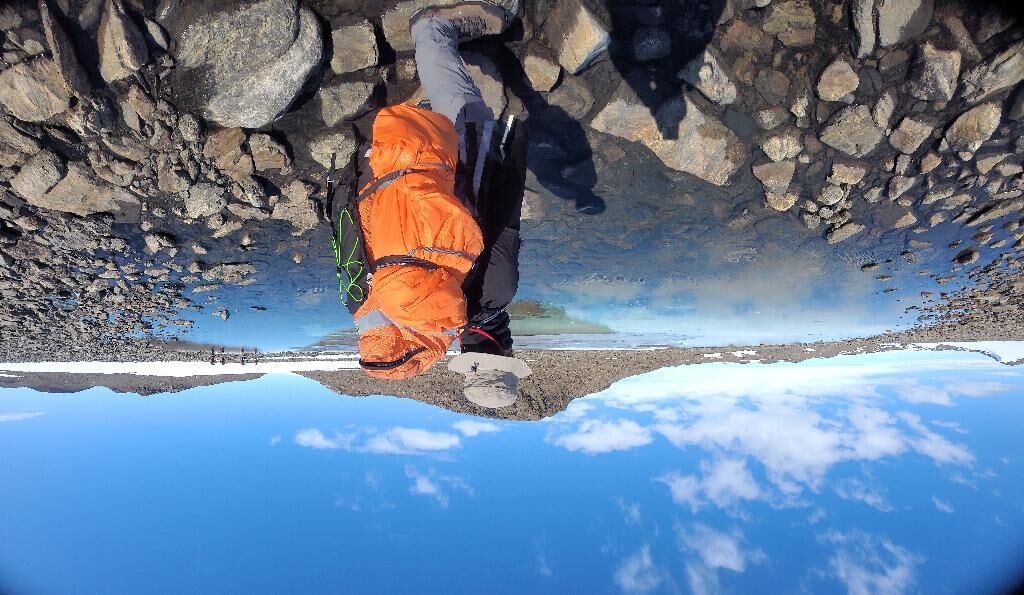
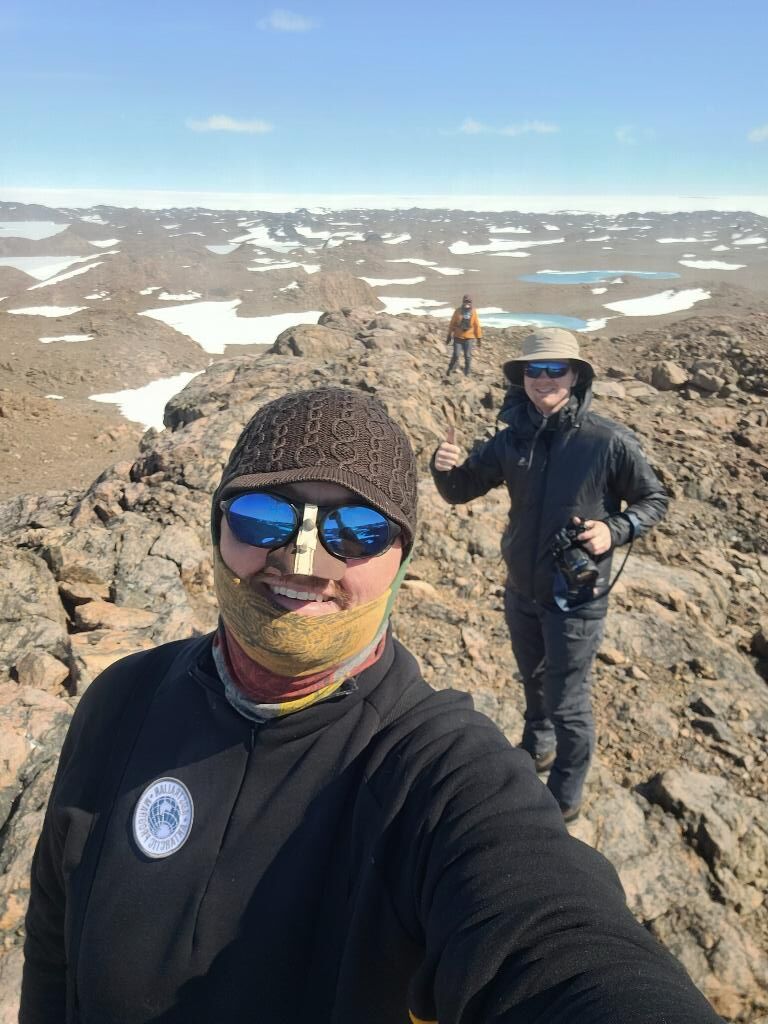
This project aims to improve environmental management and protection in the Australian Antarctic Territory. The project will characterise ice-free landscapes to assess how different environments respond to disturbance and how they naturally recover. A large amount of acquired imagery has been collected, and mapping of vulnerable landforms in Bunger Hills has commenced. Understanding factors influencing landscape vulnerability, resilience, and change in Antarctica is fundamental to effective environmental stewardship.