
Project information
Project aim
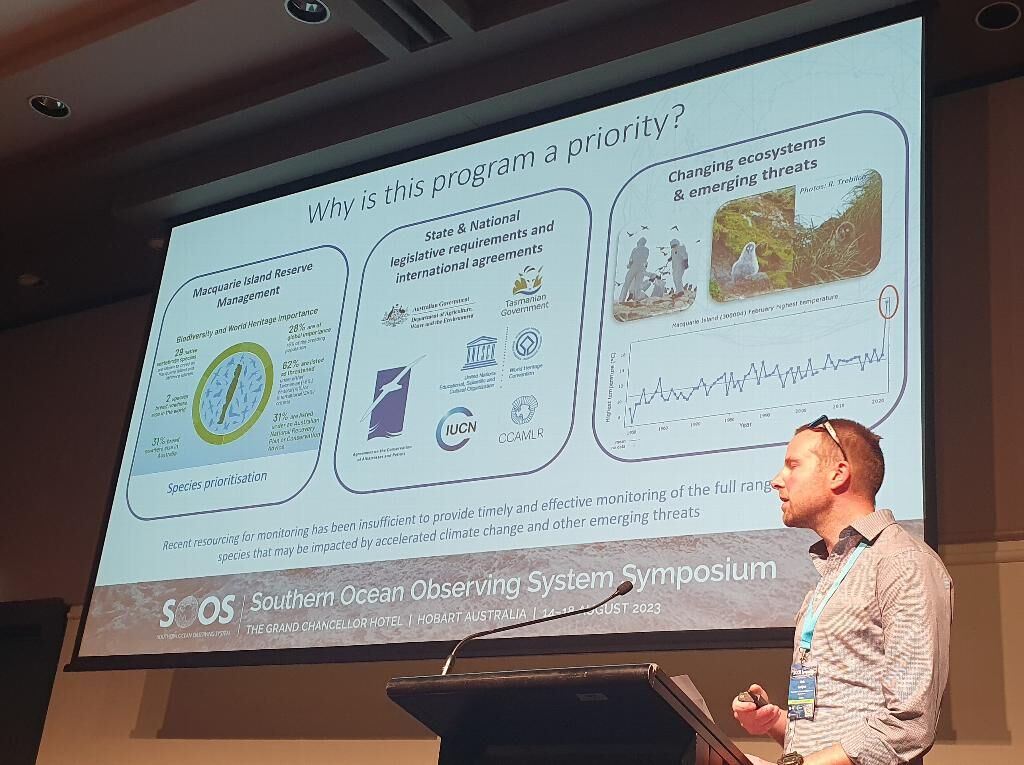
Long-term monitoring is essential to accurately assess the status and trends of long-lived seabirds and marine mammals. At least 29 native vertebrate species breed on sub-Antarctic World Heritage listed Macquarie Island (25 bird, 4 mammal). Of these, half are listed as threatened under Federal and/or Tasmanian legislation and nearly a third breed nowhere else in Australian jurisdiction. This program will determine the population size, status and trends of native vertebrates breeding on Macquarie Island and investigate links between environmental and anthropogenic drivers of population change, including climate change. We will use technology and innovation to improve and expand the feasibility and accuracy of data collection. This program will provide critical data on priority vertebrate species to fulfil Australia's reporting obligations under National and International agreements and facilitate collaborations to better understand Macquarie Island marine and terrestrial ecosystems.
Project milestones
Summary of the season 2024/25
This year's activities focused on two major components of the program: field work collecting data on wildlife populations and consolidation and analysis of all existing wildlife data to inform the Macquarie Island Wildlife Monitoring Strategy.
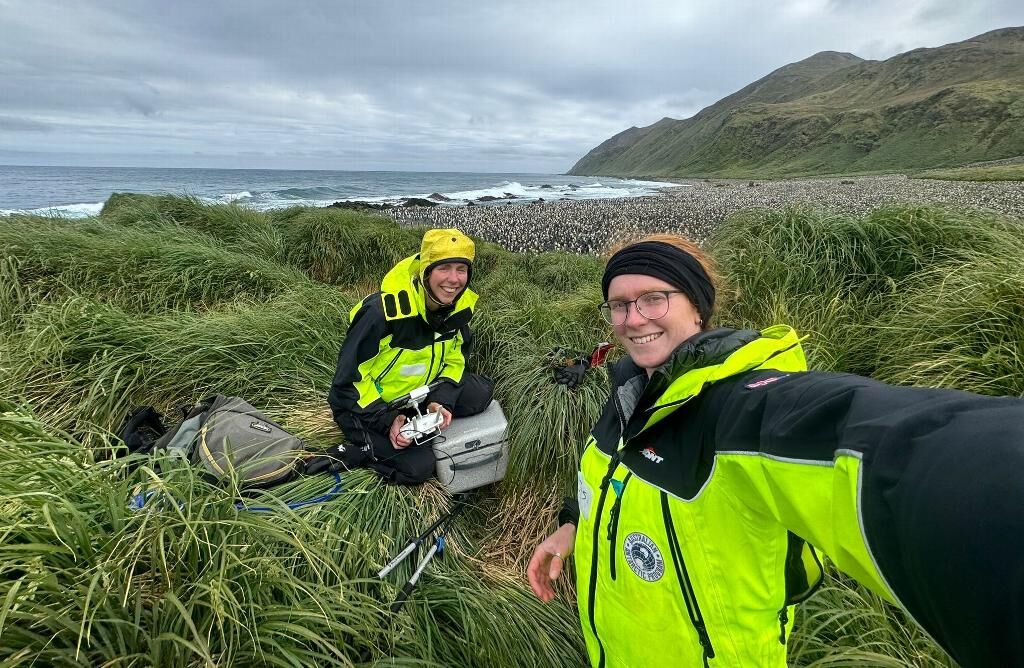
During the 2024/25 field season, field teams carried out ongoing surveillance for any signs and symptoms of avian influenza while undertaking breeding population surveys and/or chick counts of 13 species. This included seven species with island-wide counts and six species counted in long-term study sites. Demography data was collected for a subset of albatross species. Drones and trail cameras continued to be used to help inform population estimates and chick survival for some species, and we trialled the use of drones fitted with thermal cameras to detect more cryptic breeding species. We deployed tracking devices on a range of species this summer to understand their at-sea movements. This included GPS trackers deployed on six seabird species and dietary samples to understand how they are using the newly expanded Macquarie Island Marine Park, satellite trackers were deployed on juvenile albatross to understand their at-sea distribution after fledging and geolocation tags deployed on skuas to investigate their winter movements.
Throughout the year we continued to develop the Wildlife Monitoring Strategy for the island. For each native vertebrate breeding species, this strategy outlines the rationale for population monitoring, provides a summary of the current population status and trends, assesses data availability and gaps, and presents a prioritisation framework to focus resources on species of highest conservation concern. We have created and synthesised comprehensive long-term population and spatial databases for Macquarie Island's seabird and seal species. These databases include data collated for 23 species (historic and contemporary) over periods ranging from 11 to 60 years. Using the collated data, population trends have been modelled for 17 of the 27 vertebrate species known to breed on Macquarie Island, providing critical insights into species' conservation status and changes over time.
Field data collected this season, along with data contributed to Australia's national and international reporting obligations for threatened species over the longer term, were presented at international and local conferences and workshops. Four papers were published this year in scientific literature and the project contributed to four PhD studies.
Summary of the season 2023/24
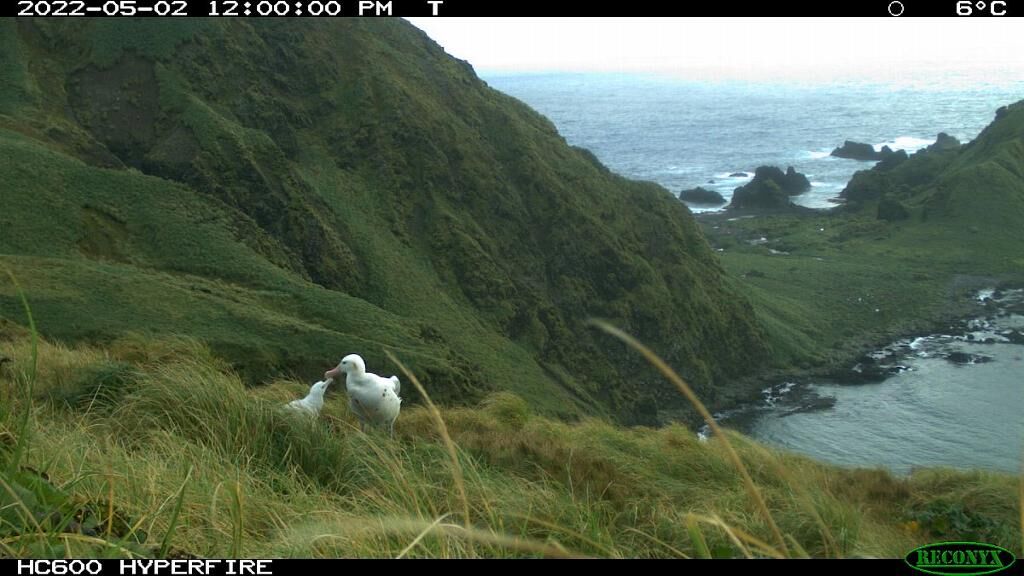
This year's activities focused on two major components of the program: development of an optimised long-term Wildlife Monitoring Strategy and summer field work collecting wildlife population data and testing and refining survey methods. Throughout the year the project team drafted the key considerations and structure of the Wildlife Monitoring Strategy and completed a draft species prioritisation/ranking framework. Through the latter we drafted a list of priority species for monitoring that will be revised after population trends are further investigated and finalised. We have developed a Macquarie Island wildlife population database which includes all available population data for native vertebrates breeding on the island and the analysis of population trends from these data has begun. During the 2023/24 field season, breeding population surveys and/or chick counts were carried out for eight seabird species (four albatross, two penguin, and two giant petrel) and population estimates obtained for three seal species. Demography data was collected for a subset of albatross species. Additionally, drone surveys were trialed this season to assess their efficacy for determining numbers of breeding king penguins, fur seal pups, and southern and northern giant petrel chicks. Motion cameras were deployed in a trial to test their utility to detect and measure the relative abundance of burrowing petrels, and nest cameras were used to record wandering albatross breeding parameters. Two project investigators travelled to the island on the V4 resupply voyage for a valuable in-field handover and workshop of monitoring activities from the summer field team. Data contributed to Australia's national and international reporting obligations for threatened species, were presented at international conferences, and contributed to a Masters and two PhD projects.
Summary of the season 2022/23
The project commenced in 2022-23, with the primary goal of securing operational funding for field personnel and project coordination. Funds to support planning and operations for the 2023-24 season were partially secured through a successful Australian Heritage Grants Program submission by project collaborators, however the project continues to seek commitments for funding support over the longer-term life of the project.
While no berths to Macquarie Island were allocated to AAS 4619 in 2022-23, field activities in support of the project were undertaken in-kind through partners at the Tasmania Parks and Wildlife Service (TasPWS). Monitoring of four penguin species, three albatross species, Southern giant petrels, Southern elephant seals and fur seals was undertaken to provide critical data on these priority species to contribute to long-term datasets and towards Australia's monitoring and reporting obligations under national and international agreements.
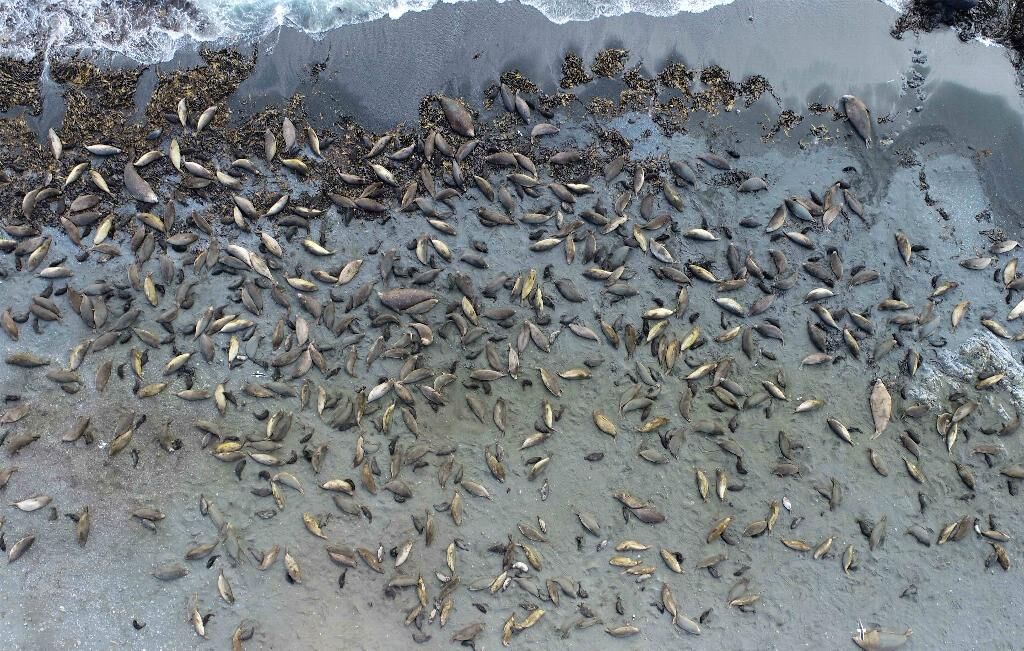
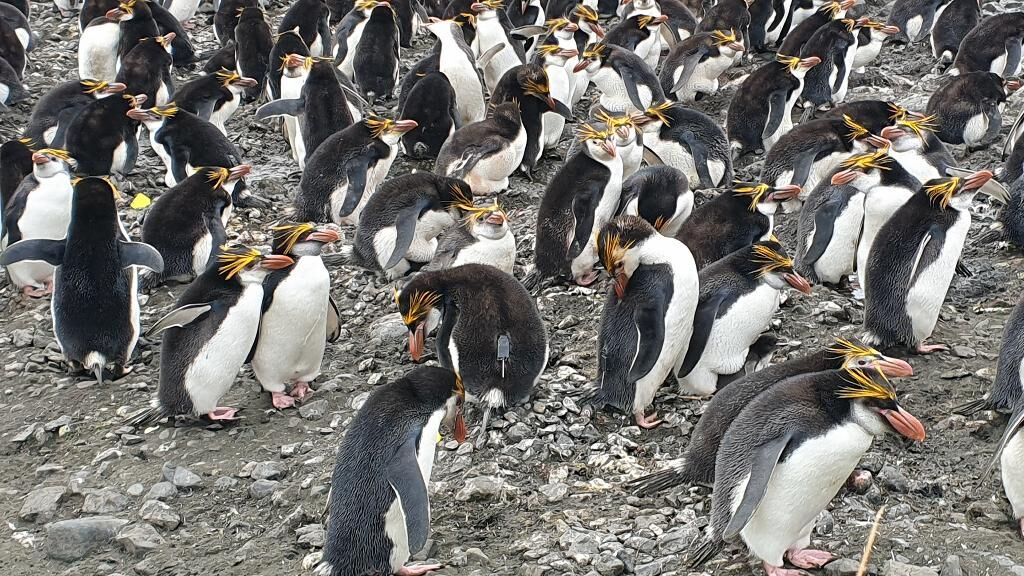
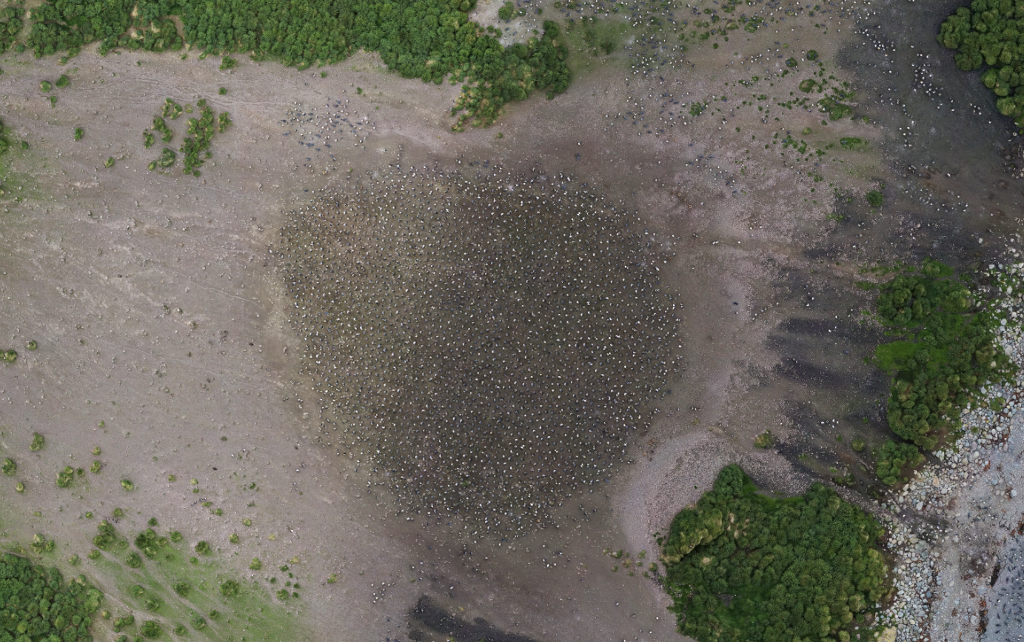
A highlight of the season was the commencement of RPA (drone) trials (under Animal Ethics Committee approval) for improving the robustness and efficiency of data collection for priority breeding species. Drone surveys focused on king and royal penguins, elephant seals and southern giant petrels, and trial flights detected no adverse behavioural responses in any of the surveyed species. Analysis of RPA imagery is ongoing, however preliminary results suggest drone-facilitated monitoring will be highly valuable for refinement and accuracy of population estimates and improvements to survey efficiency. For example, drone imagery taken of all known Royal penguin colonies provides an updated population assessment for this endemic species and builds on density estimate surveys carried out in 2016/17 and photo monitoring data. These new drone derived datasets will provide a baseline to estimate long-term population trends, which have not been possible with conventional methods.
Other work throughout the summer included species monitoring with camera traps, scat sample collections as part of a long-term dietary study to understand ecosystem changes, and observations of vagrant species, and continued assessment of changes on the island that may impact wildlife (e.g. weather events, pollution, habitat changes).
Back in Hobart, the team commenced planning for the 2023/24 field season, with a field team due to head to Macquarie Island at the start of next summer. The project team also commenced work on the Macquarie Island Wildlife Monitoring Strategy, which aims to provide a roadmap and prioritisation for long-term wildlife monitoring on Macquarie Island.