
Project information
Project aim
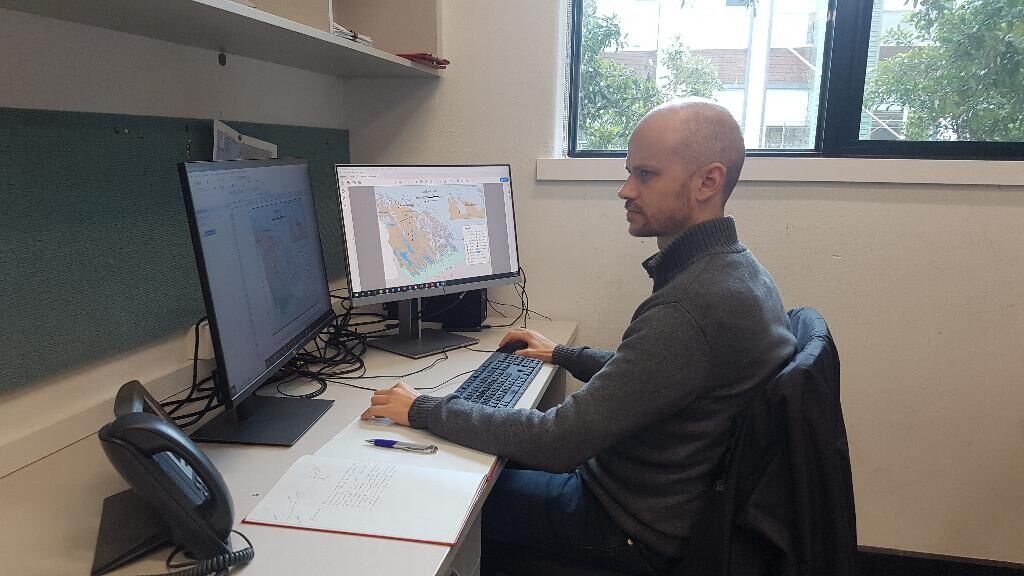
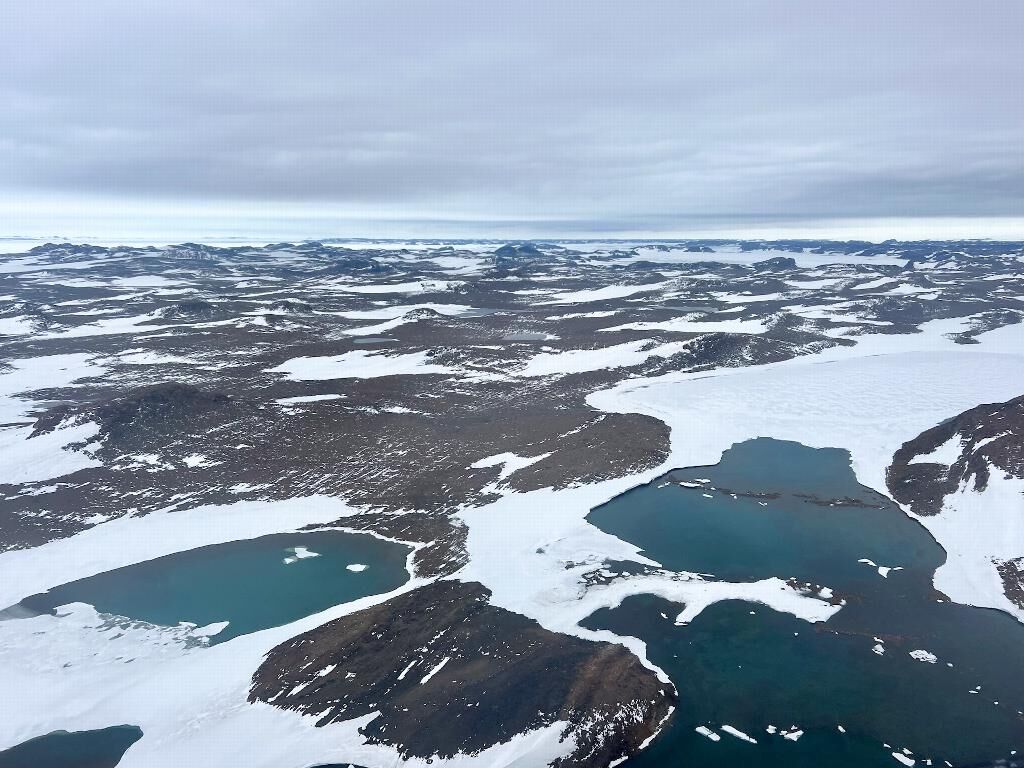
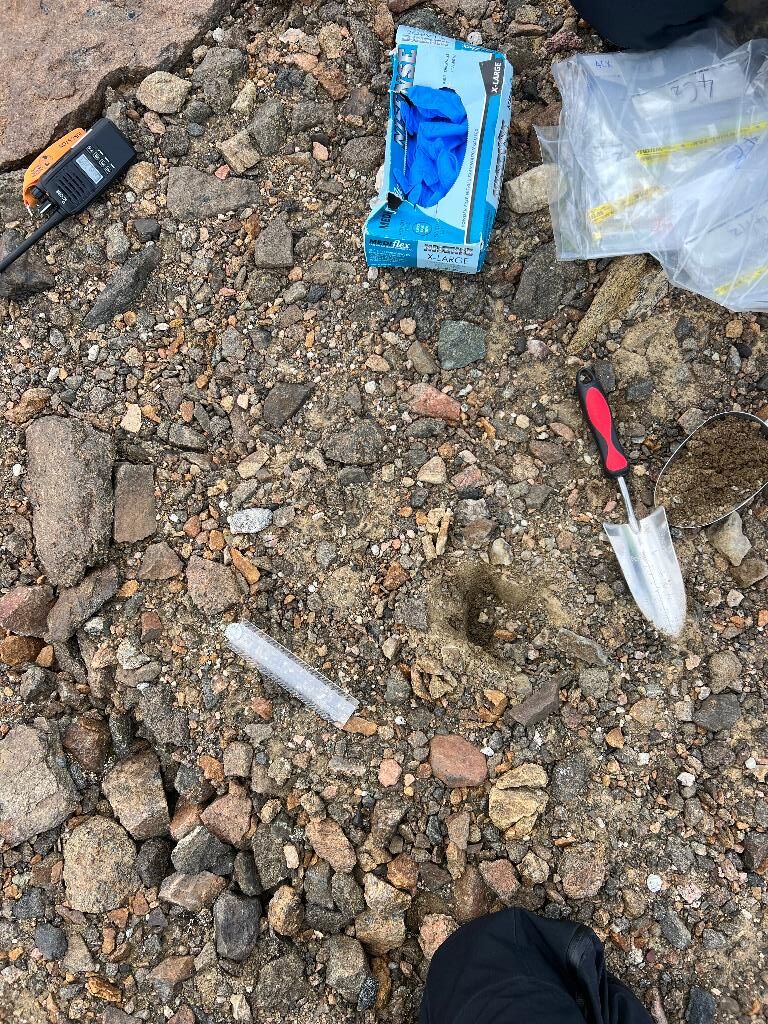
The Bunger Hills, at the coastal fringes of the Eastern Antarctic, is one of the largest ice-free areas of the Australian Antarctic Territory. The understudied soils of this region are predicted to harbour a rich and unique microbial biodiversity, but are highly vulnerable to global and local change. This study will survey the spatial structure and function of the microbes in the region's soils. Combining the expertise of microbiologists, ecologists, and biochemists, we will quantitatively analyse three factors that may drive differences in biodiversity across the region: (1) dispersal influences (neutral factors), (2) physical and chemical properties of the soils (niche factors), with a focus on aridity, and (3) functional capacity of the microbes, with emphasis on novel primary production strategies. In turn, these biomarkers will predict the vulnerability of these communities to change and provide foundations for long-term management and monitoring of this ecosystem.
Project milestones
Summary of the season 2022/23
Due to logistics challenges, the sampling required in the Vestfold Hills region was not possible and thus the project has been delayed for a further year. Sophisticated sampling schemes, experimental workflows, and theoretical frameworks have been developed that will facilitate successful delivery of the project when sampling is possible.
Summary of the season 2020/21
Due to the COVID-19 pandemic, the Antarctic field season for 2020/2021 was cancelled and hence the sampling required in the Vestfold Hills region for this project has been delayed by one year. Nevertheless, sophisticated sampling schemes, experimental workflows, and theoretical frameworks have been developed that will facilitate successful delivery of the project.
Related publications
-
Multiple energy sources and metabolic strategies sustain microbial diversity in Antarctic desert soils Proceedings of the National Academy of Sciences, 2021
(Ref: 16566)
Authors:Category 1: Peer-reviewed literature