
Project information
Project aim
The rearrangement of continents over geological timescales can open new connections between the Earth's major oceans. These oceanic seaways can dramatically influence patterns of ocean circulation and are implicated in the onset and expansion of glaciation at both poles. We will use a combination of plate tectonic, solid Earth and oceanographic modelling constrained by marine datasets to deliver a transformational change in understanding how opening seaways controlled the onset of major oceanographic currents, and influenced regional and global changes in climate millions of years ago. Unravelling the influence of seaway opening compared with declining CO2 in the onset of Antarctic and Northern hemisphere glaciation will enable more accurate future climate simulations.

Project milestones
Summary of the project achievements 2022/23
The rearrangement of continents over geological timescales can open new connections between the Earth's major oceans. Unravelling the influence of seaway opening compared with declining CO2 in the onset of Antarctic and Northern hemisphere glaciation will enable more accurate future climate simulations. These oceanic seaways can dramatically influence patterns of ocean circulation and are implicated in the onset and expansion of glaciation at both poles.
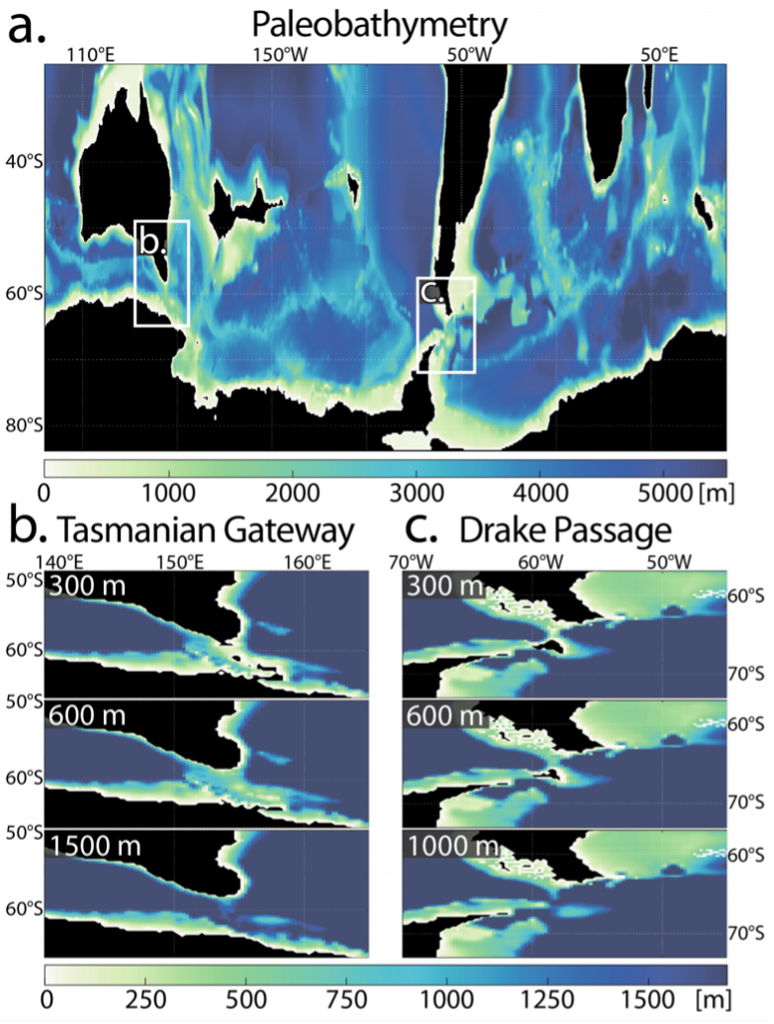
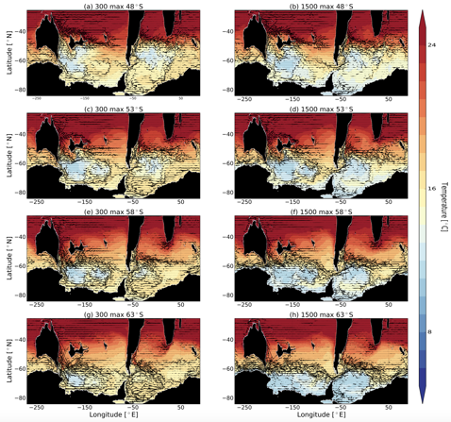
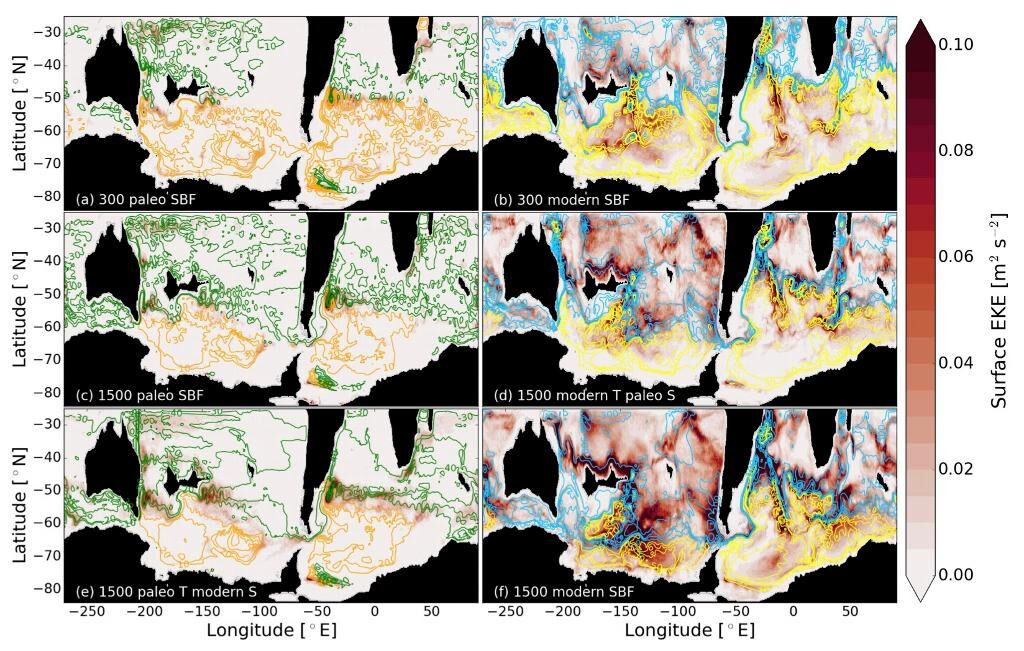
In this project, we used a combination of plate tectonic, solid Earth and oceanographic modelling constrained by marine datasets to understand how opening seaways controls the patterns and strength of major oceanographic currents. Using the Australian supercomputing infrastructure we ran models of past ocean circulation underpinned by plate tectonic reconstructions of the ancient seafloor and key seaways. The deepening of key Southern Ocean seaways, such as the Tasman and Drake Passage, were shown to play a key role in enabling ocean circulation in the Southern Hemisphere to change from regional gyres to circum-polar flow, around the time that icesheets expanded across Antarctica 34 million years ago. Models of ocean circulation also successfully investigated the role of wind strength and position on ancient Southern Ocean circulation.
Summary of the season 2022/23
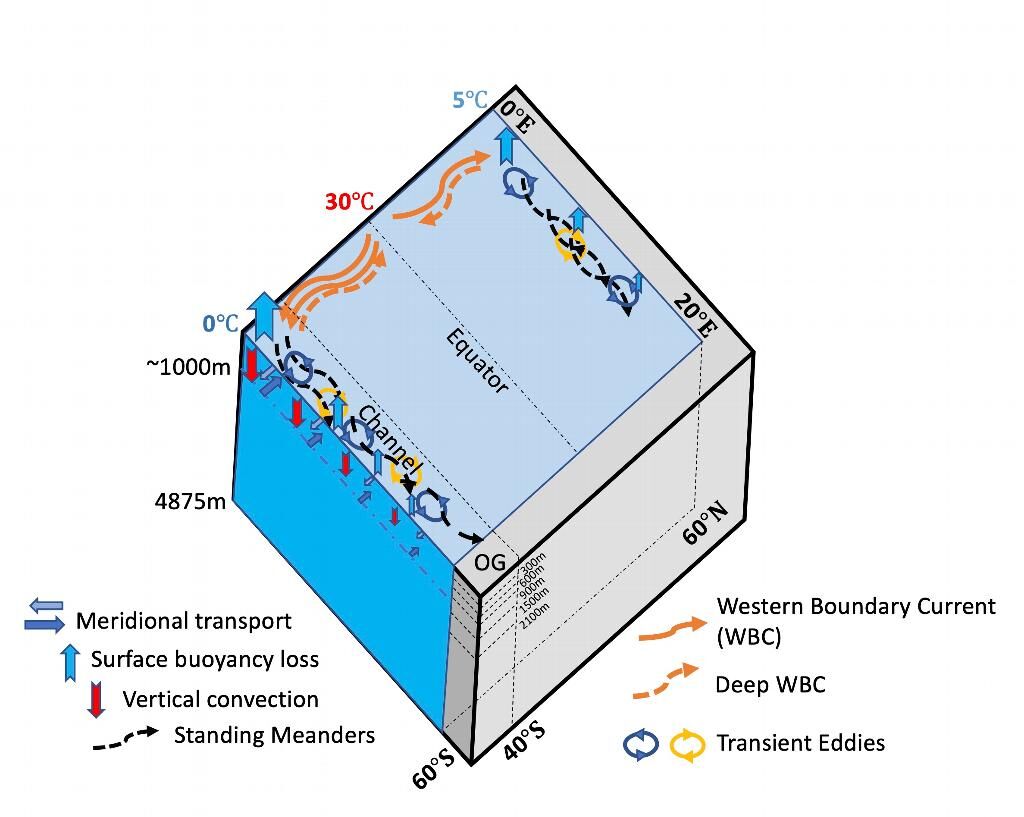
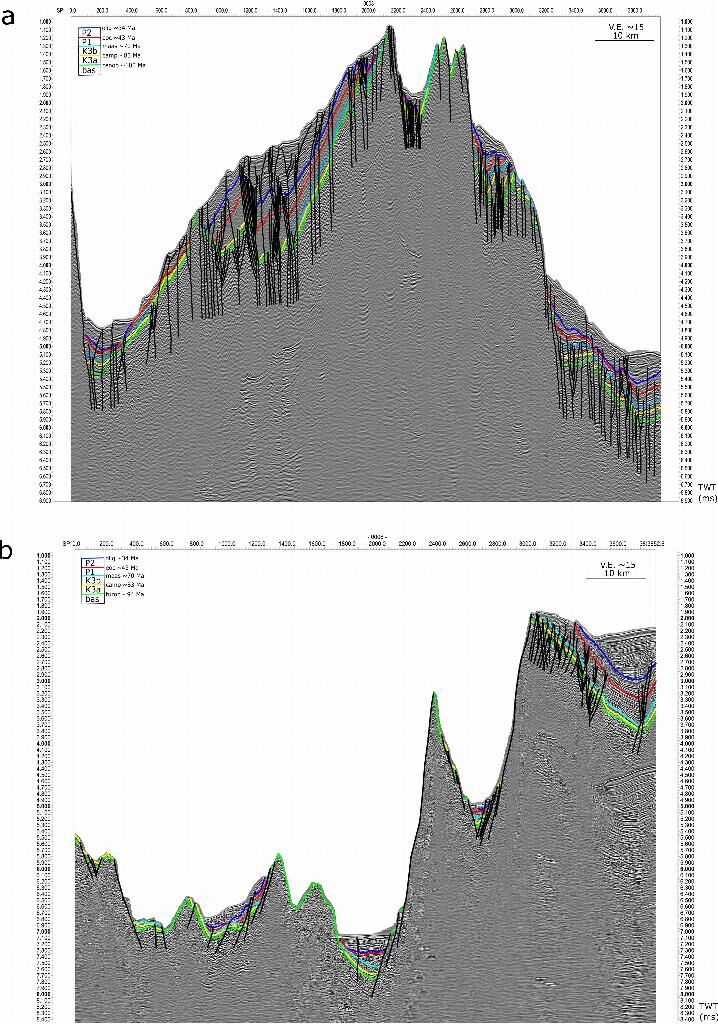
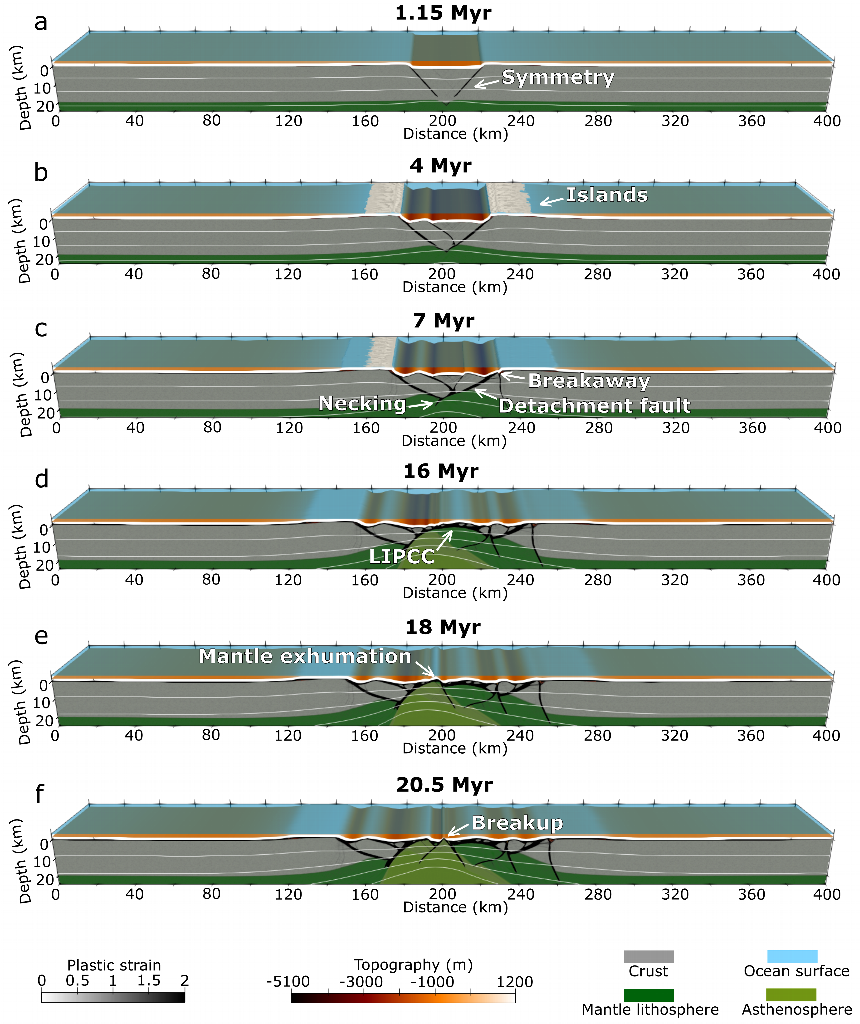
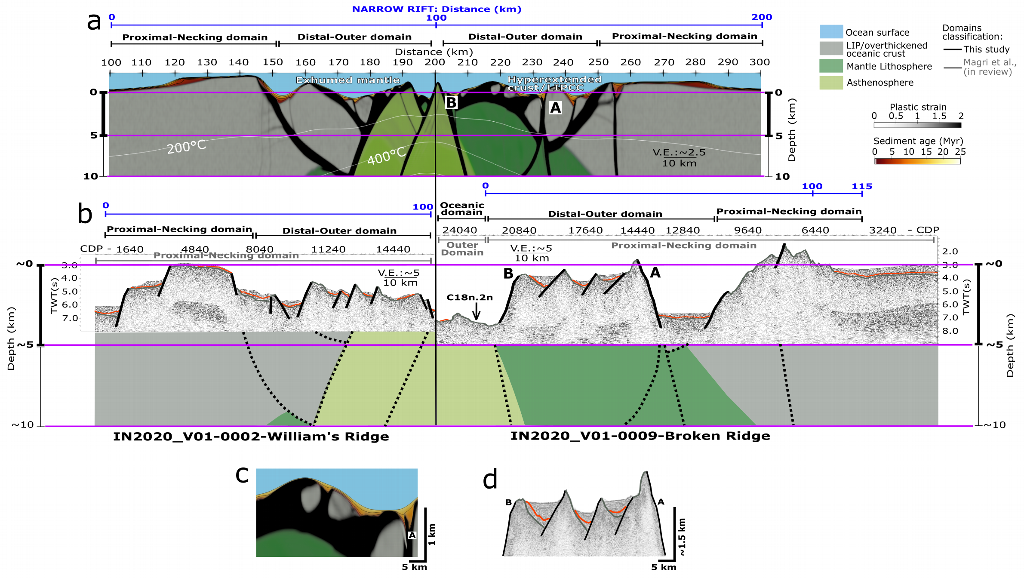
This project uses the Australian supercomputing infrastructure to run models of past ocean circulation and tectonic motions. Models of ocean circulation have been successfully run investigating the role of gateway depth, wind strength and position, and salinity on Southern Ocean circulation. Computer models have also been successfully run investigating how continents split apart to form ocean basins and have been compared against data collected in the Southern Ocean during 2020.