
Project information
Project aim
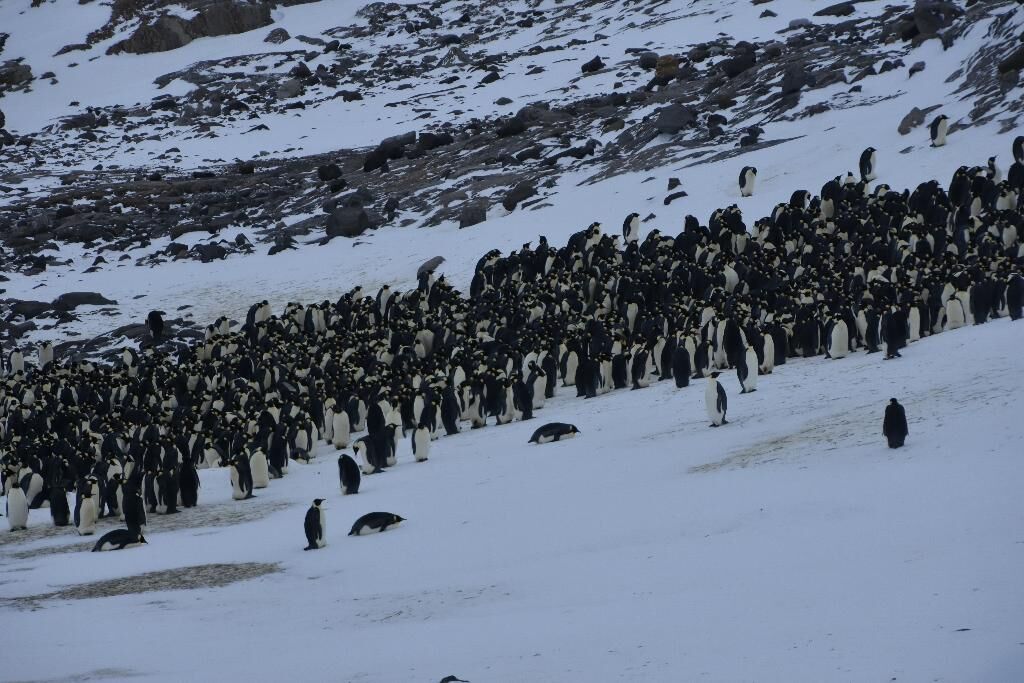
Different animals respond specifically to threats. This project will assess long term responses to environmental change and human activities in winter-breeding Emperor Penguins and summer breeding Southern Giant Petrels (SGPs). Emperor Penguins breed on landfast sea ice which is predicted to undergo substantial change in duration and extent in the coming decades threatening the continued existence of certain colonies. Summer-breeding SGPs are at the southernmost extreme of their distribution. They do not seem to be limited by breeding space or food. Other factors, perhaps temperature, may keep their populations small; the warming of Antarctica may make conditions more suitable for SGPs. All study colonies are Antarctic Specially Protected Areas (ASPAs). As human activities in Antarctica are increasing and environmental change is advancing, it is essential to examine whether ASPA Management Plans continue to achieve their objectives of safeguarding these living values.
Project milestones
Summary of the season 2024/25
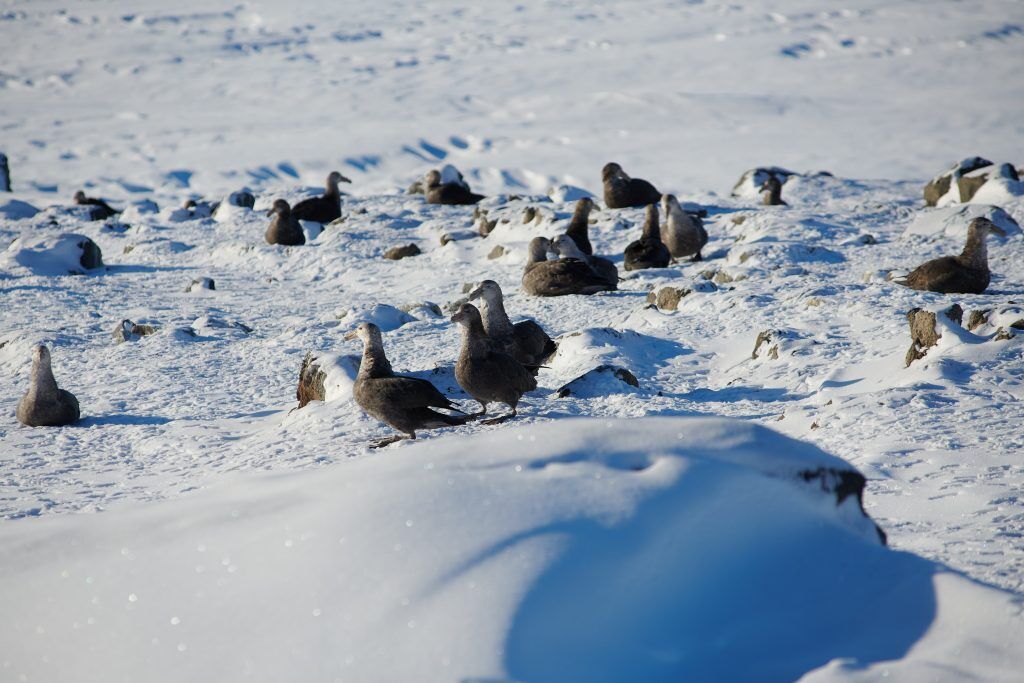
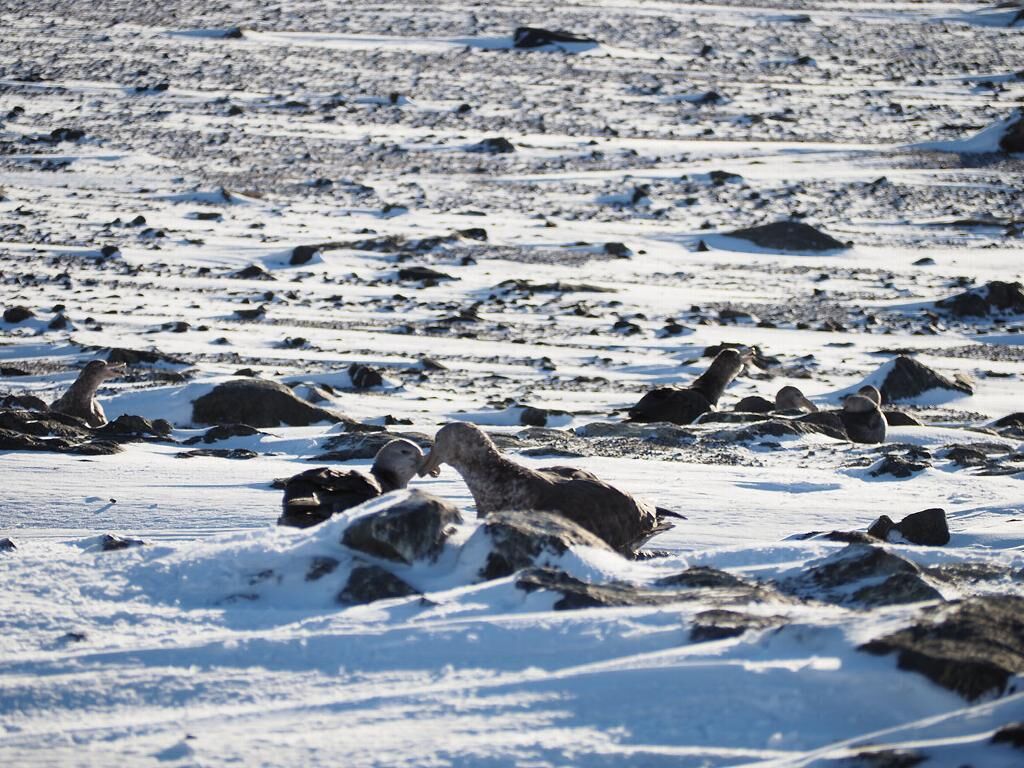
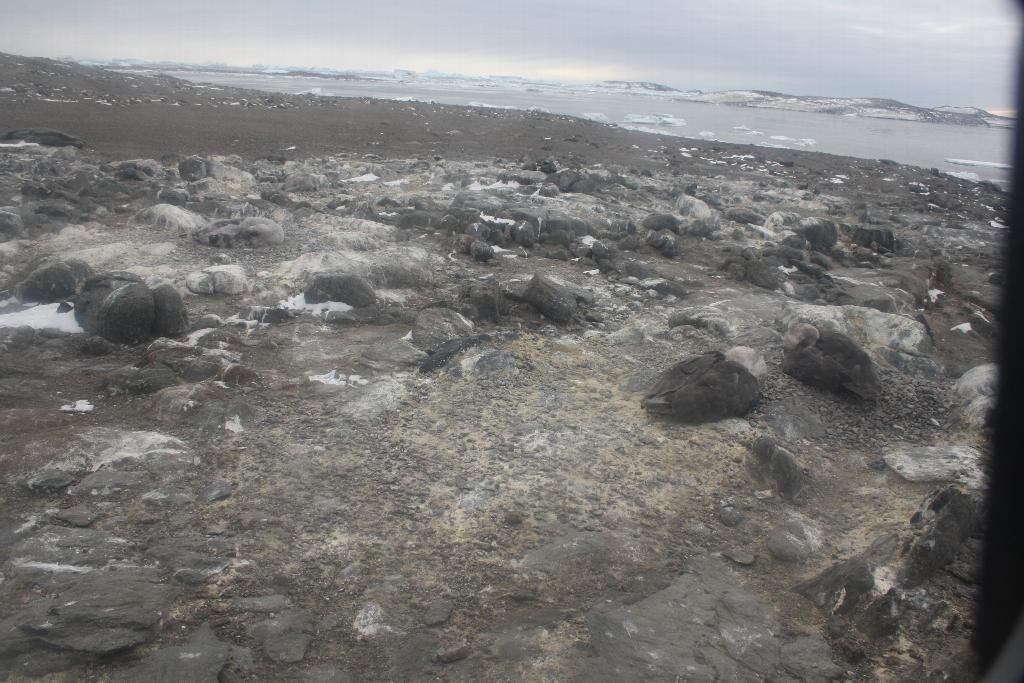
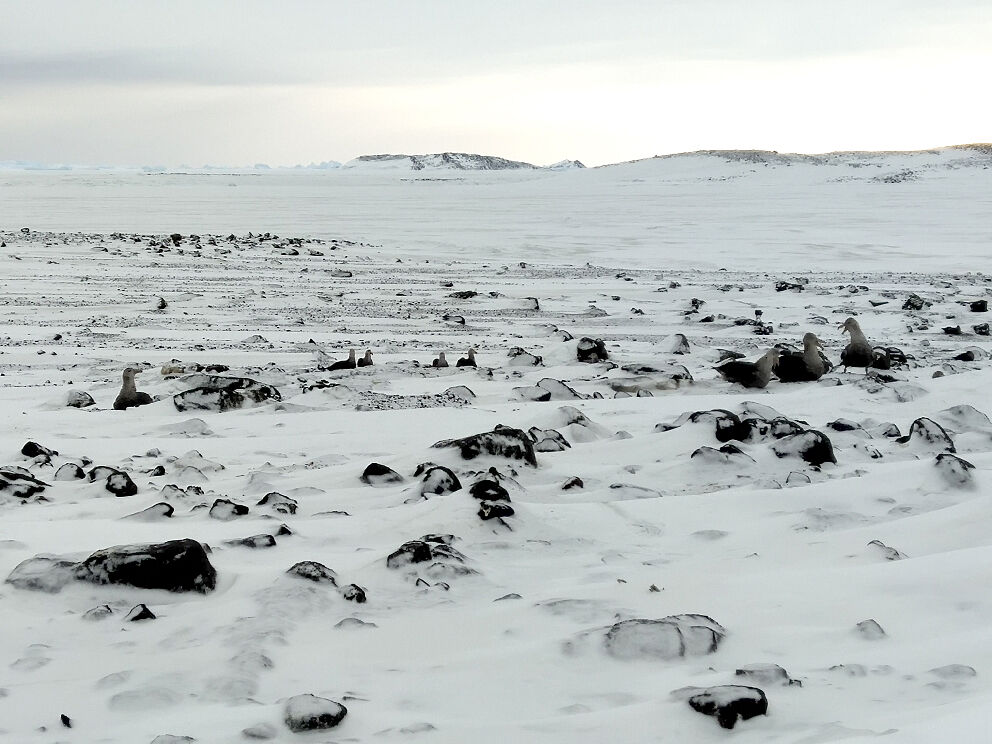
The monitoring continued of the population of southern giant petrels at Hawker Island (ASPA 167), near Davis Station. Hawker Island was visited on 2 August to service the automated cameras. The colony appears to be stable; around 40 nests were occupied.
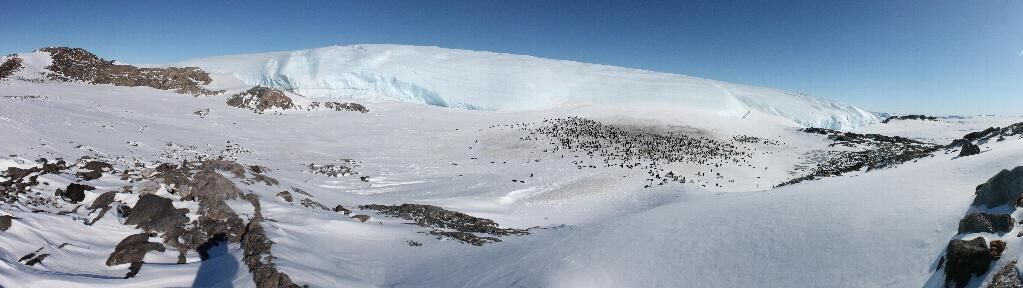
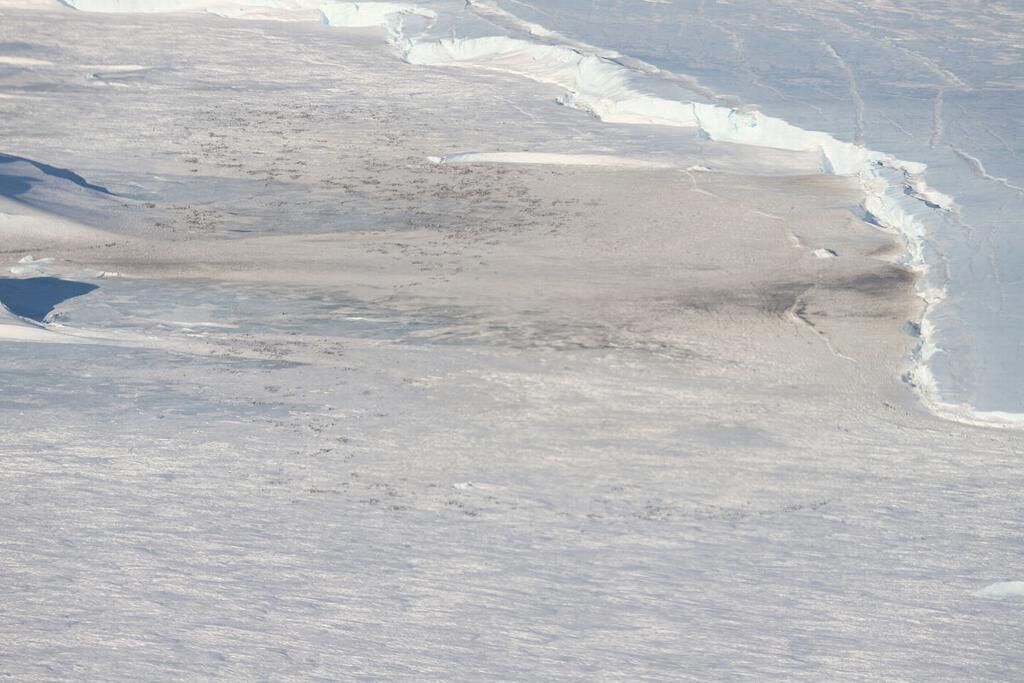
The census at the emperor penguin colony at Amanda Bay (ASPA 169), Prydz Bay, carried out on 28 October 2024, about a month earlier than in previous years. The colony was not as widely spread out as previously and chicks were more difficult to count. Approximately 15,600 chicks were counted. The colony was visited again on 7 November 2024 to download and service the automated cameras.
The usual winter visit to Taylor Glacier could not take place due to unfavourable sea-ice conditions that made it unsafe to travel. The first visit took place only on 6 September 2024, 11 weeks later than in previous years. Once female emperor penguins have returned to the colony an accurate population count is no longer possible.
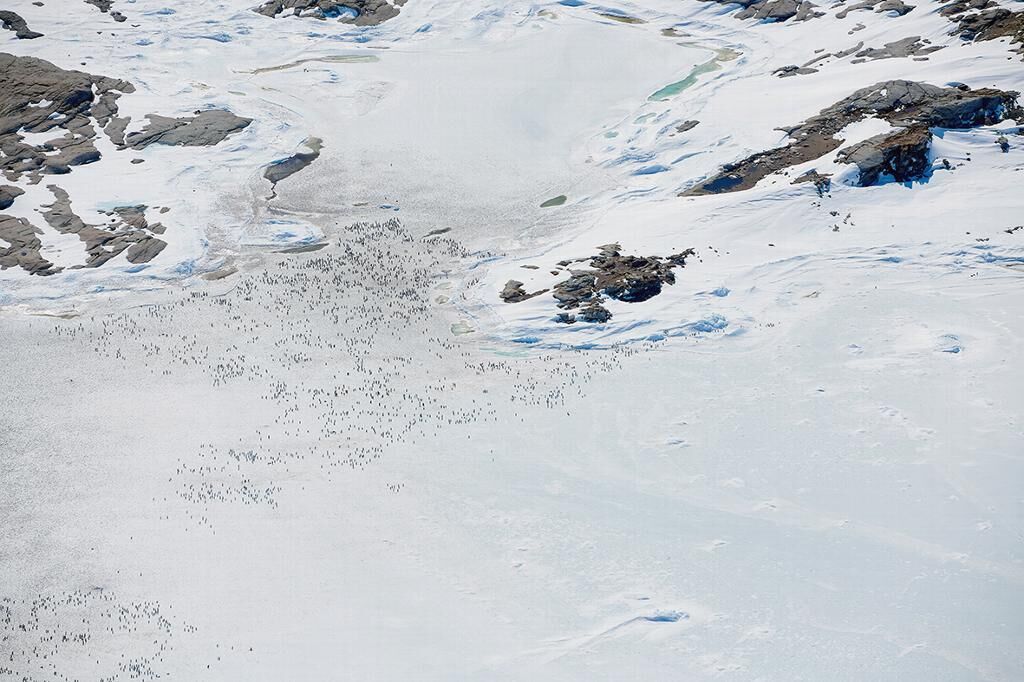
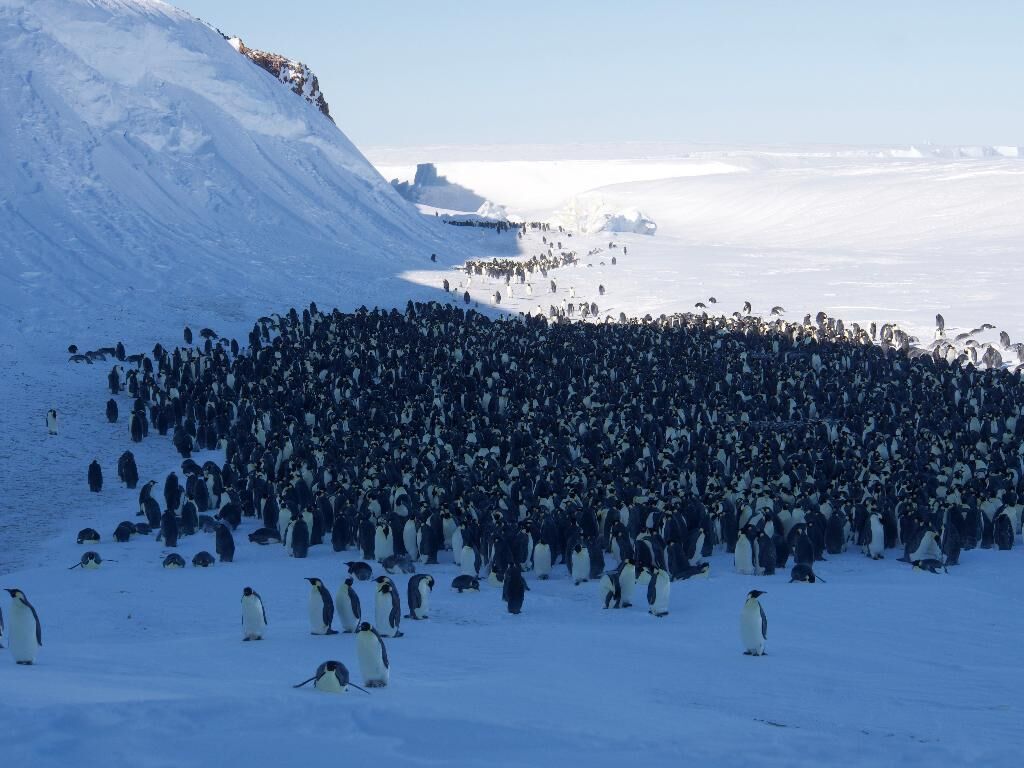
In mid-November, a second visit was made to Taylor Glacier to photograph the colony again for the annual census of chicks. This year, two teams accessed the ASPA. One of them took drone images of the entire colony. Some 2300 chicks were present. This was the highest count since 2006.
No other colonies were surveyed in the 2024/25 season.
The fleet of automated cameras is getting old and cameras stop working. Spare parts are limited.
Summary of the season 2023/24
The monitoring continued of the population of southern giant petrels at Hawker Island (ASPA 167), near Davis Station, and the population of emperor penguins at Taylor Glacier (ASPA 101), Mawson Coast. The emperor penguin colony at Amanda Bay (ASPA 169), Prydz Bay, was briefly visited on 9 March 2024 to download and service the automated cameras. At this time, the penguins were not there any more and no census could be undertaken. The fleet of automated cameras is getting old and cameras stop working. At Hawker Island, a faulty camera was taken back to station, repaired and re-deployed.
The usual winter visit to Taylor Glacier could not take place due to unfavourable sea-ice conditions that made it unsafe to travel. The first visit took place only on 10 August 2023, six weeks later than in previous years. At this time, female emperor penguins have returned to the colony and an accurate population count is no longer possible.
Summary of the season 2022/23
Similar to last season, many logistic challenges were encountered in the 2022/23 season. Therefore, we had adapt our project plan accordingly. Thanks to the support by people at Davis and Mawson stations, we managed to visit our main study colonies of emperor penguins and service and download the automated cameras. In addition, several emperor penguin colonies were photographed on the ground and from the air for census purposes. For some colonies, that potentially could have been reached, it was too late as the seaice had already broken out by the time aircraft became available. We also performed census work of Southern giant petrels near Davis station.
Summary of the season 2021/22
Due to many logistic challenges in the 2021/22 season, we had to re-assess what was achievable and adapt our project plan accordingly. Thanks to the tremendous support by people at Davis and Mawson stations, we managed to visit our main study colonies of emperor penguins and service and download the automated cameras. In addition, three emperor penguin colonies were photographed from the air for census purposes. We also performed census work of Southern giant petrels near Davis station.
Summary of the season 2020/21
Project 4564 continues to progress and achieve its goals. Due to the logistic and operational changes imposed on us by the COVID-19 crisis, one important part of the project (East Antarctica-wide census of emperor penguins) could not be achieved as aircraft were not available. Analyses of sea ice data, satellite images is progressing, as it the analysis of images of the automated cameras. Two Antarctic Specially Protected Areas were successfully visited to carry out annual census and camera maintenance work.
Summary of the season 2019/20
This project assesses the long term response to environmental change and human activities in winter-breeding emperor penguins and summer-breeding Southern giant petrels. In the 2019/20 season, two trips were successfully undertaken to census the emperor penguins at Taylor Rookery (ASPA 101); one trip was made to Amanda Bay (ASPA 169) to conduct an aerial survey of the colony of emperor penguins there. Two visits were made to Hawker Island (ASPA 167). The automated cameras at all three colonies worked generally well. Some maintenance was required.