
Project information
Project aim
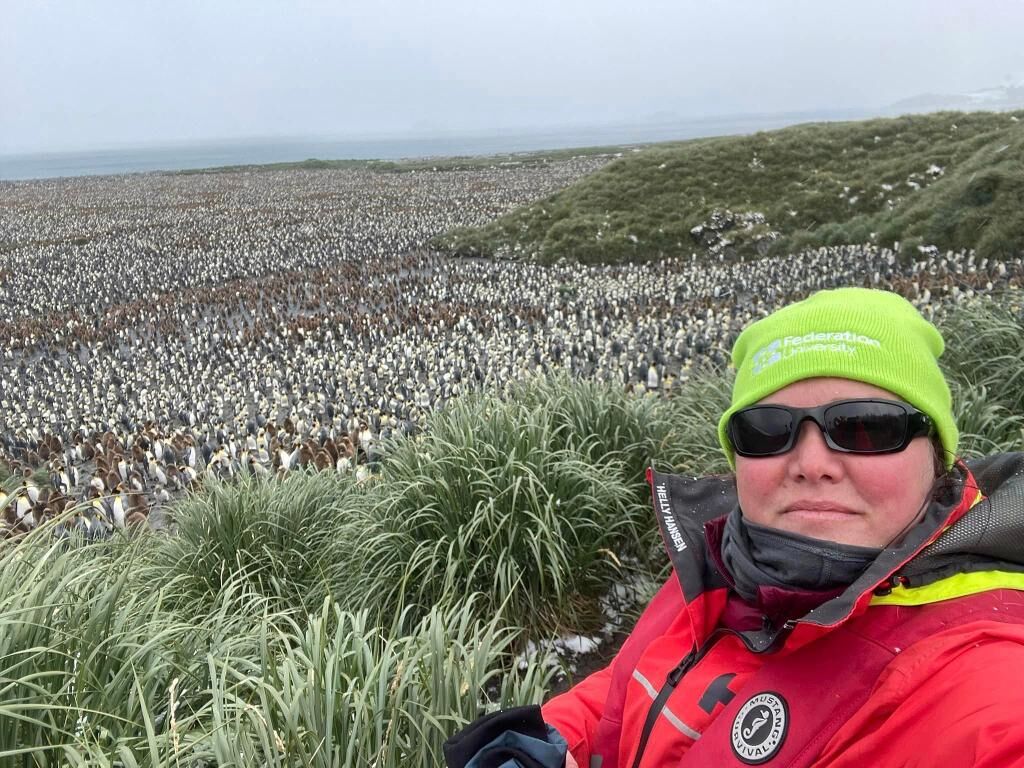
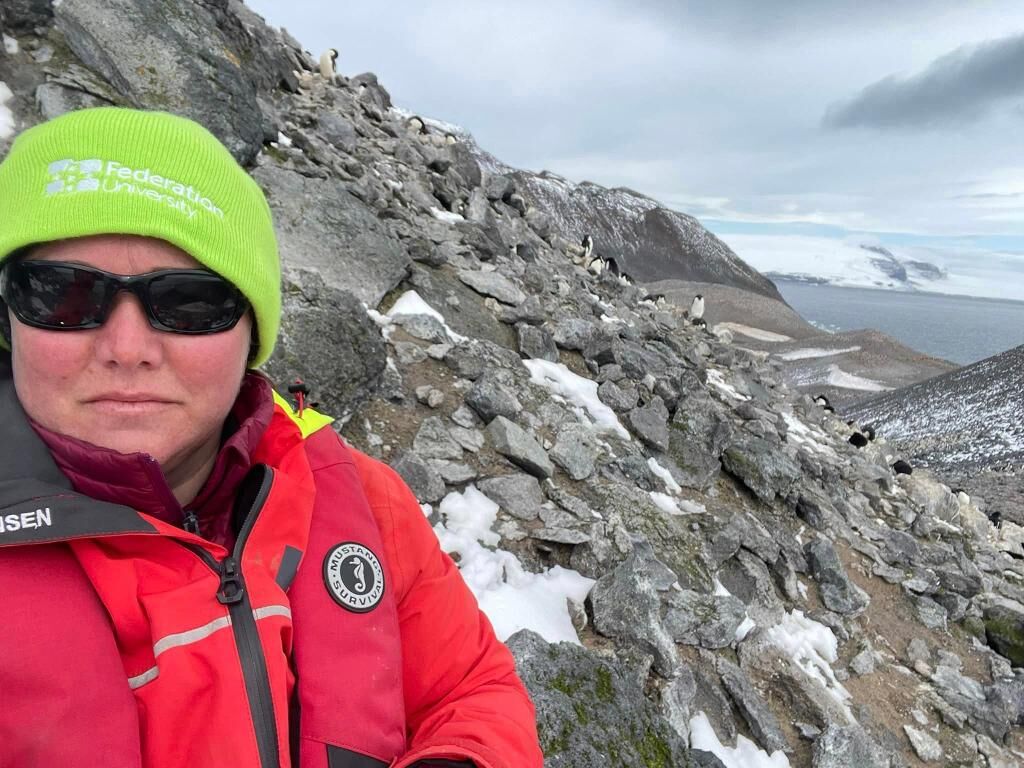
Infectious disease is one of the leading causes of mortality and morbidity in wildlife and humans worldwide. In Antarctica, increased human activity and climate change are having significant impacts of wildlife populations, increasing their susceptibility to pathogenic microorganisms and disease. Our knowledge on the microbial composition of Antarctic wildlife and the pathogenic organisms they harbour is scarce. This study will be the first long term study to provide insight into the structure and function of microbial communities of Antarctic seabirds, their diseases and the impact of pathogens on host physiology and life histories. In addition, this project will examine the zoonotic pathogens associated with seabirds that could pose significant disease risk to humans working in the Antarctic environment.
Project milestones
Summary of the project achievements 2023/24
This project has identified several pathogenic organisms in all seven seabird species studied. Many of the pathogens detected are known human pathogens that are known to occur in other avian species such as Campylobacter, Salmonella, Clostridium and Haemophilus influenzae are not thought to be pathogenic to birds. However, these are zoonotic organisms that could cause illness in humans and are therefore of interest to the medical team as this will assist in understanding potential infections researchers could be exposed to when working with wildlife. Of interest to seabird health is the presence of Avian Cholera, a bacterial pathogen that has been associated with mass mortality events in penguins and Albatrosses in the sub-Antarctic and Antarctic regions. This pathogen is present in most seabird species at low levels but were quite high in Adelie penguins at Casey Station in 2013 and 2014, however no mass mortality events were observed. However, this pathogen is thought to be opportunistic. This is the first time; this pathogen has been detected in East Antarctica. A range of other important seabird pathogens were also detected during the study.
Summary of the season 2022/23
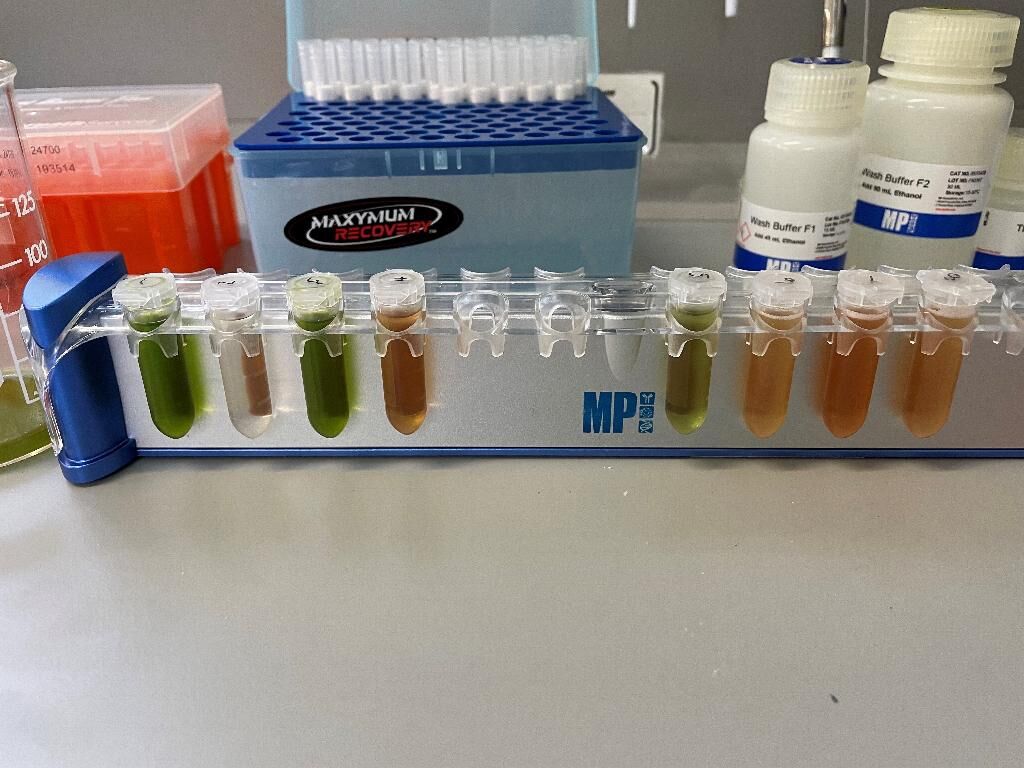
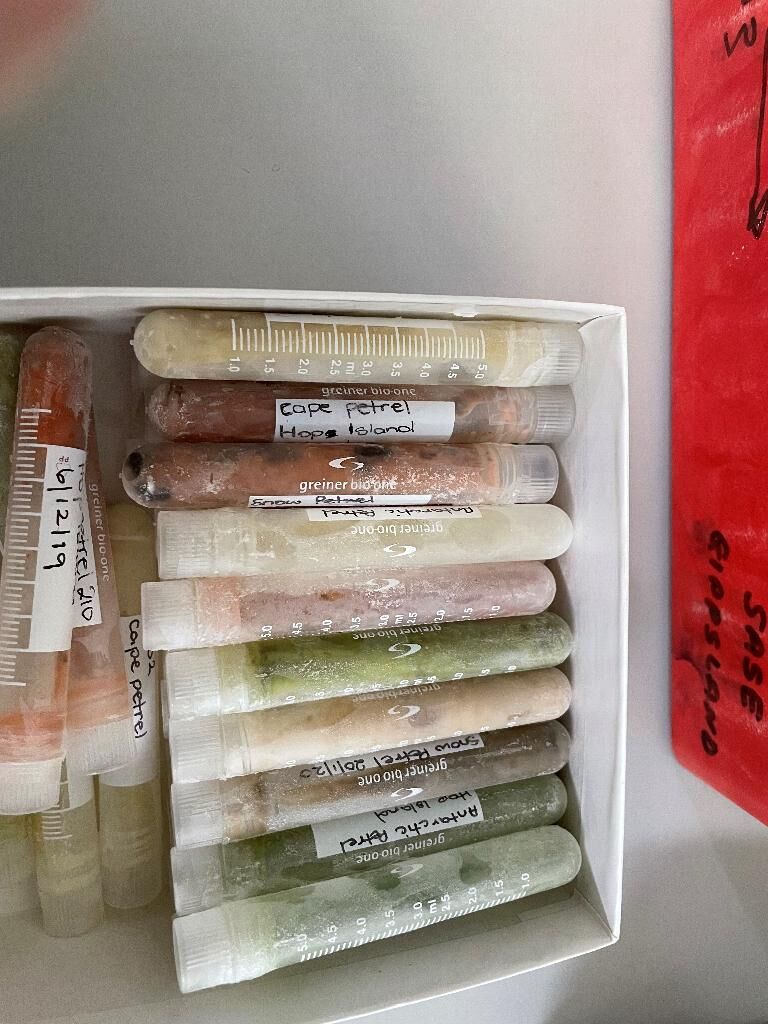
In Antarctica, increased human activity and climate change are having significant impacts of wildlife populations, increasing their susceptibility to pathogenic microorganisms and disease. This study will be the first long term study to provide insight into the structure and function of microbial communities of Antarctic seabirds. DNA from all samples collected between 2018 - 2023 from all species and historical samples from Emperor and Adelie penguins have been completed. Extractions for Emperor and Adelie penguins and Skuas, have been highly successful with less than 10% fail rate (DNA quantity too low for sequencing). Unfortunately, the extractions from recent Cape and Snow Petrels have not been very successful (over 90% fail rate) with further optimisation of extraction methods currently underway. The first batch of samples will be sent for sequencing in July 2023, with the remainder of the extractions to be completed by Mid-August 2023 and sent for sequencing.
Summary of the season 2021/22
This project has faced significant delays in 2021, due to COVID-19 lockdowns, border closures and restricted field seasons, restricting sample collection opportunities for "current" samples, sub-aliquoting of historical samples and laboratory work. Following the easing of restrictions in Melbourne and Tasmania in 2022, laboratory work has resumed with DNA extractions of historical and some "present day" samples collected during 2019-20 season. Limited sample collection also resumed in 2021-22 for Adelie and Skua samples. Success of extractions has varied between species and sample preservation methods (ethanol vs DNA/RNA shield). Modification of DNA extraction protocols have been made to improve DNA quantity and quality.
Summary of the season 2020/21
Laboratory work on this project has been delayed due to COVID-19 outbreaks in Melbourne and the closure of all laboratory space during 2020 and early 2021. Laboratory access was reinstated in early February 2021. Since February 2021, the team have been working on DNA extraction methods for the project.
Summary of the season 2019/20
The approved data management plan has been submitted and accepted. Samples from the 2019/2020 season have been collected and are currently stored at the Australian Antarctic Division.