
Project information
Project aim
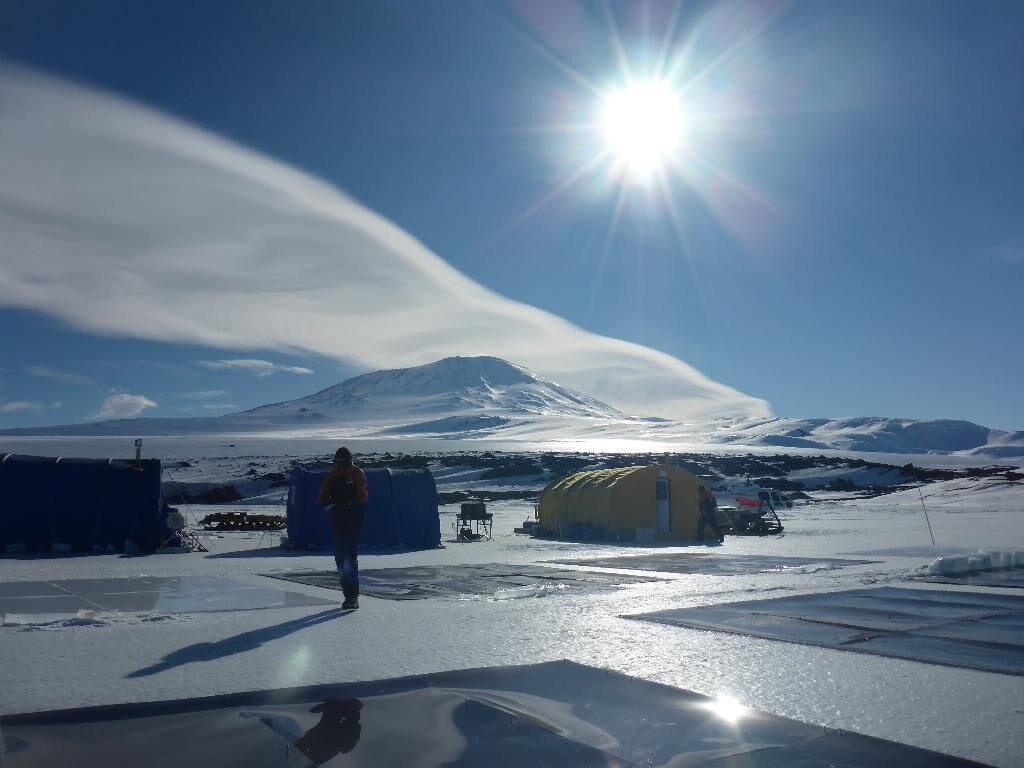
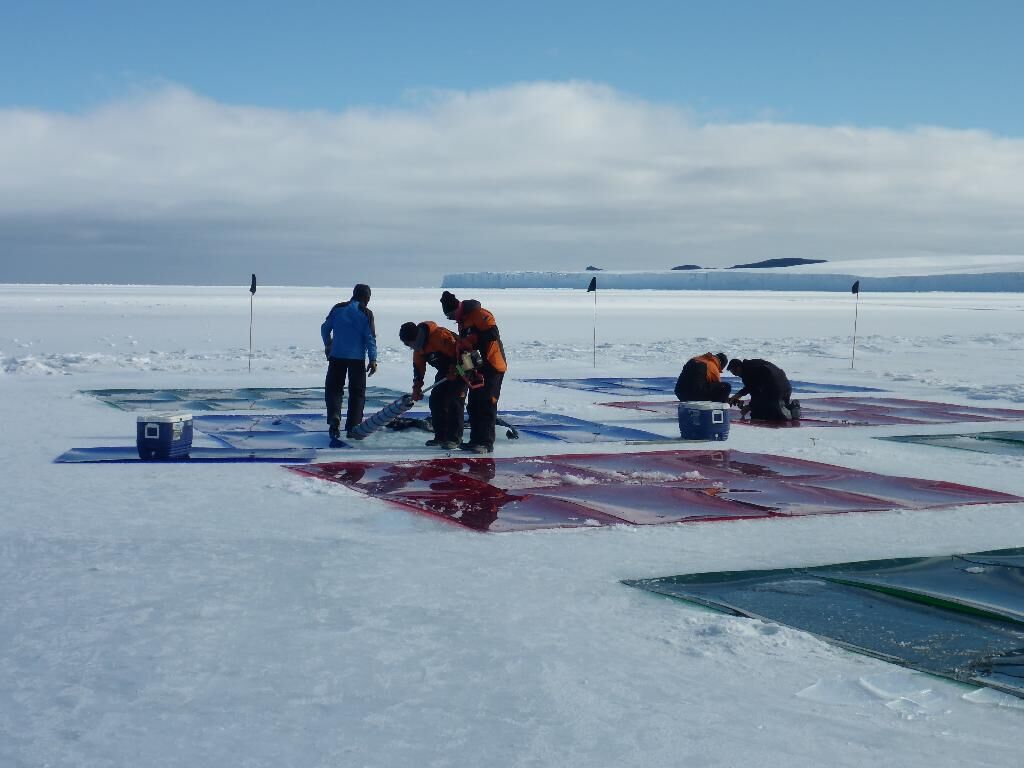
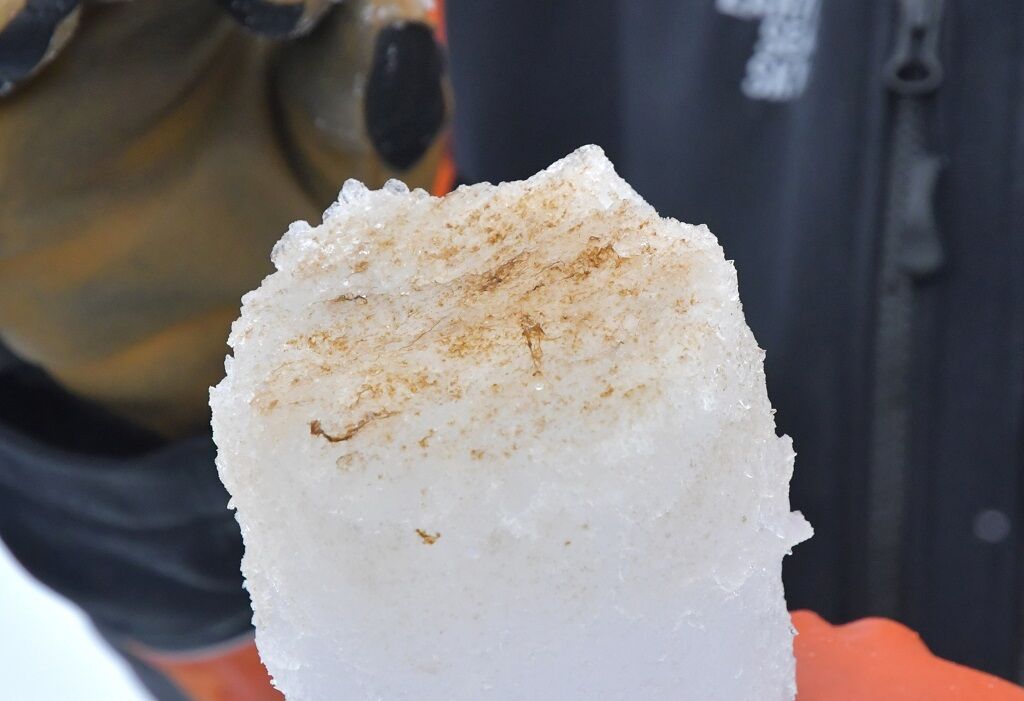
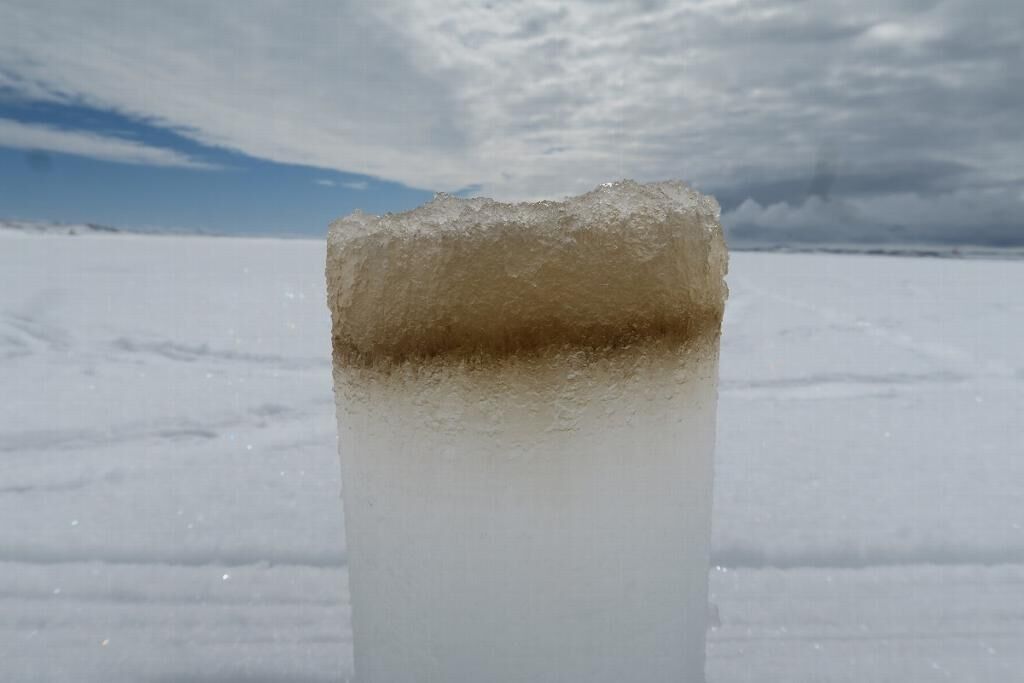
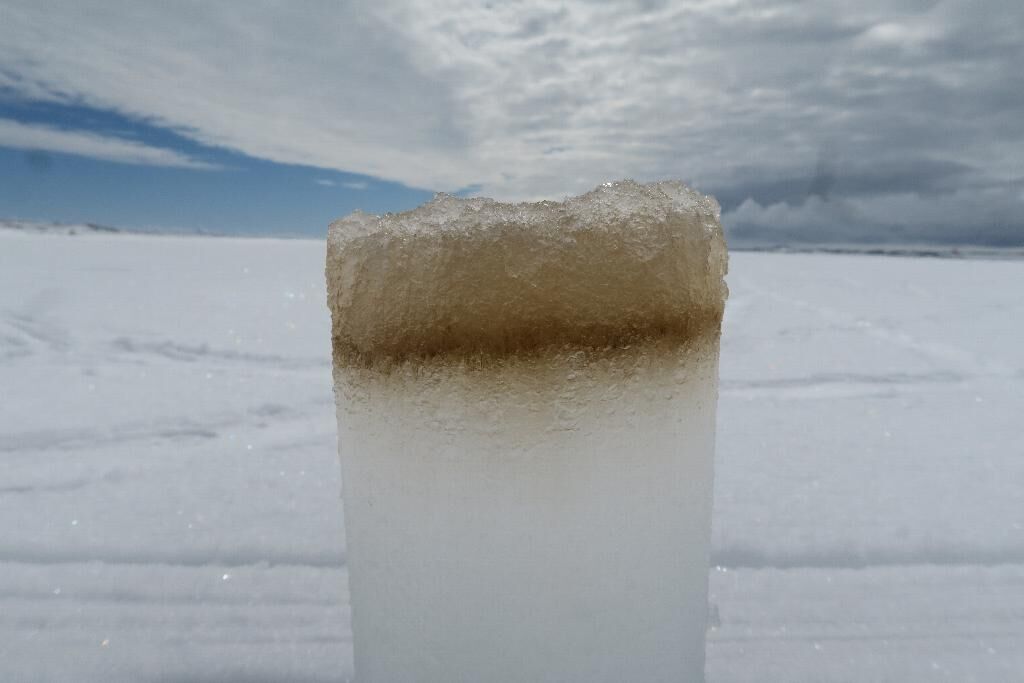
Landfast sea ice (fast ice) is a key feature of the East Antarctic coastal zone. It is a sensitive indicator and modulator of Antarctic climate processes, and serves as a structuring component of Antarctic marine ecosystems. This multi-disciplinary project will improve the observational record for Antarctic fast ice physical, chemical and biological properties and processes. By combining over-winter measurements from automated observatories with in-situ sampling during a springtime process study, the project will provide a benchmark dataset of coupled sea ice physical-chemical-biological processes. The project promises a step-change in understanding the role of fast-ice physical processes in determining the onset of the spring ice-algae bloom, with a particular focus on snow-thickness effects on ice-algae bloom phenology. The data acquired will also be used to validate satellite remote sensing ice-thickness products and to evaluate sea-ice biogeochemical model parameterisations.
Project milestones
Summary of the season 2024/25
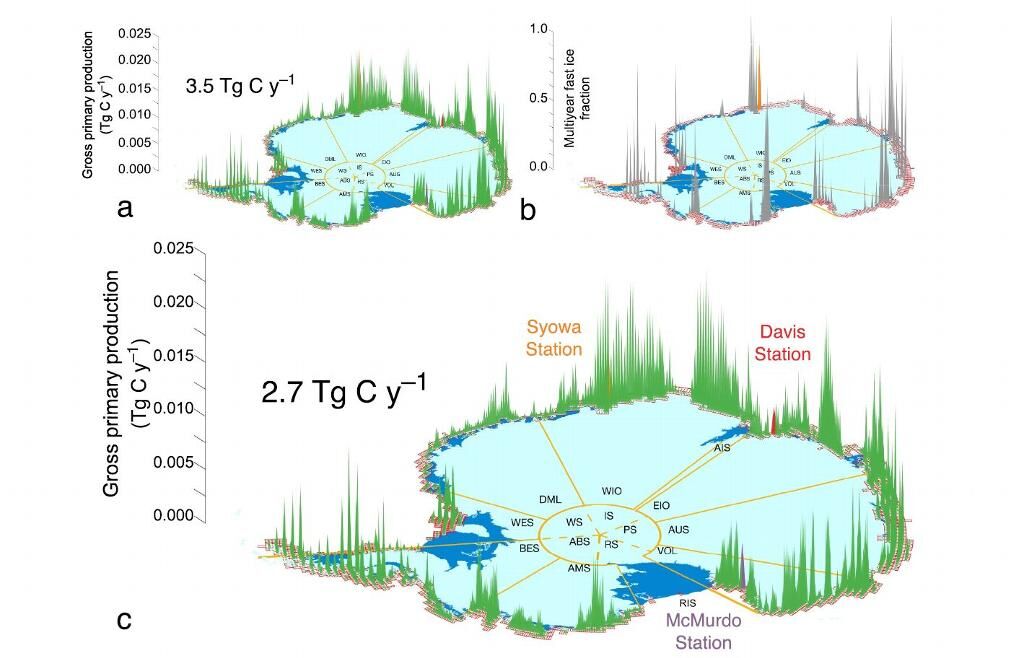
Landfast sea ice (fast ice) is immobile sea ice, anchored either to coasts or continental ice formations or grounded over shoals. It is an indicator of Antarctic climate processes and serves as a structuring element in Antarctic marine ecosystems. This multi-disciplinary project is aimed at collecting observations of coupled physical-chemical-biological sea-ice processes and properties to inform the development and validation of sea-ice biogeochemical models. Due to logistical constraints over the last years the project team has been unable to conduct the planned fieldwork in East Antarctica (at Davis or Mawson stations) but has prepared for potential fieldwork in upcoming field seasons (also potentially contributing to the international Antarctica InSync initiative). The desktop component of the project, i.e., the development of a biogeochemical sea-ice model to estimate circum-Antarctic landfast-ice algal primary production has now been completed and published. The project team has also contributed to a major international compilation of Antarctic fast ice biogeochemical/nutrient data and has conducted Australia-based experiments on nutrient (iron) release from sea ice particulate matter. These efforts have significantly improved understanding of physical and chemical drivers of the temporal development and spatial distribution of Antarctic landfast ice algal communities and associated biogeochemical processes. Ice algae communities provide a key early-season food source for a variety of organisms inhabiting Antarctic coastal marine habitats. Outputs from this project will therefore help to better understand the vulnerability of Antarctic marine ecosystems to changing sea-ice conditions, including impacts of recently observed record minima in Antarctic landfast sea ice extent.
Summary of the season 2023/24
Landfast sea ice is a key feature of the East Antarctic coastal zone. It is a sensitive indicator and modulator of Antarctic climate processes and serves as a structuring component of Antarctic marine ecosystems. This multi-disciplinary project is aimed at collecting observations of coupled physical-chemical-biological sea-ice processes and properties to inform the development and validation of sea-ice biogeochemical models. Due to logistical constraints the project team has been unable to conduct planned fieldwork in East Antarctica, but has prepared for potential fieldwork in upcoming field seasons. The desktop component, i.e., the development of a biogeochemical sea-ice model to estimate circum-Antarctic landfast-ice algal primary production has been completed. The project team has also contributed to a major review article on Antarctic fast ice and has supported an international compilation and analyses of historical landfast sea ice biogeochemical/nutrient data. These efforts have significantly improved understanding of physical and chemical drivers of the temporal development and spatial distribution of Antarctic landfast ice algal communities. These communities provide a key early-season food source for a variety of organisms inhabiting Antarctic coastal marine habitats. Outputs from this project will therefore help to better understand the vulnerability of Antarctic marine ecosystems to changing sea-ice conditions.
Summary of the season 2022/23
Landfast sea ice is a key feature of the East Antarctic coastal zone. It is a sensitive indicator and modulator of Antarctic climate processes, and serves as a structuring component of Antarctic marine ecosystems. This multi-disciplinary project is aimed at collecting benchmark observations of physical, chemical and biological sea-ice properties and processes to improve and validate sea-ice biogeochemical models. Due to the pandemic and logistical constraints the project team has been unable to conduct planned field work in East Antarctica but has prepared for potential field work in the upcoming 2023/24 season. The numerical project component, i.e., tuning a biogeochemical sea-ice model to estimate fast-ice algae primary production has been completed. The project team has also contributed to an international effort to compile and analyse existing landfast sea ice biogeochemical data. By combining results from these efforts with new field-data, the project promises significantly improved understanding of physical and chemical drivers of the temporal development and spatial distribution of Antarctic landfast ice algal communities.
Summary of the season 2021/22
Landfast sea ice is a key feature of the East Antarctic coastal zone. It is a sensitive indicator and modulator of Antarctic climate processes, and serves as a structuring component of Antarctic marine ecosystems. This multi-disciplinary project is aimed at collecting benchmark observations of physical, chemical and biological sea-ice properties and processes to improve and validate sea-ice biogeochemical models. Due to the COVID pandemic the project team has been unable to conduct planned fieldwork in East Antarctica, but has prepared for potential fieldwork in the upcoming 2022/23 season. The numerical project component, i.e., tuning a biogeochemical sea-ice model to estimate fast-ice algae primary production, has been progressed well. Upon completion, the project promises significantly improved understanding of the role of fast-ice physical processes in determining the onset and dynamics of the spring ice-algae bloom.
Summary of the season 2020/21
Landfast sea ice (fast ice) is a key feature of the Antarctic coastal zone. It is an indicator and modulator of Antarctic climate processes, and serves as a structuring component of Antarctic marine ecosystems. This multi-disciplinary project is aimed at improving the observational record for Antarctic fast ice physical, chemical and biological properties and processes. By combining over-winter measurements from automated observatories with in-situ sampling during a springtime process study, the project will provide a benchmark dataset of coupled sea ice physical-chemical-biological processes. During the first project year, project personnel participated in New Zealand-led fieldwork and tested deployment methods for novel under-ice sensors. Deployment of these sensors, followed by an intensive sampling campaign off Davis Research Station was planned for the second project year, but deferred by one year due to the COVID-19 pandemic. We used the last 12 months to support the New Zealand team in their data analyses and progressed the development of a one-dimensional biogeochemical sea ice model to estimate fast ice algal productivity. We anticipate to be able to deploy the sensor arrays off an Australian research station (Davis or Mawson) and conduct the linked field-work in the near future (once stations will be accessible again for project personnel). The planned observations will provide important baseline data to i) understand the sea-ice algae seasonal development, ii) validate satellite remote sensing ice-thickness products, and iii) evaluate the biogeochemical sea ice model. These novel data are key to better assess and predict climate change impacts on coastal Antarctic sea-ice covered ecosystems, and contribute to research carried out as part of the Australian Antarctic Program Partnership.
Summary of the season 2019/20
Landfast sea ice (fast ice) is a key feature of the Antarctic coastal zone. It is a sensitive indicator and modulator of Antarctic climate processes, and serves as a structuring component of Antarctic marine ecosystems. This multi-disciplinary project is aimed at improving the observational record for Antarctic fast ice physical, chemical and biological properties and processes. By combining over-winter measurements from automated observatories with in-situ sampling during a springtime process study, the project will provide a benchmark dataset of coupled sea ice physical-chemical-biological processes. During the first project year, researchers participated in New Zealand-led fieldwork and tested deployment methods for novel under-ice sensors. These sensor-arrays will be deployed off an Australian research station (Davis or Mawson) in the future (once stations will be accessible again for project personnel) and will provide important data to i) understand sea-ice algae seasonal development, ii) validate satellite remote sensing ice-thickness products, and iii) evaluate sea-ice biogeochemical model parameterisations. The novel data are key to better assess and predict climate change impacts on Antarctic coastal ice-covered ecosystems, and contribute to research carried out as part of the Australian Antarctic Program Partnership.
Related publications
-
Characteristics and Variability of Precipitation Across Different Sectors of an Extra-Tropical Cyclone: A Case Study Over the High-Latitudes of the Southern Ocean. Journal of Geophysical Research: Atmospheres, 2023
(Ref: 17138)
Category 1: Peer-reviewed literature
Shipborne observations from the CAPRICORN-2018 field campaign were used to investigate the characteristics and variability of precipitation across different sectors of an extra-tropical cyclone on 16 February 2018, over the Southern Ocean (SO). Three distinct time periods—frontal, post-frontal…