
Project information
Project aim
A key component of ecosystem monitoring programs that aim to support the maintenance of biodiversity and ecosystem function is sound knowledge of species composition and food web linkages. This information provides a foundation for assessing ecosystem changes and can allow causal links to be clarified (e.g. interactions between marine predators and fishery resources). This project will develop a marine ecosystem monitoring framework using top predator scat DNA to assess species biodiversity in the Subantarctic. By simultaneously studying the diet of a range of predators, we will resolve food web linkages and investigate the use of quantitative models integrating DNA sequence datasets. Through the collection of baseline dietary data and new robust dietary information, we will provide a sound foundation for future monitoring programs to measure changes in species diversity and identify species that may be at risk from fishery engagement.
Project milestones
Summary of the season 2021/22
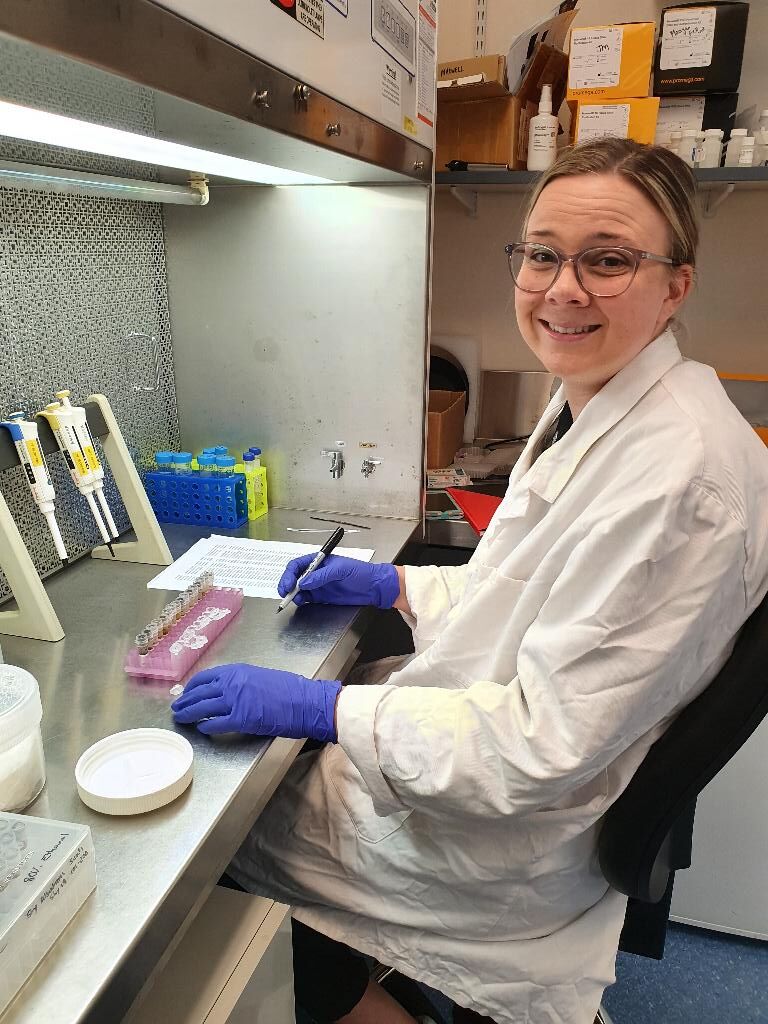
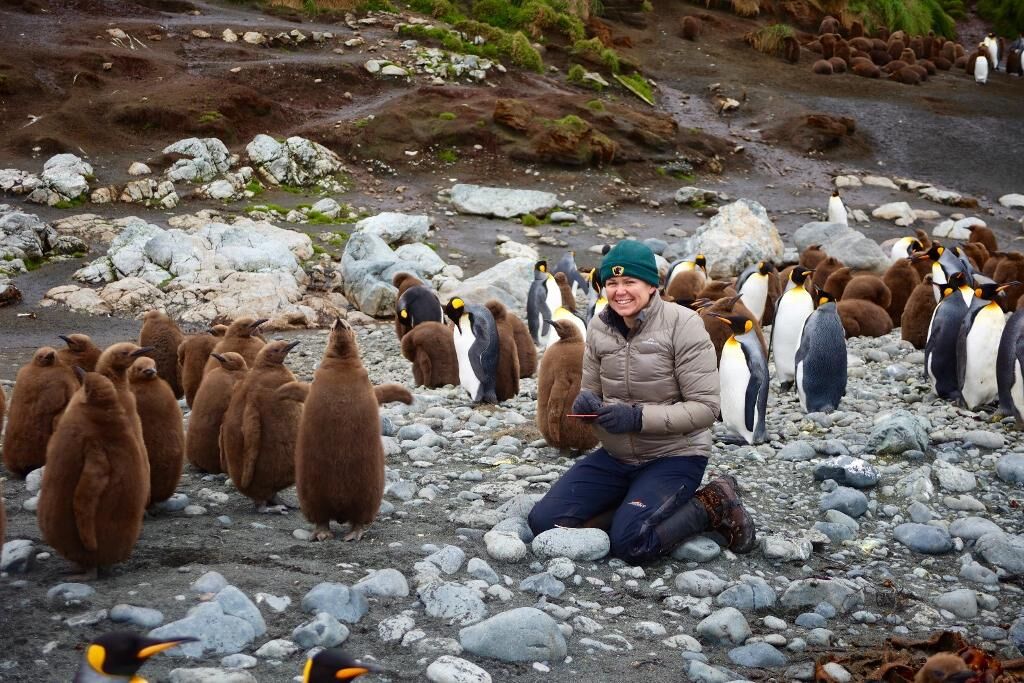
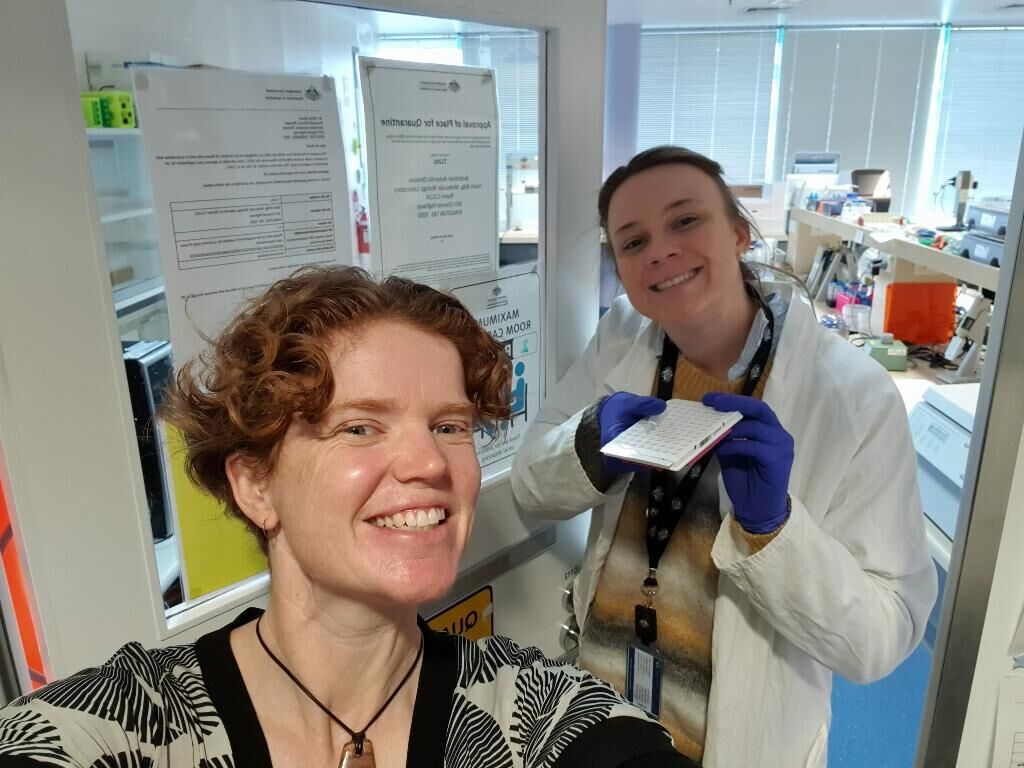
During 2021/22, we were able to collect a full season of samples from Macquarie Island to test the development and implementation of the monitoring framework. A total of 460 samples were collected from eight species during Jan/Feb and another 645 from monthly sampling of two species throughout 2021 to identify changes to the prey base. Back in Hobart, we have finalised the development of a suite of genetic markers to identify prey in vertebrate diets in the Southern Ocean without amplifying predator DNA (bird and mammal). We now have good genetic markers and database for fish, cephalopods and krill, and have developed clamps that block the amplification of predator DNA. We have analysed existing dietary data from a range of predators and have our first insights into recent trophic ecology of Macquarie Island vertebrates.
Summary of the season 2020/21
During 2020/21 we focused on the core genetic development work that underpins this research project to develop an ecosystem monitoring framework using vertebrate scats. We have developed a database of Southern Ocean fish and cephalopod genetic sequences that we have used to develop molecular markers to identify these animals. In conjunction with krill, these taxa are the primary prey for Subantarctic vertebrates and a detailed sequence reference library is essential for identifying prey in the predator scats. DNA from all scat samples collected in 2019/20 have been extracted and the first dietary data is currently being investigated with these newly developed markers. This year we have also investigated the best way to incorporate DNA dietary datasets into food-web networks using existing datasets. These networks will be applied to the multi-species Macquarie Island diet study. Due to limited access to Macquarie Island in 2020, we were unable to collect samples over summer, but hope to achieve a full sampling season in 2021/22.
Summary of the season 2019/20
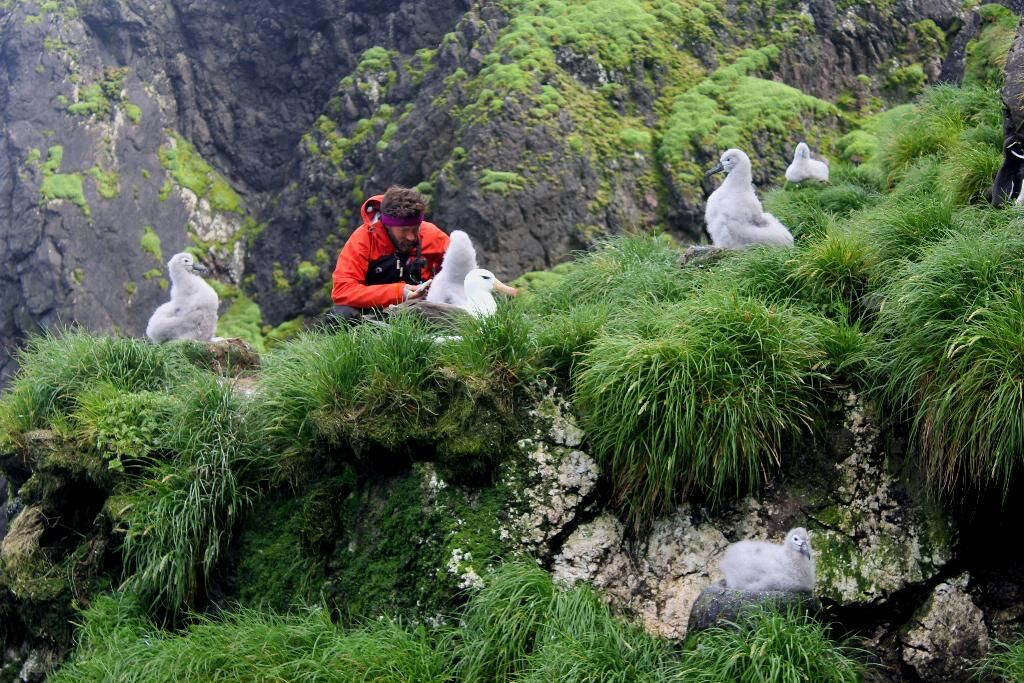
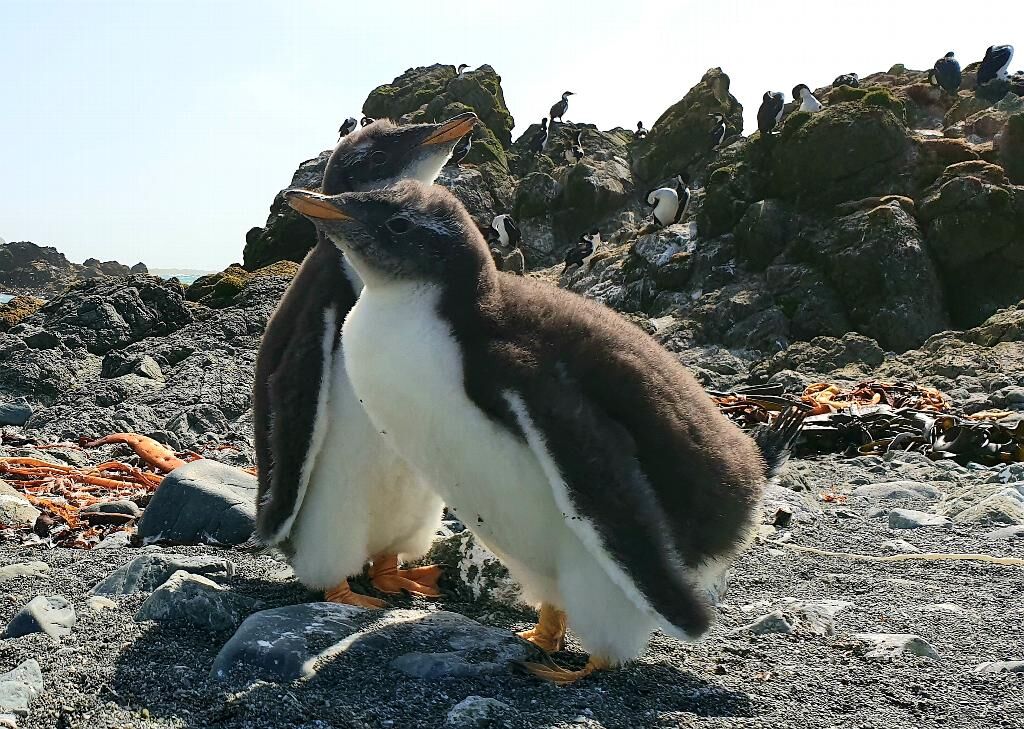
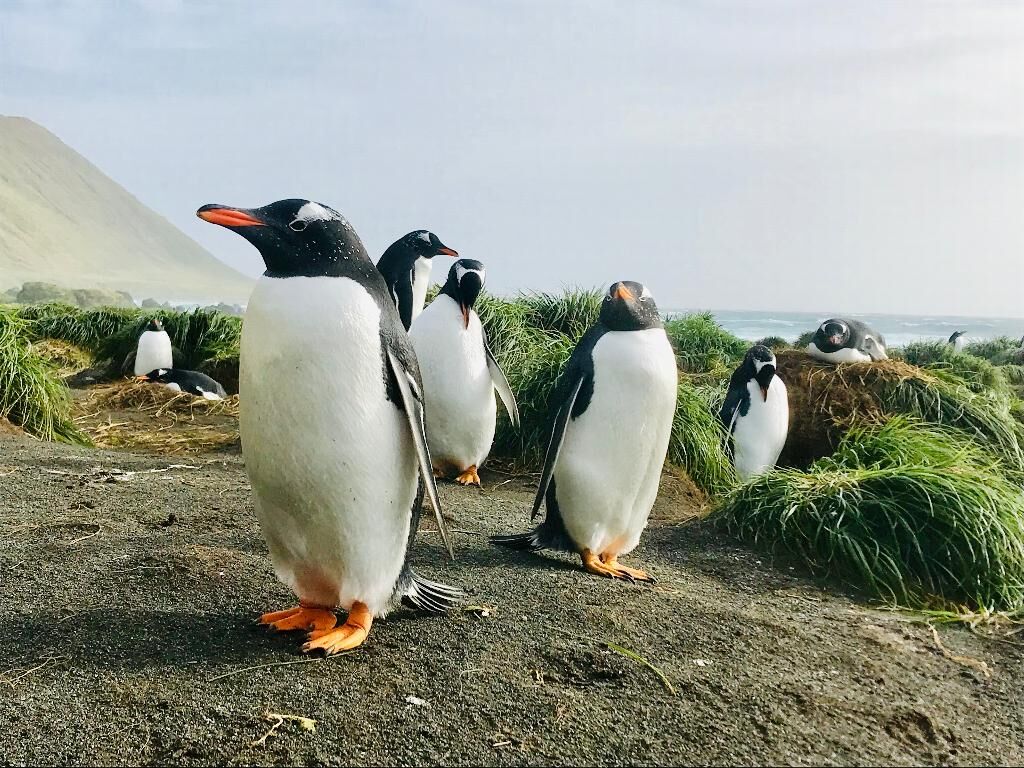
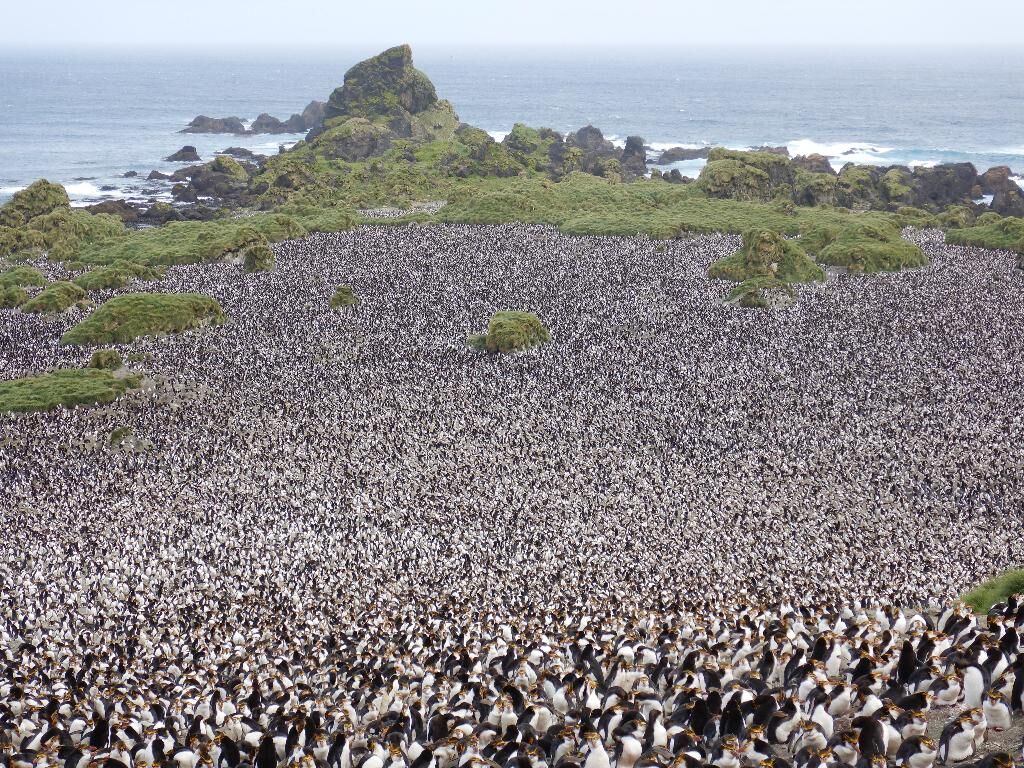
Early 2020 marked the commencement of this Subantarctic ecosystem monitoring project. The initial component of this work focused on the collection of scat samples from a number of vertebrate species breeding on Macquarie Island. These collections were carried out in collaboration with the Tasmanian Parks and Wildlife Service during their annual wildlife monitoring programs. Due to a short field season, sampling was focused primarily on the three summer-breeding penguin species (royal, Gentoo and rockhopper penguins) and species the predominately forage close to the island (fur seals, cormorants and black-browed albatross). Where possible, sampling was carried out at multiple breeding sites for each species to provide information on spatial variation in diet. These samples will provide a foundation to investigate food-web linkages for some of the most numerous vertebrate species around Macquarie Island.
Related publications
-
Theibot, JB and McInnes, JC (2020) Why do marine endotherms eat gelatinous prey? ICES Journal of Marine Science, 2020
(Ref: 16397)
Authors:Category 1: Peer-reviewed literature
-
Trends in gentoo penguin (Pygoscelis papua) breeding population size at Macquarie Island Polar Biology, 2020
(Ref: 16398)
Category 1: Peer-reviewed literature