
Project information
Project aim
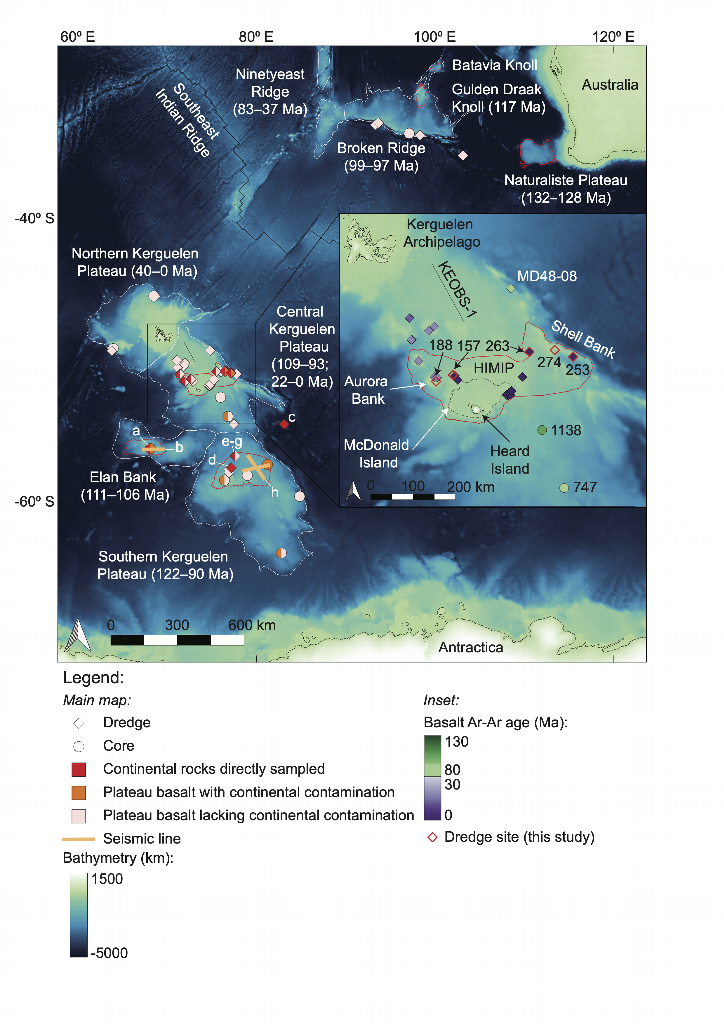
The Indian Ocean contains numerous enigmatic topographic features, and some of the least understood are submarine ridges. Our expedition will focus on William's Ridge, part of Earth's second largest submarine plateau, the Kerguelen Plateau, and on the once adjoining Broken Ridge. We will acquire and analyse rock samples and geophysical data from these ridges to understand how they formed and evolved. Our research will resolve questions about the plate tectonics of the Indian Ocean, determine if William's Ridge is a continental sliver, help understand massive volcanism triggered by mantle hotspots, and potentially contribute to expanding Australia's sovereign undersea territory.
Project milestones
Summary of the project achievements 2022/23
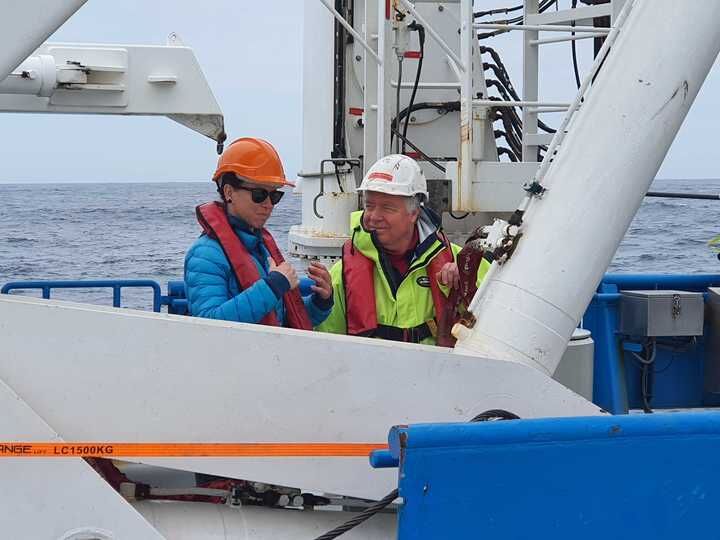
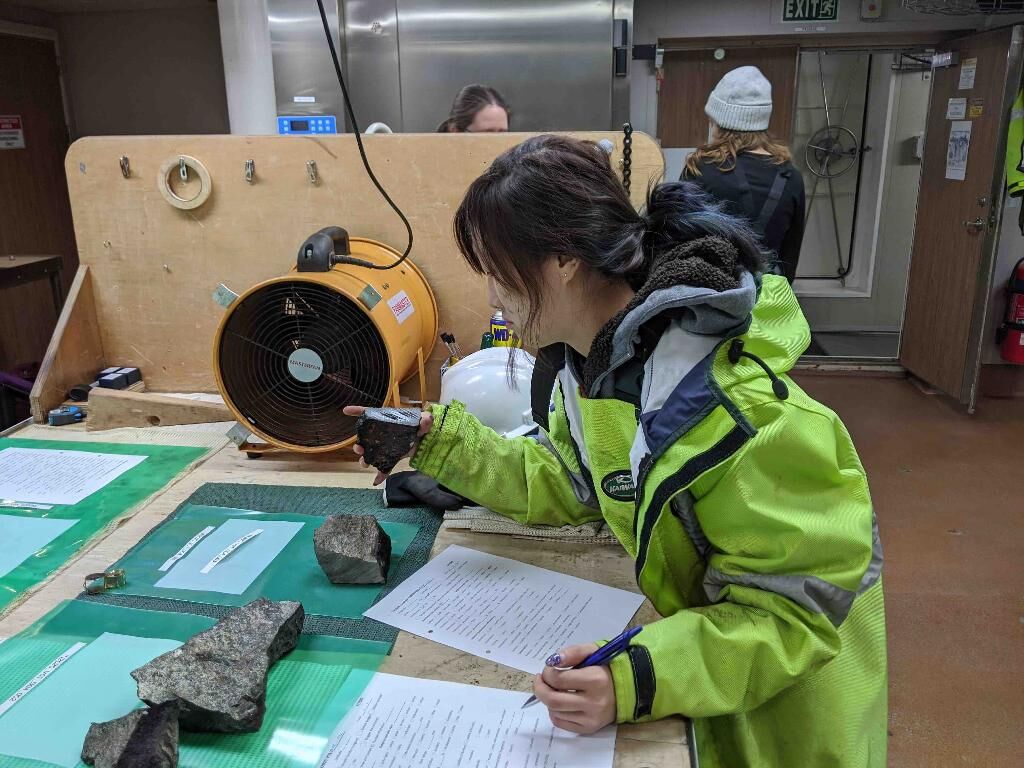
The Indian Ocean contains numerous enigmatic topographic features, and some of the least understood are submarine ridges. This project successfully led a voyage on the Australian Marine National Facility vessel, RV Investigator, to sample rocks and geophysically map two of these features - William's Ridge, part of Earth's second largest submarine plateau, the Kerguelen Plateau, and the once adjoining Broken Ridge. We successfully acquired and analysed rock samples and geophysical data from these ridges to understand how they formed and evolved.
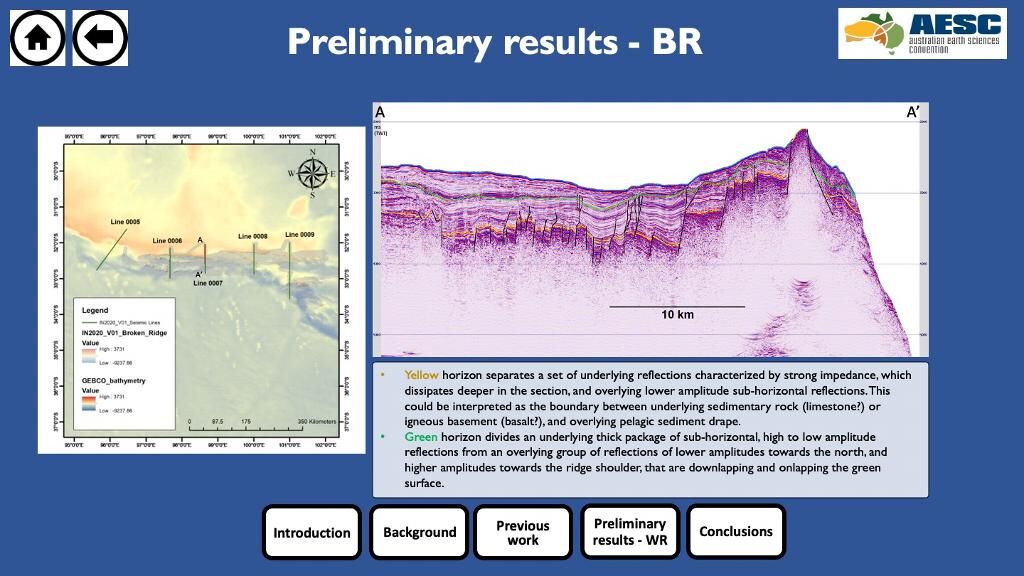
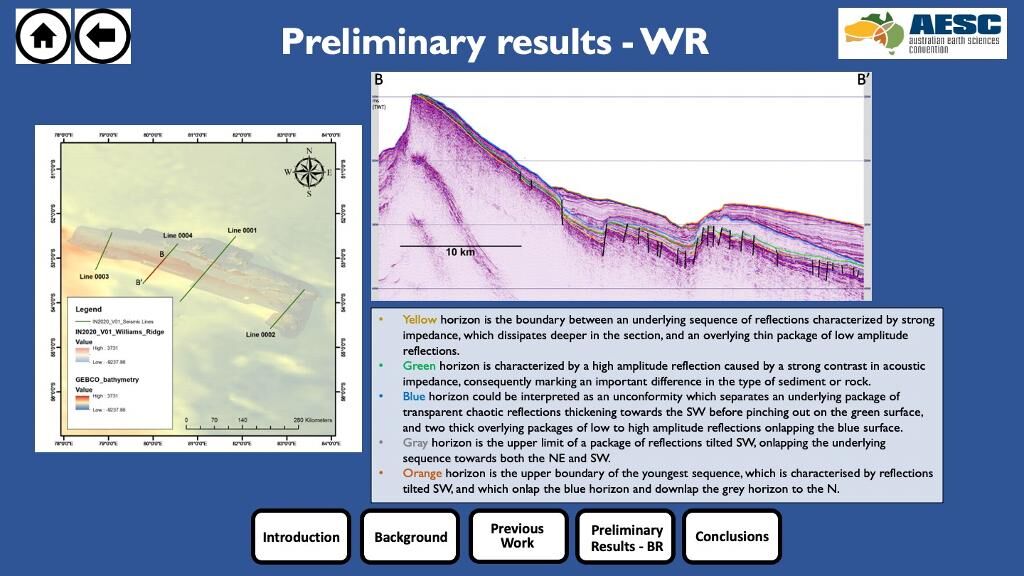
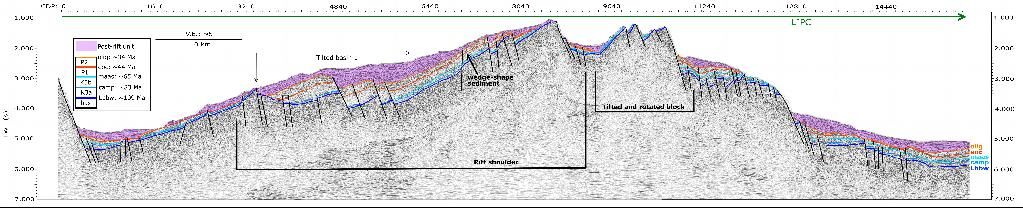
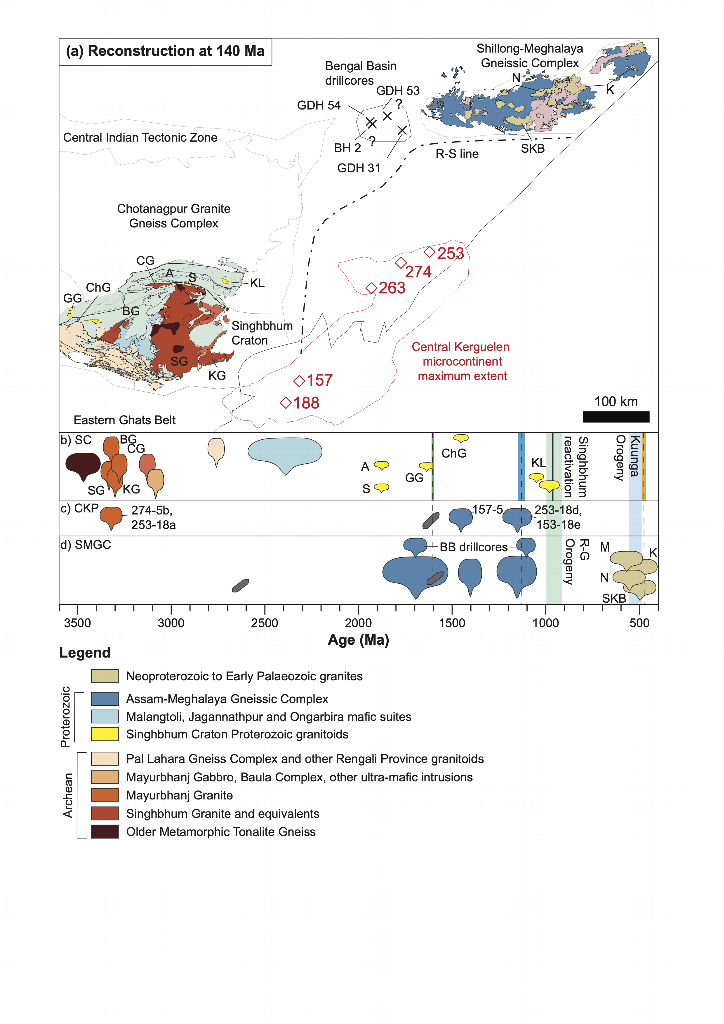
Our research addressed questions about the plate tectonics of the Indian Ocean, determined if William's Ridge is a continental sliver, helped understand massive volcanism triggered by mantle hotspots, and potentially contributed to expanding Australia's sovereign undersea territory. The recovery of continental rocks from William's Ridge will support Australia's claim to this ridge as part of Australia's marine jurisdiction as an extended continental shelf under the United Nations Convention on the Law of the Sea. These samples have ages and affinities indicating that they are related to the Indian-Australian-Antarctic tectonic break-up ~140 million years ago. Detailed geophysical data and geological models revealed that the later break-up between Williams and Broken Ridges occurred differently to how continents or oceanic crust break apart – the first time these processes have been modelled. These models are also providing insights into how submarine features like these formed remote islands for millions of years during this break-up process, a phenomenon that is relatively common but previously unmodelled.
Summary of the season 2022/23
This project is focussed on understanding how two large submarine ridges, located far to the southwest and west of Australia in the Indian Ocean, formed many millions of years ago. One ridge is a spur of the Kerguelen Plateau which hosts Heard and McDonald islands, Australia's only active volcanoes, but more data and samples needed to be collected to justify Australia's claim for this ridge to be within Australia's marine jurisdiction as extended continental shelf under the United Nations Convention on the Law of the Sea.
During the 2022/23 season we continued to analyse and interpret the data and samples we collected during a scientific research voyage in early 2020. We finalised interpreting images of the sub-seafloor sediments and rocks of the submarine ridges and building models of how and when they formed. We also progressed with rock sample analyses to understand the age and composition of the rocks we sampled from the ridges, which also aid in understanding how and when these features formed, and how they are related to Australian and Antarctic geology.