
Project information
Project aim
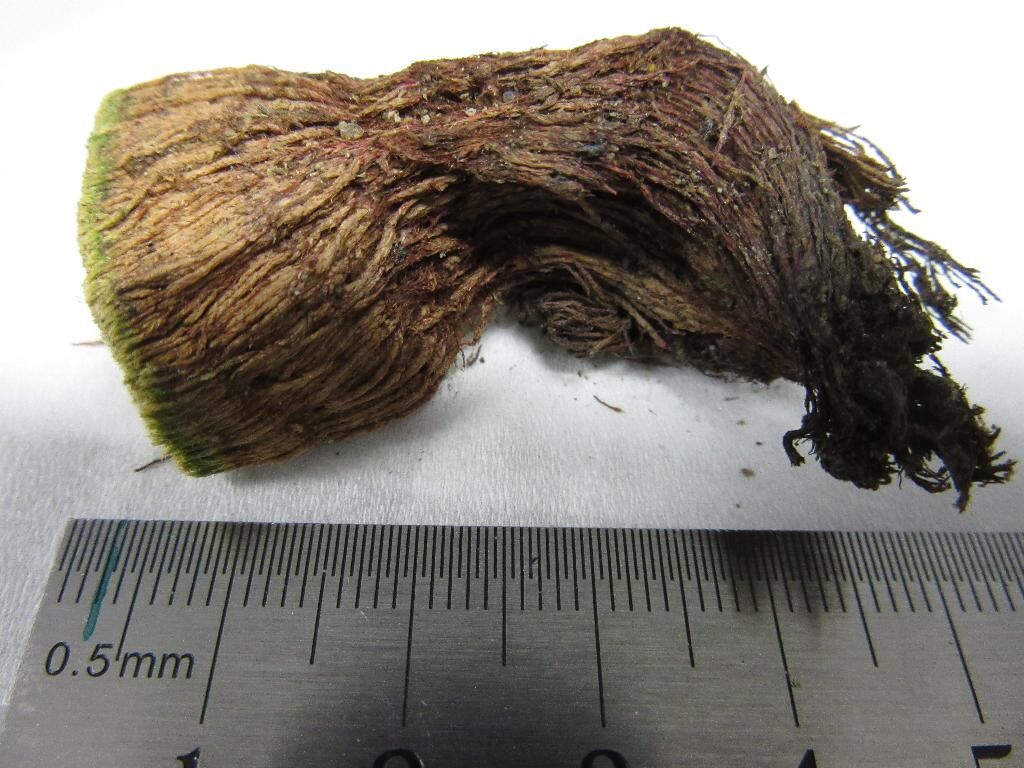
We have recently shown that the lush moss beds of the Windmill Islands, East Antarctica are rapidly drying due to cooler, windier summers caused by ozone depletion and climate change. We have developed advanced ways to analyse preserved climate records captured within these old-growth moss shoots establishing these miniature plants as accurate proxies to detect climate change in coastal East Antarctica. We propose to use similar 'moss-cores' from around Antarctica to determine whether there is more widespread drying. Long moss shoots collected from various sites around coastal Antarctica will be assessed using a combination of existing and novel methods. We will determine preserved radiocarbon and stable isotope signatures, providing a history of the region's changing climate and allowing us to determine sites where mosses are at risk of drying and dying. This will be combined with drone-based remote sensing of moss health and hydrological spatial modelling to delineate risk.

Project milestones
Summary of the project achievements 2022/23
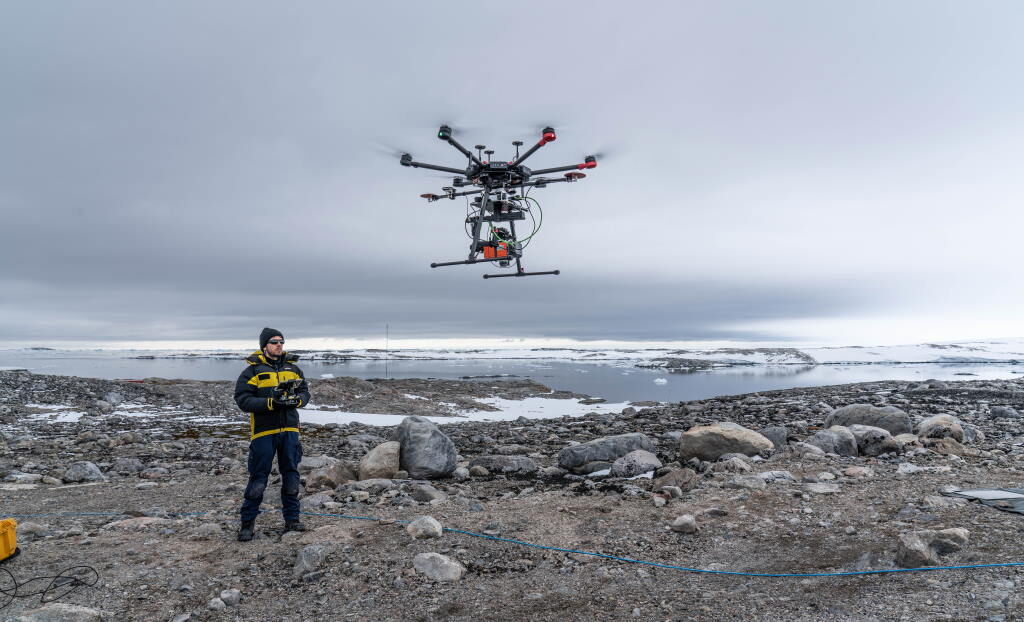
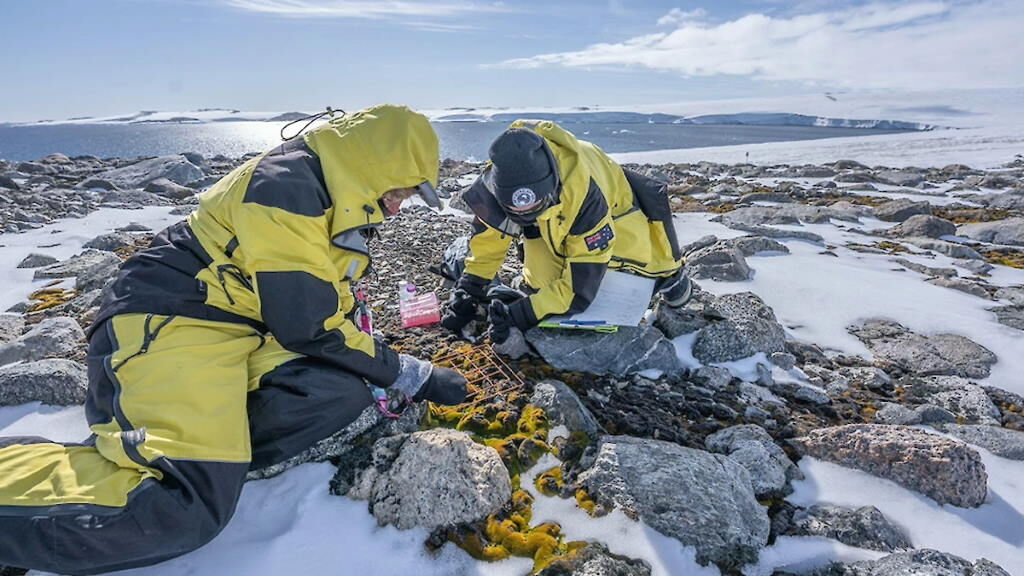
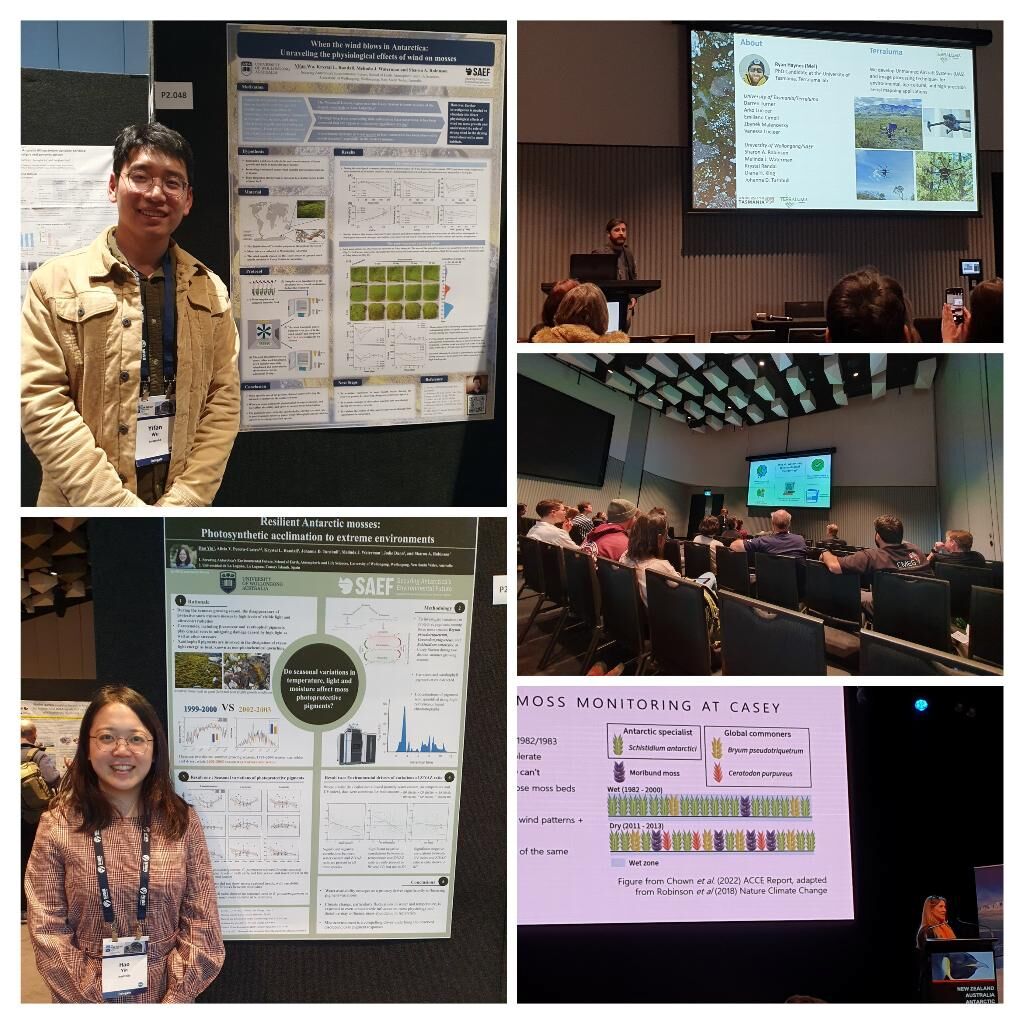
We assessed moss beds near Casey Station in the February 2022 field season. Samples and ground-based measurements were combined with drone-based remote sensing data to produce fine scale moss health and moisture maps. Species composition in the bryophyte communities at two sites have been assessed using field samples for the State of the Environment Indicator (SoE) 72. Over 200 new and herbarium Antarctic moss samples have been radiocarbon dated and/or analysed for stable isotopes, despite delays caused by lockdowns. This project has produced drone imagery, SoE and isotope datasets supporting several postgraduate and undergraduate projects. Comparison with datasets from previous seasons will provide a spatiotemporal record of how changes in local environmental conditions are affecting Antarctic plant communities. Related work was presented at several conferences and shared with the public over radio, news articles, social media, seminars, children's workshops and an exhibition.
Summary of the season 2022/23
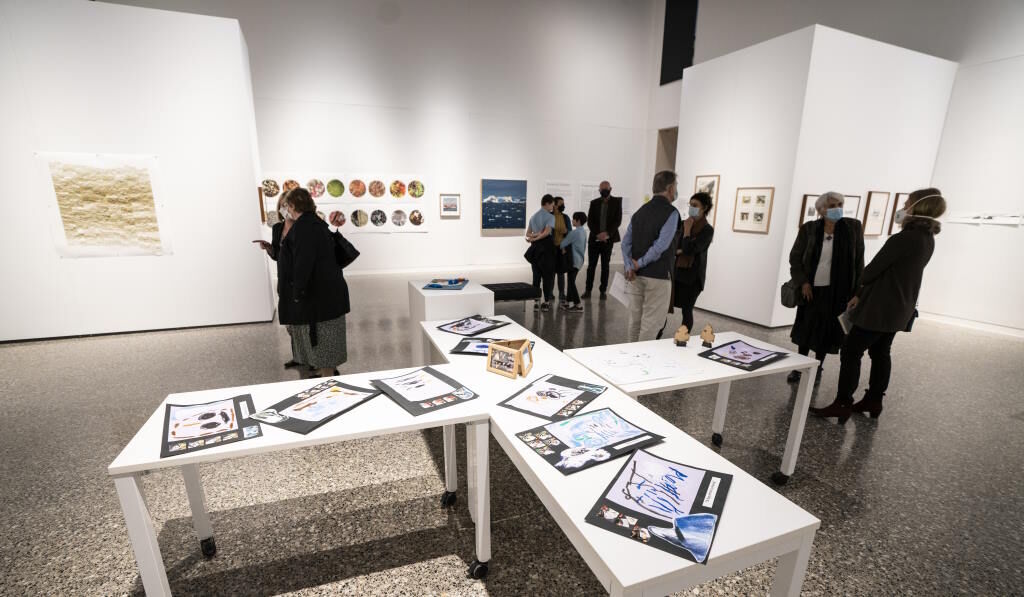
The main aim of this project is to examine spatial distribution, regional differences, and temporal dynamics of Antarctic moss health. Data collected during the Antarctic field season in February 2022 have been processed and analysed. Moss samples and measurements at the ground level have been combined with drone-based remote sensing data to produce fine scale moss health and moisture maps. Much progress has been made scoring moss species composition and cover using field samples and photographs for the State of the Environment Indicator (SoE) 72. Over 150 moss core samples collected from around Casey Station and at other coastal Antarctic sites have been radiocarbon dated. Stable carbon and oxygen isotopic signatures will indicate if and how fast these moss cores have experienced changing environmental conditions. Antarctic science, art, tourism and law were showcased as part of the 'Antarctic Futures' event held at the University of Wollongong in 2022. Encompassing an exhibition, children's activities and a seminar series, 'Antarctic Futures' engaged the public for ten weeks to ponder the future of Antarctica. Further analysis of data will confirm whether drying trends, in response to climate change, are widespread throughout East Antarctica.
Summary of the season 2021/22
After a successful Antarctic field season in February 2022, we have new drone imagery and samples to analyse. More than 20 drone flights were performed over moss sites nearby Casey Station to capture hyperspectral and visible colour imagery of the moss beds. Moss samples and measurements at the ground level will be combined with the drone-based remote sensing data to produce fine scale moss health and hydrological spatial maps. Samples and photographs were also taken in the field for the State of the Environment Indicator (SoE) 72. The new drone imagery and SoE datasets will be compared with datasets from previous seasons, providing a spatiotemporal record of how changes in local environmental conditions are affecting Antarctic plant communities. Stable isotopes and radiocarbon analysis of moss core samples was delayed due to the 2021 NSW lockdown. Related work was presented at several conferences and shared with the public over radio, news articles, social media and public seminars.
Summary of the season 2020/21
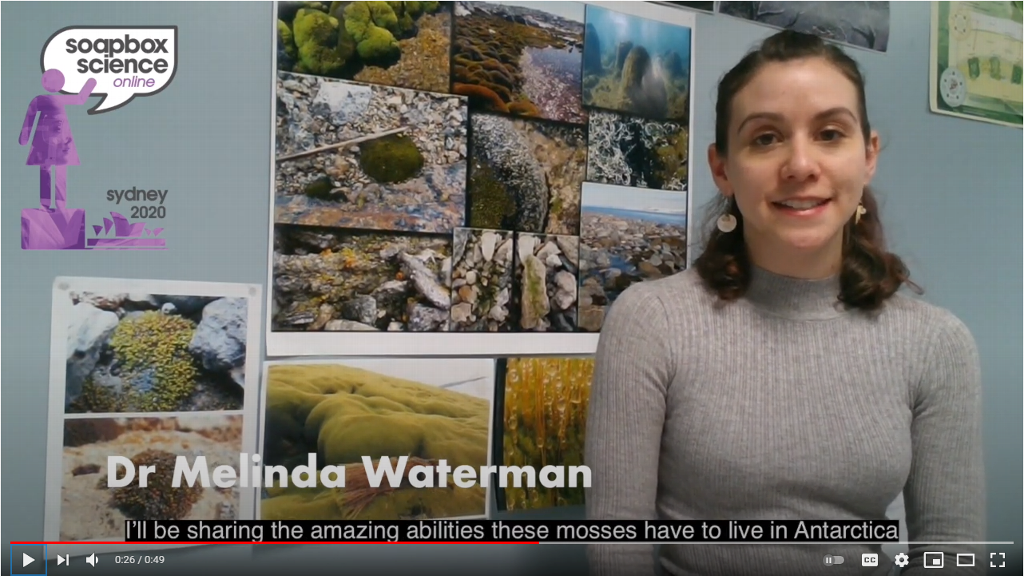
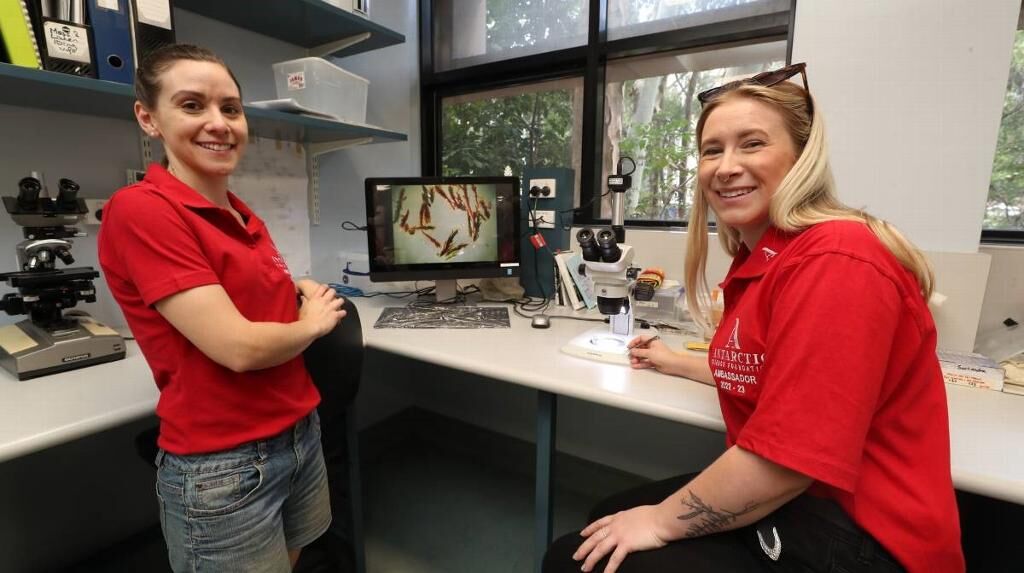
With 2021 bringing a more positive outlook than 2020, we began analysing small cores of moss shoots from a collection of old Antarctic moss samples we inherited from the Australian Antarctic Division freezers in 2019. Analysis involves processing these samples for dating using radiocarbon techniques at the Australia's Nuclear Science and Technology Organisation. This was delayed in 2020 due to COVID lockdown and restrictions. Unfortunately, we could not partake in 2020/21 fieldwork to collect new samples or new data of moss beds using drones with either the Australian or other national programs due to the pandemic. As a result of the restrictions, several laboratory-based aspects of the project were substantially delayed in 2020, however, we did recommence experiments using some of the legacy moss samples. Thus, two PhD, three honours and two undergraduate projects were still supported at UOW. These projects will help inform whether chemical signatures captured in the moss can reflect their microclimates and how microclimate influences moss physiology. Related work was presented at several conferences and shared with the public at various 2020 National Science Week events including Soapbox Science Sydney.
Related publications
-
Limitations to photosynthesis in bryophytes: certainties and uncertainties regarding methodology Journal of Experimental Botany, 2022
(Ref: 16643)
Category 1: Peer-reviewed literature
Bryophytes are the group of land plants with the lowest photosynthetic rates, which was considered to be a consequence of their higher anatomical CO2 diffusional limitation compared with tracheophytes. However…
-
Islands in the ice: Potential impacts of habitat transformation on Antarctic biodiversity Global Change Biology, 2022
(Ref: 16644)
Category 1: Peer-reviewed literature
Antarctic biodiversity faces an unknown future with a changing climate. Most terrestrial biota is restricted to limited patches of ice-free land in a sea of ice, where they are adapted to the continent's extreme cold and wind and exploit microhabitats of suitable conditions. As temperatures rise…
-
Basking in the sun: how mosses photosynthesise and survive in Antarctica Photosynthesis Research, 2023
(Ref: 16924)
Category 1: Peer-reviewed literature
The Antarctic environment is extremely cold, windy and dry. Ozone depletion has resulted in increasing ultraviolet-B radiation, and increasing greenhouse gases and decreasing stratospheric ozone have altered Antarctica's climate. How do mosses thrive photosynthetically in this harsh environment?
-
Mapping water content in drying Antarctic moss communities using UAS-borne SWIR imaging spectroscopy Remote Sensing in Ecology and Conservation, 2023
(Ref: 16923)
Category 1: Peer-reviewed literature
Antarctic moss beds are sensitive to climatic conditions, and both their survival and community composition are particularly influenced by the availability of liquid water over summer. As Antarctic regions increasingly face climate pressures (e.g., changing hydrology and heat waves)…
-
Boundary-line trade-off in bryophytes between UV photoprotection and photosynthetic capacity, but not desiccation tolerance Annals of Botany, 2025
(Ref: 17422)
Authors:Category 1: Peer-reviewed literature
Background and Aims … Coping with both UV-B radiation and desiccation was essential for early land plants. In bryophytes, UV-B screening and desiccation tolerance partially depend on the physicochemical features of cell walls, which may also constrain photosynthesis.